Spec sheets can tell you a lot about autofocus, but they do not always tell you how a camera behaves when a subject suddenly turns, walks into backlight, or moves straight toward the lens. In real-world shooting, the Canon R6 Mark II and Sony A7 IV are both excellent hybrid cameras, yet they feel different in the field. If you are trying to decide which AF system better fits your work, these practical tips will help you evaluate what matters most, from subject tracking confidence to ease of setup and keeper rate.
Start With the Kind of Subjects You Actually Shoot
1. Test people, pets, and motion separately
The Canon R6 Mark II stands out for fast, confident subject acquisition and a very natural feeling tracking experience, especially for people and action. The Sony A7 IV is also highly capable, but many photographers find Canon's tracking behavior a little more immediate when subjects move unpredictably. If you shoot weddings, events, family sessions, or sports, test each body on the same subject types you regularly photograph instead of relying only on broad autofocus claims.
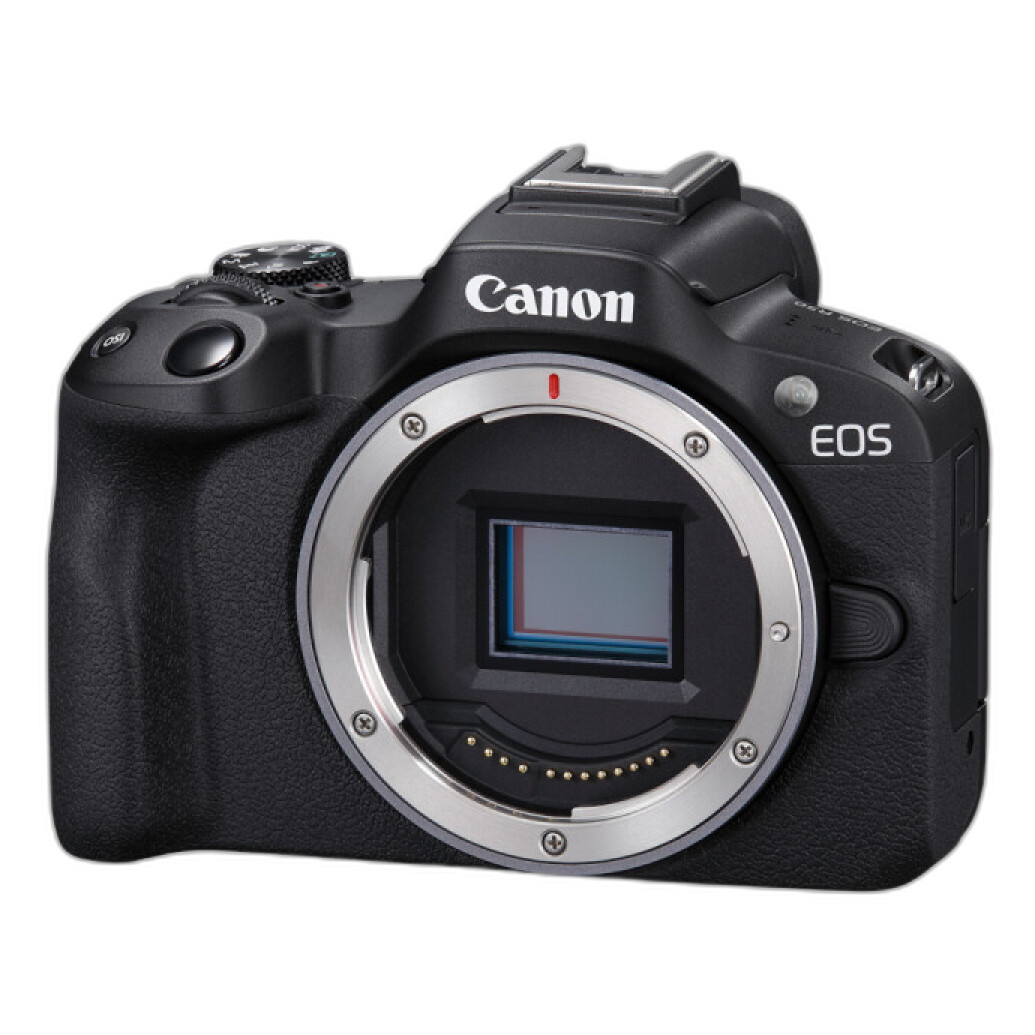
A useful benchmark is to compare how quickly each camera identifies an eye, how long it stays locked when a subject turns away, and how easily it reacquires focus after an obstruction. If you want a lower-cost Canon body to get a feel for Canon's user-friendly AF philosophy, the Canon EOS R50 Mirrorless Camera is a good example of how approachable Canon subject detection can feel for newer mirrorless users.
Evaluate Eye Detection Under Pressure
2. Backlight and side light reveal the real differences
Autofocus often looks great in ideal light. The real test comes when your subject is backlit by a window, lit by DJ lights, or moving through mixed daylight and shade. In these situations, the Canon R6 Mark II is often praised for maintaining strong eye detection and smooth transitions between face, head, and body tracking. The Sony A7 IV remains dependable, but some shooters prefer Canon's responsiveness when a face briefly leaves the frame and returns.
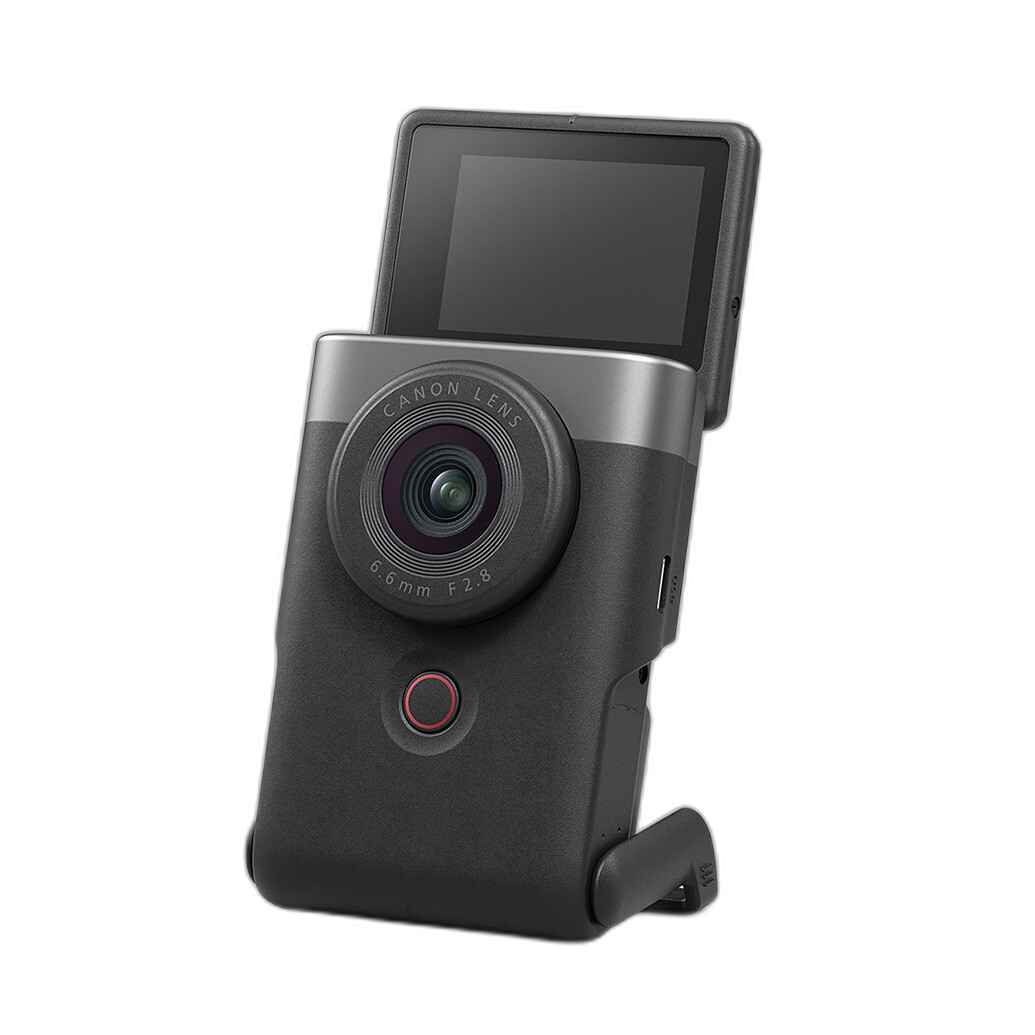
To build a fair comparison, photograph the same subject walking toward you in uneven light at multiple apertures. Pay attention not just to whether the camera finds the eye, but whether it stays there without hunting. For creators who prioritize easy face-focused operation in a compact setup, cameras such as the Canon PowerShot V10 Vlog Camera for Content Creators reflect Canon's broader emphasis on straightforward subject-focused shooting workflows.
Check Burst Shooting Keeper Rate, Not Just AF Speed
3. A high keeper rate matters more than a fast first lock
One of the biggest real-world strengths of the Canon R6 Mark II is how well its autofocus pairs with fast continuous shooting for action. That makes it especially compelling for sports, wildlife, and active event coverage where the best image happens in a fraction of a second. The Sony A7 IV is very capable, but if your work centers on sequences of fast movement, the Canon body often feels more purpose-built for tracking through bursts.
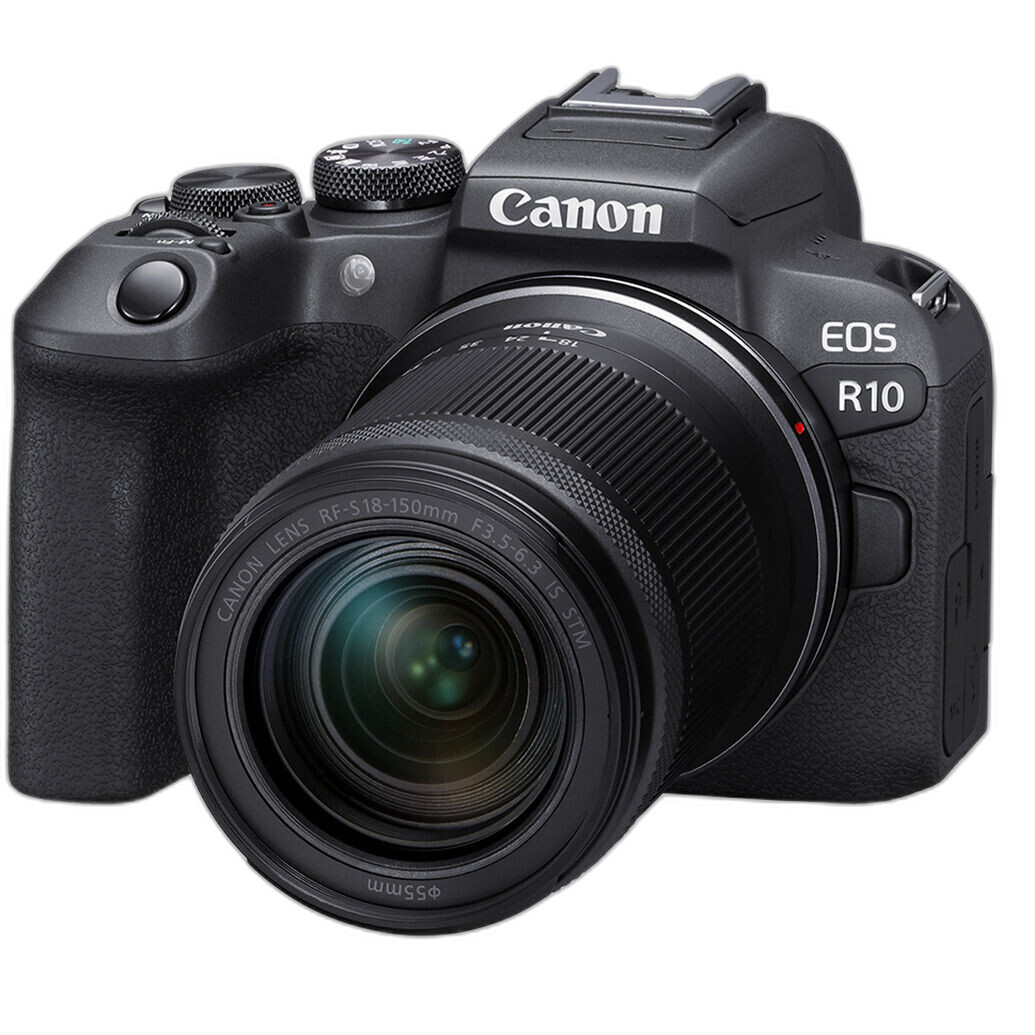
When comparing the two, do not judge from a single frame. Shoot a burst of a runner, cyclist, or child moving toward the camera, then count how many images are critically sharp around the eyes. That keeper rate is the number that affects your workflow. If you are shopping within the Canon ecosystem but do not need full-frame performance, the Canon EOS R10 Mirrorless Camera with 18-150mm Lens is another strong action-friendly option worth a look for photographers who value responsive AF in a lighter package.
Pay Attention to Menu Logic and AF Setup Time
4. The best autofocus system is the one you can adjust quickly
Real-world autofocus performance is not only about algorithms. It is also about how fast you can switch from eye detect for portraits to a wider area for erratic motion. Many users find the Canon R6 Mark II easier to configure quickly, with a shooting experience that feels intuitive when changing AF area behavior on the fly. Sony gives you deep customization, but some photographers need more setup time before the camera feels fully tailored.
If you frequently move between genres in a single shoot, such as portraits, candid moments, and short video clips, this matters a lot. Test how long it takes to change AF modes without taking your eye off the scene. Even on more entry-oriented Canon bodies like the Canon EOS R100 Mirrorless Camera, the company tends to make core AF controls approachable, which is one reason many upgraders feel comfortable staying within the system.
Try Video AF Separately From Photo AF
5. Smoothness and confidence in video can change your decision
Some buyers assume that strong stills autofocus automatically means strong video autofocus. In practice, you should test them separately. The Canon R6 Mark II performs very well for video subject tracking, with reliable face and eye detection that works nicely for interviews, handheld clips, and run-and-gun shooting. The Sony A7 IV is also a respected hybrid camera, but depending on your style, you may prefer Canon's tracking transitions or Sony's broader system familiarity if you already use Sony bodies.
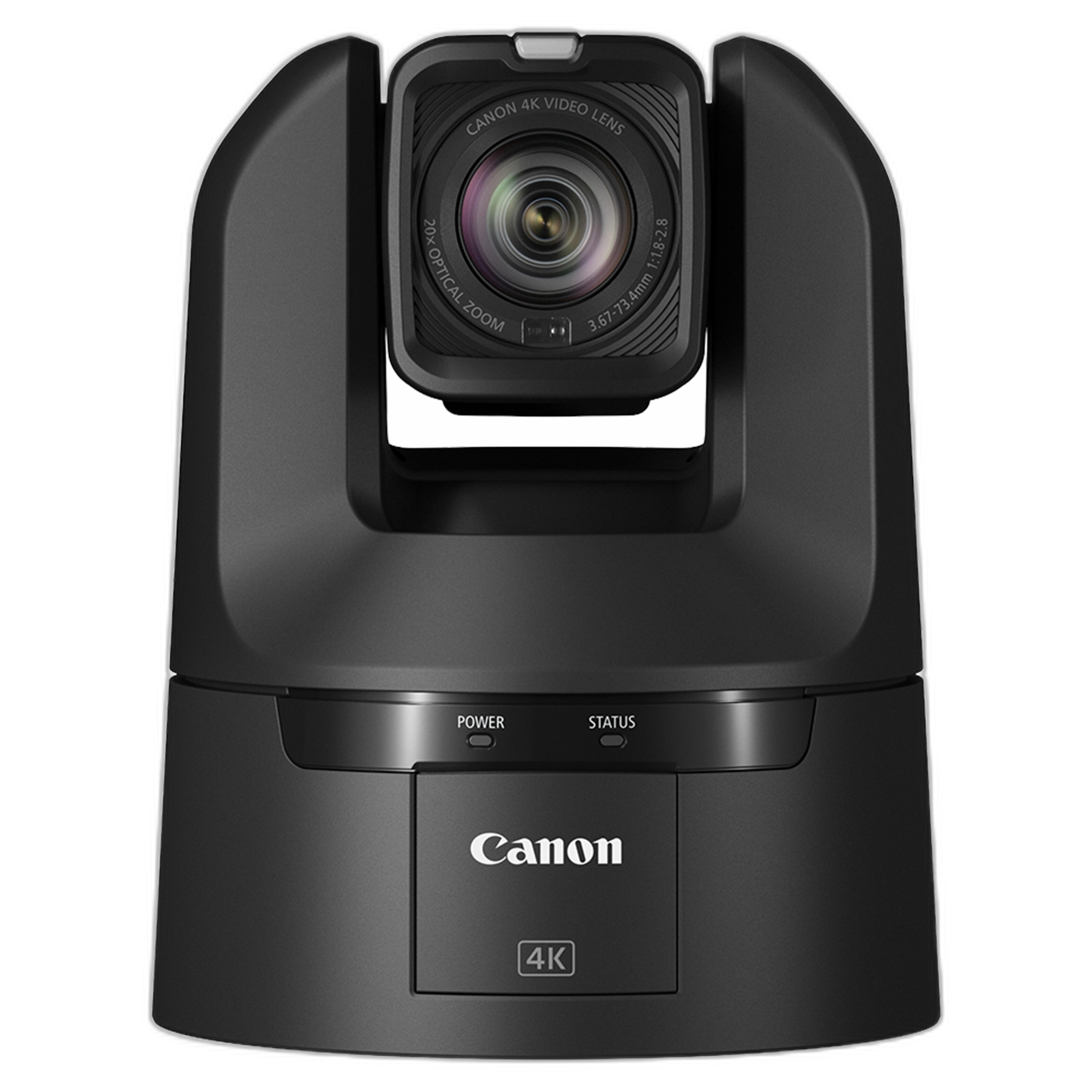
For hybrid creators, watch how each camera handles a subject entering and leaving frame, or shifting from foreground to background. If your work leans more toward fixed-position production, PTZ options like the Canon CR-N350 PTZ Camera or Canon CR-N400 PTZ Camera show how Canon also supports dependable autofocus and subject handling in multi-camera streaming and live production environments.
Lens Choice Affects AF More Than Many Buyers Expect
6. Compare each body with the lens you would really use
Autofocus performance is never just about the body. Native lens motor speed, focal length, and maximum aperture all influence how responsive the camera feels. A Canon R6 Mark II with a fast RF lens may feel dramatically more decisive than a Sony A7 IV paired with a slower zoom, and the reverse can also be true in a different matchup. Always test your likely real-world lens combination rather than a random demo lens.
This is especially important for portrait and event shooters working at shallow depth of field. Tiny misses are much easier to notice at wider apertures. If you are choosing a system for long-term growth, it helps to compare not just body AF, but the wider lens path and camera family around it, from starter bodies like the Canon EOS R100 Double Lens Zoom Kit up to more advanced full-frame options.
Use a Simple Real-World Test Routine
7. Repeat the same three tests before you buy
- Walking subject test: Have someone walk toward the camera in natural light and review eye sharpness across a burst.
- Obstruction test: Let the subject pass briefly behind another person or object and see how fast the camera reacquires the eye.
- Low-light test: Shoot indoors or at dusk and watch for hesitation, pulsing, or background grabbing.
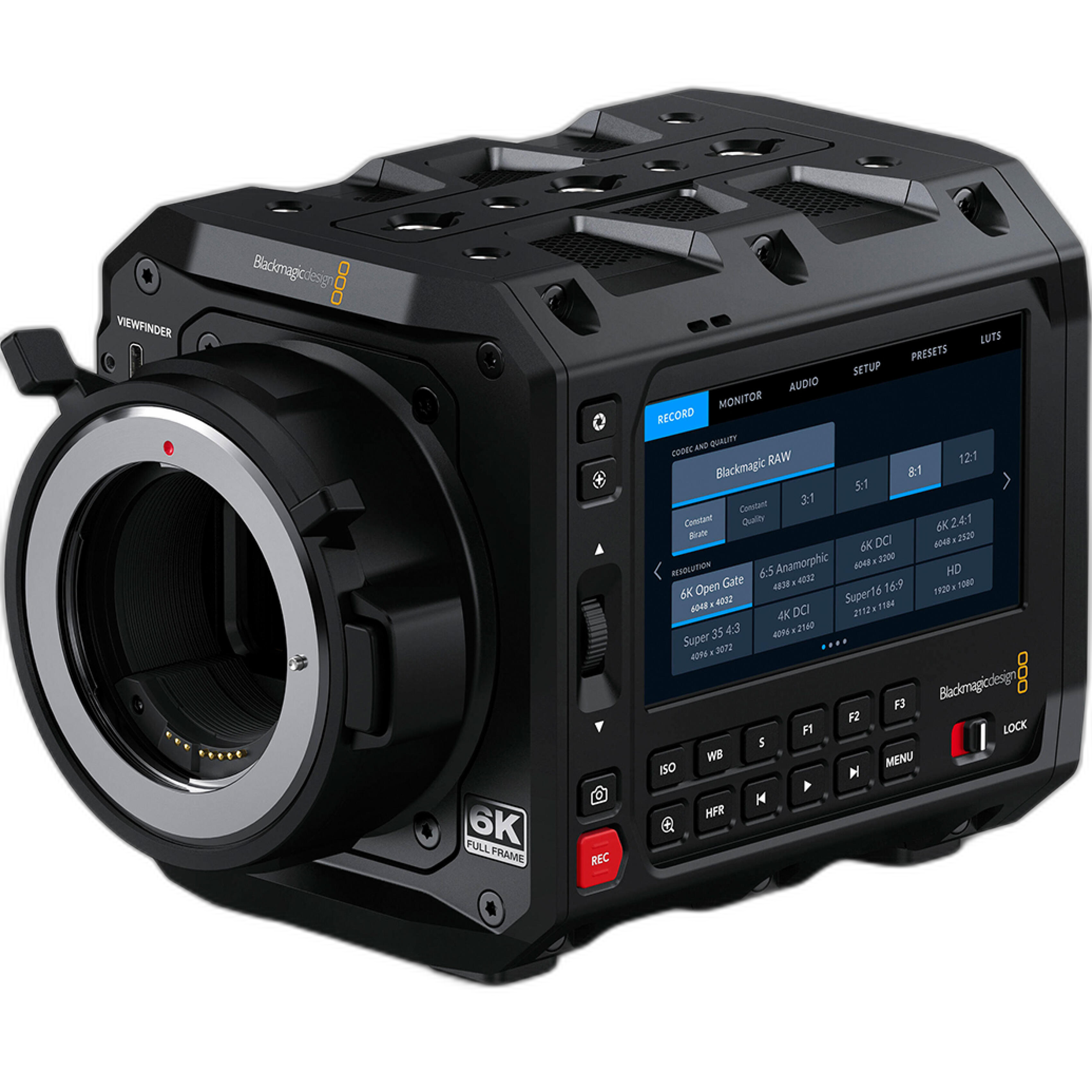
These three tests reveal more than hours of menu browsing. They will quickly show whether you prefer the Canon R6 Mark II's often praised immediacy and action-oriented feel or the Sony A7 IV's strong all-around performance and deep customization. If video production is part of your business, it is also smart to understand when autofocus is central to the workflow and when a cinema tool like the Blackmagic Design PYXIS 6K Cinema Box Camera may fit a more manual-focus-oriented production style instead.
Final Take: Which One Feels Better in Real Use?
For many photographers, the Canon R6 Mark II has an edge in real-world autofocus confidence, especially for action, events, and fast-moving human subjects. The Sony A7 IV remains an excellent hybrid camera with strong AF performance, but your decision should come down to subject type, lens pairing, and how naturally the camera responds in your hands. The best advice is simple: test both the way you actually shoot.
If you are ready to compare cameras, lenses, and creator tools in person, Unique Photo is a great place to explore the Canon ecosystem and find the gear that matches your shooting style.