Getting started in portrait photography is exciting, but choosing your first setup can feel overwhelming. The good news is that beginners do not need the most expensive camera to create flattering, professional-looking portraits. A smart portrait setup in 2024 is all about picking a camera that is easy to grow with, pairing it with a practical lens, and learning how to use light, focal length, and composition to your advantage. Here are some beginner-friendly tips to help you build a portrait kit that makes sense from day one.
Start with a Camera That Makes Learning Easy
1. Choose a camera with room to grow
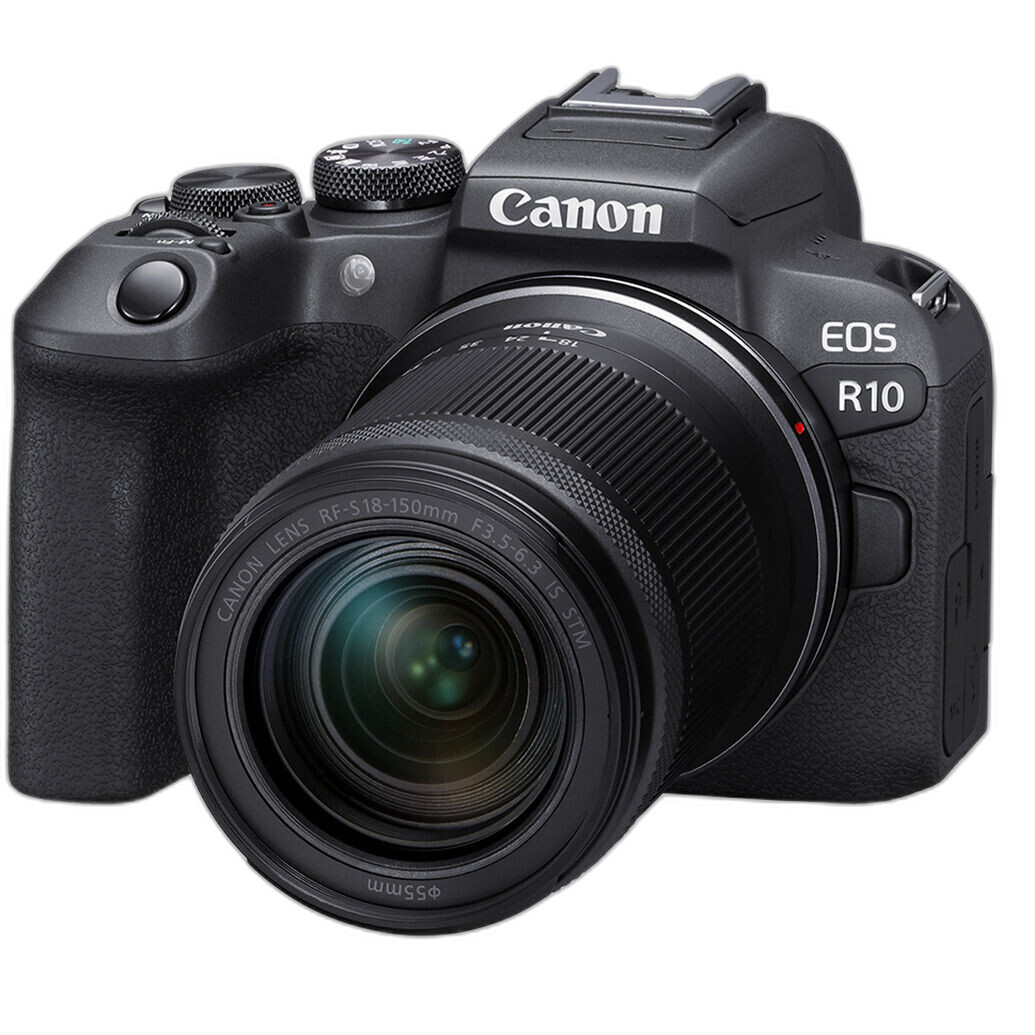
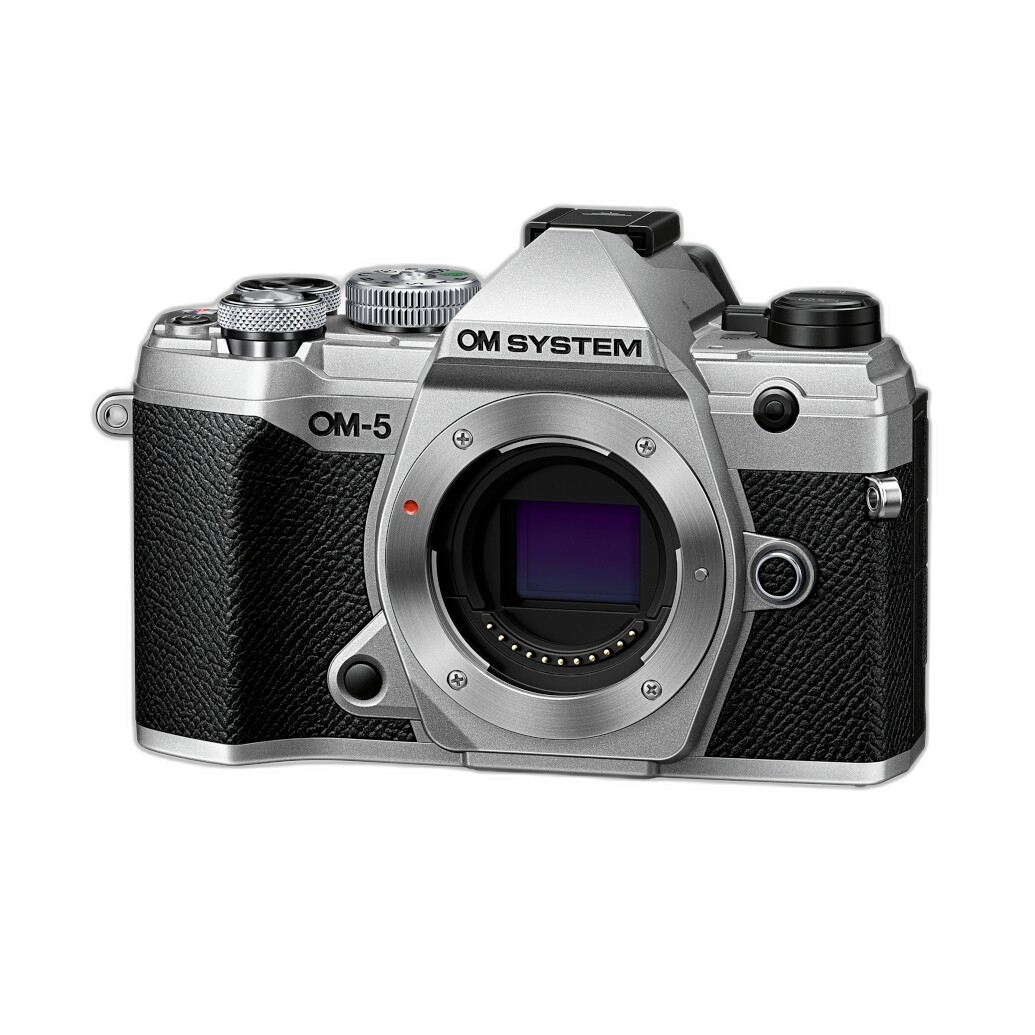
For beginners, a camera should be approachable but capable enough that you will not outgrow it too quickly. The Canon EOS R10 Mirrorless Camera with 18-150mm Lens is a strong starting point because it gives you a versatile zoom range for headshots, half-body portraits, and casual environmental portraits without needing extra lenses right away. If you prefer a lighter body with a classic design, the OM SYSTEM OM-5 Mirrorless Camera is another appealing option for new photographers who want portability and strong everyday usability.
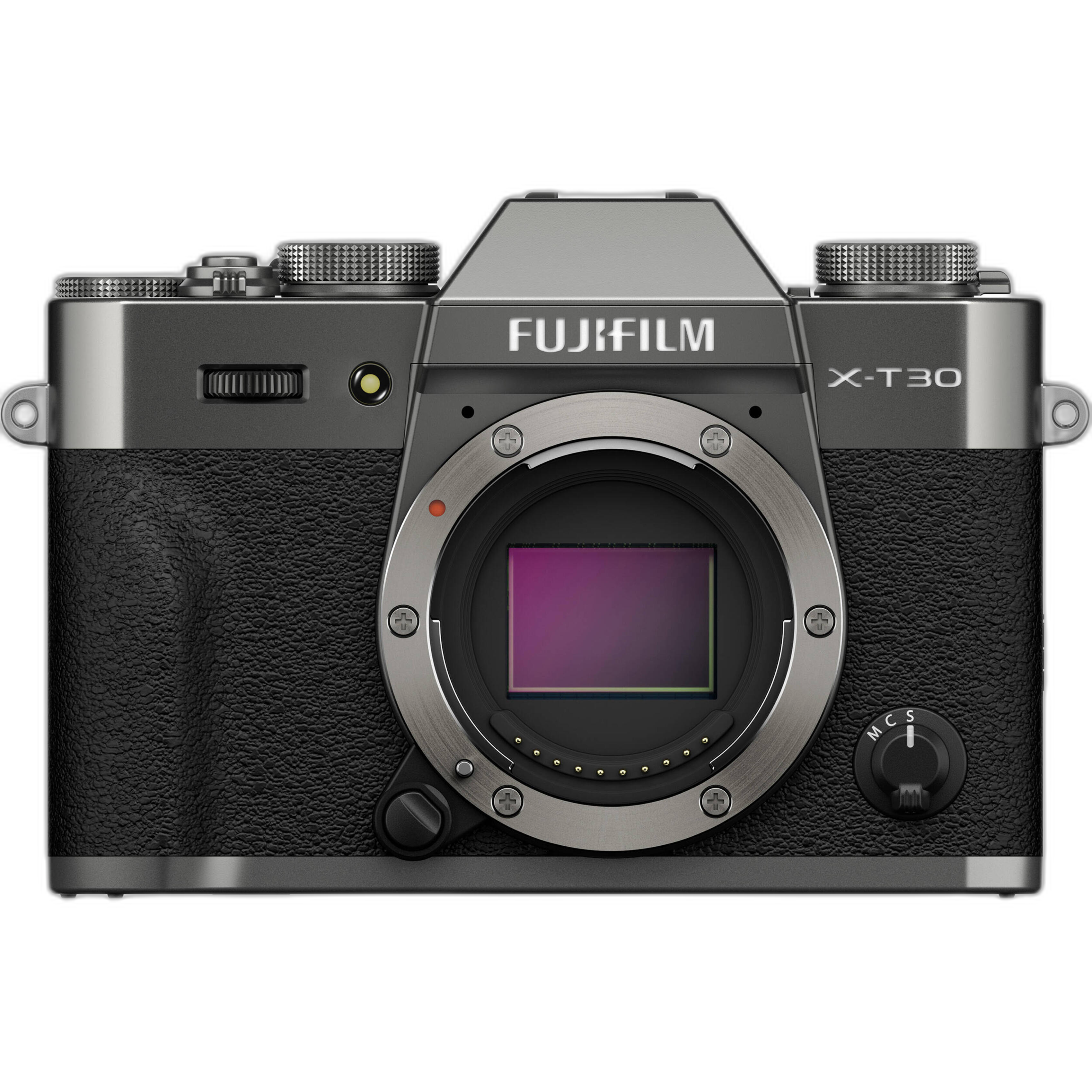
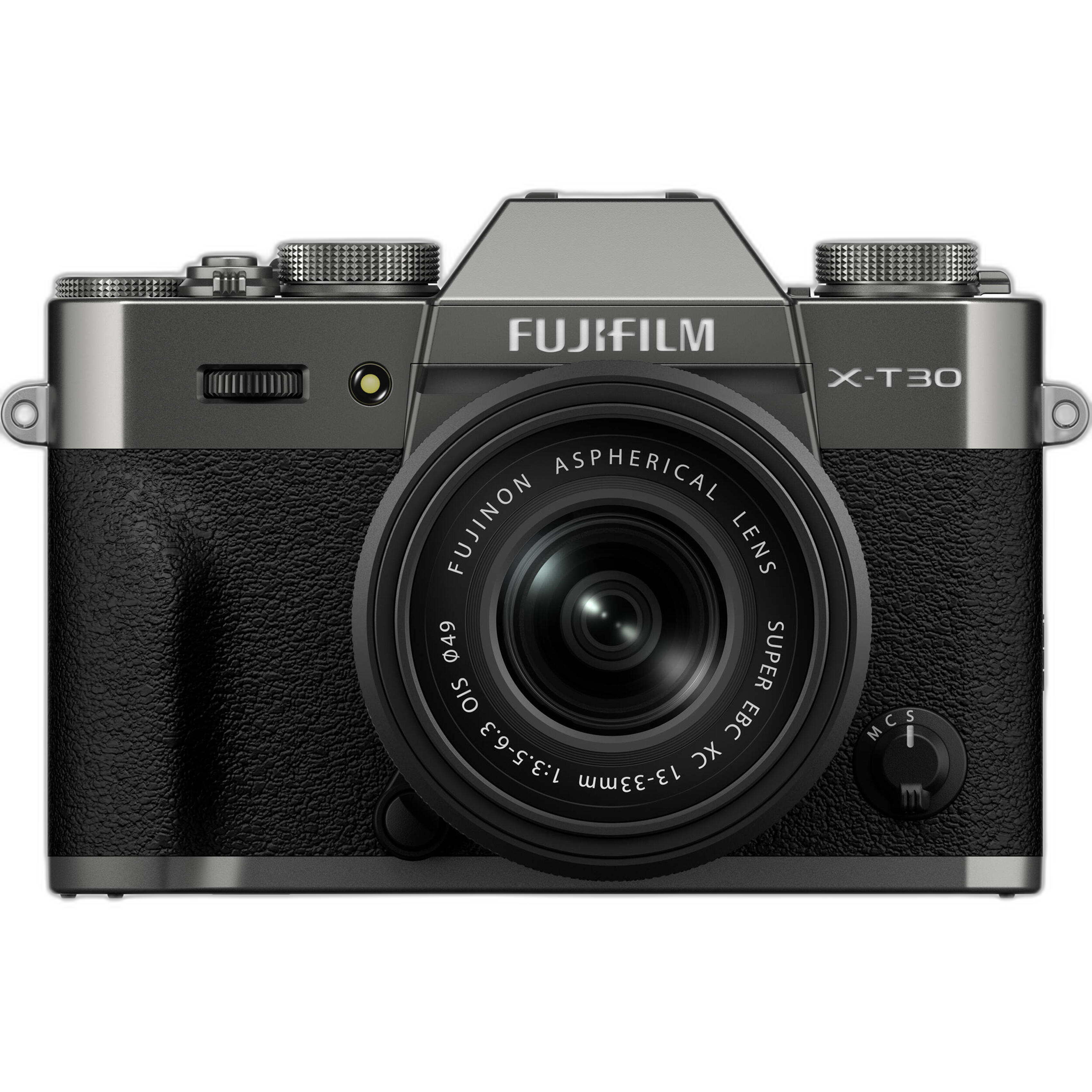
If you like tactile controls and a photo-first shooting experience, the FUJIFILM X-T30 III is especially attractive for portrait beginners who want manual dials and a compact body. The FUJIFILM X-T30 III with XC13-33mm Lens Kit can also make sense for someone who wants to start shooting immediately with a bundled lens.
Think About Lenses Before You Buy More Accessories
2. A good portrait focal length matters more than a giant gear bag
One of the biggest beginner mistakes is focusing on camera specs while overlooking lens choice. Portraits usually look more flattering when shot at focal lengths that avoid wide-angle distortion. That is one reason a kit like the Canon EOS R10 with 18-150mm Lens is so useful: you can zoom tighter for more natural facial proportions and softer-looking backgrounds.
Even if you start with a general-purpose kit lens, try to shoot portraits toward the longer end of the zoom range rather than the widest setting. If you go with the FUJIFILM X-T30 III with XC13-33mm Lens Kit, remember that wider focal lengths are better for environmental portraits than tight close-ups. As you improve, adding a dedicated portrait lens can be your next upgrade instead of replacing the camera body.
Use Natural Light First
3. Window light is one of the best beginner portrait tools
You do not need a full studio setup to make beautiful portraits. A large window can create soft, flattering light that is ideal for learning. Position your subject near the window, turn them slightly toward the light, and watch how the shadows shape the face. This approach helps beginners understand direction, contrast, and mood without having to manage flash.
Compact mirrorless cameras like the OM SYSTEM OM-5 and FUJIFILM X-T30 III are great for this kind of shooting because they are easy to move around in tighter indoor spaces. Their smaller size can make portrait sessions feel less intimidating for both the photographer and the subject.
Prioritize Autofocus and Ease of Use
4. Fast, reliable focus helps you capture expressions
Portrait photography is not just about sharp eyes. It is about timing, expression, and subtle moments between poses. Beginners benefit from cameras that make focusing simpler so they can pay more attention to their subject. The Canon EOS R10 is a particularly beginner-friendly choice here because it is designed for responsive performance and flexibility across different kinds of shooting, including portraits.
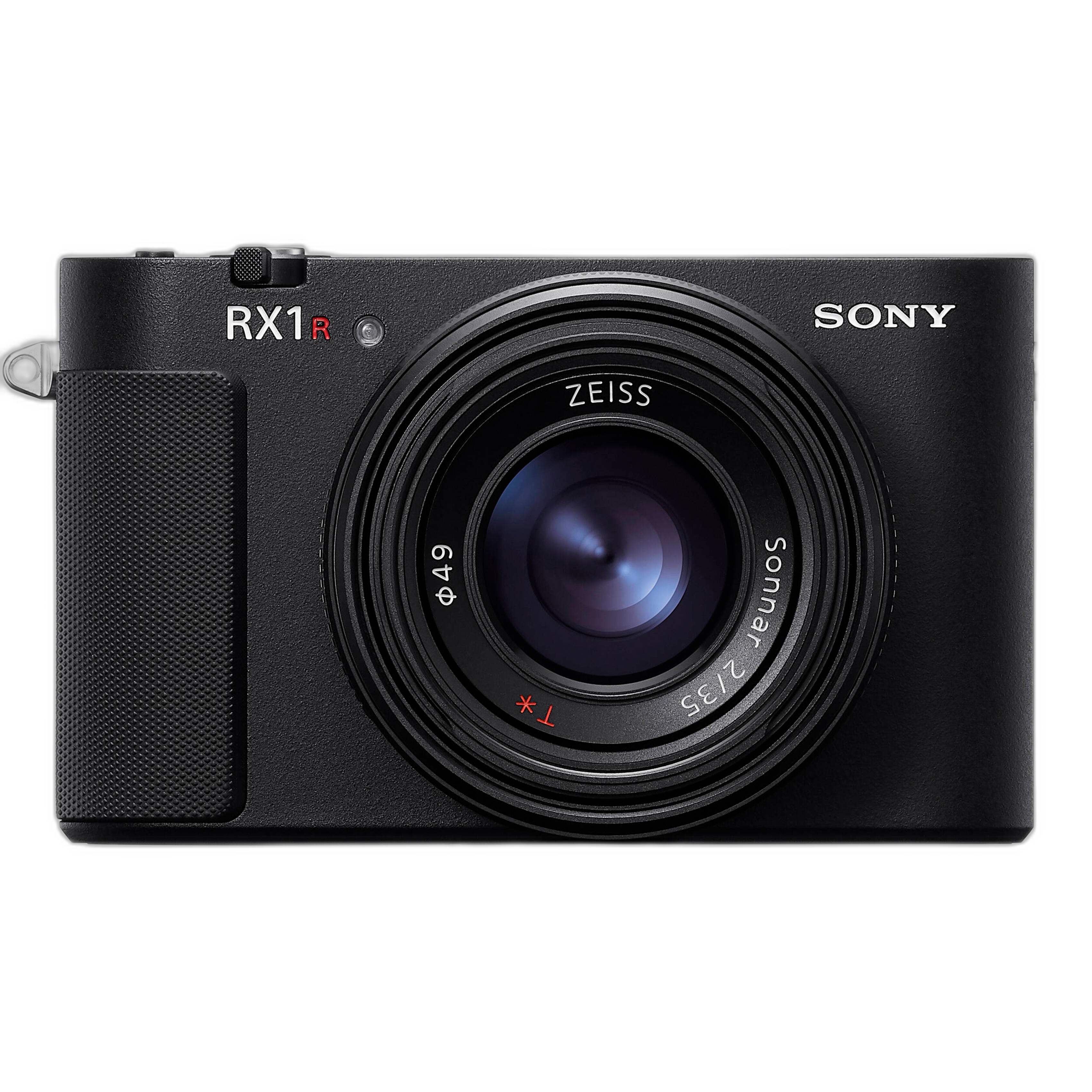
If you want something stylish and compact with strong everyday appeal, the Sony RX1R III Premium Compact Camera offers a premium all-in-one approach. While it is not the typical budget-first beginner choice, it is worth considering for photographers who want an ultra-portable camera that still delivers excellent image quality for portraits without the need to build out a full lens system immediately.
Build a Simple Beginner Portrait Kit
5. Keep your setup practical
A strong beginner portrait kit does not need to be complicated. Start with:
- A mirrorless camera body or kit
- One versatile lens or kit zoom
- An extra battery
- A memory card with enough capacity for practice sessions
- A reflector or access to soft window light
This is why cameras like the Canon EOS R10 with 18-150mm Lens stand out for first-time portrait shooters: the setup is straightforward, flexible, and ready for multiple styles of portraits. The FUJIFILM X-T30 III and OM SYSTEM OM-5 also fit nicely into a lightweight portrait kit for creators who value portability and a smaller camera bag.
Do Not Overspend on Advanced Gear Too Early
6. Skip specialty systems until you know your style
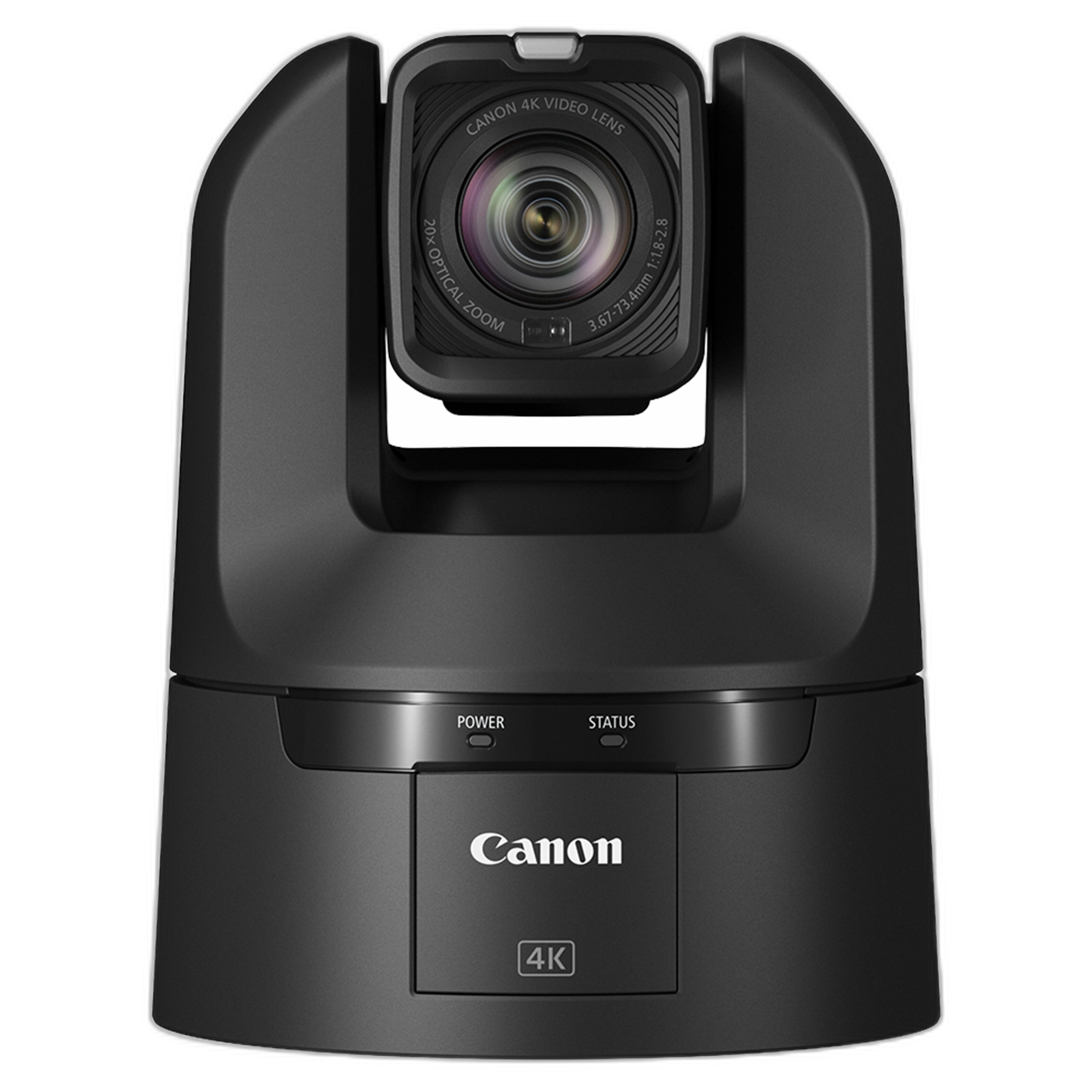
It can be tempting to look at high-end or specialized cameras right away, but most beginners will learn faster with a simpler system. For example, cameras such as the Hasselblad H6D Medium Format Camera are impressive, but they are far beyond what most new portrait photographers need when building their first setup. Likewise, PTZ models like the Canon CR-N350 PTZ Camera and JVC KY-PZ200N HD NDI HX PTZ Remote Camera serve very different production needs and are not the right fit for someone learning classic portrait photography.
For portraits, a beginner is usually better served by a traditional interchangeable-lens or compact camera that encourages hands-on composition and direct interaction with the subject.
Practice Posing and Communication
7. The best setup still depends on your connection with the subject
Even the right camera setup will only take you so far if your subject feels awkward. Give simple posing directions, keep the session relaxed, and look for natural expressions between poses. Beginners often improve faster by photographing friends or family and learning how to guide hands, shoulders, and chin position.
A smaller, less intimidating camera such as the FUJIFILM X-T30 III or OM SYSTEM OM-5 can be especially helpful during these early sessions. People often relax more quickly when they are not facing a huge, complicated-looking rig.
Conclusion
The best beginner camera setup for portrait photography in 2024 is the one that helps you start shooting confidently without making things overly complex. A versatile option like the Canon EOS R10 with 18-150mm Lens, a compact and stylish choice like the FUJIFILM X-T30 III, or a portable hybrid option like the OM SYSTEM OM-5 can all be excellent entry points depending on your preferences. Focus on ease of use, flattering focal lengths, and learning light before chasing advanced gear. When you are ready to build your portrait kit, Unique Photo is a great place to explore beginner-friendly cameras and take the next step in your photography journey.