If you shoot with Sony and care more about motion than stills, lens selection quickly becomes about more than focal length. Videographers need to think about breathing, autofocus behavior, focus throw feel, weight on gimbals, filter compatibility, balance, and whether a lens plays nicely with the rest of a production workflow. This guide is for creators comparing Sony lenses for interviews, documentaries, weddings, commercial work, solo content production, and narrative filmmaking.
One of the most useful ways to narrow your options is to use a Beta lens-selection tool as a starting point rather than a final answer. For video-centric buyers, that kind of tool is especially helpful for sorting lenses by focal range, size, and intended use case. But the real value comes when you go beyond specs and assess the overlooked details that affect actual footage: focus breathing control, aperture ring options, AF noise, stabilization behavior, close-focus ability, and how each lens fits your rig. Below, we break down how to use those tools intelligently, what features videographers often miss, and which Sony lenses are easiest to recommend for common video applications.
How Videographers Should Use a Beta Lens Tool
A Beta comparison tool is most useful when you treat it like a pre-production assistant. Start by filtering for mount, focal length, and aperture, then compare physical size and weight if you use a gimbal, shoulder rig, or compact cage setup. For video, this instantly removes a lot of lenses that may look great on paper but become awkward in real shooting conditions.
Where the tool becomes even more useful is in identifying patterns. For example, you may discover that your intended 24-70mm option is substantially heavier than a wide prime plus short telephoto pair, or that a supposedly compact lens still requires larger filters that complicate your matte box or variable ND workflow. If the tool surfaces dimensions, filter thread, and stabilization, those are all highly relevant to video shooters.
The limitation is that Beta tools rarely tell the whole story. They may not fully communicate how smoothly autofocus transitions behave on Sony bodies, whether focus breathing is distracting in real-world racks, or whether a lens is pleasant to operate manually over a long day. Use the tool to shortlist, then validate with video-centric criteria.
Overlooked Lens Features That Matter More for Video
Videographers often focus on sharpness and maximum aperture first, but lens usability in motion work is broader than that. Here are the features that deserve more attention:
- Focus breathing: A lens that noticeably changes framing during focus pulls can make polished work look amateurish.
- Aperture ring and de-click options: Smooth exposure transitions matter for event and documentary shooters moving between lighting conditions.
- Linear manual focus response: Critical for repeatable focus pulls and easier operation with follow-focus systems.
- Internal zoom or minimal extension: Important on gimbals and for maintaining balance during movement shots.
- Close-focus performance: Great for product details, food, wedding details, and cinematic insert shots without swapping lenses.
- Filter thread consistency: Shared filter sizes simplify ND use across a multi-lens kit.
- Autofocus motor noise and confidence: Essential for solo operators recording scratch or even final audio near camera.
- Weight distribution: Not just total weight, but how the lens balances on smaller Sony bodies.
Workflow Strategies for Choosing the Right Sony Video Lens Kit
Instead of shopping one lens at a time, think in terms of shooting workflow. A strong Sony video kit usually follows one of four paths:
| Workflow Type | Best Lens Strategy | Why It Works |
|---|---|---|
| Solo run-and-gun | 24-70mm standard zoom | Covers wide to portrait framing with fast lens changes eliminated |
| Gimbal-heavy production | Compact wide prime plus lightweight normal prime | Lower weight and easier balance, often with cleaner movement |
| Interviews and branded content | 16-35mm plus 50mm or 85mm | Wide environmental shots and flattering subject isolation |
| Documentary and events | 24-70mm plus 70-200mm | Fast reframing and strong coverage from a distance |
Another smart strategy is to decide whether you want your kit optimized around autofocus or manual focus. Sony has excellent AF performance, but some creators still prefer a more cinema-style operating feel. If your work depends on face tracking, eye AF, and solo shooting speed, prioritize lenses known for reliable AF and breathing control. If you work with a focus puller or prefer fully manual operation, handling and repeatability may matter more than AF speed.
Best Sony Lenses for Video Applications
Sony 24-70mm f/2.8 Standard Zoom
This is the workhorse recommendation for the broadest range of video creators. A 24-70mm f/2.8 lens gives you wide establishing shots, natural midrange framing, and flattering close-up coverage without changing lenses constantly. For wedding filmmakers, event shooters, and documentary creators, that flexibility is hard to beat.
Why it works for video: it supports fast-moving workflows, minimizes missed moments, and pairs well with Sony autofocus for solo operation. It is also ideal when you need to move quickly between handheld, monopod, and tripod setups. The main trade-off is weight, especially on smaller Sony bodies or lightweight gimbals.
Sony 16-35mm Wide Zoom
If your work includes real estate, travel films, interiors, architecture, vlogging, or dynamic gimbal shots, a 16-35mm zoom is one of the smartest video lens choices in the Sony system. It gives you room to work in tight spaces and helps create energetic movement when the camera is in motion.
Why it works for video: it is highly versatile for establishing shots, walk-and-talks, handheld documentary coverage, and wide interview environments. It can also reduce the need to physically reposition as much on location. The trade-off is that subject separation is generally less dramatic than longer focal lengths.
Sony 70-200mm Telephoto Zoom
For events, live performances, ceremonies, sports-adjacent coverage, and documentary work where you cannot get close, a 70-200mm lens is invaluable. It delivers compression, subject isolation, and the ability to capture intimate moments unobtrusively.
Why it works for video: it expands your storytelling vocabulary and gives you cinematic separation from a distance. It is particularly strong for B-roll, reaction shots, and controlled interview punch-ins. The downside is obvious: it is larger, heavier, and less friendly for all-day gimbal use.
Sony 35mm Prime
A 35mm prime is often the favorite lens of filmmakers who want a natural perspective with a cinematic feel. It sits in a sweet spot for documentary, street-style storytelling, interviews in context, and handheld work. On Sony full-frame bodies, it can be a highly balanced one-lens option for creators who dislike bulky zooms.
Why it works for video: a good 35mm prime can be compact, fast, and expressive, often with cleaner low-light performance than zooms. It is especially useful for creators who want consistent rendering and a simpler shooting style. The trade-off is reduced flexibility compared to a zoom.
Sony 50mm Prime
For interviews, product videos, talking-head content, and controlled narrative scenes, a 50mm prime remains a classic choice. It offers a flattering field of view without the stronger compression of an 85mm, and it can feel more intimate than a wider lens.
Why it works for video: it is often one of the best value options in a Sony kit, especially for creators wanting shallow depth of field and clean low-light results. If your work is less run-and-gun and more staged, a 50mm can be a core storytelling lens.
Sony 85mm Prime
An 85mm prime is a specialist lens for cinematic portraits, interviews, beauty work, and details. It is ideal when you want strong subject separation and a polished, premium look. On sets where you have space to back up, it can produce some of the most attractive interview framing in the Sony lineup.
Why it works for video: it creates a high-end visual style with strong compression and flattering facial rendering. The trade-off is reduced flexibility in small rooms and a tighter shooting distance that is less practical for casual run-and-gun use.
Recommended Lens Categories by Video Use Case
| Video Application | Best Lens Type | Why |
|---|---|---|
| Weddings and events | 24-70mm f/2.8, 70-200mm f/2.8 | Fast coverage, quick reframing, strong low-light versatility |
| Interviews and corporate | 50mm or 85mm prime, 24-70mm | Flattering framing and efficient setup changes |
| Vlogging and creator content | 16-35mm or compact wide prime | Arm’s-length framing, easier handheld and gimbal operation |
| Documentary | 24-70mm, 35mm prime, 70-200mm | Adaptable coverage depending on access and pacing |
| Narrative filmmaking | 35mm, 50mm, 85mm primes | Consistent look and stronger creative control |
| Real estate and interiors | 16-35mm | Wide field of view for confined spaces |
Supporting Gear That Improves a Sony Video Lens Workflow
Lens choice is only part of a strong video setup. A smoother workflow often comes from the accessories around the lens.
Benro S2 PRO Flat Base Fluid Video Head
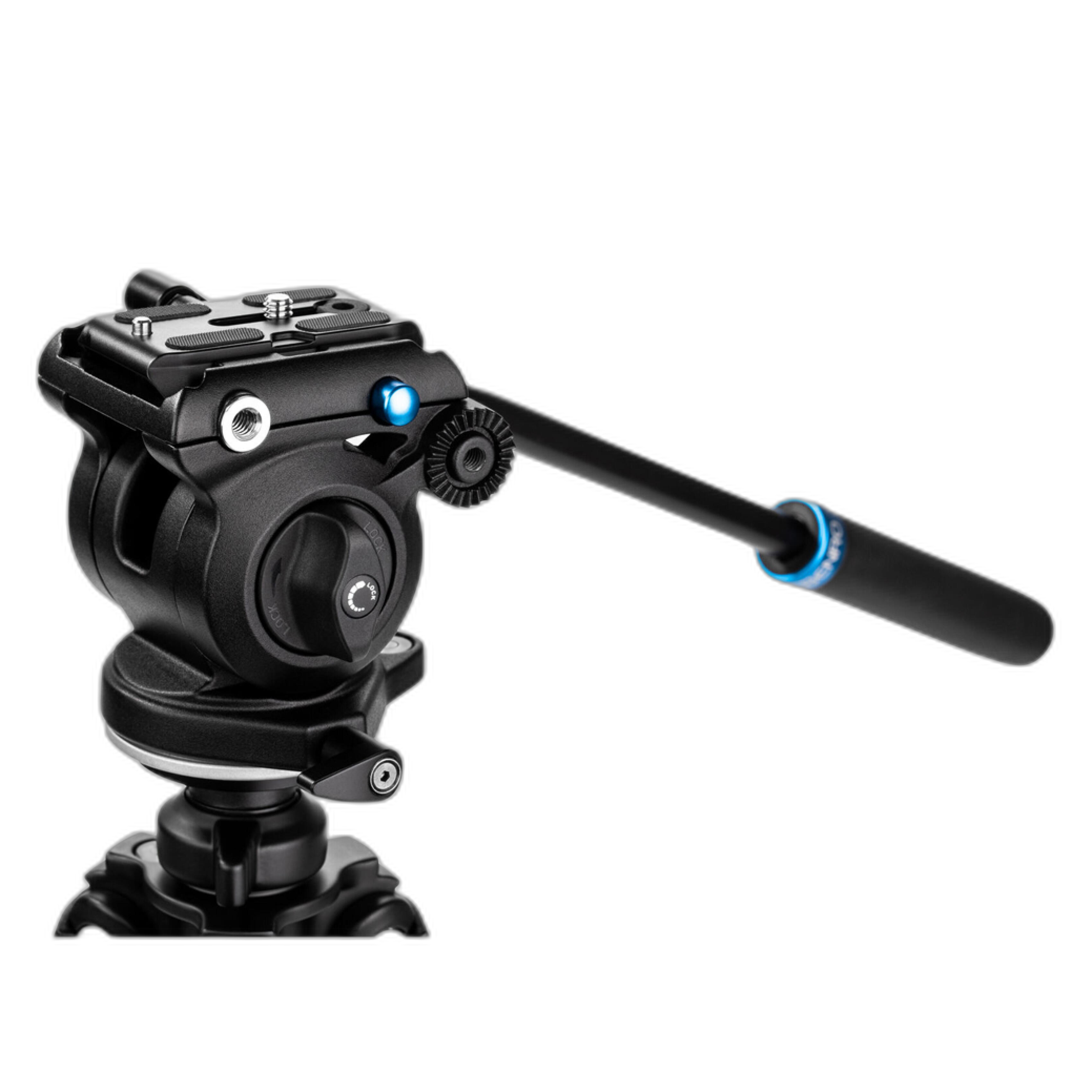
A fluid head is one of the most overlooked upgrades for videographers. If you are testing focal lengths and camera movement styles, a proper video head helps reveal how usable a lens really is in panning and tilting situations. Longer lenses especially benefit from smoother support. The Benro S2 PRO is a smart companion for interview setups, locked-off B-roll, and controlled movement work.
Used Blackmagic Design Video Assist 7 12G-SDI/HDMI HDR Recording Monitor

When evaluating lenses for video, an external monitor can make differences in focus rendering, breathing, and edge performance much easier to spot. A larger display also improves manual focus confidence and exposure decisions. For creators building a more serious Sony workflow, a monitor-recorder is a practical upgrade.
Used Accsoon CineEye 2S Pro Wireless Video Transmitter
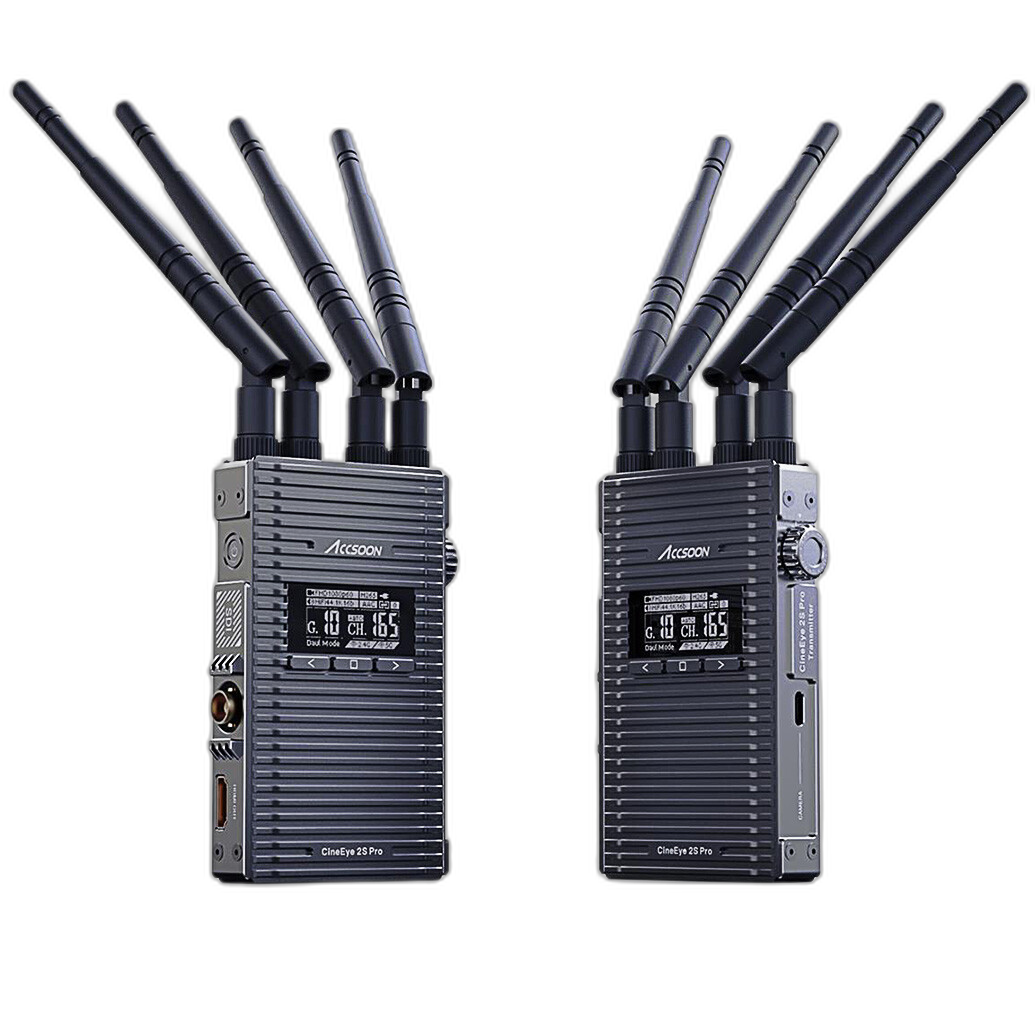
Wireless video is especially useful when assessing lens performance collaboratively. Directors, clients, or focus pullers can monitor framing and focus behavior without crowding the camera. That is valuable when comparing focal lengths on set or refining how a lens fits your production style.
Unique Photo Sony Videography Education
If you are still deciding between zooms and primes, or want practical guidance on Sony video settings and workflows, hands-on education can save time and money. Learning how to match lenses to shooting style is often more valuable than simply buying the most expensive option first.
Protecting Your Investment with a Mack Warranty

Video shooters often put lenses through heavy use: travel, long days, multiple locations, and frequent rigging changes. A warranty can be a worthwhile add-on, especially for premium Sony glass that travels constantly in production environments.
Final Advice: How to Choose the Right Sony Video Lens
If you want the simplest recommendation, start with a Sony 24-70mm f/2.8 class lens. It is the best all-around choice for most videographers and the easiest place to begin if you shoot a mix of interviews, events, documentary footage, and branded content. Add a 16-35mm if you need wider coverage for gimbals, interiors, or vlogging, and add a 70-200mm if your work regularly demands reach. If you prefer a more cinematic style and controlled production pace, build around 35mm, 50mm, and 85mm primes.
The Beta tool is useful, but it works best when paired with real video priorities: breathing control, autofocus behavior, handling, balance, and workflow compatibility. For creators shopping Sony lenses and the support gear that makes them more effective, Unique Photo is a strong place to compare options, learn from experts, and build a video kit that actually matches how you shoot.