DSLR vs Mirrorless FAQ: Which Camera System Makes More Sense Today?
Choosing between a DSLR and a mirrorless camera is one of the biggest decisions photographers make when upgrading or investing in a new system. While both formats are capable of excellent image quality, the right choice depends on how you shoot, what features matter most, and how much you value size, speed, lens ecosystem, and long-term support.
At Unique Photo, we help photographers compare camera systems every day. This FAQ breaks down the most common questions about DSLR and mirrorless technology so you can decide which path fits your work, travel, and creative goals.
What is the main difference between DSLR and mirrorless cameras?
The biggest difference is how the camera handles viewing and focusing. A DSLR uses a mirror mechanism and an optical viewfinder, so you are looking through the lens via a reflective system. A mirrorless camera removes that mirror box and instead uses an electronic viewfinder or rear screen to show a live preview from the sensor.
In practical terms, mirrorless cameras often offer more advanced autofocus tracking, faster burst shooting, real-time exposure preview, and smaller bodies. DSLRs still appeal to photographers who prefer the feel of an optical finder, long battery life, and familiar handling. For many buyers today, mirrorless has become the more future-focused option because most brands are putting their newest technology into mirrorless bodies and lenses.
Is mirrorless better than DSLR for most photographers today?
For many photographers, yes. Mirrorless systems now lead in autofocus sophistication, subject detection, silent shooting, video features, and portability. If you shoot portraits, weddings, sports, travel, wildlife, or hybrid photo/video work, mirrorless often provides meaningful advantages.
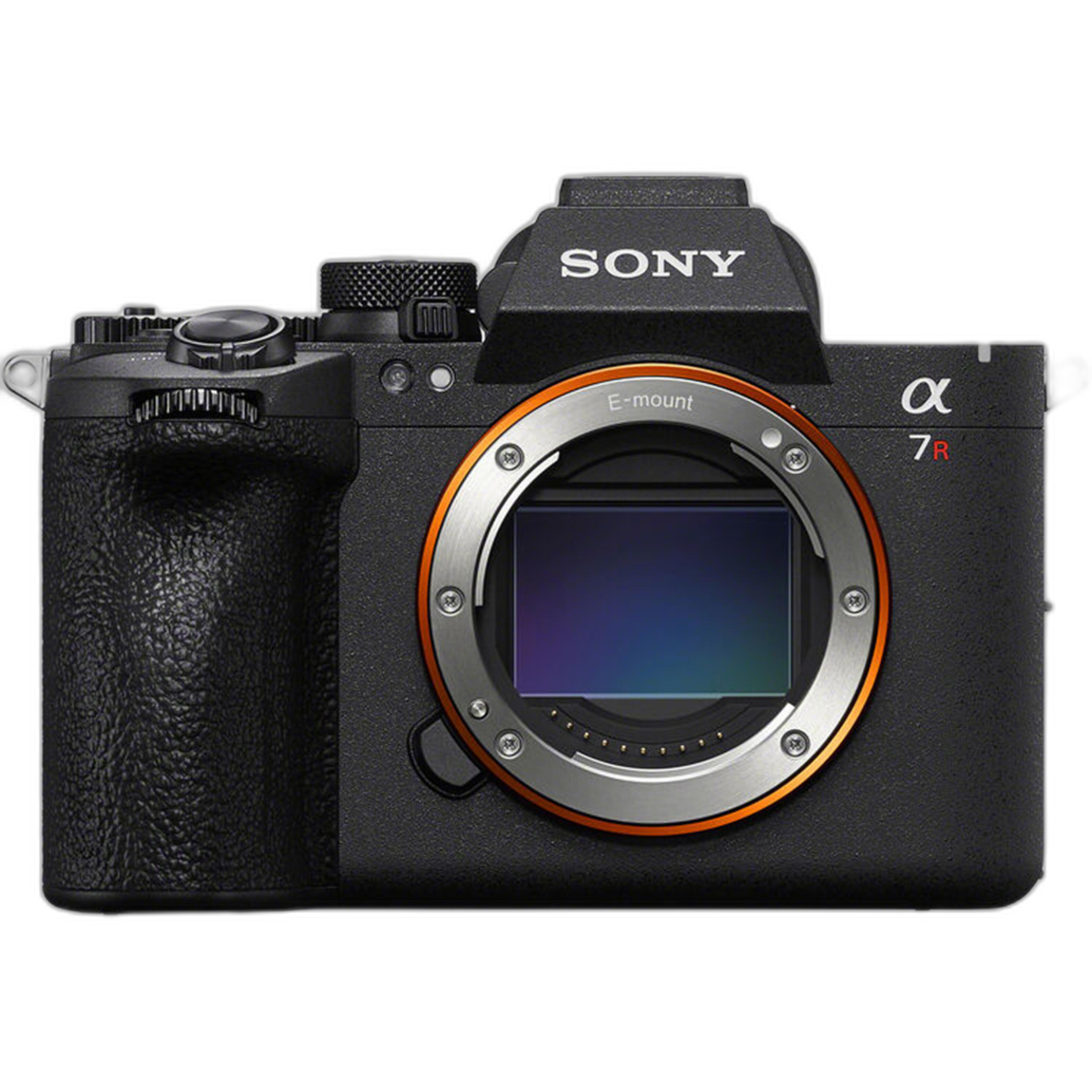
A camera like the Sony a7R VI Mirrorless Camera is a great example of why so many photographers are moving to mirrorless. It combines a high-resolution full-frame sensor with advanced autofocus and modern operational features that appeal to professionals and serious enthusiasts alike.
That said, “better” depends on your priorities. If you already own a DSLR kit that delivers the results you need, there may be no urgent reason to switch. Great photographs still come from both systems.
Do DSLRs still have advantages?
Yes. DSLRs still offer several practical strengths. Many photographers like the direct, lag-free experience of an optical viewfinder. Battery life is often stronger on a DSLR because it does not rely as heavily on an electronic display. DSLR bodies can also represent excellent value on the used market, especially for photographers who already own compatible lenses.
For some shooters, especially those who work in predictable environments or simply prefer traditional ergonomics, a DSLR remains a dependable tool. The main consideration is not whether a DSLR can still perform, but whether you want to invest further into a system that may see fewer new body and lens releases over time compared with mirrorless platforms.
Is mirrorless the safer long-term investment?
In most cases, mirrorless is the safer long-term choice for new buyers. Camera manufacturers are concentrating research, development, and flagship innovation on mirrorless systems. That means future autofocus improvements, lens releases, firmware support, and accessory ecosystems are typically stronger on the mirrorless side.
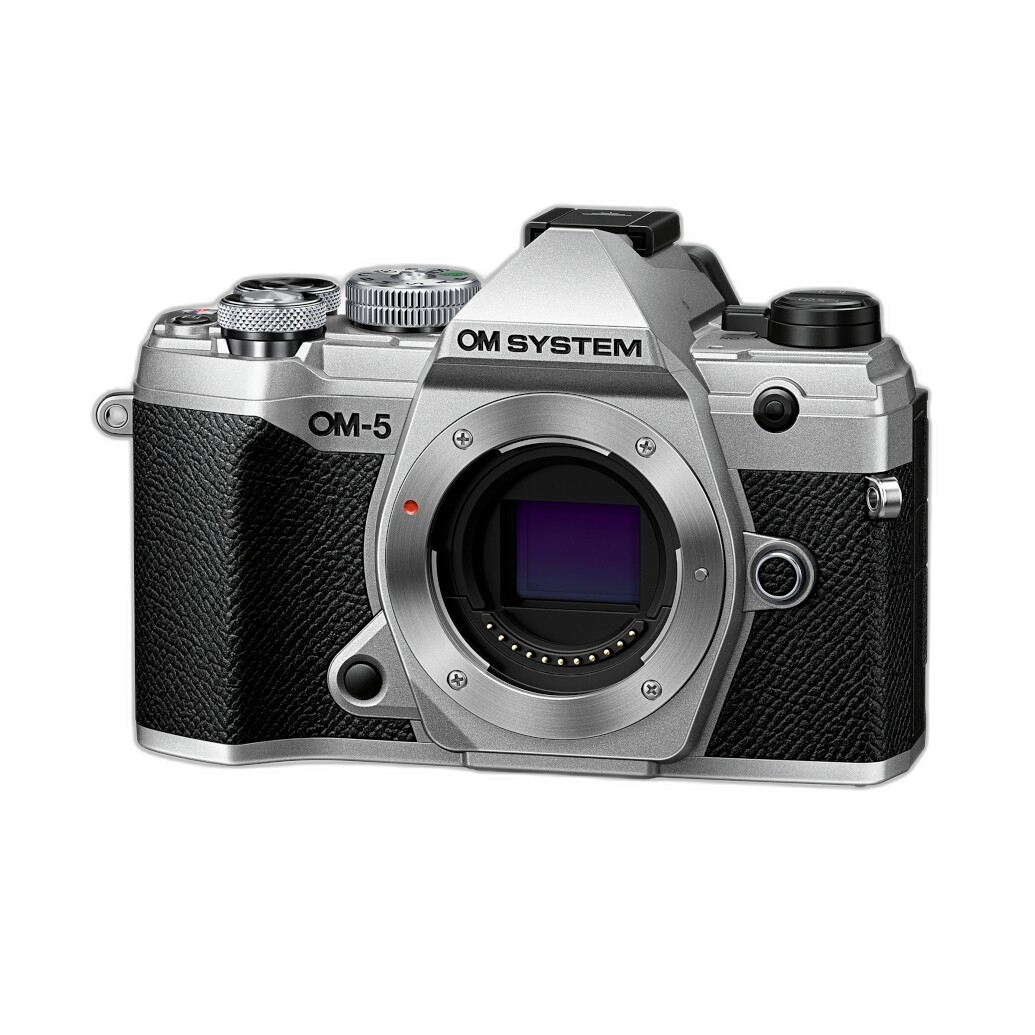
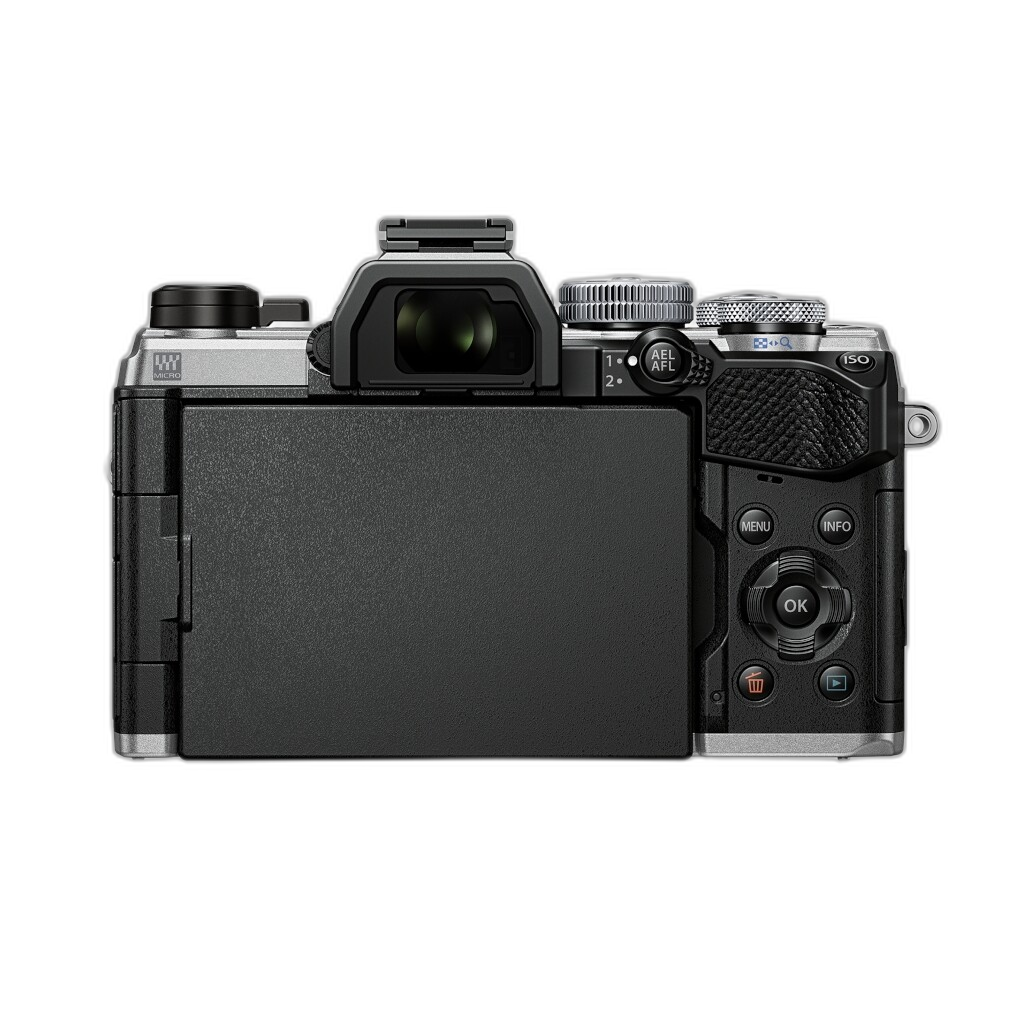
If you want a system you can keep building for years, mirrorless offers broader momentum. For example, photographers looking for a compact and capable body for travel, outdoor work, and everyday shooting may find the OM SYSTEM OM-5 Mirrorless Camera especially appealing. It is portable, modern, and well-suited to photographers who value mobility without giving up creative control.
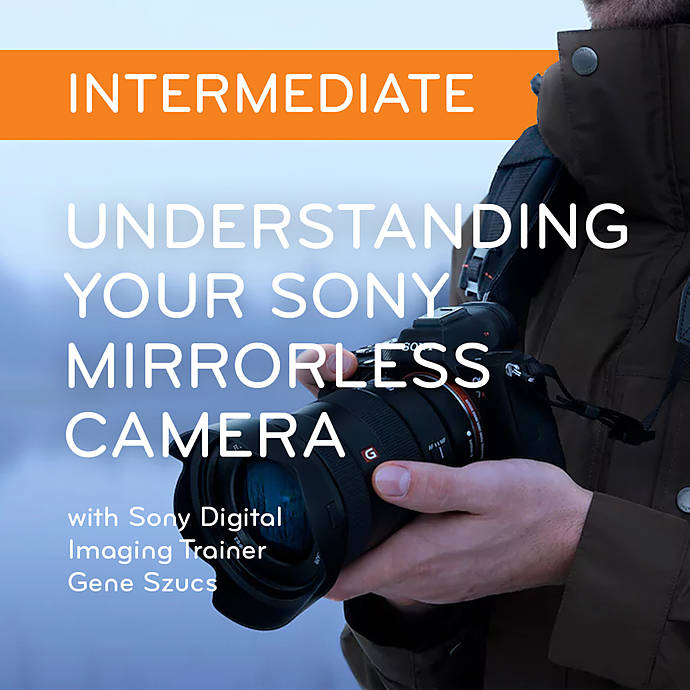
Long-term investment is also about support and learning. Unique Photo offers education that can help you get more from your system, including the Understanding Your Sony Mirrorless Camera: Intermediate class for photographers who want to build confidence with Sony mirrorless features and operation.
Are mirrorless cameras better for travel and everyday photography?
Often, yes. Mirrorless bodies are typically smaller and lighter than comparable DSLRs, and many of the lenses designed for mirrorless systems are also optimized for portability. That makes a big difference if you carry your camera all day, shoot on vacation, hike with your gear, or want a system that feels less bulky in daily use.
The OM SYSTEM OM-5 is a strong example of a travel-friendly mirrorless body because it balances size, weather-ready design, and enthusiast-level features in a compact package. If portability matters, mirrorless can make it easier to bring your camera more often, which usually means more opportunities to shoot.
What about action, sports, and wildlife photography?
Mirrorless has made major gains here. Advanced autofocus tracking, animal and human subject detection, blackout reduction, and high burst rates have made mirrorless especially attractive for fast-moving subjects. Professional sports and wildlife shooters increasingly rely on mirrorless because it helps them keep focus on erratic motion more consistently.
If you are shopping at the high-performance end of the market, a body like the Used Fair Canon EOS R3 Mirrorless Digital Camera can be an excellent entry into pro-level mirrorless speed and responsiveness while potentially offering savings compared with buying new.

For photographers who regularly shoot birds, field sports, events, or fast-paced assignments, mirrorless autofocus performance can be one of the strongest reasons to switch from DSLR.
Does mirrorless have any drawbacks?
Mirrorless cameras are not perfect. Battery life is usually shorter than on DSLRs because the sensor and electronic displays are active more often. Some photographers also prefer the look and feel of an optical viewfinder over an electronic one. In certain cases, long telephoto setups may feel more balanced on larger DSLR-style bodies, depending on the lens and shooting style.
There is also a learning curve. Electronic viewfinder displays, autofocus modes, custom menus, and hybrid settings can feel more complex at first. That is why hands-on guidance can be valuable when moving into a newer system. If you are investing in a Sony body, Unique Photo's Sony mirrorless class can help shorten that transition.
Should I switch to mirrorless now or keep using my DSLR?
If your DSLR is meeting your needs, there is no rule that says you must replace it immediately. A well-used DSLR can still deliver excellent stills, dependable handling, and strong results in portraits, studio work, landscapes, and many types of general photography.
However, if you are buying into a system for the first time, expanding professionally, or looking for stronger autofocus, video features, and future lens development, mirrorless is usually the smarter move. The right time to switch is when the advantages meaningfully improve your workflow, not simply because technology has changed.
Which mirrorless camera should I consider if I am ready to move on from DSLR?
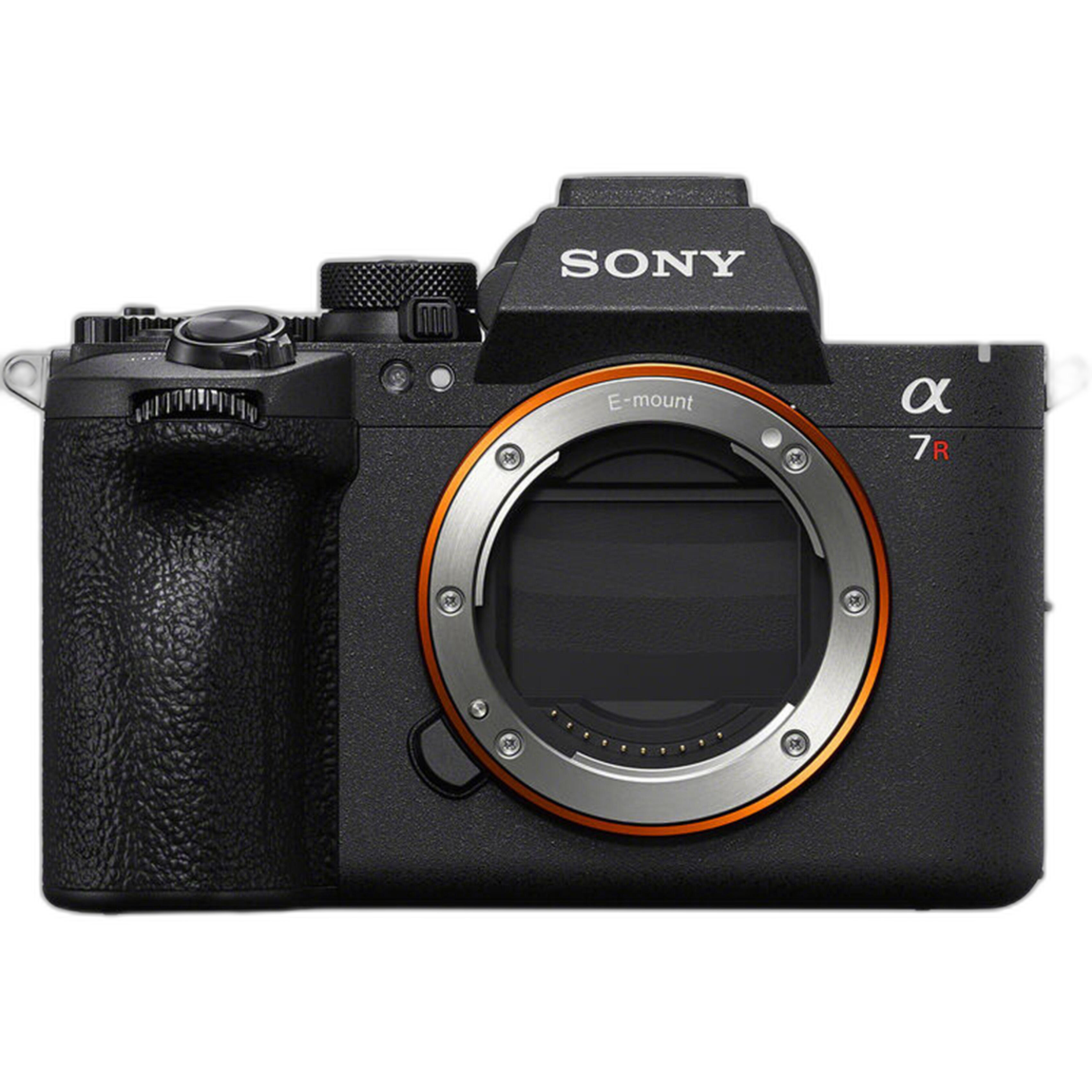
That depends on what and how you shoot. If you want high resolution and premium full-frame performance, the Sony a7R VI Mirrorless Camera is a compelling choice for landscape, portrait, commercial, and detail-focused photography.
If you want a lighter, more travel-oriented system, the OM SYSTEM OM-5 Mirrorless Camera is a practical option for enthusiasts who prioritize portability and outdoor use.
If you need speed and professional-grade action performance, a used body like the Canon EOS R3 can be worth considering.

The best approach is to match the camera to your real shooting needs, lens priorities, and budget rather than choosing based on online arguments alone.
Both DSLR and mirrorless cameras are capable of exceptional results, but mirrorless is clearly where most system development is headed. If you are weighing your next upgrade, Unique Photo can help you compare options, explore new and used gear, and even build confidence through classes and hands-on support. Shop cameras, learn from our team, and find the system that fits your photography at Unique Photo.