How to choose your first camera without overbuying
Shopping for a first camera can feel overwhelming. Many beginners start by comparing entry-level cameras, wondering whether they should buy new or used, and trying to figure out which features actually matter. At Unique Photo, this is one of the most common conversations we hear from new photographers: should you start simple, stretch the budget for something more advanced, or hunt for a great used deal?
The best first camera is usually not the most expensive one. It is the camera that fits your budget, feels comfortable in your hands, and gives you room to learn exposure, focus, composition, and lens choice. Community advice often points in the same direction: prioritize usability and reliability over hype. A beginner who enjoys using their camera will improve faster than someone who buys a complicated model they barely take out of the bag.
If you are buying your first setup from Unique Photo, think in terms of a practical starter kit: camera body, kit lens or versatile lens, memory card, extra power option, and a comfortable strap or bag for carrying it regularly.
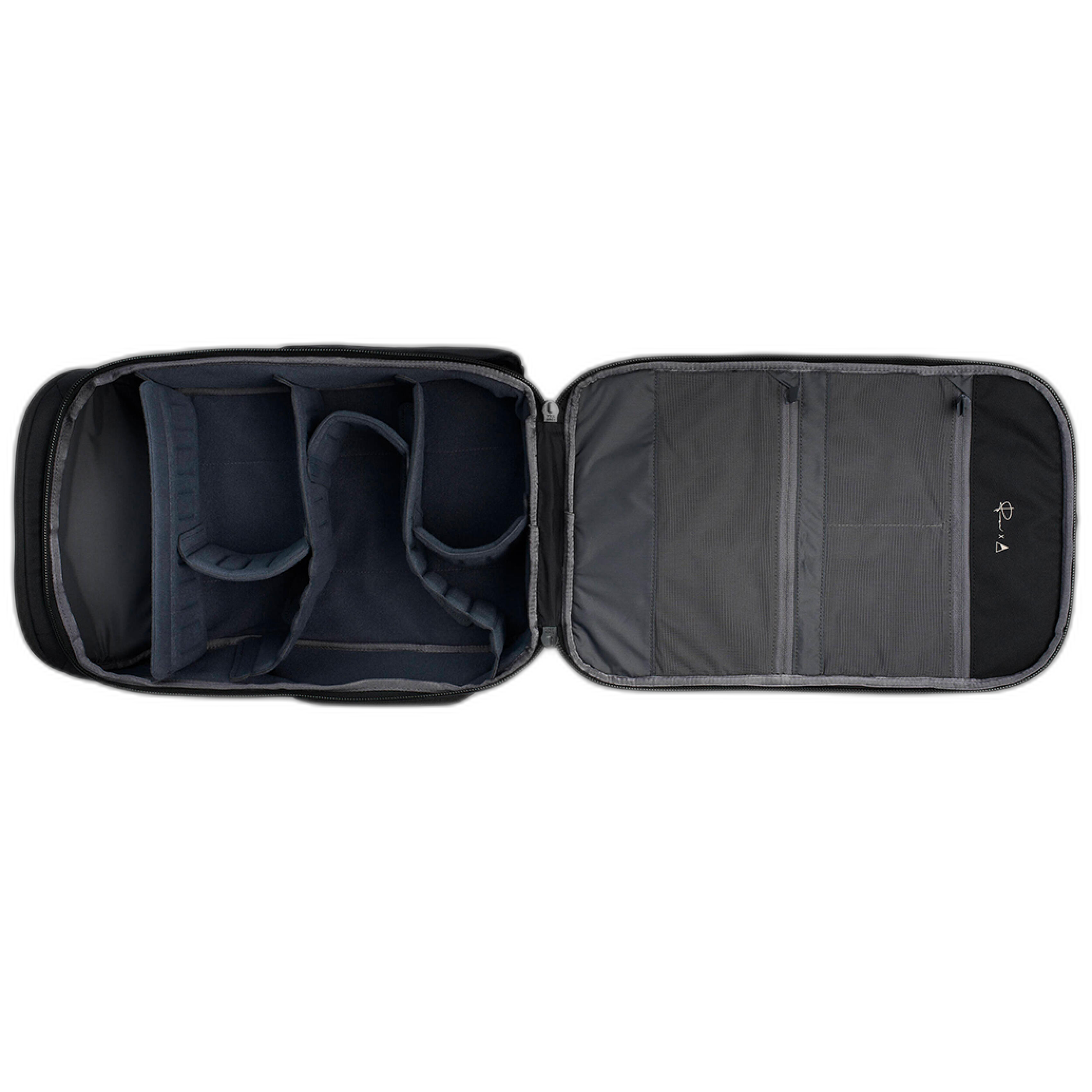
A good carrying solution can make a major difference for beginners. For example, a compact everyday option like the Nomatic Luma Camera Pack 18L - Stone helps keep gear organized without feeling oversized for daily learning and travel.
Entry-level camera vs used camera: which is better for beginners?
This is one of the most searched beginner photography questions for a reason. Both options can be excellent, but they solve different problems.
Buy a new entry-level camera if you want:
- Manufacturer warranty coverage
- Modern autofocus and menu systems
- Better battery life and connectivity
- Peace of mind with less wear and tear
- A predictable learning experience
Buy a used camera if you want:
- More value for the money
- Access to a higher-tier model at a lower price
- A lower-risk way to start photography
- A chance to explore film or older digital systems
Many community members recommend used gear for budget-conscious beginners, but their cautionary tales matter too. Used cameras can be fantastic when purchased from a trusted retailer, but unknown history, hidden mechanical issues, shutter count concerns, and missing accessories can turn a bargain into frustration. That is why buying used from an established camera store like Unique Photo is often a smarter choice than taking chances on an anonymous marketplace listing.
For beginners interested in analog photography, used film cameras can be appealing, but they also show why inspection matters. A vintage option like the Used Polaroid SX-70 Alpha 1 Camera W/ Close up kit - Good may offer a fun learning experience for instant film enthusiasts, while a more specialized collectible like the Used Ermanox Ernemann Camera With 100MM F/2 - As Is *Needs Shutter Replaceme clearly illustrates why condition notes should never be ignored. “As is” gear can be exciting for collectors or tinkerers, but it is usually not the best first camera for someone who just wants to start shooting right away.
Best camera features for beginners: what actually matters?
One of the biggest mistakes first-time buyers make is focusing on advanced specs before understanding the basics. Here are the camera features that usually matter most for beginners.
1. Easy controls and intuitive menus
If the camera feels confusing, you are less likely to use it. Look for a body with clearly labeled controls, helpful auto modes, and room to grow into manual settings.
2. Good autofocus
Reliable autofocus helps a beginner get more keepers, especially when photographing kids, pets, travel, or everyday moments. Eye detection and subject tracking are helpful, but even basic autofocus can be enough if it is consistent.
3. Interchangeable lenses or a flexible built-in lens
Lens choice often affects your photography more than the camera body. If you choose an interchangeable lens camera, make sure the system has affordable lens options you can grow into later.
4. Comfortable size and grip
Some beginners buy a camera based on reviews alone, then discover they do not enjoy carrying it. A lighter camera with a comfortable grip may get used far more often.
5. Image quality in real-world conditions
Do not obsess over tiny spec differences. Most modern entry-level cameras produce excellent results. Instead, think about your real use: indoor family photos, travel, street photography, sports, or content creation.
6. Video features if you need them
If you plan to create YouTube videos, reels, or interviews, look for good autofocus in video mode, microphone input if possible, and dependable power options.
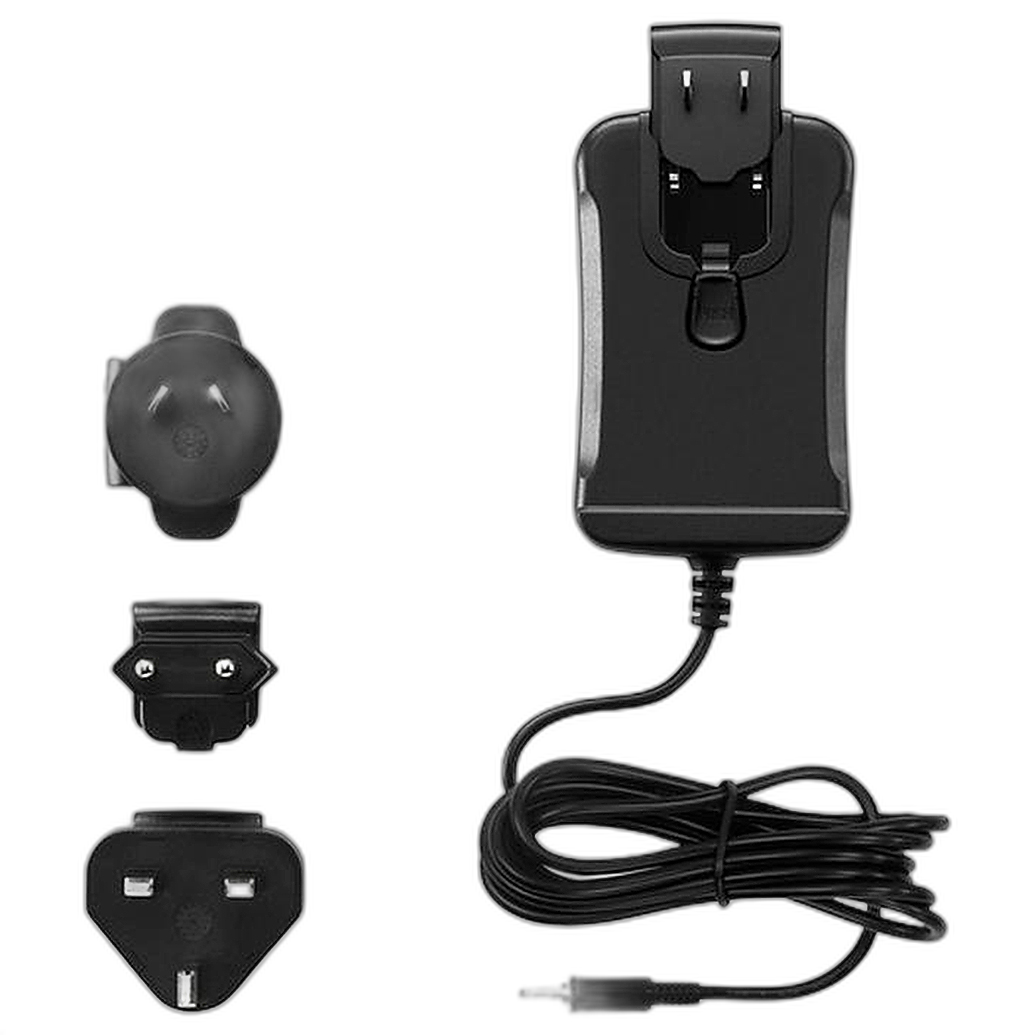
For example, dedicated accessories such as the Blackmagic Design Power Supply for Pocket Cinema Camera show how power becomes important once your shooting sessions get longer. Beginners exploring video should think early about battery and power workflow, not just the camera body itself.
New camera buyer mistakes beginners should avoid
Community discussions around first-camera purchases are full of lessons learned the hard way. Here are the most common mistakes.
Buying for specs instead of shooting style
A camera that excels at wildlife may not be ideal for casual travel or portraits. Start with what you actually want to photograph.
Spending everything on the body
Leave room in the budget for essentials like a bag, strap, memory card, and possibly an extra battery or warranty. A more balanced kit often beats a better body with no accessories.
Ignoring ergonomics
If the camera is uncomfortable, heavy, or awkward, you may stop bringing it along. In-store handling at Unique Photo can help prevent this.
Choosing a lens system with no upgrade path
Even as a beginner, it is worth checking whether the brand offers affordable portrait, wide-angle, and telephoto lenses later on.
Underestimating the value of support and warranty
When you are learning, support matters. Buying from Unique Photo gives beginners access not just to gear, but to knowledgeable staff, recommendations, and service options that can make ownership easier.
Should a beginner buy mirrorless, DSLR, or film?
For most first-time buyers today, mirrorless is the easiest recommendation. Mirrorless cameras are compact, modern, and often offer strong autofocus, live exposure preview, and easy transfer options.
That said, a DSLR can still be a smart beginner camera if priced well, especially on the used market. DSLRs often offer strong battery life, solid ergonomics, and access to many lenses.
Film cameras appeal to learners who want a slower, more intentional process. They can teach patience and exposure discipline, but they also come with ongoing film and processing costs. Beginners attracted to film should be realistic about the learning curve and maintenance needs.
Used camera buying tips for beginners
If you are considering a used camera, here is a simple checklist.
- Buy from a trusted retailer like Unique Photo whenever possible
- Read condition notes carefully
- Check shutter count for digital cameras if available
- Inspect sensor, lens mount, battery door, and ports
- Confirm that charger, battery, and caps are included
- Ask about return policy or service support
- Avoid project cameras unless you understand repair risks
The phrase “used vs new camera” often sounds like a simple budget question, but it is really about risk tolerance. A carefully vetted used camera can be excellent value. A bargain with unknown issues can stall your learning before it starts.
Essential beginner camera accessories worth buying first
You do not need every accessory immediately, but a few practical additions can improve the experience right away.
Comfortable camera strap
A beginner who carries the camera more often will practice more often. The PGYTECH Camera Strap Slim - Vintage-Olive Green is the kind of lightweight accessory that can make daily use more comfortable and convenient.
Protective camera bag
A purpose-built bag helps organize your gear and protects your investment. The Nomatic Luma Camera Pack 18L is a strong example of a bag that fits a small kit without feeling bulky.
Warranty coverage
New photographers often overlook protection plans, but warranties can add peace of mind, especially when buying more advanced equipment. Options such as the Nikon Care 2-Year Camera Warranty or a manufacturer-specific plan like the RED Extended Warranty - KOMODO-X highlight how service coverage becomes part of the total ownership picture.

Future lens upgrades
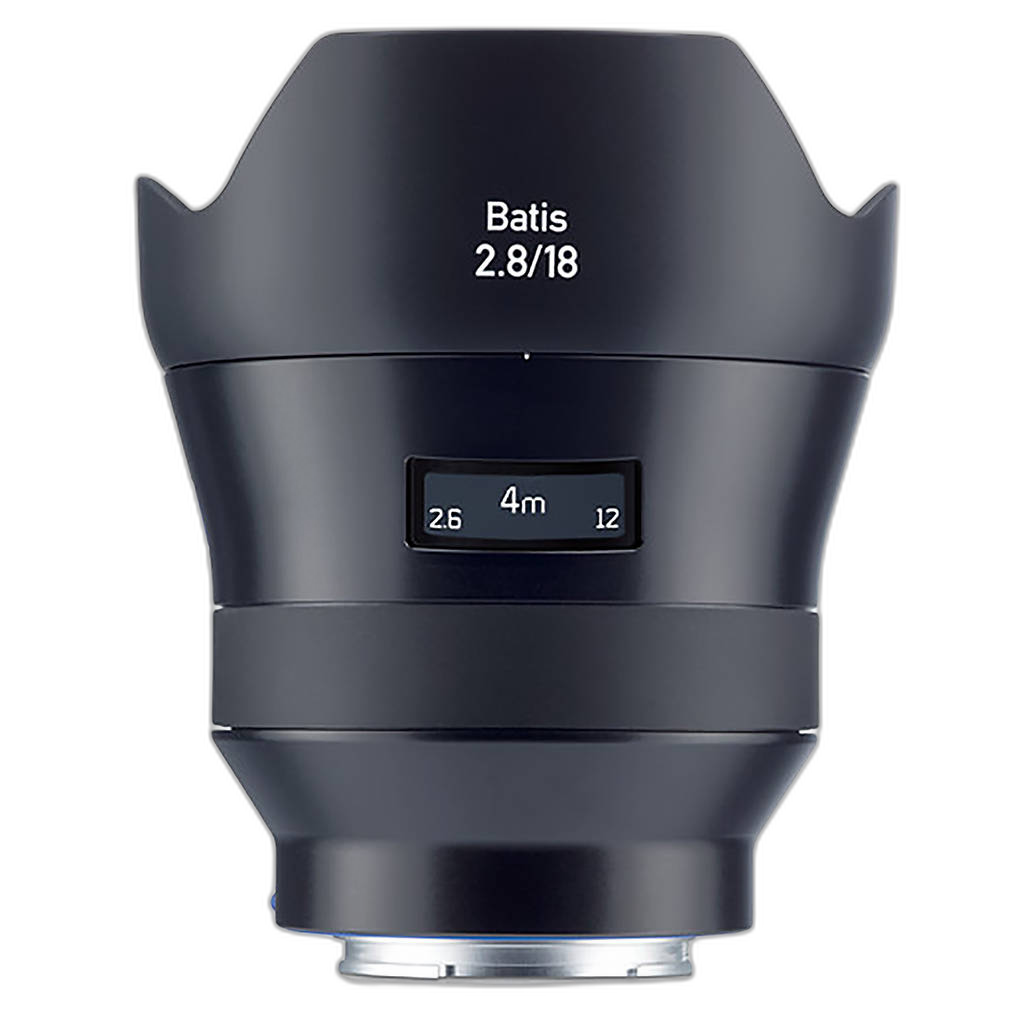
As your skills grow, lenses may become the most exciting upgrade path. For example, a premium wide-angle option like the Zeiss Batis 18mm f/2.8 AF lens for Sony Full Frame E-Mount Cameras is not a typical beginner purchase, but it shows how a good camera system can grow with you over time.
How much should a beginner spend on a first camera?
A practical beginner budget depends on goals, but the safest advice is to avoid overspending at the start. Many photographers improve more from consistent practice than from premium gear. Consider setting your budget in tiers:
- Entry budget: a basic used or entry-level camera with one versatile lens
- Balanced budget: camera, lens, bag, strap, memory card, and protection plan
- Growth budget: camera with room for future lenses and accessories
When shopping at Unique Photo, it often helps to compare complete kit pricing rather than body-only pricing. A camera that looks affordable can become less attractive once you add everything needed to start shooting comfortably.
What experienced photographers wish they knew as beginners
In community conversations, a few themes come up again and again:
- The best camera is the one you will actually carry
- Used gear is great if you buy from a trusted source
- Do not chase professional gear before learning the basics
- Lenses and lighting matter more than many beginners expect
- Comfort, reliability, and learning support are worth paying for
These recommendations align closely with what many first-time buyers discover after a few months. A simple, dependable camera encourages experimentation. A complicated or risky purchase can create unnecessary friction.
Final thoughts on choosing your first camera
If you are debating an entry-level camera vs a used camera, start with your budget, your shooting goals, and your comfort level with risk. For most beginners, a reliable camera from a trusted retailer is the smartest path. Unique Photo is a great place to compare options, ask questions, and build a setup that makes sense for real-world learning rather than spec-sheet shopping.
Before you buy, try to narrow your decision to three questions: What do you want to photograph most? How much are you comfortable spending on the full kit? Do you want maximum peace of mind, or maximum value through used gear?
For next steps, consider exploring internal resources on used cameras and trades, camera bags and cases, warranty and service options, and lenses for future upgrades. Those pages can help you turn a first-camera shortlist into a complete beginner-friendly setup with the guidance Unique Photo is known for.