Introduction: A Smarter Way to Handle Medium Format Scans
When photographers debate the best way to scan film, the conversation usually lands on three main approaches: flatbed scanners for convenience, dedicated film scanners for maximum detail, and camera-scanning setups for speed and flexibility. For medium format shooters, that last option has become especially popular, and the Lomography DigitaLIZA 120 Film Scanning Mask fits squarely into that workflow.
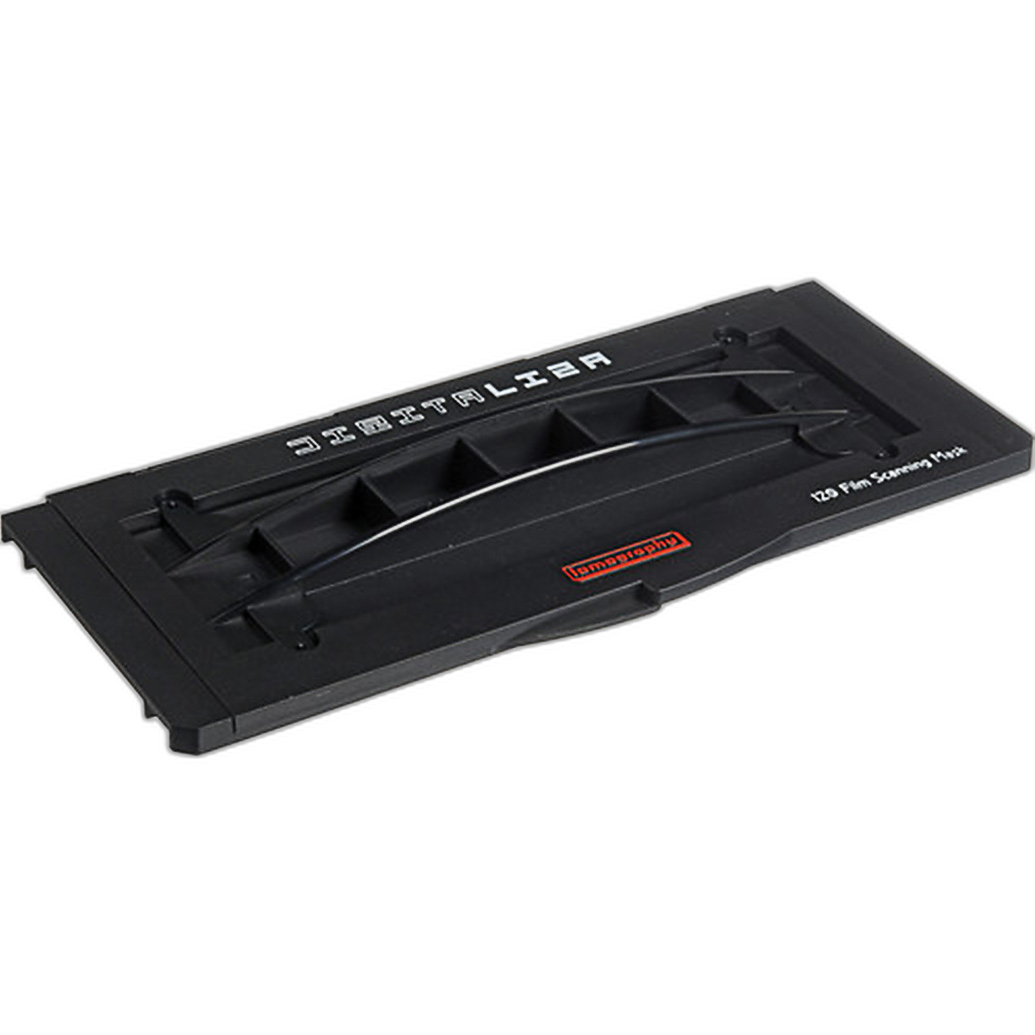
Rather than being a scanner itself, the DigitaLIZA 120 is a purpose-built film holder designed to make camera scanning and light-table digitization cleaner, flatter, and more efficient. It is aimed at photographers who want better control over their 120 film scanning process without overcomplicating the setup. If you are comparing scanner models, refining your workflow for color accuracy, or simply trying to reduce cleanup time in post, this accessory deserves a serious look.
Available at Unique Photo, the DigitaLIZA 120 is best viewed as a workflow upgrade: not a magic solution, but a very useful tool for photographers who want faster, more consistent medium format scans.
Who This Product Is For
The DigitaLIZA 120 Film Scanning Mask is best suited for photographers who already understand the strengths and weaknesses of different scanning methods. If you are using a mirrorless or DSLR camera with a macro lens, this holder gives you a more reliable way to digitize 120 negatives than improvising with loose film strips and glass. It is also a compelling option for photographers who find flatbeds too slow or soft, but who do not want to invest in a rare, expensive dedicated medium format scanner.
For users focused on color consistency, the product also helps by keeping film alignment repeatable. That matters because even exposure, stable framing, and a flat negative all contribute to more predictable inversion and color correction later.
Key Features
Designed Specifically for 120 Film
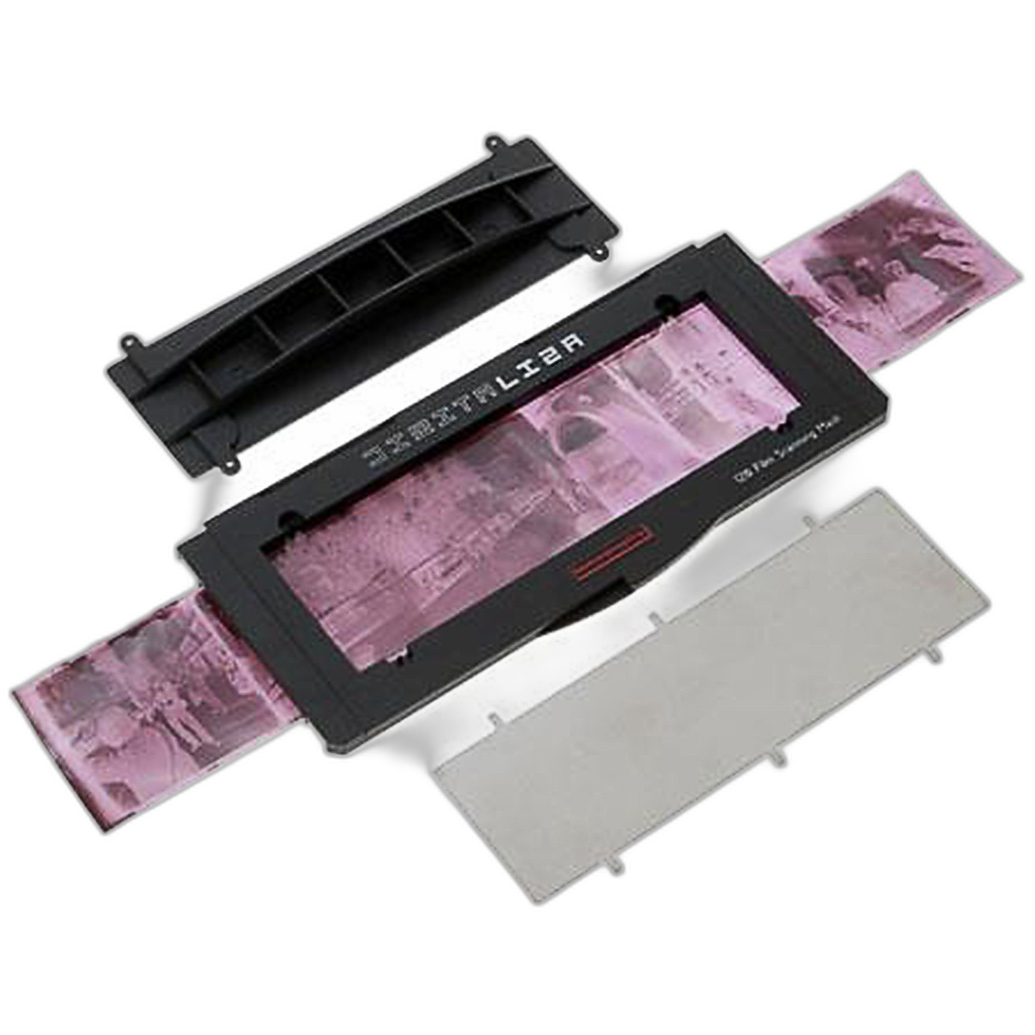
The biggest advantage here is obvious but important: this holder is made for 120 medium format film. That means it is purpose-built for a format that can be awkward to manage in general-purpose holders. Medium format negatives have excellent detail and tonal depth, but they also curl easily and can become frustrating during digitization. A dedicated mask helps maintain positioning and speeds up the capture process.
Excellent Fit for Camera Scanning Workflows
One of the most active debates in film communities is whether camera scanning has overtaken traditional scanners for practical home use. In many cases, especially for 120 film, the answer is yes. Camera scanning can be dramatically faster than flatbed scanning, and often sharper when paired with a strong macro lens and good lighting. The DigitaLIZA 120 complements that method well by acting as the stable, repeatable film carrier in the system.
With a good copy setup, consistent backlight, and careful white balance, this holder can become the center of a very efficient workflow. Instead of waiting for multi-pass scans, you can capture frames quickly and move directly into inversion and editing.
Helps Keep Film Flat for Better Sharpness
Film flatness is one of the most overlooked factors in scan quality. Even a great camera-scanning rig can underperform if the negative bows or shifts. The DigitaLIZA 120 improves consistency by securing the film more predictably than a makeshift setup. Better flatness means more even focus across the frame, which is particularly important when extracting the maximum detail from medium format negatives.
This is one of the product's biggest real-world benefits. It may sound simple, but it directly affects scan sharpness, corner performance, and retouching efficiency.
Faster Workflow, Less Cleanup Friction
Many photographers looking for scanning advice are not just chasing image quality; they are trying to reduce labor. The DigitaLIZA 120 contributes by making frame placement and handling more orderly. That in turn reduces accidental fingerprints, crooked captures, and repeated repositioning.
Efficient cleanup starts before you ever open Photoshop. A cleaner film path, fewer touches, and a more stable holder all mean less spotting and less time correcting avoidable mistakes. You will still want compressed air, anti-static cleaning habits, and careful handling, but this product supports that faster, cleaner approach.
Useful for Color-Negative and Black-and-White Shooters
Whether you shoot color negative, black-and-white, or slide film, consistency matters. A stable holder does not solve color science by itself, but it does help create the conditions for repeatable results. For photographers working on color accuracy, that means easier exposure control, more uniform captures, and fewer variables when converting negatives in software.
In practical terms, a good workflow with this mask might include a high-CRI light source, fixed white balance, raw capture, and batch conversion in your preferred software. Once those variables are controlled, the DigitaLIZA 120 becomes a helpful piece of a calibrated system.
Real-World Performance
In actual use, the Lomography DigitaLIZA 120 Film Scanning Mask succeeds because it addresses the most annoying part of scanning medium format film: handling. Flatbeds remain useful for contact-sheet style convenience and larger batch jobs, but they often leave detail on the table. Dedicated film scanners can produce excellent results, but options for medium format are limited and often expensive. Camera scanning offers a compelling middle ground, and this holder helps make that method feel practical instead of improvised.
The product is not especially complicated, and that is part of its appeal. It does not burden the workflow with unnecessary complexity. Instead, it gives medium format photographers a better foundation for repeatable, high-quality digitization. If your current setup involves trying to flatten curled film under whatever is nearby, this will feel like a substantial improvement.
Pros and Cons
Pros
- Purpose-built for 120 medium format film
- Excellent companion for DSLR or mirrorless camera scanning setups
- Helps improve film flatness and capture consistency
- Speeds up workflow compared with improvised holders
- Supports cleaner handling and can reduce post-scan cleanup friction
- A practical alternative to relying solely on flatbed scanners
Cons
- Not a scanner by itself; requires a separate camera or light-source workflow
- Best suited to users already somewhat invested in home digitization
- Does not replace the need for proper dust control and color-managed editing
- May be less relevant for photographers who only scan 35mm film
How It Fits Into a Modern Scanning Workflow
If you are comparing scanning methods, the DigitaLIZA 120 is most valuable in a setup that prioritizes speed and quality over one-button convenience. A strong workflow would look something like this: clean the film thoroughly, place it in the holder, illuminate it with a consistent backlight, capture in raw with a macro lens, then invert and color-correct in software. For color accuracy, fixed white balance and consistent exposure are key. For efficient cleanup, pre-scan dust removal matters just as much as spotting tools later.
In that context, this holder is not just an accessory; it is a workflow stabilizer. It helps reduce variability, which is exactly what serious film digitization demands.
Verdict
The Lomography DigitaLIZA 120 Film Scanning Mask is a thoughtfully practical accessory for medium format photographers who want to digitize film with more control and less frustration. It does not replace a scanner, but for many users it supports a camera-scanning workflow that can be faster, sharper, and more flexible than traditional alternatives.
If your priority is getting clean, repeatable 120 scans with less handling hassle, this is an easy recommendation. It is especially appealing for photographers who care about detail, workflow efficiency, and consistent color conversion. For anyone building a serious home film-digitizing setup, the DigitaLIZA 120 is a smart buy from Unique Photo.