Sony Lens Compare for Landscapes: How to Judge Wide-Angle Sharpness
Landscape photographers often want one thing above all else from a wide-angle lens: dependable sharpness from the center all the way to the corners. Comparison tools can be helpful, but they work best when you understand what they show, what they hide, and how to verify those results in real-world shooting.
At Unique Photo, we recommend using any lens comparison tool as one part of a smarter buying process. For Sony shooters building a landscape kit, the best choice comes from combining chart-based comparisons, field reviews, practical handling considerations, and the way you actually shoot.
Is Sony Lens Compare Beta useful for finding the sharpest wide-angle lens?
Yes, it can be useful as a starting point. A comparison tool helps you quickly evaluate how different lenses render fine detail in the center, mid-frame, and corners under controlled conditions. For landscape work, that matters because foliage, rock detail, distant architecture, and edge-to-edge consistency are often more important than portrait-style center sharpness alone.
That said, a beta comparison tool should not be treated as the final answer. It gives you a snapshot of performance, not a complete field report. It may not fully reveal how a lens behaves with flare, atmospheric haze, sunstars, filter use, focus breathing, weather exposure, or long days on a tripod. If you are narrowing down premium Sony landscape glass, the tool is most helpful for shortlisting lenses before you read deeper reviews and, ideally, handle the lens yourself.
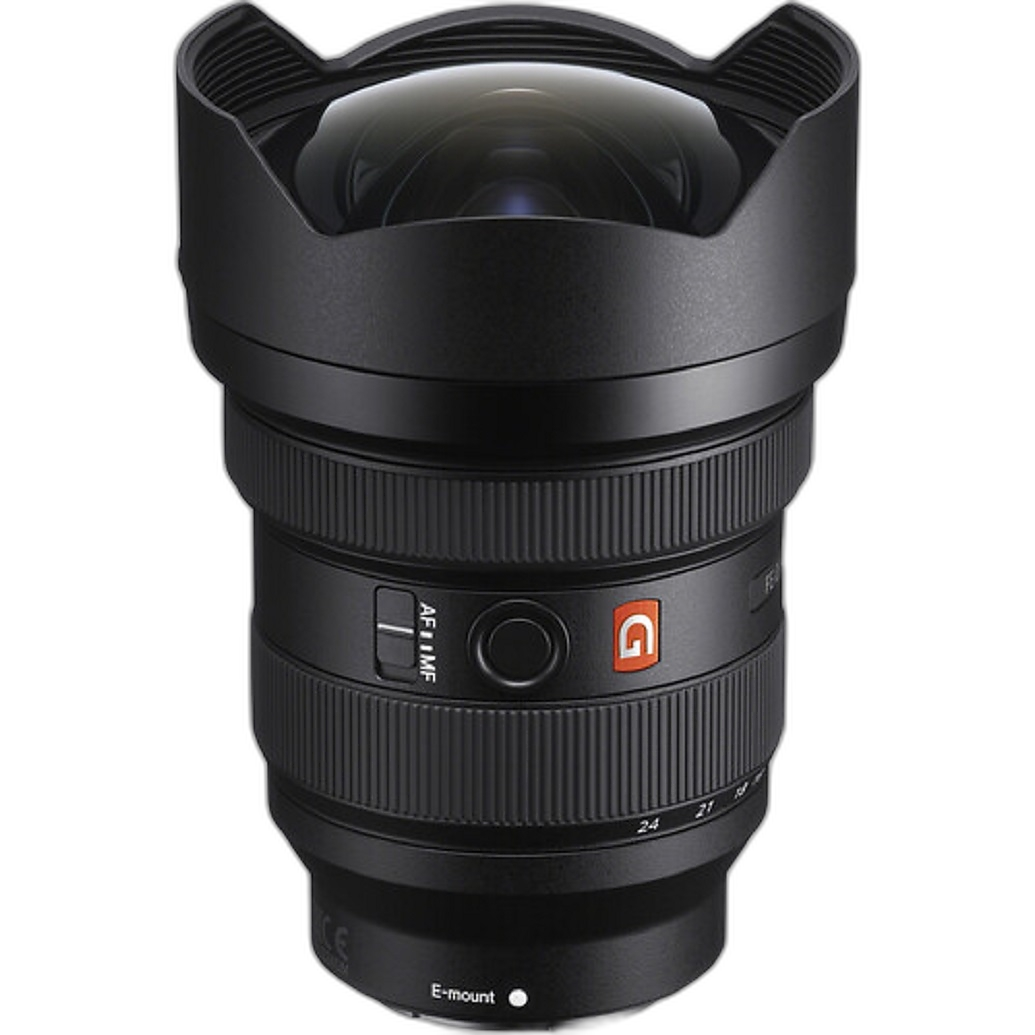
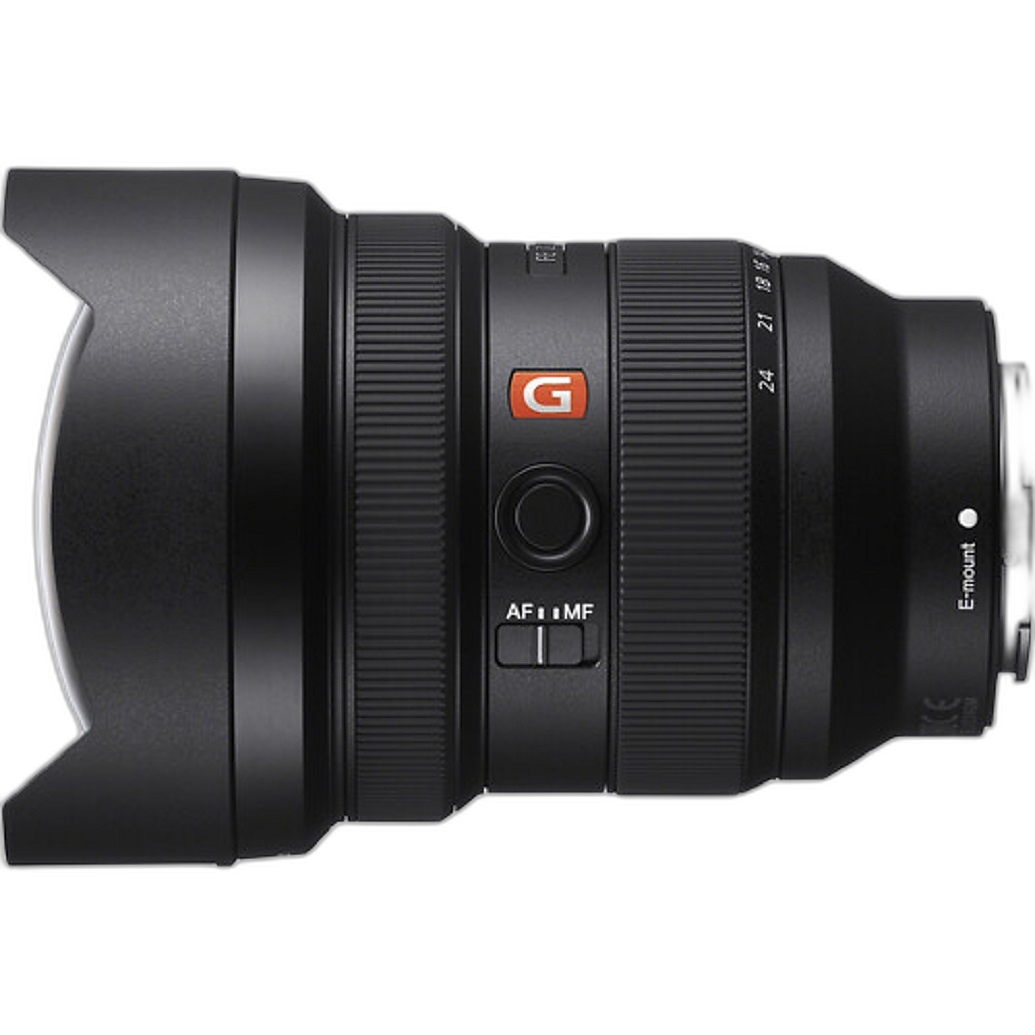
For photographers who want top-tier ultra-wide performance, the Sony FE 12-24mm f/2.8 GM is the kind of lens many shoppers compare closely because it combines an expansive focal range with professional-level optics and rugged construction.
Does the tool accurately show real landscape sharpness across the frame?
It can show useful trends, especially when you are looking at center versus corner performance, but real landscape sharpness is more than a single sample scene. In practice, wide-angle landscape images are affected by field curvature, focus placement, diffraction, subject distance, atmospheric conditions, and whether the scene is flat or deep. A lens that looks slightly softer in one corner crop on a test scene may still produce outstanding landscape images when stopped down and focused properly.
For landscapes, corner and edge sharpness matter more than they do in many other genres, but even then, you should interpret test results carefully. Ask whether the scene is focused in a way that favors the center, whether the test emphasizes infinity detail, and whether the lens was used at an aperture common for landscape shooting. Most landscape photographers are often working around f/5.6 to f/11, not wide open all the time, so that context is important.
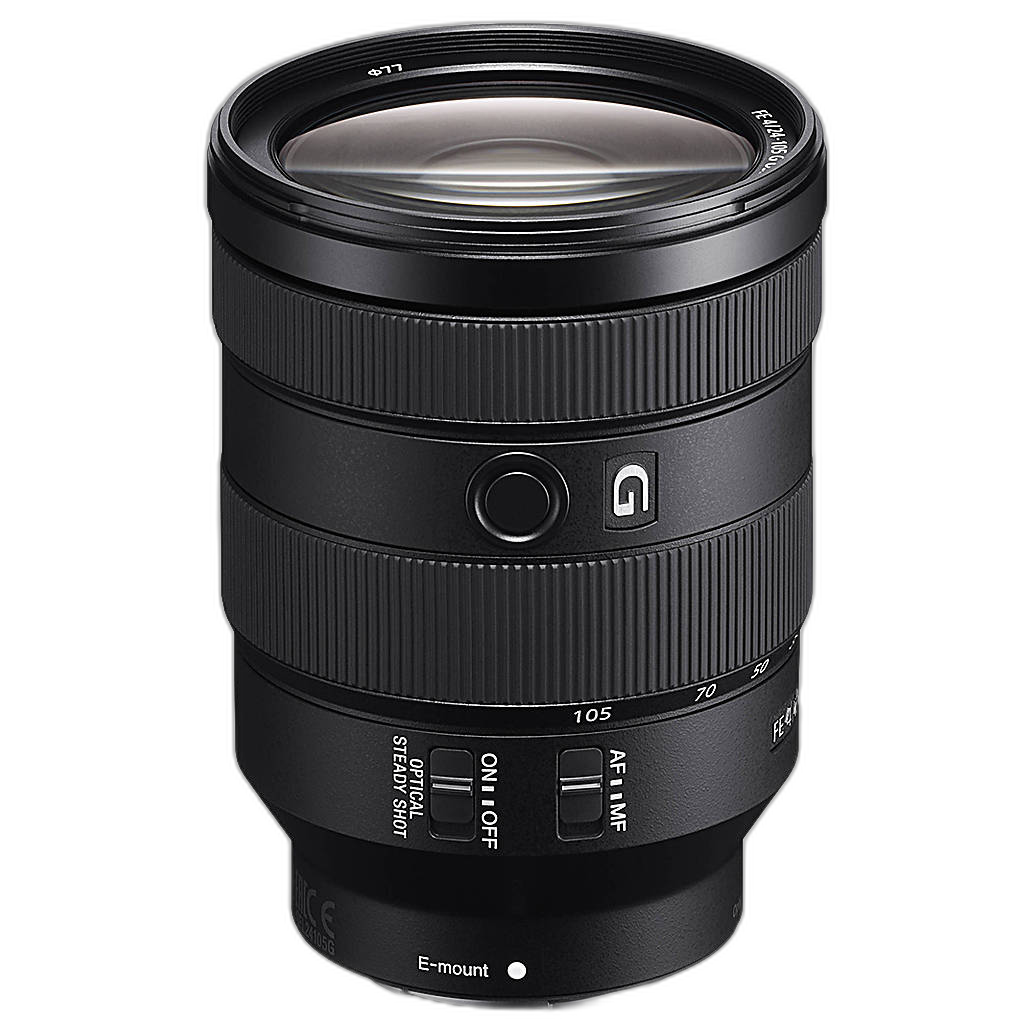
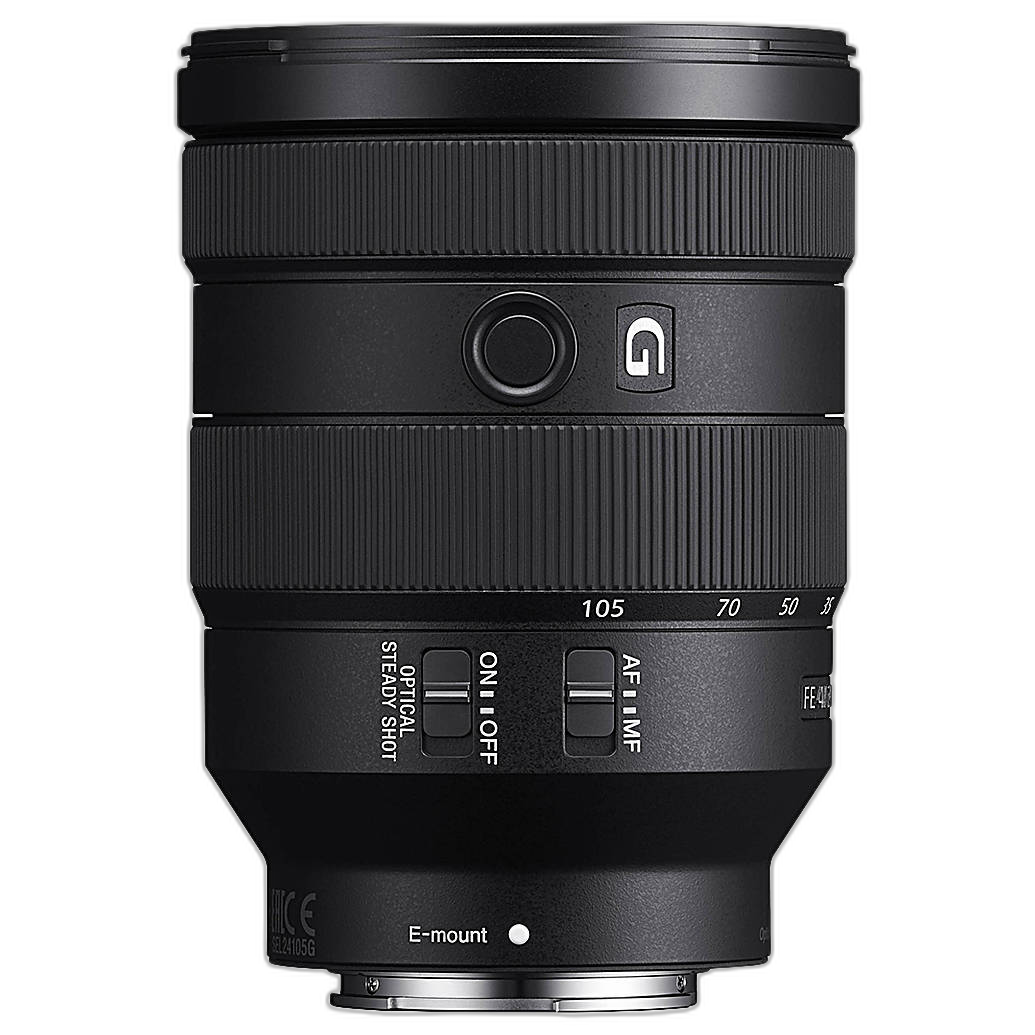
If you need one lens to cover wide scenic views as well as general travel and compressed landscape compositions, a versatile option such as the Sony FE 24-105mm f/4 G OSS can be worth comparing alongside ultra-wides. It may not replace a 12-24mm for dramatic foreground-heavy compositions, but it is a very practical landscape lens in the field.
Are the sample images in comparison tools usually taken at comparable settings?
Not always in the way a landscape photographer would ideally want. Some comparison tools attempt to standardize settings, but differences in focal length, maximum aperture, stabilization behavior, and lens design can still affect how directly comparable the samples really are. A fair comparison should account for focal length matching, aperture selection, focus accuracy, and whether the image is showing the lens at its best or simply at a default setting.
For wide-angle landscapes, one of the biggest questions is whether the comparison is being made at equivalent apertures. If one sample is shown wide open and another is shown stopped down, you may be looking at very different performance profiles. Likewise, an ultra-wide lens at 12mm and a standard zoom at 24mm may both be excellent, but they are solving different compositional problems. The sharpest lens on a crop may not be the best lens for your actual framing needs.
That is why we suggest checking manufacturer tools, independent lab tests, and full field reviews together. If multiple sources agree that a lens has especially strong corners at common landscape apertures, that is more meaningful than one isolated comparison image.
How important is corner sharpness compared to center sharpness for landscapes?
Corner sharpness is extremely important for landscape photography, especially with ultra-wide lenses. Many scenic images place interest throughout the frame, from foreground textures near the bottom edge to mountain ridges and cloud detail near the corners. If a lens loses clarity dramatically toward the edges, it can be noticeable in large prints and high-resolution files.
However, corner sharpness should be balanced with distortion control, flare resistance, coma performance, and overall rendering. A lens with excellent corners but difficult flare behavior may frustrate sunrise and sunset shooters. A lens with strong center sharpness and good stopped-down corners may outperform expectations in actual use if it handles contrast, weather, and composition well.
The Sony FE 12-24mm f/2.8 GM is popular with demanding landscape photographers because this category of premium ultra-wide is expected to deliver strong edge-to-edge performance while also standing up to professional use outdoors.
Should I trust comparison tools more than field reviews?
No. The best approach is to use both. Comparison tools are great for controlled visual reference, but field reviews tell you how a lens behaves when conditions are less perfect. Landscape photographers care about things that charts do not always capture well: how easy it is to focus precisely in changing light, whether the lens balances comfortably on a tripod head, how resistant it is to moisture and dust, and whether it works well during long hikes or travel days.
Field reviews also help identify recurring strengths and weaknesses. If many experienced shooters report excellent corner consistency, low flare, and dependable performance at f/8, that can confirm what a comparison tool suggests. If they repeatedly mention difficult filter compatibility or noticeable corner smear in certain situations, that is equally valuable.
When shopping at Unique Photo, we encourage photographers to think in terms of total workflow, not just test-chart wins. Sometimes the lens that performs 2% better in a crop is not the one you will enjoy carrying or using most often.
What should I look for beyond sharpness when choosing a Sony landscape lens?
Sharpness is only one part of a landscape lens decision. You should also consider focal range, size and weight, flare resistance, weather sealing, close-focus ability, and filter compatibility. Ultra-wide lenses are ideal for dramatic foreground emphasis and expansive skies, while standard zooms often make it easier to isolate distant layers, work around cluttered foregrounds, and travel light with one lens.
For example, the Sony FE 12-24mm f/2.8 GM is a specialized premium choice for photographers who need an ultra-wide perspective and strong optical performance. The Sony FE 24-105mm f/4 G OSS is more of an all-around tool for travel, hiking, and mixed landscape shooting where flexibility matters as much as outright width.
If your style includes mountains, coastlines, forests, and cityscapes on the same outing, the broader focal range of a standard zoom can be incredibly practical. If you frequently shoot dramatic foreground-to-background compositions, seascapes, or tight interiors, an ultra-wide may be the better fit.
Do aperture and technique matter more than small differences in test results?
Very often, yes. Stopping down appropriately, focusing carefully, and using a stable shooting setup can make more difference than minor sharpness variations between two high-end lenses. For landscapes, many photographers work in the aperture range where lenses are already performing near their peak. At that point, composition, atmospheric conditions, and technique may matter more than tiny lab differences.
Tripod use, shutter discipline, and understanding diffraction are all essential. If you stop down too far in pursuit of corner detail, you may reduce overall crispness. If you focus only on the nearest foreground element, distant details may suffer even with a great lens. A comparison tool can tell you what a lens is capable of, but your shooting technique determines whether you actually get that performance.
How can I make the most informed landscape lens choice before buying?
Start with your shooting priorities. Decide whether you need ultra-wide coverage, a versatile one-lens solution, or both. Next, compare lenses using controlled tools to identify broad optical patterns. Then read field reviews from photographers who shoot the same kinds of subjects you do, paying close attention to comments about corners, flare, weather use, and real hiking or travel practicality.
It can also help to build your skills alongside your gear choices. Unique Photo offers learning opportunities such as Macro and Landscape Photography at Duke Farms with Michael Downey, which can help photographers refine composition, focus strategy, and landscape technique in the field.

In the end, the best landscape lens is the one that fits your compositions, your workflow, and the environments where you actually shoot. Premium options like the Sony FE 12-24mm f/2.8 GM and flexible zooms like the Sony FE 24-105mm f/4 G OSS each make strong cases depending on your needs.
What is the best practical approach to using Sony Lens Compare Beta?
Use it as a filter, not a verdict. Look for obvious differences in corner performance, contrast, and consistency. Check whether the settings appear fair and whether the focal lengths being compared really match your intended use. After that, verify your shortlist with trusted reviews, sample galleries, and hands-on experience whenever possible.
If you are building or upgrading a Sony landscape kit, Unique Photo can help you compare options and find the right lens for your style. Explore Sony lenses, accessories, and educational events with us to make a more confident choice before your next landscape shoot.