How Accurate Are the Sony Lens Compare Beta Results in Real-World Use?
Sony shooters researching glass often ask the same question: how accurate is Sony Lens Compare Beta when you actually go out and shoot? It is a fair question. Comparison tools can be incredibly helpful for narrowing down options, but charts and simulated viewing conditions do not always tell the full story once a lens is in your bag, on your camera, and pointed at a real subject.
At Unique Photo, we regularly help photographers compare Sony E-mount lenses for portraits, landscapes, events, astrophotography, and video work. Tools like Sony Lens Compare Beta can be useful for getting an initial impression of sharpness, contrast, edge performance, and rendering. Still, real-world accuracy depends on how you interpret the results and what you actually photograph.
In short: Sony Lens Compare Beta is directionally useful, but not absolute. It can help you identify trends between lenses, yet it should not be treated as the only source for making a buying decision.
What Sony Lens Compare Beta Is Good At
The best way to think about Sony Lens Compare Beta is as a controlled comparison environment. It is designed to let users view lenses under the same test setup, which can make differences easier to spot than reading spec sheets alone.
In many cases, the tool is quite good at highlighting:
- Center sharpness differences between lenses at similar focal lengths
- Corner performance at wide apertures
- Contrast and microcontrast trends
- Visible distortion and vignetting tendencies
- How a lens changes as you stop down
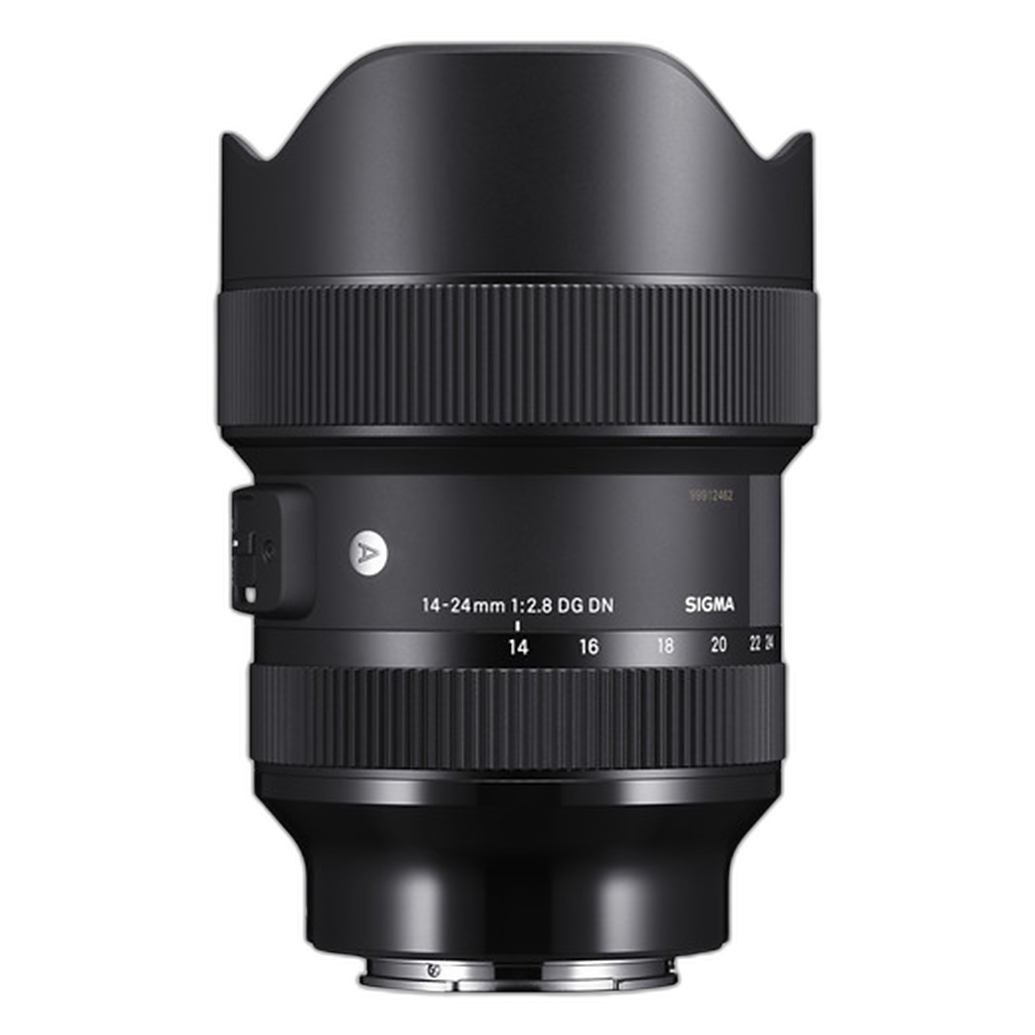
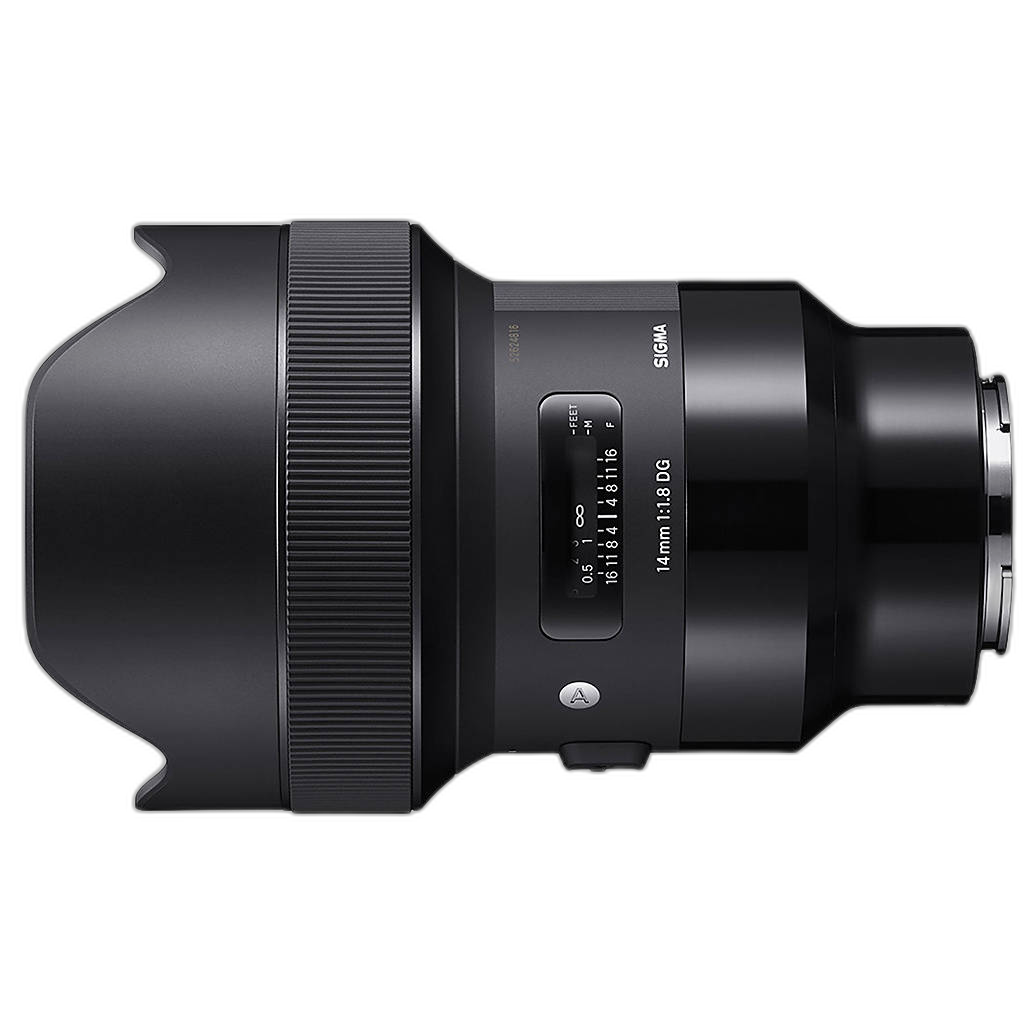
If you are comparing a fast prime against a zoom, or two similar primes with different maximum apertures, the Beta results can often reveal useful patterns. For example, a wide-angle option like the Used Sigma AF 14-24mm f/2.8 DG DN Art Lens for Sony E - Excellent Condition may show very different edge behavior compared with a very fast ultra-wide prime such as the Used Sigma 14mm f/1.8 ART for Sony E - Excellent. That kind of side-by-side visual comparison can save time before you ever visit a store or rent a lens.
How Accurate Are Sony Lens Compare Beta Results for Real Photography?
For most photographers, Sony Lens Compare Beta is moderately accurate in relative terms. That means if Lens A clearly looks sharper than Lens B in the tool under the same settings, there is a good chance you will see at least some version of that difference in real-world images.
However, there are important limits:
- The tool does not fully represent subject distance variation
- It may not reflect autofocus consistency in challenging lighting
- It cannot fully communicate bokeh character in dynamic scenes
- It does not show how lenses behave with flare, backlight, haze, or night shooting
- It cannot capture the entire feel of a lens, including weight, balance, handling, and field usability
So when photographers ask Unique Photo whether the Beta results are accurate, the honest answer is: yes, but only within a test-bench context. In real photography, lens choice is influenced by many variables that are not easy to standardize on a comparison screen.
Why Test Charts and Real-World Use Can Look Different
A lens that performs beautifully in a controlled comparison may feel less impressive in practical use, while another lens that looks slightly weaker in charts may produce images you love more. This happens because photography is not just about measurable resolution.
Real-world results are shaped by:
- Lighting conditions such as golden hour, mixed indoor light, or high-contrast noon sun
- Subject type including faces, architecture, foliage, stars, and movement
- Camera body pairing and sensor resolution
- Shooting distance and field curvature effects
- Post-processing, including lens correction profiles
- User technique, especially with fast-aperture lenses
For example, a portrait lens may look only slightly better in the Beta tool, yet in real life it may render skin tones, transitions, and background blur in a much more pleasing way. That matters far more to many photographers than corner sharpness on a brick wall.
Are Sony Lens Compare Beta Sharpness Results Trustworthy?
Generally, yes for broad comparisons. If the Beta tool shows one lens consistently outperforming another in center detail or edge definition at the same aperture, that is usually meaningful. But there is a big difference between seeing a measurable lab advantage and actually benefiting from it in daily use.
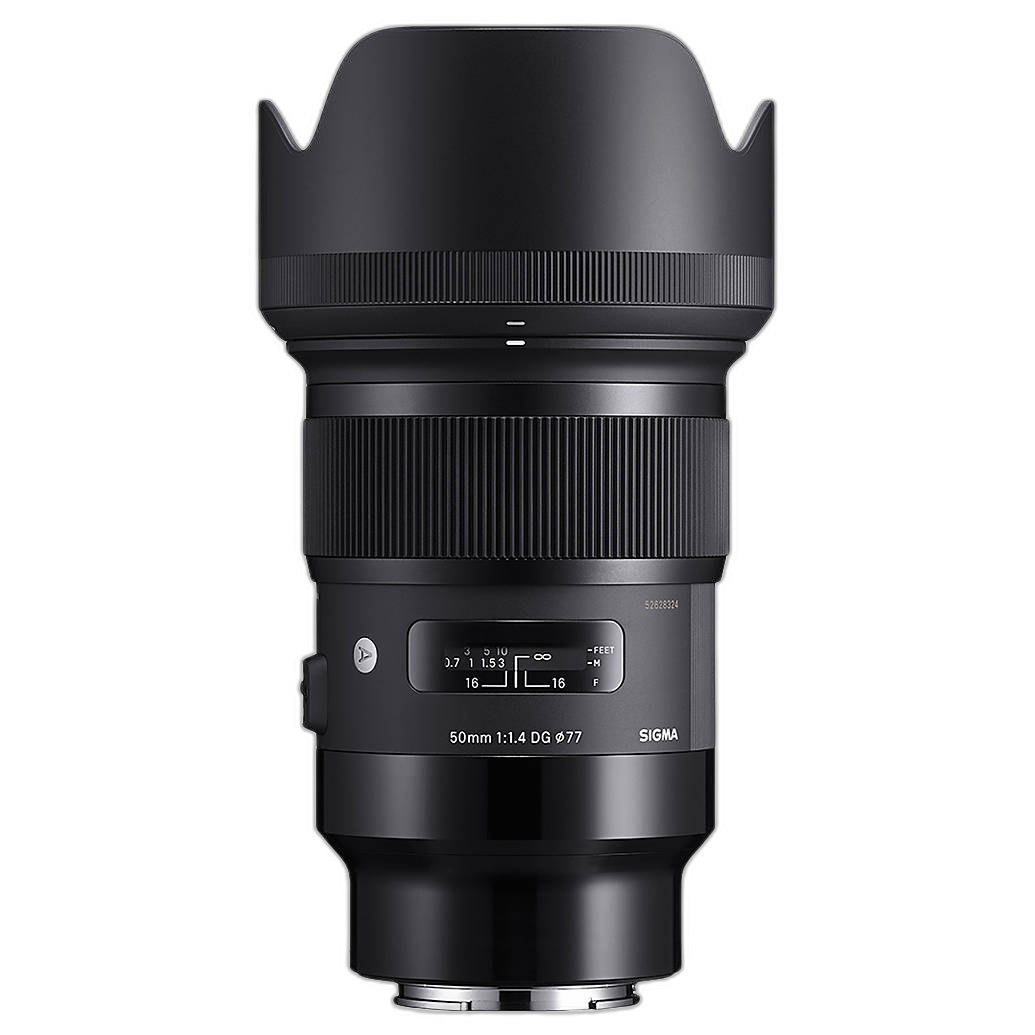
Consider normal and portrait primes. A lens like the Used Sigma 50mm f/1.4 DG ART for Sony E - Excellent or the Used Good Sigma 50mm f/1.4 DG HSM Art Lens for Sony E may show strong sharpness in a controlled comparison, but whether that matters depends on your use case. Wedding photographers may care more about autofocus reliability and rendering under mixed light. Studio shooters may care more about edge consistency. Environmental portrait photographers may prioritize transition smoothness over chart-leading resolution.
So while the sharpness results are helpful, they are most accurate when used to answer a specific question like:
- Which lens is likely sharper wide open?
- How much do corners improve when stopped down?
- Is a premium prime offering a meaningful optical advantage over a less expensive option?
How Well Does Sony Lens Compare Beta Reflect Bokeh and Rendering?
This is one of the biggest areas where comparison tools become less definitive. Bokeh is highly scene-dependent. Background distance, subject separation, point light sources, specular highlights, and focus transition all affect the final look.
A lens may appear technically sharp in Beta results but still produce a busier background than a photographer wants. On the other hand, some fast lenses have a rendering style that feels more natural in portraits even if their charts are not perfect.
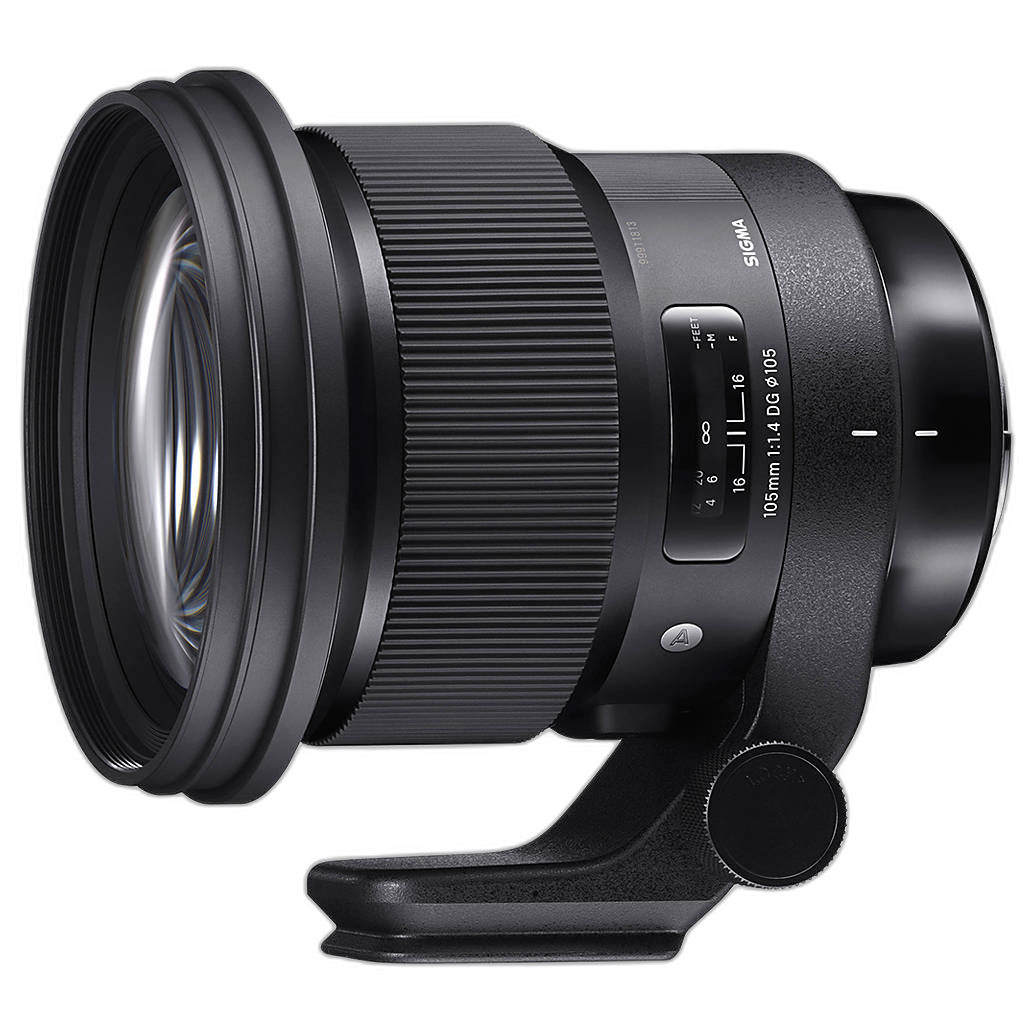
That is especially relevant when comparing fast primes such as the Used Fair Sigma AF 35mm f/1.2 DG DN Art Lens for Sony E and the Used Sigma 105mm f/1.4 DG HSM Art Lens for Sony E - Excellent. These lenses are chosen not only for sharpness, but for subject isolation, tonal depth, and visual character. A chart can hint at optical behavior, but it cannot fully communicate the emotional quality of an image.

Does Sony Lens Compare Beta Account for Autofocus Performance?
Not completely. This is one of the most important real-world limitations. Autofocus performance depends on more than optical design. It also involves camera body compatibility, firmware, subject movement, light levels, and shooting mode.
A lens that looks excellent in Sony Lens Compare Beta may still perform differently in fast-paced environments like:
- Wedding ceremonies
- Dance recitals
- Indoor sports
- Street photography at night
- Video tracking with face and eye detect
At Unique Photo, this is why we encourage photographers to look beyond pure optical comparisons. If you shoot action, documentary, or events, autofocus confidence can matter more than tiny chart differences. Real-world usability often decides whether a lens becomes a favorite.
What About Distortion, Vignetting, and Lens Corrections?
Sony Lens Compare Beta can be very helpful for showing visible distortion and darkening in the corners, but again, there is context you need to keep in mind. Many modern Sony E-mount workflows use automatic lens corrections in-camera or in post. That means a lens that appears to have stronger native distortion in testing may still produce excellent practical results once corrections are applied.
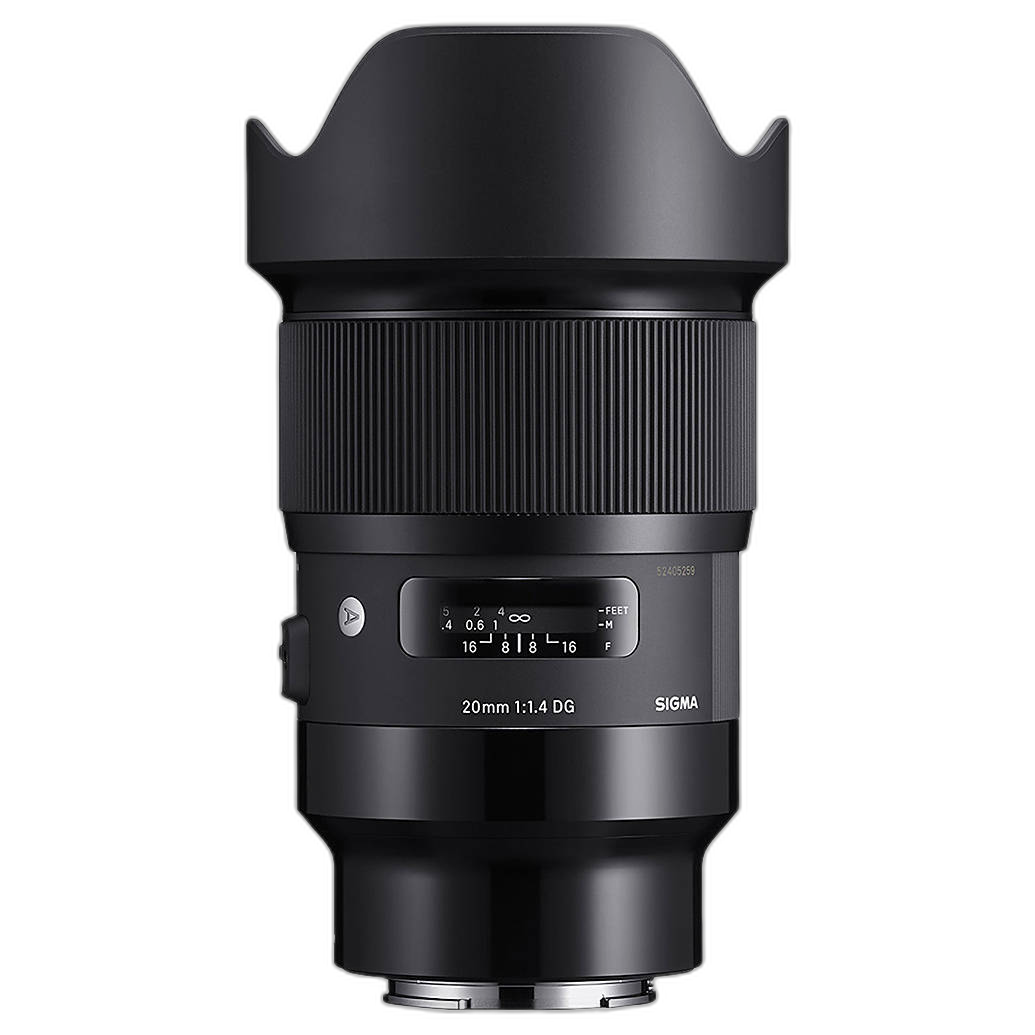
This is particularly relevant in ultra-wide and wide-angle lenses. A lens like the Used Sigma 20mm f/1.4 DG HSM ART for Sony E - Excellent may be selected for low-light and astrophotography benefits even if distortion characteristics differ from another option. Real-world value depends on the type of subject and how much correction you are comfortable applying in editing.
How Sensor Resolution Changes What You Notice
One reason photographers report mixed experiences with Sony Lens Compare Beta is that camera bodies reveal lens differences differently. A lens that looks noticeably stronger in a comparison may show only a subtle advantage on a lower-resolution body, but a more obvious one on a high-resolution sensor.
If you shoot with a high-megapixel Sony camera, you are more likely to see small optical differences in:
- Fine detail
- Corner consistency
- Chromatic aberration
- Texture rendering
On lower-resolution bodies or for social-first delivery, those same differences may not matter nearly as much. In real use, output matters. Are you printing large? Cropping heavily? Delivering web galleries? Shooting commercial work? Those questions affect how accurate or meaningful Beta results feel to you.
How Accurate Is Sony Lens Compare Beta for Landscape, Portrait, and Astro Shooters?
The answer varies by genre.
Landscape photographers: Beta comparisons can be very useful because corner sharpness, distortion, and stopped-down performance often matter. Controlled comparisons can align fairly well with what you see outdoors, especially on a tripod.
Portrait photographers: Beta comparisons are somewhat less definitive because rendering, skin detail, focus hit rate, and background blur quality often matter more than pure chart performance.
Astrophotographers: Beta results can help, but they are not enough on their own. Night sky work demands attention to coma, sagittal performance, flare, and edge star shape, which may not be fully represented in a general comparison environment.
Event and wedding photographers: Real-world accuracy depends heavily on autofocus, low-light behavior, and how a lens handles unpredictable scenes. Beta results are useful, but only as one piece of the decision.
When Sony Lens Compare Beta Is Most Useful Before Buying a Lens
At Unique Photo, we see the strongest value in Sony Lens Compare Beta when customers use it to shortlist lenses, not to make a final decision in isolation.
It is especially useful for:
- Comparing two similar focal lengths before a purchase
- Checking whether a fast prime really offers a meaningful gain over a zoom
- Seeing if a lens improves substantially when stopped down
- Evaluating whether edge sharpness matters for your style of shooting
- Researching used Sony E-mount lens alternatives from brands like Sigma
If you are shopping for value, used lenses can be a particularly smart route. Unique Photo often carries sought-after Sony E-mount options that let photographers access premium optical designs at more approachable prices.
Best Practices for Interpreting Sony Lens Compare Beta Results
If you want the most realistic takeaway from the Beta tool, use these guidelines:
- Compare lenses at the same aperture and focal length whenever possible.
- Focus on patterns, not tiny differences. Small variations may not matter in your work.
- Match the test to your use case. Portrait photographers and landscape photographers should prioritize different qualities.
- Read real user reviews and field reports. They add context charts cannot show.
- Consider size, weight, and handling. The best lens is the one you actually want to carry and use.
- Factor in post-processing. Some optical flaws are easily corrected, while others affect character more deeply.
- Think about your camera body and output needs. A high-res body may expose differences more clearly.
Final Verdict: Are Sony Lens Compare Beta Results Reliable Enough?
Yes, Sony Lens Compare Beta results are reliable enough for research, but not complete enough to replace real-world evaluation. They are most accurate for identifying broad optical tendencies like sharpness, contrast, and some edge behavior. They are less definitive for autofocus feel, rendering personality, flare resistance, and shooting experience.
If you treat the tool as a guide rather than a verdict, it can be very helpful. For many Sony photographers, the smartest approach is to combine Beta comparisons with hands-on advice, user reviews, and practical lens selection based on what they actually shoot.
That is where Unique Photo can help. Whether you are considering a wide-angle option for landscapes, a fast prime for portraits, or a used Sigma lens for Sony E to maximize value, comparing specifications is only the beginning. Real-world performance depends on matching the right lens to your subjects, camera body, and workflow.
For next steps, consider exploring more resources on Unique Photo, such as internal guides on used camera equipment, camera lenses, and Sony-compatible lens options across portrait, landscape, and low-light categories. Pairing comparison tools with expert buying advice is still the best way to choose confidently.