Portrait Lighting FAQ: Continuous vs Flash for a Home Studio
Choosing between continuous lighting and flash is one of the biggest decisions photographers make when building a home portrait studio. The right answer depends on your space, shooting style, budget, and how much control you want over motion, ambient light, and workflow.
At Unique Photo, we help photographers compare practical lighting options every day, from beginner-friendly continuous LEDs to high-output portable flash systems. This FAQ breaks down the strengths of each approach and highlights a few standout tools that can help you build a flexible portrait setup at home.
Should I start with continuous lighting or flash for home portraits?
If you are new to portrait lighting, continuous light is often the easiest place to begin because what you see is what you get. You can watch shadows move in real time, evaluate catchlights immediately, and fine-tune your light-to-subject distance without taking repeated test frames. That makes continuous light especially appealing for beginners, content creators, and photographers who also shoot video.
Flash becomes the stronger choice when you need more power, better ability to overpower ambient room light, or sharper images when your subject is moving. It is often preferred for classic studio portraiture because it can produce cleaner files at lower ISO settings and freeze motion more effectively.
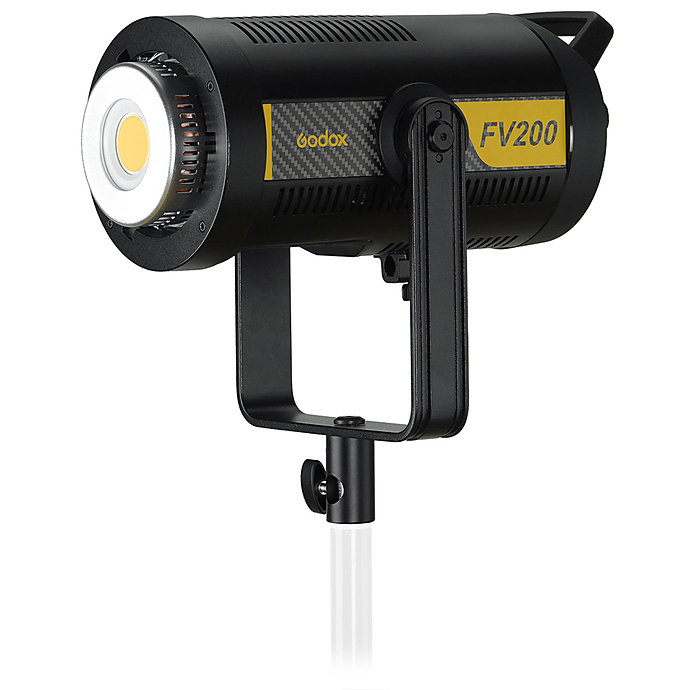
If you want flexibility, a hybrid light can be an excellent compromise. The Godox FV200 Hybrid Continuous LED Light and HSS Flash gives you the benefits of an LED modeling-style source for setup and the added punch of flash when you need it for still portraits.
What are the biggest advantages of continuous lighting for portraits?
Continuous lighting is intuitive, consistent, and especially useful in smaller home spaces. Because the light stays on, it is easy to judge facial shadows, background spill, and modifier placement before you press the shutter. That can speed up learning and reduce frustration if you are still getting comfortable with key light, fill, and rim lighting.
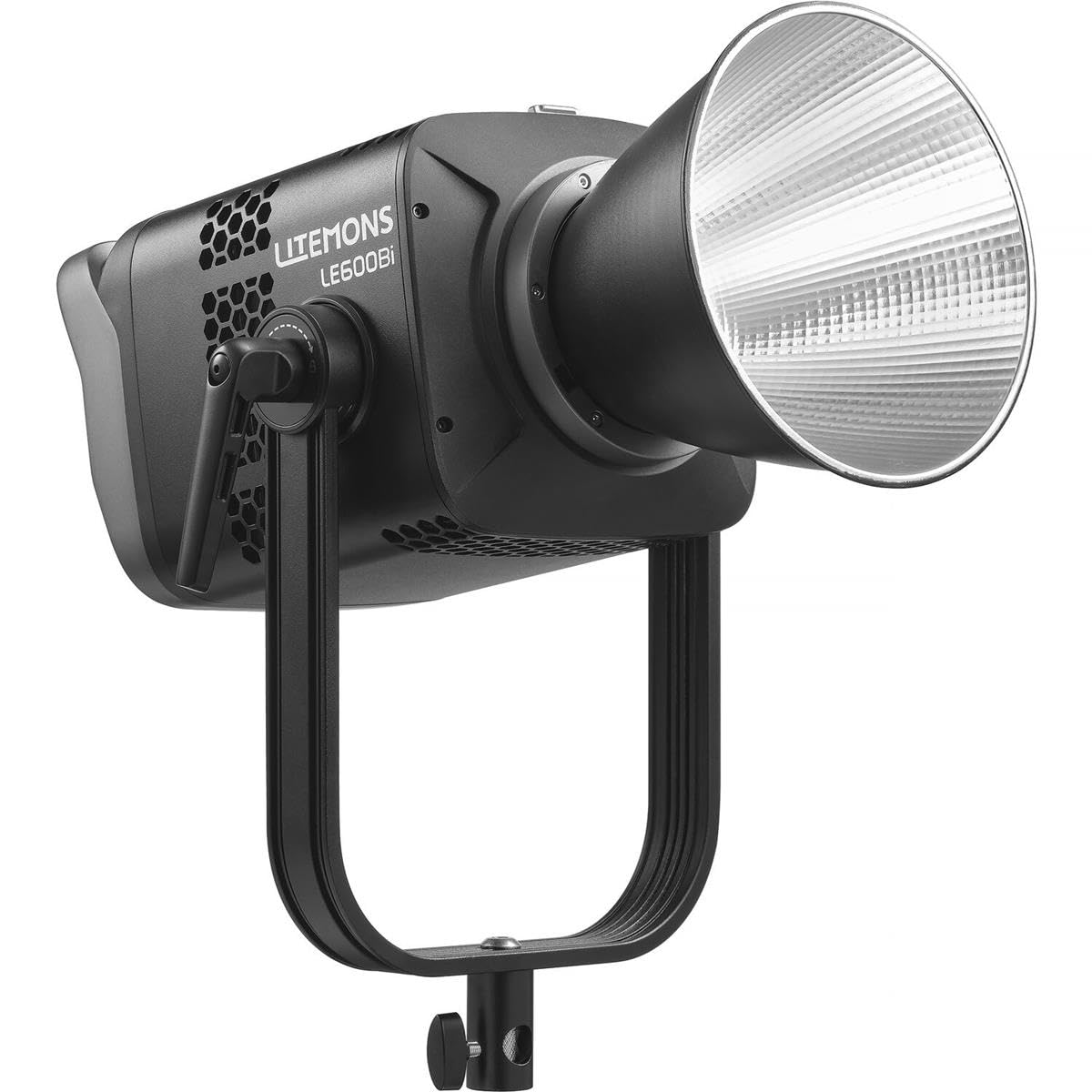
Continuous LEDs are also a smart option if your home studio serves multiple purposes. Many photographers need one light for portraits, livestreaming, video clips, product photography, or remote meetings. A bi-color fixture such as the Godox Litemons LE600Bi Bi Color LED Monolight can be especially useful in mixed-light rooms because you can adjust color temperature to blend with daylight or warmer practical lamps.
Another advantage is comfort for your subject. Some people, especially children or non-professional models, feel more relaxed when they can see the lighting pattern continuously instead of reacting to repeated bursts of flash.
When is flash the better choice for portrait photography?
Flash is the better choice when output and control matter most. Even in a home studio, you may want to shoot at lower ISO, narrower apertures, or with larger light modifiers that absorb a lot of light. Flash systems make that easier. They also help stop motion, which is useful when photographing kids, expressive posing, or fashion-style movement.
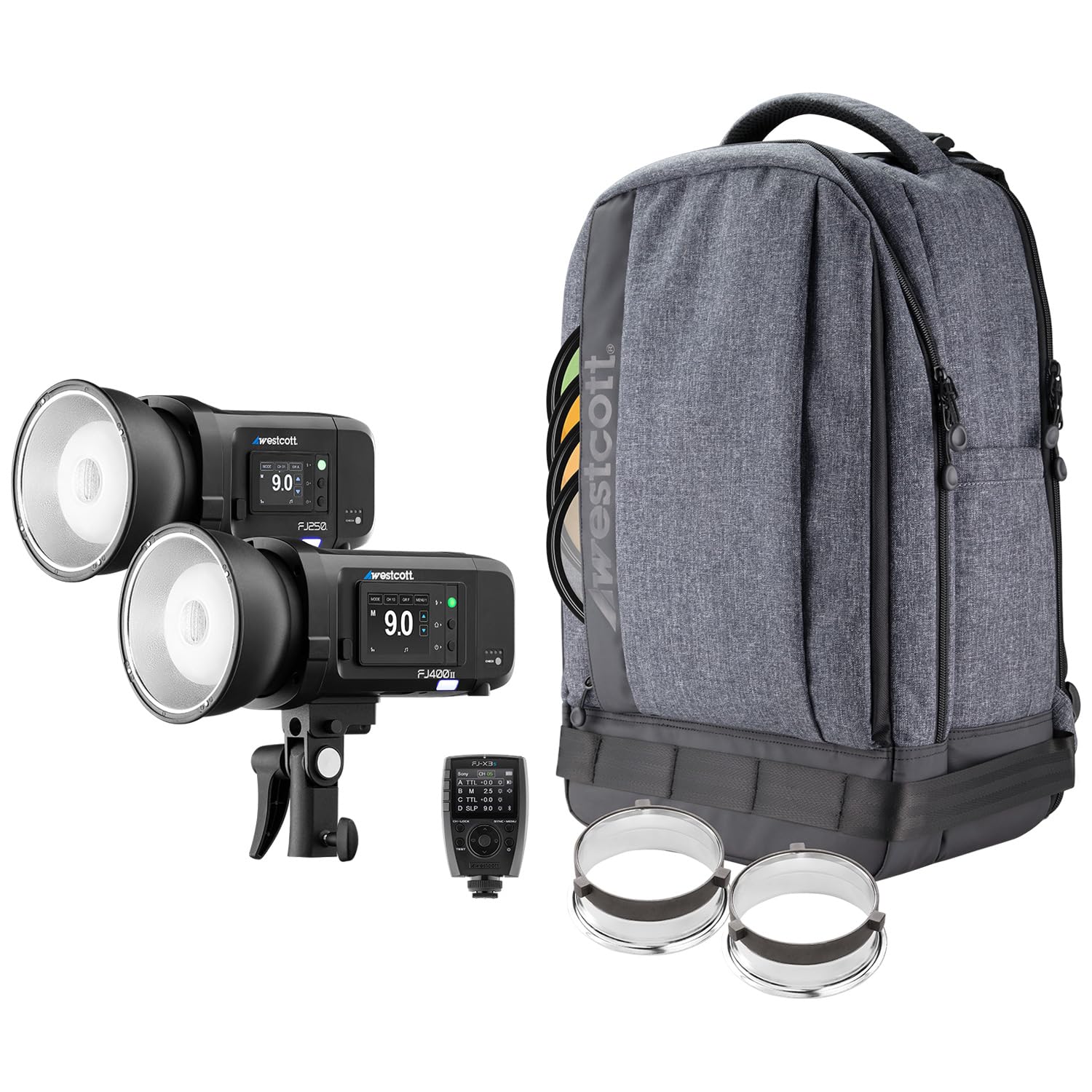
A dedicated portrait flash kit can also simplify multi-light setups. The Westcott FJ Wireless 2-Light Portable Portrait Flash Kit with FJ-X3S Trigger is a strong option for photographers who want a coordinated two-light solution for key and fill or key and hair light arrangements.
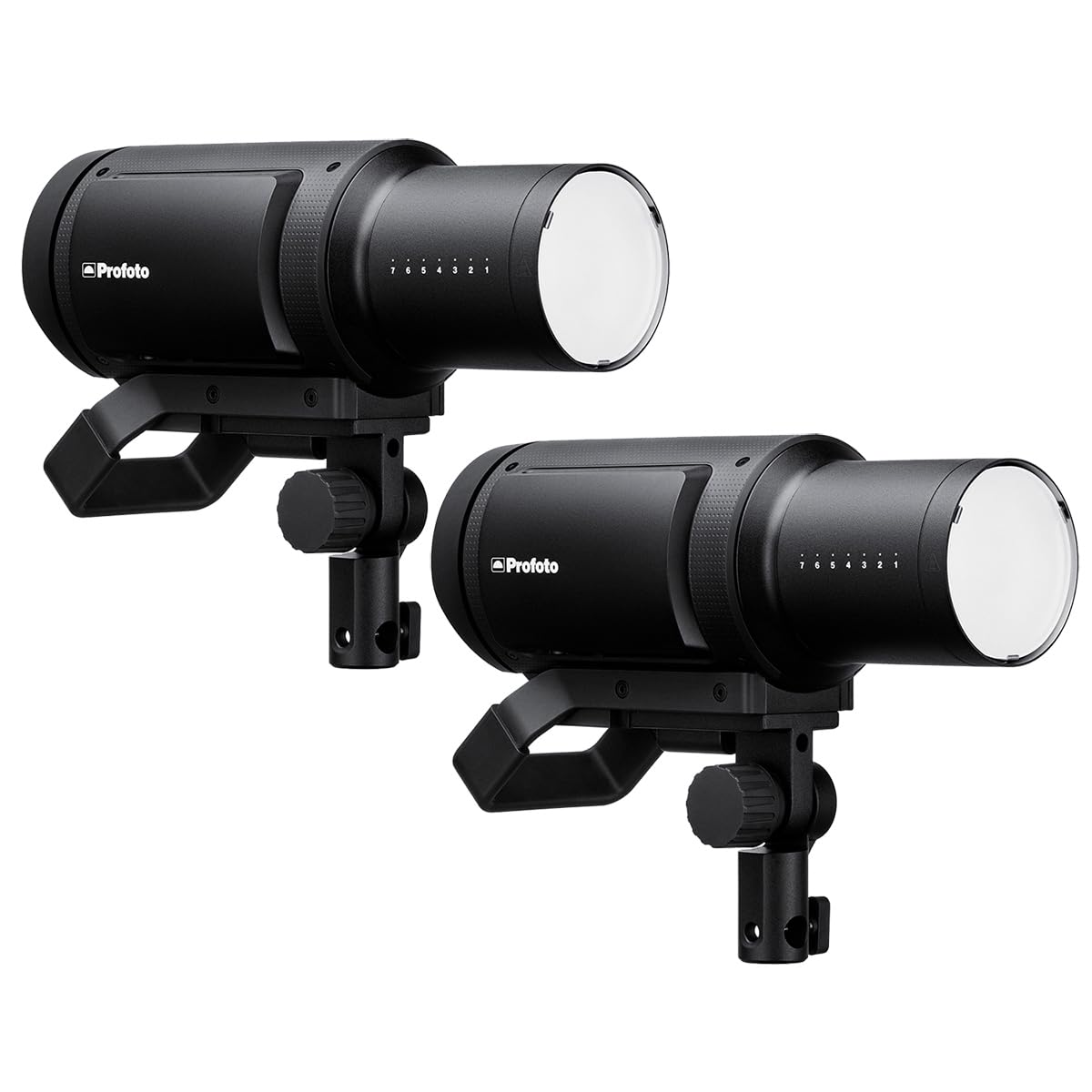
For photographers who need premium portable power, the Profoto Pro-B3 Duo 750Ws Monolight (2-Light Kit) brings high output and a refined professional workflow. That kind of system makes sense for advanced portrait shooters who want to move easily between home studio sessions and location work.
Are hybrid lights a good middle ground?
Yes. Hybrid fixtures are one of the most practical choices for photographers who do not want to commit to an all-LED or all-flash setup. A hybrid light can function as a continuous source for setup, video, and learning, then switch into flash mode for higher-output portrait sessions.
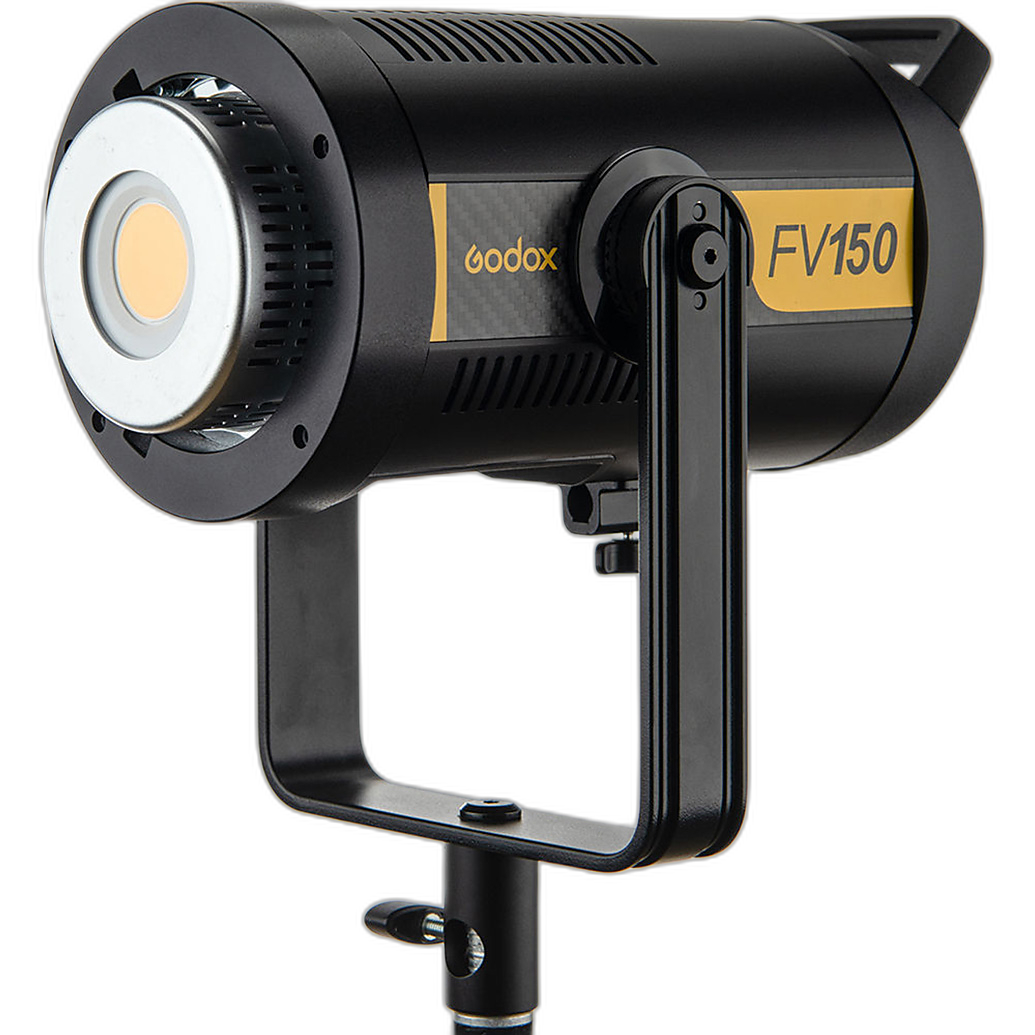
The Godox FV series is a great example of this approach. The FV200 offers strong versatility for photographers who need one light to cover several types of work. If you want similar functionality at a more budget-conscious price, Unique Photo also carries used Godox FV150 options in different condition grades, which can be an excellent way to build a home studio without overspending.
For photographers balancing stills and video, hybrid lights can reduce gear duplication while keeping your setup compact.
How much power do I need in a small home studio?
In a smaller room, raw power is only part of the story. Ceiling height, wall color, modifier size, and how far the light sits from your subject all affect the result. White walls can bounce light everywhere, reducing contrast. Large softboxes create flattering light but also absorb output. If you like dramatic portraits with a large modifier, more power gives you extra headroom.
For close-range headshots or half-body portraits, a moderate-output continuous or hybrid light can work very well, especially if you control ambient light with curtains or blinds. The Godox Litemons LE600Bi is a practical solution for photographers who want a manageable LED for smaller spaces. If you expect to use bigger modifiers or want stronger performance for flash portraits, stepping up to the Godox FV200 makes sense.
If you regularly shoot full-length portraits, groups, or bright high-key setups, dedicated flash kits usually provide the easiest path to consistent results.
What is the best lighting option if I also shoot video or social content?
Continuous lighting is usually the best fit if video is part of your workflow. With LED fixtures, you can light interviews, reels, behind-the-scenes clips, and talking-head content using the same light you use for portraits. Being able to see the lighting live is a major advantage when framing video and checking how skin tones look in real time.
The Godox Litemons LE600Bi is especially useful here because bi-color adjustment helps you match different environments. A hybrid unit like the Godox FV200 is even more versatile if you want one tool for video production and still photography. It lets you work continuously for video, then switch to flash mode when you need more stopping power for portraits.
Can I build a good portrait setup on a budget?
Absolutely. A smart budget setup starts with one reliable key light, then grows as your skill and needs expand. Many photographers begin with a single continuous or hybrid light, learn how to shape it well, and only later add a second light for separation or background control.
Used gear can stretch your budget further without sacrificing capability. Unique Photo's used Godox FV150 inventory is worth considering if you want hybrid functionality at a lower entry cost. Depending on availability, choosing Excellent, Good, or Fair condition can help you match your investment to your goals.
If your priority is purely still portraits and you know you want flash, a bundled kit such as the Westcott two-light option may offer better value than assembling separate pieces one at a time.
What setup works best for flattering portraits in a home studio?
For most home portrait setups, start with one soft key light positioned slightly above eye level and angled about 45 degrees to your subject. This creates dimensional facial modeling without looking harsh. Add a reflector or second light on the opposite side if you want softer shadows. If your background looks flat, a second light can be used as a hair light or background accent.
Continuous lights make this arrangement easy to visualize as you work. Flash systems offer more output once your placement is dialed in. Hybrid options again sit nicely in the middle, making them ideal for photographers who want to learn lighting patterns visually first and then add flash efficiency later.
Older continuous fixtures can also still have a place in some setups. For example, a used continuous light such as the Hensel C-Light may appeal to photographers looking for an economical secondary source, though many buyers today prefer modern LED or hybrid designs for greater flexibility and efficiency.
How do I decide which product is right for me?
A simple way to choose is to match the light to your primary use case. If you are focused on learning, shooting in a tight space, or creating both photo and video content, start with a continuous or hybrid light. If you want one especially flexible option, the Godox FV200 is a standout choice. If you want an affordable path into hybrid lighting, the used Godox FV150 models are worth a close look.
If your main goal is polished still portraits with stronger output and room to grow into multi-light setups, a flash kit such as the Westcott FJ Wireless 2-Light Portable Portrait Flash Kit is a smart move. For advanced users who want premium power and portability, Profoto's Pro-B3 Duo kit is a top-tier solution.
The best home studio light is the one that fits your room, your subjects, and your workflow consistently. If you are unsure where to begin, Unique Photo can help you compare lighting systems and choose the setup that makes portrait sessions easier and more rewarding.
Ready to build your home portrait studio? Explore continuous lights, hybrid solutions, and portrait flash kits at Unique Photo to find the right fit for your space and shooting style.