Fujifilm 200mm vs 250mm: Which Telephoto Lens Fits Your Photography?
Choosing between a fast 200mm lens and a longer 250mm option is a common question for photographers who want more reach, stronger subject isolation, or better performance for wildlife, sports, portraits, and compressed landscapes. The right answer depends less on which focal length is "better" and more on your camera system, subject distance, lighting conditions, and how much flexibility you need in the field.
At Unique Photo, we help photographers match lenses to real-world shooting needs. If you're building around Fujifilm X Series or GFX, the decision often comes down to whether you prioritize speed, reach, teleconverter flexibility, medium format rendering, or overall value.
Is a 200mm lens or a 250mm lens better for most photographers?
Neither focal length is universally better. A 200mm lens is often the more versatile choice when you need a balance of reach and speed, especially for action, indoor sports, stage work, and wildlife in lower light. A 250mm lens gives you more reach and stronger compression, which can be especially useful for distant wildlife, outdoor sports, and landscape details.
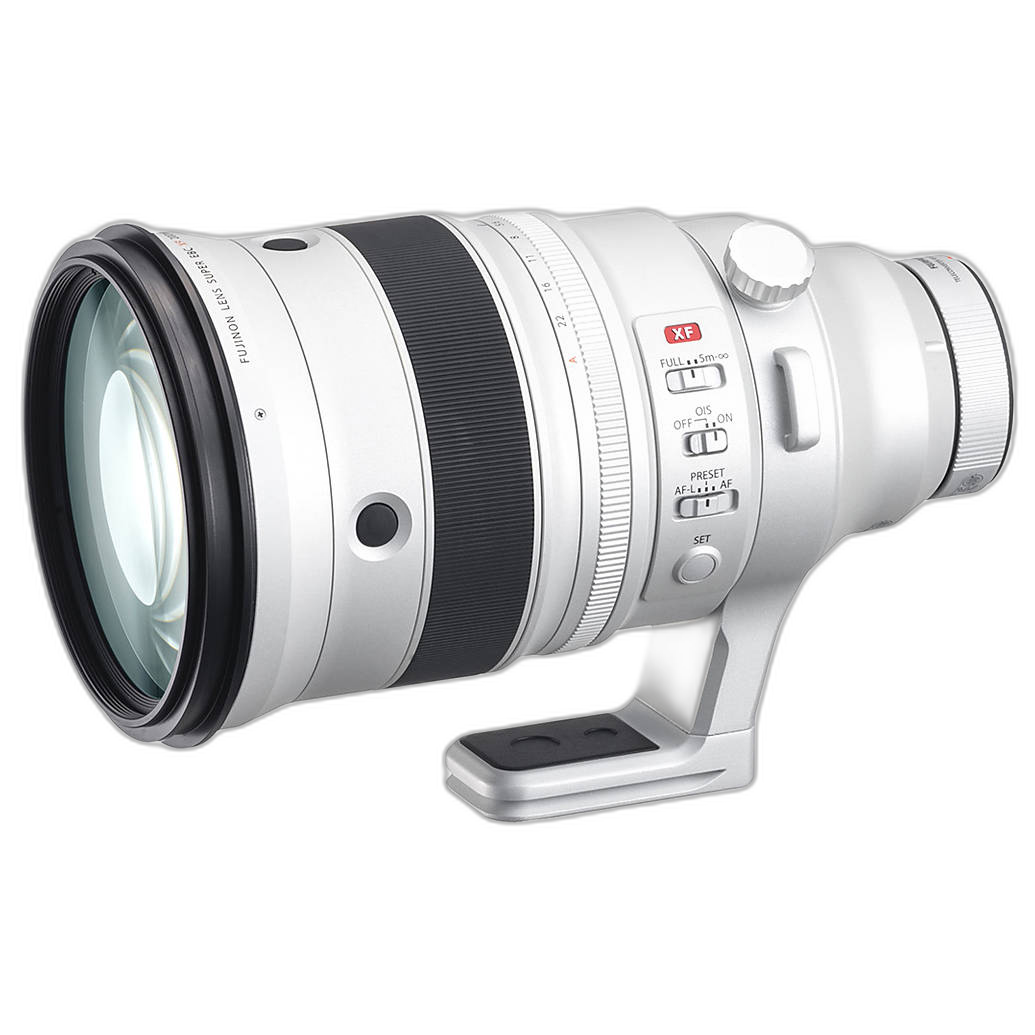
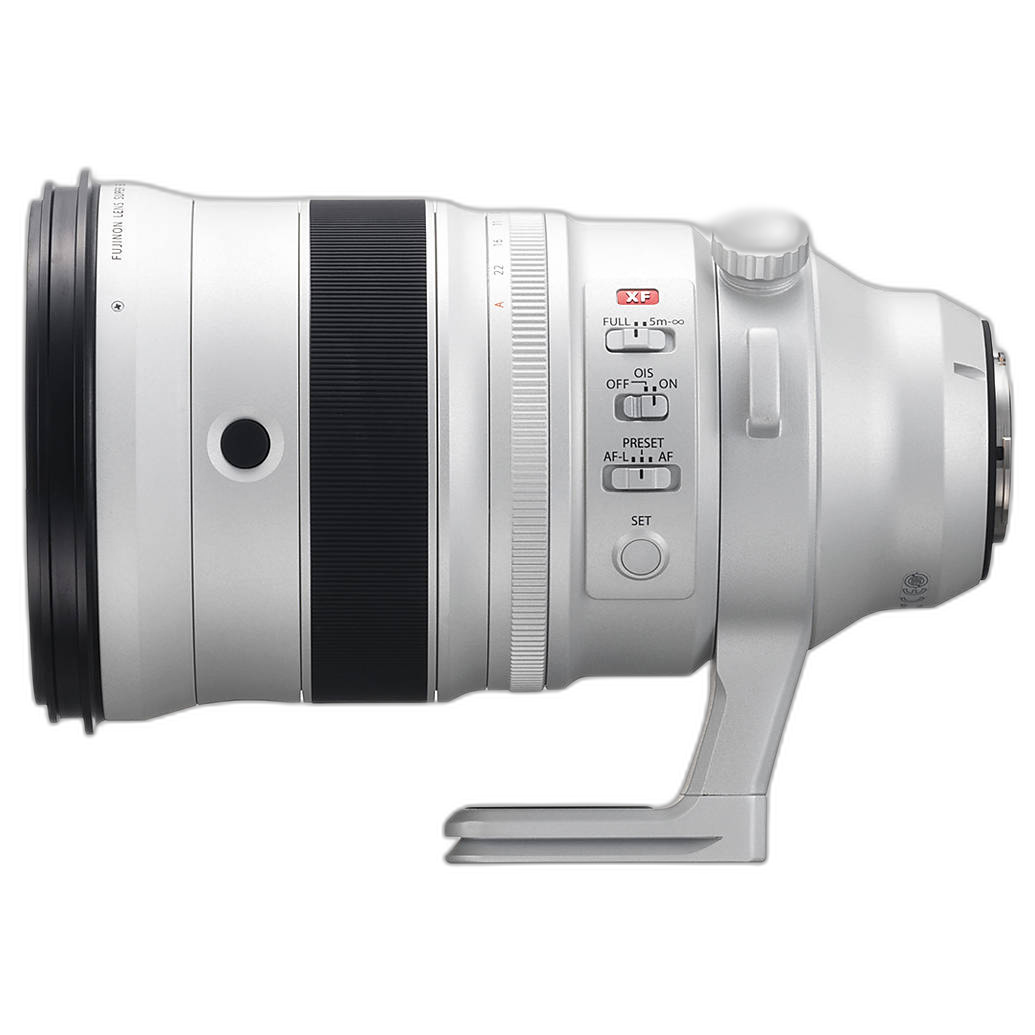
In Fujifilm's lineup, the Fujifilm FUJINON XF 200mm f/2 R LM OIS WR Lens with XF1.4x Teleconverter stands out because it combines a very bright f/2 aperture with pro-level autofocus and optical image stabilization. That makes it a serious tool for photographers who shoot fast-moving subjects or need excellent subject separation. The included 1.4x teleconverter also adds flexibility when you need more reach.
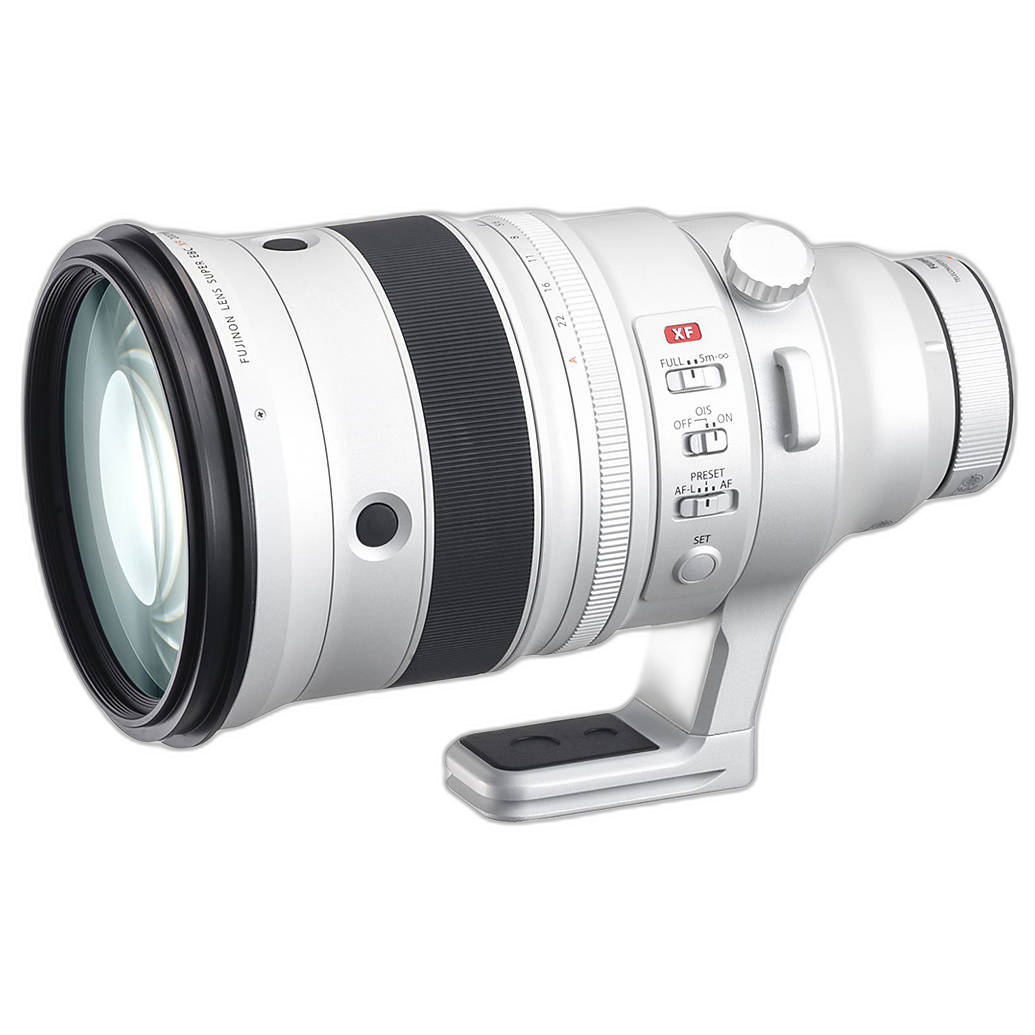
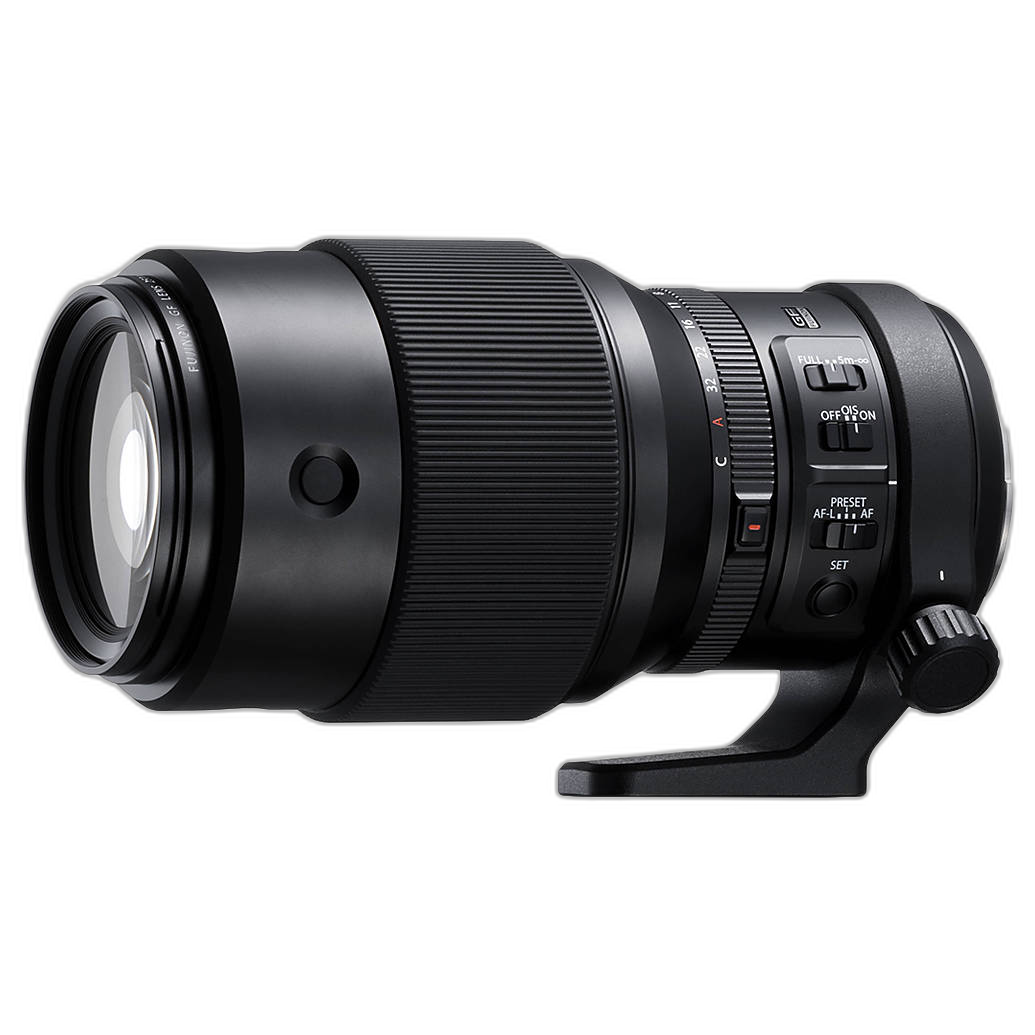
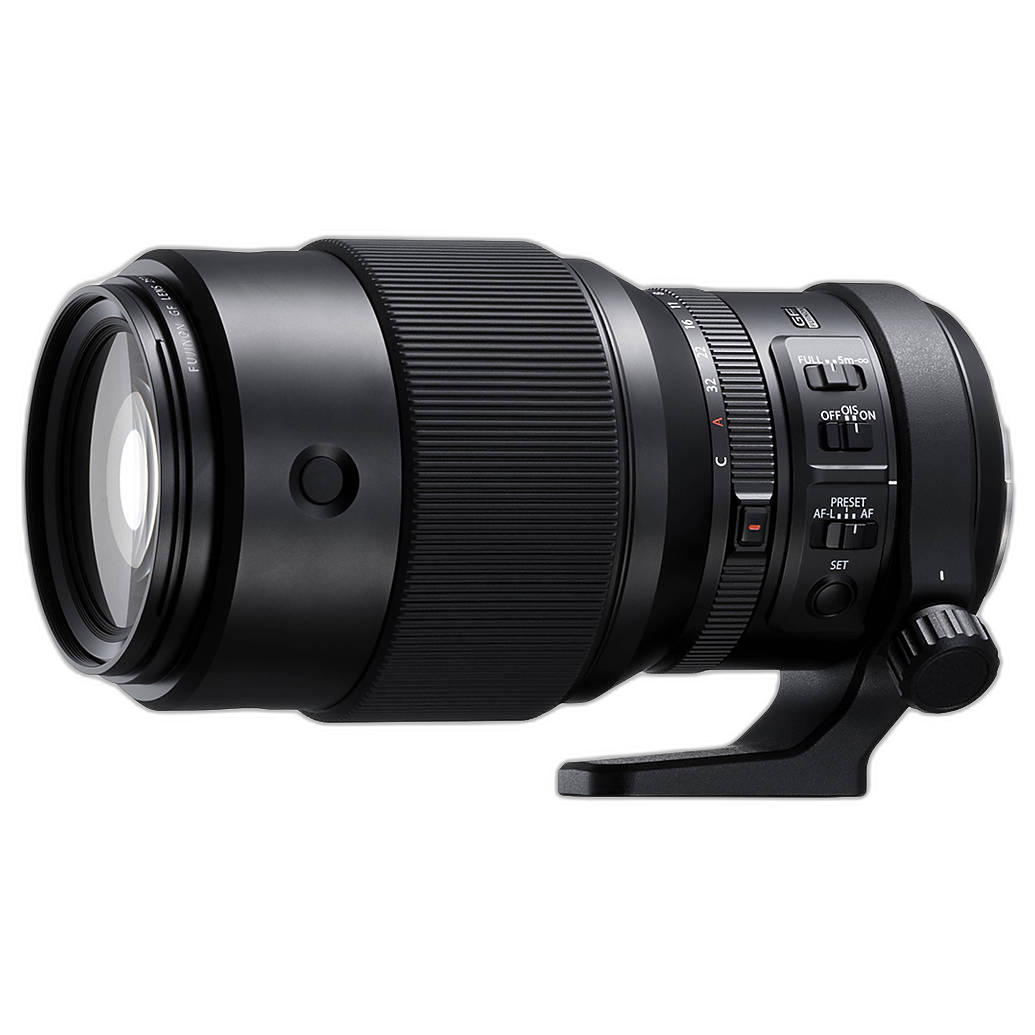
On the GFX side, the Fujifilm FUJINON GF 250mm f/4 R LM OIS WR Lens is a compelling choice for medium format photographers who want longer reach while maintaining the distinct tonal depth and detail the GFX system is known for.
What is the real-world difference between 200mm and 250mm?
The jump from 200mm to 250mm is noticeable. You get a narrower angle of view, which helps fill the frame with more distant subjects. That extra reach can matter when you're photographing birds, field sports, or mountain details that are just a little too far away for 200mm.
At the same time, 200mm is often easier to work with if subjects move unpredictably or if you're shooting in tighter spaces. It can feel more forgiving for tracking action and recomposing quickly. If your priority is maximum subject isolation and low-light performance, the XF 200mm f/2 offers a major advantage thanks to its fast aperture. If your priority is medium format telephoto rendering and more native reach, the GF 250mm f/4 makes excellent sense.
Is the Fujifilm XF 200mm f/2 worth it for sports and wildlife?
For the right photographer, absolutely. The XF 200mm f/2 R LM OIS WR is built for demanding situations where speed matters. The f/2 aperture lets in far more light than slower telephoto options, which helps keep shutter speeds high and ISO lower. That is especially valuable for indoor sports, evening events, and wildlife at dawn or dusk.
Its included teleconverter makes it even more appealing for field use because you can extend your reach without carrying a completely separate long prime. If you're invested in Fujifilm X Series and want one of the system's top telephoto lenses, this is one of the strongest options available at Unique Photo.
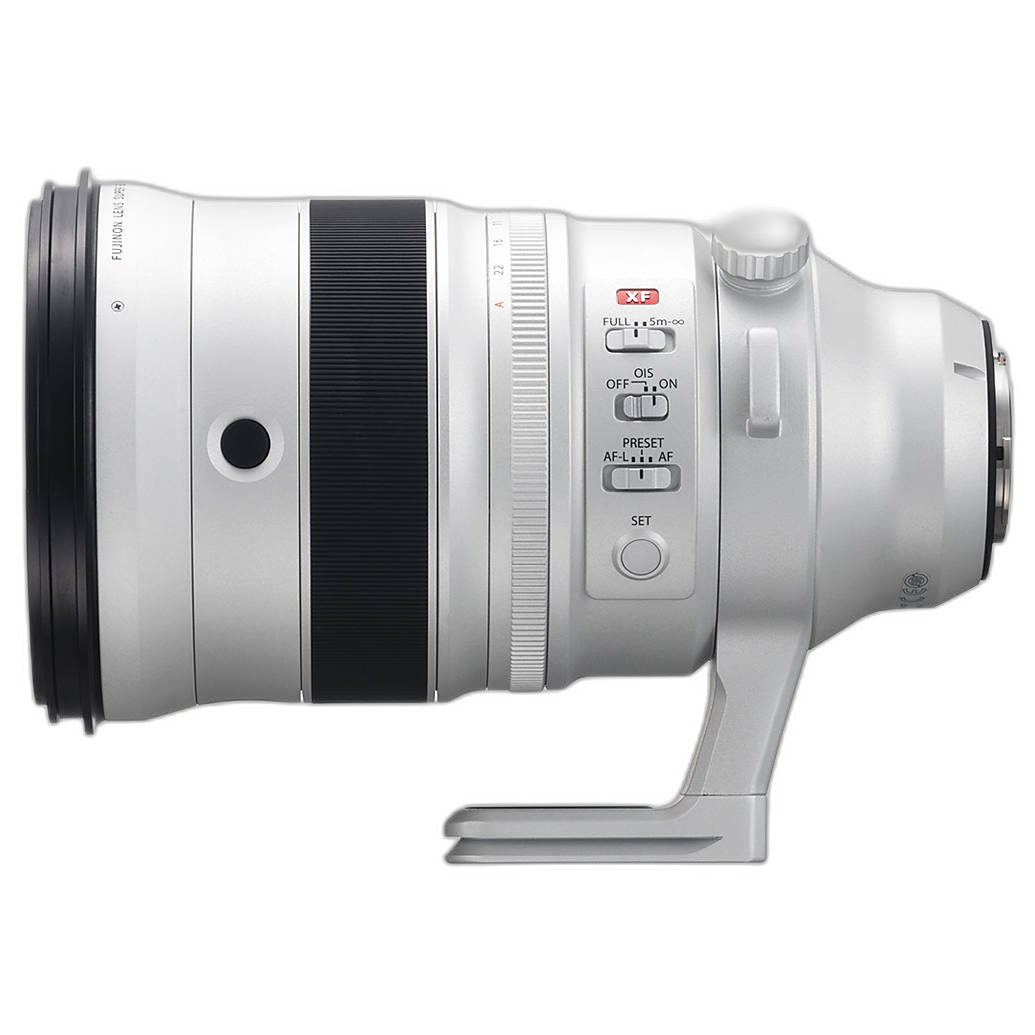
If you're shopping more carefully on budget, a pre-owned option like the Used Fujifilm 200mm f/2 R LM OIS WR w/ XF 1.4X TC - Excellent can be a smart way to access flagship performance while keeping costs more manageable.
Who should choose the Fujifilm GF 250mm f/4?
The GF 250mm f/4 R LM OIS WR is best suited to photographers using the GFX system who want telephoto reach without giving up the look and resolution medium format can deliver. It is especially attractive for outdoor portraiture, wildlife, compressed landscape scenes, and any assignment where fine detail matters.
On GFX, this lens gives you a polished, high-end rendering style with excellent subject separation and strong optical performance. It also pairs naturally with photographers who already use other GF lenses and want to expand into longer focal lengths for specialized work.
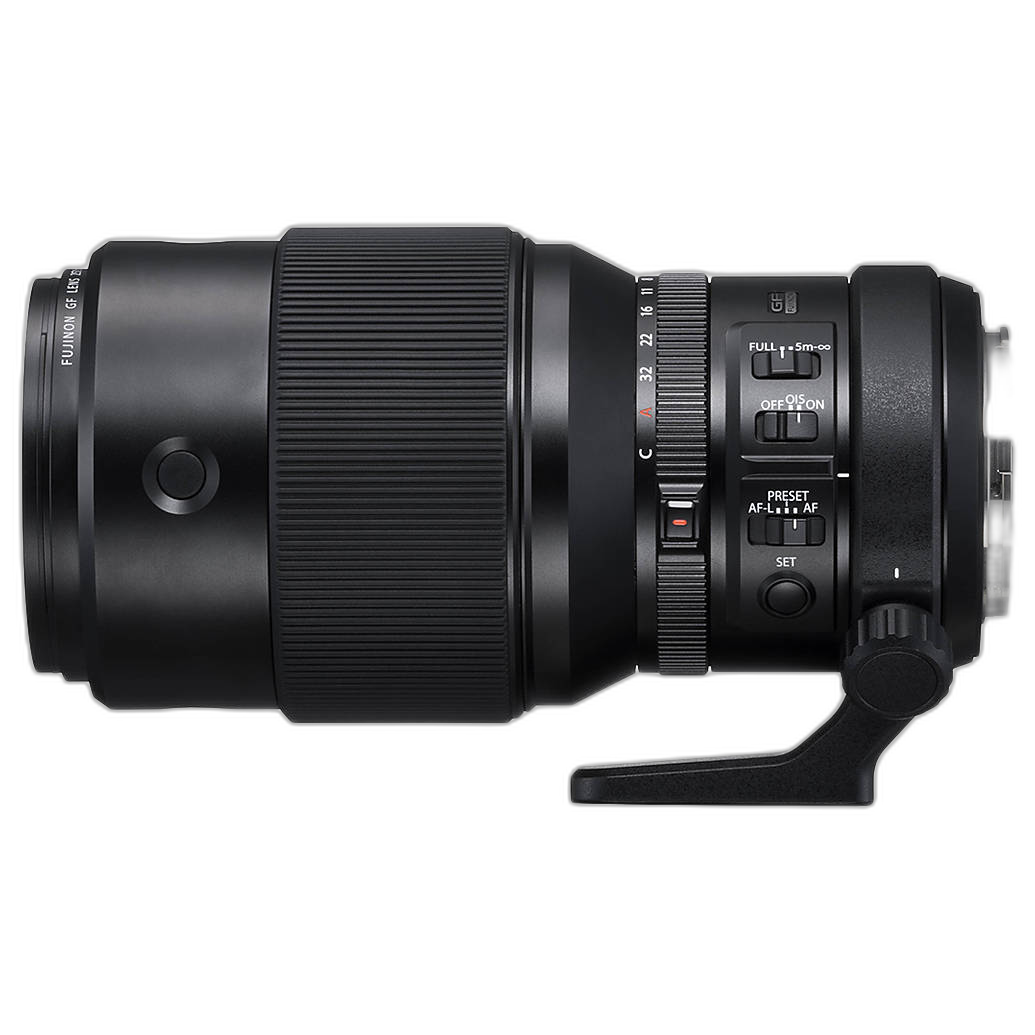
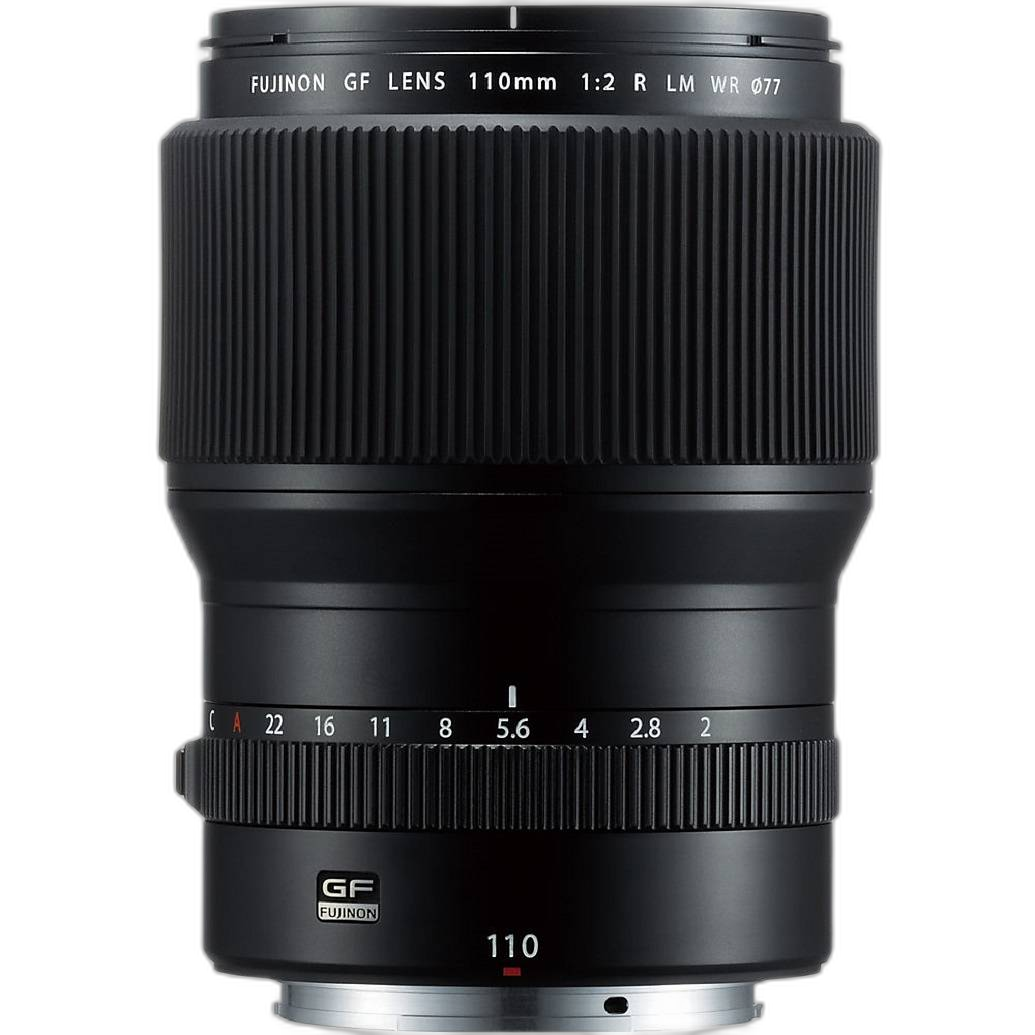
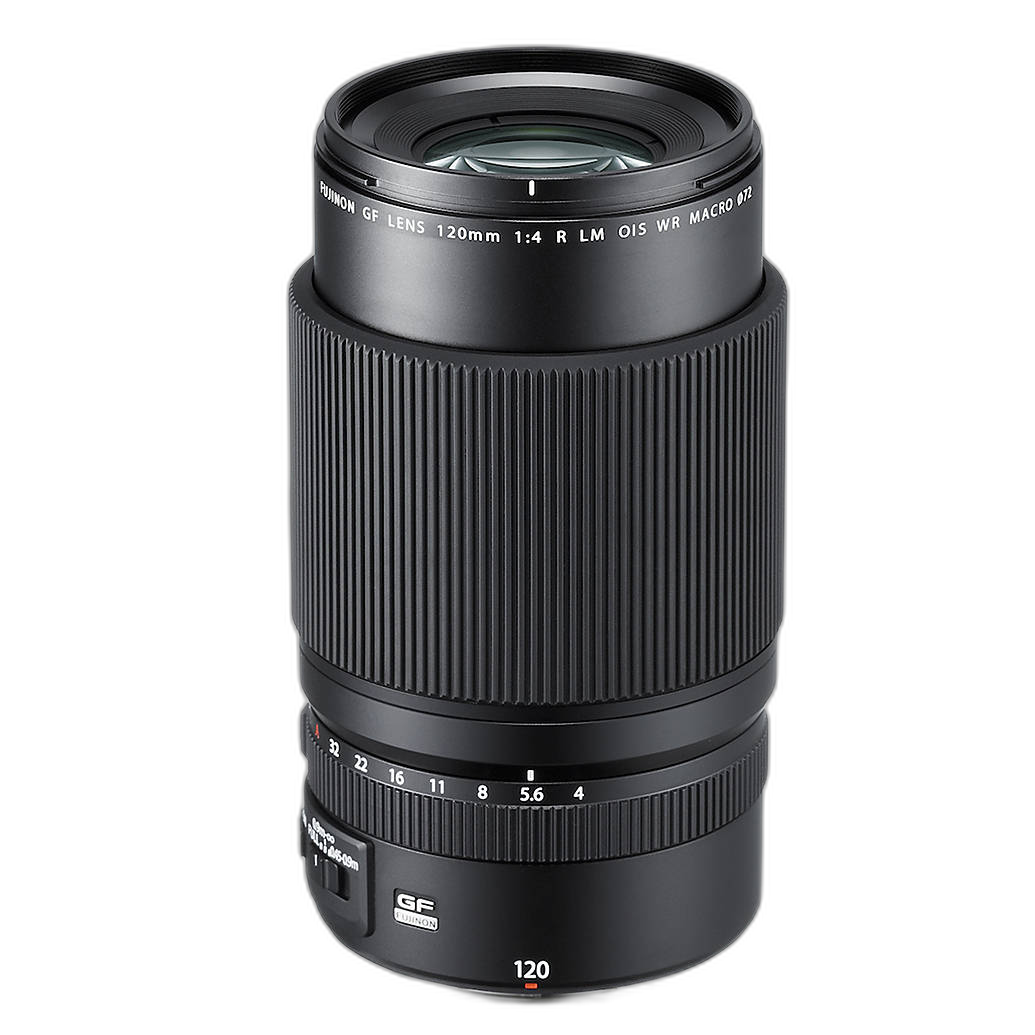
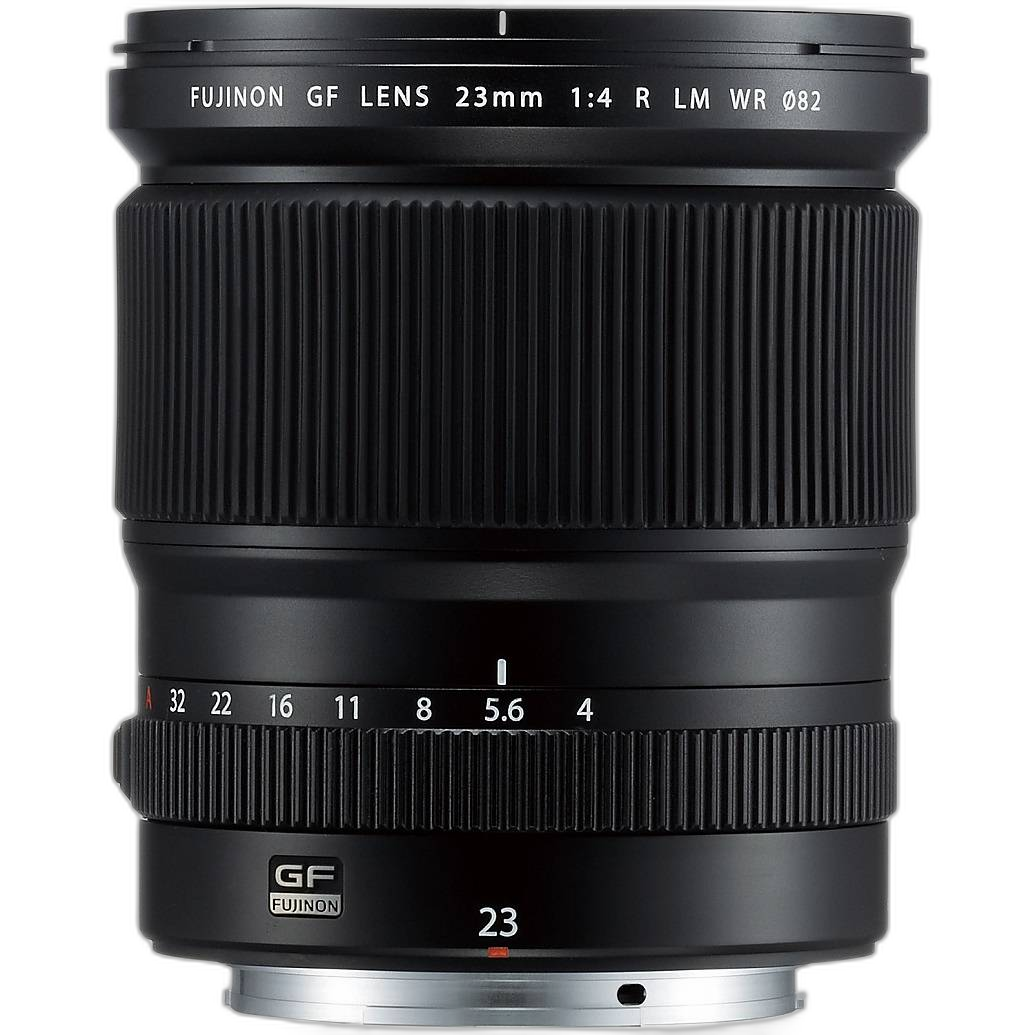
If you're entering the system or expanding a kit, it can also make sense to balance the GF 250mm with complementary lenses such as the GF 110mm f/2 R LM WR for portraits, the GF 120mm f/4 R LM OIS WR Macro for close-up detail, or the GF 23mm f/4 R LM WR for wide environmental work.
How important is aperture when comparing a 200mm f/2 to a 250mm f/4?
Aperture is a major part of this decision. A 200mm f/2 gathers much more light than a 250mm f/4, which can make a substantial difference in low light or when freezing motion. It also gives you shallower depth of field, helping subjects stand out from busy backgrounds.
A 250mm f/4 still offers excellent subject separation, particularly on medium format, but it is better thought of as a lens that prioritizes reach and optical quality over sheer speed. If you often shoot fast action or work in dim venues, the XF 200mm f/2 has a clear advantage. If your subjects are slower, your light is better, or your main goal is medium format telephoto rendering, the GF 250mm f/4 remains highly appealing.
Should I buy new or used for premium Fujifilm telephoto lenses?
Buying used can be a very practical move when you're looking at professional telephoto glass. These lenses are built to a high standard, and a carefully graded used copy can offer excellent value. At Unique Photo, photographers often consider pre-owned equipment when they want pro performance without paying full new pricing.
For example, the Used Fujifilm 200mm f/2 R LM OIS WR w/ XF 1.4X TC - Excellent and the Used Fujifilm GF250mmF4 R LM OIS WR Lens - Good are worth considering if your priority is stretching your budget while still getting into premium Fujifilm optics.
The tradeoff is usually cosmetic condition and inventory availability rather than core image quality. If a used listing matches your standards and intended use, it can be one of the smartest ways to build a serious kit.
What kinds of photography benefit most from these focal lengths?
Both 200mm and 250mm lenses are specialized but highly rewarding focal lengths. Wildlife photographers appreciate the ability to isolate animals from distracting backgrounds. Sports photographers use them to bring distant action closer and maintain flattering subject compression. Portrait photographers can create dramatic, compressed perspectives with exceptionally smooth backgrounds. Landscape photographers use telephoto lenses to simplify scenes and emphasize distant details.
For X Series users, the XF 200mm f/2 is especially compelling for sports, wildlife, and selective portrait work. For GFX users, the GF 250mm f/4 excels when the goal is long-lens medium format detail and a refined, premium look.
Is a medium format telephoto setup worth it compared to APS-C or full-frame alternatives?
It depends on what you value most. Medium format telephoto shooting can deliver exceptional detail, smooth tonal transitions, and a distinctive rendering style that many photographers love for portraiture, editorial, and fine art work. The tradeoff is typically cost, size, and system specialization.
If you are already invested in GFX or want to step into that ecosystem, a setup built around lenses like the GF 250mm f/4 can be very rewarding. Photographers looking for a broader medium format package may also consider a bundle such as the GFX50S II BODY GF100-200MMF5.6 R LM OIS WR GF80MMF1.7 R WR AND GF250MMF4 R L, which reflects the kind of complete high-end system serious image makers often assemble.
By contrast, if speed, autofocus responsiveness, and lower-light flexibility are bigger priorities, the X Series route with the XF 200mm f/2 may be the stronger fit.
What should I consider before choosing a long Fujifilm prime?
Start with your camera system. The XF 200mm f/2 is designed for Fujifilm X Series, while the GF 250mm f/4 is part of the GFX medium format lineup. Then think about your main subjects, available light, working distance, and whether you need the fastest possible aperture or simply more reach.
You should also consider how the lens will fit into your broader kit. A wildlife or sports shooter may prioritize teleconverter flexibility and low-light performance. A GFX photographer may be more focused on rendering, detail, and building a well-rounded lens set with wide, portrait, macro, and telephoto options.
If budget is part of the equation, don't overlook used gear. A carefully chosen pre-owned telephoto lens from Unique Photo can be a strong way to get premium performance at a more accessible price point.
Whether you're deciding between an ultra-fast X Series telephoto or a longer medium format prime, Unique Photo can help you choose the right Fujifilm lens for the way you actually shoot. Explore new and used Fujifilm gear with us to build a system that matches your style, subjects, and long-term goals.