Introduction: Is 2024 the Right Time to Leave Canon?
For many photographers and filmmakers, switching camera systems is one of the biggest gear decisions they can make. It is not just about replacing a body. It means rebuilding lenses, batteries, menus, muscle memory, and in many cases an entire workflow. In 2024, the question has become especially relevant because Sony continues to push hard in both mirrorless and cinema, while Nikon has become increasingly attractive to hybrid shooters. For longtime Canon users, the temptation to move is real.
The short answer: yes, switching can absolutely be worth it, but only if your frustrations with Canon are specific and costly enough to justify the transition. If you need broader third-party lens support, class-leading autofocus in video, deep full-frame hybrid options, or a stronger path into Sony's professional cinema ecosystem, then Sony is the clearest destination. Nikon is also a serious contender for users who prioritize color, ergonomics, and growing mirrorless momentum, but in the context of the available gear here, Sony presents the most complete and practical migration path.
This review-style guide looks at what Canon users gain, what they lose, and which Sony bodies make the most sense depending on whether you shoot stills, hybrid content, or full-scale video production.
Who Should Actually Consider Switching?
Not every Canon shooter should move. If you already own a strong RF lens lineup, love Canon color, and your current body handles your assignments without compromise, staying put is often the smarter financial decision. But if you have run into recurring issues such as lens pricing, limited third-party native options, overheating concerns on older bodies, or you want easier access to a broad ecosystem from compact stills cameras to cinema rigs, Sony becomes highly compelling.
In practical terms, a switch makes the most sense for:
- Hybrid creators who need excellent stills and video in one body
- Videographers who want a straightforward path from mirrorless to cinema cameras
- Freelancers building a modular kit on a budget, including used gear options
- Canon DSLR holdouts finally making the jump to a modern mirrorless ecosystem
Why Sony Is the Most Convincing Alternative in 2024
1. A Strong Mirrorless Entry Point: Sony a7 V
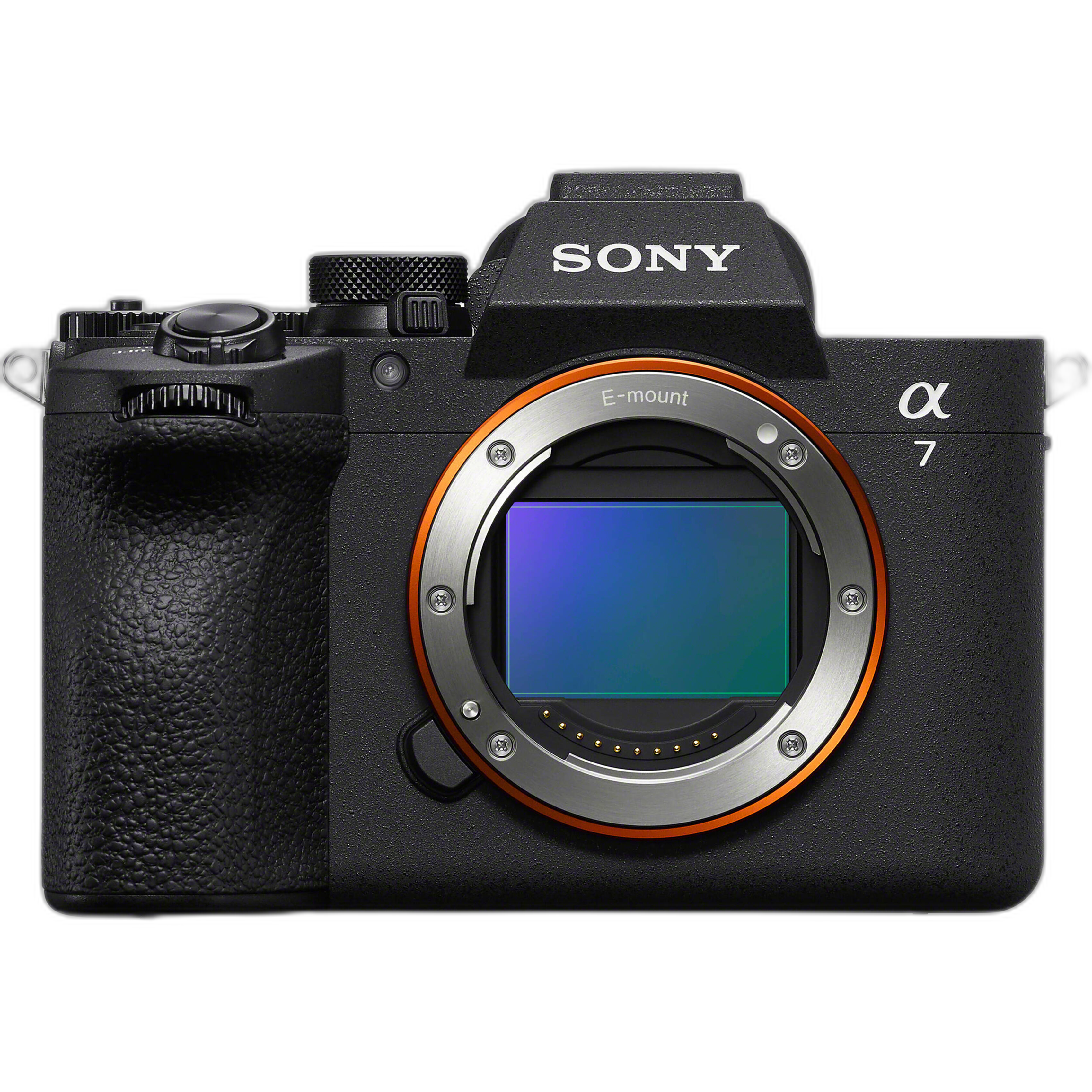
If your move away from Canon is centered around hybrid shooting, the Sony a7 V Mirrorless Camera is the kind of body that makes switching feel worthwhile. It represents the modern Sony formula: strong autofocus, broad lens compatibility, compact full-frame design, and the kind of feature balance that appeals to photographers, filmmakers, and content creators alike.
For Canon users, what stands out most is flexibility. Sony's E-mount remains one of the deepest ecosystems in the industry, with premium native glass and abundant third-party support. That matters because changing systems is expensive, and a healthier lens market lowers the cost of migration over time.
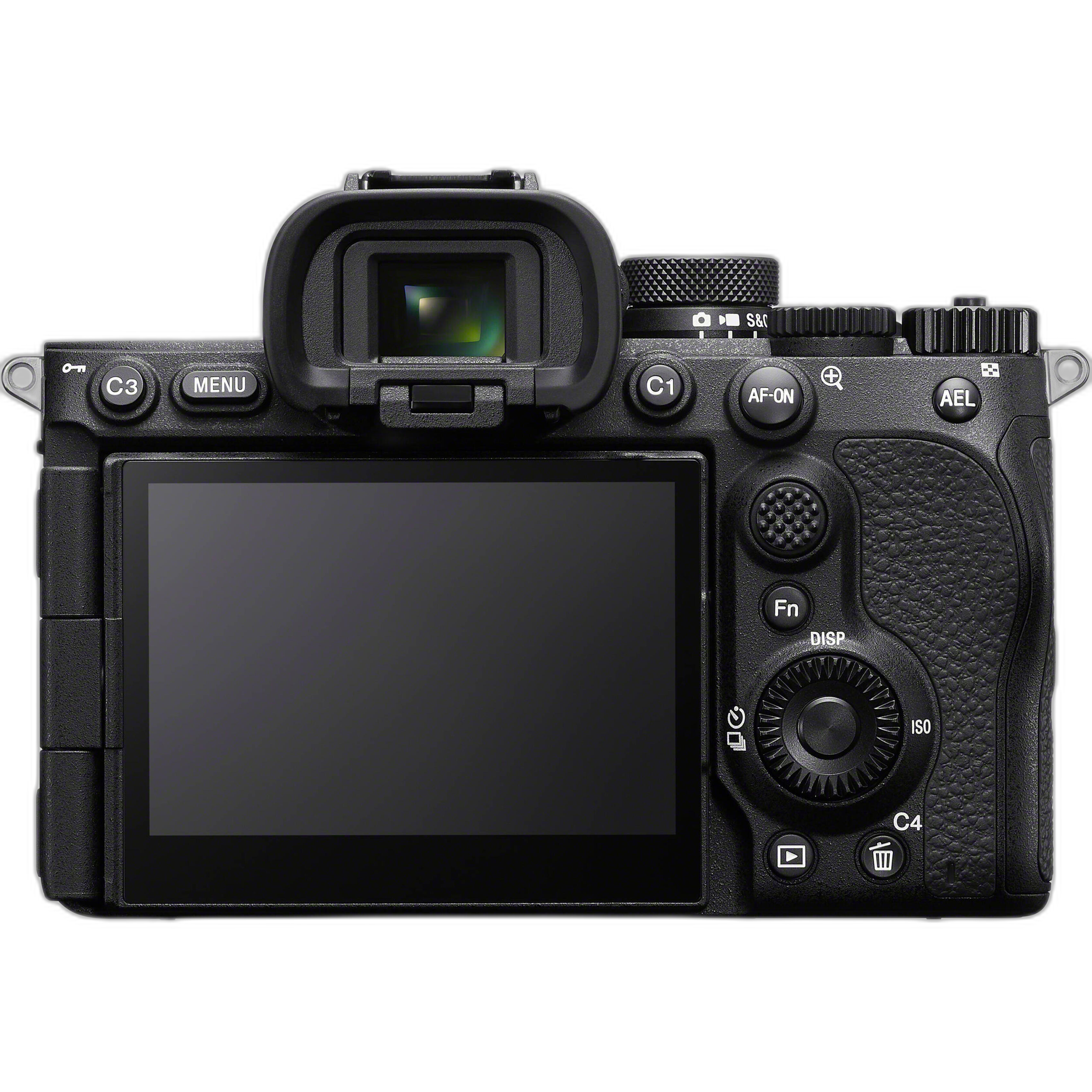
The Sony a7 V Mirrorless Camera with 28-70mm II Lens is also an especially practical option for Canon users starting from scratch or selling off an old kit. A bundled lens makes the transition easier, gets you shooting immediately, and reduces decision fatigue during a major platform change.
2. A Real Upgrade Path into Cinema: Sony FX9 and FS Series
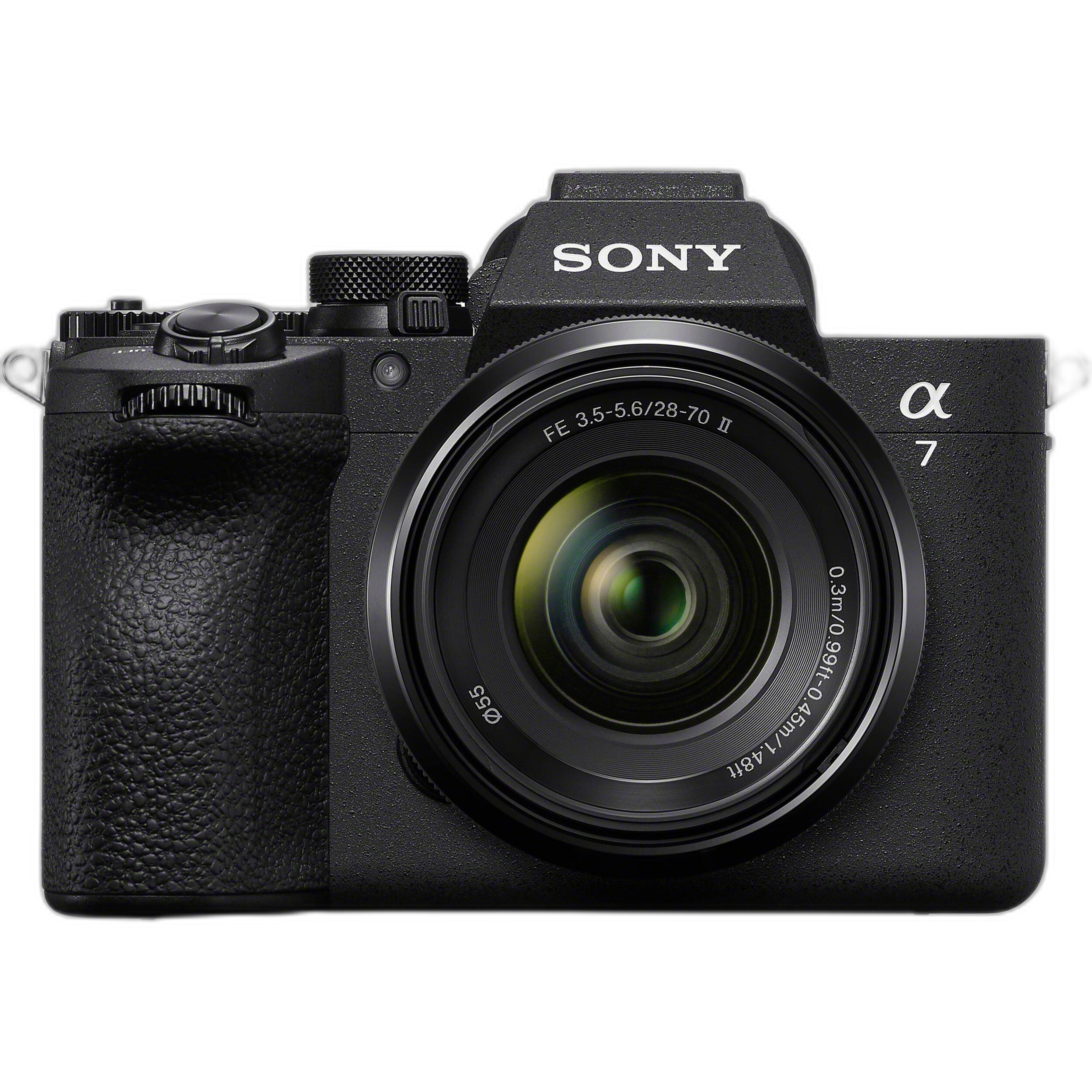
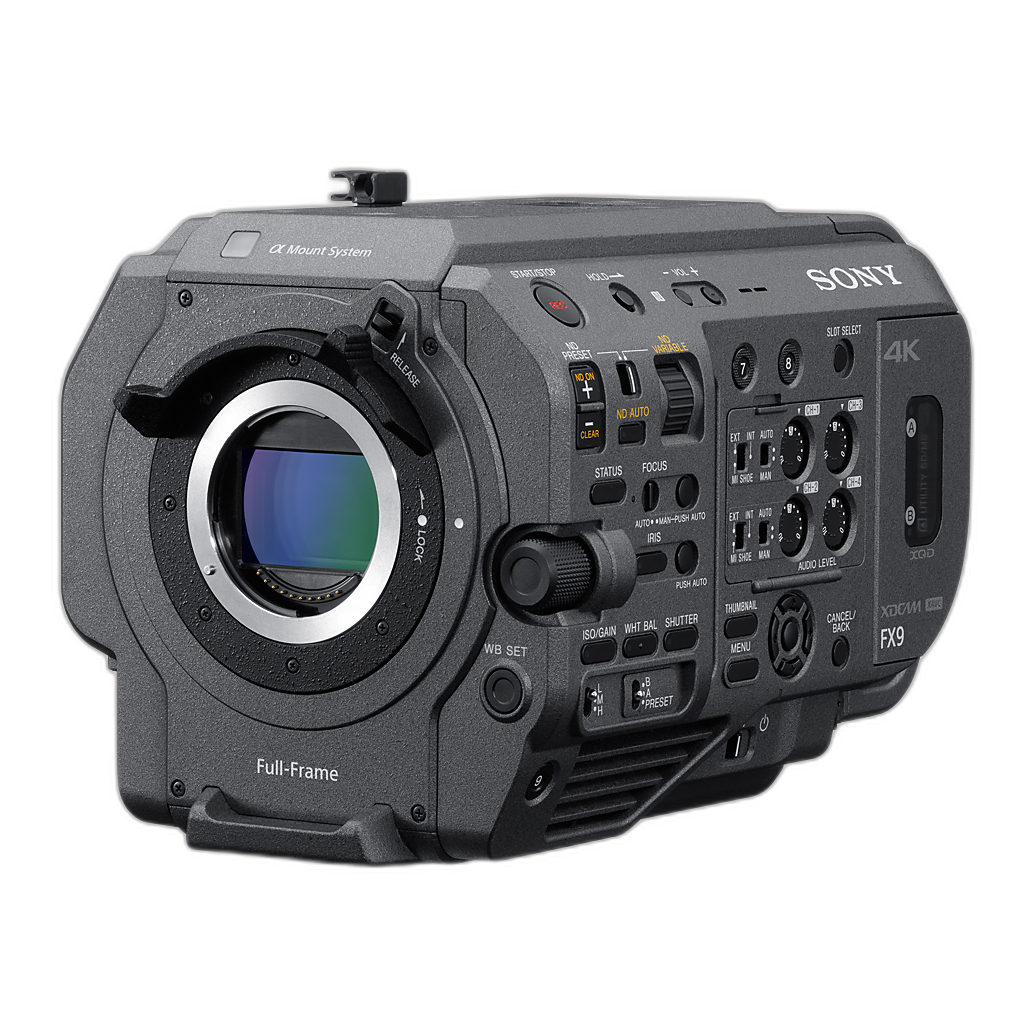
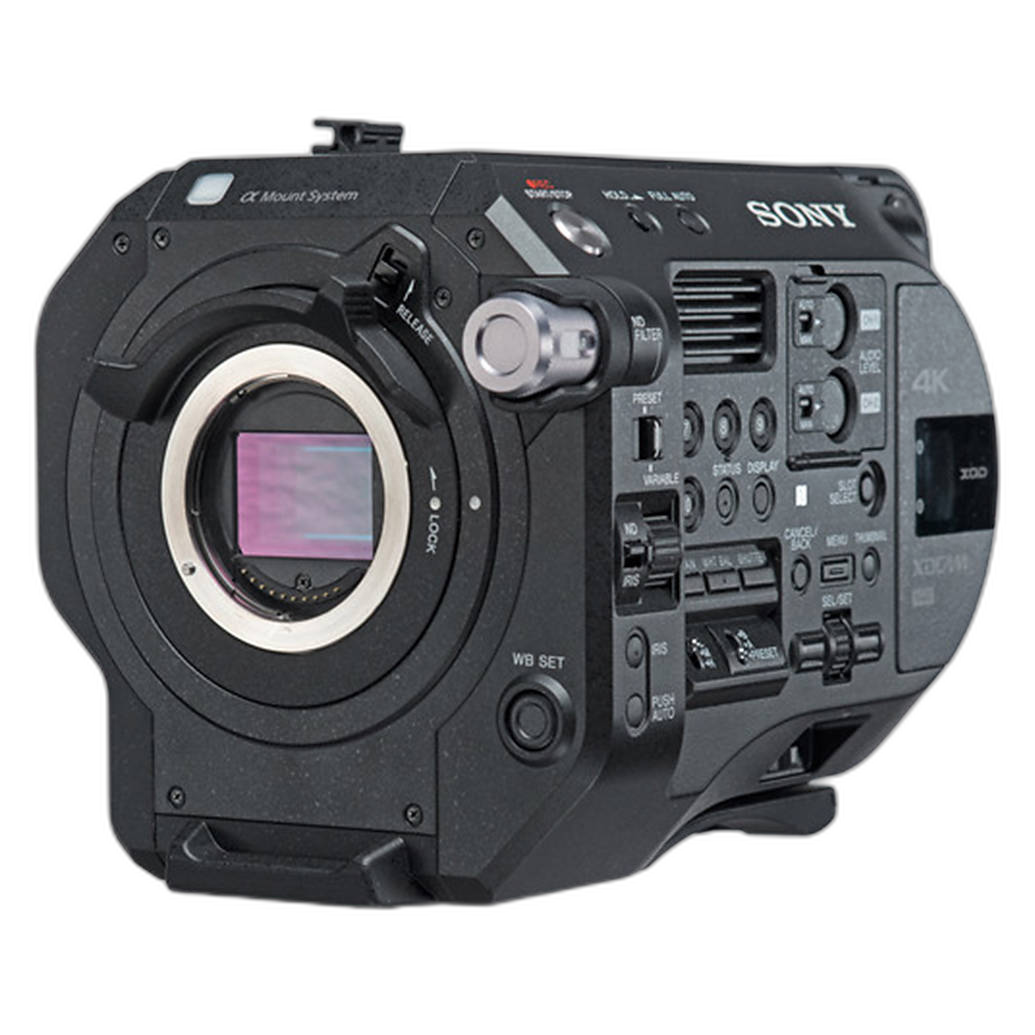
One of Sony's biggest strengths compared with Canon for video-first users is ecosystem continuity. A creator can start with an Alpha body and scale into dedicated video tools without leaving the mount philosophy, menu logic, or autofocus DNA too far behind. That is where the Sony PXW-FX9 XDCAM 6K Full-Frame Camera System becomes important.
The FX9 is not a casual purchase. It is a professional cinema and broadcast-oriented tool designed for serious production environments. For Canon users considering a shift because they need more dedicated video ergonomics, internal ND workflow advantages, shoulder-friendly operation, and a body purpose-built for long-form shooting, the FX9 is a compelling reason to move into Sony rather than simply replacing one hybrid camera with another.
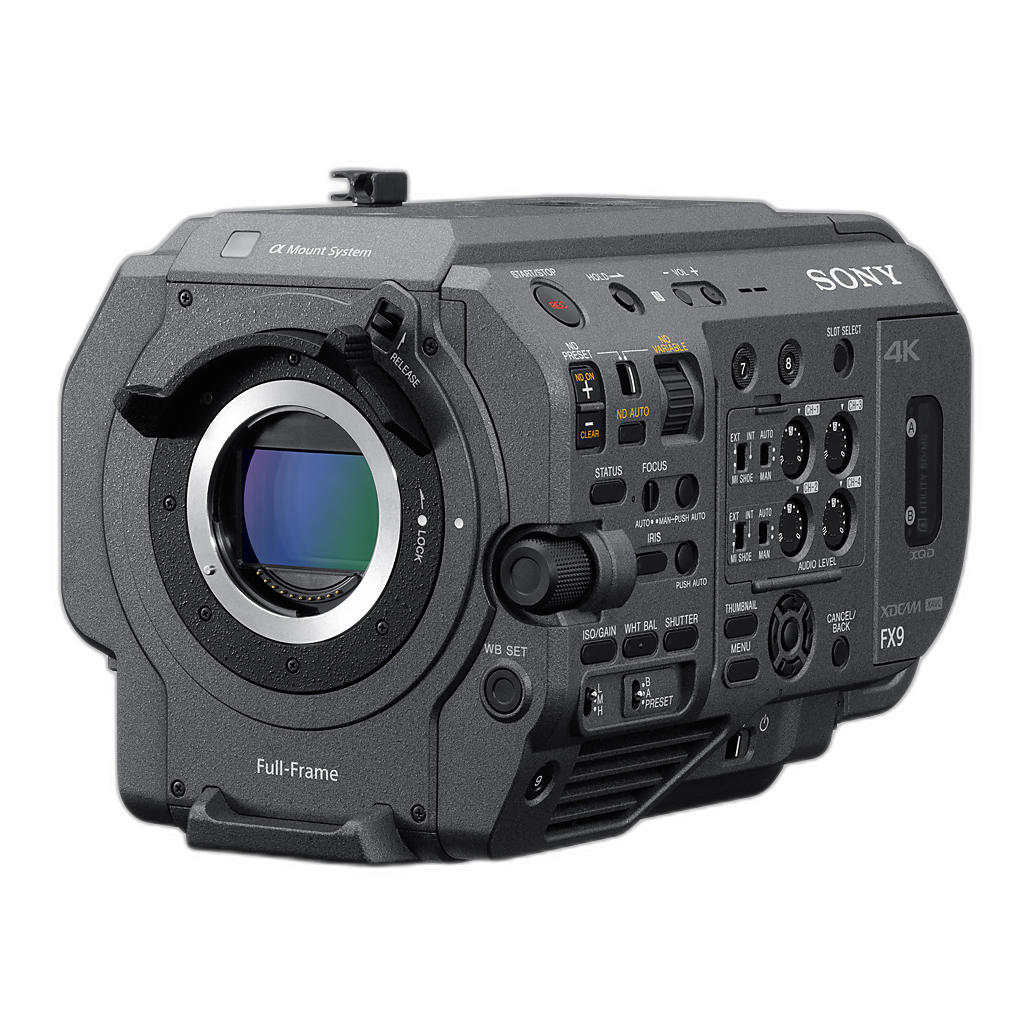
The Sony PXW-FX9K XDCAM 6K Full-Frame Camera System with 28-135mm f/4 G OSS Lens is even more attractive for professionals who want a ready-to-work package. Canon cinema users used to building around versatile zooms will appreciate how this kit simplifies transition costs and gets productions moving faster.
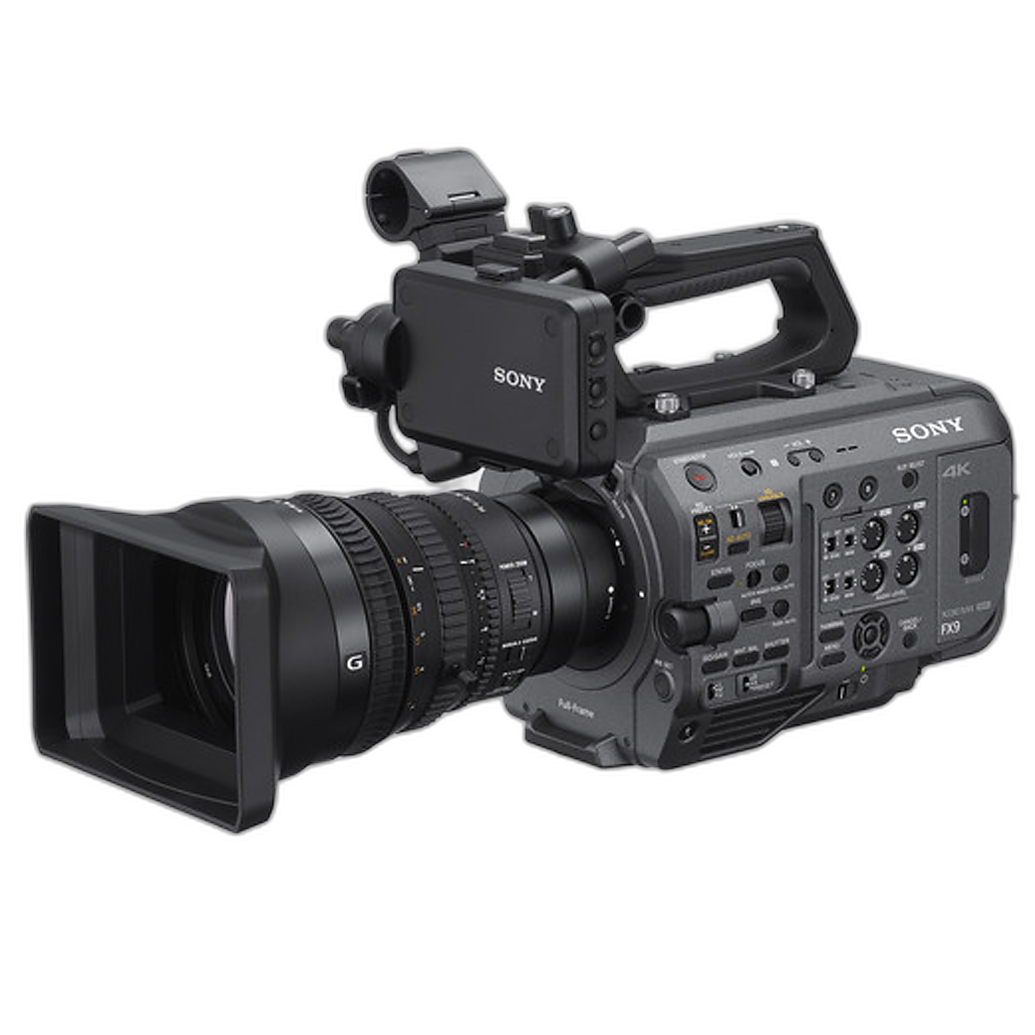
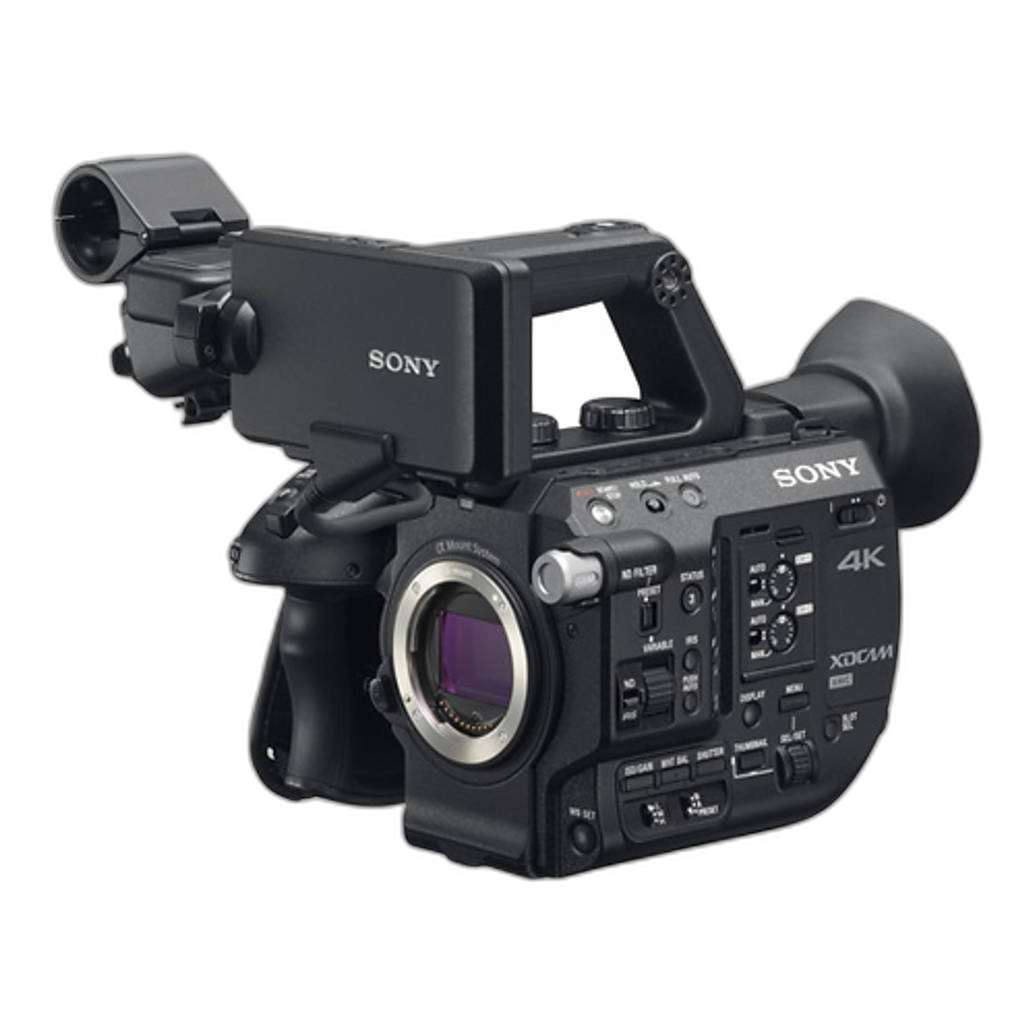
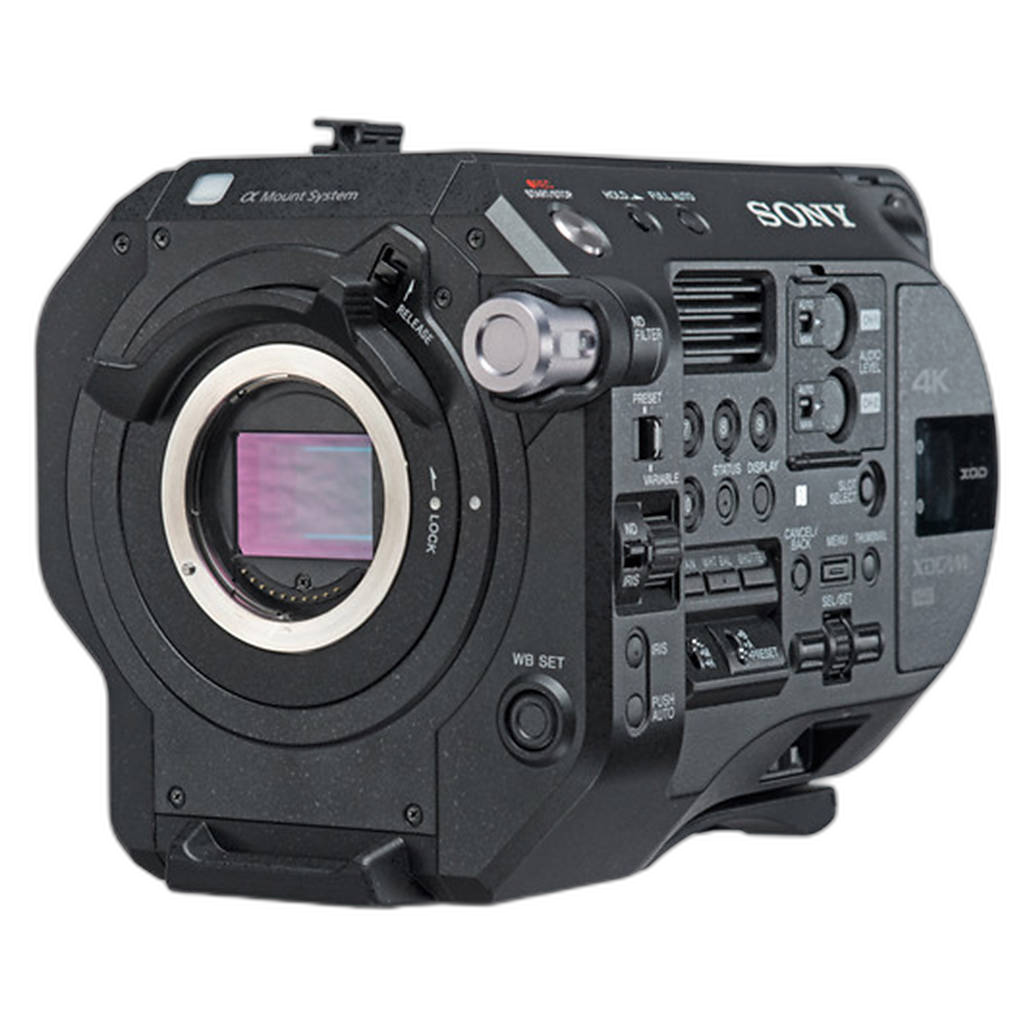
And for budget-minded filmmakers, Sony's used market is a major advantage. Options like the Used Sony PXW-FS5 XDCAM Super 35 Camera - Good, Used Sony PXW-FS7M2 XDCAM Super 35 Camera System - Excellent Condition, and Used Sony PXW-FX9 XDCAM 6K Full-Frame Camera (Body Only) - Excellent Condition make the Sony ecosystem more accessible than many buyers expect.
3. Lens Ecosystem and Accessory Depth
This is where many Canon users feel the strongest pull toward Sony. The E-mount system has matured into one of the most diverse in the industry. Whether you want budget primes, premium G Master glass, compact travel zooms, cine lenses, or niche third-party options, Sony offers more freedom than most systems. That matters because the long-term cost of ownership often matters more than the camera body itself.
If your frustration with Canon is not image quality but system flexibility, Sony provides one of the best arguments for moving. Nikon is improving here as well, but Sony still feels more mature and easier to build around, especially for mixed photo and video kits.
4. Autofocus and Video Usability
Canon remains excellent in autofocus, so this is not an area where every switcher will see a dramatic leap. But Sony has become so consistently good across product tiers that many users feel more confidence investing in the platform. On hybrid bodies and cinema cameras alike, Sony's subject tracking and eye detection are among the biggest practical benefits for solo shooters, event professionals, documentary creators, and small crews.
For users working quickly, that reliability is more important than spec-sheet bragging rights. It can reduce missed shots, simplify gimbal work, and make one-person productions more realistic.
What About Nikon?
Nikon deserves serious consideration in 2024. Its recent mirrorless bodies have narrowed the gap in autofocus, delivered strong image quality, and earned a lot of praise for handling and color. If you are coming from Canon and care more about still photography than video, Nikon can be a very sensible alternative.
That said, if the decision is specifically between staying with Canon or moving for maximum flexibility across stills, hybrid work, and cinema production, Sony remains the safer recommendation. Nikon is appealing, but Sony currently offers the more complete ladder from enthusiast mirrorless to professional video systems.
What You Give Up by Leaving Canon
Switching systems is never free. Canon users should be realistic about what they may miss:
- Canon's familiar color rendering and menu structure
- Existing RF or EF lens investments
- Well-known handling and button layout
- The simplicity of staying inside a system you already know
There is also the financial hit. Selling used gear rarely recovers full value, and replacing lenses is where costs escalate. If your current Canon setup already earns money reliably, a move should solve a real problem, not just satisfy curiosity.
Pros and Cons of Switching from Canon to Sony in 2024
Pros
- Broader lens ecosystem, especially with third-party support
- Excellent hybrid camera options like the Sony a7 V
- Clear upgrade path into professional video with FX9 and FS-series cameras
- Strong autofocus performance across stills and video
- Healthy used market that can lower switching costs
- Great fit for creators who need one system for multiple types of work
Cons
- High cost of replacing lenses and accessories
- Sony ergonomics and menus may take adjustment for Canon users
- You may prefer Canon color or handling and miss both after the switch
- Nikon may be a better fit for some stills-first photographers
- Switching for minor reasons often creates more expense than benefit
Best Sony Picks for Canon Switchers
Best for Hybrid Creators
Sony a7 V Mirrorless Camera
A smart choice for photographers and video creators who want a modern full-frame body with flexibility and room to grow.
Best Starter Bundle
Sony a7 V Mirrorless Camera with 28-70mm II Lens
Ideal for switchers who want an easier all-in-one starting point.
Best for Professional Cinema Production
Sony PXW-FX9 XDCAM 6K Full-Frame Camera System
A serious option for filmmakers, broadcasters, and production teams leaving Canon for a dedicated Sony cinema workflow.
Best Value in Used Video Gear
Used Sony PXW-FS5, Used Sony PXW-FS7M2, and Used Sony PXW-FX9
These used models can make a Sony transition much more affordable, especially for freelance shooters and small production houses.
Verdict: Is It Worth Moving from Canon?
For many users in 2024, yes, switching from Canon to Sony can absolutely be worth it. The strongest reasons are not hype, but system depth: broader lens options, excellent hybrid bodies, a mature used market, and one of the clearest pathways into professional video production. If you are feeling boxed in by lens choices or want a platform that scales from mirrorless content creation to full cinema work, Sony is the most convincing destination.
However, if your Canon setup already works well and your frustrations are minor, staying put is usually the smarter move. Switching systems only pays off when it solves a specific problem or opens up meaningful new opportunities.
My recommendation is simple: choose Sony if you want the most complete all-around alternative to Canon in 2024, especially for hybrid and video-heavy work. Start with the Sony a7 V if you are a generalist, or move straight to the FX9 family if your work is production-driven. For buyers looking to make that transition with both new and used options, Unique Photo is an excellent place to buy, compare, and build out a Sony kit.