Essential Audio Gear for On-Location Videography Shoots
Nailing clean, intelligible sound is the difference between a professional-looking video and one your audience scrolls past. This guide is for solo shooters, documentary crews, wedding and event videographers, and indie filmmakers who need reliable, location-ready audio gear that’s fast to set up, resilient in unpredictable conditions, and easy to monitor in the field.
Below, we break down the key considerations for capturing great location audio and recommend proven products you can count on—whether you’re plugging straight into your camera, rolling a dedicated recorder, or building a small sound bag.
What matters most for field audio
- Microphone choice and placement: A high-quality shotgun mic close to your subject rejects noise and preserves clarity.
- Gain staging and headroom: 32-bit float recorders give massive safety margins for unpredictable levels.
- Connectivity and power: XLR inputs, phantom power for condensers, and dependable cables keep you rolling.
- Wind and handling control: Proper suspension and wind protection are essential outdoors.
- Redundant capture: Dual-system audio (camera + recorder) protects your take.
Top picks and how they fit your workflow
Rode NTG5 Moisture Resistant Shotgun Microphone Location Recording Kit
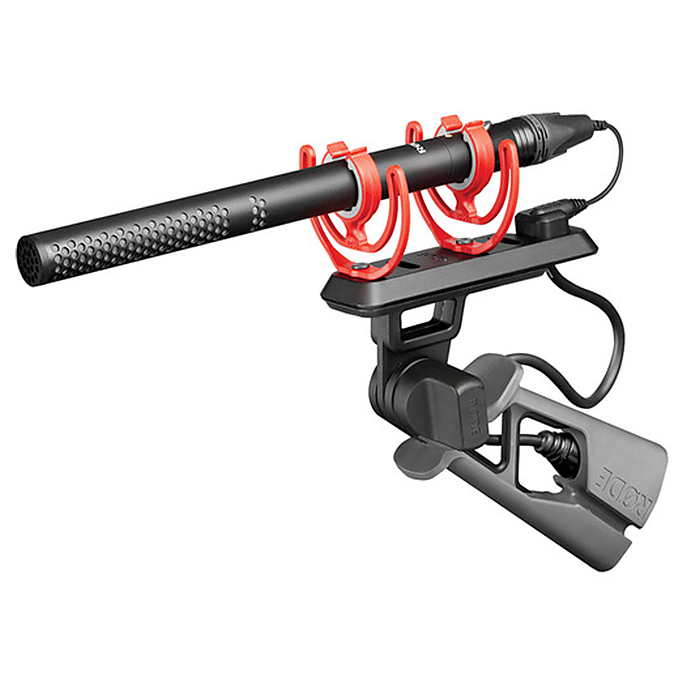
The NTG5 is a lightweight, moisture-resistant shotgun designed for demanding location work. Its tight pickup helps isolate dialogue in noisy environments, while the included location accessories help with wind and handling noise control. Pair it with an on-camera XLR module or a portable recorder for a compact, pro-grade setup.
- Why it’s great on location: Directional pickup, low self-noise, and robust build.
- Best for: Interview, documentary, run-and-gun, ENG, and event coverage.
Zoom H6Essential Series 6-Track 32-Bit Float Handheld Recorder
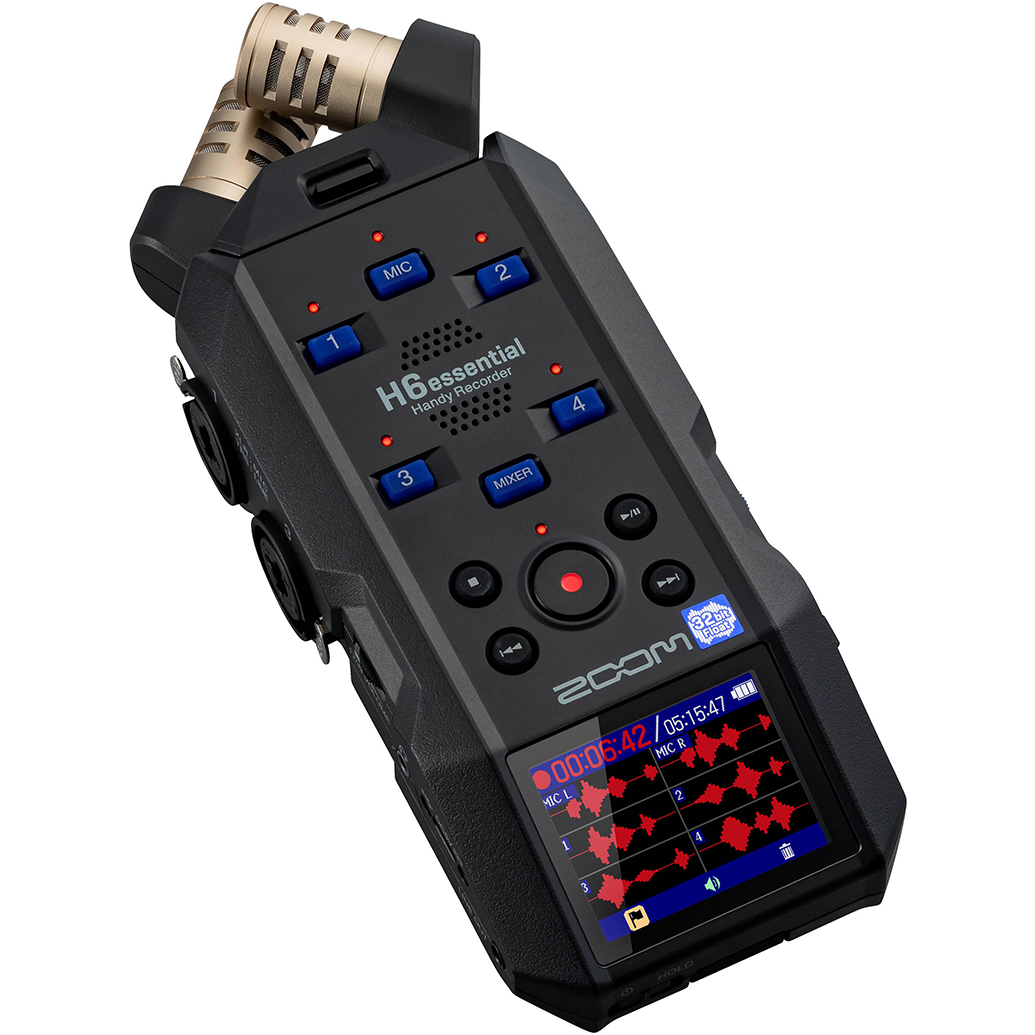
A field recorder that keeps up with fast-moving shoots. The H6Essential’s 32-bit float recording provides forgiving headroom for unpredictable sound levels, while multi-track capability lets you capture a boom mic, lavs, and ambient sound simultaneously. It’s a compact hub for dual-system audio that’s easy to mount or stash in a small bag.
- Why it’s great on location: 32-bit float safety net and multiple inputs for flexible mic setups.
- Best for: Solo shooters, small crews, and anyone who needs a reliable, portable recorder.
Panasonic LUMIX DMW-XLR2 Audio Expansion Unit
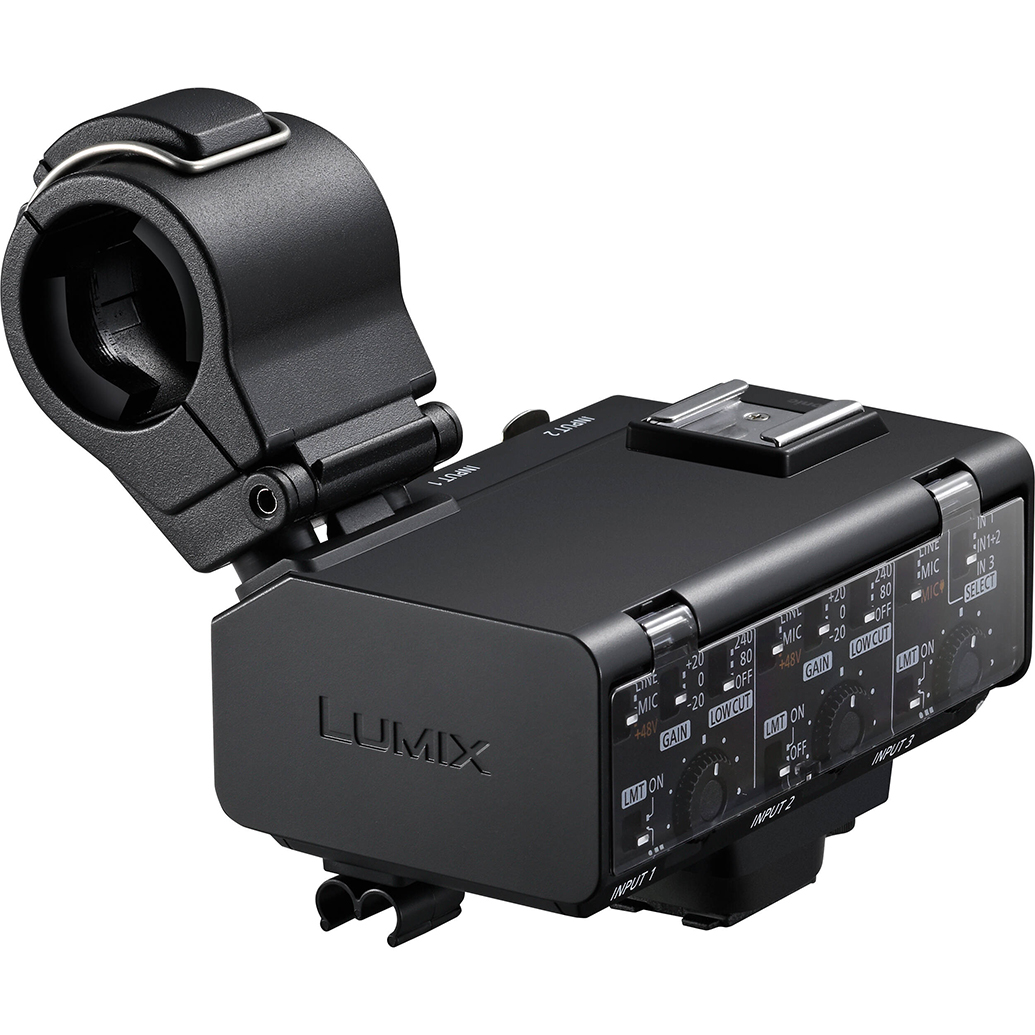
For compatible LUMIX cameras such as the GH7, the DMW-XLR2 adds professional XLR connectivity and phantom power directly to your camera body. It’s an elegant, cable-minimizing way to record high-quality audio in-camera when you need a streamlined rig with fewer moving parts.
- Why it’s great on location: Clean camera integration with pro XLR inputs and power for condenser mics.
- Best for: Gimbal work, fast run-and-gun, and single-operator setups on LUMIX bodies.
Hosa Technology Balanced 1/4in TRS Male to 3-Pin XLR Male Audio Cable (10FT)
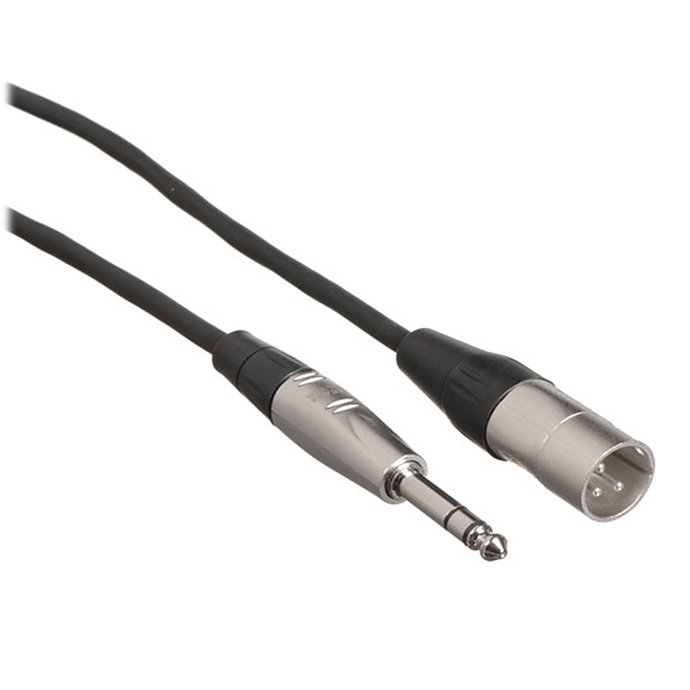
Reliable cables matter. This balanced TRS-to-XLR cable helps you patch mixers, recorders, and cameras together cleanly with reduced noise. Ten feet gives you enough slack for small sound bags and simple boompole work without becoming unwieldy.
- Why it’s great on location: Durable, balanced, and long enough for practical field routing.
- Best for: Connecting recorders or mixers to cameras and other balanced devices.
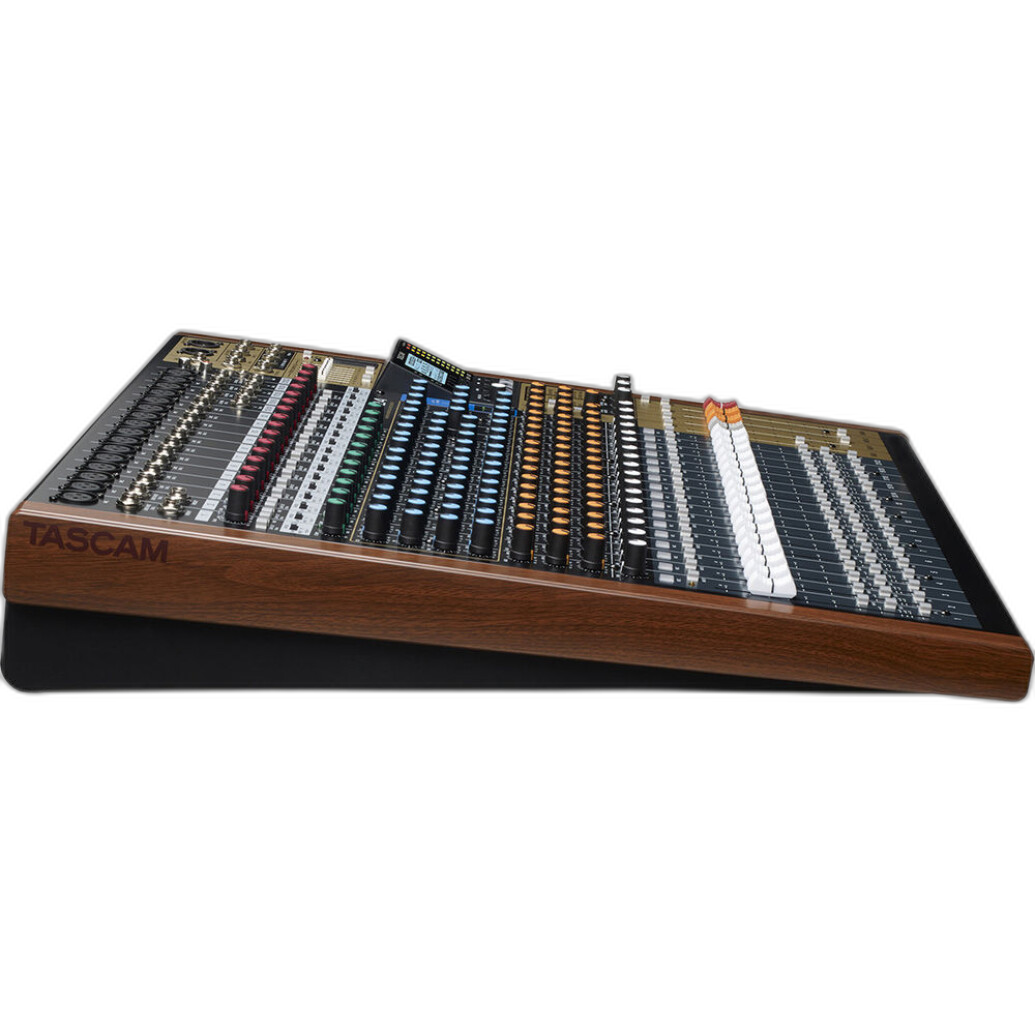
Tascam Model 24 – Digital Mixer, Recorder, and USB Audio Interface
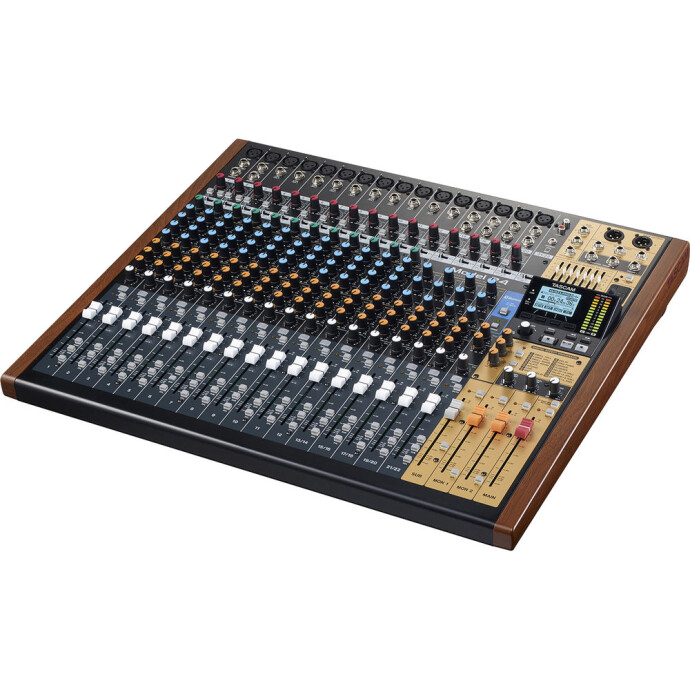
When your production needs a small audio hub—like capturing panel discussions, music performances, or multi-mic events—the Model 24 combines mixing, multitrack recording, and interfacing in one unit. It’s more of a base-camp tool than a shoulder-bag device, but it’s excellent for set-and-forget event audio.
- Why it’s great on location: All-in-one mixing and recording for multi-source setups.
- Best for: Live events, interviews with multiple mics, and on-site recording hubs.
UUOnline (Sony Takeover): Videography Basics with Sony
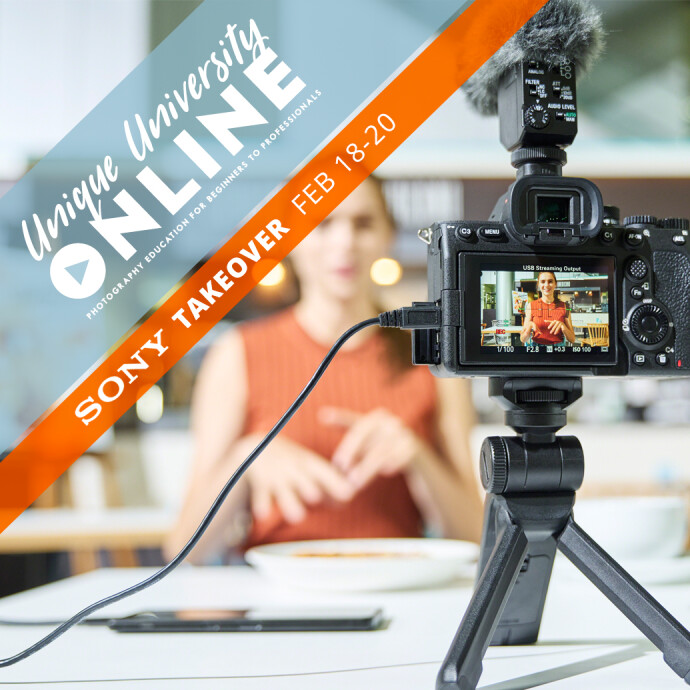
Gear performs best in confident hands. This learning resource helps new and intermediate shooters build workflow fundamentals—including capturing better audio with your camera system—so you can work faster and make fewer mistakes on location.
- Why it’s great on location: Practical knowledge translates into quicker setups and better sound.
- Best for: New shooters and cross-training crew members.
Which capture path is right for you?
| Solution | Channels (typical) | Portability | Power | Best for | Pros | Trade-offs |
|---|---|---|---|---|---|---|
| On-Camera XLR Module (Panasonic DMW-XLR2) | 2 | Excellent (on-camera) | Camera-powered | Run-and-gun, gimbal work | Clean integration, fewer cables, record in-camera | Fewer inputs, camera-dependent |
| Portable Recorder (Zoom H6Essential) | Up to 6 | Very good (bag or cage) | Battery/USB power | Doc/interviews, dual-system safety | 32-bit float headroom, flexible I/O | Syncing in post if not feeding camera |
| Mixer/Recorder Hub (Tascam Model 24) | Many | Stationary | AC power | Events, multi-mic sets | All-in-one mixing and multitrack | Larger footprint, not bag-friendly |
Starter kits by scenario
- Solo run-and-gun (LUMIX): Panasonic DMW-XLR2 + Rode NTG5 for an agile, in-camera XLR solution.
- Documentary interviews: Rode NTG5 to boom + Zoom H6Essential for 32-bit float safety and multi-track flexibility.
- Event panel/performances: Multiple mics into Tascam Model 24, with a camera feed and a multitrack backup.
Final take
If you’re building a dependable field audio kit, start with a quality shotgun like the Rode NTG5, pair it with a flexible recorder such as the Zoom H6Essential, and round it out with solid cabling. LUMIX shooters who prefer an ultra-compact rig should consider the DMW-XLR2 for clean in-camera XLR capture, while event crews will appreciate the Tascam Model 24 as a robust hub. Ready to upgrade your sound? Shop these solutions and more at Unique Photo—online or in-store—and get expert advice to match your workflow.