On-Location Feature Photography: Pro Gear, Packing, and Workflow FAQ
Feature assignments rarely happen under perfect conditions. From corporate offices to remote trails, you need a nimble kit and a reliable workflow. Here’s our expert FAQ to help you choose the right gear, pack smart, and deliver polished images on deadline.
What camera bodies work best for on-location feature assignments?
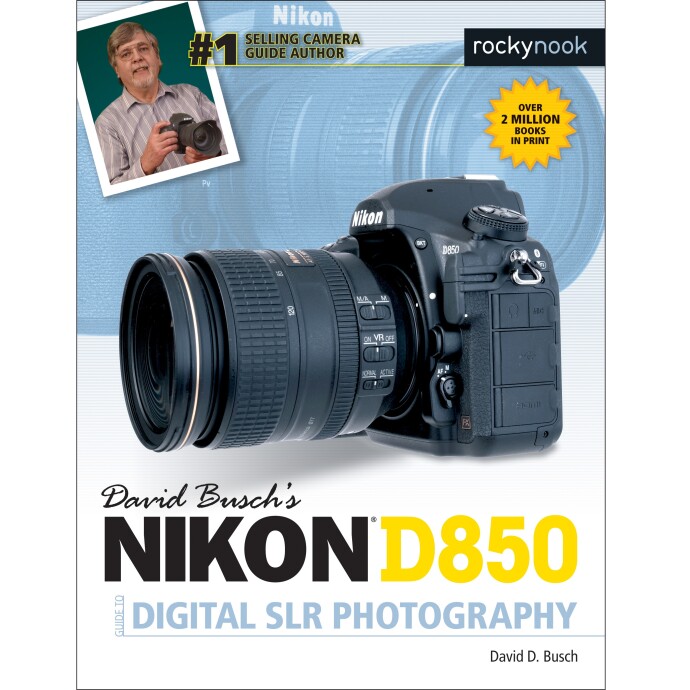
We recommend traveling with two bodies: one high-resolution workhorse for portraits, details, and double-page spreads, and one fast, low-light-capable body for moments that unfold quickly. Prioritize robust autofocus, good battery life, and weather resistance. Dual card slots are a must for instant redundancy. If you’re shooting a high‑resolution DSLR such as the Nikon D850, a focused reference can accelerate your setup and menu mastery before a big assignment.
For Nikon shooters, consider sharpening your camera handling with the Nikon D850 Guide to Digital SLR Photography by David Busch—ideal for mastering AF modes, custom controls, and workflow.
Which lenses cover most feature scenarios?
A flexible trio covers the majority of editorial needs: a 24–70mm f/2.8 for context and quick framing, a 70–200mm f/2.8 for clean compression and candid coverage, and a fast prime (35mm, 50mm, or 85mm) for low light and shallow depth of field. Add a 16–35mm for tight interiors or dynamic environmental portraits, and a compact macro for detail spreads (hands, tools, textures). When your assignment leans into nature or fine detail, practicing fieldcraft pays off—composition, subject isolation, and timing.
Hone those skills in our Macro and Landscape Photography at Duke Farms with Michael Downey—an inspiring way to refine lens choice and composition that translates beautifully to editorial features.
What lighting should I bring when space and time are tight?
Keep a compact, modular kit: one or two speedlights or compact strobes, radio triggers, a collapsible softbox or umbrella, and a 5‑in‑1 reflector. A small LED panel with adjustable color temperature is invaluable for fast color‑safe fills and interviews. Pack a lightweight stand and a clamp to mount lights in tight spaces. Neutral-density gels and a polarizer help balance ambient and control reflections on location.
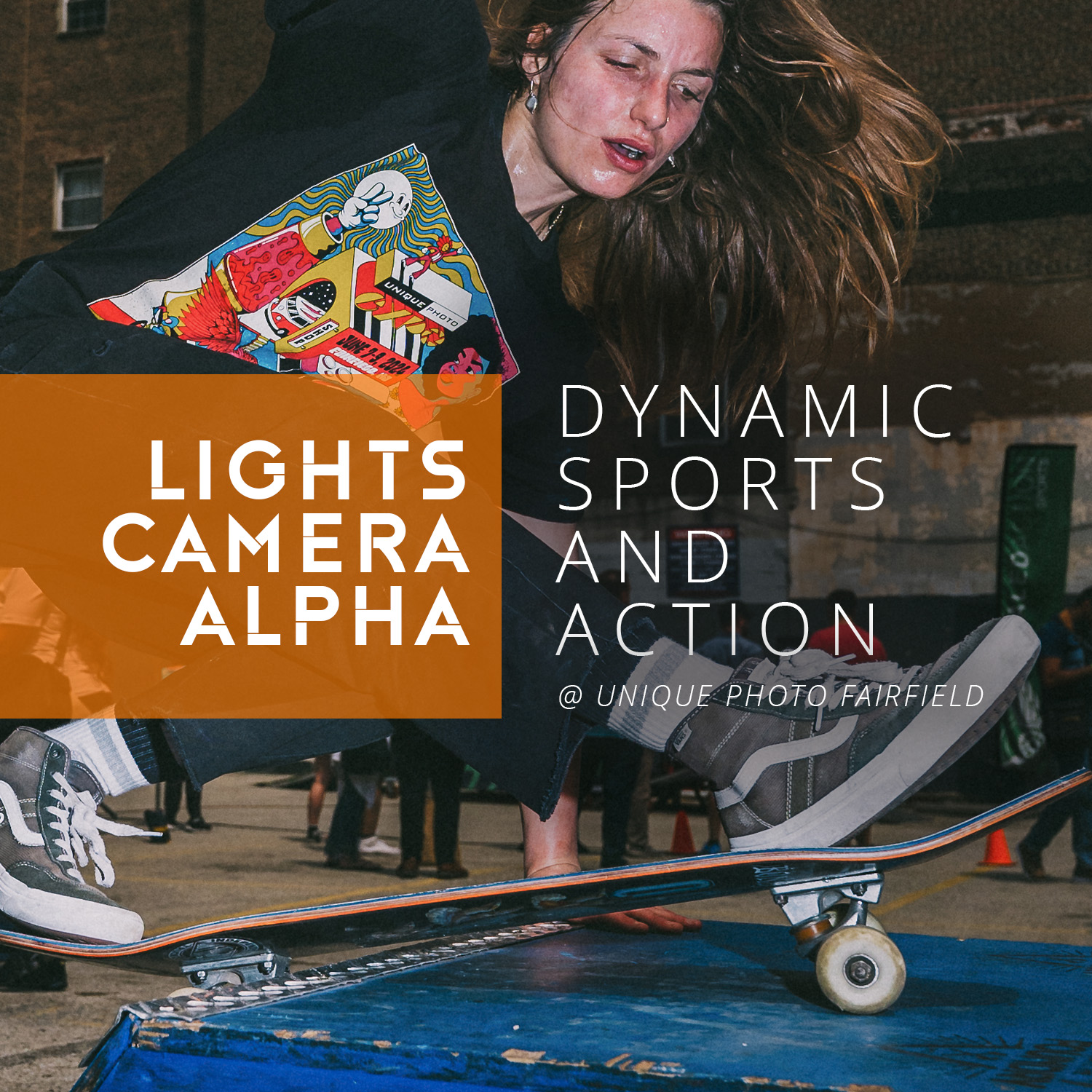
If you’re a Sony creator—or you just want to streamline fast, mobile lighting—our Lights, Camera, ALPHA: Dynamic Sports and Action Photography workshop demonstrates practical, efficient lighting and motion techniques that carry over to quick, on‑location portraits and environmental stories.
What accessories are essential but easy to forget?
Bring extra batteries, high‑speed SD or CFexpress cards, a weather cover, microfiber cloths, a multi‑tool, gaffer tape, A‑clamps, a compact blower, and a small first‑aid kit. A color checker or gray card speeds post and ensures consistent skin tones across mixed lighting. Add a power bank, multi‑outlet travel strip, and spare USB‑C cables for charging cameras, lights, and phones. Unique Photo stocks the dependable extras—memory media, batteries, rain covers, reflectors, and compact stands—that keep you shooting when conditions shift.
How do I travel light but stay prepared for the unexpected?
Adopt a two‑bag system: a roller or backpack for primary gear and a small sling for working. Build modular pouches (portrait, product, video) so you can swap kits based on the scene. Limit yourself to 3–4 lenses, one small light, a reflector, and a carbon‑fiber travel tripod or monopod. Pre‑rig your speedlight with trigger and modifier. Pack a thin shell, hat, and neutral clothing. Keep critical items—one camera, a fast prime, fresh battery, and extra card—on your person during transit.
How do I back up and protect files on the road?
Use dual card slots to write redundant copies in‑camera. At breaks, copy to a rugged SSD, verify, and keep cards physically separate from the drive. Follow 3‑2‑1 principles: three copies, two media types, one off‑site/with an assistant or in the hotel safe. Add clear file naming and a quick metadata preset so captions and credits stay consistent across the assignment. When it’s time to polish images, an efficient editing workflow is critical.
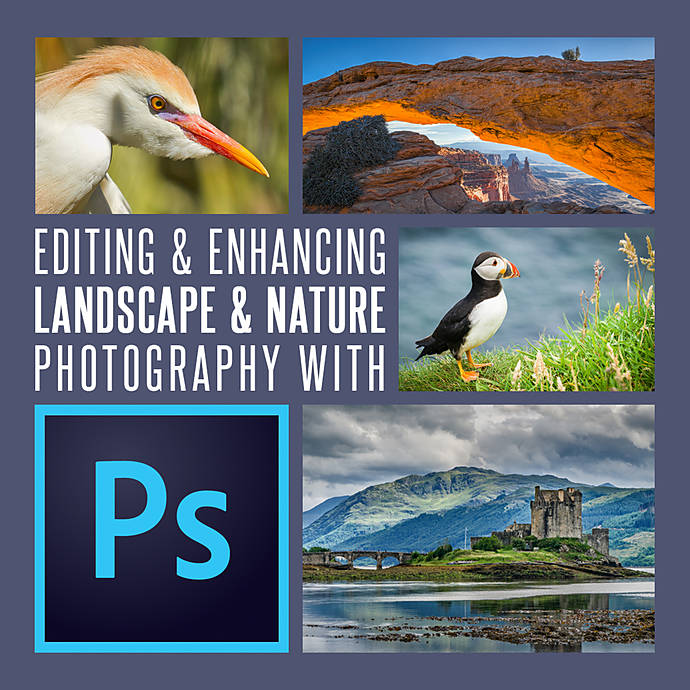
Sharpen your finishing skills with Editing and Enhancing Landscape and Nature Photography with Photoshop—advanced masking, local contrast, and color work that translates directly to editorial portrait and detail treatments.
Any tips for night or low-light feature work?
Lean on fast primes, subject stabilization (or a monopod), and controlled pools of light from LEDs or bounced flash. Pre‑focus and use back‑button AF for repeatable frames. Expose to protect highlights in mixed city light, and consider a subtle warming gel on your key to harmonize practicals. Planning and repeatable technique make the difference between noisy frames and publishable night features.
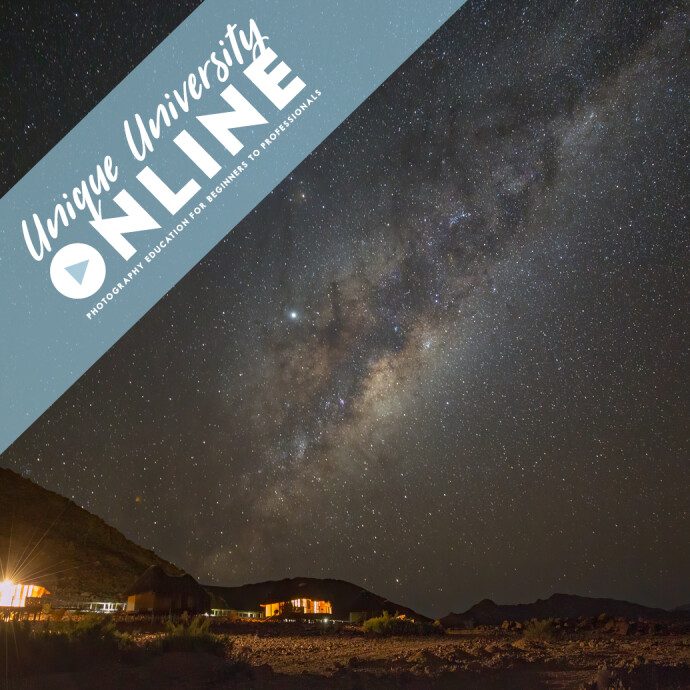
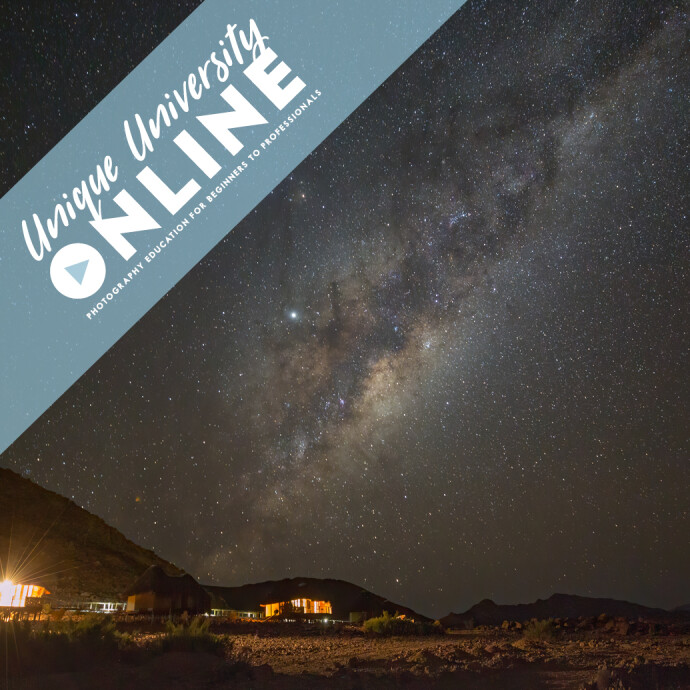
Level up with our UUOnline: Astrophotography 4‑Part Series with Temu Nana—focus, exposure, and night‑shoot planning skills that help any low‑light storyteller.
Want to go deeper on star‑focused techniques that translate to moody environmental features? Session 2 in the series breaks down practical capture strategies.
How do I handle on-location product features or tight tabletop setups?
Pack a small sweep, gaffer’s tape, white and black cards for shaping light, a macro or short tele, and a compact LED or speedlight with a softbox. Elevate products with simple risers and use reflectors to clean up specular highlights. Lock a consistent shooting angle and tether or review at 100% to maintain consistency across a series.
For refined techniques you can execute anywhere, join Product Photography and Post Production Editing with Blake Taylor—great for dialing in lighting ratios and repeatable edits on the road.
Is film still viable for feature work?
Absolutely. Film can add a distinctive look for lifestyle features or artist profiles. Consider a hybrid approach: shoot digital for coverage and film for select moments. Keep film in a lead‑lined bag, request hand checks when possible, and note stock and EI in captions for consistency with the editorial team.
Curious about getting started or refreshing your process? Our Film Lovers Event: Intro to Film Photography (Philly) is a friendly on‑ramp to shooting, rating, and handling film in modern workflows.
Whether you need cards, batteries, lighting, supports, or expert education, Unique Photo has you covered in-store and online. Visit us for tailored kit recommendations, rentals, and classes that help you deliver standout features—on time and on budget.