How to Tell a Story With Feature Photography: Techniques and Composition
Feature photography isn’t just about making a single strong frame—it's about crafting a sequence that reveals character, place, and change over time. From anticipating decisive moments to composing for clarity and emotion, these FAQs walk you through building a compelling narrative, start to finish.
What defines a compelling feature photo story?
Great feature stories have a clear subject, a point of view, and a visual arc. You’re guiding the viewer from an establishing sense of place to intimate, revealing moments and a resonant ending. Consistency in tone (light, color, lens choice), purposeful variety in shot types, and a focus on human moments (gesture, expression, interaction) create cohesion. Keep your theme tight: people should be able to summarize your story in one sentence after viewing.
How should I plan my narrative before I shoot?
Start with research and pre-interviews to understand access, key times of day, and the stakeholders. Define a working theme (“How does this space foster community?”) and outline a flexible shot list: opener, medium interactions, details, portraits, action, and a closer. Plan for logistics (permissions, light timelines, weather backups) and ethical considerations (informed consent, minors, sensitive contexts). Arrive early, stay late—the edges of events often yield your strongest storytelling moments.
How do I choose which moments to capture during an event or issue?
Look for beats that change the state of your subject: anticipation, peak action, and aftermath. Balance the obvious (applause, exchanges, reveals) with connective tissue (quiet pauses, reactions, hands, tools). Track relationships—who influences whom—and position yourself where interactions converge. When in doubt, follow sound and emotion: laughter, silence, concentrated stillness, or a gesture can anchor a scene. If you miss the peak, shoot the reaction; it often carries more emotion.
Which compositional techniques make a feature photo more engaging?
Use visual hierarchy to guide the eye. Layer foreground–midground–background to place your subject in context. Employ leading lines and frames within frames for clarity, and leverage negative space to isolate emotion. Break the rule of thirds when symmetry or central composition strengthens the message. Seek juxtaposition—contrasting colors, scale, or symbols—to add subtext. Finally, clean your edges: eliminate distractions that argue with your subject.
Want hands-on composition practice? Our composition workshop dives deep into visual language and intent. 
How do light, color, and gesture shape emotion?
Light sets mood. Hard sidelight heightens tension and texture; soft window or open shade conveys intimacy. Backlight can create silhouettes that simplify and dramatize. Color steers emotion: warm tones often read as inviting; cool palettes can suggest distance or restraint. Look for color contrast (complementaries) to emphasize subjects. Gesture—micro-expressions, hand movements, posture—carries narrative. Give yourself time within scenes to let gestures develop; small shifts can transform an image from descriptive to revealing.
What’s an effective shot list for a cohesive photo story?
Consider this core set and adapt as needed: (1) Establishing scene-setter that places us in time/space, (2) Medium interaction that shows relationships, (3) Character portrait with environmental context, (4) Detail that symbolizes the theme, (5) Peak action or turning point, (6) Quiet moment for pacing, (7) Closer/kicker that echoes your theme or suggests what comes next. Keep alternates for each slot and refine after reviewing your take.
How should I edit and sequence for impact?
Begin with a ruthless first pass: remove technical misses and near-duplicate frames. In your second pass, judge images by story function—each picture should add new information or emotion. Sequence for rhythm: vary distance (wide, medium, tight) and energy (active, contemplative). Use color and light continuity to avoid jarring transitions unless contrast serves the narrative. Write precise captions (who, what, where, when, why/how) to add context without repeating what’s visible.
For finishing polish, targeted dodging/burning and color grading can unify your series without altering truth. Our post-production class focuses on tasteful enhancements that preserve authenticity. 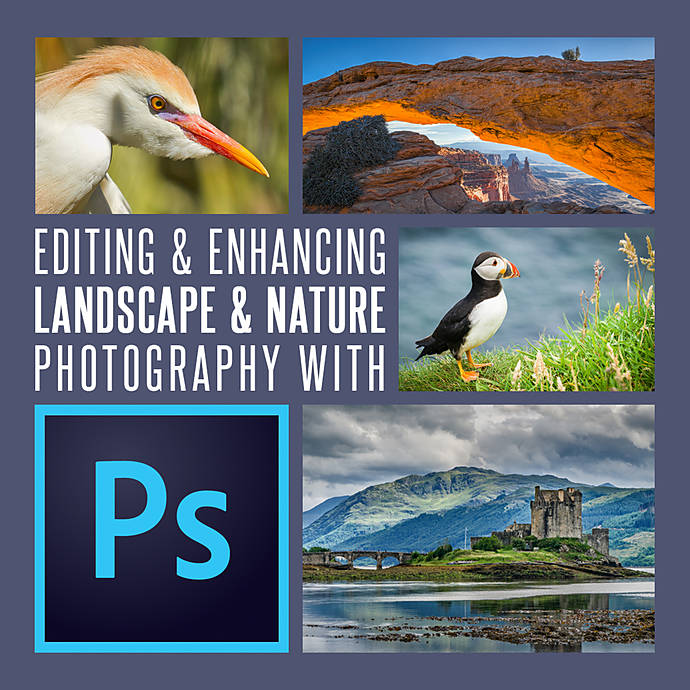
What camera settings and lenses help me control the story?
Match settings to intent. Use a fast shutter (1/500–1/2000) to freeze peak action or drag the shutter (1/15–1/60 with stabilization) to convey motion. Aperture controls separation and context: f/1.8–f/2.8 isolates; f/5.6–f/11 holds more environment. Set Auto ISO with a minimum shutter for agility, and consider highlight-weighted metering to protect bright moments. Choose focal lengths deliberately: wides (24–35mm) for context and proximity; normals (35–50mm) for intimacy; short teles (85–135mm) for clean backgrounds and gesture. Customize your camera’s buttons for quick AF mode, exposure comp, and silent shooting so you can stay present with the story.
If you’re working with a Nikon D850, this guide helps you unlock custom controls and dynamic range for storytelling flexibility. 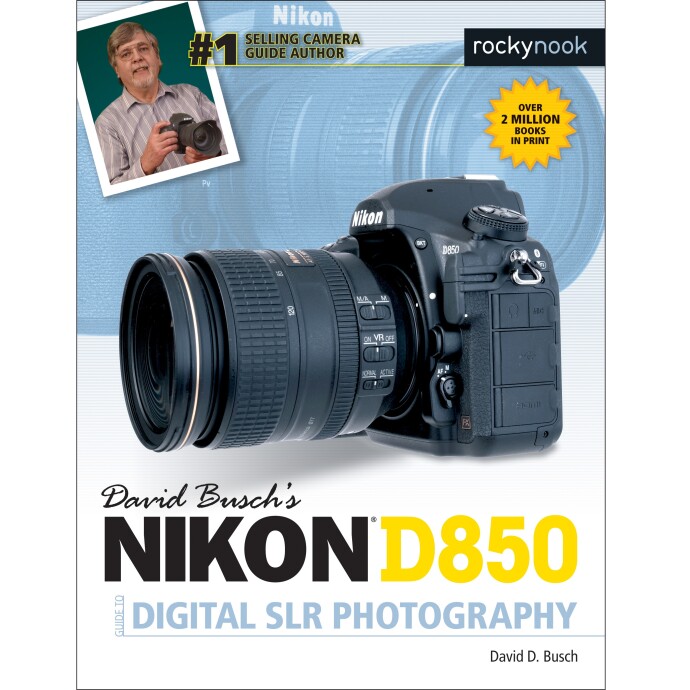
How can I practice and build storytelling range?
Deliberate practice across subjects sharpens your narrative instincts. Explore place, detail, and pacing in the field at our Duke Farms photo walk—perfect for building scene-setters and symbolic close-ups. 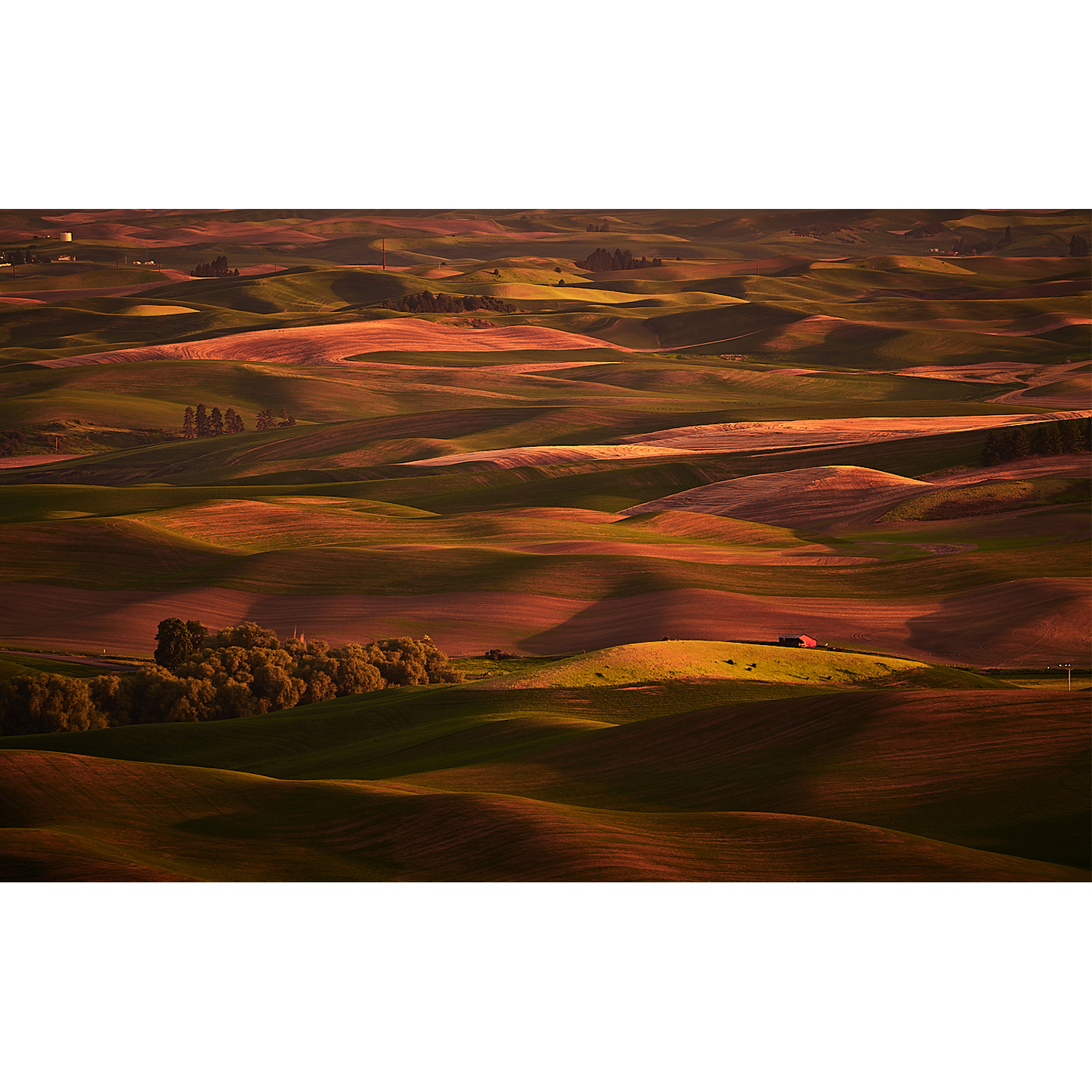
Refine lighting and object narratives with a studio-focused session—product work teaches you to control light, shape, and background for clarity. 
Shoot film to slow down and pre-visualize sequences—limited frames encourage intentional composition and tighter edits. 
And if your story unfolds at night, learn long-exposure control and planning to weave time into your narrative. 
What ethical considerations should I keep in mind?
Be transparent about your intent, respect private moments, and seek consent where appropriate—especially with minors or sensitive subjects. Avoid staging in news or documentary contexts, and disclose any posed images in feature work. Edit for clarity, not deception: don’t add or remove content that changes meaning. Accurate captions and context help your audience understand what they’re seeing.
Ready to level up your storytelling? Visit Unique Photo for expert-led classes, curated books, and gear. Our team can help you plan, shoot, and finish your next feature with confidence.