Wedding videography asks a lot from a camera. You need dependable autofocus during fast-moving moments, strong low-light performance for dim receptions, manageable file sizes for long coverage, and a form factor that stays comfortable through a full day of handheld, tripod, and gimbal work. If you're deciding between a mirrorless camera and a more video-focused body for weddings, this guide is for you. Below, we break down the strengths of each approach and highlight standout options available at Unique Photo for solo shooters, hybrid photo/video teams, and dedicated wedding filmmakers.
Mirrorless vs. Dedicated Video Cameras for Weddings
For many wedding professionals, the decision is less about one category being universally better and more about which workflow fits your business.
Mirrorless cameras are often the best fit if you need one system to handle both stills and video, want excellent autofocus, and prefer lighter bodies for gimbals and run-and-gun shooting. They are especially appealing to wedding creators who deliver highlight films, social clips, and hybrid photo/video coverage.
Dedicated video-focused cameras typically make more sense when video is the priority. These bodies often offer better thermal management, more video-centric controls, robust codecs, and features designed for long-form production. For weddings, that can be a major advantage during ceremonies, speeches, and all-day event coverage.
The good news is that today's lines have blurred. Several modern mirrorless models now deliver cinema-style features, making them powerful wedding tools without fully stepping into traditional cinema-camera bulk.
What Wedding Videographers Should Prioritize
- Reliable autofocus: Crucial for entrances, vows, dances, and unpredictable candid moments.
- Low-light quality: Receptions and churches can challenge even experienced shooters.
- Battery life and heat management: Weddings are long, and rolling for extended periods matters.
- Lens flexibility: Fast zooms and stabilized lenses help you react quickly.
- Audio options: Clean vows and speeches are just as important as visuals.
- Handling: Your camera should feel balanced on monopods, gimbals, and handheld rigs.
Quick Comparison
| Product | Best For | Why It Stands Out for Weddings |
|---|---|---|
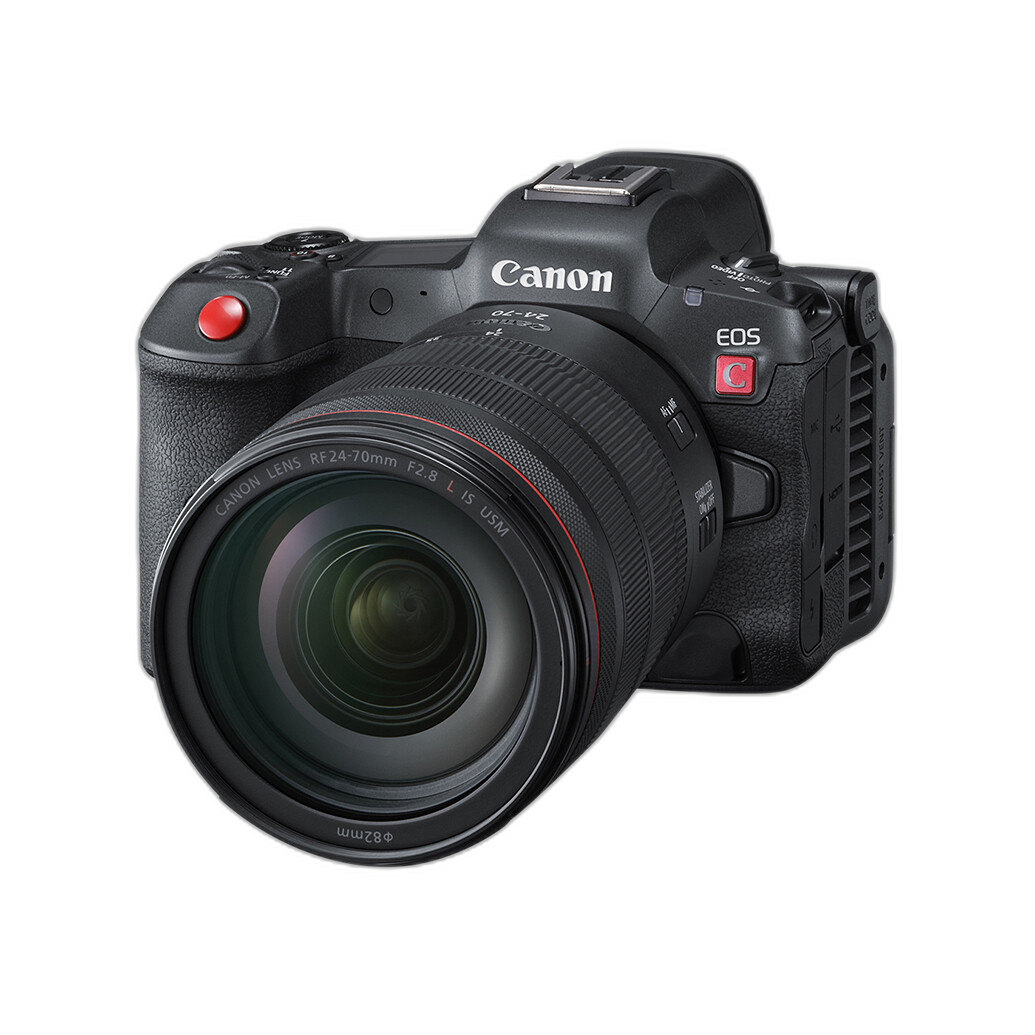
| Canon EOS R5 C Mirrorless Camera with RF 24-70mm F2.8 L IS USM Lens Kit | Dedicated wedding filmmakers | Cinema-focused performance with a versatile pro zoom for full-day coverage |
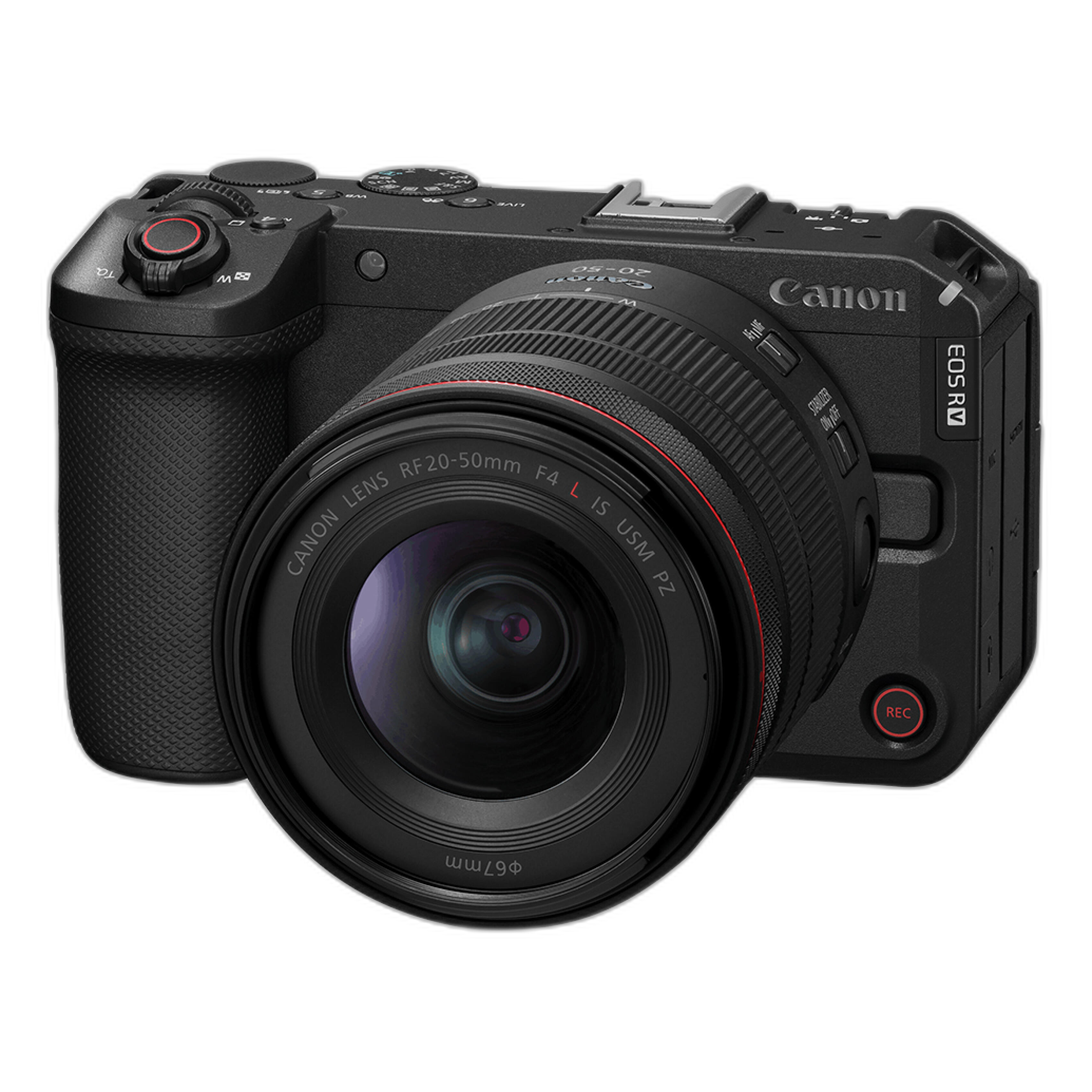
| Canon R6 V with 20-50mm F 4L IS USM PZ | Hybrid teams and modern video workflows | Video-friendly setup with a practical lens package for event coverage |
| Canon EOS R50 V Video Creator Kit | Newer wedding videographers | Accessible entry point for polished video and content capture |
| Panasonic LUMIX GH5M2 Mirrorless Micro 4/3 Digital Camera (Body Only) | Budget-conscious video shooters | Proven video-first mirrorless design with strong handling features |
| Canon PowerShot V1 Video Creator Kit | Behind-the-scenes and social add-on coverage | Compact and easy for secondary angles or quick vertical content |
Our Pick
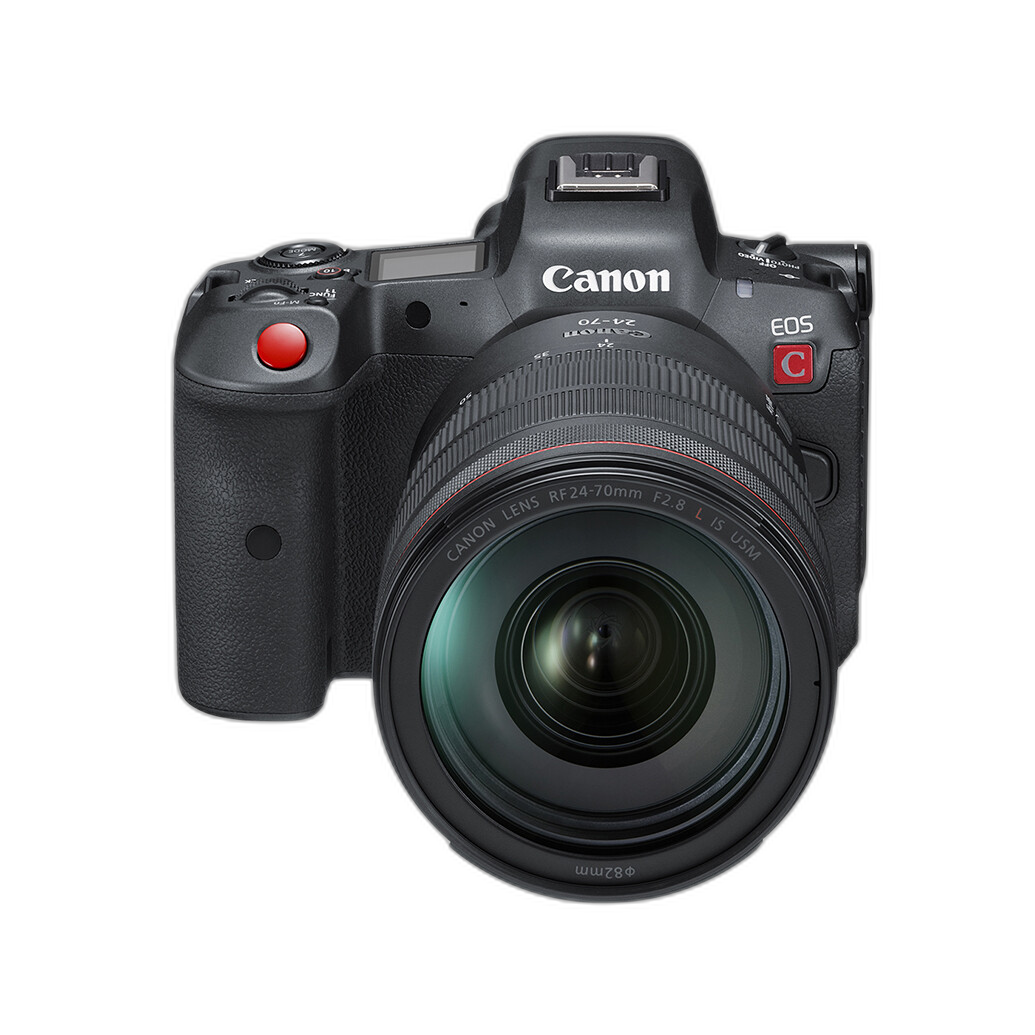
Canon EOS R5 C Mirrorless Camera with RF 24-70mm F2.8 L IS USM Lens Kit
If your business is centered on cinematic wedding films, this is the strongest overall choice in this lineup. It bridges the gap between mirrorless flexibility and dedicated video-camera performance better than almost anything else here. The included RF 24-70mm F2.8 L IS USM lens is one of the most useful wedding lenses you can own, covering prep, ceremony, portraits, speeches, and dance floor moments with speed and flexibility.
Best Cameras for Wedding Videography
Canon EOS R5 C Mirrorless Camera with RF 24-70mm F2.8 L IS USM Lens Kit
The Canon EOS R5 C is the clearest answer for wedding filmmakers who want a camera that leans hard into video production while still living in a mirrorless ecosystem. For weddings, that's a huge advantage: you get a body designed for serious video work, plus the lens interchangeability and autofocus performance many event shooters rely on.
The bundled RF 24-70mm F2.8 L IS USM lens is particularly important here. Wedding coverage changes constantly, and a fast 24-70mm zoom is often the backbone of an event kit. It gives you enough width for getting-ready footage and dance floor scenes, while still reaching into portrait-friendly territory for tighter emotional moments.
Why it makes sense for weddings:
- Excellent fit for filmmakers prioritizing video over stills
- Versatile pro zoom included in the kit
- Well suited for long-form ceremony and reception coverage
- Strong choice for premium wedding film businesses
Canon R6 V with 20-50mm F 4L IS USM PZ
The Canon R6 V with 20-50mm F 4L IS USM PZ is an especially interesting option for wedding shooters who want a mirrorless body with a more deliberate video-forward configuration. The included power zoom lens can be a smart match for smooth focal length transitions, controlled movement, and a polished event workflow.
This setup makes a lot of sense for wedding teams producing highlight films, social edits, and documentary-style edits where mobility matters. If you want mirrorless portability without giving up a more production-minded lens pairing, this kit deserves serious attention.
Why it makes sense for weddings:
- Strong middle ground between hybrid mirrorless and dedicated video needs
- Useful kit for stabilized, controlled event shooting
- Appealing for solo operators and small production teams
- Modern option for content-rich wedding deliverables
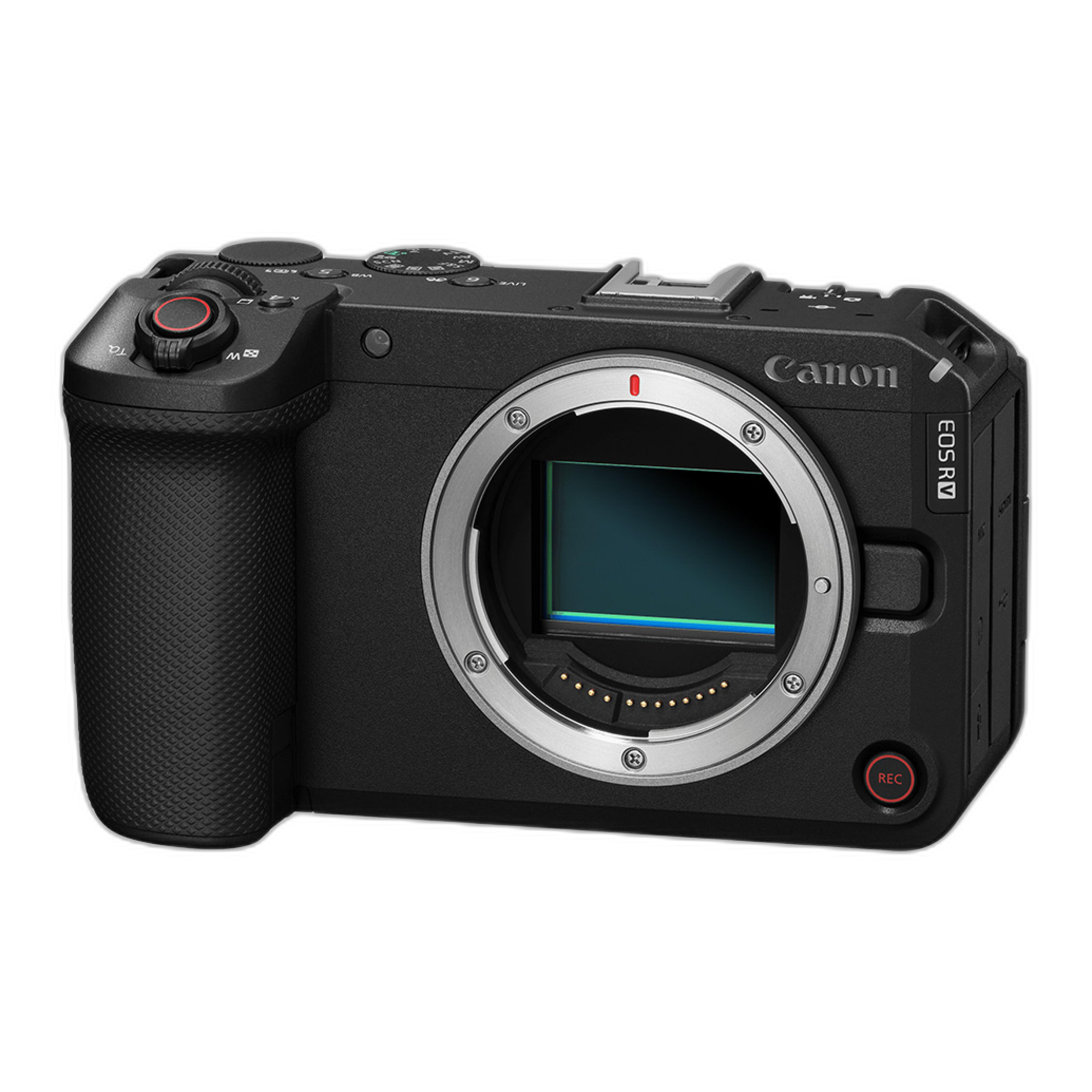
Canon R6 V Body Only
If you already have compatible lenses or want to build a custom wedding kit around your own focal lengths, the Canon R6 V Body Only is a flexible route. This is a compelling option for videographers who know exactly how they like to cover a wedding day and prefer selecting their own glass for ceremony distance, low-light reception work, or gimbal operation.
For many professionals, body-only purchases are the smartest long-term investment. You can prioritize a fast standard zoom, a portrait prime, or a telephoto depending on your style rather than locking yourself into one starting point.
Why it makes sense for weddings:
- Ideal if you already own lenses
- Lets you build a custom event-focused kit
- Good fit for experienced wedding shooters upgrading bodies
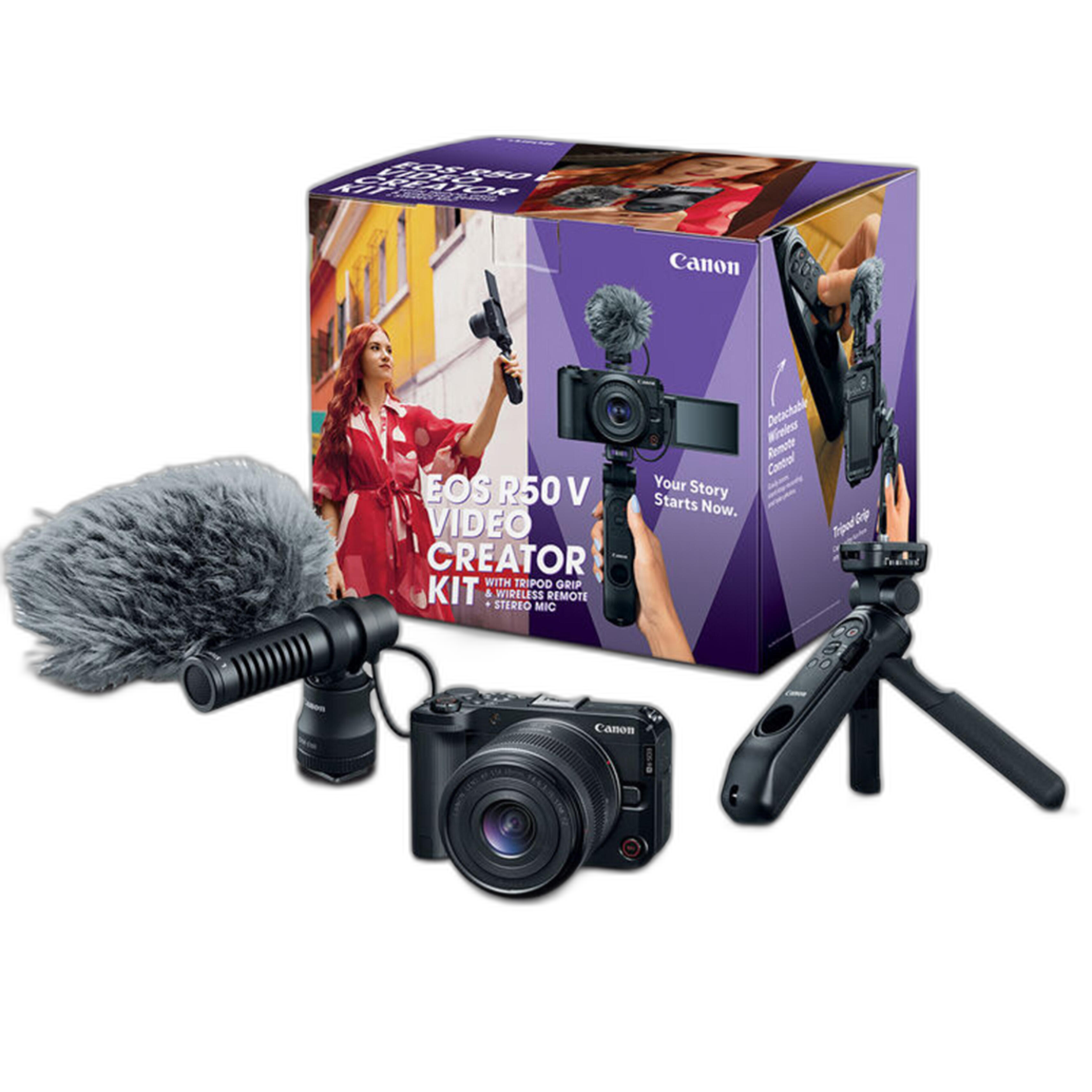
Canon EOS R50 V Video Creator Kit
The Canon EOS R50 V Video Creator Kit is a practical starting point for newer wedding videographers, content creators moving into event work, or photographers adding motion services. It is more approachable than a high-end cinema-focused setup, yet still gives you a capable mirrorless platform designed with video creation in mind.
For smaller weddings, courthouse ceremonies, elopements, and social-first highlight coverage, this type of camera can be an excellent fit. It also works well as a lightweight B-camera alongside a larger main rig.
Why it makes sense for weddings:
- Accessible entry into wedding video production
- Lightweight option for travel, gimbal use, and backup angles
- Good for creators expanding into weddings and reels content
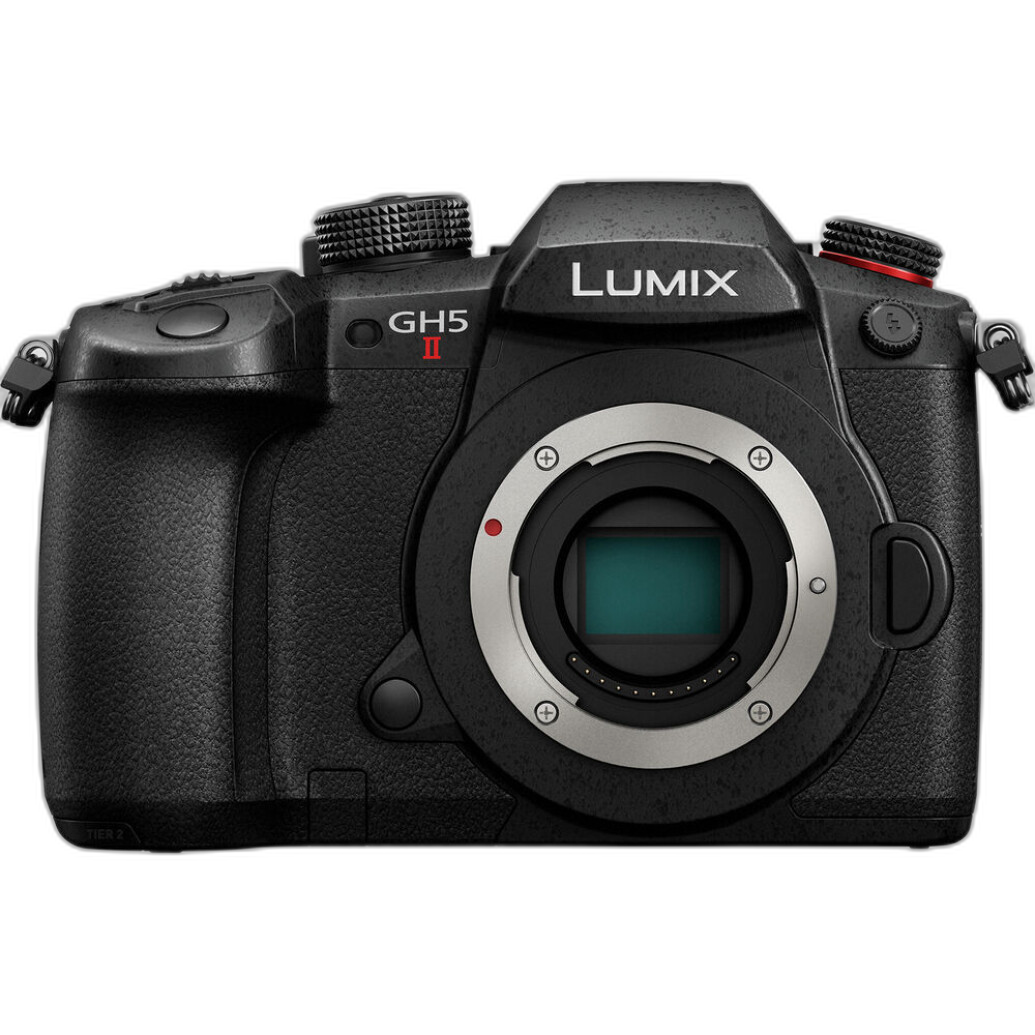
Panasonic LUMIX GH5M2 Mirrorless Micro 4/3 Digital Camera (Body Only)
The Panasonic LUMIX GH5M2 remains a respected choice for videographers who want a video-oriented mirrorless body at a more budget-conscious level. Panasonic's GH line has long appealed to filmmakers for its handling and video toolset, and that DNA makes sense in weddings where long shooting days and dependable operation matter.
For event shooters who don't need a full-frame body and are comfortable building out a Micro Four Thirds lens kit, the GH5M2 can still be a smart and cost-effective platform.
Why it makes sense for weddings:
- Video-centric mirrorless design
- Strong value for filmmakers prioritizing motion capture
- Useful for multi-camera wedding setups on a budget
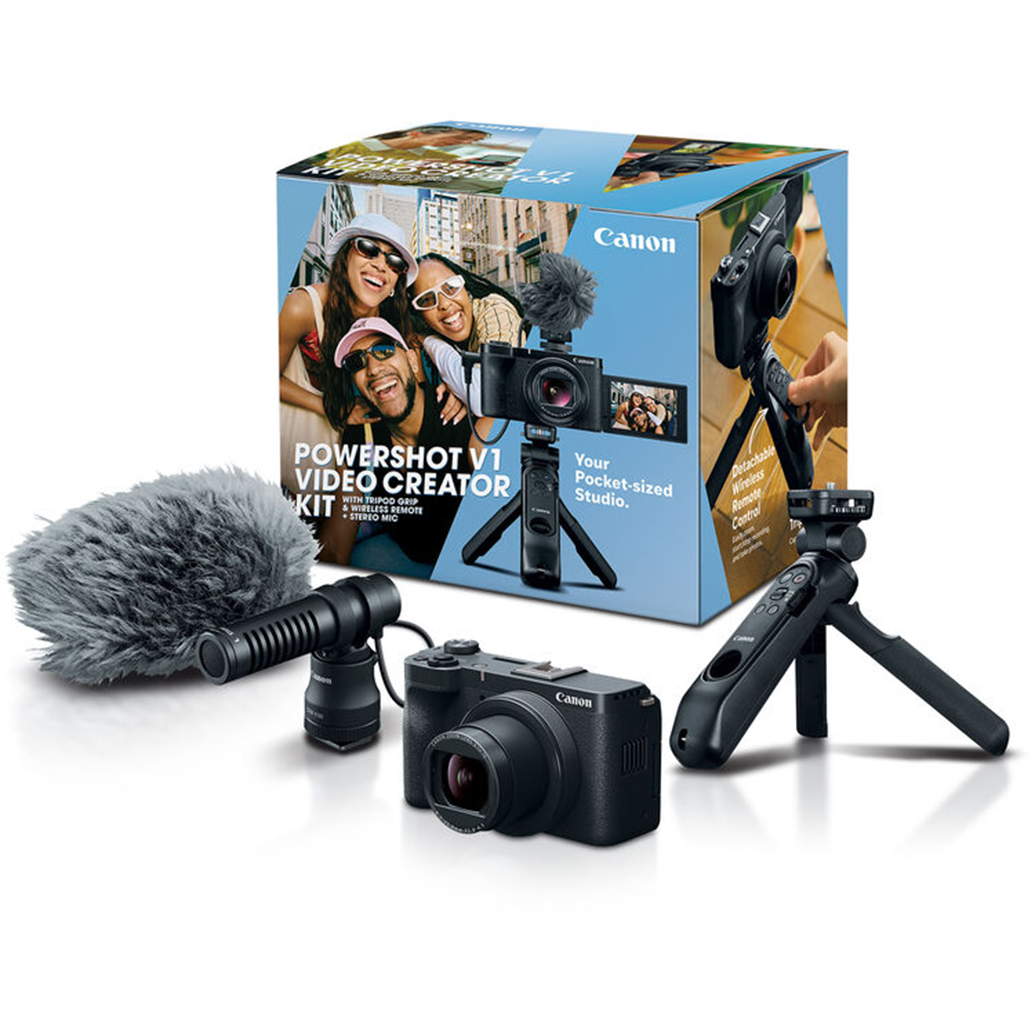
Canon PowerShot V1 Video Creator Kit
The Canon PowerShot V1 Video Creator Kit is not the obvious primary camera for full wedding-day coverage, but it can be surprisingly useful in the right role. Think of it as a compact secondary camera for behind-the-scenes footage, guest messages, rehearsal dinner clips, or quick vertical content captured for same-day social delivery.
Its portability is the big win. Wedding teams often benefit from having a smaller camera that can go where a larger rig feels intrusive.
Why it makes sense for weddings:
- Great as a compact B-camera or content camera
- Easy to carry during long event days
- Helpful for social media packages and behind-the-scenes coverage
Should You Choose a Mirrorless or Dedicated Video Camera?
Choose mirrorless if:
- You also shoot wedding photography
- You want a lighter system for gimbals and travel
- You need an affordable path into professional wedding video
- You value flexibility across photo, video, and content creation
Choose a more video-dedicated setup if:
- Wedding films are your main service
- You need confidence in long recording sessions
- You want a more production-oriented workflow
- You are building a premium cinema-style wedding brand
Final Recommendation
For most wedding videographers, a modern mirrorless camera is the best balance of image quality, autofocus, portability, and versatility. If you are a hybrid shooter or want a nimble event setup, the Canon R6 V line and Canon EOS R50 V are especially appealing. If your priority is high-end wedding filmmaking and you want the closest thing to a dedicated video camera in this group, the Canon EOS R5 C Mirrorless Camera with RF 24-70mm F2.8 L IS USM Lens Kit is our top recommendation.
If you're ready to compare these cameras in person or build out a complete wedding videography kit, Unique Photo is an excellent place to shop for the right camera, lenses, and accessories for your workflow.