Getting feedback from photo contest judges can feel equal parts exciting and intimidating. A short comment can validate months of work, while a critical note can linger in your mind long after the results are posted. The key is to treat judging feedback as a creative tool. When you learn how to decode what judges are really saying, you can make smarter shooting decisions, edit with more purpose, and enter future contests with greater confidence.
Below are practical tips for turning judge comments into real progress, whether you shoot portraits, wildlife, macro, film, or experimental work.
Start by separating taste from technique
1. Identify whether the comment is subjective or actionable
Not every critique means something is wrong. Judges often respond from personal taste, competition theme, and technical standards all at once. If a judge says an image feels “too tight,” ask yourself whether they are reacting to composition, storytelling, or simply their own preference for more negative space. Comments about focus, distracting highlights, awkward crops, or muddy tonal separation are usually actionable. Comments about mood or style may be more subjective.
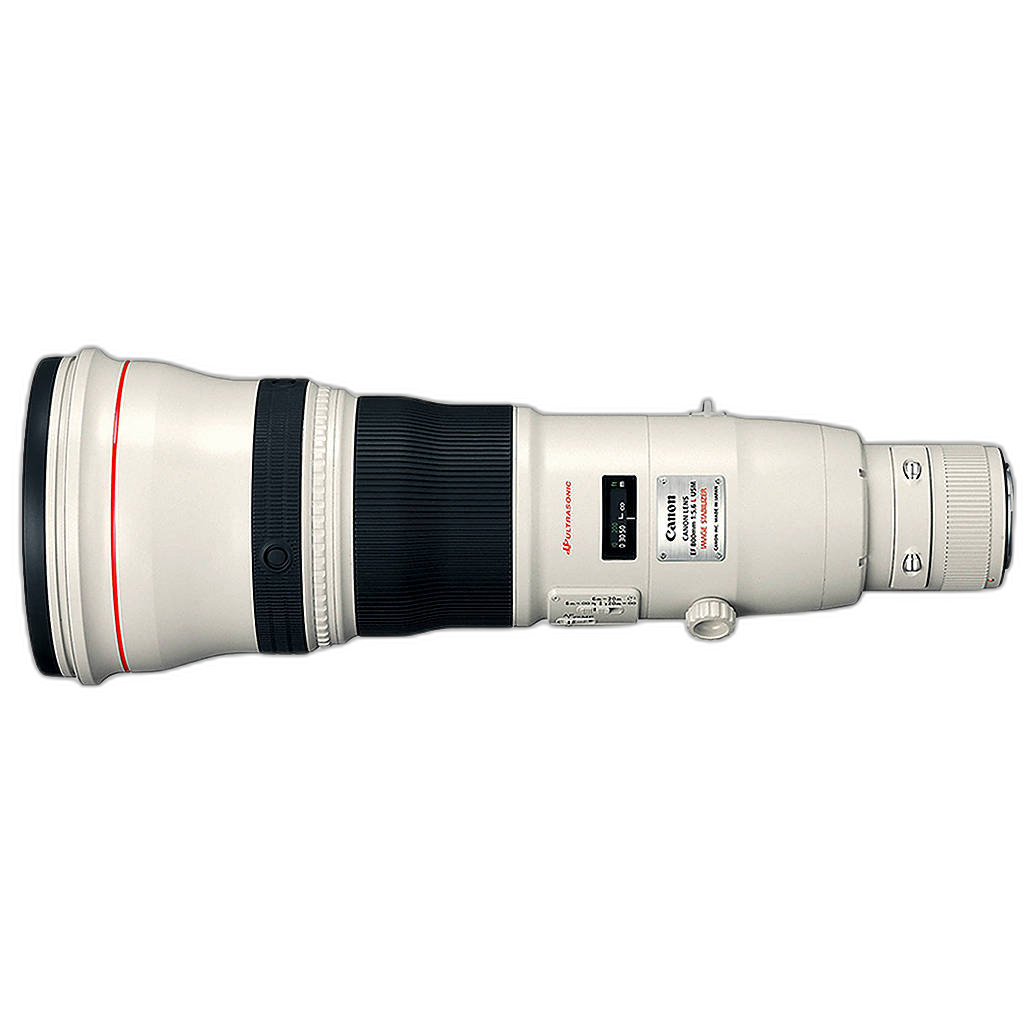
For example, if you entered a compressed wildlife scene made with a super-telephoto like the Used Canon 800mm f/5.6 L IS USM, a judge might call the frame “distant” when what they really mean is that the emotional connection could be stronger. That does not mean the lens choice was wrong; it means your next frame might benefit from gesture, eye contact, or stronger timing.
Look for patterns across multiple contests
2. Don’t overreact to one judge’s opinion
A single critique is useful, but repeated critique is where growth happens. Keep a simple notes document and group comments into categories like composition, printing, post-processing, subject choice, and originality. If three different judges mention that your backgrounds compete with the subject, that is a meaningful pattern. If only one judge says your black-and-white conversion should have stayed in color, that may just be preference.
This is especially helpful if you work with distinctive gear or formats. A photographer shooting a vintage look with a piece like the Used Leica Standard Rangefinder Converted From Leica 1 With 50MM Elmar may receive comments about softness or imperfection. If those comments consistently point to lack of intended subject emphasis, refine your framing. If they simply reflect the judge preferring modern sharpness, your style may still be working exactly as intended.
Translate vague comments into shooting goals
3. Turn every critique into a specific next step
Judge feedback is often short: “strong image, weak composition” or “great idea, but lighting needs work.” Those comments are only helpful when you convert them into something measurable. Instead of dwelling on the wording, ask: what can I test on my next shoot?
- If the comment is about composition, try changing camera height, edge control, or subject placement.
- If the comment is about storytelling, wait longer for a decisive gesture or cleaner interaction.
- If the comment is about technical execution, review shutter speed, focusing method, or file preparation.
Macro photographers hear this all the time. If a judge says your close-up image lacks separation, that could mean you should revisit distance, background control, or plane of focus. A lens such as the Used Leica R 60MM F/2.8 Macro Elmarit ROM naturally invites careful, detail-driven compositions, so using feedback this way can make your next submission much stronger.
Pay close attention to what judges say about impact
4. “It needs more impact” usually means the frame needs a clearer point of view
Impact is one of the most misunderstood judging terms. It does not always mean brighter colors, more contrast, or more dramatic editing. Often, judges are saying they want a stronger visual hierarchy. Their eye should know where to land first and why the image matters.
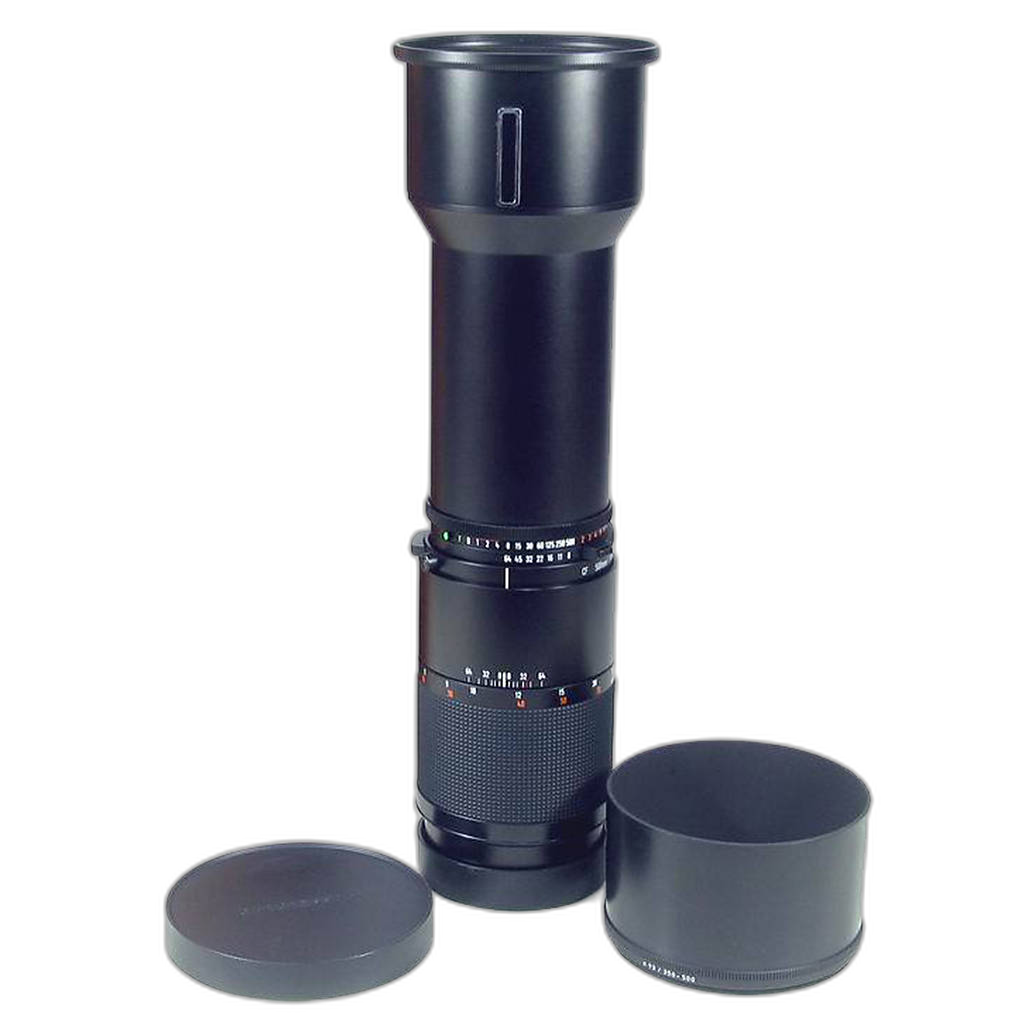
If you photograph distant subjects with dramatic compression, such as landscapes or wildlife with the Used Hasselblad 500MM F/8 T* Tele-Aportessar, impact may come from clean layering and precise framing rather than spectacle. A simpler composition can often hit harder than a busier one.
Use critique to refine your lens and subject choices
5. Match your tools to the visual problem you’re trying to solve
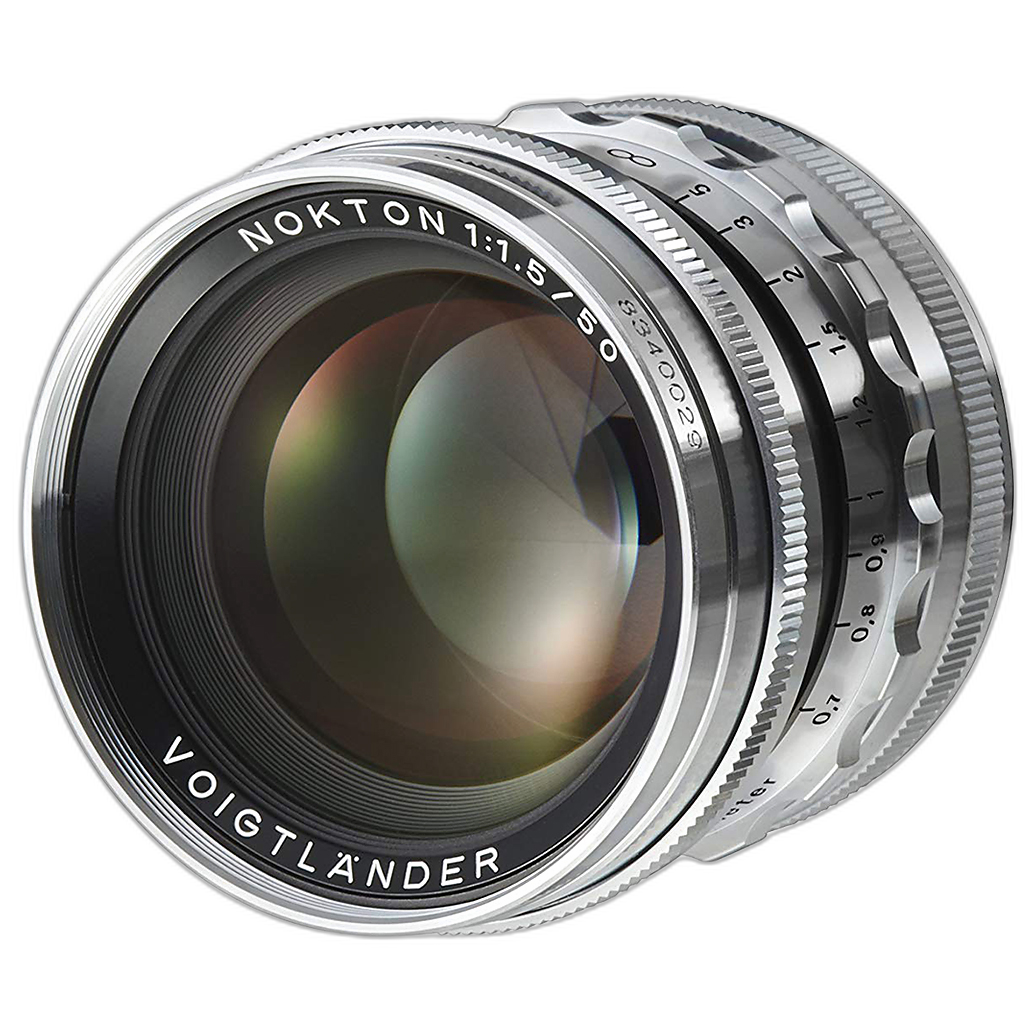
Sometimes feedback points to a gear decision without directly mentioning gear. If judges repeatedly say your portraits feel disconnected from the environment, a normal or slightly fast lens may help you work closer and create intimacy. A classic option like the Used Voightlander 50mm F/1.5 Nokton M39 Converted to M encourages deliberate framing and subject presence, both of which can strengthen contest images.
On the other hand, if judges say your detail shots feel flat, a dedicated macro approach may better reveal texture and shape. The important lesson is not that one lens is “better,” but that feedback can reveal whether your current focal length and working distance support your intent.
Review your editing with fresh eyes
6. Judges often react to editing choices before they react to subject matter
Many strong photographs lose points because processing gets in the way. Over-sharpening, crushed shadows, heavy vignettes, distracting HDR effects, and uneven skin or texture work can all pull attention away from the image itself. If a judge says your image feels “overworked,” compare your contest file to an earlier, lighter edit.
This is especially important in highly detailed work. If you are using a lens like the Used Leica R 100MM F/2.8 Elmarit Macro APO ROM, the optical precision can make over-editing even more obvious. Let the natural detail do some of the work rather than forcing drama in post.
Consider whether presentation affected the score
7. A great photo can still underperform if the final presentation is weak
Depending on the contest, judges may be evaluating digital files, prints, or projected images. File size, color space, sharpening for output, and print quality all matter. If feedback mentions muddiness, halos, blocked shadows, or weak tonal range, presentation may be part of the issue.
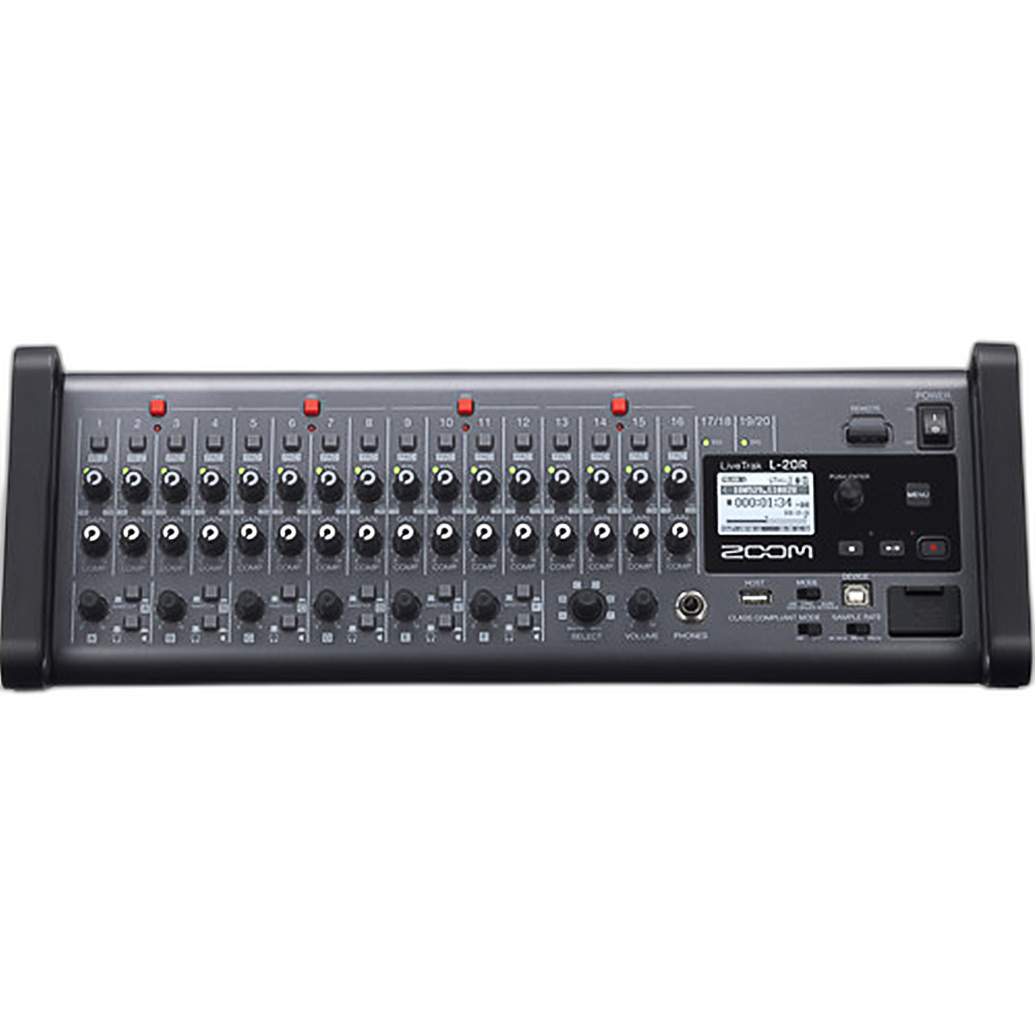
If you also create multimedia contest entries, artist talks, or behind-the-scenes reviews of your process, good audio can help you analyze and present your work more effectively. For photographers who record critique sessions, workshops, or team reviews, the Zoom LiveTrak L-20R 20-Channel Digital Mixer-Recorder can be a practical studio tool for capturing clearer discussions and playback.
Ask what the judge wanted to feel
8. Emotional feedback can tell you as much as technical feedback
When a judge says an image is “beautiful but not memorable,” they are usually describing an emotional gap. The image may be technically strong, but it may not create enough curiosity, tension, intimacy, or surprise. Instead of asking only whether the exposure was correct, ask what the frame invites the viewer to feel.
This is where sequence, timing, and intentionality become essential, especially for cinematic or narrative photographers. If you shoot motion and stills side by side on a system like a Used Red Komodo 6K Kit, think about how your strongest still frame stands on its own without needing movement to complete the story.
Build a feedback loop into your workflow
9. Re-shoot, re-edit, and compare
The best way to use judging feedback is to apply it quickly. Pick one image that received useful criticism and create a second version or a new shoot inspired by those notes. Then compare the two. This turns abstract critique into visible improvement.
- Re-crop the image based on edge distractions the judge mentioned.
- Re-edit the tonal balance if contrast or color was criticized.
- Re-shoot the concept with a different lens, distance, or background.
- Show both versions to peers and ask which communicates more clearly.
Progress comes from iteration, not from taking comments personally.
Keep your creative identity intact
10. Improve your work without flattening your style
Contest success should not come at the expense of your voice. The goal of feedback is not to make every image look the same or to chase what you think judges want. Instead, use critique to remove distractions between your intent and the viewer’s experience. If your style is quiet, grainy, vintage, highly detailed, or long-lens observational, that can still be a strength when executed with clarity.
The most successful photographers learn to hear criticism without abandoning the choices that make their work their own.
Conclusion
Photo contest feedback is most valuable when you treat it as information, not judgment. Separate subjective taste from technical advice, track repeated comments, and convert each critique into a practical shooting or editing goal. Over time, that process builds stronger images and greater confidence. If you are ready to refine your approach, experiment with new tools, or explore used lenses and specialty gear, Unique Photo is a great place to keep your creative momentum going.