Photography contests reward more than creativity—they reward clean execution, strong presentation, and technical consistency. Whether you are preparing images for wildlife, landscape, portrait, macro, or even print-based competitions, the right gear choices and camera settings can help you produce files that stand up to close judging. Below are practical tips to help you match your setup to popular contest categories while staying organized from capture to final submission.
Start by Matching Your Gear to the Contest Category
Different contests favor different visual qualities. A sweeping landscape entry may demand precision and edge-to-edge sharpness, while portrait competitions often reward refined lighting and intentional subject separation. Before you shoot, review the contest rules for file size, editing limits, printing requirements, and whether composite work is allowed.
- Landscape and architecture contests often benefit from tripod-based shooting and careful composition.
- Portrait and fine-art entries usually require controlled lighting and color consistency.
- Product, still life, and macro contests reward repeatability, glare control, and exact framing.
- Print competitions add another layer, where output quality matters as much as capture quality.
Tips for Landscape and Architecture Contests
1. Prioritize stability and precise framing
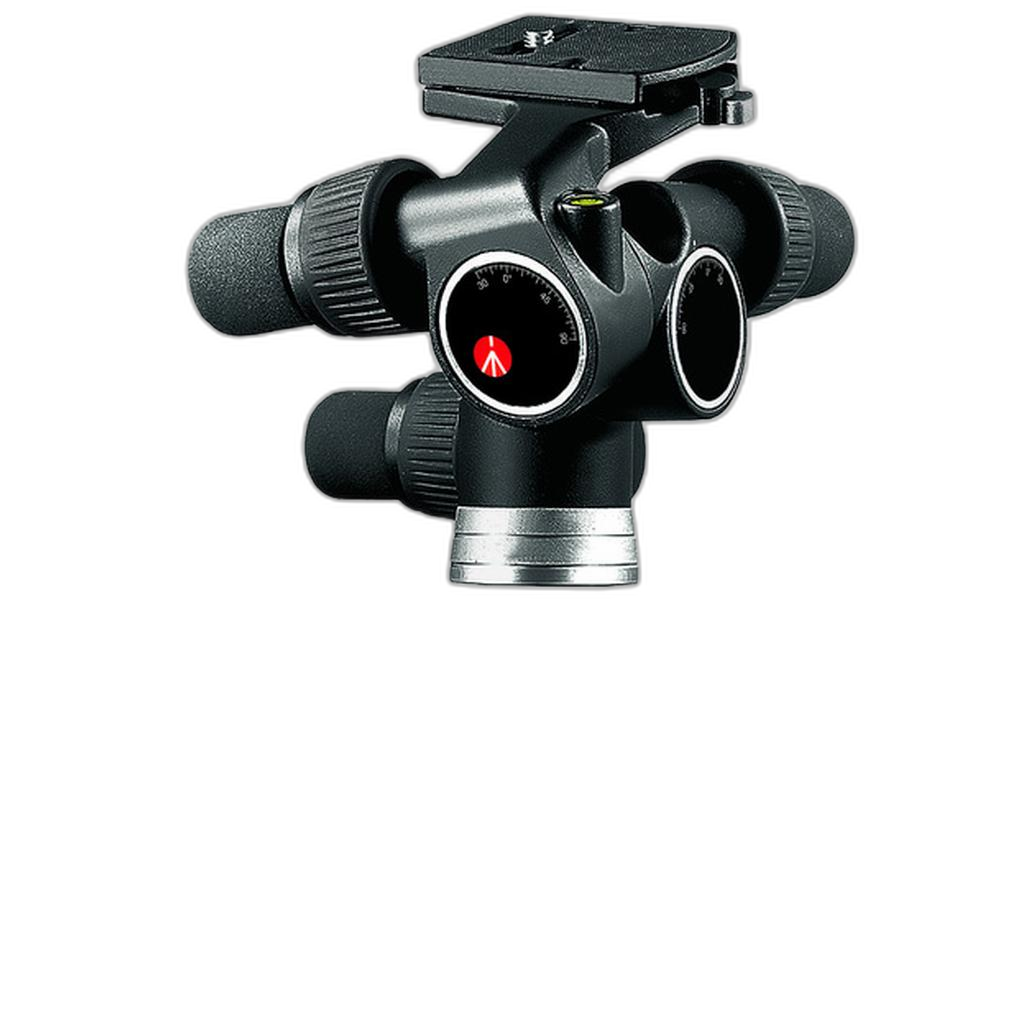
For contest judges who zoom in on corner detail and alignment, stability is everything. A geared head is especially useful when you need tiny composition adjustments without shifting the whole setup. The Manfrotto 405 Pro Digital Geared Head is a smart choice for architecture, interiors, and stitched landscapes where straight lines and repeatable positioning matter.
- Use a low ISO whenever possible for maximum detail.
- Try apertures around f/8 to f/11 for many landscape scenes to balance sharpness and depth of field.
- Enable a 2-second timer or remote release to reduce vibration.
- For architectural subjects, check vertical lines carefully before pressing the shutter.
2. Shoot for dynamic range, not just drama
Popular landscape contests often reward subtle tonal control over overly processed files. Meter to protect highlights, especially in clouds, snow, or reflective buildings. If the rules allow HDR or exposure blending, keep it natural. If they do not, expose conservatively and recover shadows carefully in post.
Tips for Portrait and Fine-Art Contests
3. Build soft, controlled light that flatters skin and fabric
Portrait competitions frequently come down to light quality. Large-source continuous lighting can be especially useful when refining facial angles, catchlights, and wardrobe texture in real time. The Aputure INFINIMAT LED with Clear Softbox and 1600W Control Box Pack (8x8) works well for full-body portraits, while the larger Aputure INFINIMAT LED with Clear Softbox and 1600W Control Box Pack (20x20) can create a broad, polished look for fashion, conceptual, or multi-subject work.
- Start with your key light slightly above eye level and feather it across the subject.
- Use shutter speed appropriate to your sync or ambient balance needs.
- Keep white balance consistent across the session for easier judging and print prep.
- For studio portraits, test around ISO 100 to 400 and apertures like f/4 to f/8 depending on the look you want.
4. Choose focal lengths that suit the subject, not just the room
If your contest entry leans cinematic or editorial, lens selection affects how the image feels. The Viltrox 35/50/75mm T2.0 1.33X set for Sony E or the Viltrox 35/50/75mm T2.0 1.33X for L-Mount set can be compelling tools for hybrid creators entering multimedia or motion-inclusive competitions. Even when shooting stills, working with a consistent focal-length trio helps you plan environmental portraits, classic half-length compositions, and tighter character studies with a cohesive visual style.
- Use wider focal lengths carefully to avoid face distortion near frame edges.
- Mid-range focal lengths are often ideal for portraits that need natural perspective.
- Test your aperture choice in advance so shallow depth of field does not cost you critical eye sharpness.
Tips for Product, Macro, and Still-Life Contests
5. Control reflections before you start retouching
In product and still-life contests, glare can ruin an otherwise excellent image. Polarization techniques can save significant editing time and preserve authentic texture. The Kaiser Lighting Set Polarizer Screens can help photographers manage reflections on glass, metal, packaging, and glossy surfaces more effectively during capture.
- Position lights first, then adjust polarizing control to reduce specular hotspots.
- Use manual focus or focus magnification for precise placement on labels and textures.
- Try focus stacking when the rules allow it and depth of field is limited.
- Keep backgrounds clean and intentional—judges notice distractions quickly.
6. Work slowly with a support system that encourages precision
For macro details, tabletop scenes, and catalog-style contest entries, small camera movements can change everything. A geared support solution like the Manfrotto 405 Pro Digital Geared Head makes tiny framing corrections easier than a standard ball head, especially when aligning product edges or refining negative space.
Tips for Documentary, Travel, and On-Location Contests
7. Stay organized so you can respond quickly in the field
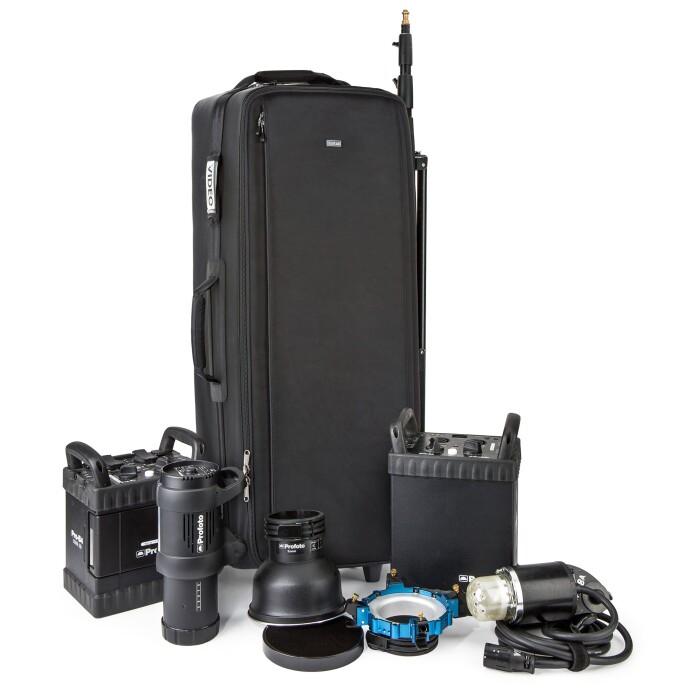
Some of the best contest images happen when you can move efficiently between locations without leaving essential gear behind. If your entries involve lighting tools, stands, modifiers, or a larger production kit, the Think Tank Production Manager 40 V2.0 helps keep equipment protected and easier to transport on demanding shoots.
- Pack by shooting priority: camera and lenses first, support and lighting second, accessories last.
- Use labeled pouches so batteries, triggers, filters, and cards are easy to find.
- Create a pre-departure checklist if the contest deadline involves travel or multiple shoot days.
8. Use settings that protect the moment
In fast-moving documentary and travel categories, the best image is often the one you captured at all. Favor shutter speed over extremely low ISO when action, gesture, or changing light is involved. A technically perfect file means little if the expression is gone. Start with safe baseline settings, then adjust as the scene evolves.
- Increase shutter speed for people in motion or handheld low-light scenes.
- Use auto ISO with a minimum shutter speed when conditions shift rapidly.
- Shoot RAW if permitted by your workflow so you have maximum flexibility for final preparation.
Tips for Print Competitions and Submission Prep
9. Test your output, not just your edit
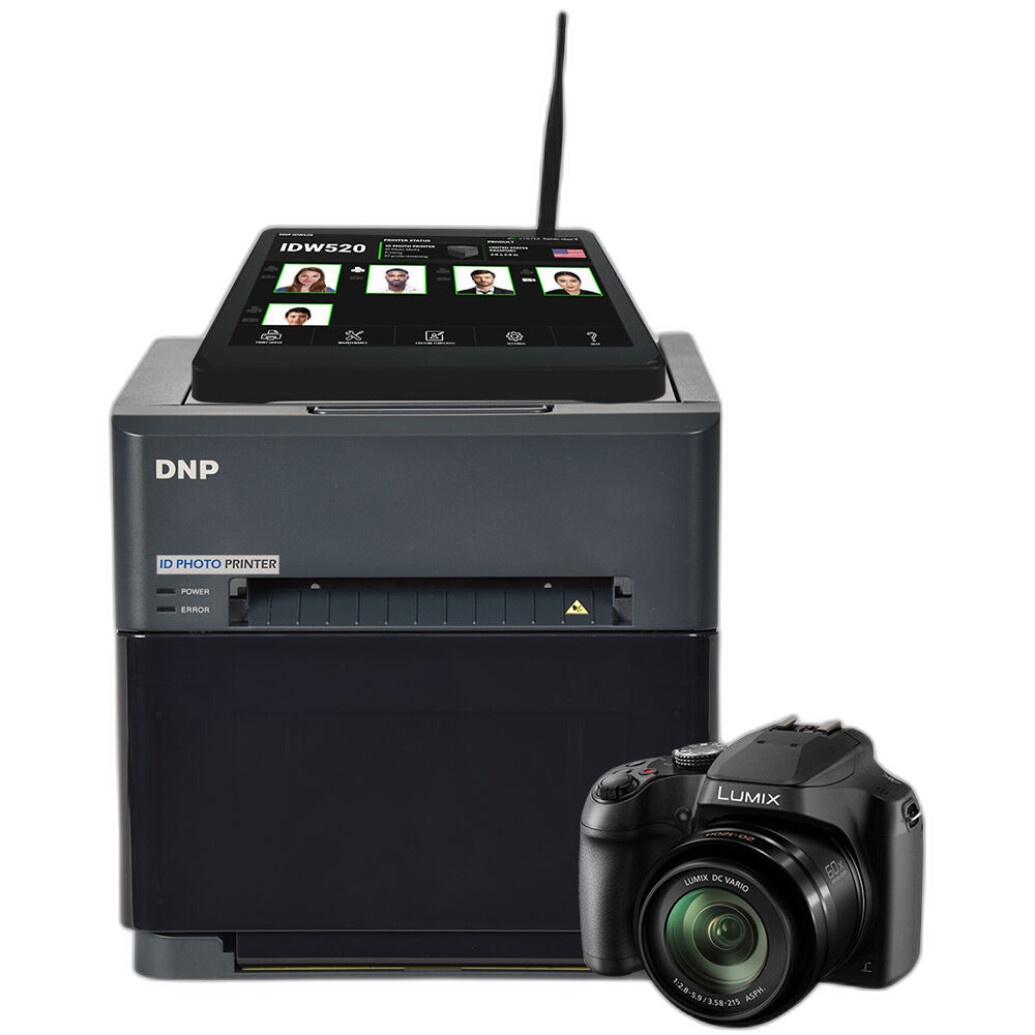
If a contest includes physical prints, your workflow should include output testing. The DNP IDW520-SET Passport and ID Photo Solution is purpose-built for ID and passport applications, but it also highlights an important contest principle: judged images often succeed or fail based on presentation standards, color consistency, and finishing discipline. Any print workflow benefits from checking density, skin tone, and cropping before final delivery.
- Soft-proof your file if you know the print process and paper type.
- Sharpen for final output, not just for screen viewing.
- Double-check border requirements, aspect ratio, and resolution before submission.
- Review the image at 100% for dust spots, halos, and retouching artifacts.
10. Respect the rules as much as the aesthetics
Many contest disqualifications have nothing to do with image quality. Pay attention to metadata requirements, file naming, AI restrictions, compositing rules, and deadlines. Keep an exported master folder with final JPEGs, layered edits, RAW references, and any requested proof files so you are ready if organizers ask for verification.
Final Thoughts
The best contest images come from combining vision with reliable technique. Stable support, thoughtful lighting, reflection control, organized transport, and careful output prep can all make a real difference when judges are comparing strong work side by side. If you are building a contest-ready kit, Unique Photo is a great place to explore tools that help you shoot with more confidence and submit your strongest work.