Introduction
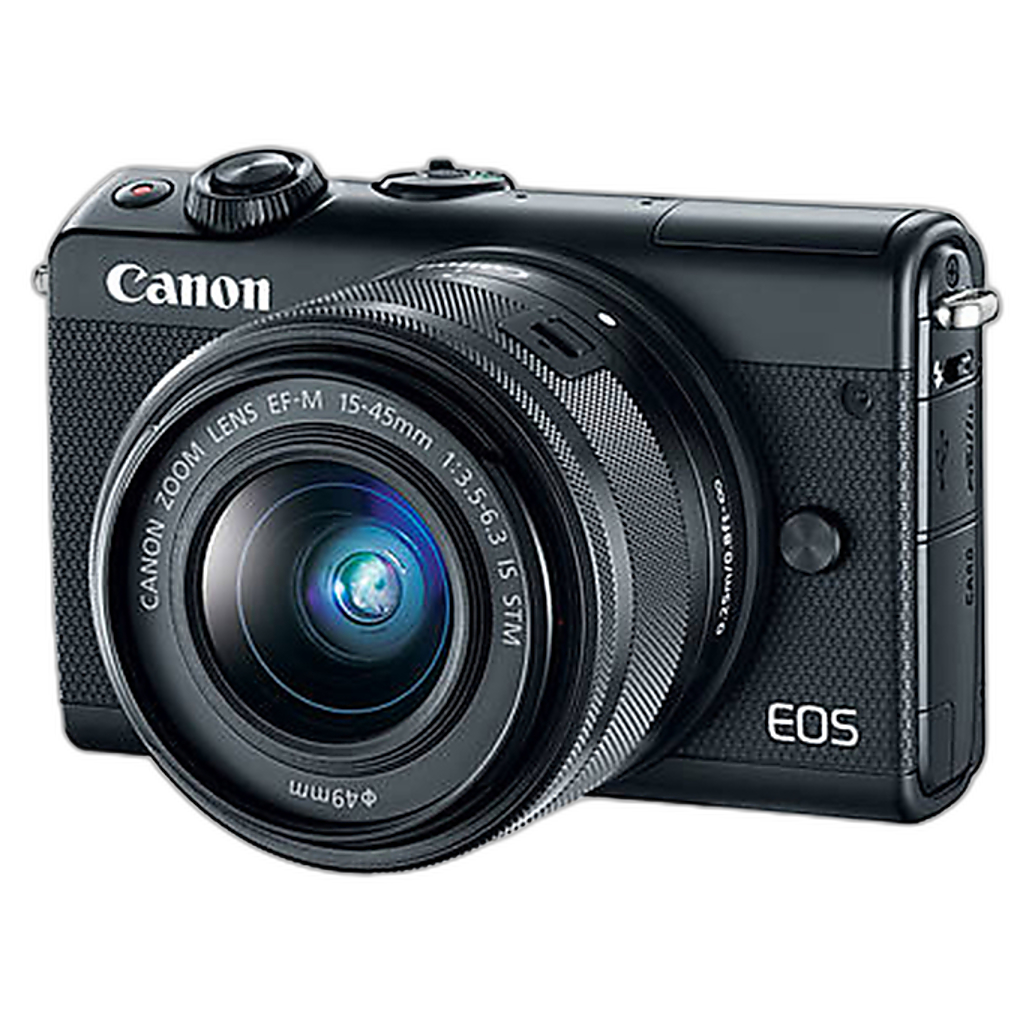
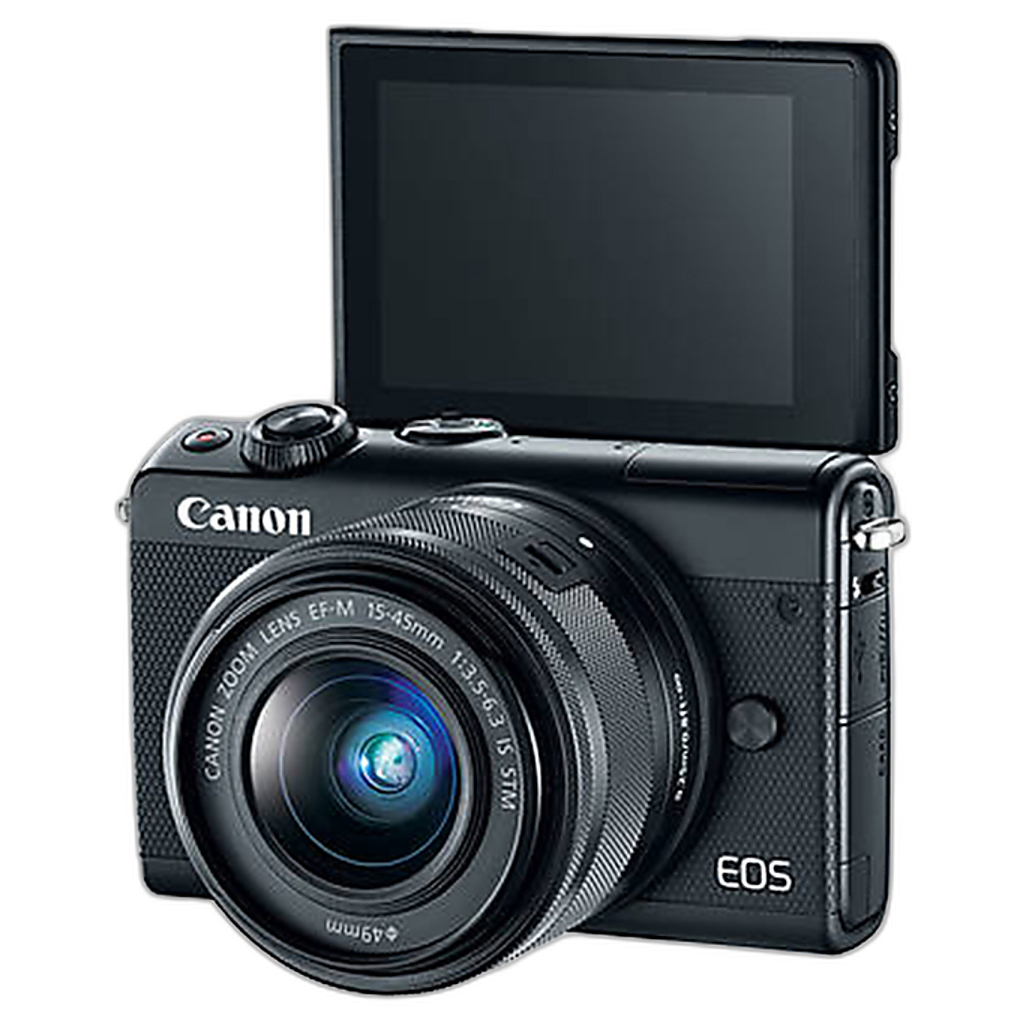
For shoppers looking at entry-level mirrorless cameras, the conversation usually comes down to a few big priorities: budget, autofocus performance, stabilization, portability, and whether the lens system will still make sense as your skills grow. In this comparison, we’re looking at two very different used options: the Used Nikon Z50 II Mirrorless Camera with 16-50mm and 50-250mm lenses and the Used Canon M100 Mirrorless Camera with 15-45mm and 55-200mm lenses.
Both kits aim to give new photographers an affordable path into interchangeable-lens photography, but they target slightly different buyers. The Nikon package leans toward a more modern mirrorless experience with stronger enthusiast appeal, while the Canon M100 emphasizes simplicity, small size, and low barrier to entry.
Side-by-Side Specs Comparison
| Feature | Nikon Z50 II Kit | Canon M100 Kit |
|---|---|---|
| Product Type | Used APS-C mirrorless camera with two-lens kit | Used APS-C mirrorless camera with two-lens kit |
| Included Lenses | 16-50mm and 50-250mm | 15-45mm and 55-200mm |
| User Level | Beginner to enthusiast | Beginner, casual, travel, family |
| Autofocus Expectations | More modern, stronger tracking appeal | Adequate for everyday stills, more limited for demanding use |
| Stabilization | No strong value case for IBIS-focused buyers based on this comparison; lens/body stabilization needs should be checked before purchase | No IBIS; buyers relying on handheld low-light shooting should keep this in mind |
| Video/Hybrid Appeal | Better fit for newer hybrid shooters | More basic, photography-first beginner choice |
| Portability | Compact for a two-lens kit, but more serious in handling | Very compact and approachable |
| Lens Ecosystem Consideration | Stronger long-term system appeal | More limited long-term lens roadmap |
| Best For | Growth, action, travel, learning photography | Budget-conscious casual shooting, family photos, simple everyday use |
What Entry-Level Buyers Actually Care About
When people compare beginner mirrorless cameras, spec sheets only tell part of the story. Real-world buying decisions often revolve around three questions:
- How much camera do I need right now?
- Will this system still work for me in a year or two?
- Do features like autofocus and stabilization matter for what I shoot?
That makes this Nikon-versus-Canon matchup especially relevant. One is the safer long-term investment for a growing photographer, while the other may still be the smarter choice if price and simplicity are the main goals.
Budget and Overall Value
The Canon M100 kit is the kind of camera package that makes sense when budget is the priority. You get a compact body plus a practical two-lens range that covers everyday shooting and telephoto reach. For a beginner who mainly wants better image quality than a phone without spending heavily, that formula still works.
The Nikon Z50 II kit, however, offers value in a different way. Even if the upfront cost may be higher, it potentially saves an upgrade later by giving newer photographers a system that feels more current and expandable. If you already suspect you’ll want faster autofocus, better subject tracking, or a more serious shooting experience, starting with Nikon may be more cost-effective in the long run.
Autofocus Performance
Autofocus is one of the most important dividing lines between older entry-level mirrorless cameras and newer ones. For family photos, pets, kids, travel moments, and beginner content creation, better autofocus can make the difference between getting the shot and missing it.
The Nikon Z50 II is the better fit for buyers who care about autofocus confidence. It is the more appealing option for moving subjects and for users who want a camera that feels less limited as their expectations rise.
The Canon M100 can still work well for casual photography, portraits, and general everyday use, but experienced users will quickly notice its limitations if they start shooting more action, unpredictable subjects, or more ambitious video.
IBIS and Stabilization
In-body image stabilization, or IBIS, has become one of the most requested features in mirrorless cameras because it helps with handheld shooting in lower light and can improve stability for video. For many entry-level shoppers, though, IBIS matters more on paper than in practice.
Neither of these kits stands out here as the obvious choice for buyers specifically prioritizing IBIS. If stabilization is your top concern—especially for low-light handheld work or smoother video—you may want to keep shopping beyond these two options. That said, for everyday still photography in decent light, plenty of beginners do just fine without IBIS, especially when using good technique and appropriate shutter speeds.
The takeaway: autofocus and lens system matter more than IBIS for most first-time buyers in this comparison.
Lens Selection and System Growth
This is where the gap gets more important over time. A beginner may start with the included two-lens kit, but many eventually want a fast prime lens, a better portrait lens, or a more specialized zoom.
The Nikon Z50 II benefits from a system that makes more sense for photographers thinking beyond their first year. If you want room to grow, Nikon is the stronger platform.
The Canon M100 belongs to a more limited ecosystem story. That does not make it a bad camera for a low-cost starter setup, but it does make it less attractive for someone who expects to build out lenses and accessories over time.
Ease of Use and Everyday Experience
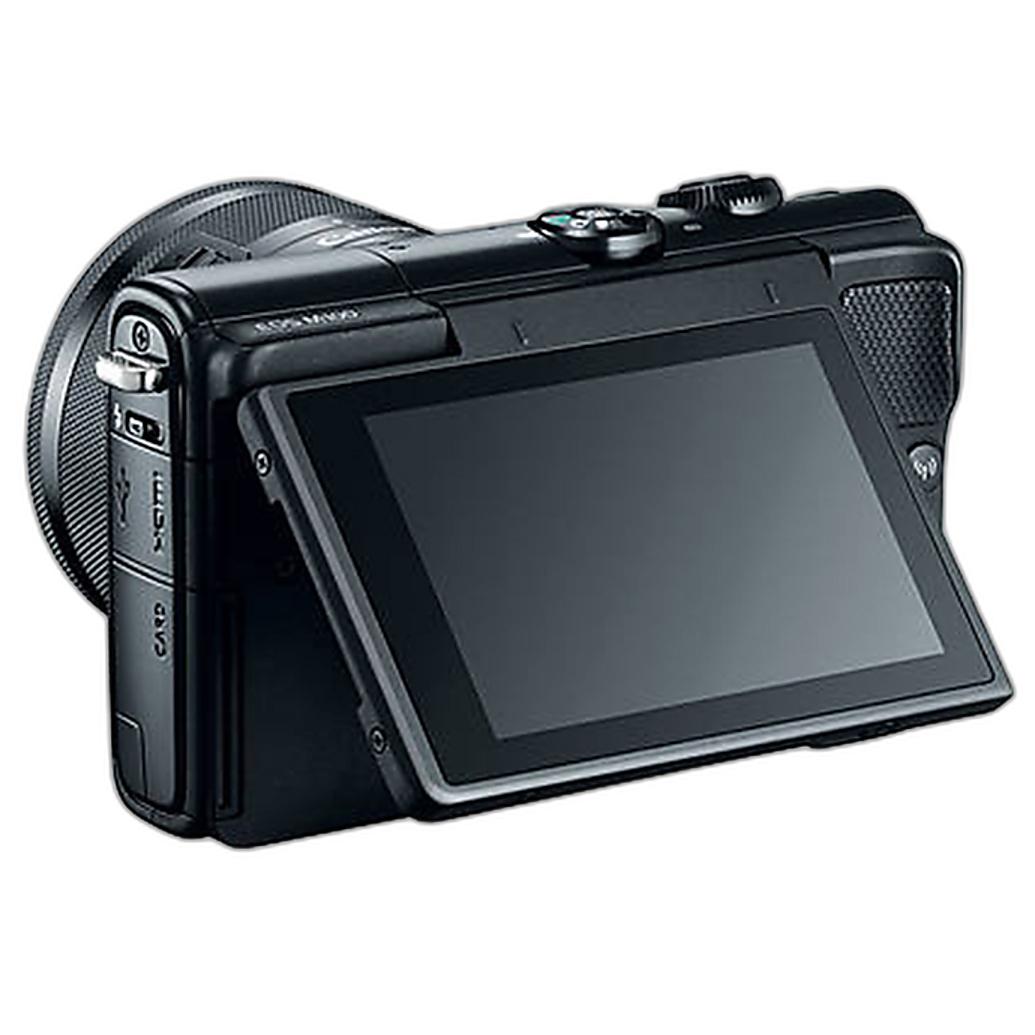
The Canon M100 has a strong case if your goal is simple, lightweight photography. It’s approachable, unintimidating, and easy to carry. For travelers, students, and families wanting something better than a smartphone without diving deep into camera culture, that’s a real advantage.
The Nikon Z50 II is the better choice if you want your first camera to teach you more and keep up with you longer. It feels more like a photographer’s camera rather than just a convenient upgrade from a phone.
Our Pick
Our Pick: Nikon Z50 II Kit
If you’re choosing between these two as a serious entry-level mirrorless camera, the Nikon Z50 II kit is the stronger overall recommendation. It better matches what today’s buyers care about most: modern autofocus, a more future-friendly system, and a more capable growth path. The Canon M100 still makes sense for shoppers on a tighter budget who want a small, simple camera kit, but the Nikon is the better long-term buy for most beginners.
Who Should Buy the Canon M100 Instead?
The Canon M100 is still worth considering if your priorities look like this:
- You want the lowest-cost path into interchangeable-lens photography
- You mostly shoot travel, family, casual portraits, and everyday moments
- You prefer a smaller, friendlier camera body
- You are not planning to build a large lens collection
In other words, the M100 is best viewed as a practical starter camera, not a long-term enthusiast platform.
Conclusion
For shoppers comparing entry-level mirrorless options, the Nikon Z50 II and Canon M100 represent two different philosophies. The Canon M100 wins on simplicity and budget friendliness, while the Nikon Z50 II is the more complete answer for buyers who care about autofocus, future lens choices, and room to grow. If you want a camera you can start with and keep using confidently as your skills improve, the Nikon is the easier recommendation.
If you’re shopping used camera kits and want help choosing the right mirrorless system for your budget, Unique Photo is a great place to compare real-world options and find gear that matches how you actually shoot.