Introduction: A Smarter Way to Shop for Sony Portrait Glass
If you are trying to choose the right portrait lens for your Sony camera, Sony Lens Compare Beta can be a very useful starting point. Rather than relying only on spec sheets, it helps photographers think more practically about focal length, rendering, aperture, and how one lens may fit a specific portrait style better than another. For shoppers considering classic portrait options like an 85mm, a more compressed 105mm, or an even tighter 135mm, a comparison workflow can save time and help narrow the field before making a purchase.
That said, tools like Sony Lens Compare Beta work best when used as part of a broader buying strategy. Portrait photography is not only about sharpness charts or focal length numbers. Working distance, subject comfort, background compression, weight, handling, and budget all matter. This is especially true when comparing distinctive fast-aperture Sigma Art lenses for Sony E, which are known for strong optical performance but also differ meaningfully in size and shooting feel.
For portrait shooters shopping used gear, Unique Photo is a great place to buy, especially when you want access to desirable Sony E-mount portrait lenses at more approachable prices. Below, we look at the best ways to use Sony Lens Compare Beta effectively while considering several strong Sigma portrait candidates.
Start With Focal Length Before You Worry About Sharpness
The most important portrait-lens decision is often focal length, not lab performance. Sony Lens Compare Beta is most useful when you first compare how lenses are positioned for different portrait use cases.
85mm: The Classic Portrait Choice
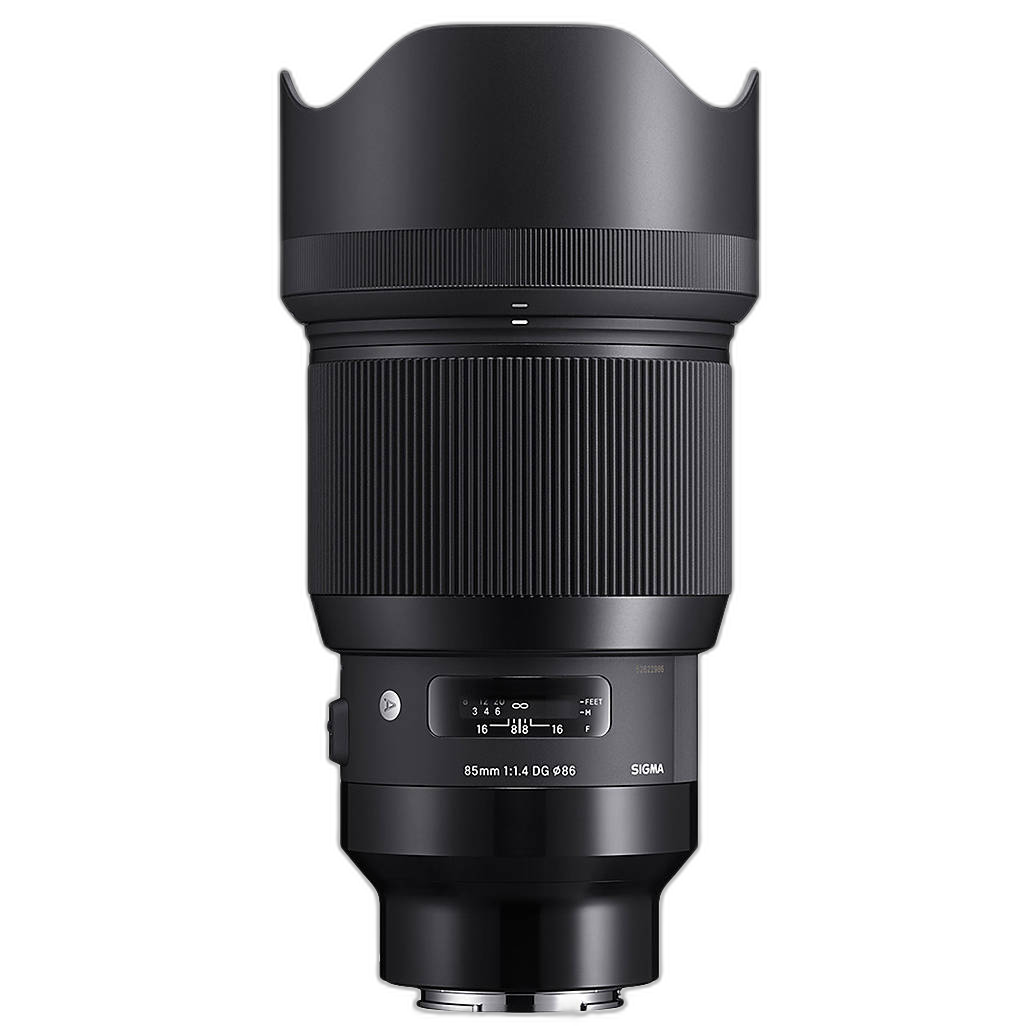
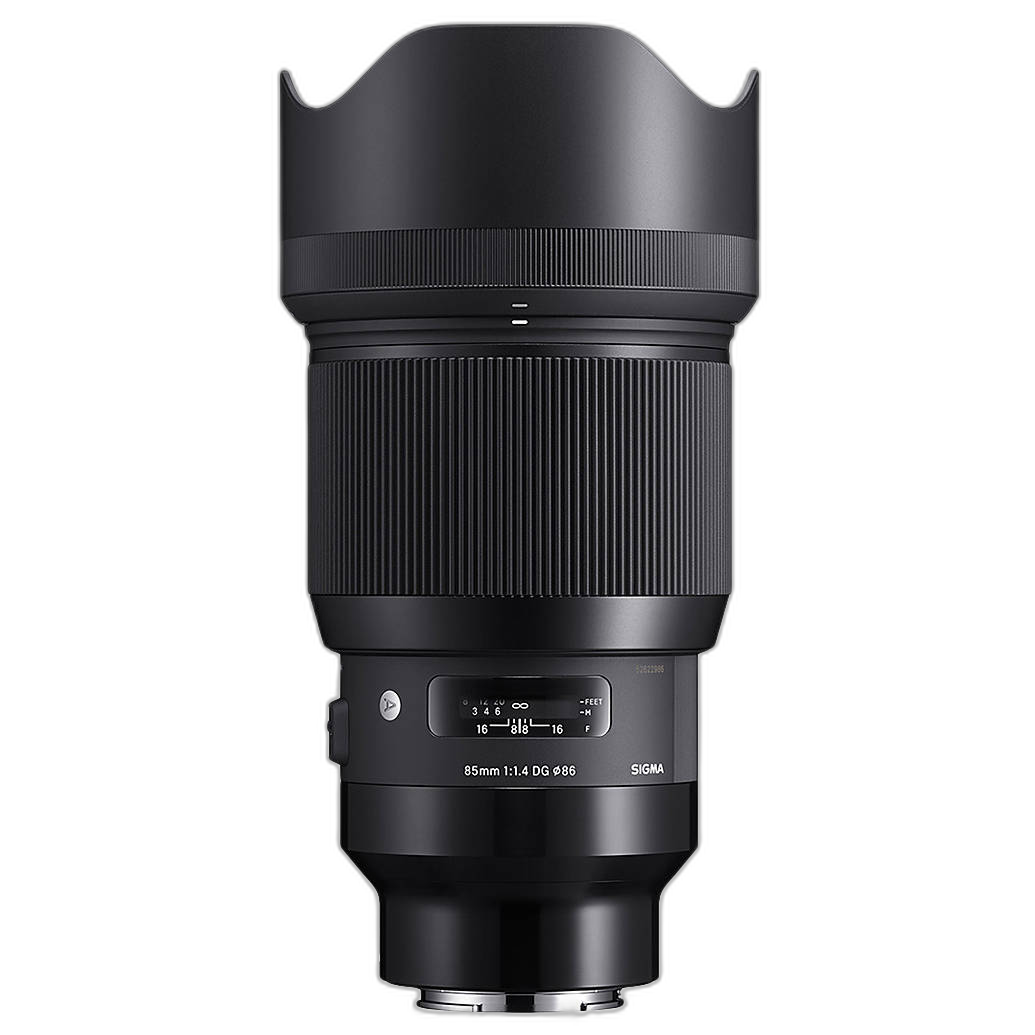
An 85mm lens is often the easiest recommendation for portrait photographers because it gives flattering perspective without requiring too much distance from the subject. It works well for headshots, half-body portraits, environmental portraits, and even event portraiture. If you are not sure where to begin, an 85mm is usually the safest and most flexible option.
The Used Sigma 85mm f/1.4 ART for Sony E is an especially compelling lens to consider in this category. It offers the classic combination portrait photographers want: shallow depth of field, strong subject separation, and a versatile focal length.
105mm: More Compression, More Drama
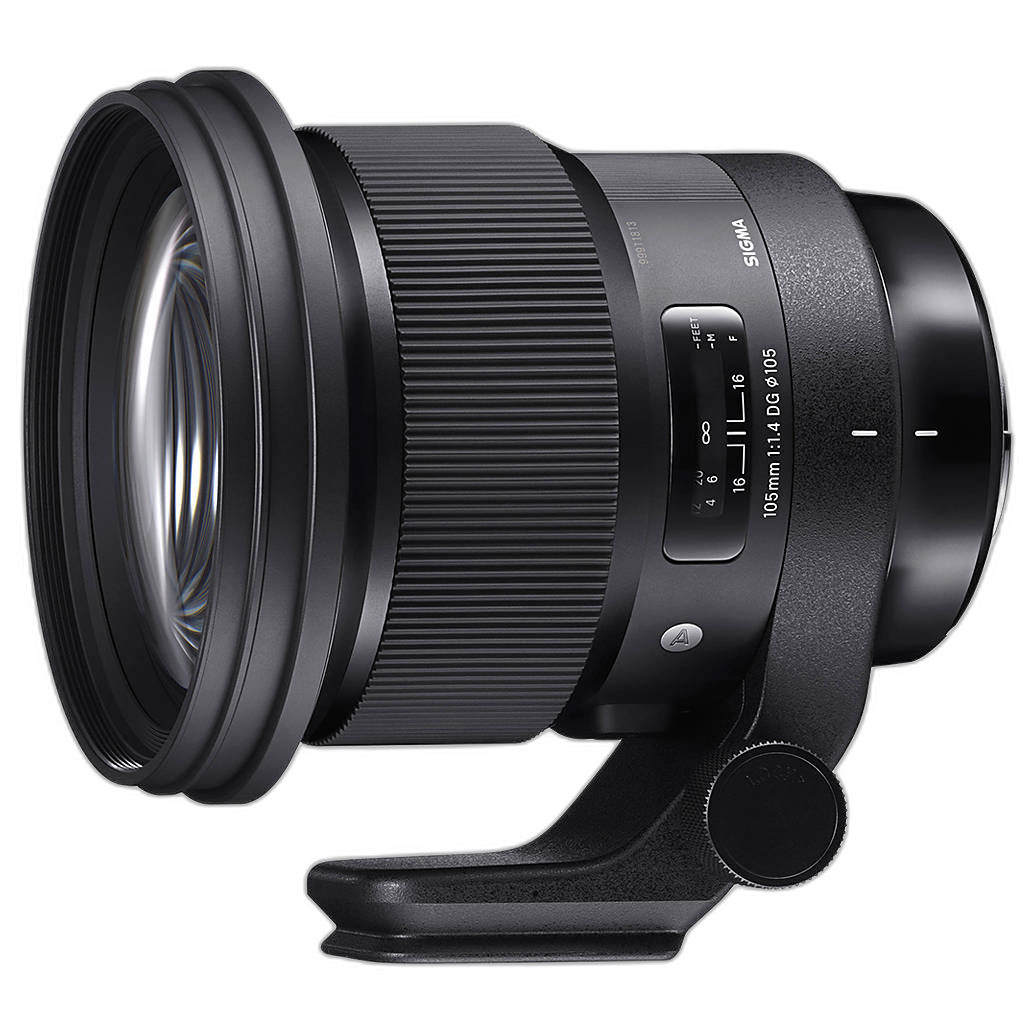
If your portrait style leans toward tighter framing and creamier background blur, 105mm becomes very attractive. Sony Lens Compare Beta can help illustrate where this focal length sits relative to 85mm and 135mm. A 105mm lens gives a little more compression than 85mm while still being easier to work with than 135mm in many locations.
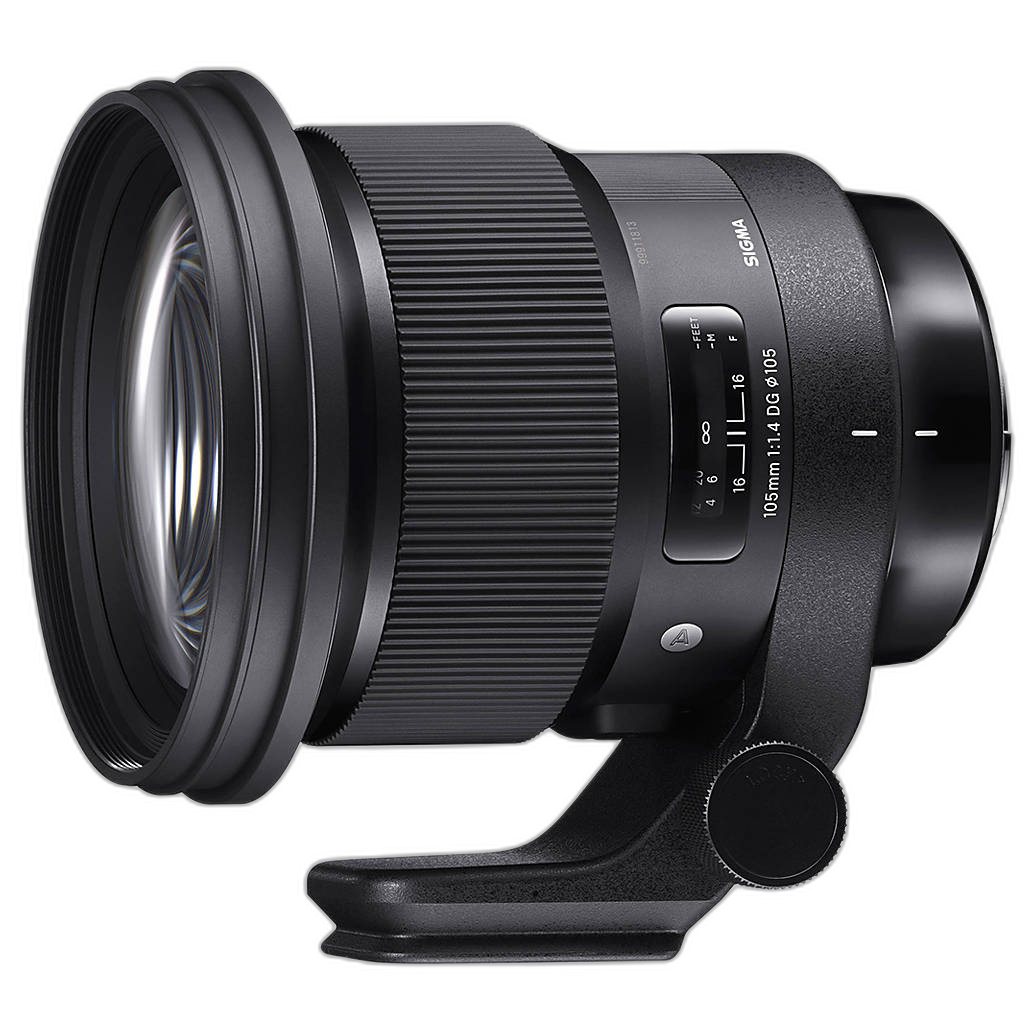
The Used Sigma 105mm f/1.4 DG HSM Art Lens for Sony E is famous for its dramatic rendering and exceptional background separation. For photographers chasing a premium, high-impact portrait look, this is one of the most exciting options in the lineup.
135mm: Headshot Specialist
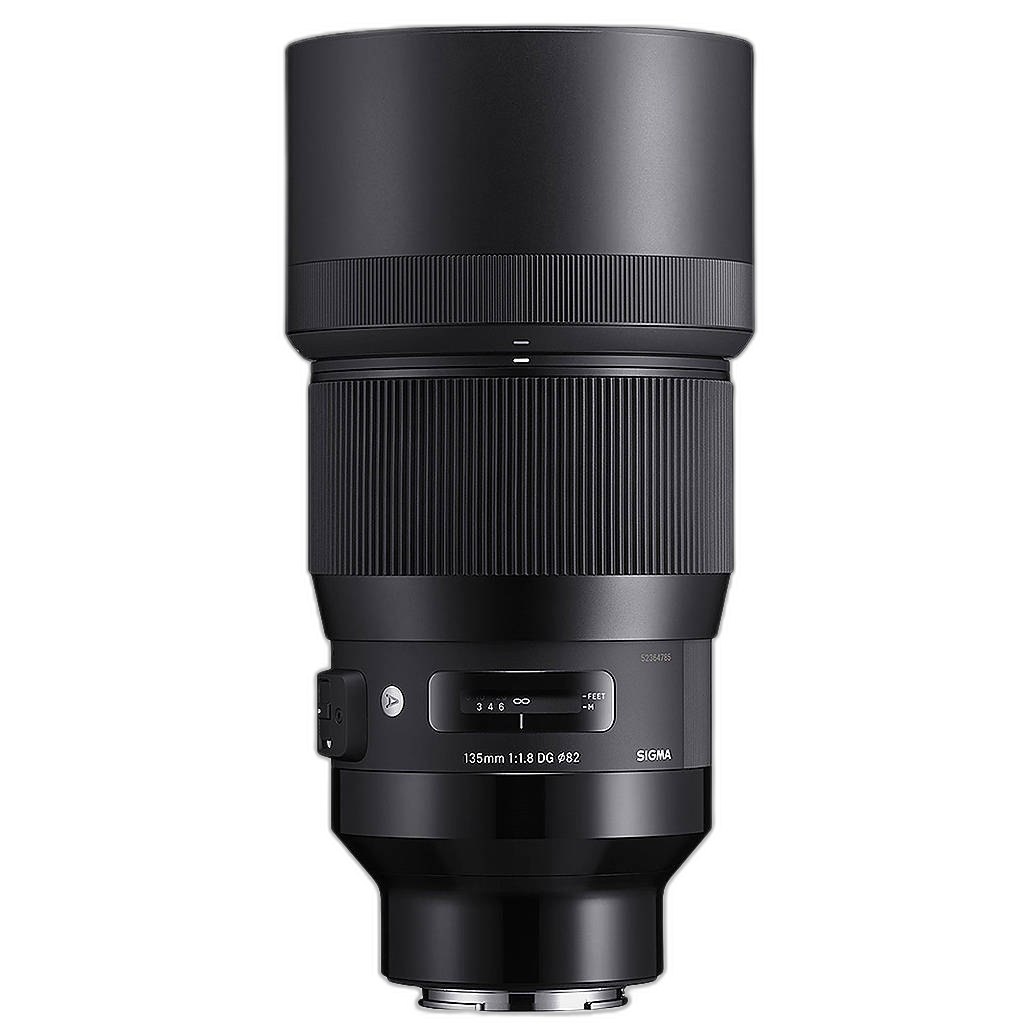
A 135mm portrait lens is often ideal for photographers who love tight headshots, elegant compression, and strong background melt. In Sony Lens Compare Beta, this is where the comparison tool becomes particularly valuable: it helps you visualize whether you really want a specialist lens or a more general-purpose option.
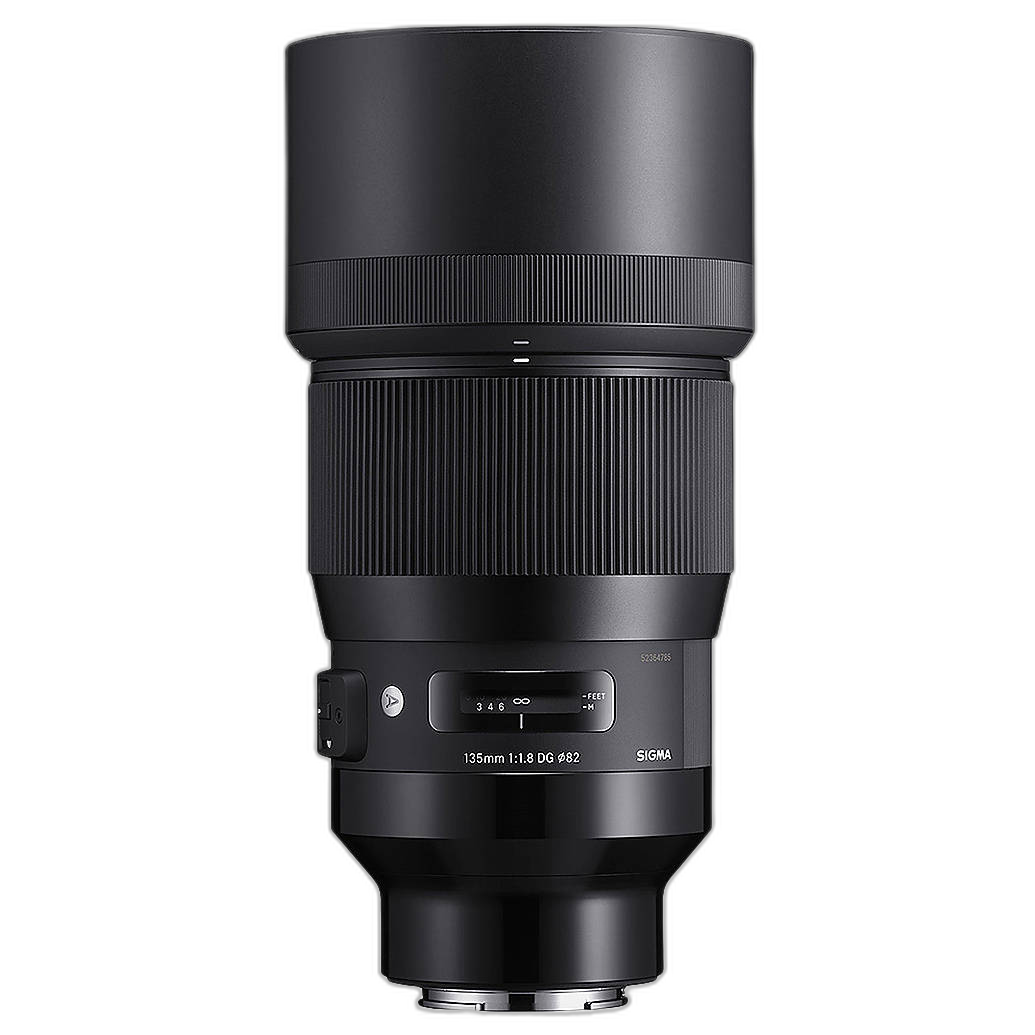
The Used Sigma 135mm f/1.8 DG HSM Art Lens for Sony E is a standout for photographers who have room to work and want especially flattering facial compression. It is less flexible indoors than an 85mm, but in the right setting it can look spectacular.
Use the Tool to Compare Real Shooting Scenarios
One of the best ways to use Sony Lens Compare Beta is to think in terms of actual shooting situations rather than abstract specifications.
Indoor Portraits and Small Studios
If you shoot in tighter spaces, 85mm is usually easier to live with than 105mm or 135mm. The compare tool may help clarify lens differences, but you should also ask yourself how often you work in bedrooms, home studios, small office spaces, or crowded event environments. In these cases, the 85mm tends to be the most practical portrait lens.
Outdoor Portraits With Strong Background Blur
For outdoor portraiture, 105mm and 135mm can create a more dramatic look. Sony Lens Compare Beta can help identify where these focal lengths sit relative to one another, but your key question should be whether you prefer moderate compression or a more compressed telephoto portrait look. If you love subject isolation and have enough room to step back, the 105mm and 135mm options shine.
Headshots vs Environmental Portraits
Environmental portrait shooters often benefit from something more flexible, while headshot specialists often prefer the compression of 105mm or 135mm. If your portraits routinely include more of the setting, 85mm is easier to recommend. If your business is built around polished head-and-shoulders work, 105mm or 135mm may be more rewarding.
Look Beyond Aperture Numbers
It is easy to get caught up in f/1.4 versus f/1.8, but Sony Lens Compare Beta should be used as a tool for broader evaluation. In practice, focal length and rendering often matter more than the small gap between these aperture values.
f/1.4 vs f/1.8 in Portrait Work
Yes, f/1.4 is attractive, and lenses like the Sigma 85mm f/1.4 ART and Sigma 105mm f/1.4 DG HSM Art are highly desirable for that reason. But in many portrait situations, especially when trying to keep both eyes sharp, photographers stop down slightly anyway. The difference between a 105mm f/1.4 look and a 135mm f/1.8 look can feel more meaningful than the aperture numbers alone suggest.
Rendering and Compression Matter More
Portrait photographers are often shopping for a look, not just brightness. Sony Lens Compare Beta is helpful if it encourages you to compare output style instead of obsessing over isolated specs. The 85mm gives a classic portrait feel, the 105mm often brings extra richness and separation, and the 135mm emphasizes compression and refinement.
Consider Weight, Balance, and Handling
This is one area where no comparison tool should be your only source of truth. Some portrait lenses are optically stunning but physically demanding. The Sigma Art series is widely respected, but several of these lenses are substantial in size and weight. That matters for long sessions, handheld shooting, travel, and casual use.
The 105mm f/1.4 Is Incredible, But Big
The Sigma 105mm f/1.4 is often viewed as a dream portrait lens, but it is not subtle. If Sony Lens Compare Beta puts it on your shortlist, make sure you also consider whether you are comfortable carrying and shooting such a large lens. For dedicated portrait sessions, the tradeoff may be completely worth it. For all-day walkaround use, it may feel excessive for some photographers.
The 135mm Requires Space
The Sigma 135mm f/1.8 can be deeply rewarding, but it asks more from the shooting environment. If you regularly work in cramped spaces, the compare tool may suggest it as a strong optical option, but practical distance requirements may say otherwise.
The 85mm Is Often the Easiest Daily Driver
Among these portrait-centric options, the 85mm generally strikes the most balanced compromise between working distance, flexibility, subject separation, and everyday usability. If Sony Lens Compare Beta leaves you undecided, the 85mm is often the smartest default choice.
Use Non-Portrait Lenses as Reference Points, Not Finalists
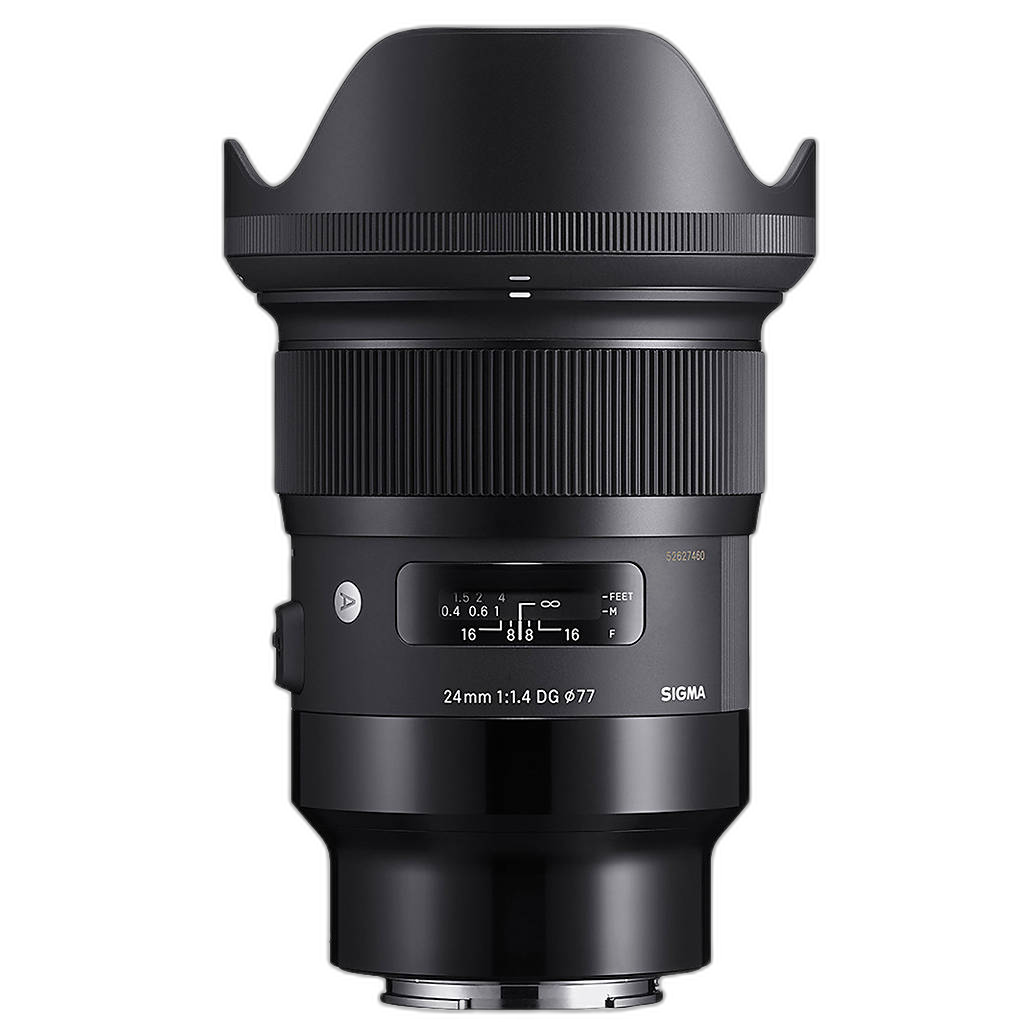
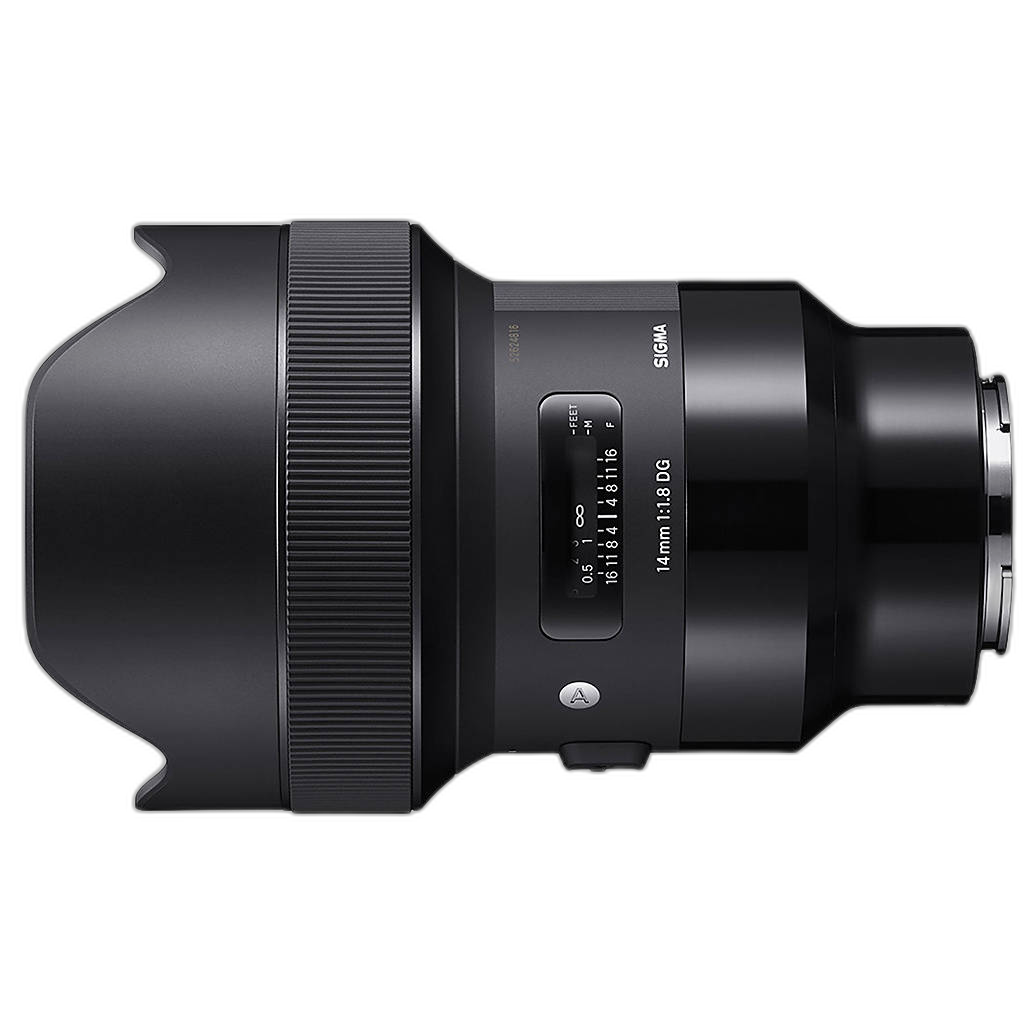
Another smart use of Sony Lens Compare Beta is comparing portrait lenses against wider lenses just to confirm what you do not want. For example, a 24mm or 14mm can be useful as a reference when thinking about environmental portraiture, but they are not traditional portrait-lens substitutes if flattering perspective is the main goal.
The Used Sigma 24mm f/1.4 DG HSM Art Lens for Sony E and Used Sigma 14mm f/1.8 ART for Sony E may be excellent creative tools, but they serve a very different purpose. They are better for dramatic environmental work, stylized storytelling, or wide editorial portraits where distortion is part of the aesthetic.
Best Practical Strategy for Using Sony Lens Compare Beta
1. Narrow by Portrait Style
Decide whether you want an all-around portrait lens, a premium headshot lens, or a dramatic specialty lens. This quickly points you toward 85mm, 105mm, or 135mm.
2. Check Your Typical Working Distance
Think honestly about where you shoot. Small spaces favor 85mm. Outdoor sessions or larger studios make 105mm and 135mm more realistic.
3. Balance Look Against Carry Comfort
The optical winner on paper is not always the best lens to own. A lens you enjoy carrying and using often is more valuable than one you admire but leave at home.
4. Consider Used Condition for Better Value
When shopping at Unique Photo, comparing excellent and good used conditions can be a smart way to stretch your budget. If optical performance is your top concern and cosmetic wear is less important, used inventory can make premium portrait lenses much more attainable.
Pros and Cons of Using Sony Lens Compare Beta for Portrait-Lens Shopping
Pros
- Helpful for understanding focal-length differences quickly
- Useful for narrowing choices between 85mm, 105mm, and 135mm portrait options
- Encourages more informed shopping before purchase
- Can reduce decision fatigue when comparing multiple lenses
- Works especially well as an early-stage research tool
Cons
- Cannot fully communicate lens weight, balance, or handling
- May overemphasize specs if used without real-world thinking
- Does not replace considering shooting distance and subject comfort
- Rendering style and personal preference still require broader research
- Best results come when paired with buying advice from a trusted retailer like Unique Photo
Verdict: The Best Way to Use Sony Lens Compare Beta
Sony Lens Compare Beta is most valuable when you use it to answer practical portrait questions, not just technical ones. Start with focal length. Decide whether your needs point to the versatility of an 85mm, the rich compression and separation of a 105mm, or the polished headshot look of a 135mm. Then factor in your shooting space, your tolerance for larger lenses, and your budget.
For most portrait photographers, the Sigma 85mm f/1.4 ART is the easiest recommendation because it balances flexibility and beautiful rendering. For photographers who want maximum visual impact and do not mind extra size, the Sigma 105mm f/1.4 is a thrilling option. For dedicated headshot shooters with room to work, the Sigma 135mm f/1.8 remains a superb specialist lens.
If you are ready to buy, Unique Photo is an excellent place to shop used portrait lenses for Sony E. Their used inventory makes it easier to step into premium Sigma Art glass while matching your budget and shooting style.