Low-light photography can feel intimidating at first, but it is also where some of the most dramatic, cinematic, and memorable images are made. Whether you are photographing city streets after sunset, indoor events, concerts, restaurants, holiday lights, or quiet portraits by window light, the right technique makes all the difference. At Unique Photo, we help photographers find practical solutions for challenging conditions, and low light is one of the most common situations where smart settings and the right support gear can instantly improve your results.
In this guide, we will cover how to shoot in low light with a tripod, how to shoot in low light without a tripod, which camera settings matter most, and which support tools can help you stay sharp when the light gets scarce.
What is low-light photography and why is it challenging?
Low-light photography simply means shooting in situations where there is not enough light to comfortably use fast shutter speeds at low ISO settings. This often leads to three common problems: blurry images from camera shake, motion blur from moving subjects, and digital noise from high ISO values.
To solve these issues, you need to balance the exposure triangle:
- Aperture: Open the lens wider to let in more light.
- Shutter speed: Slow it down to gather more light, while managing blur.
- ISO: Raise it when needed, while keeping noise under control.
The trick is deciding which compromise works best for your subject. A still cityscape at blue hour gives you more freedom than a moving musician on stage.
Best camera settings for low-light photography
If you are searching for the best settings for low-light photography, start here:
- Use the widest practical aperture. Fast lenses make a huge difference in dim scenes. A lens like the Used Tamron A058 35-150mm f/2-2.8 Di III VXD Lens (Nikon Z) offers a bright maximum aperture through a flexible zoom range, which can be very useful for events, portraits, and indoor work.
- Set the shutter speed based on your subject. For still subjects, you can go slower. For people in motion, you often need at least 1/125s, 1/250s, or faster.
- Raise ISO when necessary. Modern cameras handle higher ISO better than ever. A sharp image with some grain is usually better than a blurry one.
- Shoot RAW. RAW files preserve more detail for recovering shadows and reducing noise in post-processing.
- Use exposure compensation carefully. Dark scenes can fool your meter, so review your histogram rather than trusting the LCD alone.

At Unique Photo, many photographers upgrading their low-light results start not only with support gear, but also by choosing lenses with wider apertures and versatile focal lengths.
How to shoot in low light without a tripod
If you do not have a tripod with you, you can still capture sharp low-light images by improving stability and making efficient setting choices.
- Brace yourself. Lean against a wall, tuck your elbows in, and control your breathing before pressing the shutter.
- Use image stabilization. If your camera or lens has stabilization, turn it on when shooting handheld.
- Increase shutter speed. A good rule is to stay at or above the reciprocal of your focal length, though stabilization may let you go slower.
- Burst mode can help. A short burst often includes one sharper frame than a single shot.
- Look for support. Tables, railings, door frames, or the ground can act as makeshift stabilizers.
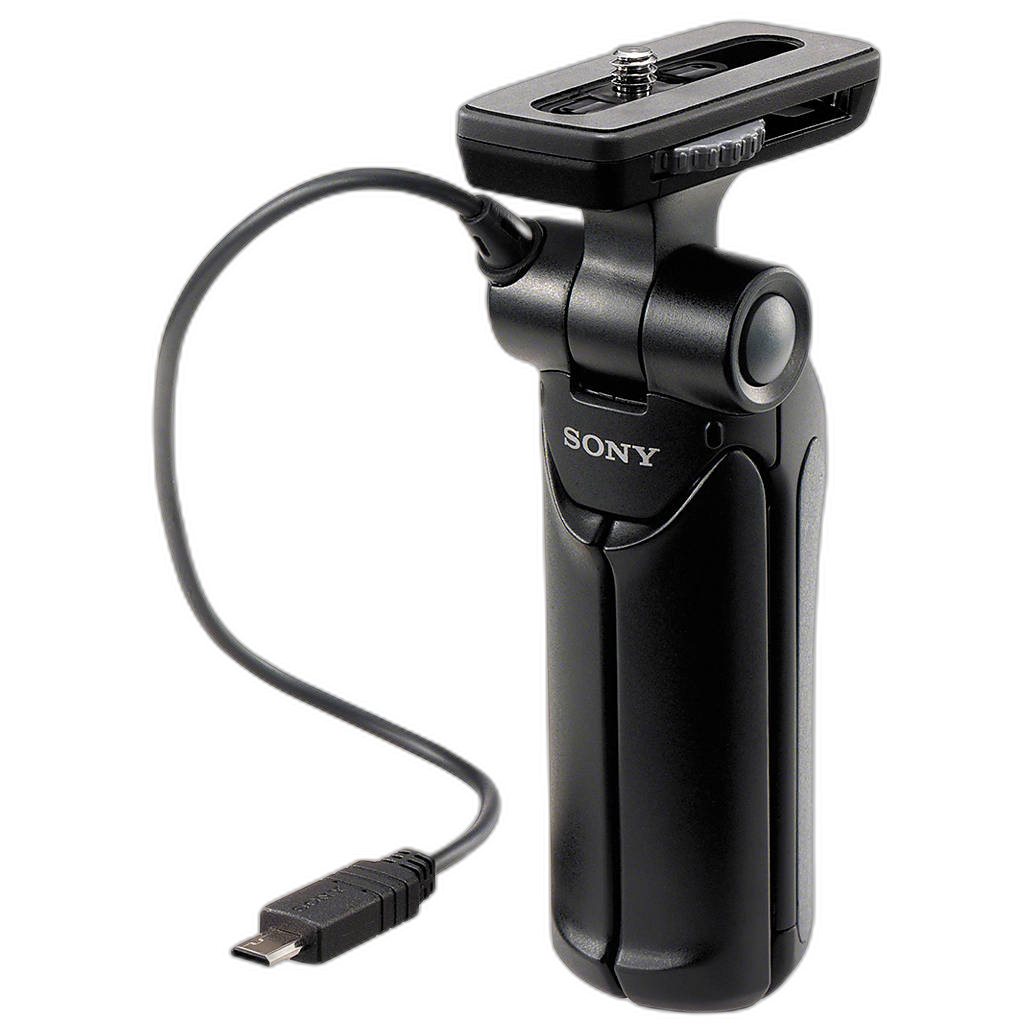
- Use a compact grip or mini tripod. A handheld support can improve both ergonomics and stability for vlogging, travel, and quick low-light shooting.
A practical option from Unique Photo is the Sony GP-VPT1 Shooting Grip with Mini Tripod, which can help stabilize small cameras when shooting handheld and also convert into a mini tripod for quick self-supported shots.
How to shoot in low light with a tripod
Using a tripod is one of the best ways to improve image quality in low light because it lets you keep ISO lower and shutter speeds longer. This is ideal for cityscapes, architecture, landscapes, interiors, still life, and long exposures.
- Turn stabilization off when mounted. Some camera and lens systems perform better with stabilization disabled on a tripod.
- Use a self-timer or remote trigger. This reduces vibration caused by pressing the shutter button.
- Watch your composition carefully. Once the camera is locked down, refine framing with precision.
- Use lower ISO whenever possible. A tripod gives you the freedom to prioritize image quality.
- Try long exposures creatively. Car trails, moving clouds, and smooth water all become possible after dark.
If you regularly shoot in low light, investing in a sturdy tripod from Unique Photo is one of the most practical upgrades you can make.
Choosing the best tripod for low-light photography
The best tripod for low-light photography depends on how and where you shoot. Travel photographers may want a compact carbon fiber option, while studio or cityscape shooters may prioritize rigid support and fast setup.
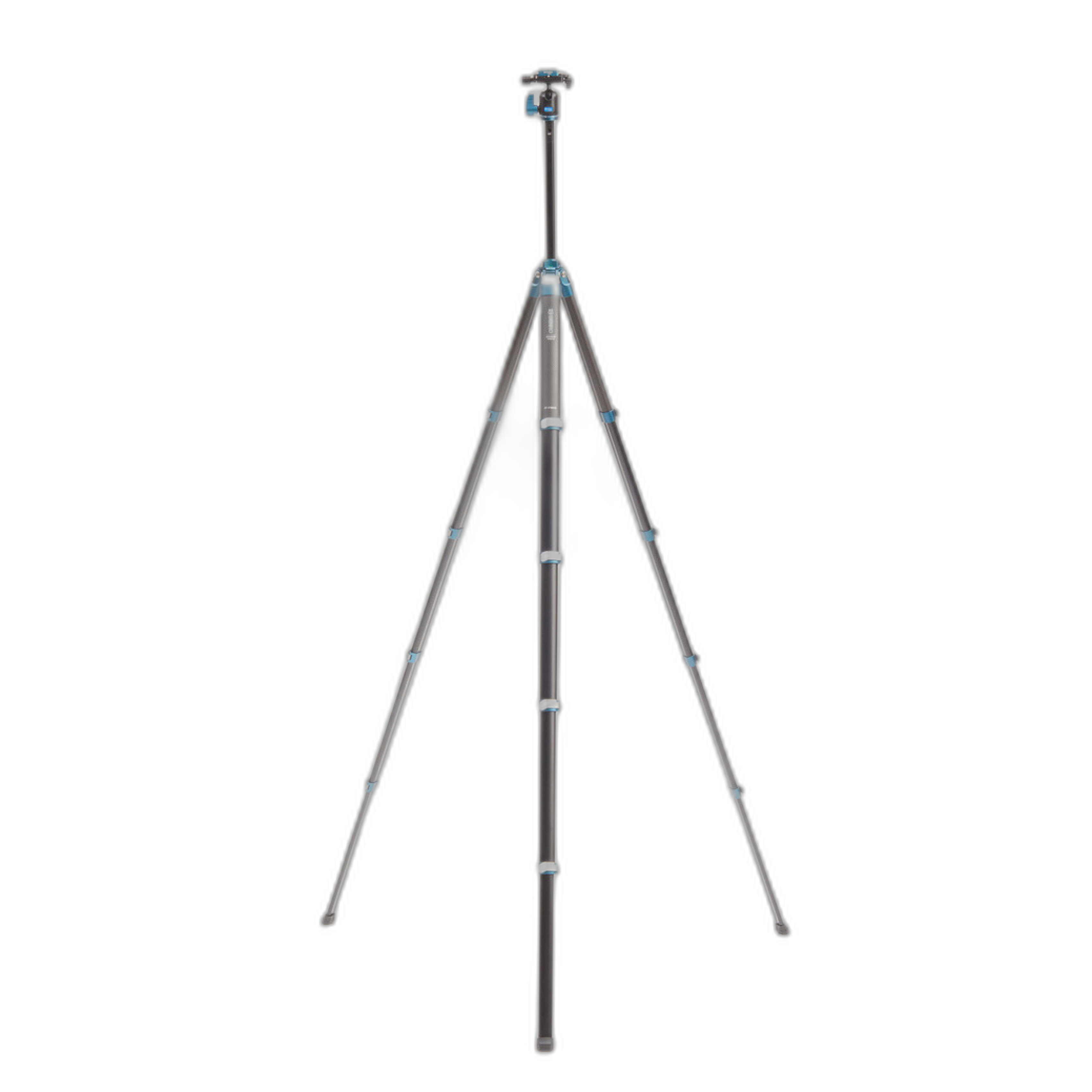
The Benro Cyanbird Carbon Fiber Tripod with FS20PROC 2-in-1 Pan Head is a strong choice for photographers who want lighter weight for travel and location work without giving up stability.
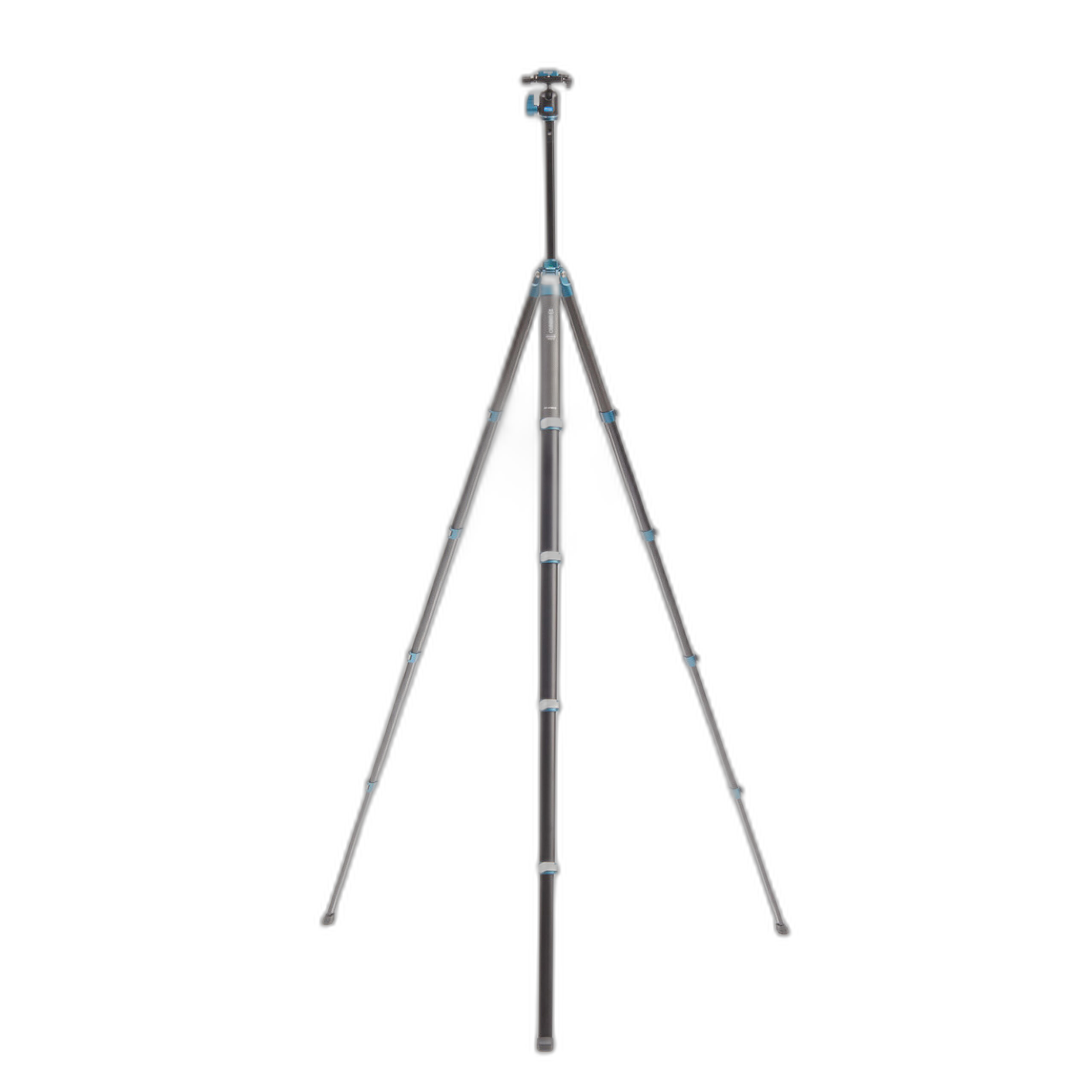
If you want a more budget-friendly option, the Benro Cyanbird Aluminum Tripod with FS20PROC 2-in-1 Pan Head offers similar versatility in an aluminum build.
For travel-focused shooters, the Benro Bat Zero Series Aluminum Travel Tripod with VX20 Ball Head is designed for portability, making it useful for photographers who need support without carrying a full-size system.
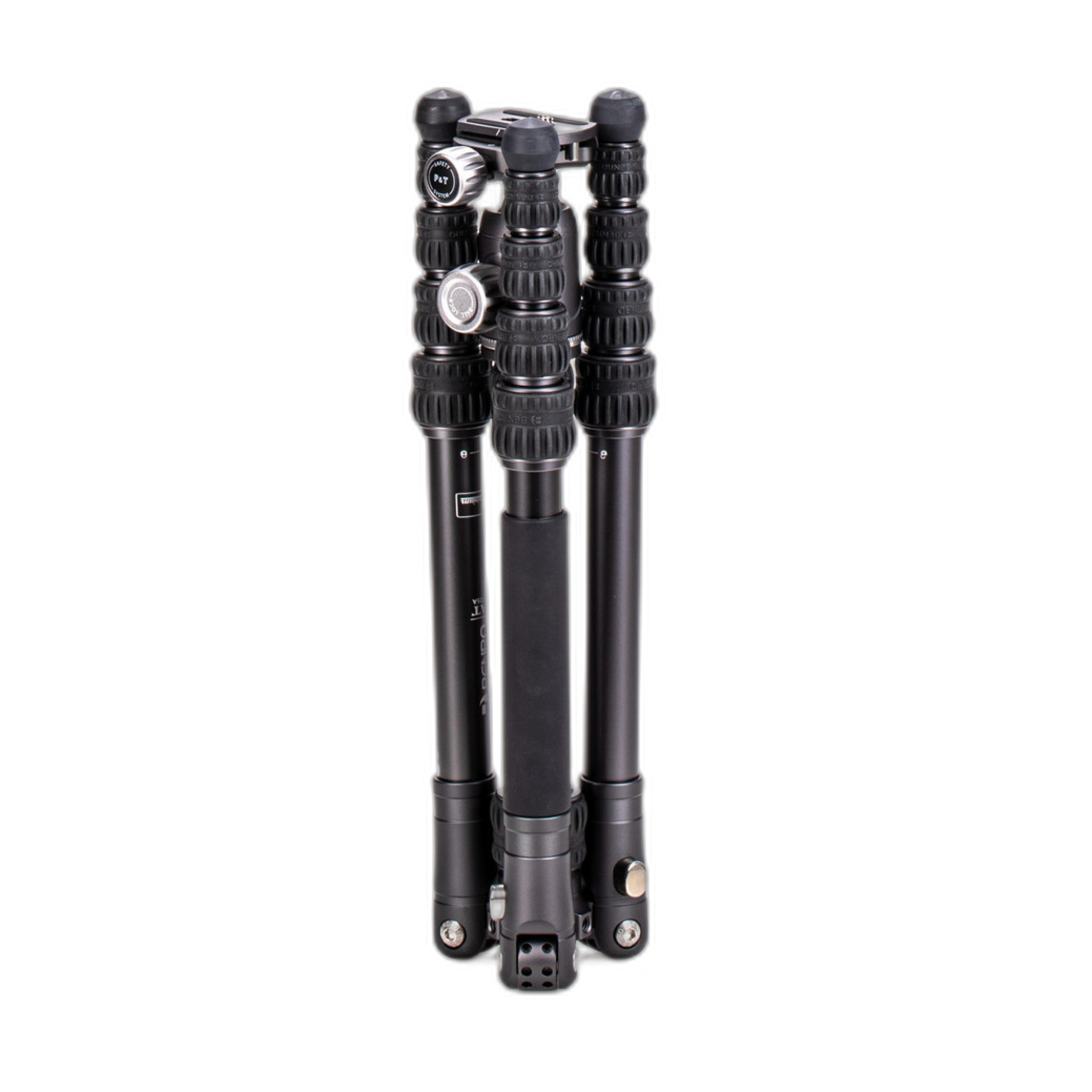
The Benro FGP28A Go Plus 4-Section Aluminum Travel Tripod is another excellent option for photographers looking for flexible positioning and dependable support for night scenes and indoor work.
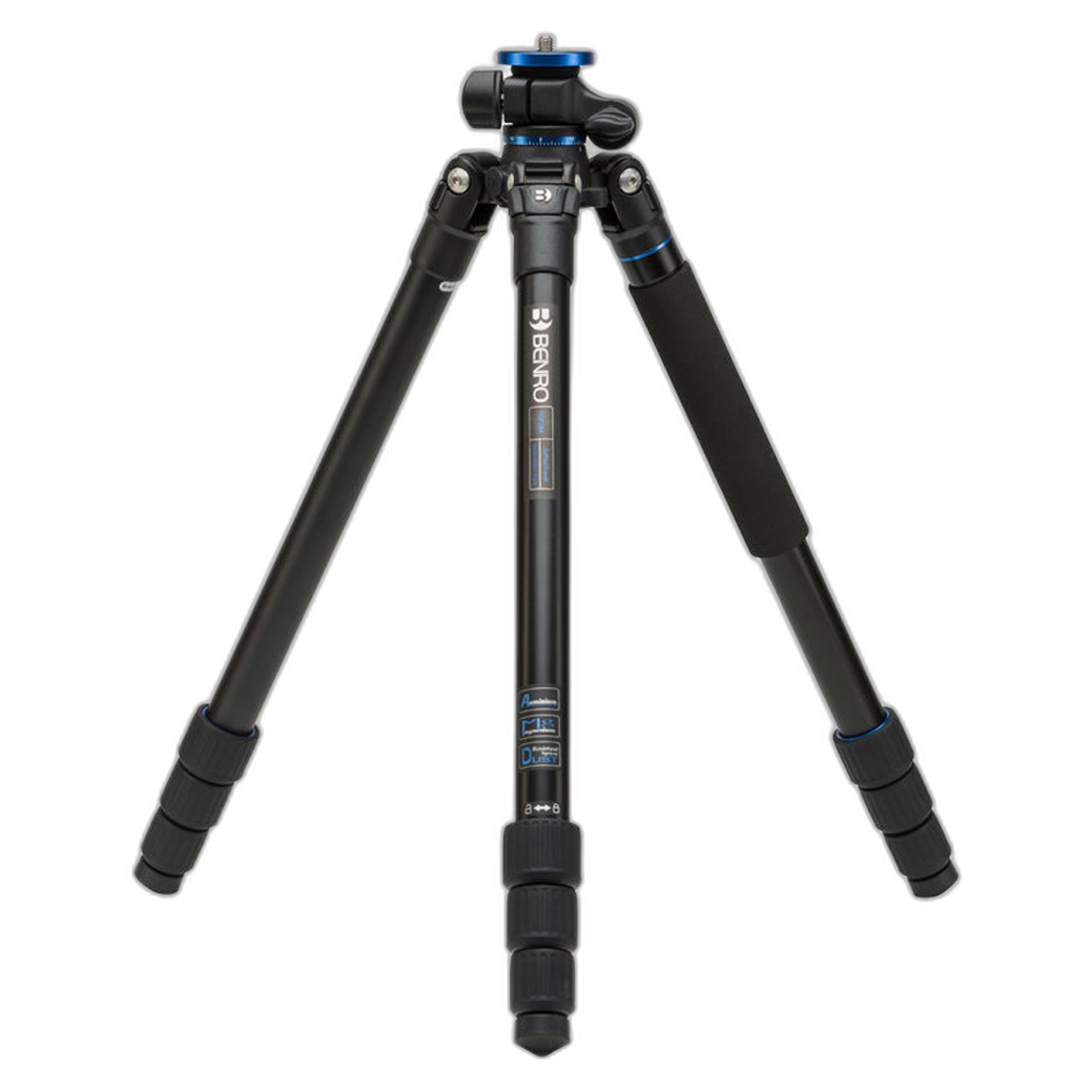
If you prefer carbon fiber, the Benro Blackbird CF 1 Series, 5 Section Tripod with N00P Head offers a lightweight solution that works well for photographers balancing mobility and stability.
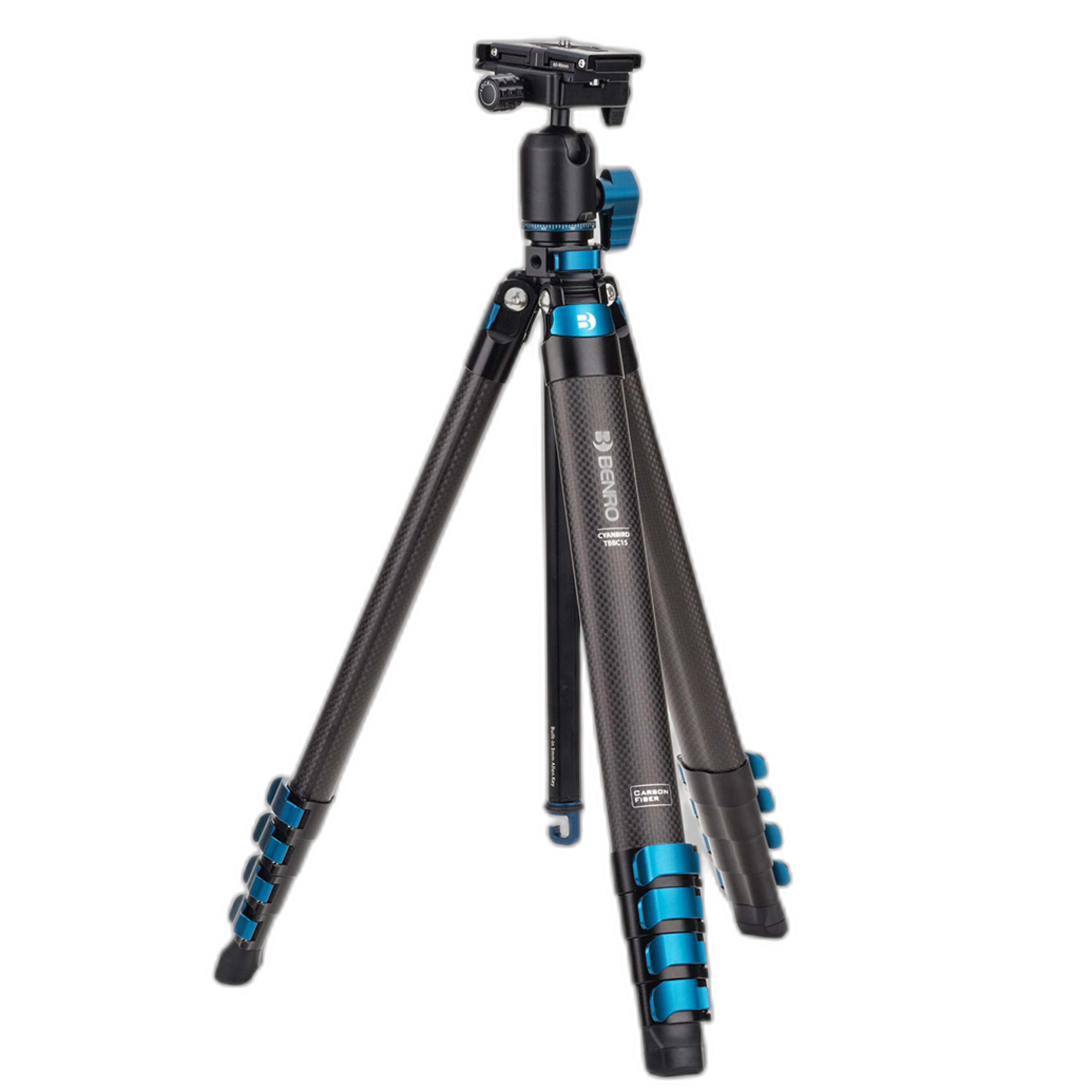
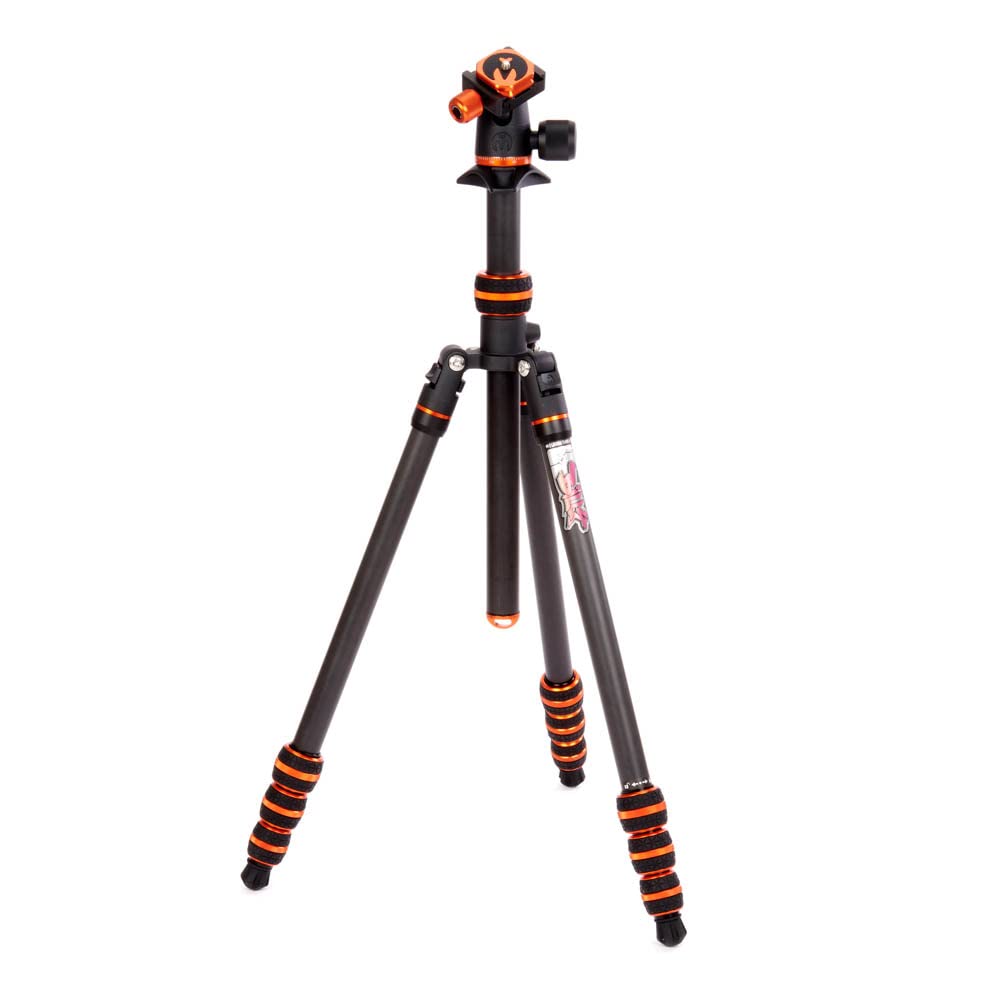
Another premium travel-ready option available at Unique Photo is the 3 Legged Thing Punks Billy 2.0 Carbon Fiber Tripod with AirHed Neo 2.0 Ball, a strong fit for photographers who want robust support in a compact system.
Tips for sharp photos in low light
If your main goal is simply getting sharper images at night or indoors, these tips help immediately:
- Focus on high-contrast edges. Autofocus systems perform better when they can detect clear contrast.
- Use single-point AF. Letting the camera choose focus points in low light can be less reliable.
- Switch to manual focus when needed. For static subjects, magnified live view is often more accurate.
- Do not underexpose too much. Lifting shadows heavily later often increases visible noise.
- Mind subject movement. Even if your camera is stable, your subject may blur at slower shutter speeds.
- Check sharpness often. Zoom into playback to verify focus and motion blur before moving on.
Low-light photography tips for portraits, street, and events
Different subjects call for different low-light strategies:
Low-light portraits: Look for window light, storefront glow, signs, or practical indoor lighting. Use a wide aperture for subject separation and keep shutter speed high enough for subtle movement.
Night street photography: Anticipate moments near pools of light, such as intersections, neon signs, and illuminated displays. Handheld shooting often works best when you embrace higher ISO and faster shutter speeds.
Concerts and events: A fast zoom is especially valuable here. Flexible options like a 35-150mm f/2-2.8 style lens can help you frame wide scenes and tight portraits without constantly changing lenses.
Cityscapes and architecture: This is where a tripod really shines. Slower shutter speeds allow lower ISO, cleaner files, and more detail in shadows and highlights.
When to use a tripod vs handheld in low light
One of the most common questions photographers ask Unique Photo is whether they really need a tripod in low light. The answer depends on the subject:
- Use handheld for moving subjects, candid moments, events, and situations where mobility matters more than absolute image cleanliness.
- Use a tripod for static subjects, landscapes, interiors, architecture, long exposures, and any scene where you want the best possible image quality.
In other words, if the subject is moving, shutter speed is your main concern. If the subject is still, stability is your biggest advantage.
Editing low-light photos for better results
Post-processing is part of the low-light workflow. Once you have captured the best file possible, editing can help refine it:
- Apply moderate noise reduction rather than over-smoothing detail.
- Lift shadows carefully to avoid muddy or noisy results.
- Correct white balance, especially under mixed lighting.
- Add contrast selectively to restore depth.
- Sharpen with restraint after noise reduction.
A clean exposure and stable capture in-camera will always make editing easier, which is another reason support gear from Unique Photo can be such a worthwhile investment.
Final thoughts on improving your low-light photography
The best low-light photography tips are simple: use the widest practical aperture, keep shutter speed appropriate for the subject, raise ISO when necessary, and add support whenever you can. If you are shooting handheld, technique and stabilization matter. If you are working with static subjects, a tripod can transform your results.
Unique Photo offers a wide range of tools for photographers working after dark, from compact solutions like the Sony GP-VPT1 Shooting Grip with Mini Tripod to more advanced support systems such as the Benro Cyanbird series, Benro Blackbird, Benro Go Plus, Benro Bat Zero, and the 3 Legged Thing Punks Billy 2.0. Pairing dependable support with a bright lens can make low-light shooting much more enjoyable and much more successful.
For readers exploring their next upgrade, consider browsing more at Unique Photo through internal category links such as Tripods & Support, Lenses, Used Equipment, and Sony Accessories. Those pages are a great next step if you are building a stronger low-light kit.