DSLR vs Smartphone Gimbals for Event Videography: FAQ Guide
Choosing between a dedicated camera gimbal and a smartphone stabilizer is one of the biggest workflow decisions event filmmakers face today. Modern phones and mobile gimbals are more capable than ever, but weddings, corporate events, and long-form coverage still demand careful attention to image quality, reliability, battery life, and handling.
At Unique Photo, we help creators match their gear to the way they actually shoot. If you are deciding between a DSLR or mirrorless setup on a full-size gimbal and a lighter smartphone-based rig, this FAQ breaks down where each option shines and where it falls short.
How do dedicated DSLR or mirrorless gimbals compare to smartphone gimbals for smooth footage?
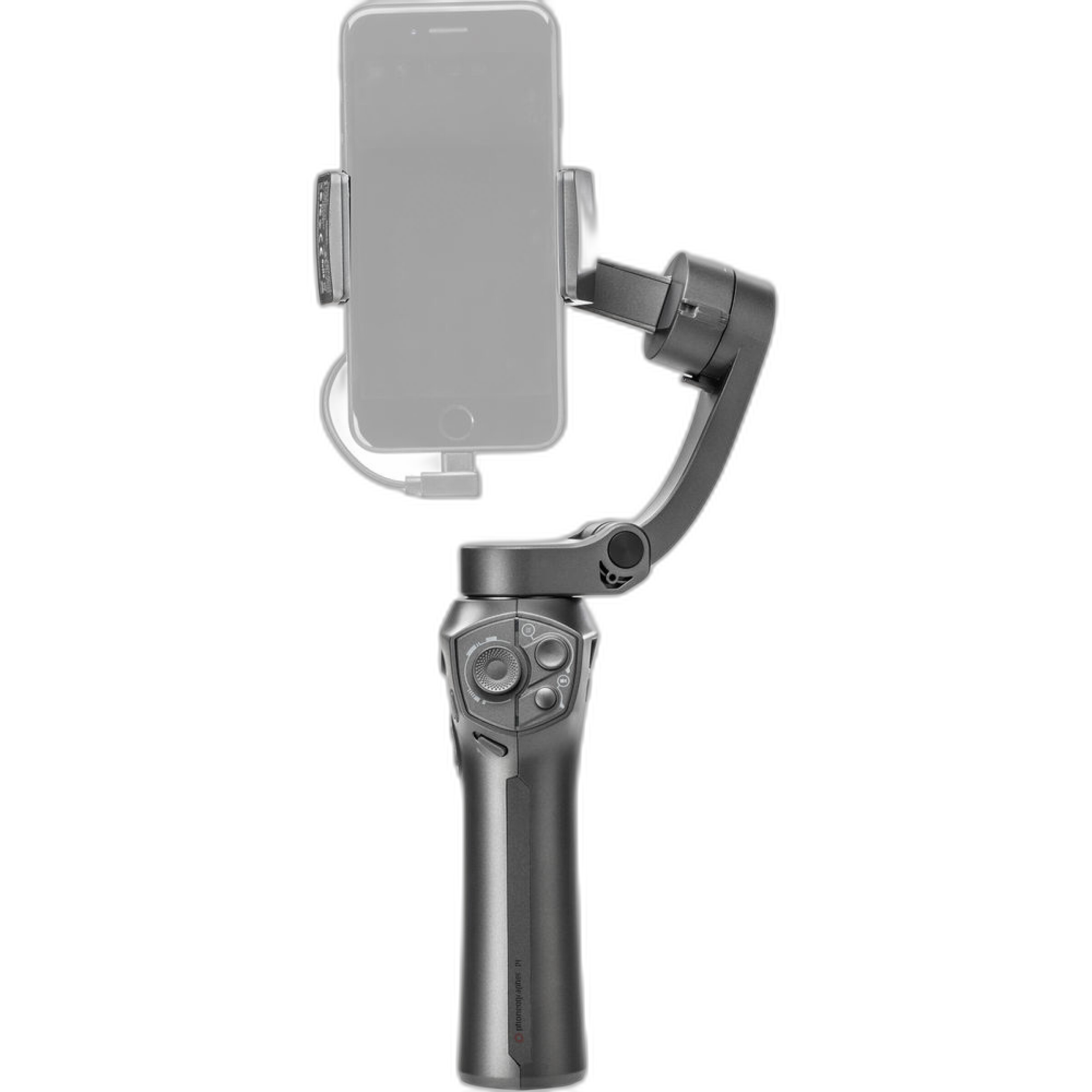
Both categories can deliver impressively smooth footage, but they are designed for different production levels. A smartphone gimbal is ideal when portability, speed, and low fatigue matter most. For quick clips, social-first edits, venue walkthroughs, and behind-the-scenes coverage, a compact option like the Benro 3 Axis Handheld Gimbal for Smartphone is easy to carry and fast to deploy. It is especially useful for creators who need stabilized motion without carrying a larger camera bag.
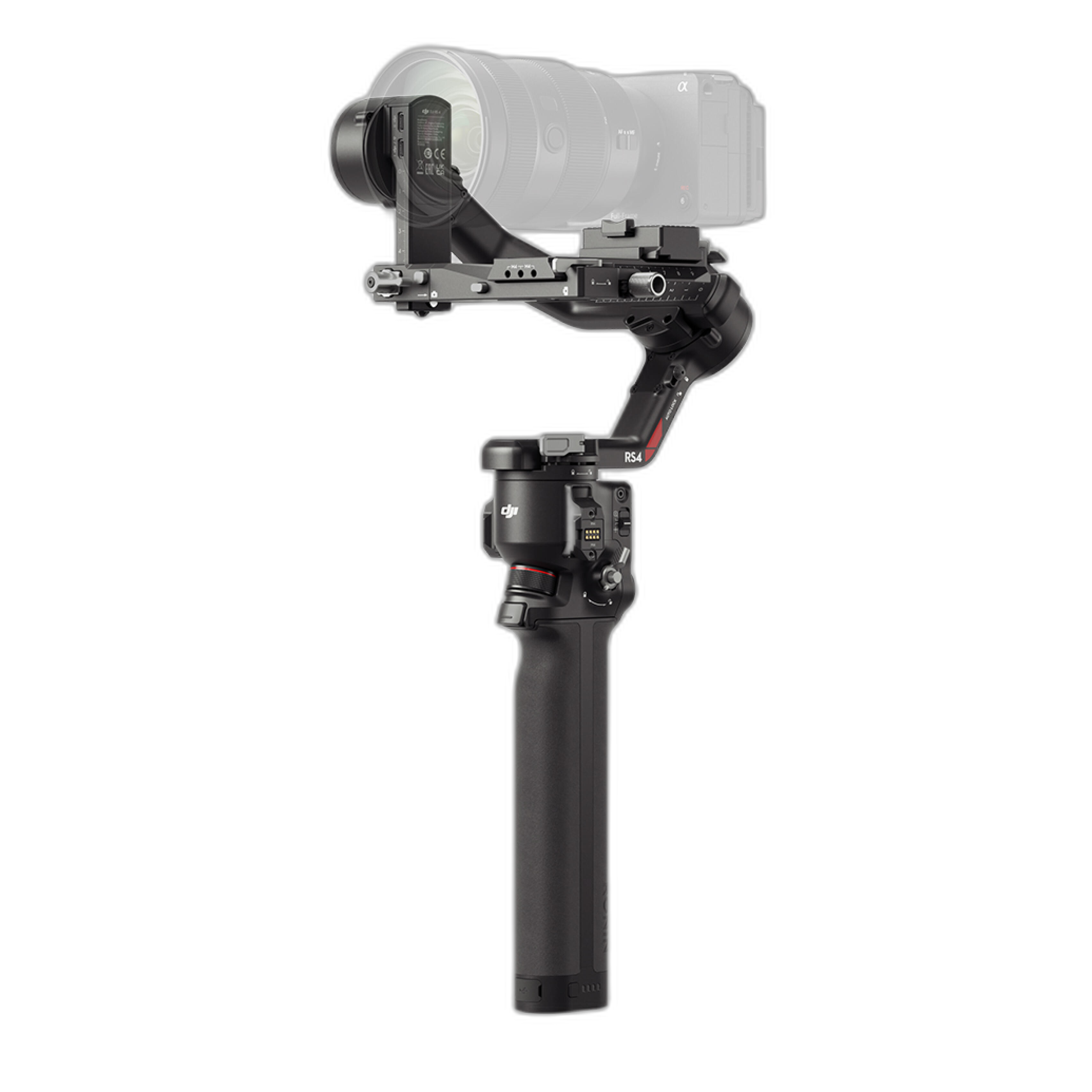
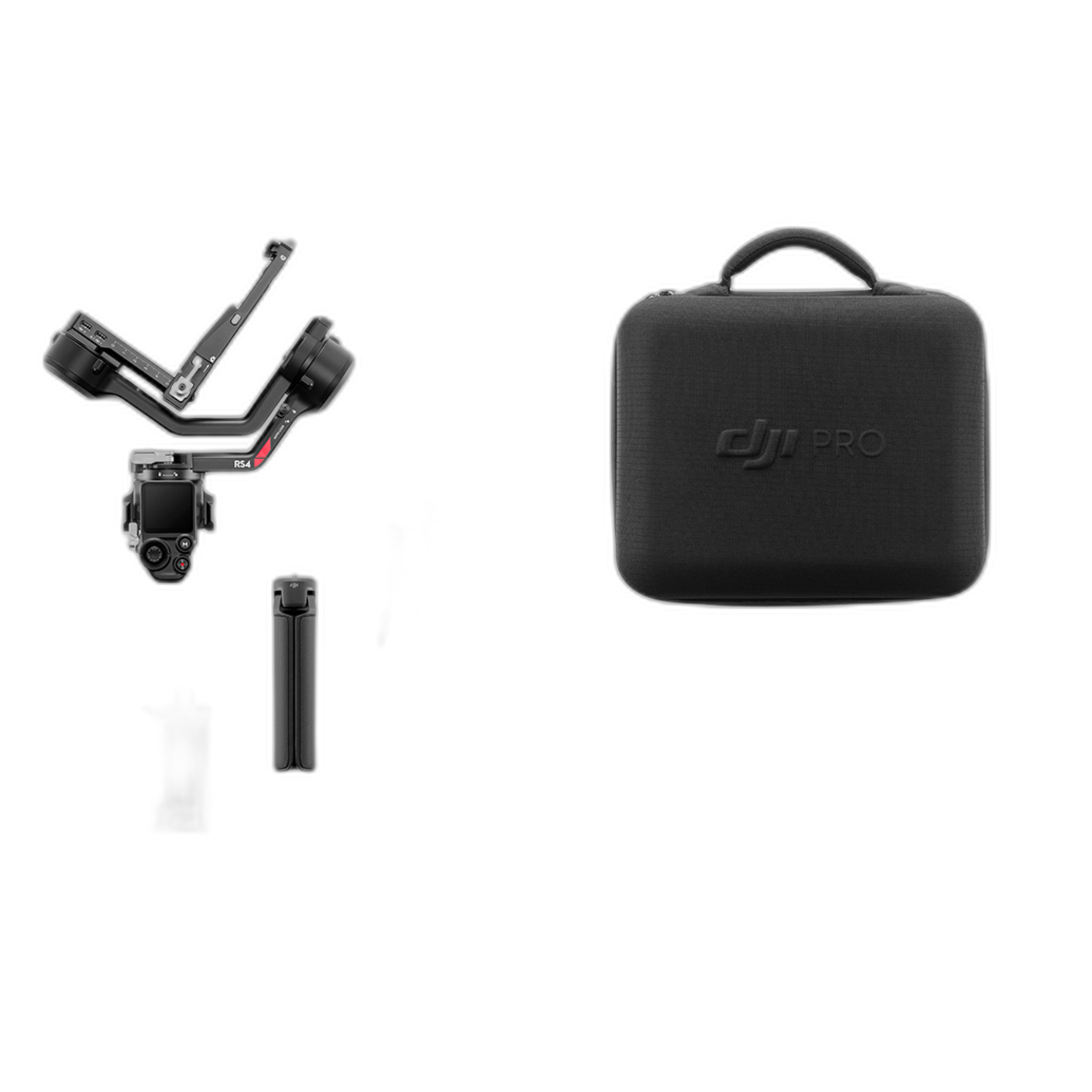
Dedicated camera gimbals still hold the advantage when you need to stabilize heavier camera-and-lens combinations with more precise control. Tools like the DJI RS 4 Gimbal Stabilizer and DJI RS 4 Combo are built for mirrorless and DSLR event rigs, giving videographers more headroom for balancing, panning, and supporting accessories such as focus motors and handles. That matters when you are working through a full wedding day and need repeatable performance shot after shot.
Can a phone setup compete with a DSLR or mirrorless camera and gimbal combo for wedding videography?
A phone setup can absolutely contribute to wedding coverage, but it usually works best as a supplement rather than a complete replacement for a dedicated camera system. Smartphones are excellent for discreet moments, quick vertical clips, social media teasers, and moving through crowded spaces. Pairing a capable phone with a mobile gimbal can produce polished footage in good light and simplify same-day content creation.
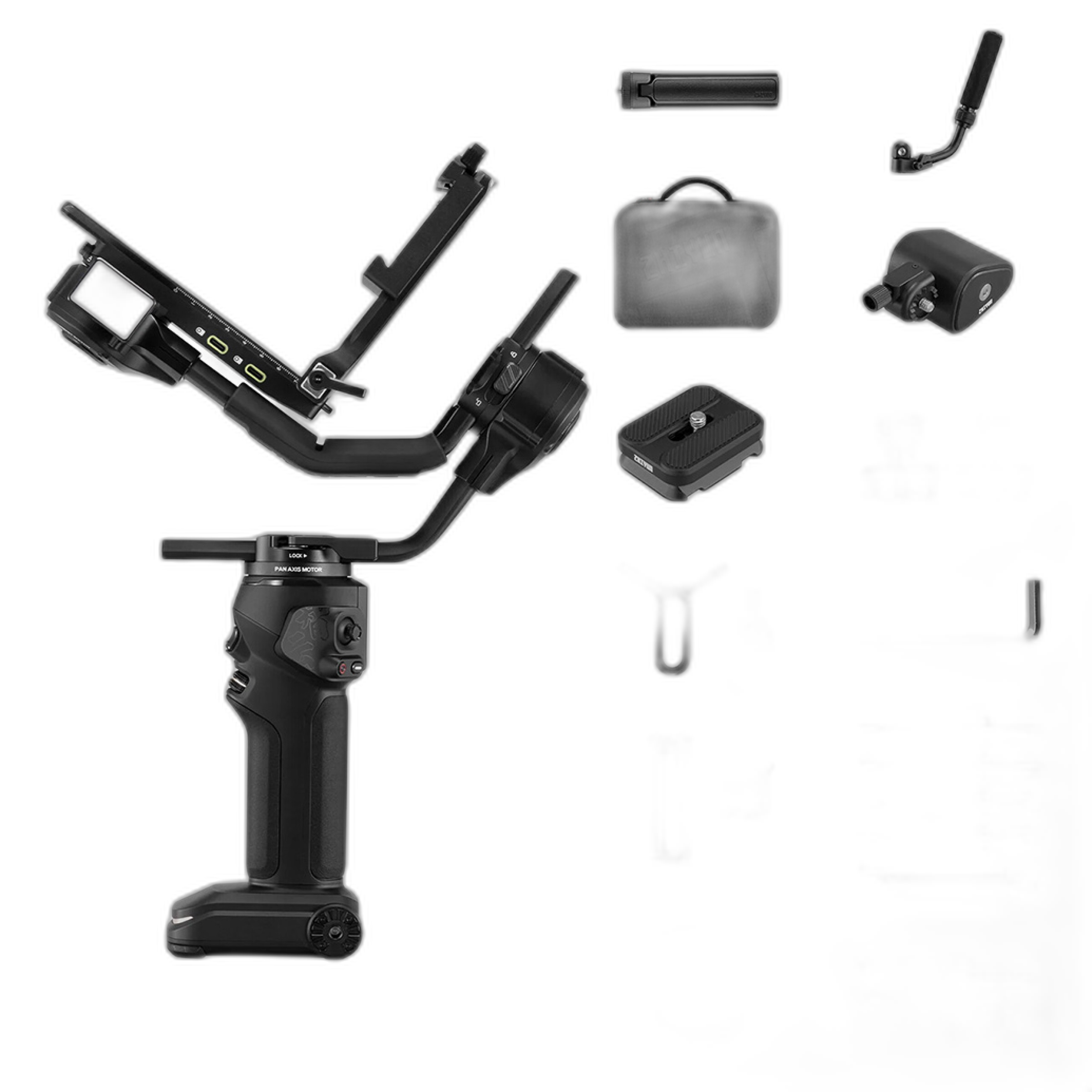
That said, a DSLR or mirrorless camera on a proper gimbal still offers major advantages for professional wedding delivery. Larger sensors generally provide better low-light performance for receptions, more dynamic range for bright dresses and dark suits in the same frame, and stronger lens options for creating separation and cinematic depth. If your final product includes full ceremony coverage, polished highlight films, or demanding mixed-light scenes, a dedicated stabilizer like the Zhiyun CRANE 4 Combo Kit or DJI RS 4 Combo is the more dependable foundation.
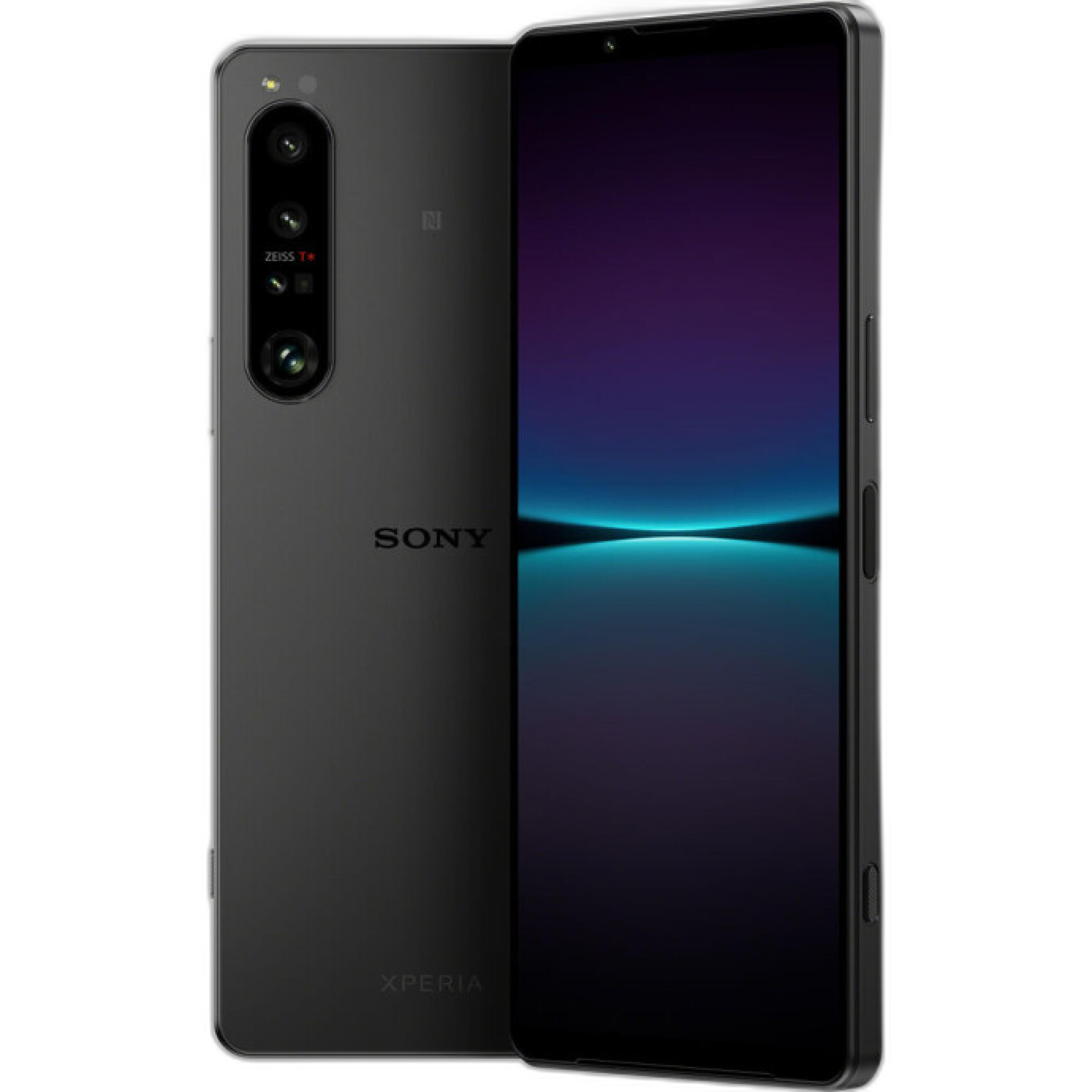
For creators who want a capable mobile option, even a used device such as the Sony XPERIA 1 IV can be part of a lightweight event kit, especially when the goal is agile content capture rather than replacing the primary wedding camera.
What are the biggest advantages of using a smartphone gimbal at events?
The main benefit is mobility. Smartphone gimbals are lighter, faster to set up, and less intimidating in guest-facing environments. That can be valuable during bridal prep, cocktail hour, trade show floors, and fast-moving event coverage where blending in matters. You can move from shooting to editing to sharing with very little friction, which is why many hybrid creators and social media teams keep a mobile gimbal in the bag even when they own a full camera rig.
Another key advantage is reduced fatigue. All-day shooting is physically demanding, and a compact stabilizer can make a noticeable difference by the end of a 10-hour event. If your deliverables include reels, stories, or quick client updates, a smartphone setup is often the most efficient solution.
What are the biggest reasons event videographers still choose dedicated camera gimbals?
Control, payload, and image quality are the big three. A full-size gimbal supports interchangeable-lens cameras that perform better in difficult lighting and allow more creative framing options. Event shooters often switch between wide establishing shots, medium tracking shots, and tighter portraits, and a dedicated camera system makes that much easier.
Modern camera gimbals also offer more robust ergonomics for longer sessions. The DJI RS 4 Mini Combo is a strong option for creators who want a lighter entry into the dedicated-gimbal category without jumping to a larger rig. It is well suited for smaller mirrorless builds and can be a smart compromise between portability and professional camera support.
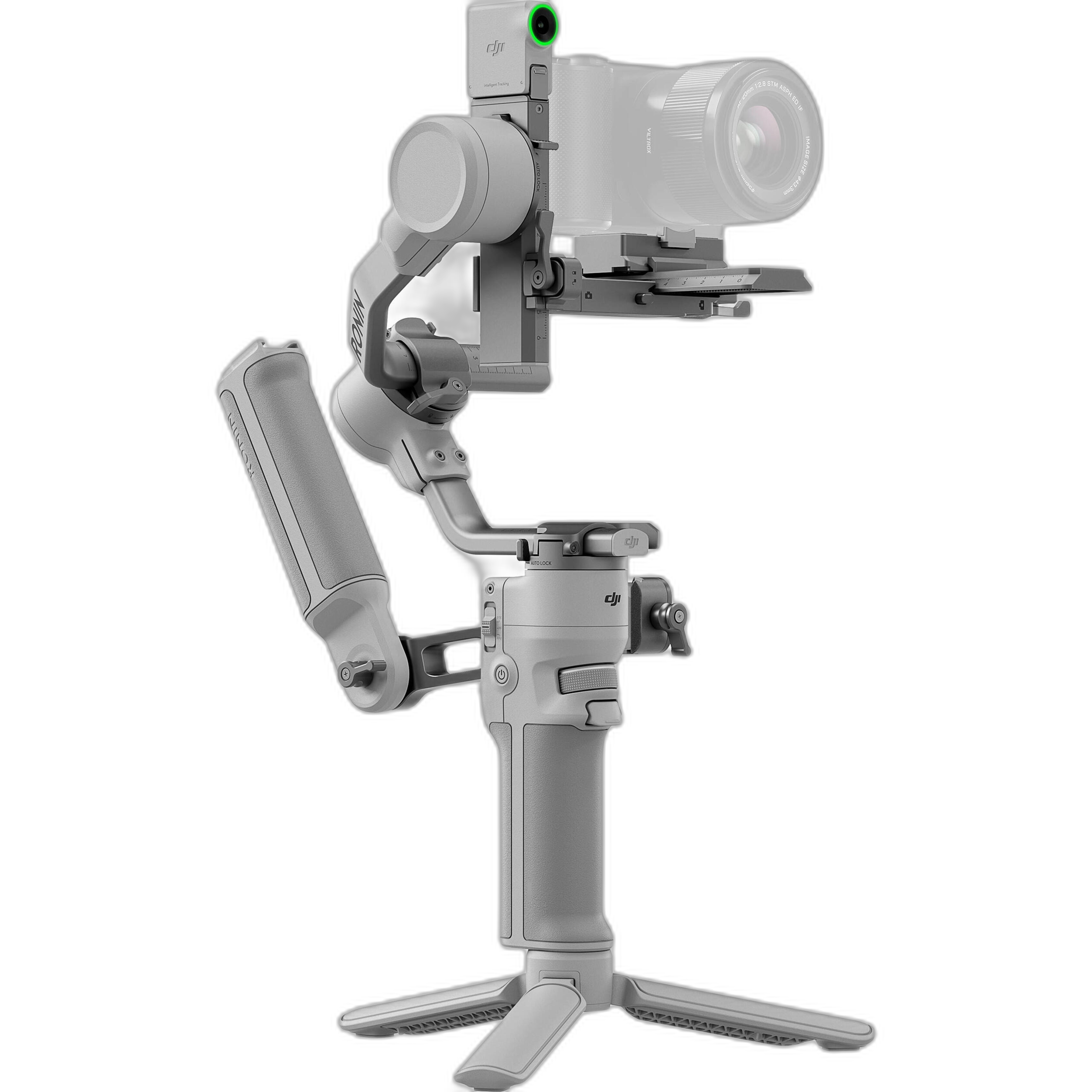
If you need more support for accessorized camera setups, the DJI RS 4 and Zhiyun CRANE 4 are stronger choices for heavier event configurations and more demanding shooting days.
What lightweight gimbal is best for all-day event coverage?
The best lightweight gimbal depends on what camera you are carrying. For smartphone shooters, the Benro 3 Axis Handheld Gimbal for Smartphone is the natural pick when compact size and ease of use are the priorities. It makes sense for creators producing short-form event content, venue tours, and casual motion clips with minimal setup.
For mirrorless users who still want a dedicated camera platform, the DJI RS 4 Mini Combo deserves serious consideration. It is designed for a more portable workflow while still supporting stabilized camera movement that feels more professional than a phone-only setup. If you want a lightweight but more versatile camera gimbal, the Zhiyun CRANE M3S Handheld Gimbal Stabilizer Combo is also a strong fit for compact camera builds and run-and-gun event work.
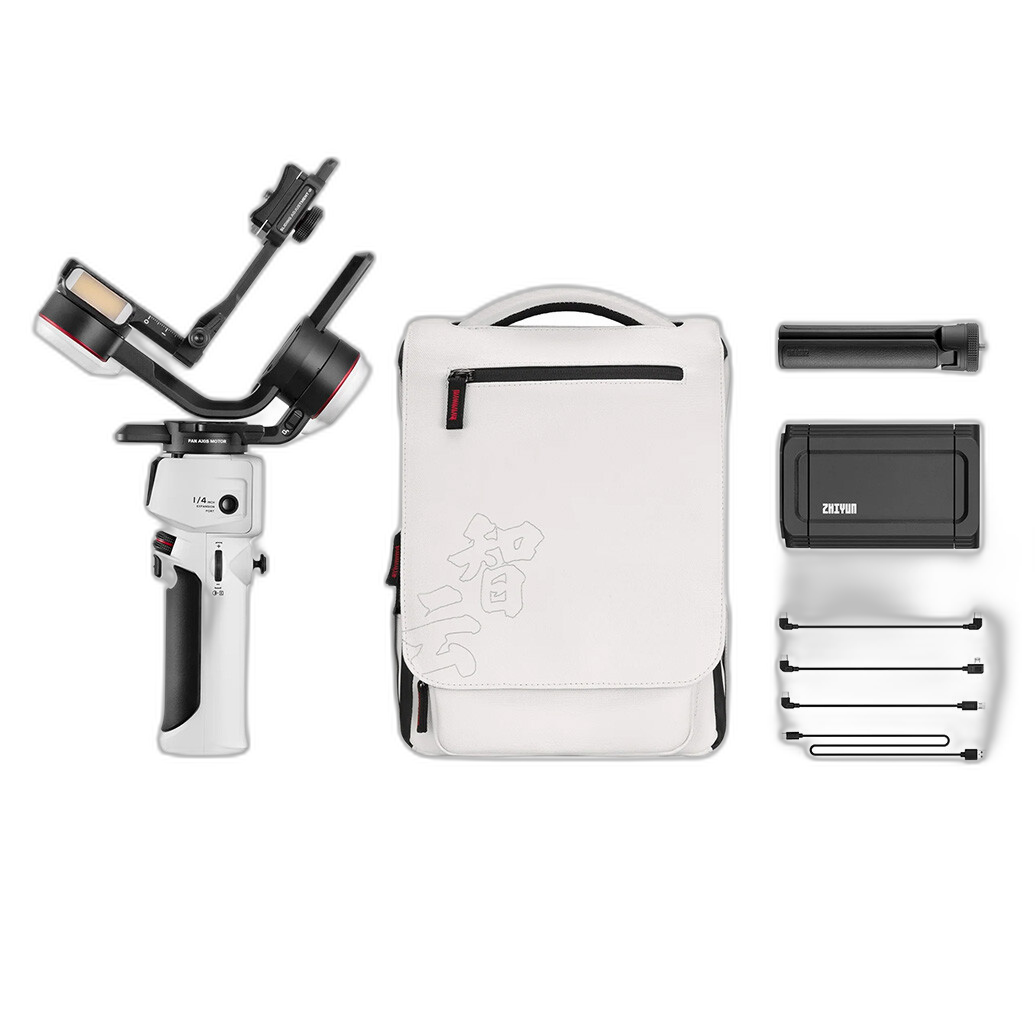
For operators balancing endurance and performance, these smaller dedicated gimbals often hit the sweet spot for all-day coverage.
Are app-driven gimbals reliable enough for paid event work?
App-based features can be helpful, but for paid jobs, reliability should always come before convenience. Many newer gimbals rely on companion apps for setup, calibration, firmware updates, and advanced shooting modes. Those features can add value, but they also introduce another variable into your workflow. Phones can overheat, app permissions can change, firmware can behave differently after updates, and wireless connections are not always ideal in a fast-paced event environment.
Our recommendation is simple: treat app functionality as a bonus, not a requirement. Before any paid event, fully update and test your gimbal, rebalance your setup, and confirm core stabilization works independently. Dedicated systems like the DJI RS 4 and CRANE 4 are especially appealing because they are designed around professional shooting workflows where dependable hardware performance is the priority. Mobile gimbals can also be reliable, but they benefit from more pre-event testing if you plan to depend on app-based automation.
How important are battery life and power management during weddings and events?
Battery life is critical. Event days rarely unfold on a perfect schedule, and a gimbal that cannot last through extended coverage adds stress you do not need. Smartphone setups draw power from both the phone and the gimbal, so you need to think about the entire system rather than the stabilizer alone. If the phone is handling recording, brightness, wireless connections, and app control, power can drop quickly.
Dedicated camera gimbals often make power planning easier because your camera and gimbal batteries are managed separately. That helps with long ceremonies, multi-location shoots, and receptions that stretch late into the evening. For high-volume event work, many videographers prefer the predictability of a dedicated camera gimbal setup simply because battery management is easier to build into a professional routine.
Should beginners start with a smartphone gimbal or go straight to a camera gimbal?
If you are new to video and want to practice movement, framing, and timing without a major investment in weight or complexity, a smartphone gimbal is a smart starting point. It helps you learn how to walk smoothly, plan transitions, and think in sequences. It is also a practical choice if your current business includes social media content, venue promotion, or casual event recaps.
If you already own a capable mirrorless or DSLR camera and plan to deliver polished client films, moving straight to a dedicated stabilizer may be the better long-term decision. The DJI RS 4 Mini Combo offers an approachable path for smaller camera setups, while the DJI RS 4 Combo and Zhiyun CRANE 4 Combo Kit make more sense for growing professionals who need room to scale.
Is buying a used gimbal a good idea for event videography?
It can be, especially for videographers building a kit on a budget. A used gimbal may offer substantial savings, but condition, balancing performance, and battery health matter a great deal. Older systems can still be useful for learning or for secondary-camera setups, but they may be heavier and less streamlined than current-generation models. If you are considering a used option like a DJI Ronin 1, make sure it fits your camera weight and your tolerance for older ergonomics.
For many event shooters, a newer model is worth the investment because setup is faster, weight is lower, and operation is generally more refined. Still, shopping used through a trusted retailer is far safer than taking a chance on an unknown listing.
What is the best overall choice for most event videographers today?
For most paid event videographers, a dedicated mirrorless camera paired with a modern lightweight gimbal remains the most versatile choice. It gives you the image quality, lens flexibility, and low-light confidence needed for weddings and live events, while still keeping motion smooth and professional. A model like the DJI RS 4 or DJI RS 4 Mini Combo is a strong starting point depending on your camera size and accessory needs.
At the same time, smartphone gimbals have earned a real place in the event workflow. They are ideal for creators producing quick-turn social content, secondary angles, and lightweight coverage. The smartest setup for many teams is not choosing one or the other exclusively, but combining both: a dedicated camera rig for hero footage and a smartphone gimbal for speed and convenience.
If you are building an event video kit, Unique Photo can help you compare gimbals, choose the right load capacity, and find the best fit for your shooting style. Explore our selection of DJI, Zhiyun, Benro, and used gear to put together a stabilizer setup that works in the real world, not just on paper.