Best Sony Zoom Lens for Travel: What We’re Comparing
Travel shooters using Sony cameras often want one lens that can cover a lot of situations: wide city scenes, portraits, details, and quick documentary-style moments. For this comparison, we’re looking at the available Sony E-mount zoom options in this set and evaluating which one makes the most sense for travel use. While several of the Sigma options here are cinema zooms designed for controlled production work, the Sony 18-110mm f/4 G OSS APS-C / Super35 Power Zoom stands out as the most travel-relevant all-in-one range. We’ll also look at the Sony FE 50-150mm F2 GM, which is optically impressive but much more specialized for travel.
The big question is simple: if you want the best Sony zoom lens for travel, do you prioritize range and flexibility, or speed and subject isolation?
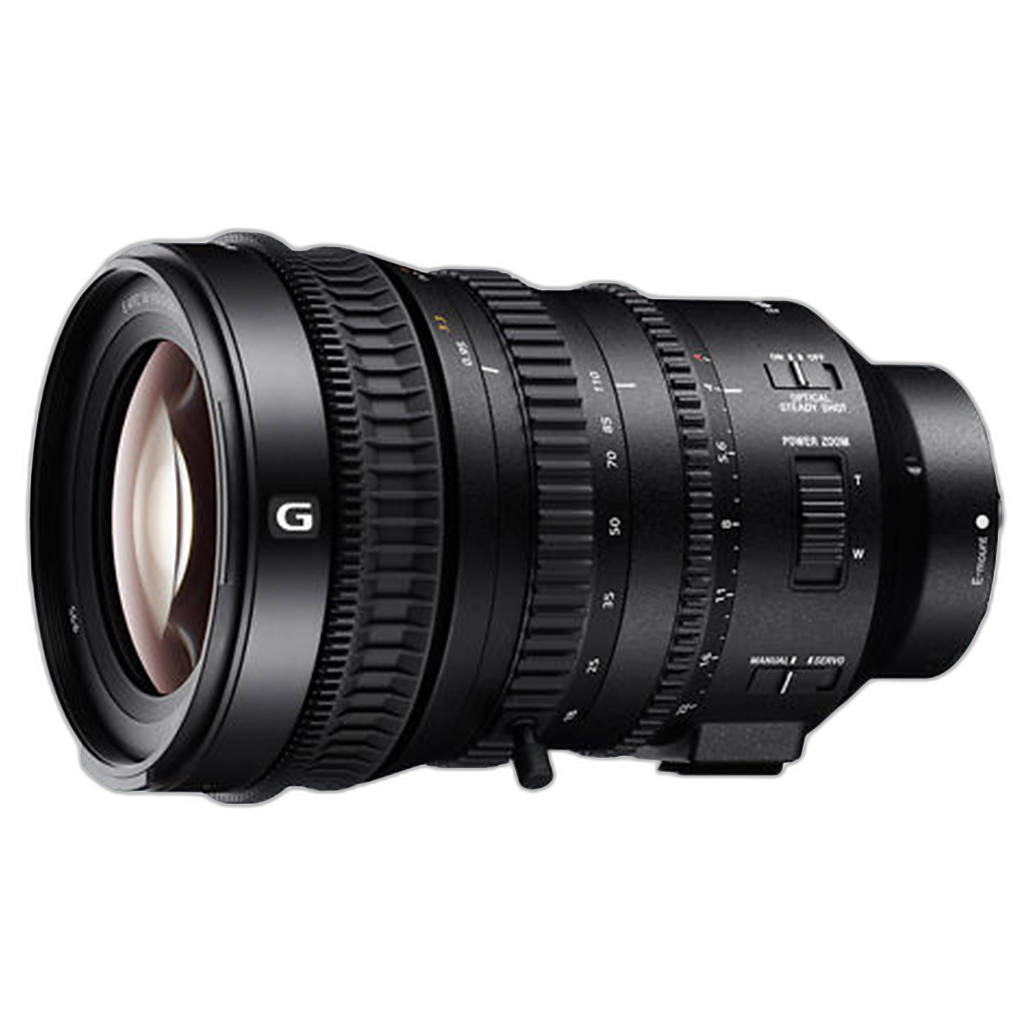
Side-by-Side Specs Comparison
| Lens | Mount | Focal Range | Max Aperture | Format Coverage | Stabilization | Power Zoom | Travel Use Case |
|---|---|---|---|---|---|---|---|
| Sony 18-110mm f/4 G OSS APS-C / Super35 E-Mount Power Zoom Lens | Sony E | 18-110mm | f/4 | APS-C / Super35 | OSS | Yes | Best all-in-one travel zoom for APS-C/Super35 users |
| Sony FE 50-150mm F2 GM Lens | Sony E | 50-150mm | f/2 | Full Frame | Not specified here | No | Best for portraits, events, compressed travel details |
| Sigma 24-35mm T2.2 FF Zoom Lens (Sony E) | Sony E | 24-35mm | T2.2 | Full Frame | Not specified here | No | Cinema-focused, limited travel range |
| Sigma 24-35mm T2.2 Fully Luminous FF Zoom Lens (Sony E) | Sony E | 24-35mm | T2.2 | Full Frame | Not specified here | No | Cinema-focused, low-light oriented |
| Sigma 24-35mm T2.2 FF Zoom Lens (Sony E, Metric) | Sony E | 24-35mm | T2.2 | Full Frame | Not specified here | No | Cinema-focused, limited range |
| Sigma 18-35mm T2 Fully Luminous High-Speed Zoom Lens (Sony E) | Sony E | 18-35mm | T2 | Likely Super35/APS-C cine use | Not specified here | No | Excellent speed, not an all-in-one travel zoom |
| Sigma 18-35mm T2 Fully Luminous High-Speed Zoom Lens (Sony E, Metric) | Sony E | 18-35mm | T2 | Likely Super35/APS-C cine use | Not specified here | No | Excellent speed, not an all-in-one travel zoom |
| Sigma 18-35mm T2 High-Speed Zoom Lens (Sony E) | Sony E | 18-35mm | T2 | Likely Super35/APS-C cine use | Not specified here | No | Fast cine zoom, limited versatility for travel |
Travel Lens Priorities: What Actually Matters
For travel, the most useful zoom is usually the one that reduces lens changes and handles the widest variety of scenes. That means focal range matters a lot. A lens starting around 18mm gives you room for architecture, streets, landscapes, and indoor scenes. Extending toward 100mm or beyond is even better because it also covers portraits, food, signage, and distant subjects without needing a second lens.
That immediately puts the Sony 18-110mm f/4 G OSS in a different category from the Sigma cine zooms. The Sigma 18-35mm and 24-35mm lenses are much more specialized. They’re fast, but their zoom ranges are narrow, which means they behave more like a cluster of primes than a true travel zoom.
Winner for versatility: Sony 18-110mm f/4 G OSS
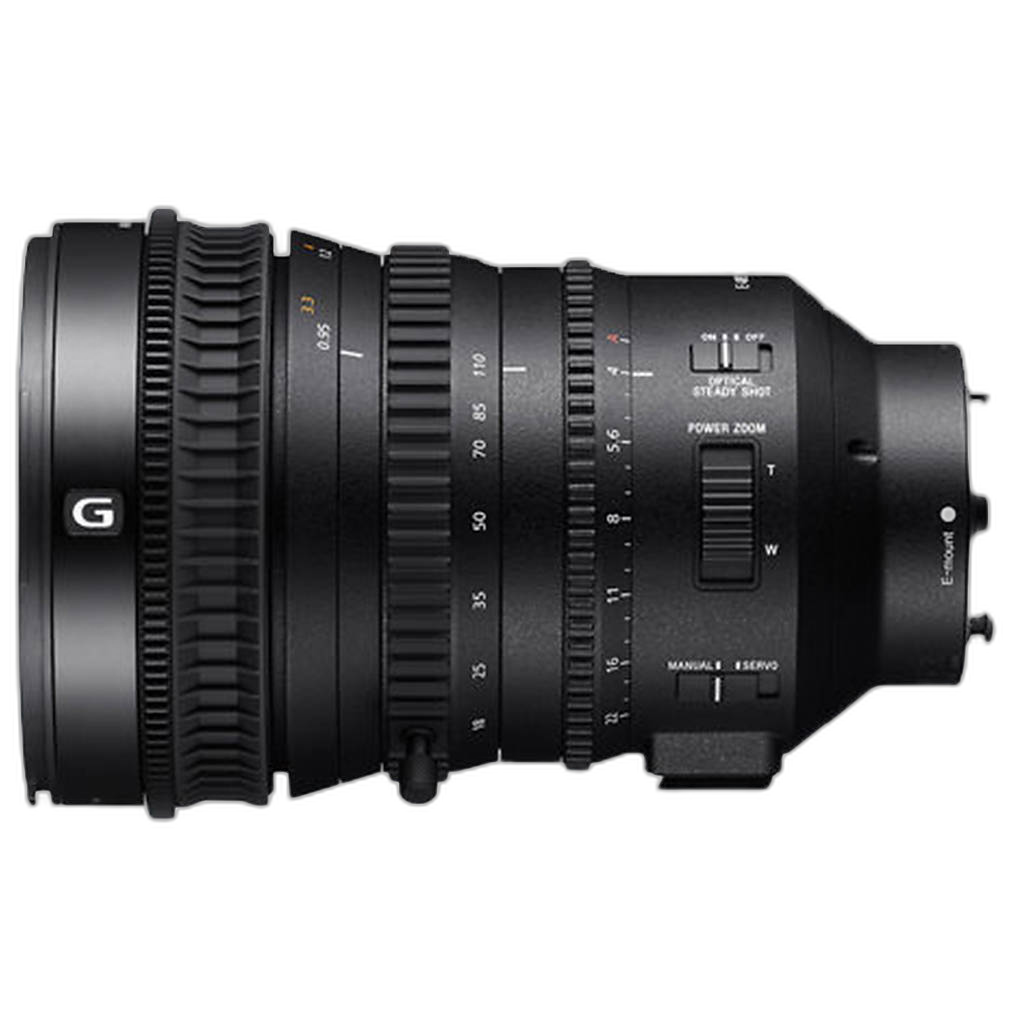
Range and Framing Flexibility
The Sony 18-110mm covers a dramatically broader shooting envelope than anything else in this comparison. For travel, that’s a major advantage. You can shoot a wide establishing frame in the morning, grab a candid portrait in the afternoon, and zoom into architectural details at night without swapping lenses.
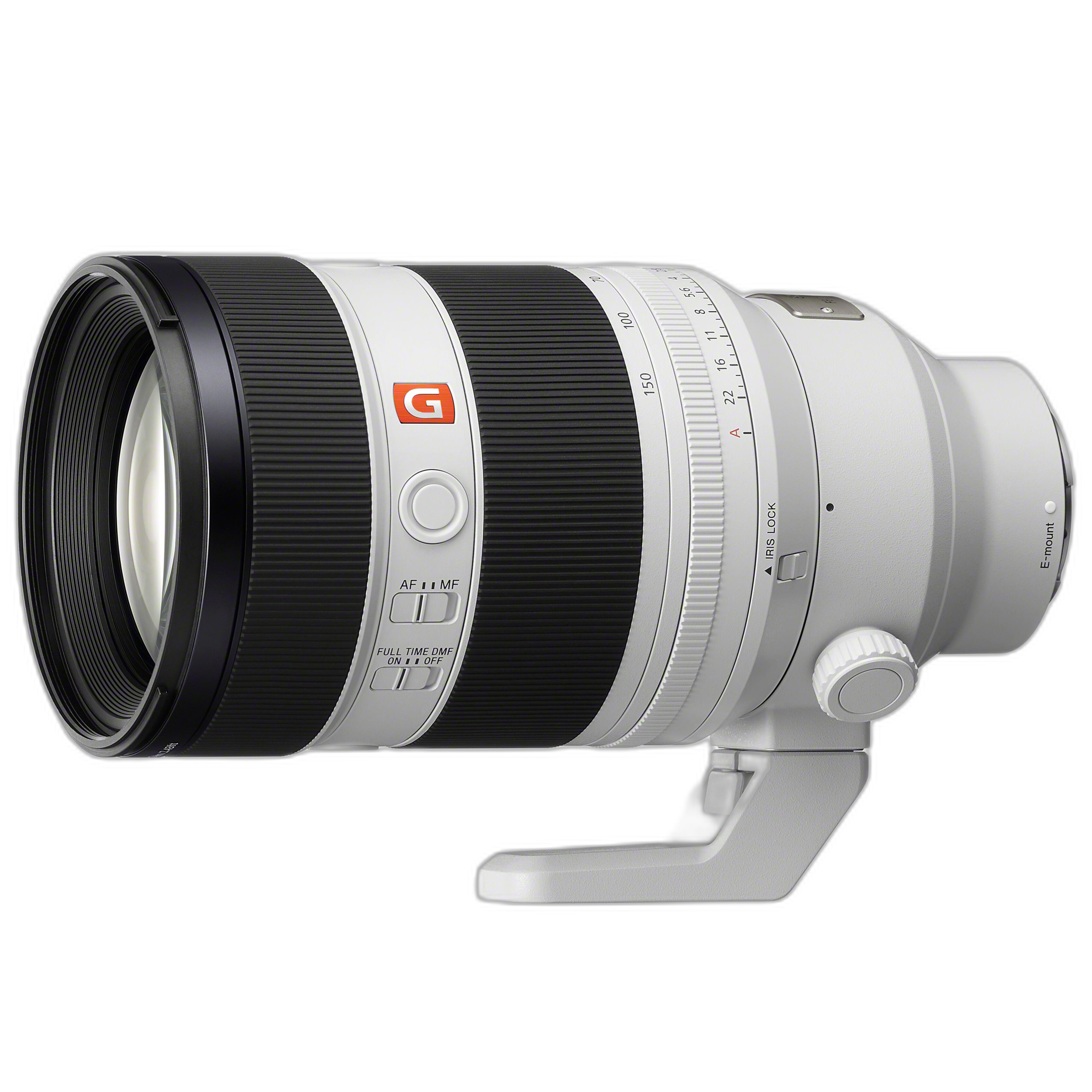
By contrast, the Sony FE 50-150mm F2 GM starts at 50mm, which makes it much less practical as a single-lens travel option. It’s strong for portraits, performances, events, and compressed city details, but it cannot replace a wide-angle lens on a trip.
The Sigma cine zooms are even more restrictive for travel-first use. The 18-35mm options are strong for environmental storytelling and low-light work, while the 24-35mm versions are tighter still. Neither is ideal if you want one zoom to do almost everything.
Best focal range for travel: Sony 18-110mm f/4 G OSS
Low-Light Performance and Subject Separation
This is where the conversation shifts. If your idea of travel photography leans toward cinematic shallow depth of field, low-light interiors, and selective-focus portraits, the faster lenses become more compelling.
The Sony FE 50-150mm F2 GM has the brightest stated photographic aperture in this group and should appeal to shooters who want premium image quality and strong background blur. But again, its range favors portrait and telephoto work rather than general travel coverage.
The Sigma cinema lenses, with T2 and T2.2 apertures, are also attractive for low-light production and controlled storytelling. However, their cine-oriented design and limited focal coverage make them harder to recommend as primary travel lenses unless your trip is specifically production-driven.
Best for speed: Sony FE 50-150mm F2 GM
Video-Friendly Features for Travel Creators
Travel today often means hybrid shooting. If you’re filming as much as you’re photographing, the Sony 18-110mm gains another edge thanks to its built-in power zoom design and OSS stabilization. Those are practical benefits for run-and-gun work, walk-throughs, documentary coverage, and handheld clips while moving through a destination.
That makes it particularly attractive for Sony APS-C and Super35 users who want smoother video capture without carrying a large multi-lens kit.
The Sigma lenses are more cinema-specific and can absolutely produce beautiful footage, but they’re less about convenience and more about production workflow. For most travel creators, convenience wins.
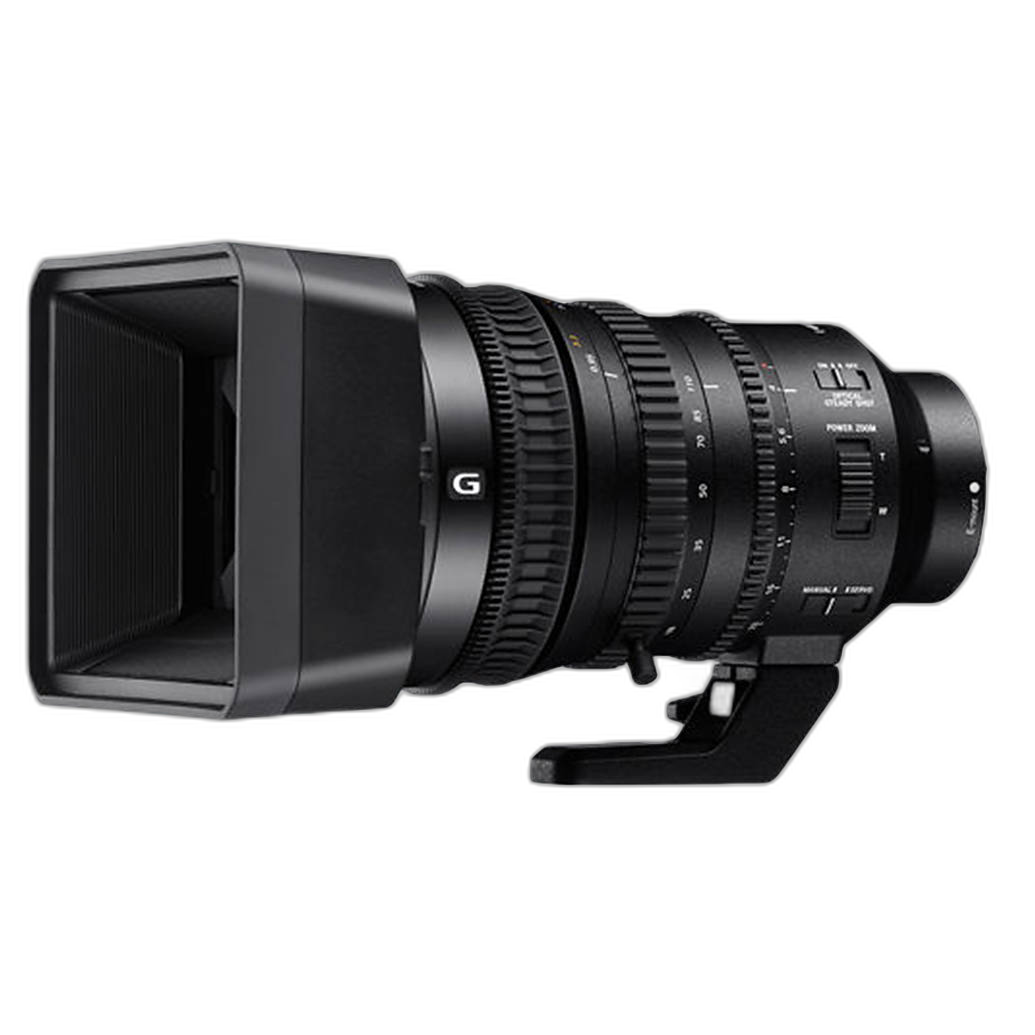
Best for travel video: Sony 18-110mm f/4 G OSS
Where the Sigma Cine Zooms Fit In
It’s worth being clear: the Sigma lenses in this comparison are not bad travel lenses because of image quality. In fact, they are likely the most cinema-oriented tools here. The issue is fit. Travel users usually want convenience, broad framing flexibility, and fewer compromises. The Sigma 18-35mm T2 and 24-35mm T2.2 models make more sense for filmmakers who know exactly how they want to shoot and who are comfortable building a kit around specialized focal ranges.
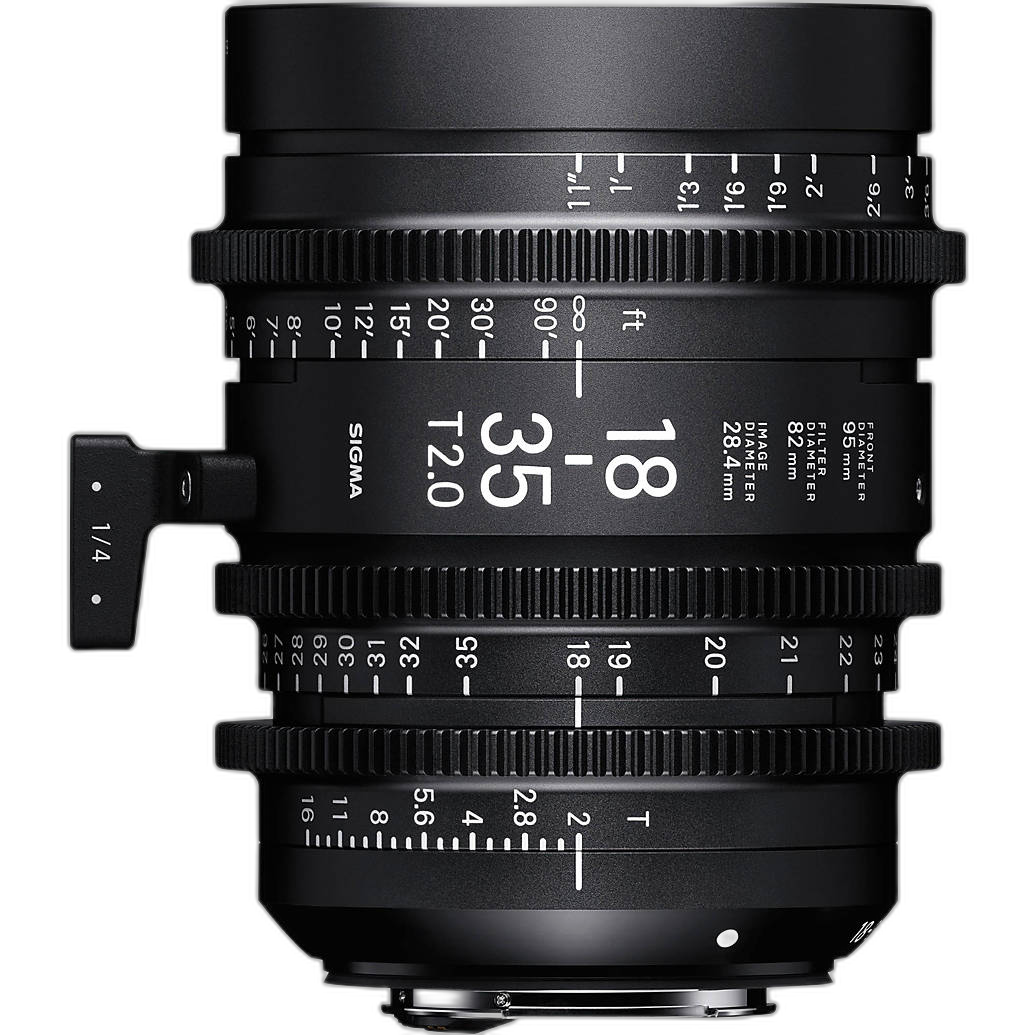
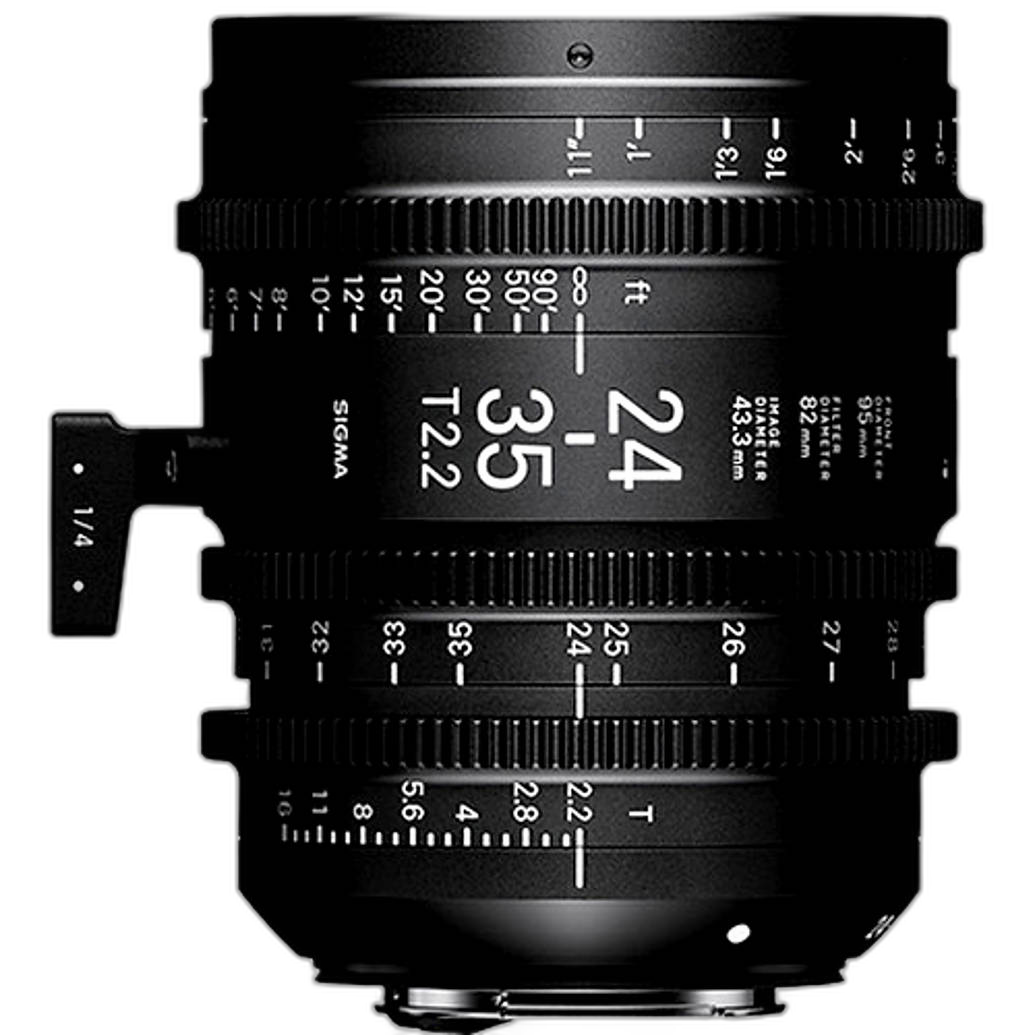
Best Sigma option for wide cinematic travel work: Sigma 18-35mm T2 variants
Our Pick
Our Pick: Sony 18-110mm f/4 G OSS APS-C / Super35 E-Mount Power Zoom Lens
If your goal is to find the best Sony zoom lens for travel from this group, the Sony 18-110mm f/4 G OSS is the clearest recommendation. It offers the widest practical range, includes OSS stabilization, adds power zoom functionality for video, and is simply the most flexible one-lens solution here for APS-C and Super35 shooters.
If you already know your travel work is portrait-heavy and you don’t need wide coverage, the Sony FE 50-150mm F2 GM is the premium specialist choice. But for most travelers, the 18-110mm is the smarter and more complete answer.
Conclusion
Lens Compare Beta makes it easy to see that not every zoom is built for the same kind of travel. The Sigma cine models are compelling for filmmakers with specific production needs, and the Sony FE 50-150mm F2 GM is a strong creative option for telephoto-focused shooting. But for true all-around travel flexibility, the Sony 18-110mm f/4 G OSS is the best fit in this lineup. If you’re ready to build out your Sony travel kit, Unique Photo is a great place to compare lenses and find the right setup for your next trip.