Introduction: Finding the Right Wide-Angle Landscape Lens for Sony
When photographers search for the best Sony wide angle prime for landscapes, they are usually balancing three priorities: field of view, edge-to-edge sharpness, and portability. Sony’s lens ecosystem offers multiple strong options, but using Sony Lens Compare Beta effectively means looking beyond the headline focal length and studying how a lens behaves in real-world landscape work.
For this review, the standout prime to focus on is the Zeiss Batis 18mm f/2.8 AF for Sony Full Frame E-Mount Cameras. It sits in a sweet spot for landscape photographers who want a truly wide perspective without moving into the dramatic, highly specialized ultra-wide territory of zooms like the Sony FE 12-24mm f/2.8 GM. While the topic centers on primes, it is still useful to compare alternatives such as the Sony FE 12-24mm f/2.8 GM and Tamron 16-30mm F/2.8 Di III VXD G2 to understand where a dedicated 18mm prime wins.
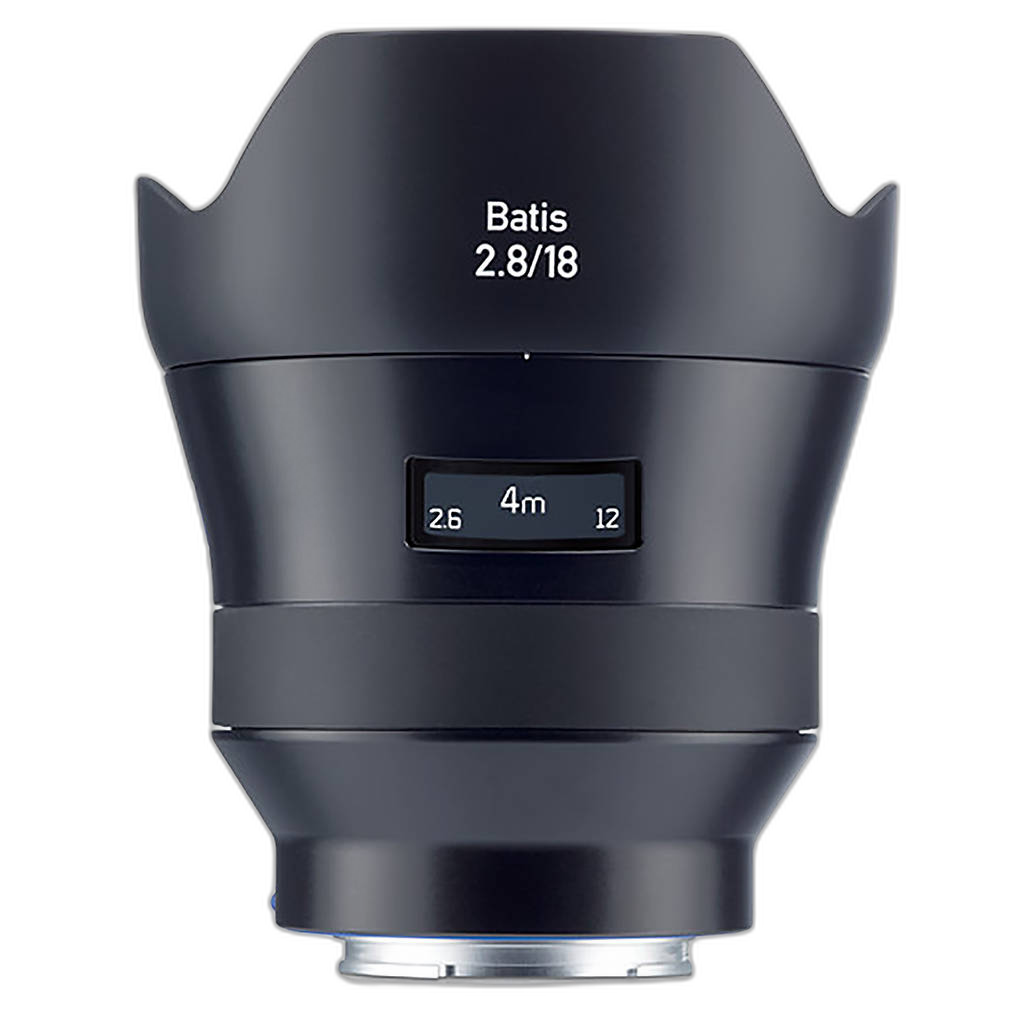
If your landscape style emphasizes clean composition, strong corner performance, relatively low carrying weight, and dependable autofocus for hybrid stills and video use, the Zeiss Batis 18mm deserves serious consideration. And if you are shopping for Sony landscape glass, Unique Photo is an excellent place to buy, compare options, and build out a complete Sony kit.
Product Positioning: Why the Zeiss Batis 18mm f/2.8 Stands Out
The Zeiss Batis 18mm f/2.8 occupies an appealing position in the Sony full-frame E-mount lineup. It is not the widest option available, nor is it the fastest aperture in the system, but that is exactly why it works so well for landscapes. At 18mm, you get an expansive view that feels dramatic without becoming difficult to control compositionally. Mountains, coastlines, forests, and architectural scenes all benefit from this focal length.
Compared with a zoom such as the Sony FE 12-24mm f/2.8 GM, the Batis 18mm offers a simpler, more focused shooting experience. Instead of constantly deciding where to zoom, you work the scene more deliberately. For many landscape photographers, that discipline often leads to stronger compositions. It is also a better fit for those who specifically want a wide-angle prime rather than a premium ultra-wide zoom.
Using Sony Lens Compare Beta Effectively
Sony Lens Compare Beta can be very useful, but only if you know what to look for. Many photographers get distracted by broad specs alone. For landscape photography, the better approach is to compare lenses using the following criteria:
1. Compare Field of View, Not Just Focal Length
An 18mm prime gives a different compositional feel than 16mm, 14mm, or 12mm. In Sony Lens Compare Beta, pay attention to how much more scene each wider focal length introduces. Ultra-wide options can be impressive, but they also make foreground placement much more critical. The Zeiss Batis 18mm often lands at the practical sweet spot for dramatic yet controlled landscape framing.
2. Study Corner and Edge Rendering
Landscape shooters frequently work at f/8 or f/11 and expect detail across the frame. When using Sony Lens Compare Beta, don’t just inspect center sharpness. Look carefully at the edges and corners, especially for tree branches, rock textures, and fine architectural lines. A great landscape prime should maintain clarity outside the center, and that is one of the reasons the Batis 18mm remains compelling.
3. Evaluate Size and Carry Weight
A lens can be optically excellent and still be the wrong tool for a day-long hike. The Sony FE 12-24mm f/2.8 GM is exceptional, but it is also a larger, more expensive professional zoom. By contrast, a dedicated prime like the Batis 18mm is often more appealing for photographers who cover distance on foot and want to keep their kit efficient.
4. Consider Filter and Field Workflow
Landscape photographers often use ND and polarizing filters. While Lens Compare Beta helps with optical comparisons, your purchasing decision should also include practical field use. Prime lenses can sometimes integrate more simply into a minimalist workflow, depending on your support gear and bag setup.
Key Features of the Zeiss Batis 18mm f/2.8
Ultra-Wide 18mm Perspective for Landscapes
The 18mm focal length is ideal for capturing sweeping views without pushing perspective to extremes. It gives foreground subjects impact while still allowing distant mountains, sky, or water to remain prominent in the frame. For many full-frame Sony shooters, 18mm is one of the most versatile landscape focal lengths available.
Strong Optical Character
Zeiss lenses are known for a crisp, high-contrast rendering style, and the Batis 18mm follows that tradition. For landscapes, that translates into images with strong separation, clear fine detail, and a polished look straight out of camera. It is a lens that complements high-resolution Sony bodies particularly well.
Autofocus Convenience in a Prime Design
Although many landscape photographers use manual focus, autofocus still matters for quick-changing light, environmental scenes, travel shooting, and hybrid use. The Batis 18mm gives you the straightforward shooting experience of a prime with the convenience of AF on Sony E-mount bodies.
Portable Build for Travel and Hiking
One of the biggest reasons to choose a wide-angle prime is portability. If you compare it conceptually with larger zooms like the Sony FE 12-24mm f/2.8 GM or even general-purpose alternatives like the Sony FE 24-105mm f/4 G OSS, the Batis 18mm is more purpose-built for photographers who know they want wide coverage and do not need extra focal lengths weighing them down.
How It Compares to Other Options
Vs. Sony FE 12-24mm f/2.8 GM Lens
The Sony FE 12-24mm f/2.8 GM is an outstanding professional ultra-wide zoom and one of the most capable lenses in Sony’s system. It is more flexible, wider, and a top-tier choice for architecture, interiors, night sky work, and dramatic landscapes.
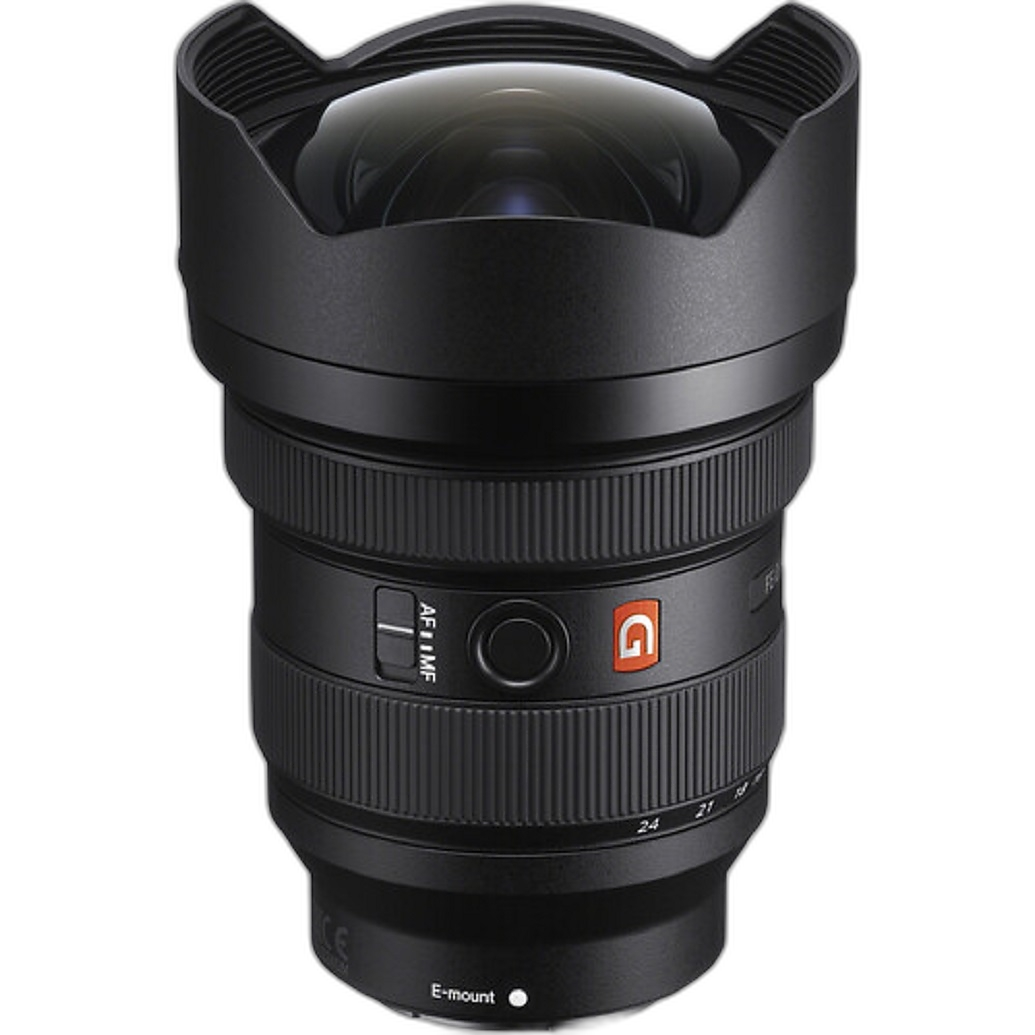
However, if your question is specifically about the best wide-angle prime for landscapes, the Batis 18mm has a clearer identity. It is lighter, simpler, and better aligned with photographers who prefer a single, disciplined focal length. The 12-24mm GM is arguably the more powerful lens overall, but the Batis 18mm is often the more focused landscape prime choice.
Vs. Tamron 16-30mm F/2.8 Di III VXD G2
The Tamron 16-30mm F/2.8 Di III VXD G2 is another appealing alternative for Sony E users who want zoom flexibility in a relatively modern package.
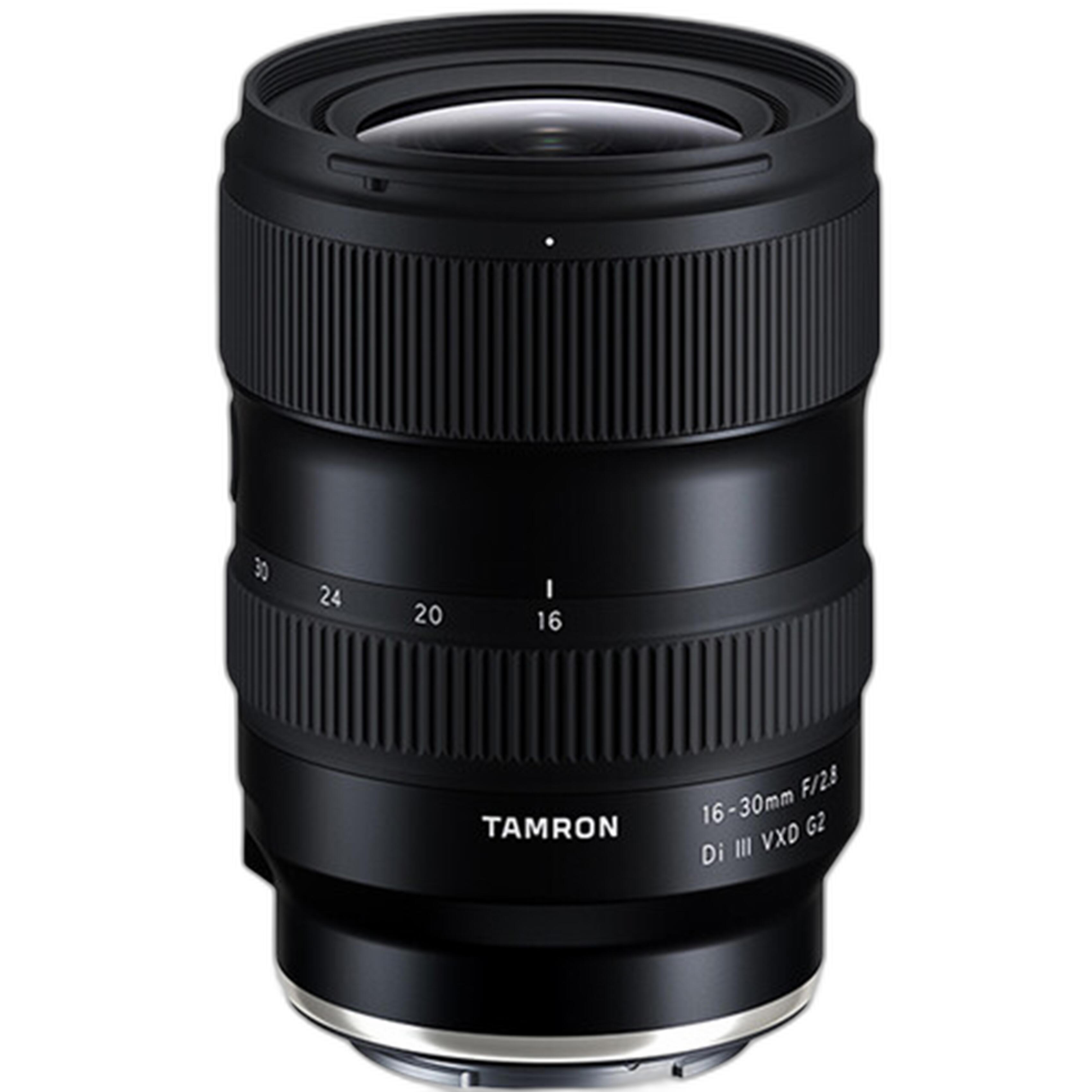
For landscape photographers who are still deciding what focal length they truly prefer, a zoom like this may be the practical stepping stone. But once you know that 18mm is your signature wide view, a prime like the Zeiss offers a more intentional shooting experience and can simplify decision-making in the field.
Vs. Sony FE 24-105mm f/4 G OSS Lens
The Sony FE 24-105mm f/4 G OSS is one of the best all-purpose lenses in the Sony system, but it does not start wide enough for photographers specifically chasing immersive landscape compositions.
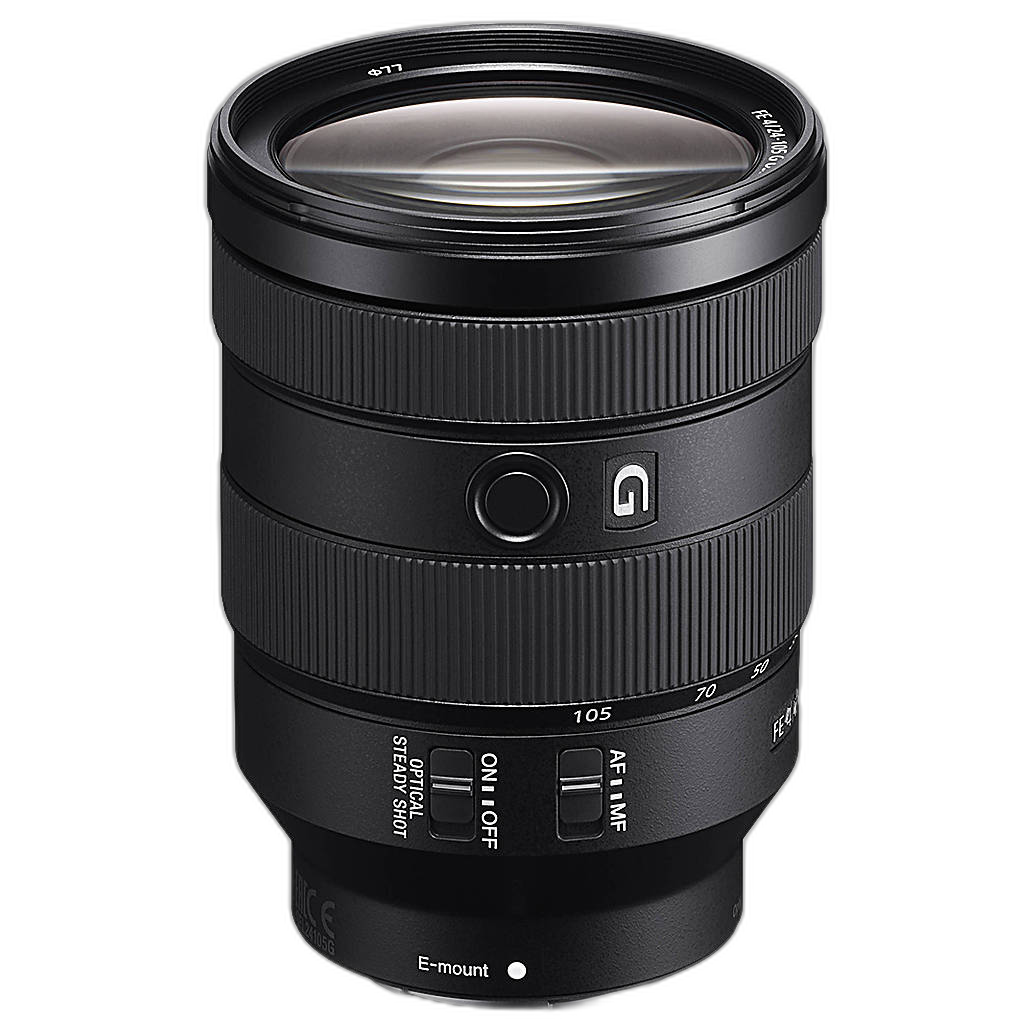
At 24mm, it can certainly handle many scenic frames, especially stitched panoramas, but it does not replace a dedicated 18mm wide-angle prime when you want immediate breadth and stronger foreground emphasis.
Pros and Cons
Pros
- Excellent 18mm focal length for classic landscape photography
- Prime-lens simplicity encourages deliberate composition
- Strong Zeiss optical character with crisp rendering
- Autofocus support on Sony full-frame E-mount cameras
- More portable than many premium ultra-wide zooms
- Great fit for travel, hiking, and high-resolution Sony bodies
Cons
- Less flexible than an ultra-wide zoom like the Sony FE 12-24mm f/2.8 GM
- 18mm may not be wide enough for photographers focused on interiors or extreme perspectives
- Landscape specialists who want multiple focal lengths may prefer a zoom instead
- As a specialty prime, it works best when you already know you like shooting wide
Who Should Buy It?
The Zeiss Batis 18mm f/2.8 is best for Sony full-frame photographers who primarily shoot landscapes, travel scenes, environmental imagery, and occasional architecture. It is especially attractive for photographers who have already tested wider zooms and discovered they most often settle around the 18mm range. In that case, this lens becomes a logical, elegant, and highly usable prime solution.
It also makes sense for photographers pairing a wide prime with a standard zoom or telephoto lens. For example, a kit built around the Batis 18mm plus a Sony FE 24-105mm f/4 G OSS can cover an enormous range of scenic photography without duplicating too much functionality.
Verdict
If your goal is to identify the best Sony wide angle prime for landscapes and use Sony Lens Compare Beta effectively, the Zeiss Batis 18mm f/2.8 AF lens for Sony Full Frame E-Mount Cameras is one of the smartest choices to prioritize. It hits an ideal balance of width, portability, usability, and landscape-friendly perspective. It may not be as flexible as Sony’s top ultra-wide zooms, but that is not the point. As a dedicated landscape prime, it offers a more intentional and highly rewarding shooting experience.
For photographers who want one wide prime that feels serious, practical, and beautifully matched to Sony full-frame bodies, this is an easy recommendation. If you are ready to add it to your kit, Unique Photo is a great place to buy the Zeiss Batis 18mm, compare it with Sony and Tamron alternatives, and get expert guidance on the right lens for your landscape workflow.