Sony Standard Zooms for Travel: Which Lens Actually Makes the Most Sense?
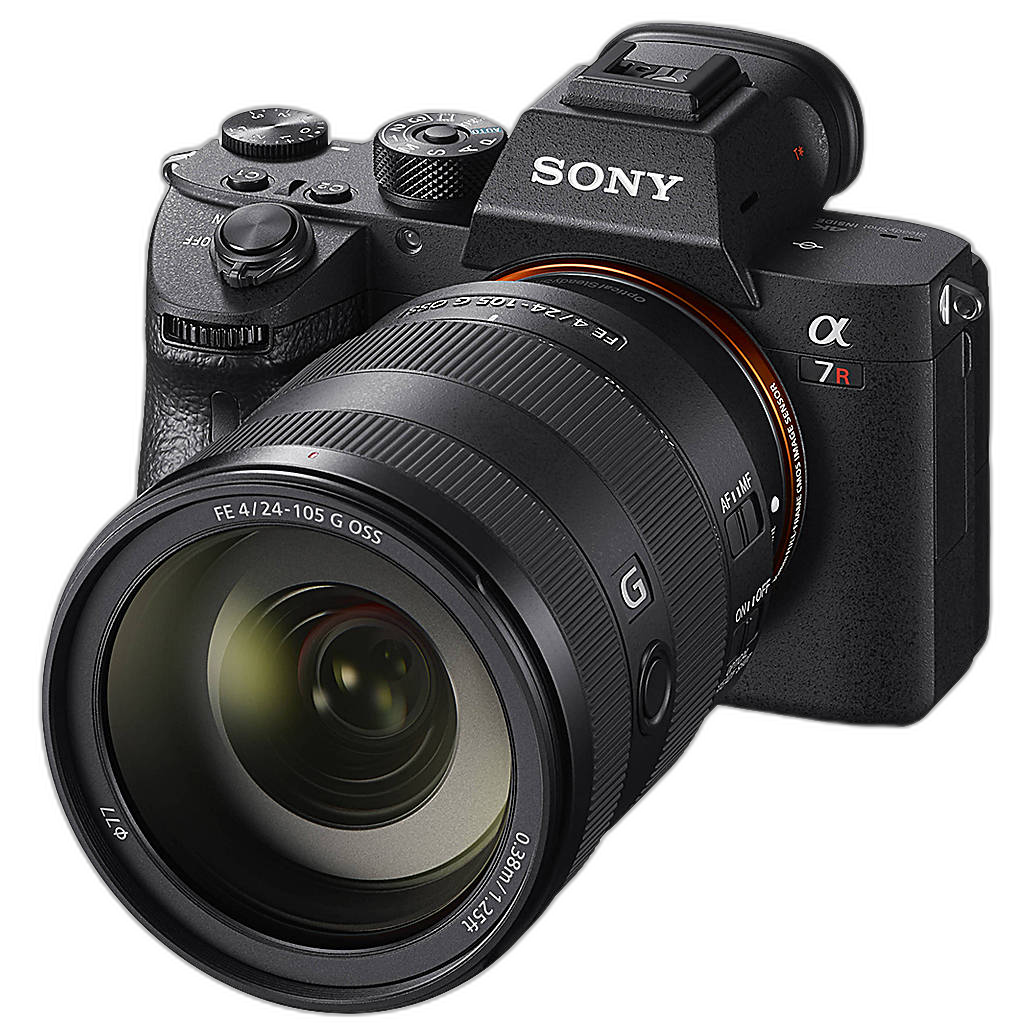
For travel photographers shooting Sony full-frame, the standard zoom category is where convenience, image quality, and packing efficiency all collide. If you only want to bring one or two lenses on a trip, your zoom choices define how flexible your kit feels in the real world. This beta comparison takes a practical look at three strong options available at Unique Photo: the Sony FE 24-105mm f/4 G OSS, the ultra-wide Sony FE 12-24mm f/2.8 GM, and the Tamron 16-30mm F/2.8 Di III VXD G2. While only one of them is a true standard zoom, all three matter in the travel conversation because many photographers are deciding between an all-in-one walkaround lens and a wider, faster companion for landscapes, architecture, interiors, and video.
In practice, the Sony 24-105mm f/4 G OSS is the most balanced travel-first recommendation for the broadest range of users. It covers wide-to-short-telephoto framing, includes stabilization, and fits the kind of unpredictable shooting that travel demands. By contrast, the Sony 12-24mm f/2.8 GM is a specialist premium tool for travelers who prioritize dramatic perspective and top-tier optical performance. The Tamron 16-30mm F/2.8 G2 lands in the middle as an especially appealing lightweight wide zoom option for modern travel kits, particularly for creators who want fast aperture performance without carrying a massive lens.
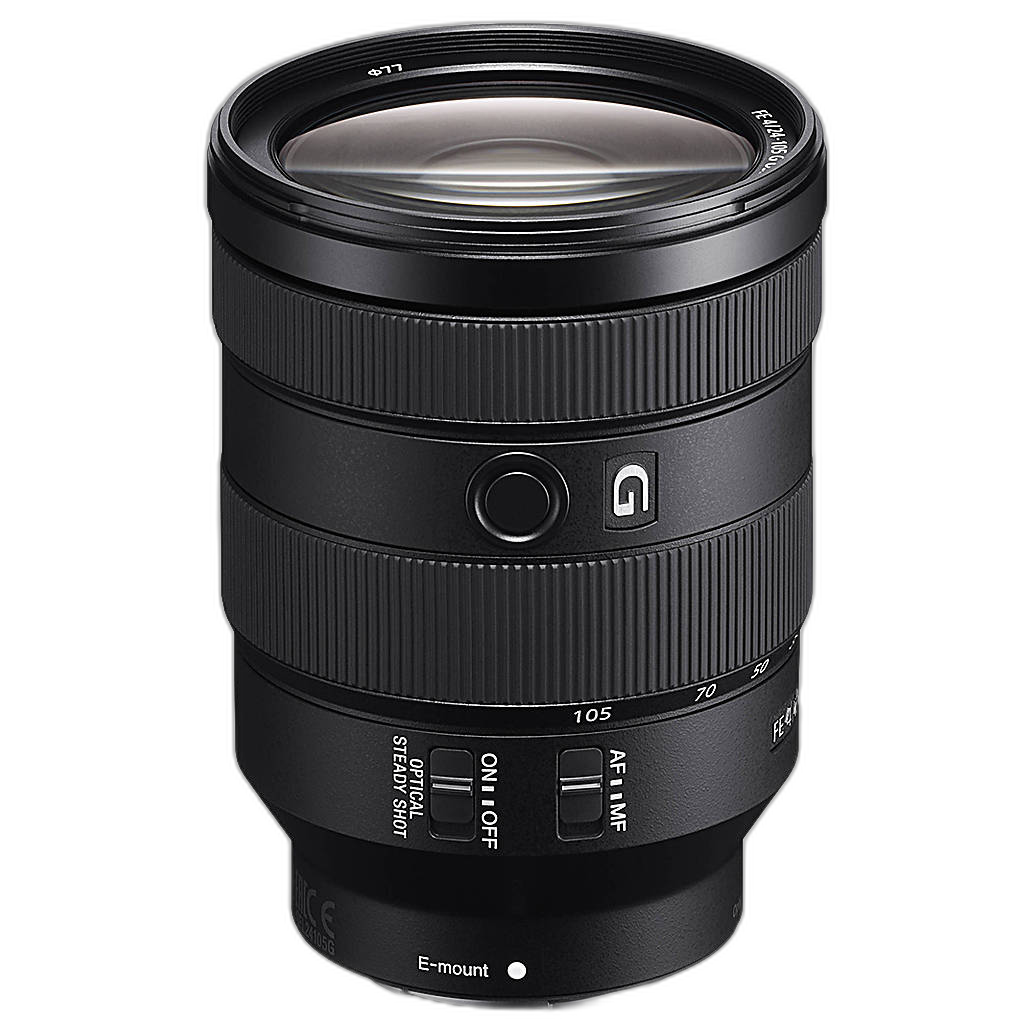
If your goal is to buy one lens from Unique Photo that can handle city walks, food, portraits, street scenes, details, and landscapes with minimal lens changes, the Sony 24-105mm is the benchmark to beat.
Why Travel Photographers Care So Much About This Range
Travel shooting rarely happens under controlled conditions. One moment you are photographing a cathedral interior, the next a market stall, then a candid portrait, then a compressed mountain scene from a lookout. A lens that starts reasonably wide and reaches beyond 70mm is often the most useful single-lens solution. That is exactly why the 24-105mm class remains so popular.
But there is a growing counterargument: many travelers now pair a compact body with a wider, brighter zoom and simply crop when needed, especially if they are shooting high-resolution cameras such as the Sony a7R VI.
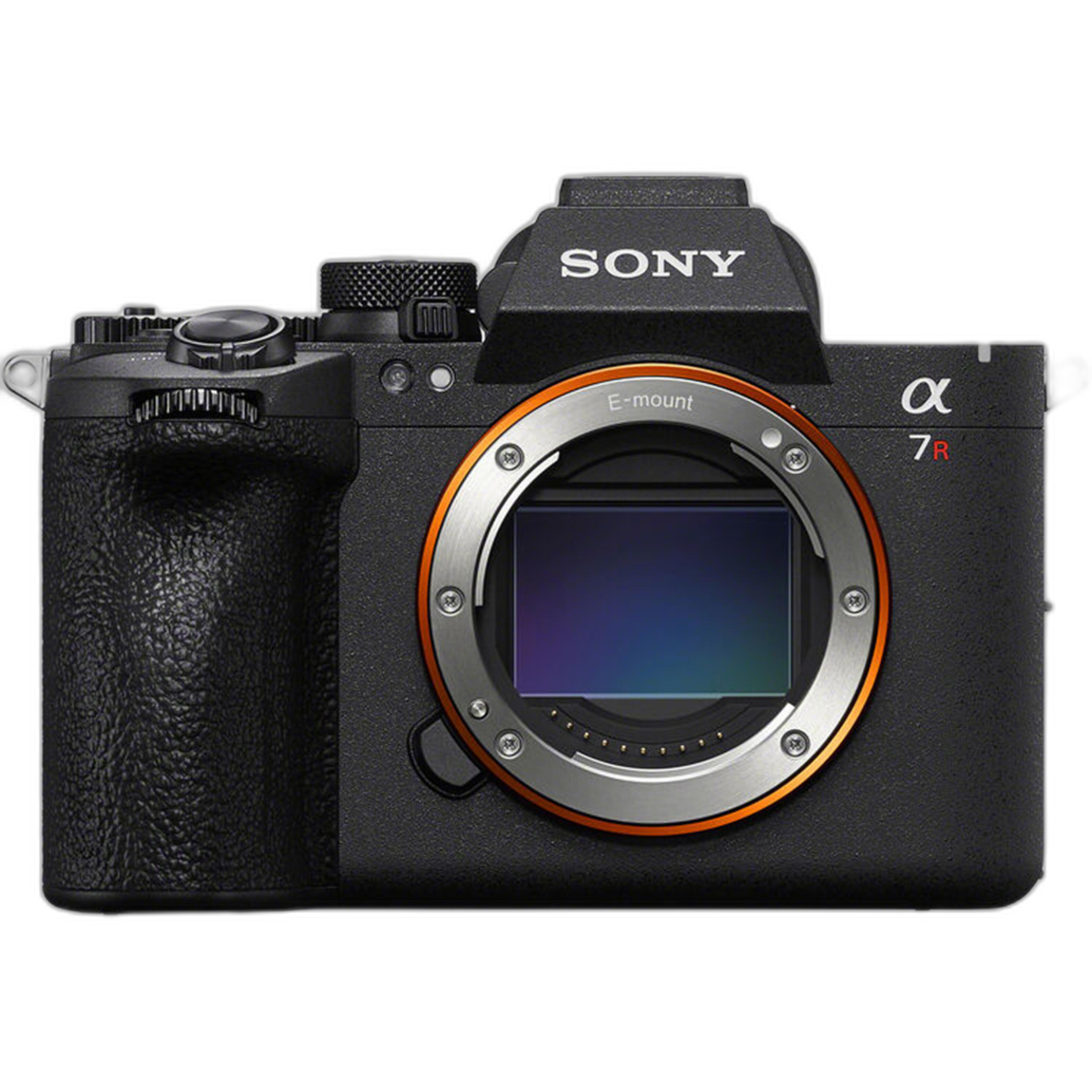
On a camera like the Sony a7R VI, the case for premium optics becomes even stronger. High-resolution sensors reveal corner detail, flare resistance, and edge sharpness differences more clearly, which is why lens selection matters just as much as focal length coverage.
Sony FE 24-105mm f/4 G OSS: The Smartest One-Lens Travel Pick
Range That Matches Real Travel Shooting
The Sony FE 24-105mm f/4 G OSS is the easiest lens here to recommend as a single-lens travel solution. Starting at 24mm gives you enough width for many landscapes, streets, and environmental portraits, while 105mm reaches far enough for details, candid moments, and light compression. That range dramatically reduces lens changes, which is a major advantage when moving quickly through airports, crowded cities, or dusty environments.
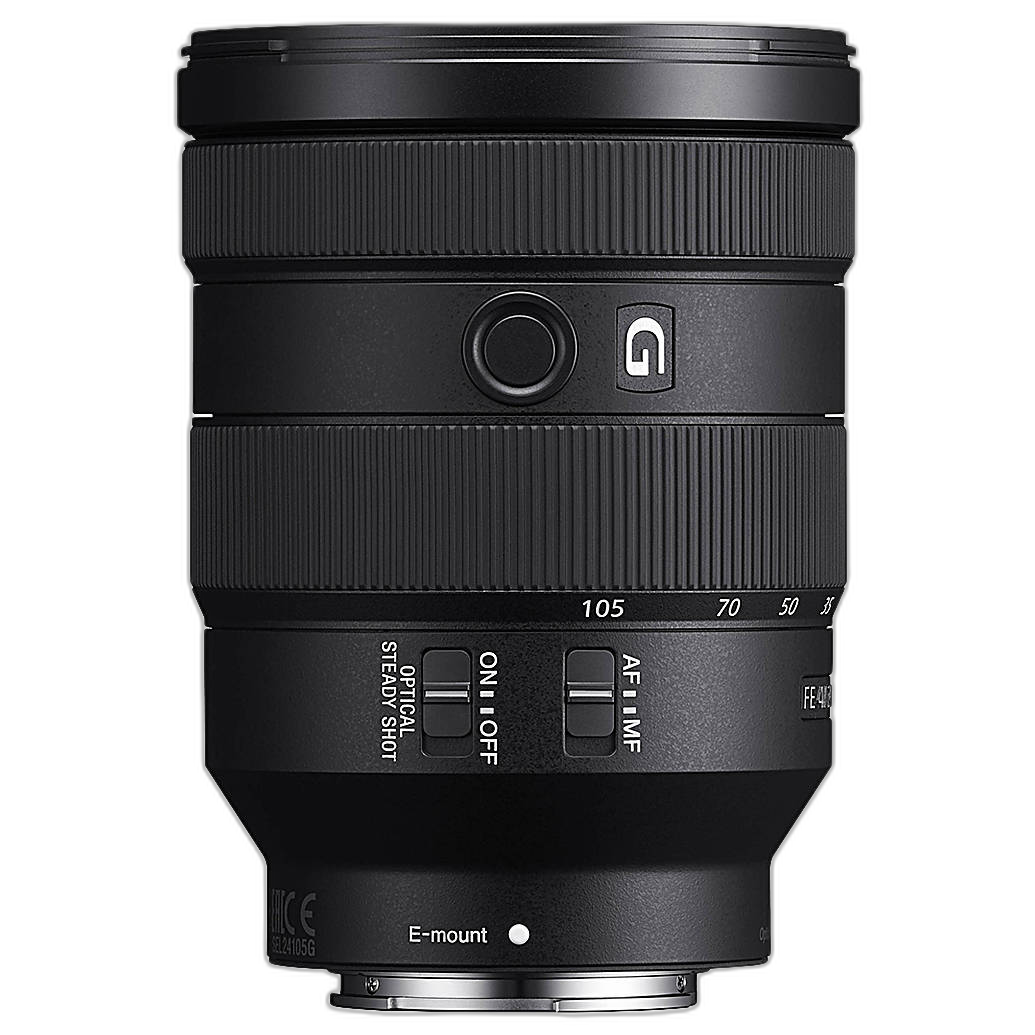
Its f/4 aperture is not as bright as an f/2.8 zoom, but travel photographers often value versatility over maximum background blur. In daylight, museums, city scenes, and general sightseeing, that tradeoff is often worth it.
Optical Stabilization Adds Real Utility
One of the lens’s biggest travel advantages is OSS. Even with in-body stabilization on many Sony cameras, lens-based stabilization helps for slower handheld shots and smoother video. For travelers documenting evenings, interiors, or handheld clips, that can be the difference between getting the shot and missing it.
Image Quality vs Convenience
The 24-105mm is not trying to be a niche exotic optic. It is trying to be dependable everywhere, and it succeeds. Sharpness is strong, rendering is clean and modern, and the zoom range is simply more useful than many people realize until they travel with it. This is the lens you appreciate more after a long trip because it solves more problems than it creates.
Sony FE 12-24mm f/2.8 GM: Premium Ultra-Wide for Destination-Driven Travel
Best for Landscapes, Architecture, and Big Visual Impact
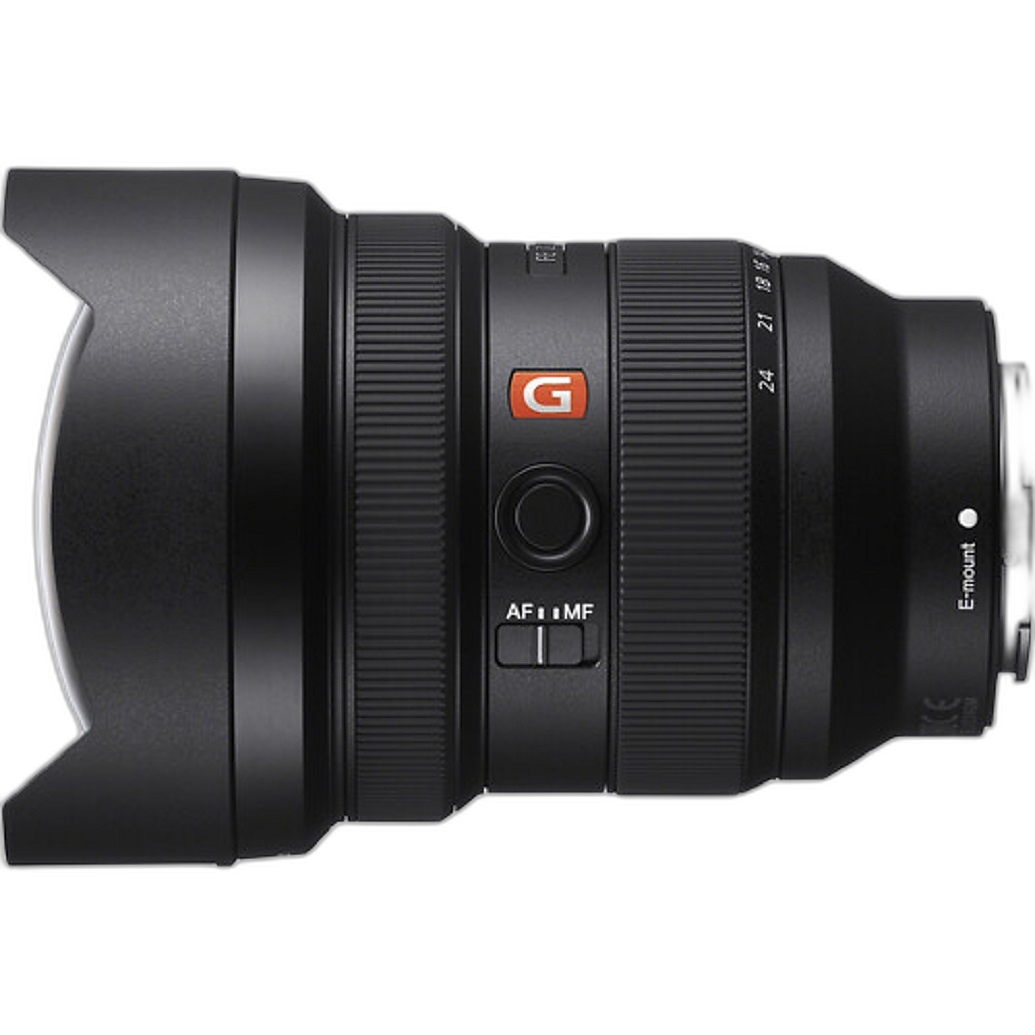
The Sony FE 12-24mm f/2.8 GM is not a standard zoom, but it belongs in this comparison because many travel shooters are deciding whether to go all-purpose or ultra-wide-first. If your trips revolve around dramatic landscapes, resort interiors, architecture, astrophotography, or immersive video, this lens is spectacular.
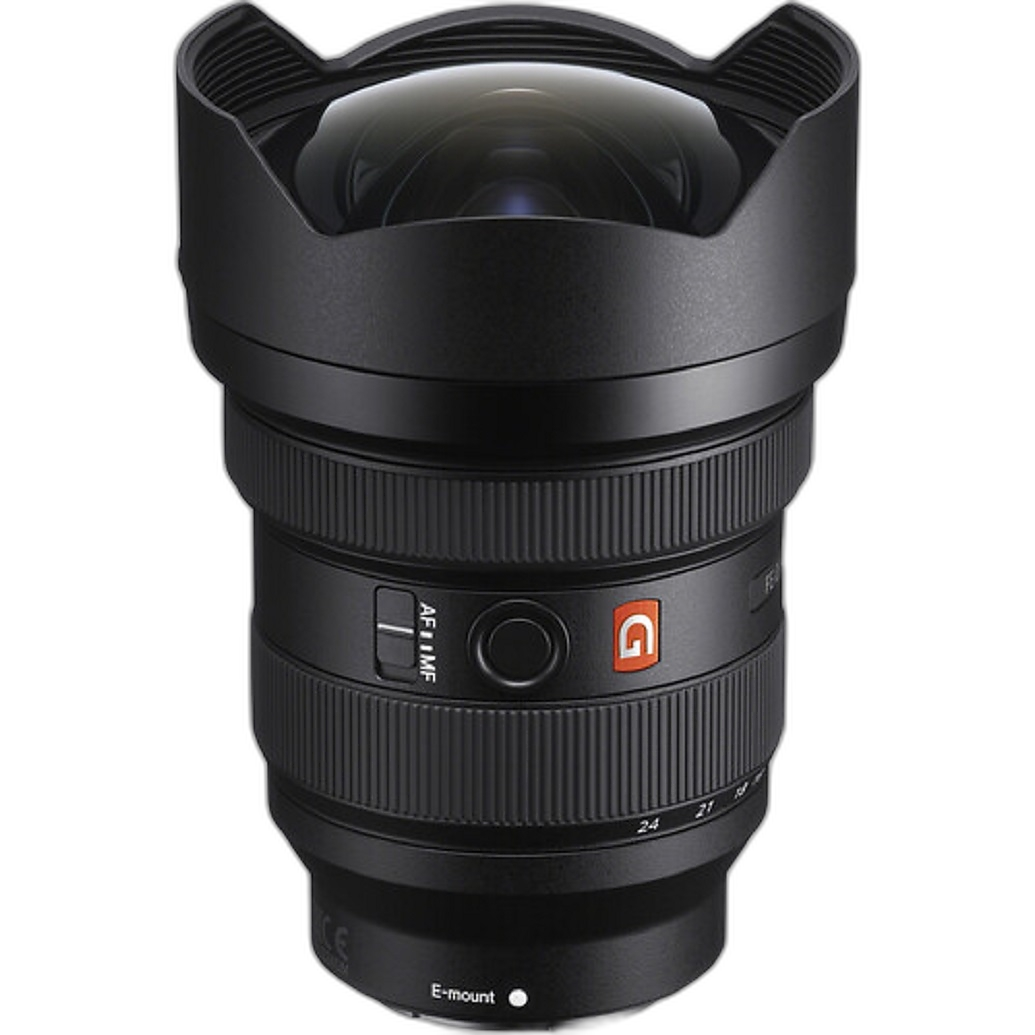
The jump from 16mm to 12mm is substantial in real use. In tight alleys, temples, cathedrals, and scenic overlooks, 12mm can make a scene possible when 16mm feels merely wide. Add the constant f/2.8 aperture and G Master-level optics, and you have a lens built for photographers who want premium performance under demanding conditions.
What Makes It Less Universal for Travel
The limitation is obvious: 24mm is the end of its range. You will still need another lens for portraits, details, and mid-distance subjects. That makes it a better second lens than only lens for most travelers. It is also a more specialized investment, best justified if ultra-wide work is central to your style rather than occasional.
Tamron 16-30mm F/2.8 Di III VXD G2: The Practical Wide Zoom Alternative
A More Portable Fast-Wide Approach
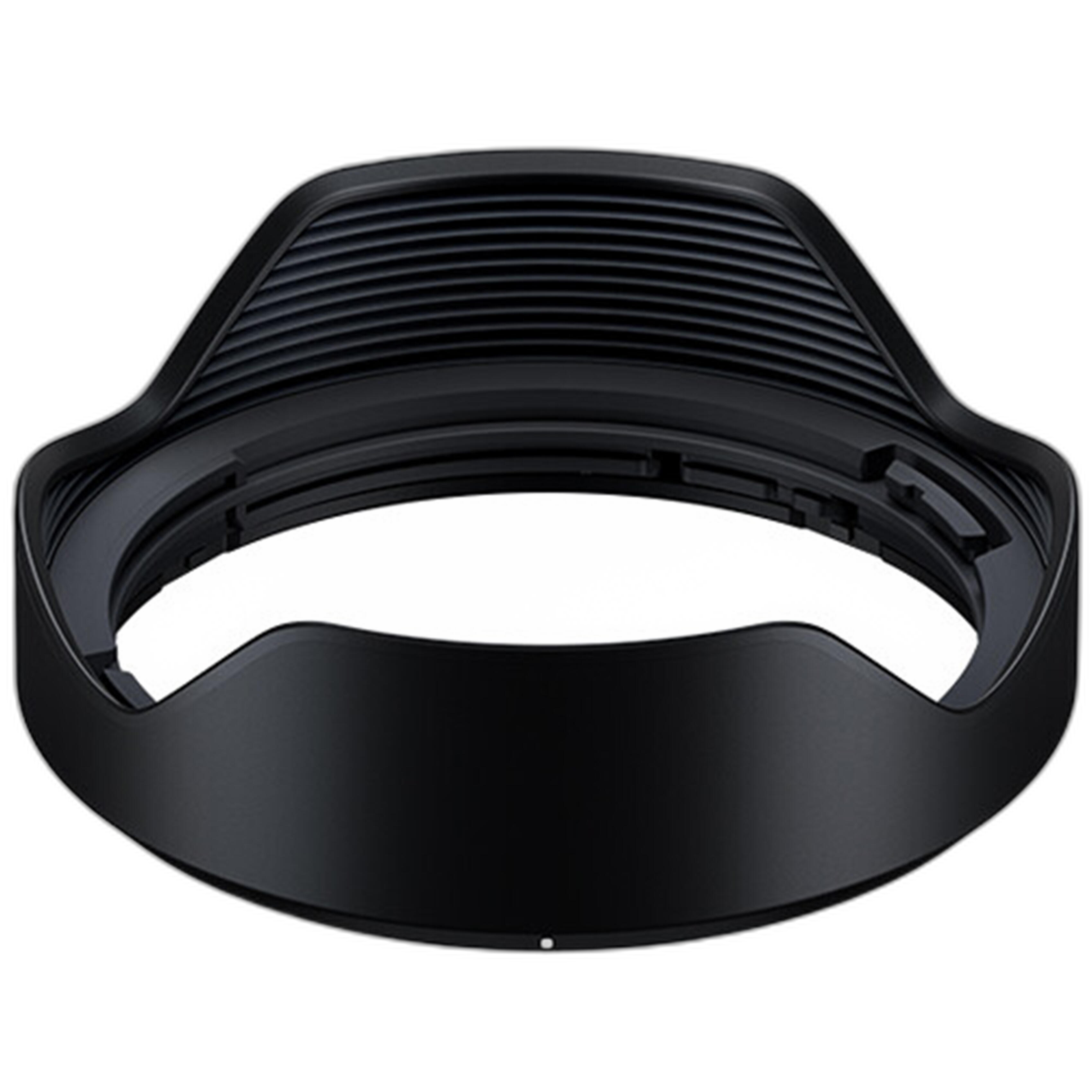
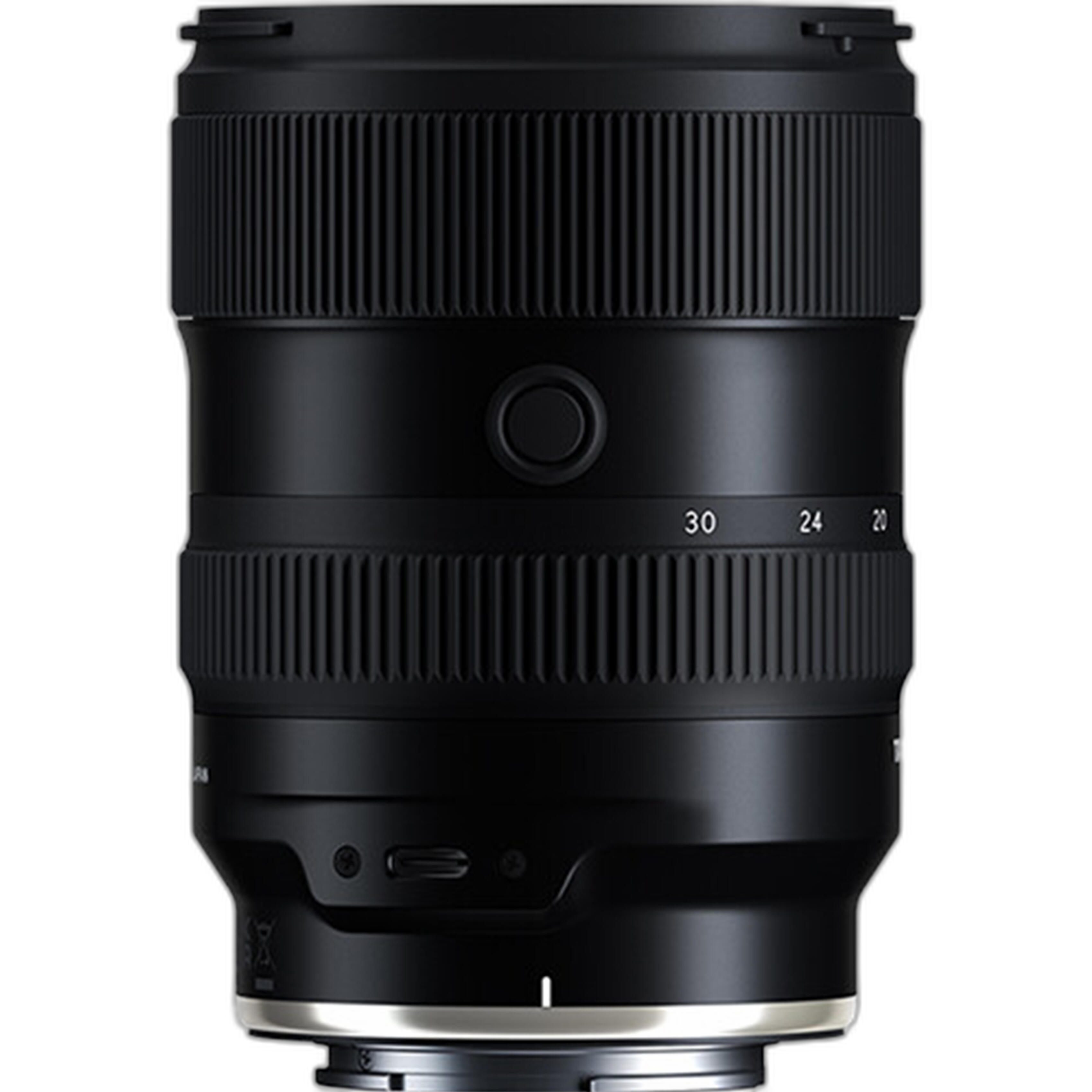
The Tamron 16-30mm F/2.8 Di III VXD G2 is a very compelling travel lens because it addresses a common complaint about premium Sony ultra-wides: size, weight, and cost. A 16-30mm range is highly usable for travel landscapes, architecture, interiors, environmental portraiture, and vlogging, and the constant f/2.8 aperture keeps it flexible in lower light.
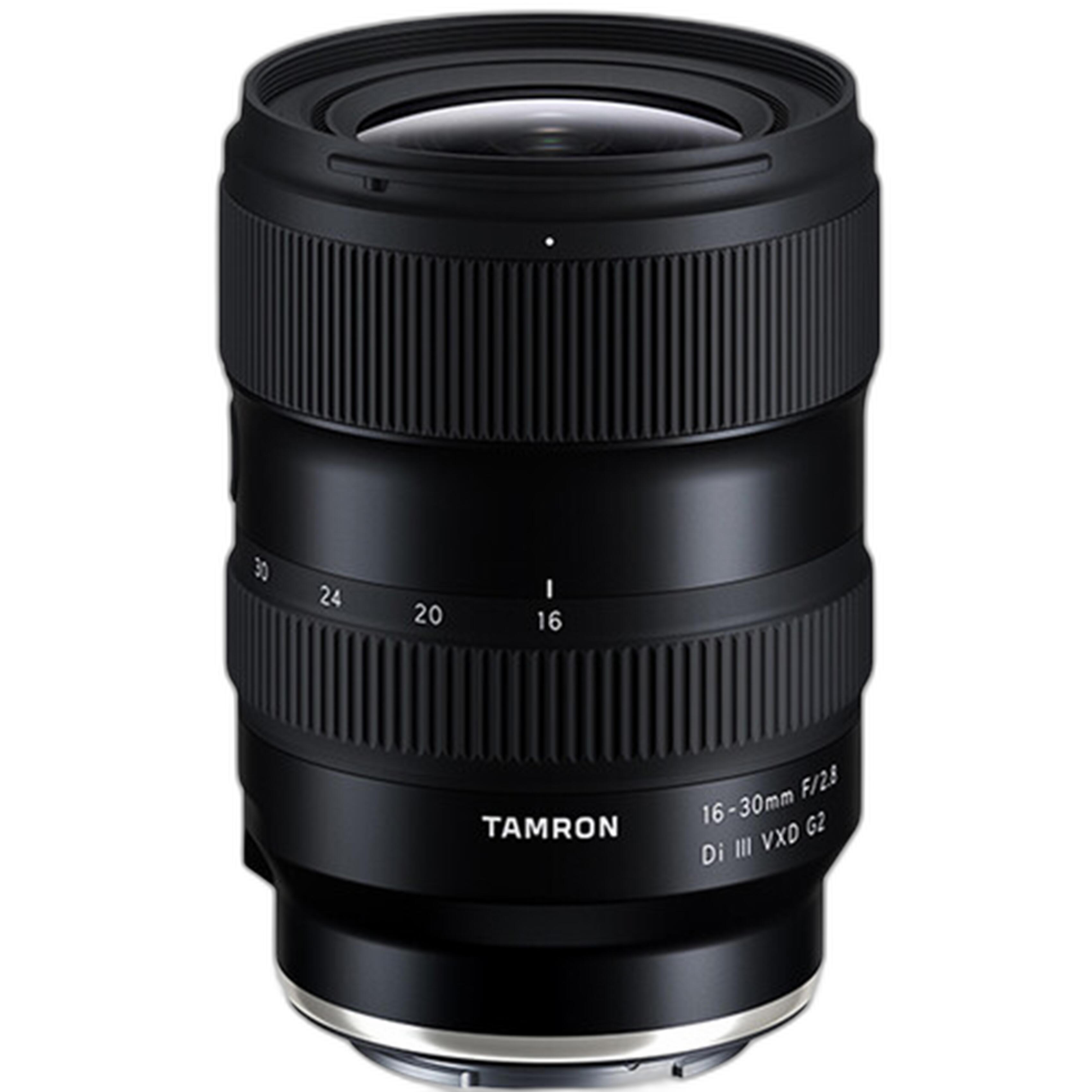
For travelers who care about packing lighter while still wanting a fast zoom, this lens may be the sweet spot. It does not go as dramatically wide as the Sony 12-24mm GM, but it reaches a more naturally usable 30mm on the long end, making it easier to leave on the camera for more of the day.
Who It Is Best For
This is the lens for travelers who know they lean wide, want speed, and do not want to carry the biggest or most expensive option. It is also a sensible companion lens to a longer zoom or a compact prime. For many hybrid shooters, the Tamron may feel like the most modern travel choice of the three.
Beta Comparison Insights: What Matters More Than Spec Sheets
If You Want One Lens Only
The Sony FE 24-105mm f/4 G OSS wins. No other lens in this group matches its all-day, all-subject usefulness. It is the easiest recommendation for vacations, tours, family travel, and general-purpose photography.
If You Build a Two-Lens Travel Kit
The conversation changes. A pairing like the Sony 12-24mm f/2.8 GM plus a normal or short telephoto lens creates a premium destination kit for serious landscape and architecture work. Meanwhile, the Tamron 16-30mm F/2.8 G2 makes even more sense as part of a two-lens setup because it is wide enough to be distinctive, but not so extreme that it feels limited.
If You Shoot High-Resolution Bodies
With a body like the Sony a7R VI, lens quality differences become more visible. The Sony 12-24mm GM is the most ambitious optic here. The Sony 24-105mm remains the most versatile. The Tamron offers a strong balance for users who want modern performance while keeping a more mobile kit.
Real-World Recommendations by Travel Style
For General Vacation Travel
Recommended: Sony FE 24-105mm f/4 G OSS. It handles almost everything and minimizes lens swapping.
For Landscapes, Interiors, and Architecture
Recommended: Sony FE 12-24mm f/2.8 GM if budget allows and ultra-wide shooting is core to your style.
For Lightweight Hybrid Travel Content Creation
Recommended: Tamron 16-30mm F/2.8 Di III VXD G2. It is a strong balance of speed, portability, and practical framing.
Pros and Cons
Sony FE 24-105mm f/4 G OSS
- Pros: Extremely versatile zoom range, ideal one-lens travel solution, optical stabilization, strong overall image quality, reduced lens changes.
- Cons: f/4 is less ideal for low light than f/2.8 options, not ultra-wide enough for some interiors and dramatic landscapes.
Sony FE 12-24mm f/2.8 GM
- Pros: Exceptional ultra-wide coverage, fast f/2.8 aperture, premium G Master optics, superb for landscape and architecture travel work.
- Cons: Not a one-lens travel solution, premium price, more specialized use case.
Tamron 16-30mm F/2.8 Di III VXD G2
- Pros: Fast f/2.8 aperture, strong wide-angle range, more practical long-end reach than extreme ultra-wides, travel-friendly concept.
- Cons: Still not a full substitute for a standard zoom, lacks the broad all-purpose range of a 24-105mm.
Verdict
If you are asking for the best travel zoom in this group, the Sony FE 24-105mm f/4 G OSS remains the most sensible and broadly recommended choice. It is the lens that best matches how people actually photograph while traveling. If your trips are more creatively specialized and you prioritize immersive scenery or architecture, the Sony FE 12-24mm f/2.8 GM is the premium aspirational option. If you want a fast, modern wide zoom that feels more portable and practical for hybrid travel shooting, the Tamron 16-30mm F/2.8 Di III VXD G2 deserves serious attention.
For shoppers building a Sony travel kit, Unique Photo is an excellent place to buy these lenses, compare options, and assemble a system that fits your style rather than just the spec sheet.