
Introduction: Sony G vs Sony GM for Portrait Shooters
For portrait photographers building out a Sony kit, the choice between Sony G and Sony G Master lenses often comes down to one question: do you need the absolute best optical performance, or do you need the best balance of image quality, size, versatility, and price? Sony positions its G lenses as premium performers with strong optics and practical usability, while Sony GM lenses represent the brand’s flagship tier, built to deliver maximum sharpness, faster apertures, premium autofocus performance, and especially strong rendering for demanding professionals.
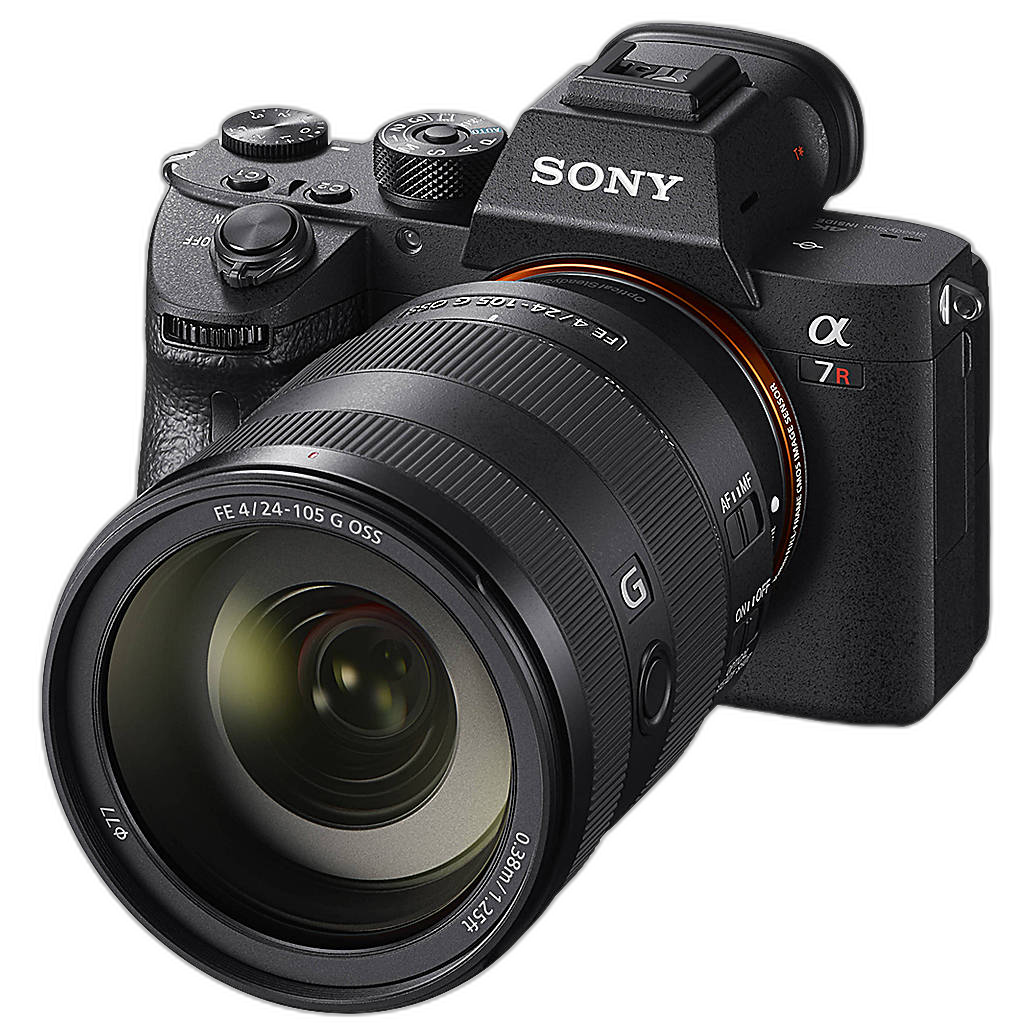
For portrait photography, that distinction matters. Portrait shooters care about more than just resolution. They want flattering focal lengths, smooth background blur, subject separation, reliable eye autofocus, pleasing skin-tone rendering, and lenses that feel comfortable during long sessions. In this comparison, we’re using two available Sony options as examples of how G and GM philosophies differ: the Sony FE 24-105mm f/4 G OSS as a practical G-series all-rounder, and the Sony FE 12-24mm f/2.8 GM as a flagship GM lens that showcases Sony’s premium build and optical ambitions.
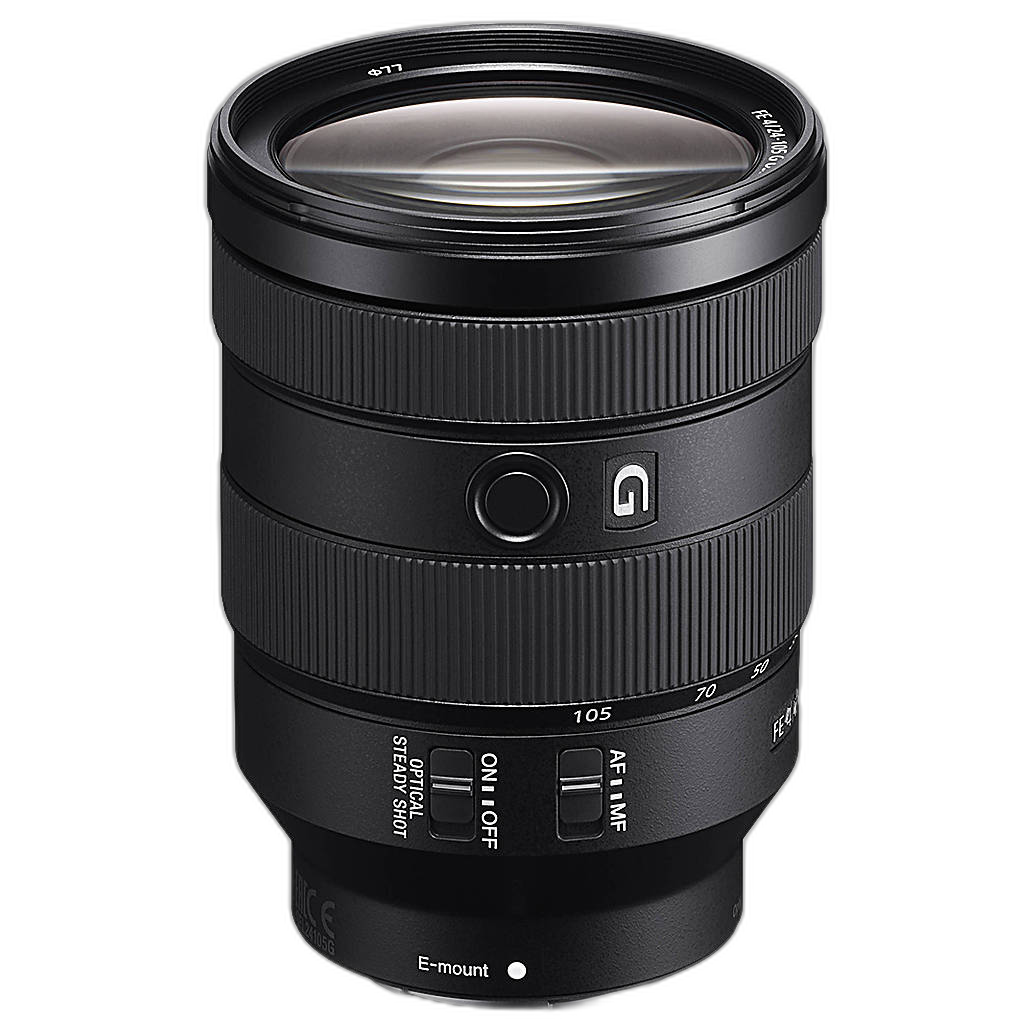
Right away, it is important to say that for traditional portrait photography, these exact two lenses serve very different roles. The 24-105mm f/4 G OSS is much more directly useful for portraits thanks to its classic focal range. The 12-24mm f/2.8 GM, while extraordinary, is a specialty ultra-wide zoom that is better suited to environmental portraiture, editorial work, creative distortion, and dramatic scene-setting than classic headshots. Even so, comparing them helps clarify the broader Sony G vs GM decision.
Sony G Lenses for Portrait Photography
Versatility That Makes Sense for Real-World Portrait Work
The Sony FE 24-105mm f/4 G OSS is a strong example of why many portrait photographers choose G lenses first. Its focal range covers wide environmental portraits at 24mm, natural-looking half-body and full-body portraits through the middle range, and flattering tighter compositions at the longer end. For photographers who shoot families, events, branding sessions, and location portraits, that kind of flexibility is incredibly valuable.
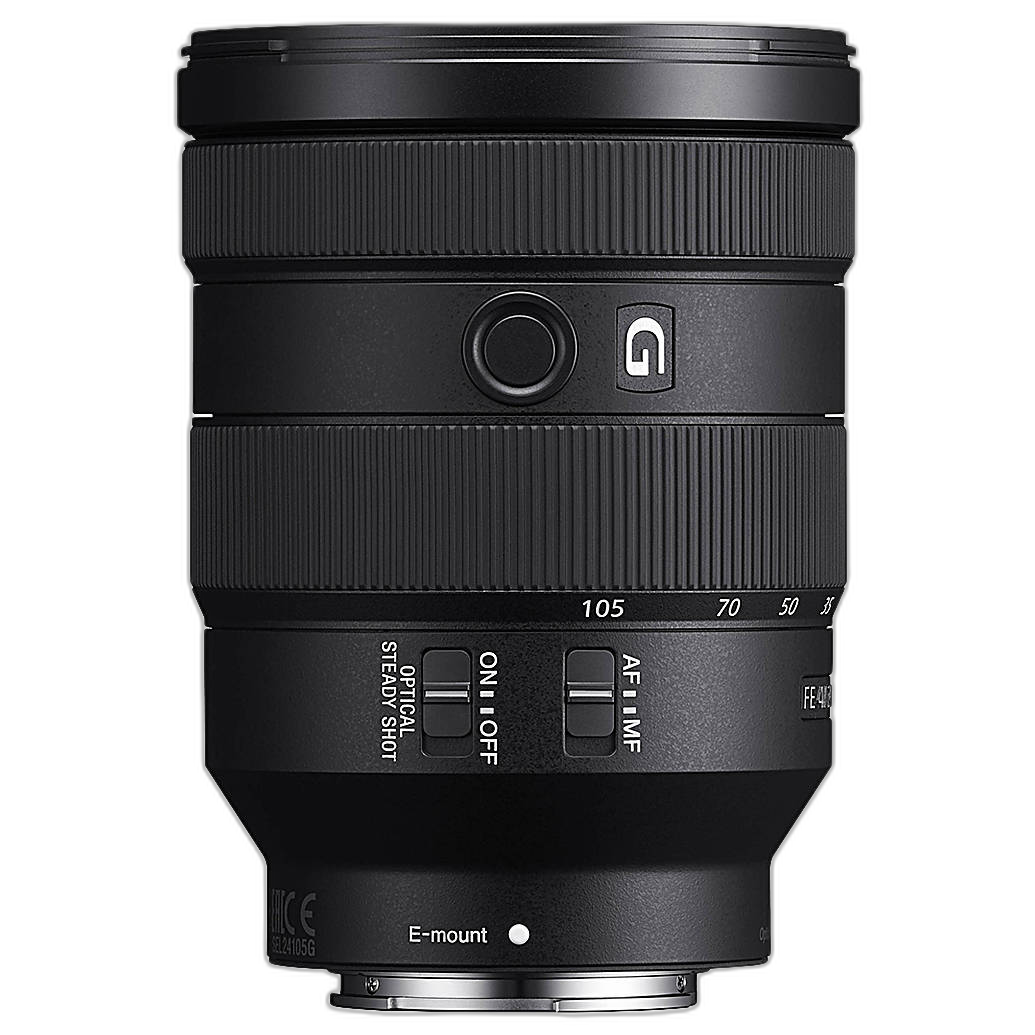
The constant f/4 aperture will not create the same shallow depth of field as a fast prime or some premium GM portrait options, but it still delivers attractive separation when used thoughtfully, especially toward 70-105mm. For many photographers, especially those shooting on location in changing conditions, the tradeoff is worth it. You gain zoom convenience, optical stabilization, and a lens that can handle portraits, travel, events, and commercial work without constant swapping.
Image Quality and Rendering
G lenses are often underestimated because they sit below GM in Sony’s hierarchy, but that does not mean they are ordinary. The 24-105mm f/4 G OSS delivers crisp detail, good contrast, and dependable rendering across a highly usable zoom range. For portrait work, that means files that are more than sharp enough for client delivery, prints, and social campaigns. Skin detail is well resolved, and the lens produces a polished look that works well for modern portrait styles.
Where some portrait shooters may hesitate is in background rendering. Compared to premium GM options, a G lens like this may not produce the same level of creaminess, edge-to-edge perfection at wide apertures, or that extra bit of “pop” photographers often describe as dimensionality. Still, in practical portrait sessions, especially for lifestyle, corporate, or environmental work, the difference is often smaller than spec sheets suggest.
Handling, Value, and Everyday Practicality
One of the biggest arguments in favor of Sony G lenses is value. You get premium Sony performance without reaching flagship pricing. That matters for photographers who need to build a complete portrait kit, including bodies, lighting, memory cards, and support gear. A lens like the 24-105mm f/4 G OSS makes a lot of sense for photographers who want one lens that can earn its keep across multiple genres.
It is also a practical fit for photographers learning and refining portrait technique. If you are focusing on posing, light, and composition, investing in education and lighting can sometimes improve portraits more than spending the extra money on a flagship lens alone. Unique Photo also offers learning resources for portrait creators, including workshops and training content.

Sony GM Lenses for Portrait Photography
Flagship Optical Performance
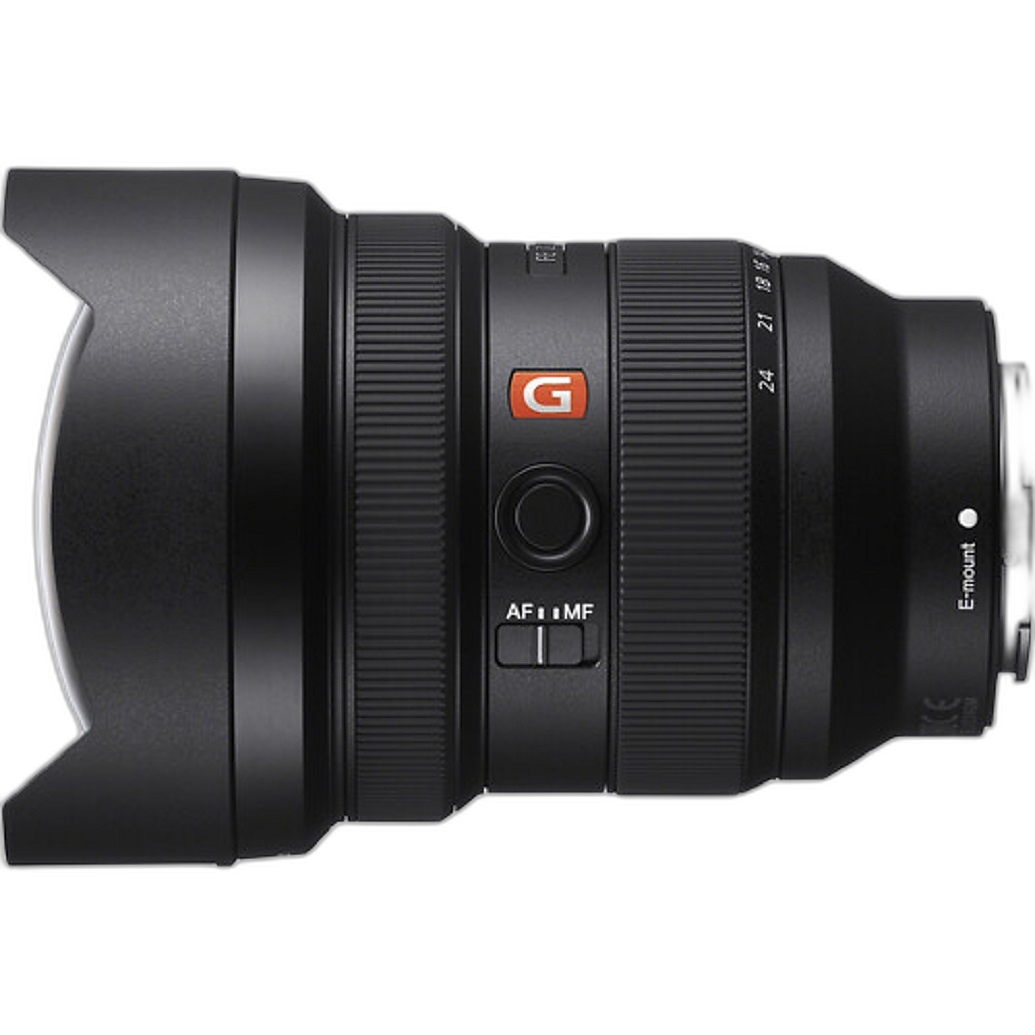
Sony GM lenses are designed to be the best Sony can offer. The Sony FE 12-24mm f/2.8 GM is not a conventional portrait lens, but it clearly demonstrates what GM represents: a faster aperture, premium build, advanced optical design, and top-tier performance expectations. In portrait photography, those GM traits usually translate into stronger low-light capability, more dramatic subject isolation when focal length allows, and higher confidence for demanding professional work.
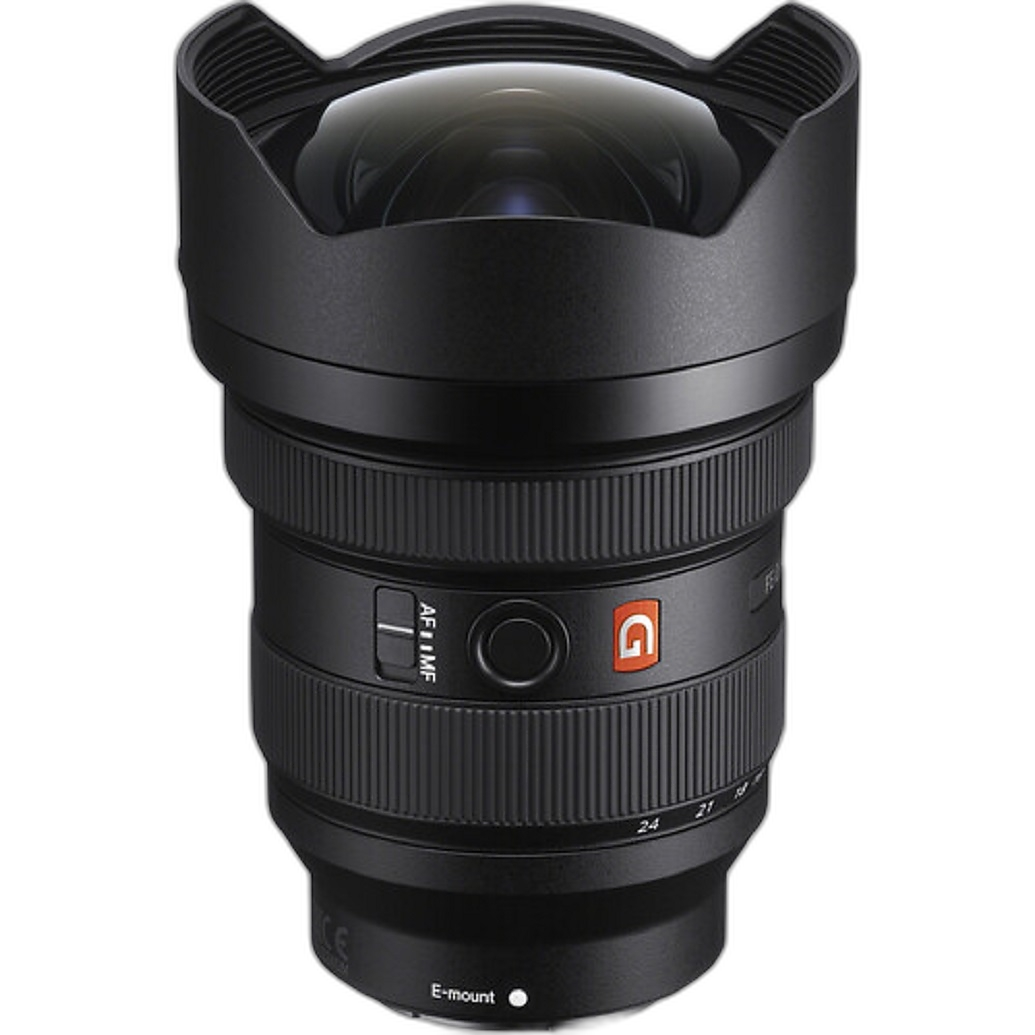
With this particular GM lens, the biggest portrait advantage is not shallow depth of field so much as creative perspective. At ultra-wide focal lengths, you can create immersive environmental portraits that place a subject within architecture, landscapes, interiors, or dramatic foreground elements. Fashion, editorial, music, fitness, and branding photographers may find this especially useful when they want a portrait to feel cinematic and spatial rather than purely flattering in the traditional sense.
When GM Makes the Biggest Difference
In the broader G vs GM conversation, portrait photographers benefit most from GM lenses when they need every advantage: exceptional autofocus responsiveness, superior performance wide open, stronger low-light flexibility, and rendering that feels more luxurious. GM lenses tend to appeal most to professionals who shoot paid sessions regularly, crop heavily, print large, or simply want the best Sony rendering available.
That said, the 12-24mm f/2.8 GM also highlights an important truth: not every GM lens is automatically the best portrait choice just because it carries the GM badge. Lens selection still has to begin with focal length and shooting style. A spectacular ultra-wide GM lens is still a specialty tool for portrait work. If your main business is headshots or classic shallow-depth-of-field portraiture, a versatile midrange G zoom may actually be more useful day to day.
Build and Professional Confidence
GM lenses typically feel purpose-built for photographers who demand consistent results under pressure. From autofocus behavior to optical consistency, they are meant to be used hard and often. For portrait photographers working on commercial sets, wedding days, location editorials, or hybrid photo/video productions, that confidence can justify the premium.
Still, there is a practical question every buyer should ask: will you actually use the advantages enough to pay for them? If your portrait work is mostly controlled, moderately paced, and delivered digitally, a G lens can be the smarter investment.
Portrait Photography Performance: Which Is Better?
For Classic Portraits
If the goal is traditional portrait photography, the Sony FE 24-105mm f/4 G OSS is the better fit between these two lenses. Its zoom range includes focal lengths that are naturally more flattering for portraits, especially from roughly 50mm through 105mm. It gives photographers room to compose headshots, three-quarter portraits, and environmental frames without dramatically altering facial proportions.
For Creative Environmental Portraits
If your portrait style is more dramatic, stylized, or editorial, the Sony FE 12-24mm f/2.8 GM can produce images the G lens simply cannot. It excels when the environment is part of the story. Used carefully, it can create energetic perspective, bold foreground emphasis, and immersive portraits that feel modern and unconventional.
For Value-Conscious Buyers
Most portrait photographers will get more practical value from Sony G lenses unless they specifically need flagship-level speed and rendering. G lenses often hit the sweet spot: excellent image quality, professional usability, and more attainable pricing. GM lenses are best for photographers who know exactly why they need the extra performance.
Pros and Cons
Sony G Lenses for Portraits
- Pros: Better overall value, highly versatile focal ranges, lighter investment for growing photographers, strong image quality, practical for portraits and general work.
- Cons: Usually slower maximum apertures, less dramatic background blur than flagship options, may lack some of the premium rendering and low-light flexibility of GM lenses.
Sony GM Lenses for Portraits
- Pros: Flagship optics, stronger professional appeal, typically faster apertures, premium autofocus performance, outstanding build quality, excellent for demanding creative work.
- Cons: Higher cost, often larger and heavier, and not every GM lens is automatically ideal for traditional portraiture.
Who Should Buy Sony G vs Sony GM?
Choose Sony G if you want a practical portrait lens solution that balances quality, flexibility, and price. For many photographers shooting families, seniors, events, branding, and on-location portraits, a G lens is more than enough and often the more intelligent purchase.
Choose Sony GM if you are a professional or advanced enthusiast who wants premium rendering, often works in demanding conditions, and is willing to pay more for top-tier optical and autofocus performance. GM is especially appealing when your creative style depends on distinctive lens character or you need the best possible technical results.
And if you are still developing your portrait style, pairing a capable lens with education can be a smart move. Unique Photo offers portrait-focused classes and workshops that can help photographers improve results beyond gear alone.

Verdict: Which Is Best for Portrait Photography?
Between the two lenses compared here, the Sony FE 24-105mm f/4 G OSS is the more sensible and effective portrait choice for most photographers. It covers useful portrait focal lengths, offers strong optical quality, and brings real-world versatility that many shooters will appreciate more than flagship prestige. It is the lens that better aligns with the everyday needs of portrait photographers.
The Sony FE 12-24mm f/2.8 GM, on the other hand, is an outstanding creative tool for environmental and editorial portraiture, but it is not the default recommendation for portrait specialists. It represents the strengths of the GM line beautifully, yet also proves that lens category matters just as much as brand tier.
So, which is best for portrait photography: Sony G or Sony GM? In general, Sony G is the better value choice for most portrait photographers, while Sony GM is the better choice for specialists who need top-tier performance and have a clear use case for it. If you are ready to compare Sony lenses and buy the right one for your portrait kit, Unique Photo is an excellent place to shop, with expert support and a strong selection of Sony gear.