Best Hybrid Cameras for Both Photography and Video in 2024
Hybrid cameras are designed for creators who need to move seamlessly between still photography and video without carrying separate systems. In 2024, the best hybrid options balance image quality, autofocus, stabilization, recording formats, ergonomics, and lens ecosystem support. Rather than focusing on a single use case, this comparison looks at what matters most to photographers who also shoot video and filmmakers who also need strong stills performance.
Because hybrid camera buyers often build a broader kit around their camera body, we are also highlighting a few useful accessories and learning resources available from Unique Photo that support both photography and video workflows.
What Makes a Great Hybrid Camera in 2024?
The best hybrid cameras tend to excel in five core areas: fast and accurate autofocus, high-quality oversampled video, dependable in-body image stabilization, strong low-light performance, and an intuitive shooting experience for both stills and motion. For many buyers, lens choice, overheating performance, battery life, and professional video tools like log profiles, waveform monitoring, and high-bitrate codecs are equally important.
Side-by-Side Hybrid Camera Comparison
| Camera Type | Photography Strengths | Video Strengths | Best For | Trade-Offs |
|---|---|---|---|---|
| High-resolution full-frame hybrid | Excellent detail, cropping flexibility, commercial and studio work | Sharp oversampled 4K/8K options, advanced codec support | Creators who prioritize maximum image quality | Larger files, heavier processing demands, often higher cost |
| Balanced full-frame hybrid | Strong all-around image quality, great low-light performance | Excellent 4K/6K recording, strong autofocus, good dynamic range | Wedding, event, documentary, and content creators | May offer lower resolution than flagship stills bodies |
| Speed-focused hybrid | Fast burst shooting, blackout-free EVF, responsive AF tracking | Strong frame-rate options, reliable rolling shutter control | Sports, wildlife, action, and run-and-gun video | Resolution may be lower than detail-focused models |
| APS-C hybrid camera | Compact, affordable, often great reach for telephoto work | Impressive 4K quality in smaller bodies | Travel creators, enthusiasts, and budget-conscious buyers | Usually less low-light headroom than full frame |
Photography Performance
Image Quality and Resolution
If still photography is your first priority, a high-resolution full-frame hybrid is often the most appealing choice. These cameras give you the flexibility to crop aggressively, print large, and retain detail for commercial, landscape, and portrait work. On the other hand, balanced full-frame cameras frequently deliver more than enough resolution for professional use while offering better processing speed and often better low-light behavior.
Autofocus for Stills
In 2024, subject-detection autofocus has become a defining feature. The strongest hybrid cameras can identify people, eyes, animals, birds, and vehicles with remarkable consistency. For photographers shooting weddings, family sessions, sports, or wildlife, dependable tracking can matter more than absolute megapixel count.
Stabilization and Handheld Shooting
In-body image stabilization is especially valuable in a hybrid camera because it benefits both stills and video. For photographers, it can help maintain sharp images at lower shutter speeds. For video creators, it reduces micro-jitters during handheld clips and can make lightweight setups much more usable in real-world production.
Video Performance
Resolution, Frame Rates, and Oversampling
Great hybrid cameras in 2024 usually offer high-quality 4K as the practical sweet spot, but the best models increasingly add 6K or 8K capture for reframing, oversampling, and future-proofing. Oversampled 4K remains especially attractive because it often produces crisp detail with manageable file sizes compared to full-resolution raw or 8K workflows.
Codecs, Color, and Dynamic Range
Serious creators should pay attention to internal recording options, bit depth, and log capture. Hybrid cameras aimed at advanced users now commonly support 10-bit recording, giving editors more latitude for color grading. If your work includes interviews, branded content, short films, or documentary projects, this is one of the most important areas to compare.
Rolling Shutter and Heat Management
Fast sensor readout can make a major difference for video shooters, particularly when panning quickly or filming action. Some hybrid cameras also manage long recording sessions better than others. If you regularly shoot events, interviews, or extended productions, reliable thermal performance may be just as important as headline video specs.
Handling and Ecosystem
Ergonomics
The best hybrid cameras are not just powerful on paper; they are comfortable to use all day. A deep grip, intuitive menu system, strong EVF, and a fully articulating screen can dramatically improve both still and video shooting. Dual card slots, full-size HDMI, headphone and microphone ports, and USB-C charging are increasingly expected in serious hybrid models.
Lens Selection
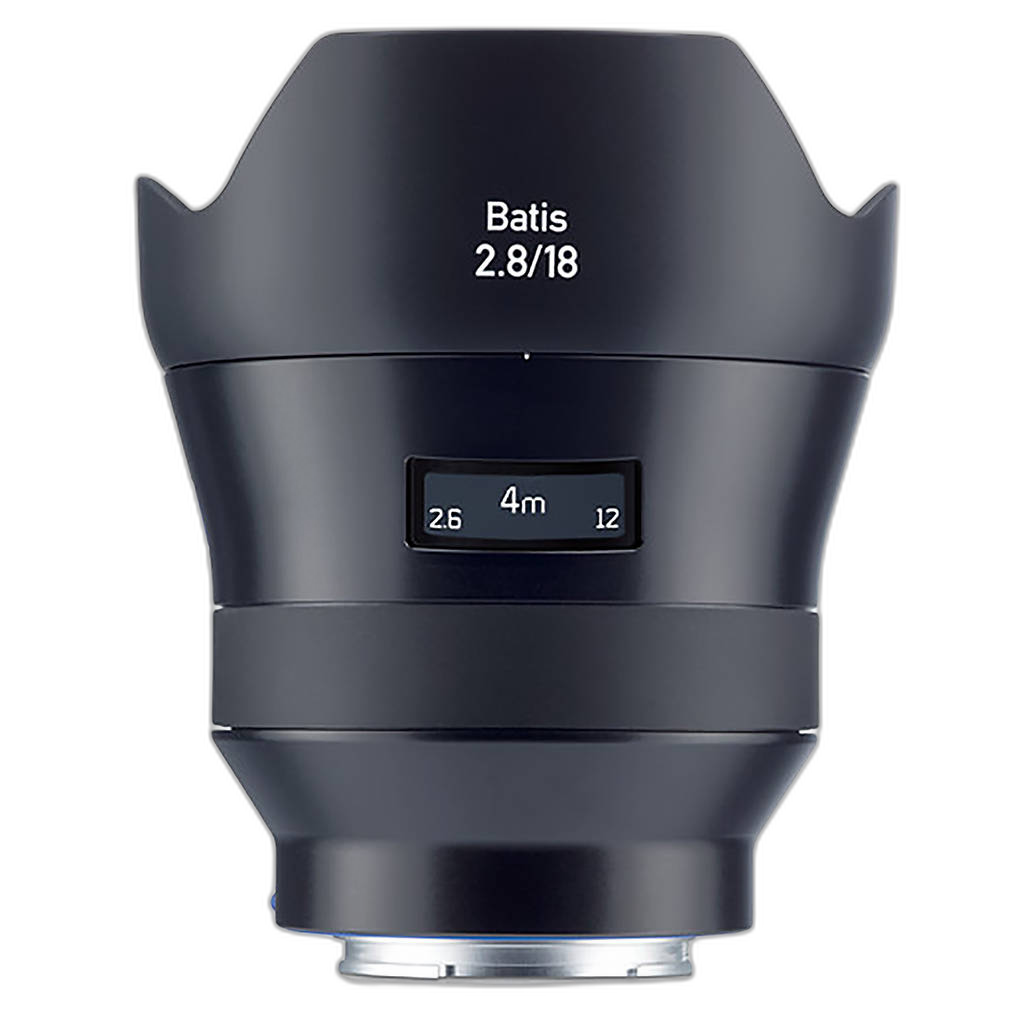
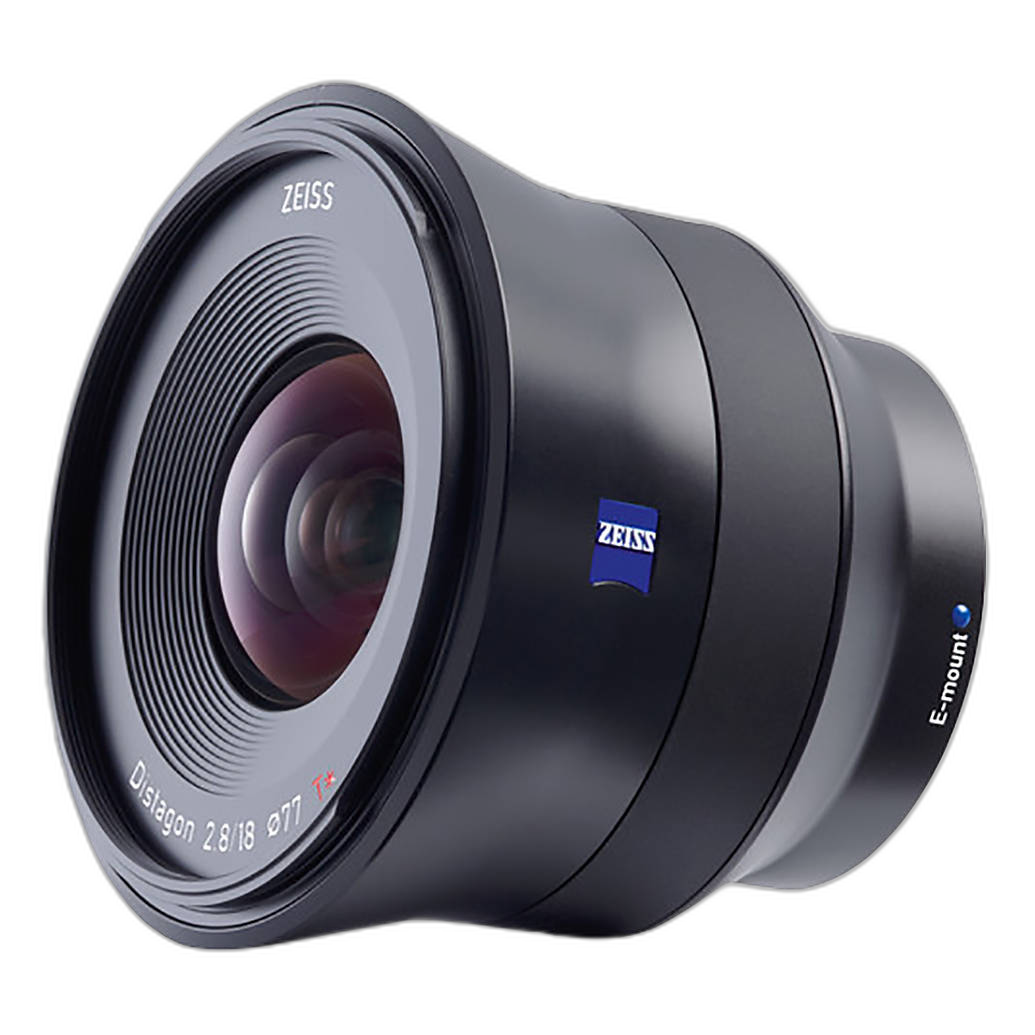
A camera body is only part of the equation. Lens ecosystem depth is critical for hybrid shooters, especially if you need wide primes, compact zooms, and stabilized telephoto options. For Sony full-frame users, lenses like the Zeiss Batis 18mm f/2.8 offer an appealing option for landscapes, architecture, interiors, and vlogging-style wide coverage.
Best Hybrid Camera Types by User
For Photographers Who Also Need Great Video
A high-resolution or balanced full-frame hybrid is usually the best fit. These cameras prioritize still image quality while still offering advanced video modes that are more than capable for commercial work, social content, and short-form production.
For Videographers Who Also Shoot Stills
A balanced full-frame hybrid often wins here. You get excellent autofocus, strong low-light results, capable stabilization, and video-first tools without sacrificing the ability to produce polished stills for clients.
For Travel and Everyday Creation
APS-C hybrids remain compelling in 2024 because they offer a strong mix of portability, affordability, and quality. If size and weight matter as much as performance, these cameras deserve serious consideration.
For Action, Sports, and Wildlife
Speed-focused hybrids are ideal if your content involves fast motion. Faster readout, burst rates, and more responsive subject tracking can outweigh the benefits of ultra-high resolution.
Supporting Gear for Hybrid Shooters
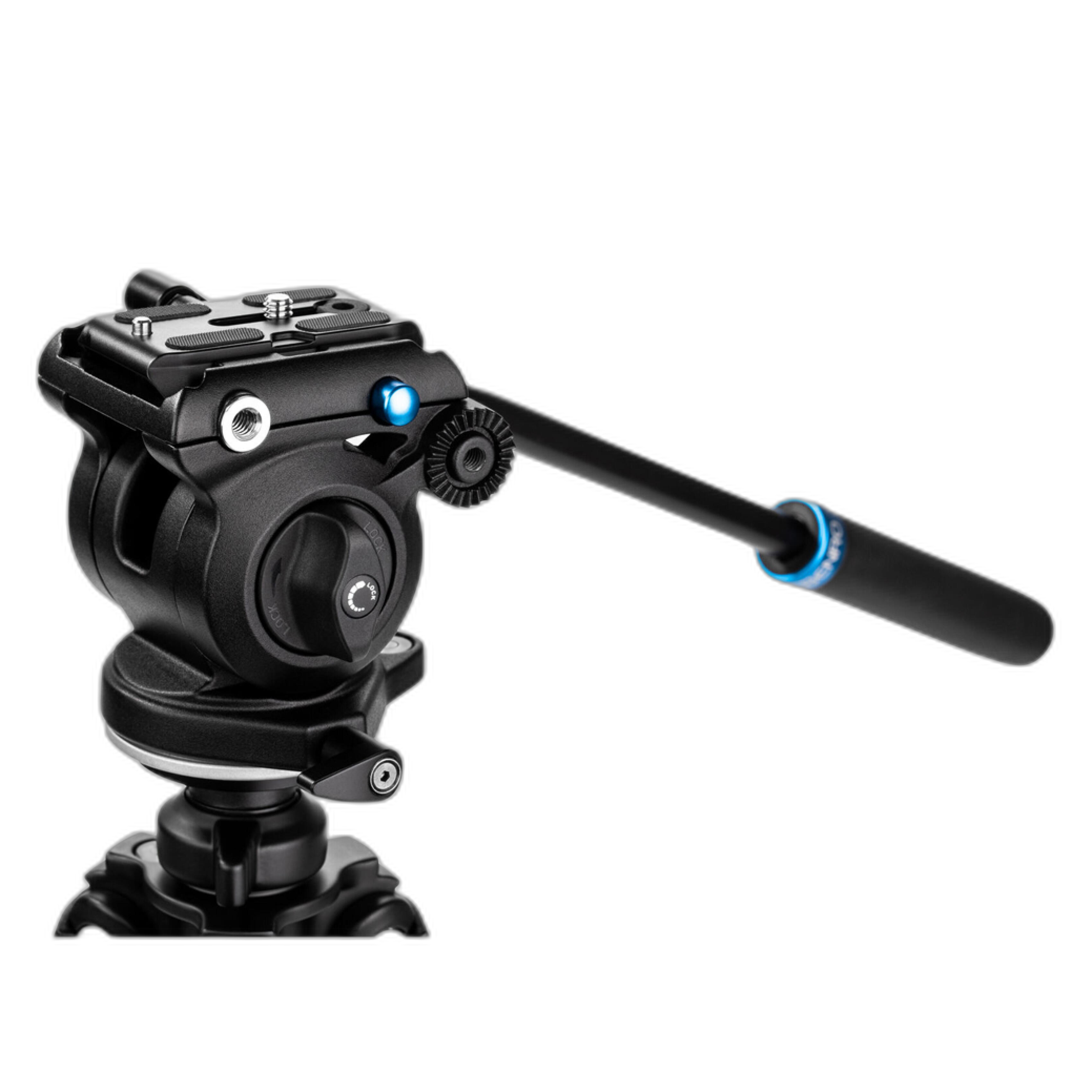
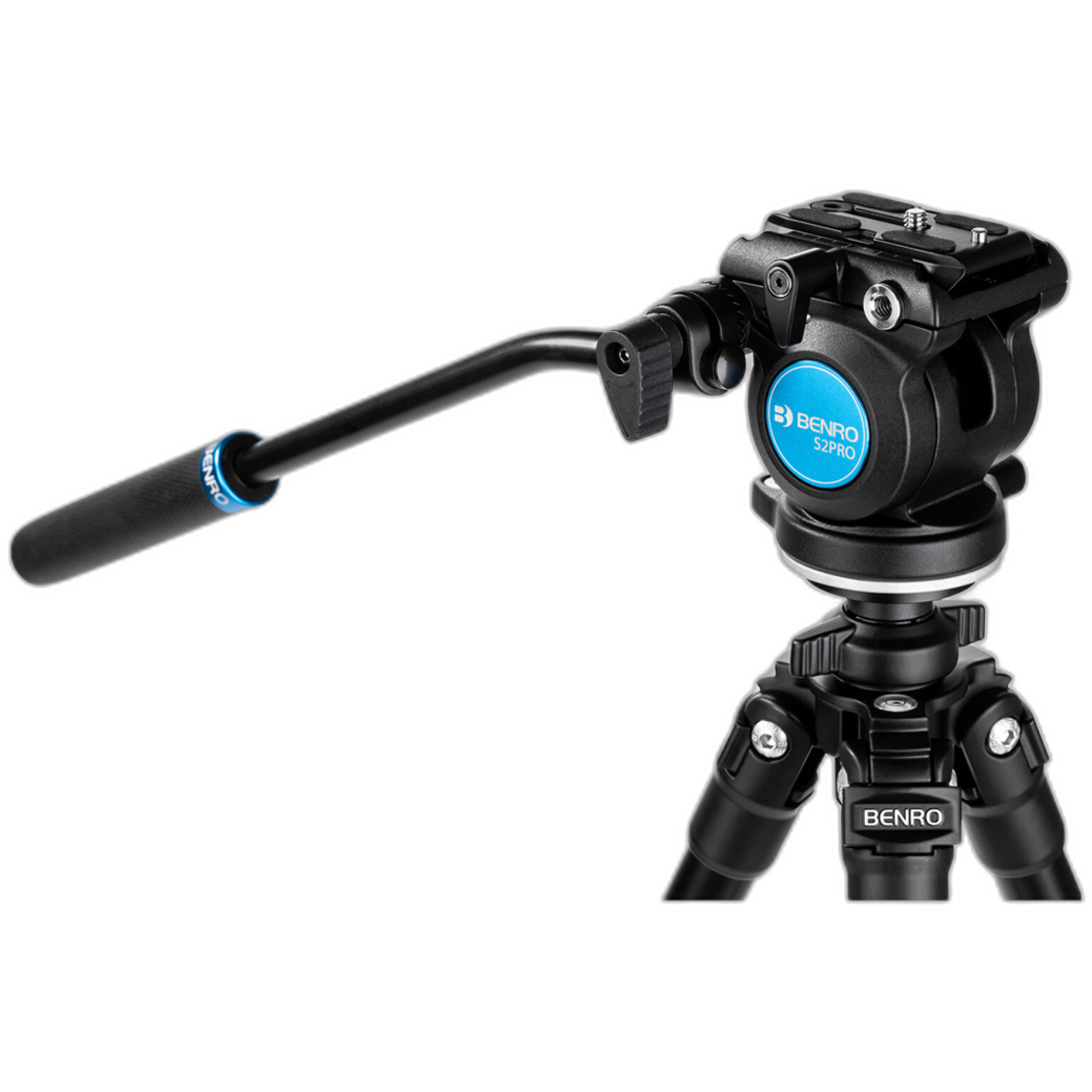
Hybrid creators often benefit from more than just the camera body. A stable support system, for example, can transform video results. A fluid head like the Benro S2 PRO Flat Base Fluid Video Head is useful for smoother pans and tilts, making it a smart addition for creators building out a photo-and-video kit.
Education also plays a major role in getting the most out of a hybrid system. Unique Photo offers classes and learning resources that can help photographers expand into video and help video creators strengthen their still-image technique.

Our Pick
If your work is primarily commercial photography, a high-resolution body may be worth the extra investment. If your priority is action or extended video shooting, a speed-focused or more video-centric option can make more sense. But for the widest range of users, the balanced full-frame category remains the sweet spot.
Final Thoughts
The best hybrid camera for both photography and video in 2024 is the one that fits your creative priorities, workflow, and lens plans. Buyers should focus less on headline specs alone and more on how a camera performs across autofocus, handling, stabilization, codec options, and system support. If you are building or upgrading a hybrid setup, Unique Photo is a great place to explore cameras, lenses, support gear, and educational resources to help you get more from your investment.