Portrait Camera Comparison: Which Model Delivers the Best Real-World Experience?
For portrait photographers, specs only tell part of the story. What really matters is how a camera feels in hand during a long shoot, how dependable autofocus is when a subject shifts expression or posture, how flattering the color science looks straight out of camera, and how much image quality headroom you have when shaping skin tones in post. In this comparison, we’re focusing on four cameras that make sense for portrait shooters in very different ways: the FUJIFILM X-T30 III, Canon EOS R10, OM SYSTEM OM-5, and Sony RX1R III.
These models represent four distinct portrait approaches: classic Fujifilm color and tactile controls, Canon’s strong subject-detection autofocus, OM SYSTEM’s compact stabilized body, and Sony’s premium full-frame compact image quality. If you’re debating which one fits your portrait workflow best, this head-to-head breakdown is designed to help.
Side-by-Side Specs
| Model | Format | Lens Type | Portrait Strength | Best For |
|---|---|---|---|---|
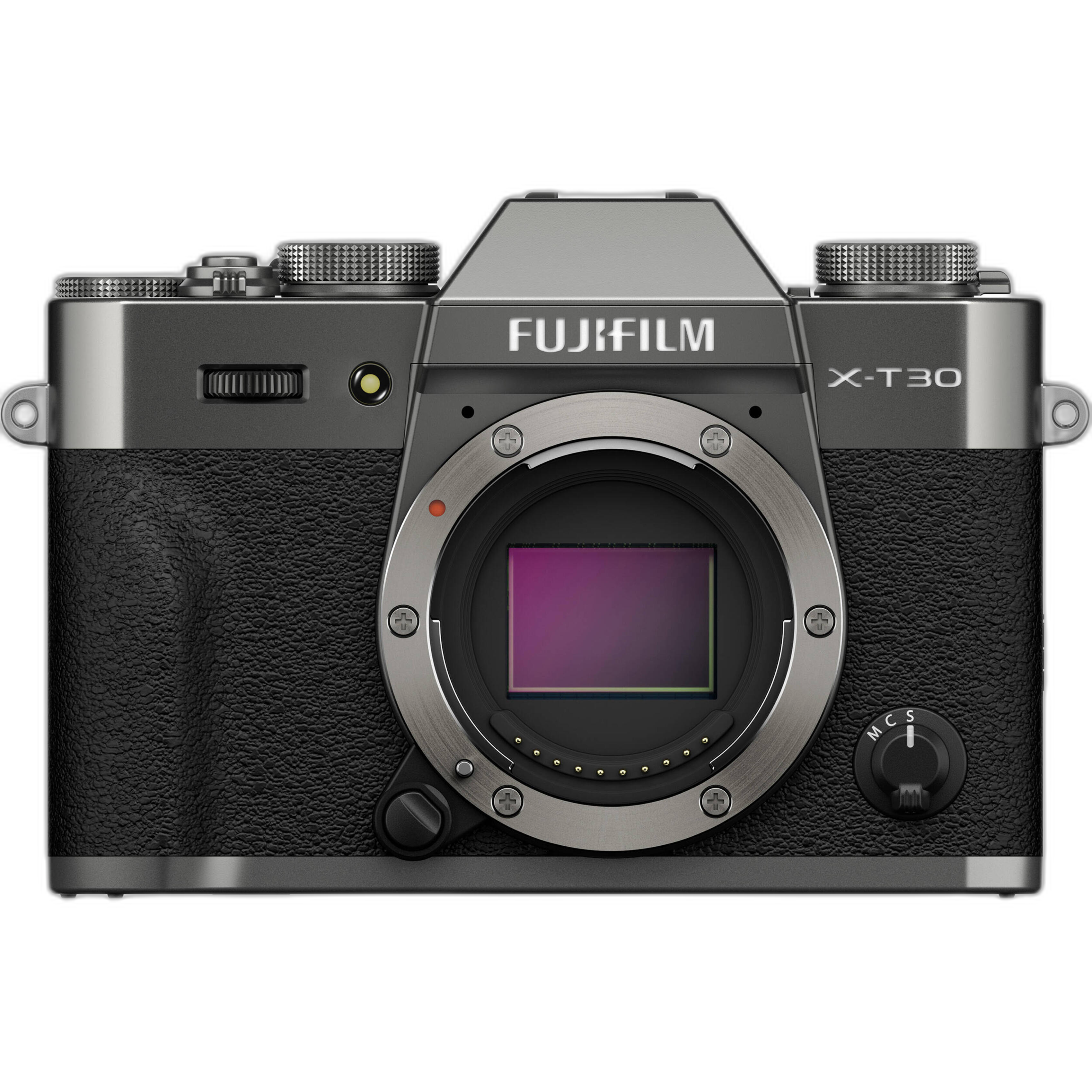
| FUJIFILM X-T30 III | APS-C Mirrorless | Interchangeable lens | Beautiful color profiles, compact body, strong image quality | Portrait photographers who value film-inspired color and a classic shooting experience |
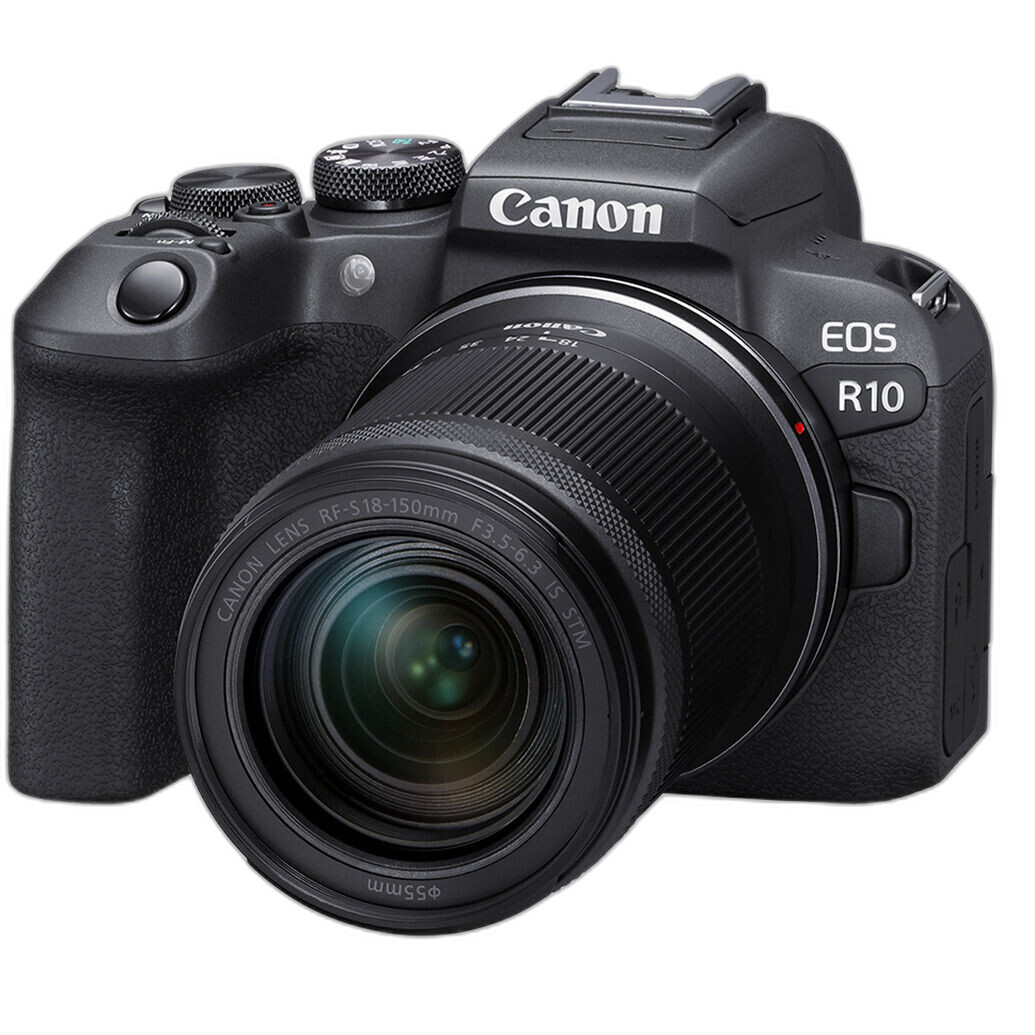
| Canon EOS R10 | APS-C Mirrorless | Interchangeable lens | Reliable autofocus tracking, fast response, user-friendly operation | Photographers prioritizing AF confidence and ease of use |
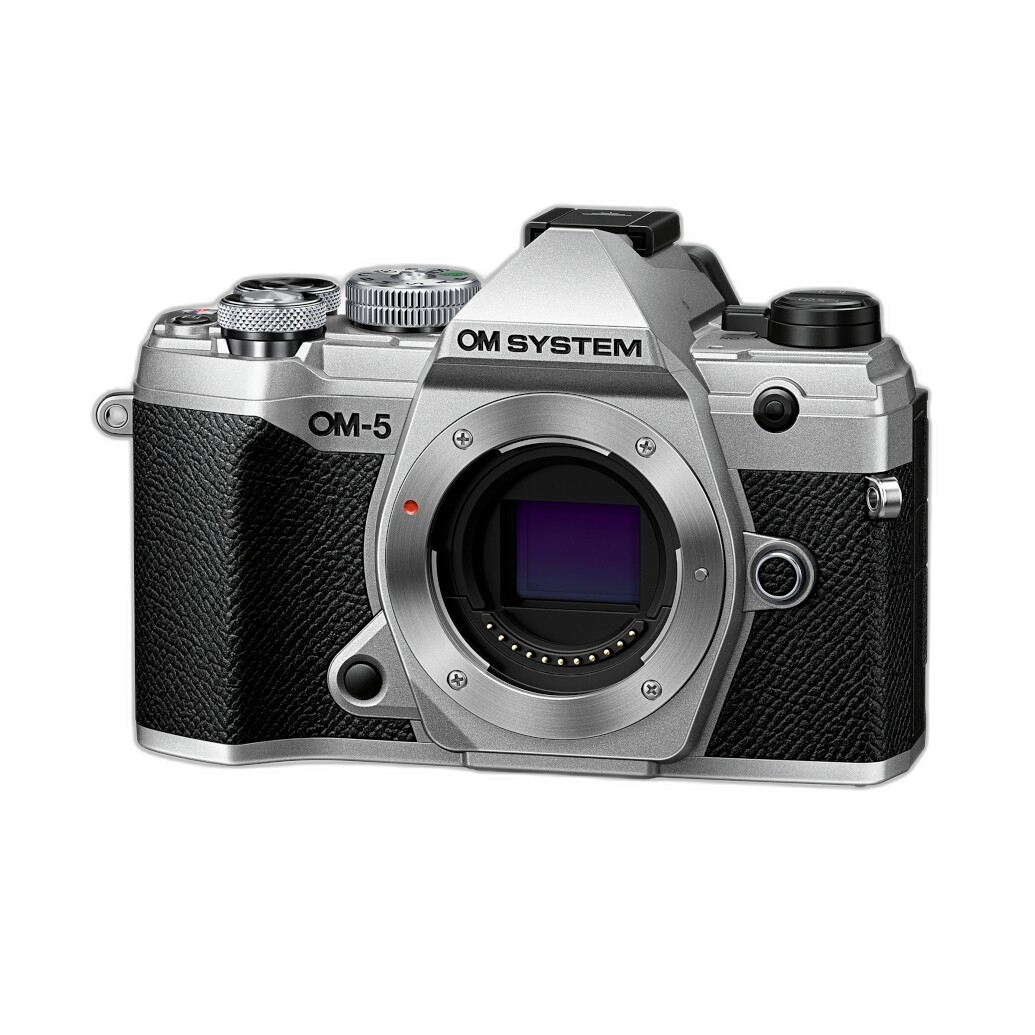
| OM SYSTEM OM-5 | Micro Four Thirds Mirrorless | Interchangeable lens | Lightweight system, strong stabilization, portable portrait setup | Travel and environmental portrait shooters |
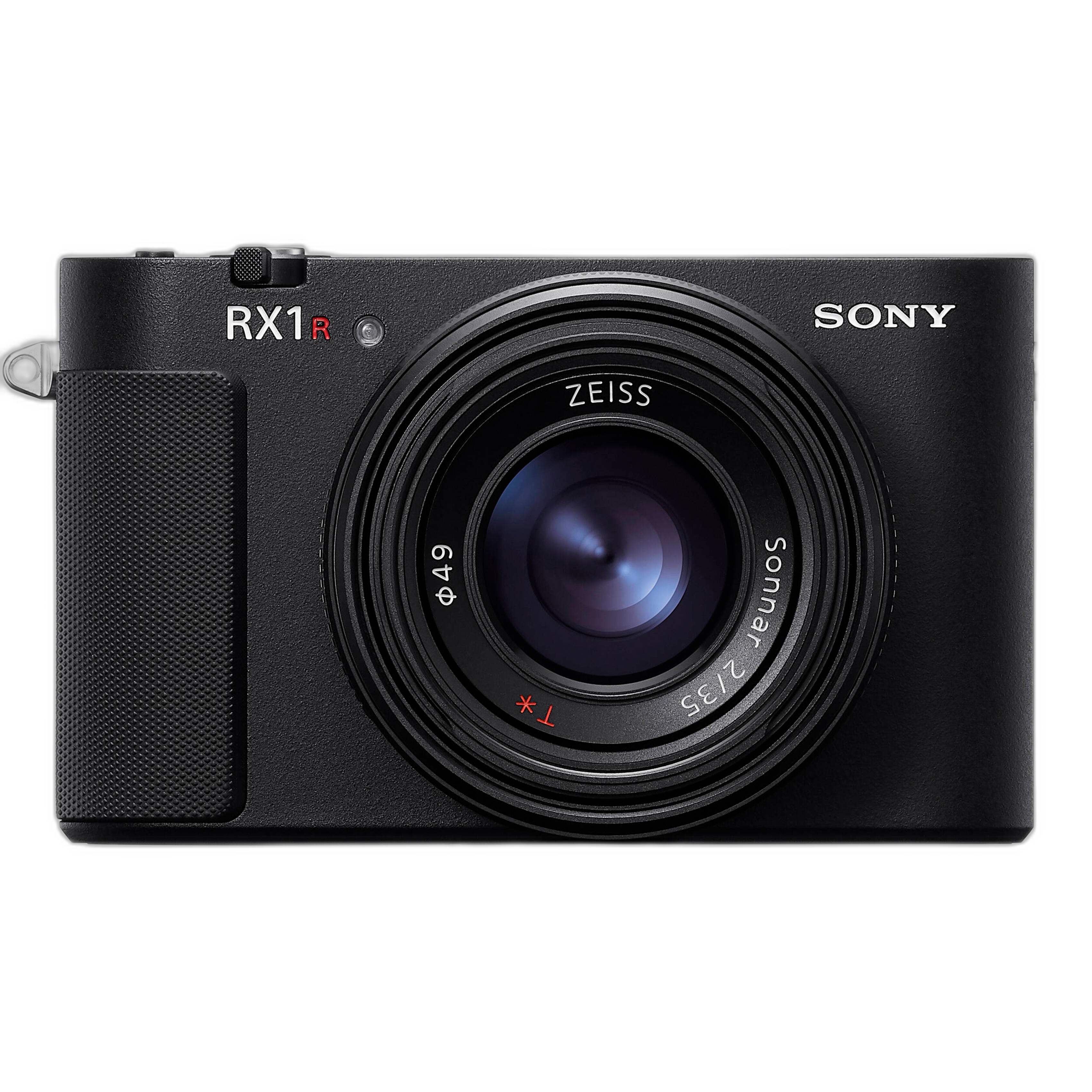
| Sony RX1R III | Full-Frame Compact | Fixed lens | Premium image quality, full-frame rendering, high-end compact design | Portrait shooters wanting elite image quality in a minimal kit |
Handling and Shooting Experience
FUJIFILM X-T30 III
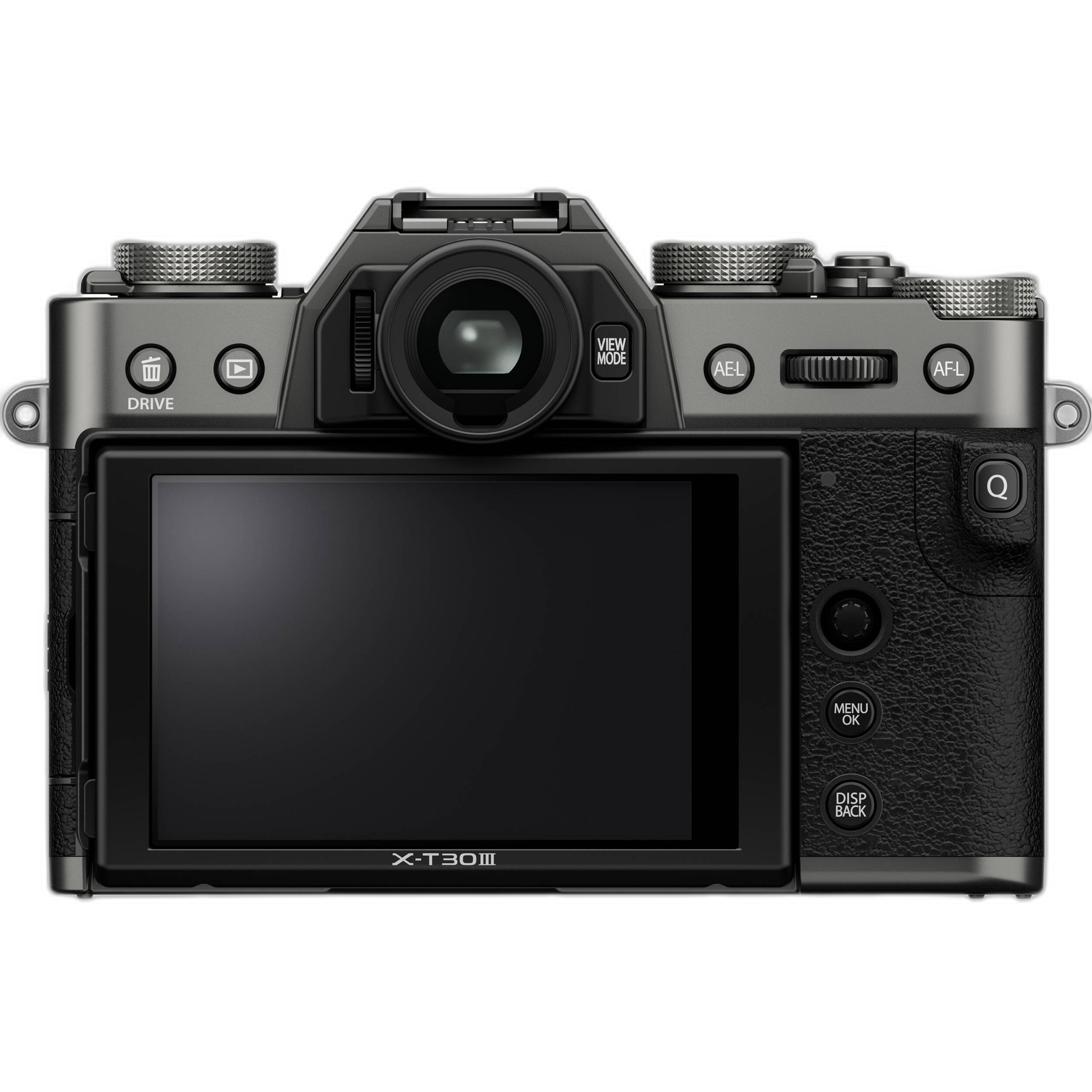
The X-T30 III has a lot of appeal for portrait photographers who enjoy a more intentional style of shooting. Its dials and compact rangefinder-inspired feel make it fun to use, and Fujifilm bodies tend to encourage thoughtful composition rather than pure spray-and-pray operation. For portrait work, that can be a real advantage when directing subjects and refining expressions.
That said, its compact size can be a mixed blessing with larger portrait lenses. It’s highly portable, but photographers with bigger hands or those using heavier glass may want a more substantial grip solution.
Canon EOS R10
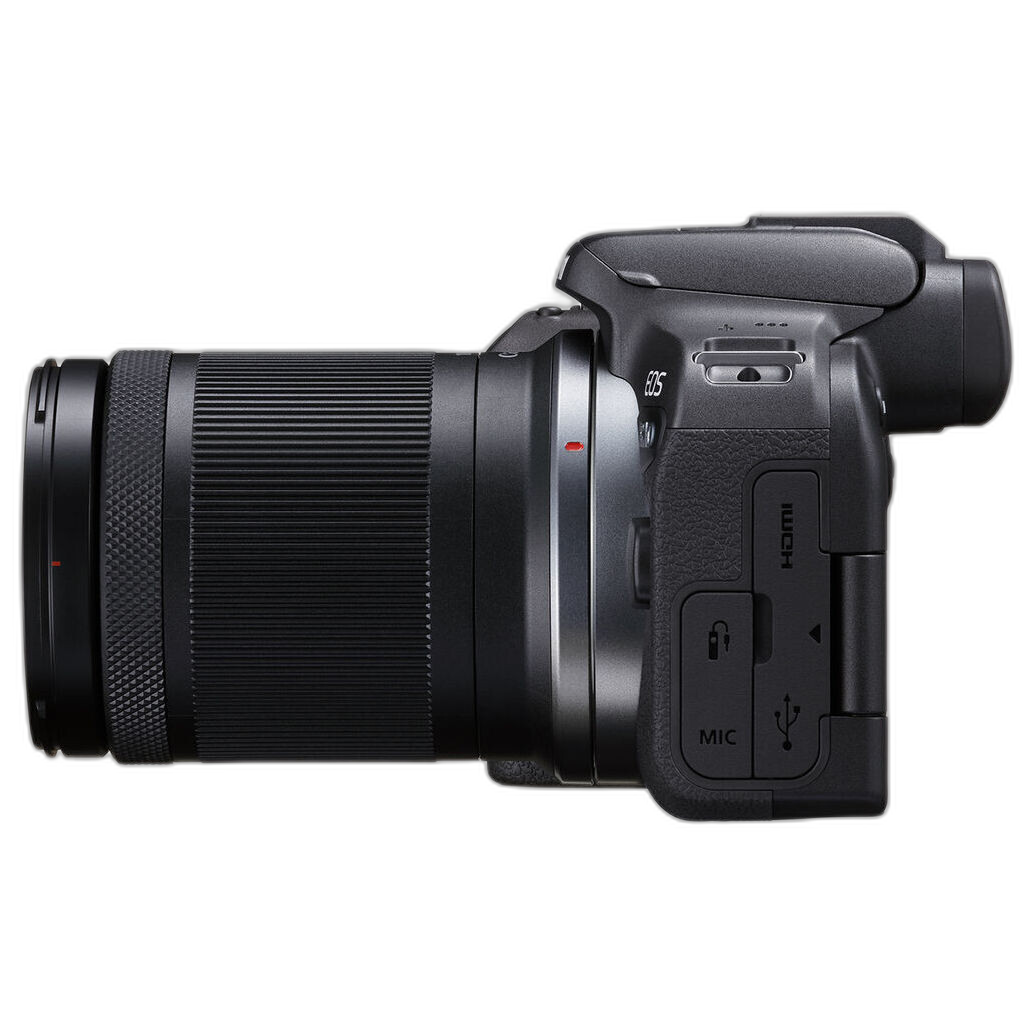
The EOS R10 feels modern, fast, and approachable. In practical portrait sessions, that translates into less friction. Menus are easy to navigate, the grip is comfortable, and the camera responds quickly when you need to move between posed frames and candid moments. For photographers who shoot families, seniors, events, or lifestyle portraits, that responsive handling is a major plus.
The included 18-150mm kit lens also makes the package flexible, although serious portrait shooters will likely pair the R10 with a faster prime or portrait zoom to get more subject separation.
OM SYSTEM OM-5
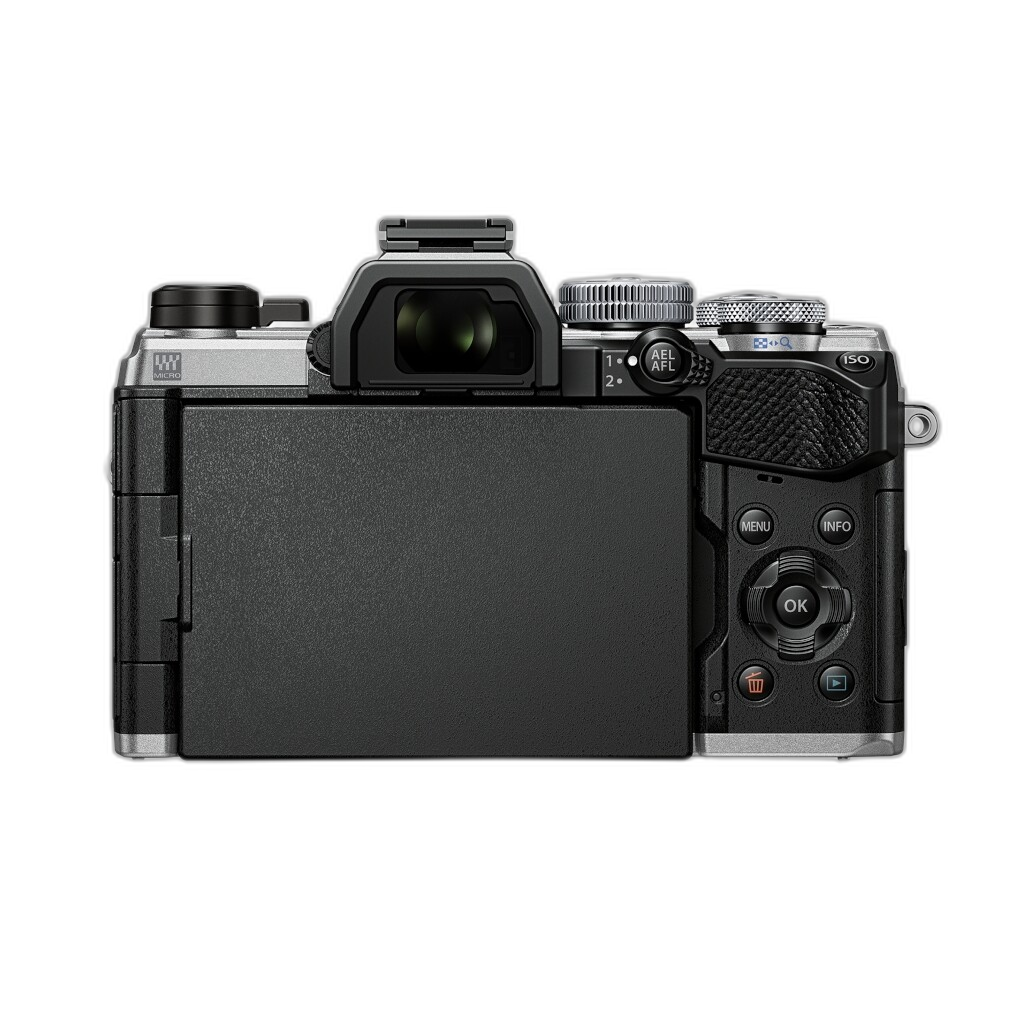
The OM-5 is all about mobility. If your portrait style involves outdoor sessions, travel work, city walkarounds, or hybrid portrait-and-landscape storytelling, this body is extremely easy to carry. The stabilization advantage can also help when working in available light or during slower-paced portrait setups.
For pure shallow-depth-of-field portrait shooters, though, the smaller sensor format may not deliver the same effortless background blur as APS-C or full-frame options. Its strength is less about maximum subject isolation and more about portability and flexibility.
Sony RX1R III
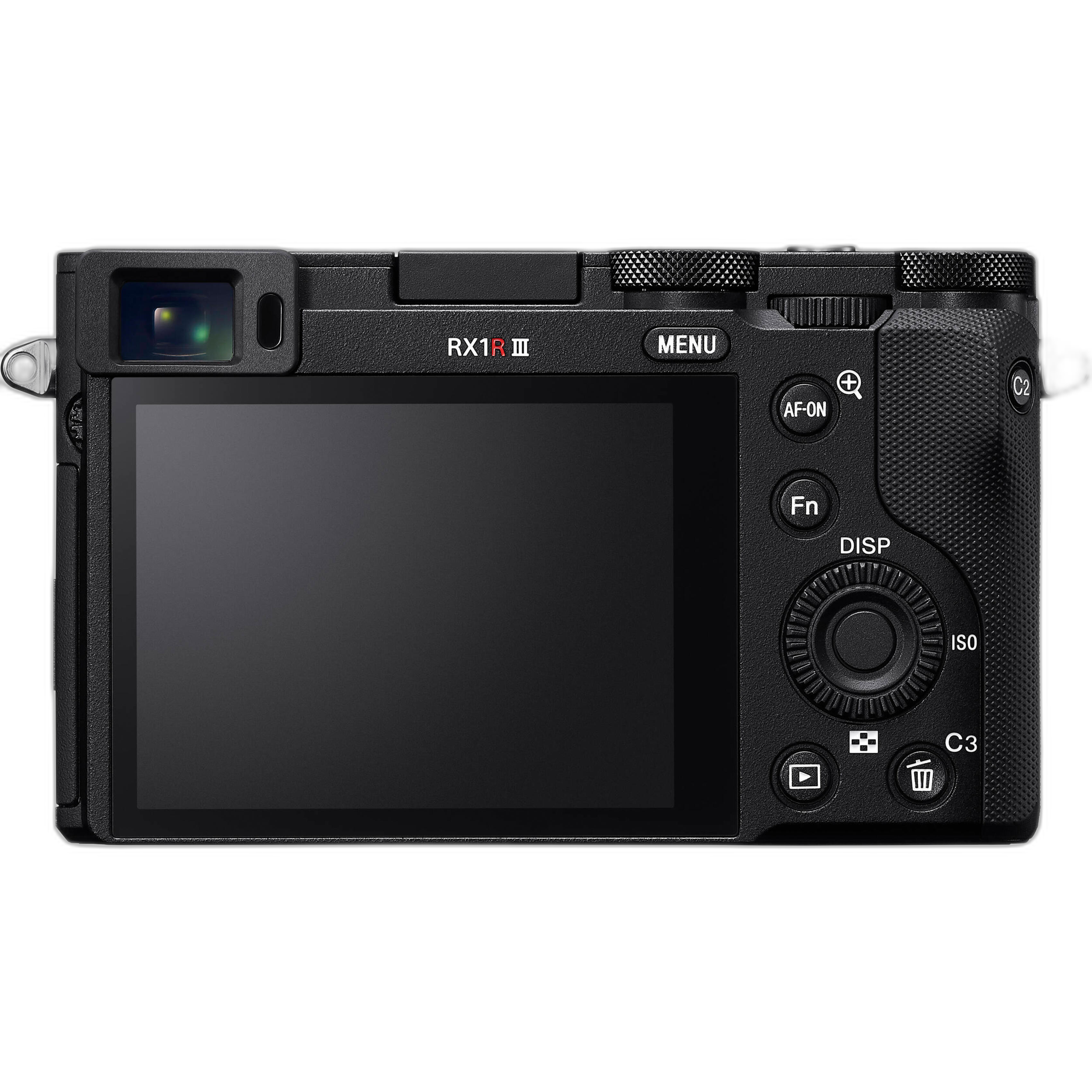
The RX1R III is a very different proposition. It’s premium, compact, and focused. For portrait photographers who want exceptional image quality without carrying an interchangeable-lens system, it has huge appeal. The fixed-lens design keeps the experience simple, and the full-frame look gives portraits a richer sense of depth and tonal subtlety.
The tradeoff is obvious: less flexibility. If your portrait workflow depends on changing focal lengths and building out a lens kit, the RX1R III is not as adaptable as the mirrorless options here.
Color Science for Skin Tones
Fujifilm: A Favorite for Character and Mood
Fujifilm has long been a favorite among portrait photographers because its color science often gives skin tones a polished, expressive feel straight out of camera. The X-T30 III is especially attractive for photographers who like subtle tonal richness and film-inspired rendering. If your workflow involves delivering fast previews or relying on JPEGs in some situations, Fujifilm has a strong edge in personality.
Canon: Natural, Familiar, and Client-Friendly
Canon’s reputation for pleasing skin tones remains one of its biggest strengths. The EOS R10 delivers color that many photographers describe as immediately usable and easy to edit. For portrait work, especially client sessions where flattering skin is a priority, Canon’s rendering is dependable and broadly appealing.
OM SYSTEM: Clean and Balanced
The OM-5 offers balanced, natural color that can work very well for portraits, especially outdoors. While it may not generate the same passionate color-science debate as Fujifilm or Canon, it produces clean files that are workable and consistent.
Sony: Detailed and Flexible
Sony color has improved significantly over the years, and with a premium full-frame camera like the RX1R III, portrait photographers can expect excellent tonal depth and editing flexibility. Straight-out-of-camera color may feel a little less stylized than Fujifilm and a touch less immediately familiar than Canon, but the file quality gives you room to shape your own look.
Autofocus Reliability for Portrait Sessions
Canon EOS R10 Leads for Confidence
If autofocus reliability is your top concern, the Canon EOS R10 is the easiest recommendation in this group. Canon’s subject detection and tracking performance make it especially appealing for portraits involving movement, changing poses, kids, couples, or spontaneous moments. It’s the camera here most likely to make you feel like the AF system is actively helping.
Fujifilm X-T30 III Is Capable, but More Style-Oriented
The X-T30 III can absolutely handle portrait work well, but in this comparison it feels more like the choice for photographers who prioritize rendering and shooting experience first, with autofocus that is solid rather than class-leading. For controlled sessions, that’s usually more than enough.
OM SYSTEM OM-5 Offers Practical Performance
The OM-5 performs well for many portrait situations, especially when your sessions are not highly demanding in terms of erratic movement. It fits photographers who value light weight and stabilization as much as AF sophistication.
Sony RX1R III Prioritizes Image Quality and Simplicity
The RX1R III brings premium imaging to the table, but the appeal here is less about system-level versatility and more about the total package of compactness and quality. For portrait shooters who work deliberately, it can be a compelling tool, though the Canon remains the safer pick if AF consistency is the top deciding factor.
Image Quality and Portrait Look
Sony RX1R III: The Premium Rendering Option
For sheer portrait image quality potential, the Sony RX1R III stands out. Full-frame capture gives it an advantage in tonal depth, low-light flexibility, and the overall rendering many portrait photographers love. If your priority is the most refined final image from the smallest possible package, Sony makes a strong case.
Fujifilm X-T30 III: Excellent Balance of Detail and Character
The X-T30 III delivers a particularly satisfying balance of sharpness, color, and portrait character. It may not match the full-frame depth of the Sony, but it compensates with a look many shooters simply enjoy more. For portrait artists, that subjective quality matters.
Canon EOS R10: Strong, Flexible, and Consistent
The EOS R10 produces highly usable portrait files with plenty of flexibility for editing. It may not be the most romantic camera in this lineup from a color-culture perspective, but it is one of the easiest to trust across a wide range of assignments.
OM SYSTEM OM-5: Best When Portability Matters Most
The OM-5 is capable of attractive portrait results, especially in environmental and travel contexts. Its image quality is solid, but photographers who are chasing the shallowest depth of field and maximum file malleability for beauty or studio portraiture may gravitate toward the APS-C and full-frame options first.
Our Pick
Our Pick: Canon EOS R10
For most portrait photographers, the Canon EOS R10 is the best all-around choice in this comparison. It combines approachable handling, highly reliable autofocus, pleasing color, and a flexible lens ecosystem that can grow with your needs. While the Fujifilm X-T30 III may win on style and color personality for some shooters, and the Sony RX1R III offers the most premium image-quality proposition, the R10 is the camera most likely to deliver dependable results across real-world portrait sessions.
If your portrait style is more artistic and color-driven, the FUJIFILM X-T30 III is the strongest alternative. If you want maximum image quality in a compact premium form, the Sony RX1R III is the aspirational choice.
Conclusion
Choosing the right portrait camera comes down to what you value most: color character, autofocus confidence, portability, or ultimate image quality. The Fujifilm X-T30 III, Canon EOS R10, OM SYSTEM OM-5, and Sony RX1R III all bring different strengths to portrait photography, and each one can be the right answer for a different kind of shooter. If you’re ready to compare these models more closely, build out a portrait-ready kit, or get expert guidance on lenses and accessories, Unique Photo is a great place to start.