Sony A7 IV vs Canon EOS R6 for Portrait Photography
Choosing between the Sony A7 IV and Canon EOS R6 is a common question for portrait photographers who want a full-frame mirrorless camera with strong autofocus, excellent image quality, and dependable real-world handling. Both cameras are highly capable, but they appeal to slightly different portrait shooters. The Sony A7 IV offers higher resolution for extra cropping flexibility and detail, while the Canon EOS R6 focuses on speed, smooth handling, and excellent subject tracking.
For portrait work, the differences that matter most are sensor resolution, color rendering, eye-detection autofocus, lens selection, ergonomics, and low-light performance. Below, we break down how these two cameras compare specifically for portrait photography.
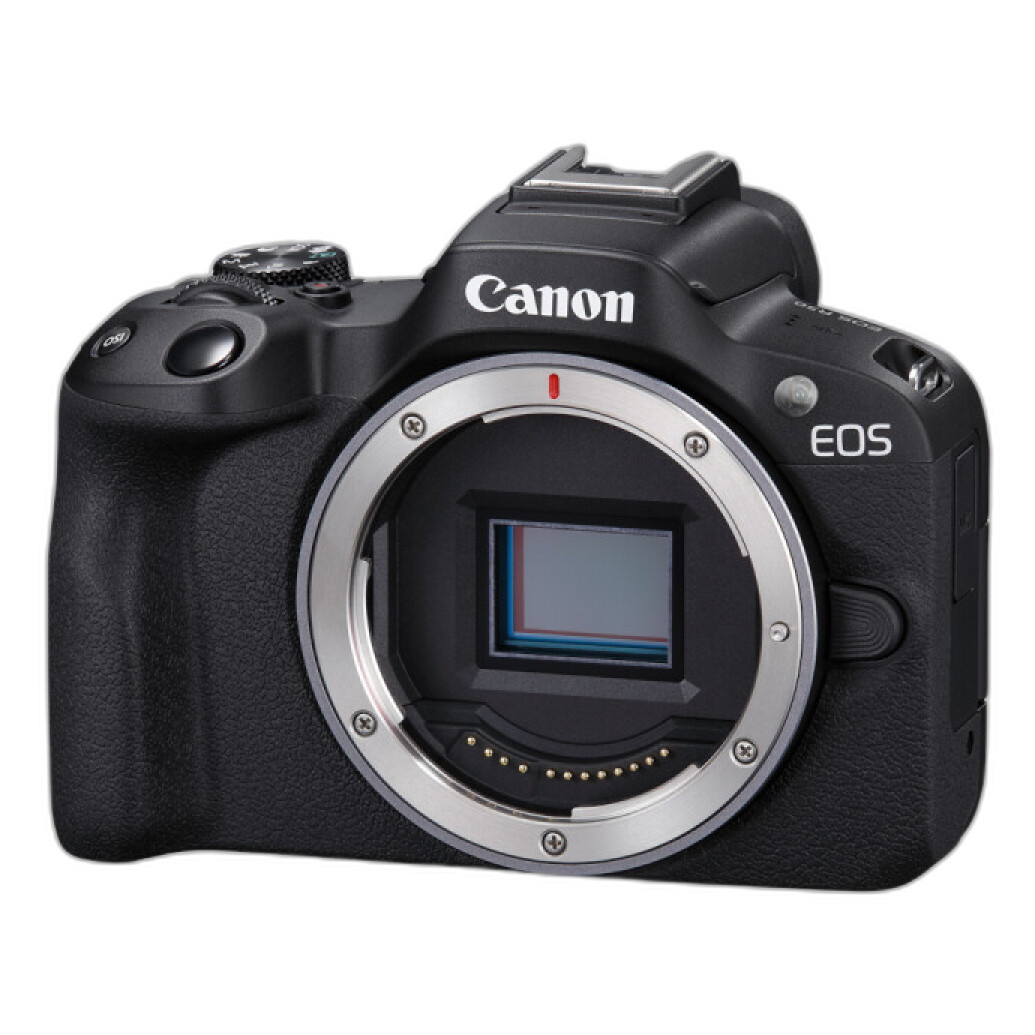
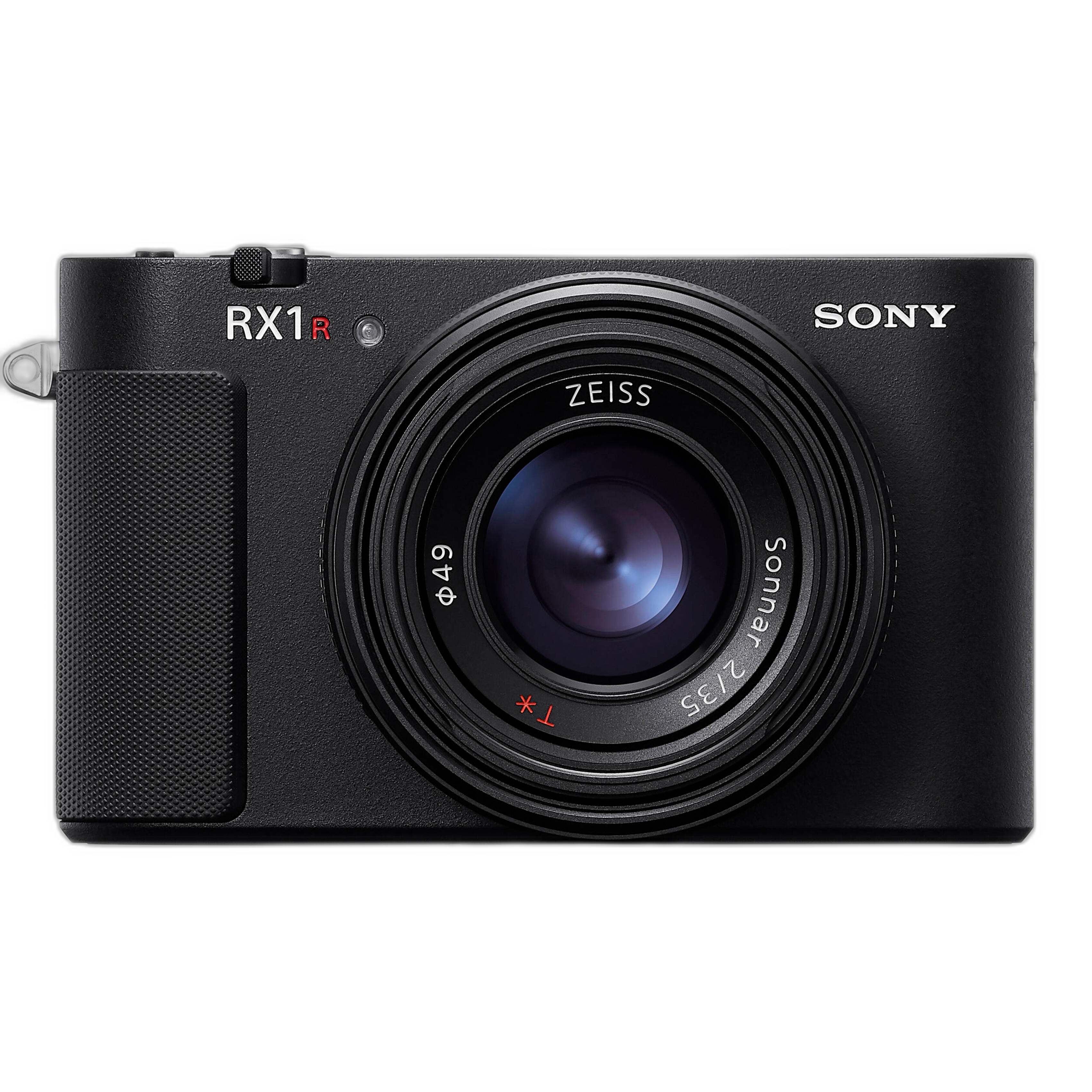
Side-by-Side Specs Comparison
| Feature | Sony A7 IV | Canon EOS R6 |
|---|---|---|
| Sensor | 33MP full-frame CMOS | 20.1MP full-frame CMOS |
| Image Processor | BIONZ XR | DIGIC X |
| Portrait Advantage | Higher resolution for detailed skin, hair, and cropping | Excellent files with lower resolution but strong high-ISO cleanliness |
| Autofocus | Real-time Eye AF for humans, animals, birds | Dual Pixel CMOS AF II with strong human/eye tracking |
| In-Body Image Stabilization | Yes | Yes |
| Burst Shooting | Up to 10 fps | Up to 12 fps mechanical / 20 fps electronic |
| Viewfinder | 3.69M-dot EVF | 3.69M-dot EVF |
| Rear Screen | Fully articulating touchscreen | Fully articulating touchscreen |
| Memory Card Slots | Dual slots | Dual slots |
| Lens Mount | Sony E mount | Canon RF mount |
| Best Fit | Studio, editorial, hybrid portrait shooters | Event, family, wedding, fast-moving portrait sessions |
Resolution and Image Detail
Why megapixels matter for portraits
The Sony A7 IV has a clear advantage in resolution. Its 33MP sensor gives portrait photographers more room to crop while maintaining strong image quality. That can be especially helpful for headshots, beauty work, and editorial portraits where precise framing matters. If you often recompose in post or deliver multiple crops from the same image, the Sony body gives you more flexibility.
The Canon EOS R6, with its 20.1MP sensor, still produces excellent portrait files, but it is less forgiving if you rely heavily on cropping. For many photographers shooting portraits for social, web, albums, and standard prints, 20MP is still plenty. But if maximum detail is the priority, Sony has the edge here.
Autofocus and Eye Detection
Critical for portraits, especially at wide apertures
Both cameras are excellent at locking onto a subject's eyes, which is one of the most important features for modern portrait photography. The Canon EOS R6 is known for especially natural, sticky subject tracking, making it a favorite for photographers who shoot families, kids, couples, and fast-moving candid portrait sessions. It feels very confident and responsive in real-world use.
The Sony A7 IV is also superb, with highly advanced eye-detection autofocus that performs very well in both controlled and dynamic settings. For slower, more deliberate portrait sessions, both are excellent. For unpredictable movement and fast transitions between poses, many photographers slightly prefer the R6 experience.
Color and Skin Tones
Portrait photographers care about this more than almost anything
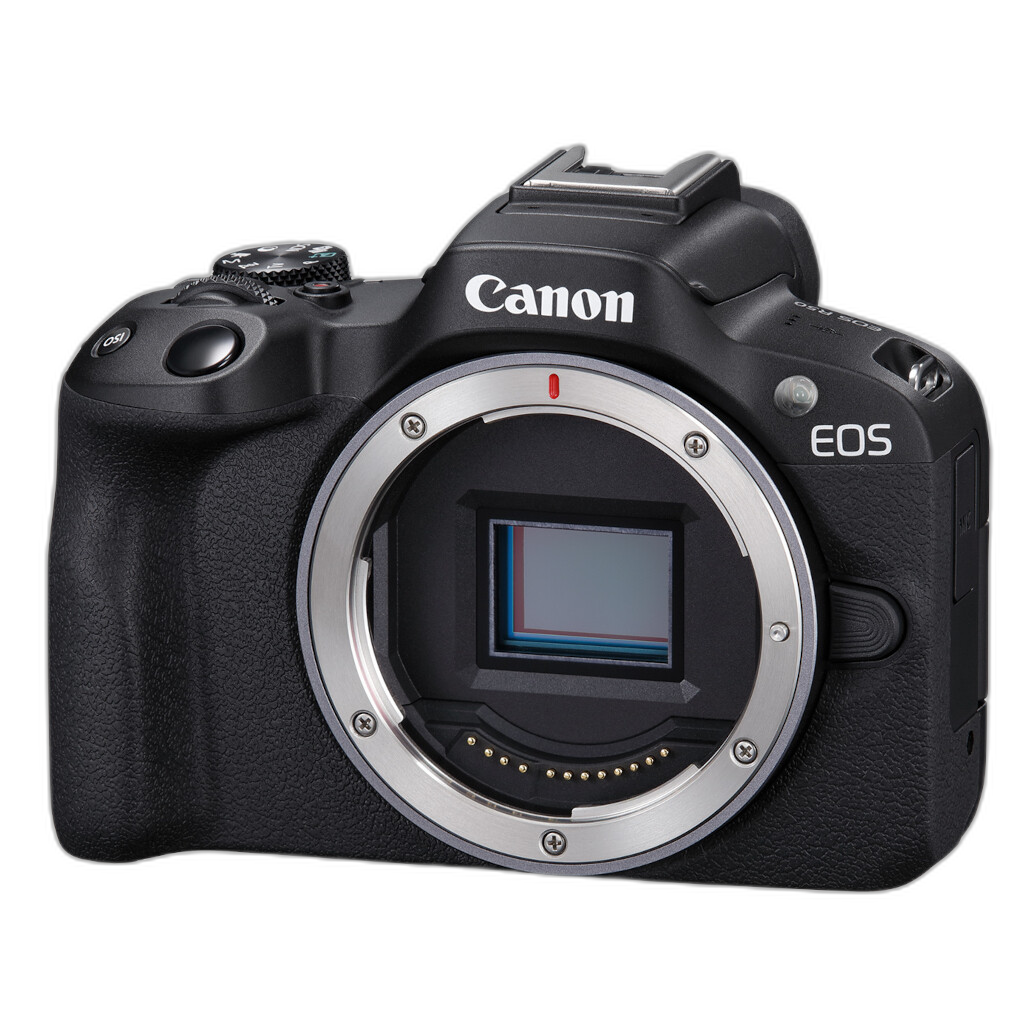
Color science is always somewhat subjective, but for portrait photography, Canon has long had a strong reputation for attractive skin tones straight out of camera. The EOS R6 continues that trend, often delivering warm, pleasing portrait color with very little effort.
The Sony A7 IV has made major improvements in color rendering compared to older Sony generations, and many portrait photographers now find Sony files much easier to work with. Still, if your preference is for pleasing JPEG color and a classic portrait look with minimal editing, Canon may feel more immediately satisfying.
Low-Light Portrait Performance
Indoor sessions, available light, and evening portraits
The Canon EOS R6 performs extremely well in low light, thanks in part to its lower-resolution sensor and strong high-ISO performance. For wedding portraiture, indoor lifestyle sessions, and receptions where light can change quickly, the R6 is a very strong performer.
The Sony A7 IV is also excellent in low light and remains highly usable in dim environments, but the R6 often gets the nod from photographers who prioritize cleaner high-ISO files and speed in darker conditions. If your portrait work frequently happens in challenging light, Canon has a slight practical advantage.
Handling and Shooting Experience
Comfort matters on long portrait sessions
The Canon EOS R6 is widely praised for its comfortable grip, intuitive controls, and smooth menu system. For photographers who spend long hours shooting handheld, that matters. The camera tends to feel fast, comfortable, and easy to operate without getting in the way.
The Sony A7 IV improves significantly on earlier Sony ergonomics, with a better grip, updated menu system, and more refined controls. It is a much stronger handling camera than older A7 bodies. Still, many portrait shooters coming from DSLR systems may find Canon a little more immediately natural in the hand.
Lens Ecosystem for Portrait Photography
Glass can matter more than the body
Sony has one of the biggest advantages in lens variety. The E-mount system includes a wide range of first-party and third-party portrait lenses at many price points. That makes the Sony A7 IV especially appealing if you want options from Sony, Sigma, Tamron, and others for focal lengths like 50mm, 85mm, and 135mm.
Canon's RF mount offers excellent portrait lenses, including some truly outstanding premium options, but the system is not as broad in third-party native autofocus choices. If you want maximum lens flexibility and pricing variety, Sony has a meaningful advantage.
Studio Portraits vs Lifestyle Portraits
Which body fits your style better?
For studio portraits, headshots, editorial work, and any setup where detail and cropping latitude matter most, the Sony A7 IV is the stronger fit. The extra megapixels are simply more useful in those scenarios.
For lifestyle portraits, weddings, events, family sessions, and portrait photography involving lots of movement, the Canon EOS R6 stands out for its speed, autofocus confidence, and excellent low-light behavior. It is a highly practical portrait tool when the pace is less controlled.
Our Pick
Our Pick: Sony A7 IV for most portrait photographers.
If portrait photography is your main focus, the Sony A7 IV gets the recommendation because its 33MP full-frame sensor gives you more flexibility where it counts most: fine detail, retouching headroom, and cropping options. Combined with excellent autofocus and a deep lens ecosystem, it is the more versatile portrait body overall.
Choose the Canon EOS R6 instead if your portrait work leans heavily toward weddings, families, events, and low-light sessions where speed, comfort, and reliable eye AF under pressure matter more than resolution.
Conclusion
The Sony A7 IV and Canon EOS R6 are both excellent choices for portrait photography, but they prioritize different strengths. The Sony A7 IV is the better fit for photographers who want more resolution and broader lens flexibility, while the Canon EOS R6 is ideal for shooters who value speed, low-light confidence, and especially friendly handling. If you are deciding which portrait camera best fits your workflow, Unique Photo is a great place to explore camera bodies, lenses, and accessories for building the right setup.