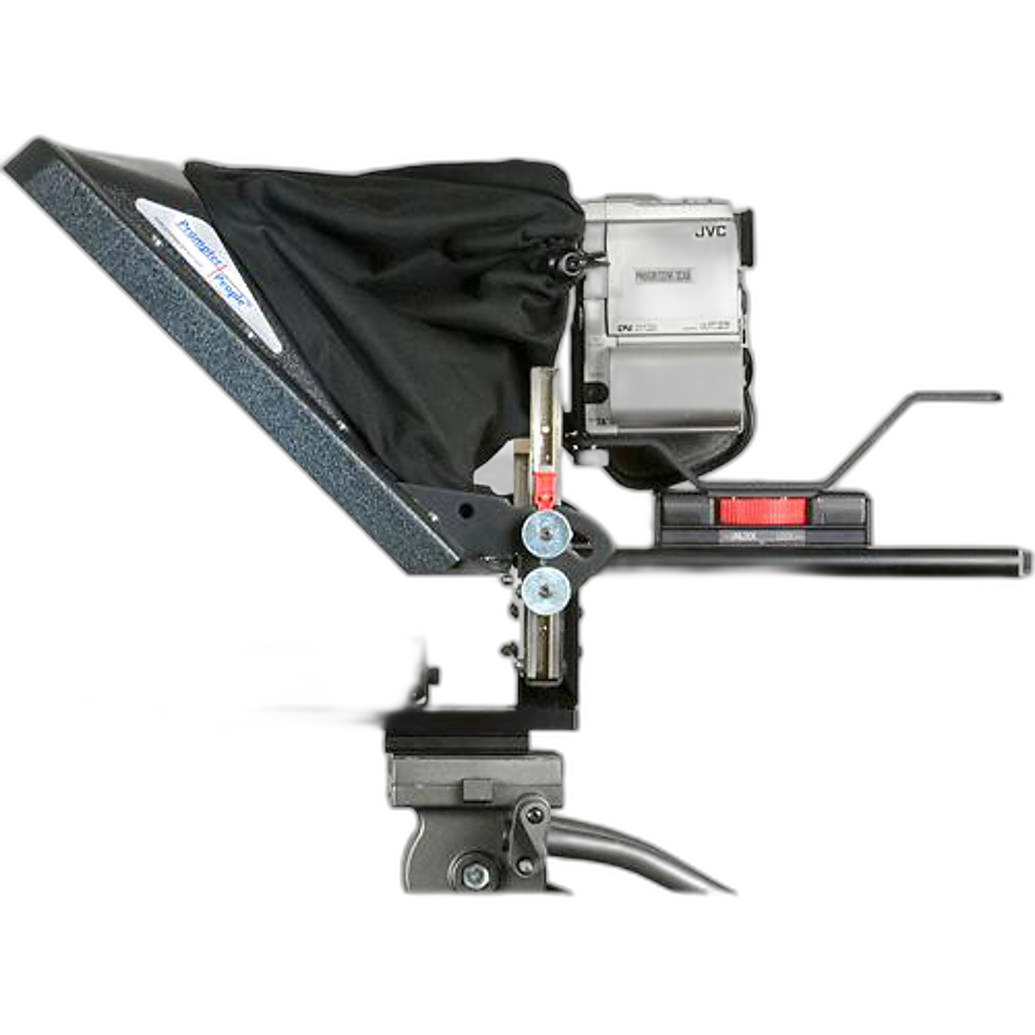
Introduction: Two Paths to Smoother Camera Movement
If you are trying to decide between a gimbal and a Steadicam-style stabilizer, the short answer is that both tools are designed to create smooth moving shots—but they get there in very different ways. A modern gimbal uses motors, sensors, and software to actively stabilize your camera, while a traditional Steadicam-style system relies on mechanical balance, operator technique, and physics. For many creators, the real question is not which one is better in absolute terms, but which one is better for your workflow, camera setup, shooting style, and budget.
For solo content creators, wedding filmmakers, event shooters, and hybrid photo/video users, a gimbal is often the easiest entry point into stabilized movement. It is fast, intelligent, and accessible. For operators who want a more organic floating feel, longer operating time without reliance on motors, or who simply enjoy the craft of manual camera control, a Steadicam-style stabilizer still has real appeal.
At Unique Photo, shoppers will also find accessories and support gear that fit into a stabilization workflow, from gimbal add-ons to used support systems. For example, Tilta makes ecosystem accessories that are especially useful for modern powered rigs.
What Is a Gimbal?
A gimbal is an electronically stabilized support system that uses brushless motors to keep the camera level and smooth out unwanted movement. Most 3-axis gimbals stabilize pan, tilt, and roll. They are especially popular for mirrorless cameras, compact cinema cameras, smartphones, and action cameras.
The biggest advantage of a gimbal is speed. Once balanced, many systems can deliver highly polished motion with relatively little practice compared to traditional mechanical stabilizers. Features such as follow modes, lock modes, joystick control, subject tracking, and programmable motion paths make them extremely flexible for modern production.
Why Gimbals Are So Popular
Gimbals are the go-to option for creators who need reliable results quickly. They are ideal for walk-and-talk footage, real estate video, weddings, music videos, social content, and product b-roll. If your work involves frequent setup changes and fast-paced shooting, a gimbal can save significant time.
Accessory Ecosystems Matter
One thing many buyers overlook is that a gimbal often becomes the center of a larger rig. Power distribution, battery mounting, handles, rings, wireless follow focus, and monitor support can all become part of the package. Tilta is one of the brands known for expanding what a gimbal can do with modular accessories, such as the Tilta Gimbal Ring Adapter for Mini V-Mount Battery Plate. For users building out a more production-ready gimbal setup, accessories like this can improve power options and handling flexibility.
What Is a Steadicam-Style Stabilizer?
When people say “Steadicam,” they often mean a mechanical stabilizer system or sled-style support, even when referring to other brands. These stabilizers use counterweights, a gimbal bearing, and careful balancing to isolate the camera from the operator’s body movement. Unlike an electronic gimbal, there are no stabilization motors actively correcting movement.
The appeal is the natural, floating motion that experienced operators can achieve. Mechanical stabilizers do not depend on batteries for stabilization and can feel more fluid in certain scenarios. They also allow operators to develop a highly refined physical technique that some cinematographers still prefer.
The Learning Curve Is Real
A mechanical stabilizer demands more operator skill. Balancing takes patience, and actually walking, turning, booming, and framing smoothly takes practice. For newcomers, this can be both the biggest drawback and the biggest reward. If you enjoy mastering gear and want hands-on control, a Steadicam-style rig can be deeply satisfying.
A practical example in the market is a used option like the Used Glidecam HD4000 Stabilizer System - Good Condition, which represents the type of manually balanced stabilizer many filmmakers still consider for DSLR and lightweight cinema use.
Gimbal vs. Steadicam: Real-World Differences
Ease of Use
Gimbal wins for most users. You still need to balance it correctly, but the electronic assistance dramatically reduces the barrier to getting usable footage. A Steadicam-style stabilizer takes more training and more physical finesse.
Shot Character
This is where taste matters. Gimbals often look clean, modern, and precise. In some situations, they can also look a bit too robotic if overused. Steadicam-style systems can feel more cinematic and organic, especially in the hands of a skilled operator. The movement often has a subtle human quality that many viewers associate with narrative filmmaking.
Battery Dependency
Gimbals require power. If your batteries die, your stabilization advantage disappears. Mechanical stabilizers do not rely on motors for stabilization, which can be an advantage on long shoots or in remote environments. That said, many gimbal users solve endurance issues with external battery solutions and accessories from brands like Tilta.
Payload Flexibility
This depends on the exact model, but many gimbals have tighter payload limits and can become harder to balance once you add cages, microphones, matte boxes, and wireless transmitters. Mechanical stabilizers can also be picky, but some larger sled systems scale more naturally for heavier builds. For lightweight mirrorless setups, though, gimbals are typically more practical.
Operating Fatigue
Neither option is exactly effortless. Handheld gimbals can become tiring surprisingly fast, especially with larger cameras. Mechanical stabilizers can also be physically demanding and often benefit from vests and arms in more advanced setups. If you plan on shooting long takes all day, ergonomics should factor into your decision.
Reliability and Environment
Mechanical systems have fewer electronic points of failure. Gimbals, on the other hand, can be affected by improper calibration, motor overload, firmware quirks, or aggressive operating conditions. But in normal production use, a quality gimbal is extremely dependable when properly set up.
Who Should Buy a Gimbal?
A gimbal is usually the better choice if you are:
- A solo shooter who needs fast setup and repeatable results
- A wedding or event filmmaker moving quickly between locations
- A content creator producing social, commercial, or real estate video
- Using a mirrorless camera or compact cinema camera
- Interested in motion control features and smart shooting modes
- Building a modular powered rig with accessories and external batteries
If your work values speed, convenience, and versatility, the gimbal is the safest recommendation for most buyers today.
Who Should Buy a Steadicam-Style Stabilizer?
A Steadicam-style stabilizer makes sense if you are:
- Drawn to the classic floating cinematic look
- Interested in developing advanced operating technique
- Shooting in situations where battery-free stabilization is appealing
- Comfortable with a steeper learning curve
- Looking at used gear as a cost-effective way to get started
For filmmakers who enjoy the craft and want a more tactile operating experience, a manual stabilizer can still be very rewarding.
Pros and Cons
Gimbal Pros
- Faster to learn for most shooters
- Excellent for modern hybrid and run-and-gun production
- Smart features add flexibility
- Works especially well with lightweight camera systems
- Strong accessory ecosystems available
Gimbal Cons
- Requires batteries and electronic reliability
- Can look overly “perfect” or robotic in some cases
- Payload and balance can become tricky with accessorized cameras
- Long handheld use can still be fatiguing
Steadicam-Style Pros
- Beautiful organic motion when operated well
- No motors required for stabilization
- Classic cinematic feel
- Can be appealing on the used market for value-minded buyers
Steadicam-Style Cons
- Much steeper learning curve
- Balancing and technique take time
- Less forgiving for beginners
- Can still be physically demanding
Buying Advice: What Should You Choose First?
If you are buying your first stabilizer, a gimbal is generally the better first purchase. It gets you to usable footage faster, integrates well into current production workflows, and supports a wide range of creators from YouTubers to professional event shooters. The available ecosystem is also a major plus, especially if you expect your rig to grow over time.
If you already understand camera movement fundamentals and want to invest in technique rather than automation, a Steadicam-style stabilizer may be the more creatively satisfying choice. It is less about convenience and more about craft.
Verdict
For most modern creators, the gimbal is the right answer. It is the more accessible, more versatile, and more production-friendly stabilizer for today’s cameras and shooting styles. A traditional Steadicam-style stabilizer still has a place—particularly for filmmakers who want a more natural movement signature and are willing to put in the practice—but it is no longer the automatic recommendation for the average buyer.
Our recommendation is simple: choose a gimbal if you prioritize speed, ease of use, and flexibility; choose a Steadicam-style stabilizer if you prioritize operator craft, battery-independent operation, and that classic floating feel.
If you are ready to shop stabilization gear, accessories, or even used support systems, Unique Photo is an excellent place to buy, with options for both modern gimbal workflows and traditional camera support solutions.