Theme-based photography contests can be exciting, challenging, and incredibly rewarding for photographers at every skill level. Whether the theme is nature, street life, minimalism, motion, or storytelling, the best contest entries go beyond simply matching the prompt. They interpret the theme creatively, execute the image with technical precision, and present a memorable visual point of view. At Unique Photo, we regularly see that the strongest contest images come from photographers who combine planning, craft, and thoughtful editing.
If you are wondering how to win a photography contest, how to approach a themed photo competition, or how to choose the right image for a contest submission, this guide breaks down the best practical strategies.
How to Understand a Photography Contest Theme
One of the most important approaches for theme-based photography contests is to fully understand the theme before you ever pick up your camera. Many photographers make the mistake of taking the most literal route. If the theme is “blue,” they submit a photo with blue in it. If the theme is “travel,” they submit a generic landscape from vacation. Judges usually see hundreds of literal interpretations, so standout entries often bring a more thoughtful angle.
Start by asking:
- What emotions does the theme suggest?
- Is there a symbolic or conceptual interpretation?
- What visual elements naturally connect to the theme?
- How can you make your image different from the expected choices?
For example, a theme like “isolation” does not have to mean a person standing alone. It could be represented through negative space, architecture, weather, scale, or even a macro image of a single subject surrounded by emptiness. A theme like “growth” could be physical, emotional, urban, or seasonal.
The more deeply you interpret the contest prompt, the stronger your concept will be. Unique Photo often encourages photographers to develop a personal perspective first, then build the technical execution around it.
Best Ways to Plan a Winning Themed Photo Submission
Strong contest entries rarely happen by accident. Planning matters. Once you understand the theme, sketch out a few visual concepts before shooting. This helps you avoid defaulting to the first obvious idea.
Your planning checklist should include:
- Location: Where can you create the strongest version of your concept?
- Lighting: Will natural light, studio light, or mixed light best support the mood?
- Lens choice: Do you need a wide-angle perspective, telephoto compression, or macro detail?
- Timing: Is golden hour, blue hour, or nighttime important to the image?
- Subject direction: If you are working with people, what pose or action will communicate the theme best?
- Styling and props: Can wardrobe, color, or objects reinforce the concept naturally?
For photographers looking to build stronger concept-driven images, educational workshops can help sharpen both planning and execution. Unique Photo’s classes and events, such as EXPO: Stories from the Road - Photography Across Worlds w. Matthew Borowick, can be especially useful for developing visual storytelling instincts that translate well into contest work.

How to Make Your Contest Photo Stand Out From Other Entries
If you want to improve your odds in a photo contest, originality is critical. Judges often remember images that feel personal, intentional, and visually clear. That does not always mean the most complex photo wins. Sometimes the most effective image is the simplest one, as long as it is executed beautifully.
To stand out in a photography contest:
- Avoid clichés unless you can reinvent them in a fresh way.
- Focus on one clear idea instead of cramming too much into the frame.
- Use composition deliberately to guide the viewer’s eye.
- Look for emotion, tension, contrast, or narrative.
- Show your style rather than copying current trends.
A strong image usually answers two questions at once: “How does this fit the theme?” and “Why is this photographer’s perspective worth noticing?” The second question is where many entries fall short. Theme-based contests reward interpretation, but they also reward voice.
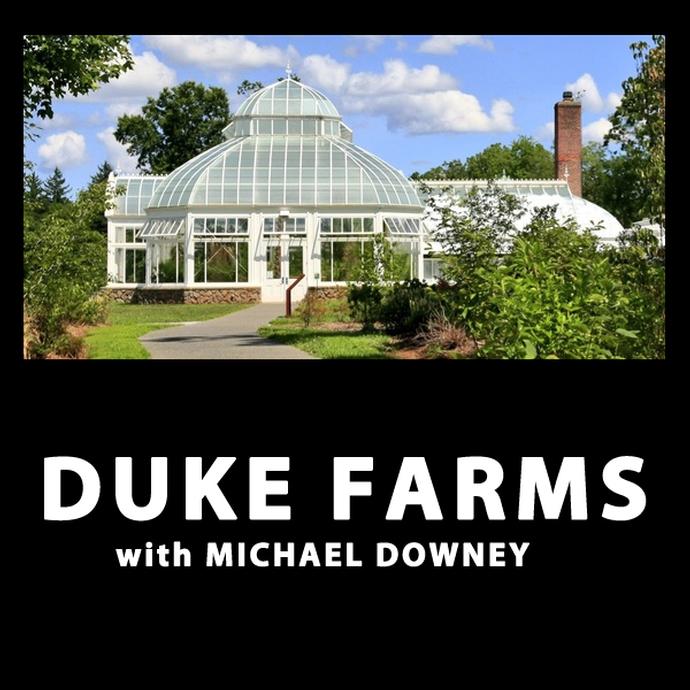
If you are trying to develop a more distinctive style, attending a Unique Photo learning experience or studying specialist guides can be valuable. Even a camera-specific educational resource like the Nikon D850 Guide to Digital SLR Photography by David Busch can help you get more confident with your toolset so creativity is not limited by uncertainty in the field.
Choosing the Right Subject for a Theme-Based Photography Contest
The subject you choose has a major impact on how well your image communicates the theme. In some contests, the most successful entries use an obvious subject presented in an unexpected way. In others, a surprising subject creates immediate visual interest.
Think about subject selection in terms of:
- Relevance: Does the subject connect clearly to the theme?
- Impact: Will it attract attention quickly in a gallery of thumbnails?
- Depth: Does it offer more to discover on a longer look?
- Access: Can you photograph it well enough to do the idea justice?
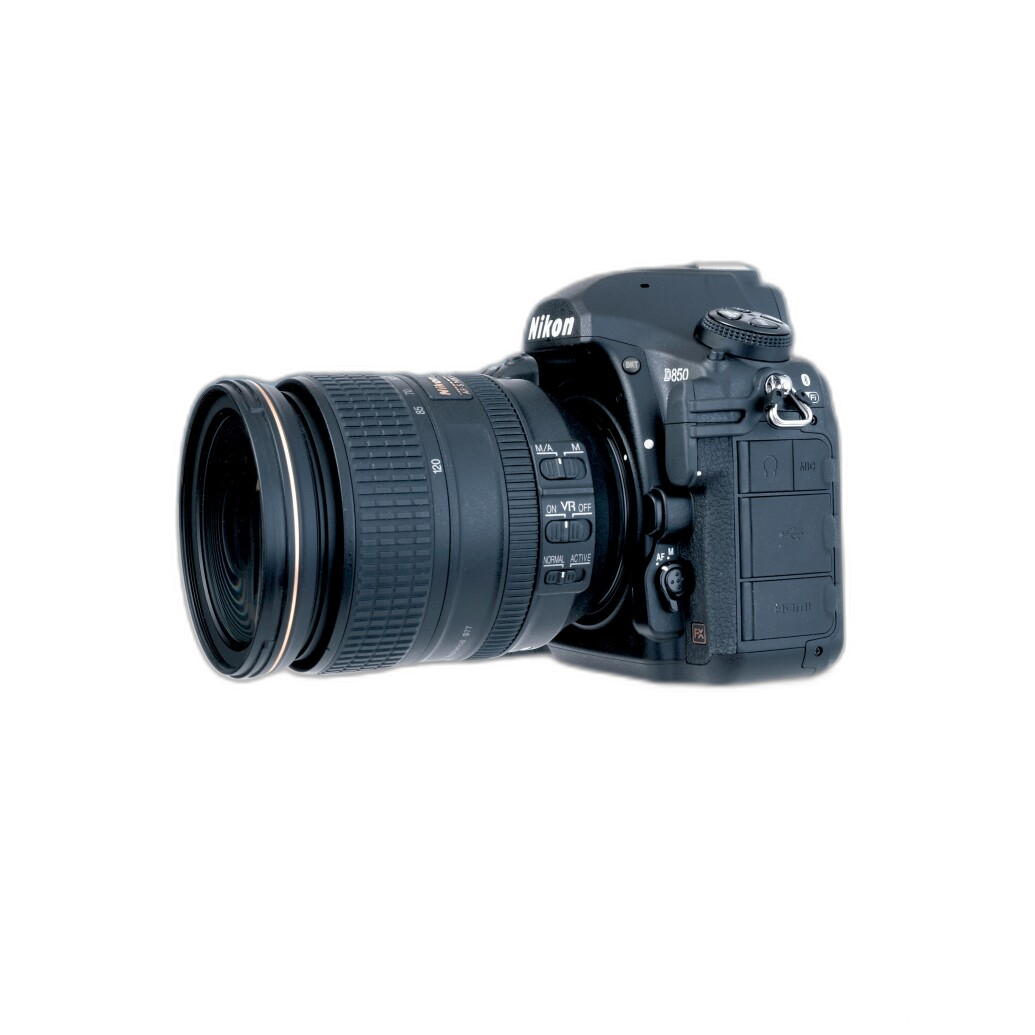
Nature, macro, urban life, architecture, portraiture, and abstract details can all work well depending on the prompt. For photographers exploring themes like texture, scale, detail, and seasonal transformation, a workshop such as Macro and Landscape Photography at Duke Farms with Michael Downey can inspire new ways to see subjects that others might overlook.
Best Camera Techniques for Themed Photography Contests
Even the most creative concept can lose impact if the technical execution is weak. Contest judges may forgive minor imperfections if the image is exceptional in meaning, but in competitive environments, technique matters.
Pay special attention to:
- Exposure: Protect highlights and shadows according to the image’s intent.
- Focus: Make sure the most important part of the frame is tack sharp when needed.
- Motion control: Use shutter speed creatively, whether freezing action or showing movement.
- Depth of field: Decide whether selective focus or front-to-back sharpness better supports the concept.
- Color control: Build a palette that reinforces the theme and mood.
For example, a contest theme centered on mystery or mood may benefit from low-key lighting and selective focus. A theme about energy may work better with dynamic framing and intentional motion blur. A theme about scale could be emphasized with lens choice and perspective.
If the contest theme leans into specialized genres, learning those techniques can give you an edge. For night or celestial themes, Unique Photo’s UUOnline: Astrophotography 4-Part Series with Temu Nana and UUOnline: Astrophotography 4-Part Series with Temu Nana (Session 2) are relevant examples of education that can help photographers create more polished, competition-ready images.


How Composition Helps You Win Photography Contests
Composition is one of the fastest ways to elevate a contest image. Strong composition makes your photo easier to read and more emotionally effective. In a judged setting, an image often has only a few seconds to create impact before a judge moves on.
Useful composition strategies include:
- Leading lines to direct attention to the subject
- Framing to isolate the main idea
- Negative space to emphasize mood or concept
- Symmetry and patterns for themes involving order or repetition
- Layering to create depth and storytelling
- Contrast in color, size, light, or subject matter
Be intentional with every edge of the frame. Distracting elements, awkward crops, or unnecessary clutter can weaken an otherwise excellent concept. Before submitting, ask whether every visual element contributes to the theme.
Editing Tips for Theme-Based Photo Contest Entries
Editing is where many good images become great contest submissions. The goal is not to over-process your photo, but to refine it so the theme and subject are communicated as clearly as possible.
When editing for a photography contest:
- Correct exposure and color balance carefully
- Enhance local contrast to guide attention
- Crop for stronger composition if needed
- Remove distractions only if contest rules allow it
- Sharpen appropriately for the final output
- Maintain a natural or intentionally stylized look that fits your concept
A common mistake is editing too aggressively. Oversaturated colors, excessive clarity, artificial HDR effects, or heavy-handed retouching can distract from the image itself. Judges generally respond best to editing that supports the idea without calling too much attention to the processing.
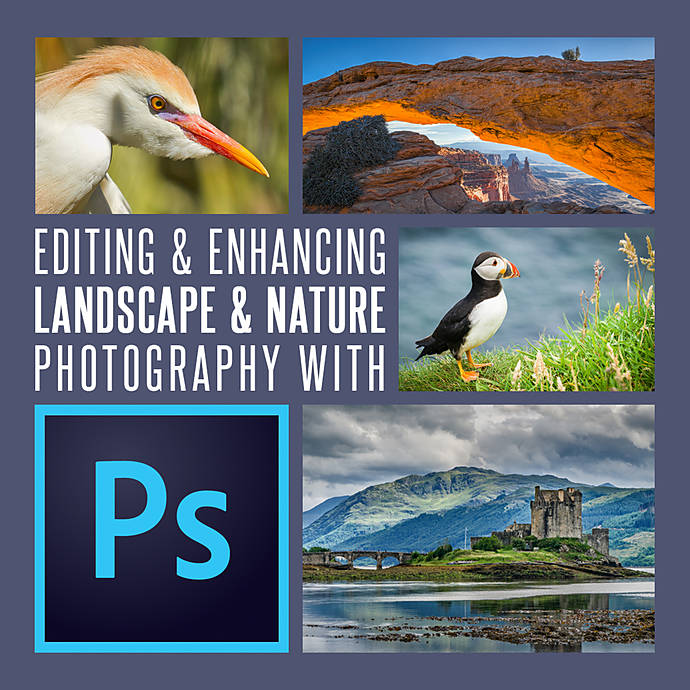
For photographers who want to improve post-production, Unique Photo offers valuable educational options like Editing and Enhancing Landscape and Nature Photography with Photoshop and Product Photography and Post Production Editing with Blake Taylor. Even if your contest image is not a landscape or product shot, these kinds of classes build editing discipline that carries into many genres.

Should You Shoot Specifically for the Contest Theme?
Yes, in most cases you should shoot specifically for the theme rather than dig through old files for something that vaguely fits. While archives can absolutely contain strong candidates, purpose-built images often feel more intentional and better aligned with the prompt.
Shooting specifically for the theme allows you to:
- Design the concept from the start
- Control location, light, and timing
- Refine details that support the story
- Create multiple variations to compare later
- Push beyond generic interpretations
That said, your archive can still be a valuable source of ideas. Look through older work to identify visual patterns, then create a stronger new version with the contest in mind.
How to Judge Your Own Contest Photos Before Submitting
One of the best approaches for theme-based photography contests is to edit and review your images with a critical eye. After your shoot, narrow your options down and compare them not just by beauty, but by relevance to the theme.
Ask yourself:
- Does the image clearly communicate the contest theme?
- Is the concept fresh or emotionally compelling?
- Is the technical quality strong enough for close judging?
- Is the composition clean and intentional?
- Would this image stand out as a thumbnail and at full size?
It also helps to get feedback from photographers you trust. A second opinion can reveal whether your intended message is obvious, subtle in a good way, or too vague. Unique Photo’s learning community can be a helpful environment for that kind of constructive growth.
Photography Contest Mistakes to Avoid
If you want better results in a theme-based photo competition, avoid these common mistakes:
- Being too literal: The image fits the theme but says nothing new.
- Ignoring the rules: File size, format, editing restrictions, and deadlines matter.
- Over-editing: Processing becomes more noticeable than the photo.
- Weak subject separation: The viewer cannot tell what the image is about.
- Lack of emotional connection: The image is technically solid but forgettable.
- Submitting too many similar images: Choose your strongest single statement when the rules call for it.
Another overlooked mistake is choosing an image because it took effort rather than because it works. Judges do not see how hard the image was to create. They only see the final frame.
Using Different Photography Genres to Interpret Contest Themes
One smart strategy is to interpret a contest prompt through a genre that other entrants may overlook. This can instantly set your work apart.
For example:
- Macro photography can make ordinary subjects look abstract and surprising.
- Landscape photography can express solitude, change, scale, or resilience.
- Astrophotography can connect to wonder, time, silence, or exploration.
- Film photography can add mood, texture, and nostalgia to the concept.
- Product-style lighting can turn symbolic objects into powerful visual statements.
If you want to experiment with analog aesthetics for a creative edge, Unique Photo’s Film Lovers Event: Intro to Film Photography (Philly) is a good reminder that process can shape perspective. Sometimes the medium itself helps unlock a more original response to a contest theme.
Final Thoughts on the Best Approaches for Theme-Based Photography Contests
The best approaches for theme-based photography contests combine interpretation, planning, originality, technical skill, and disciplined editing. Instead of asking only, “What photo fits this theme?” ask, “What image says something meaningful about this theme in a way only I would see?” That shift alone can dramatically improve your contest work.
At Unique Photo, we believe contest photography is one of the best ways to grow as an image-maker because it pushes you to think more intentionally about concept and execution. Themed competitions challenge you to refine your style, strengthen your storytelling, and improve every stage of your workflow.
If you are ready to keep improving, consider exploring internal resources on Unique Photo related to photography classes, Unique University workshops, post-processing education, camera guides, and inspiration for specialized genres like macro, landscape, film, and astrophotography. Internal linking opportunities for this topic could include pages about photography classes, photo editing workshops, camera books and guides, Unique University events, and genre-specific learning experiences to help readers turn contest ideas into stronger final images.