Best Hybrid Mirrorless Cameras for Photo and Video in 2024
Hybrid mirrorless cameras have become the go-to choice for creators who need strong still-image performance and serious video features in one body. If you are comparing models for 4K quality, autofocus, heat management, and color straight out of camera, this FAQ breaks down the key considerations and highlights standout options available at Unique Photo.
While every creator has different priorities, a few current bodies consistently rise to the top for mixed photo and video work. Below, we answer the most common questions shoppers ask when choosing a modern hybrid mirrorless camera.
1. Which mirrorless camera offers the best 4K video quality under $2000?
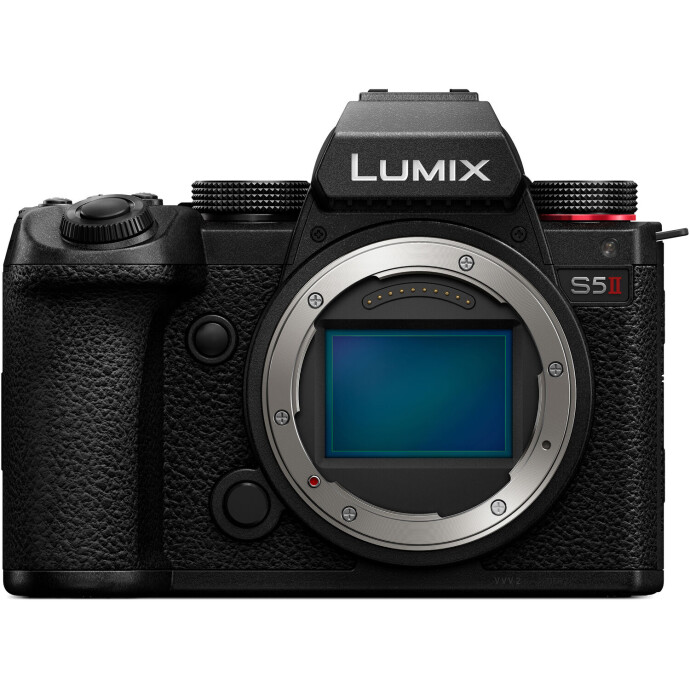
For many buyers, the Panasonic LUMIX S5II is one of the strongest values in this price range. It combines full-frame image quality, advanced video recording options, strong in-body image stabilization, and a body that is equally comfortable for photography. For shooters who want professional-looking 4K with excellent detail and a flexible editing workflow, it is an especially compelling option.
If you want to step further into a more video-centric feature set, the Panasonic LUMIX S5IIX is another top contender. It is particularly attractive for creators who prioritize advanced recording formats and a more production-oriented workflow. If your budget is tight, a used model can be a smart way to access that performance level while staying closer to your target price.

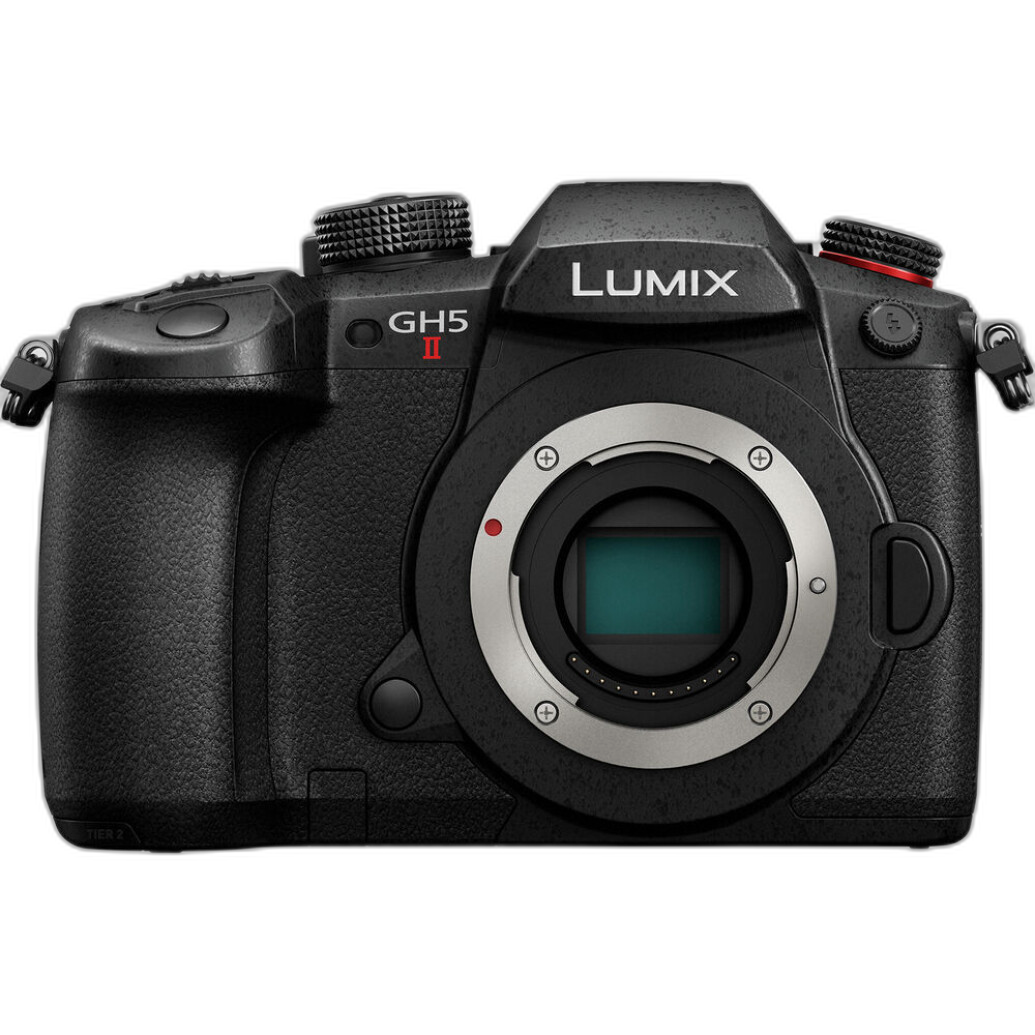
Another option worth considering is the Panasonic LUMIX GH5M2 if your priority is dependable video performance in a compact Micro Four Thirds system. It remains a practical choice for handheld work, long shoots, and creators who value Panasonic's video-focused design philosophy.
2. Is full-frame always better for hybrid shooters than APS-C or Micro Four Thirds?
Not always. Full-frame cameras like the Panasonic LUMIX S5II and S5IIX offer advantages in low light, depth of field control, and overall image flexibility, which makes them excellent all-around hybrid tools. They are especially appealing for weddings, events, portraiture, and commercial work where both stills and video quality matter.
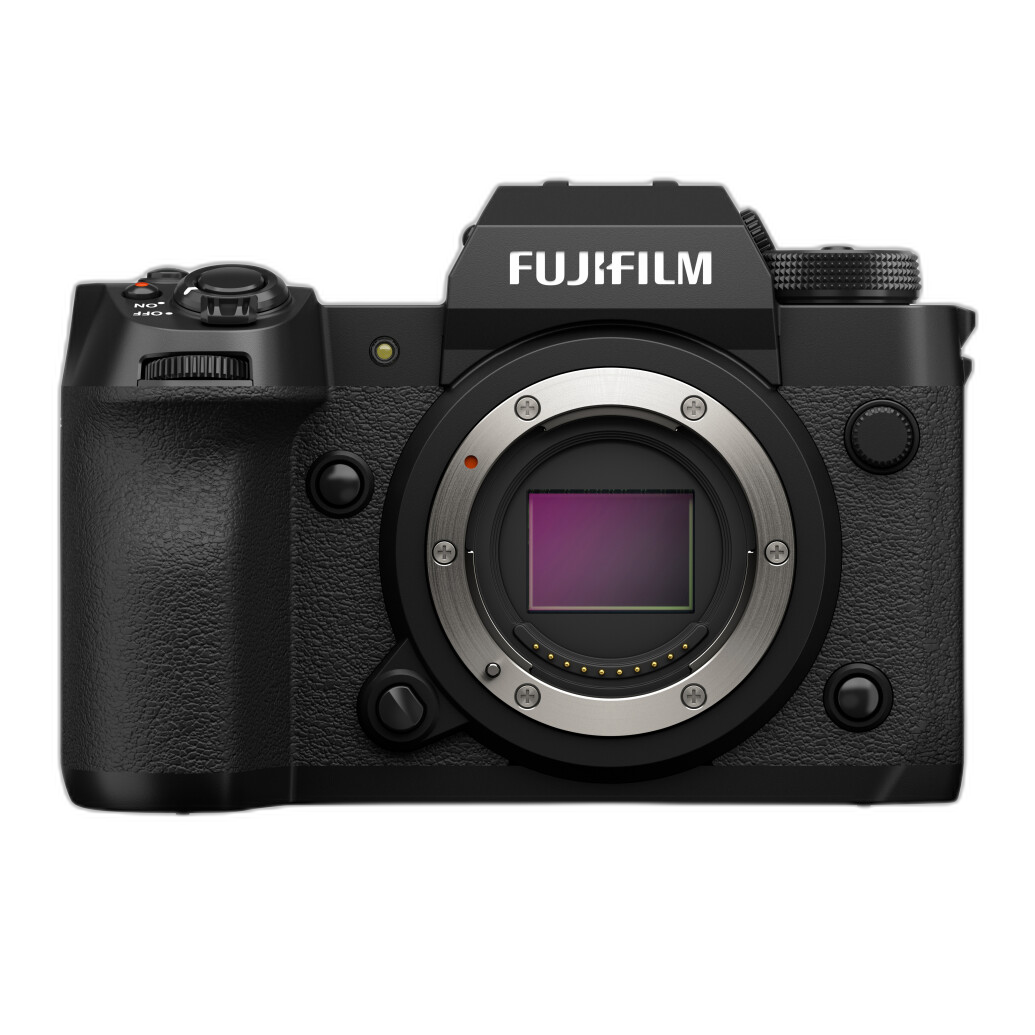
APS-C can still be a great hybrid format, especially if you want a lighter kit or prioritize resolution for still photography. The Fujifilm X-H2 is a strong example, offering a high-resolution sensor that appeals to photographers while still delivering serious video capability. For creators who shoot both detailed stills and polished video, it offers an appealing balance.
Micro Four Thirds remains attractive for travel, gimbal work, and long recording sessions thanks to smaller lenses and bodies. In short, the best sensor format depends on how you work, not just on specifications.
3. How does autofocus performance compare for video on current hybrid cameras?
Autofocus performance is one of the most important differences between camera systems, especially for solo creators, interviews, vlogging, and event coverage. Buyers often compare Sony and Canon in this category, but Panasonic's latest hybrid bodies have become much more competitive than older generations, making them far more viable for continuous video autofocus than many shoppers expect.
The Panasonic LUMIX S5II and S5IIX are important cameras in this conversation because they represent a major leap forward for Panasonic autofocus in hybrid shooting. For creators who want reliable subject tracking without giving up robust video tools, these models deserve serious attention. They are a strong fit for run-and-gun production, social content, and documentary-style shooting.
If your workflow includes more controlled production environments, nearly any of these cameras can perform well. But if you often work alone and need dependable tracking while moving, the newest hybrid bodies with improved subject recognition and eye detection will save time and reduce missed shots.
4. Are there overheating concerns when shooting 4K for long periods?
Heat management matters most for interviews, event coverage, livestreaming, and extended takes. In practical terms, some cameras are designed more clearly for prolonged video use than others. Panasonic has built a strong reputation around video reliability, and the LUMIX S5II family is a frequent recommendation for creators who need confidence during longer recording sessions.
Fujifilm's X-H2 is a very capable hybrid camera, but your real-world thermal experience will depend on recording settings, ambient temperature, frame rates, and how long you roll continuously. If you shoot demanding 4K settings for extended periods, it is smart to think beyond headline specs and consider your production environment. For many buyers, that is where Panasonic's video-first design can be especially reassuring.
If long-form video is central to your work, choosing a body known for stable recording behavior can be more important than chasing the highest spec on paper.
5. Which camera has the best color science straight out of camera for video?
Color science is highly subjective, but it absolutely affects how quickly you can deliver finished work. Some creators prefer a more neutral, gradable image for post-production, while others want pleasing tones directly from the camera with minimal adjustment.
Fujifilm is especially popular among photographers and hybrid shooters who appreciate attractive out-of-camera color and film-inspired rendering. The Fujifilm X-H2 stands out for users who want strong JPEG stills and appealing color character in video-oriented work. It is a great fit for travel, lifestyle, portrait, and brand creators who want polished results with less time spent grading.
Panasonic, by contrast, is often chosen by video-first users who want flexible files and a more production-minded workflow. The LUMIX S5IIX in particular makes sense for creators who prefer to shape their look in post and want a camera that integrates smoothly into a more advanced editing pipeline.
6. What is the best camera here for someone who shoots both professional photos and client video?
If you need one camera to handle portraits, events, commercial stills, interviews, and promotional video, the Panasonic LUMIX S5II is one of the most balanced choices in this lineup. It offers full-frame image quality, capable autofocus, robust stabilization, and a control layout that works well for hybrid creators who switch back and forth between stills and motion.
The Panasonic LUMIX S5II with 20-60mm lens is an especially practical starting point because it gives you a flexible zoom range right out of the box. That kit can cover travel, behind-the-scenes content, everyday photo work, and general-purpose video production without immediately requiring extra lens purchases.
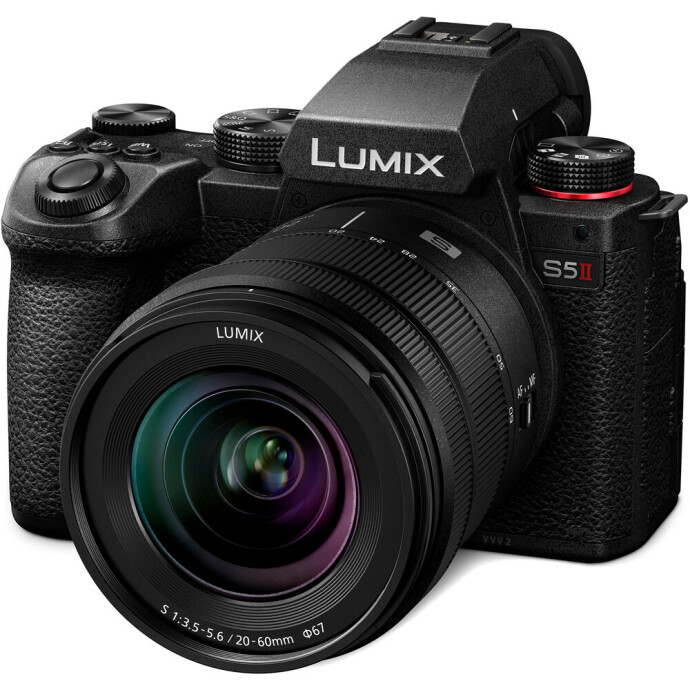
If your work leans more heavily toward finishing flexibility, codec options, and a cinema-style workflow, then the S5IIX becomes even more attractive.
7. Should I buy new or used if I want the most value?
Buying used can be an excellent strategy for hybrid shooters who want to maximize performance without stretching the budget. At Unique Photo, used gear can be especially attractive when you are trying to move into a stronger camera body while preserving room in your budget for lenses, audio, lighting, or storage.
A used Panasonic LUMIX S5II or used S5IIX can be a smart pick for creators who already know they want a full-frame hybrid system but want a more affordable entry point. That can make a major difference if your total budget needs to cover an entire working kit rather than just the camera body.


For many buyers, the smartest move is choosing the best body you can afford while leaving enough budget for the accessories that improve your actual results on set.
8. Which hybrid camera is best for beginners who want room to grow?
For beginners who are serious about both photography and videography, the ideal camera should be easy to start with but advanced enough to support future projects. The Panasonic LUMIX S5II is a strong choice because it is approachable for everyday shooting yet powerful enough for paid work as your skills grow. Its full-frame sensor also gives beginners room to explore portraiture, low-light shooting, and cinematic-looking video.
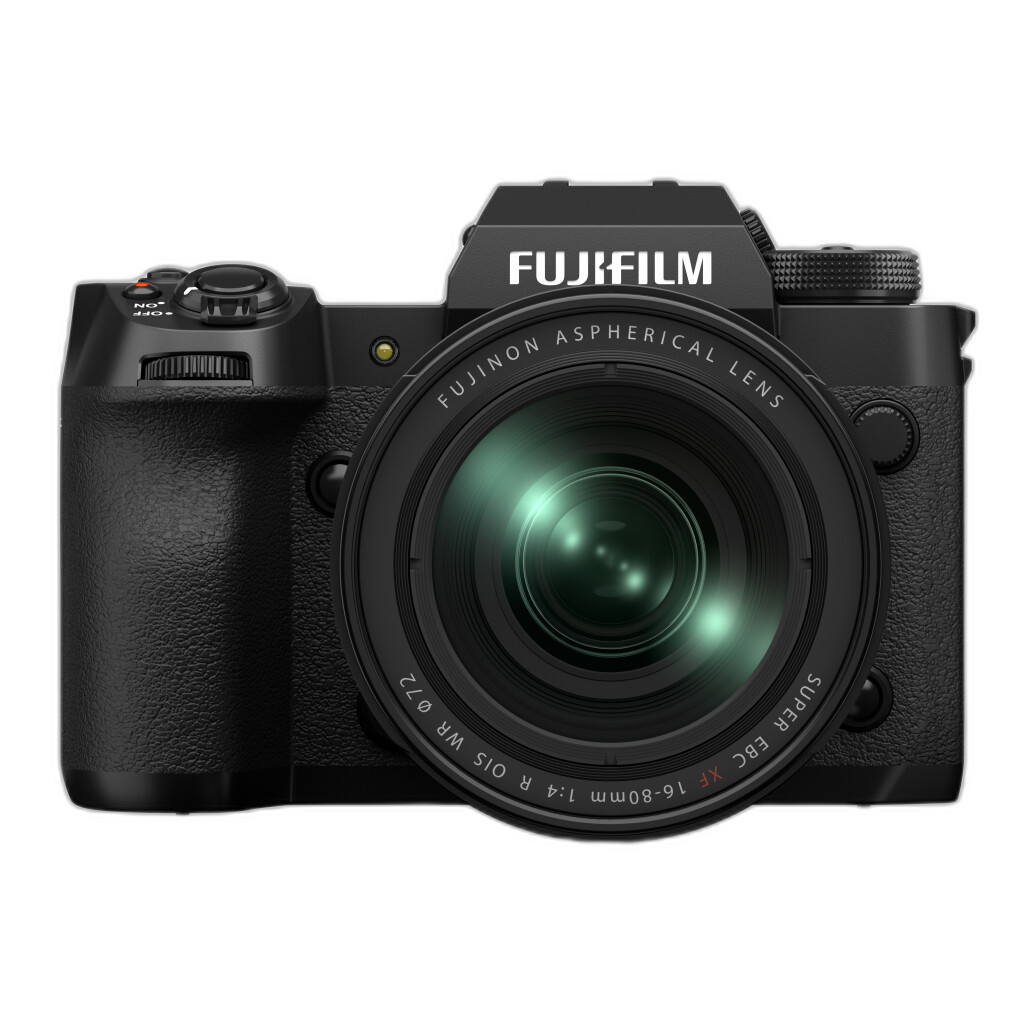
The Fujifilm X-H2 is another excellent growth-oriented option, especially for users who care deeply about still photography and want a high-resolution camera with strong creative appeal. And if you want a ready-to-shoot package, the Fujifilm X-H2 with XF 16-80mm F4 OIS WR lens gives new users a versatile lens that covers a wide range of common subjects.
The right beginner camera is the one that matches your goals. If video reliability and hybrid versatility come first, Panasonic is hard to ignore. If color, stills resolution, and Fujifilm's shooting experience appeal to you, the X-H2 deserves a close look.
Choosing the best hybrid mirrorless camera in 2024 comes down to how you balance video features, autofocus expectations, color preferences, and long-term system needs. Whether you are leaning toward the Panasonic LUMIX S5II series, the video-friendly GH5M2, or the high-resolution Fujifilm X-H2, Unique Photo can help you compare the options and find the right fit for your workflow. Explore these cameras at Unique Photo and build a hybrid kit that is ready for your next shoot.