Photography contests are about more than technical perfection. Judges often see hundreds or even thousands of entries, so the images that rise to the top usually combine strong craft, a clear point of view, and polished presentation. This guide is for photographers who want practical ways to make their submissions more memorable—and for those looking to upgrade the tools that can help refine lighting, perspective, storytelling, and final print quality.
Below, we break down the best tips for standing out in photography contests, along with a few smart product recommendations that can help support your process from concept to final submission.
1. Start With a Clear Idea, Not Just a Pretty Image
Contest-winning photos usually feel intentional. Before you shoot, ask yourself what the image is about. Is it tension, humor, beauty, contradiction, loneliness, or discovery? A strong concept gives judges something to remember after they move on to the next frame.
To sharpen your visual thinking, it helps to study photographers known for distinctive work and personal vision.
You Are What You Do - Daniel Arnold
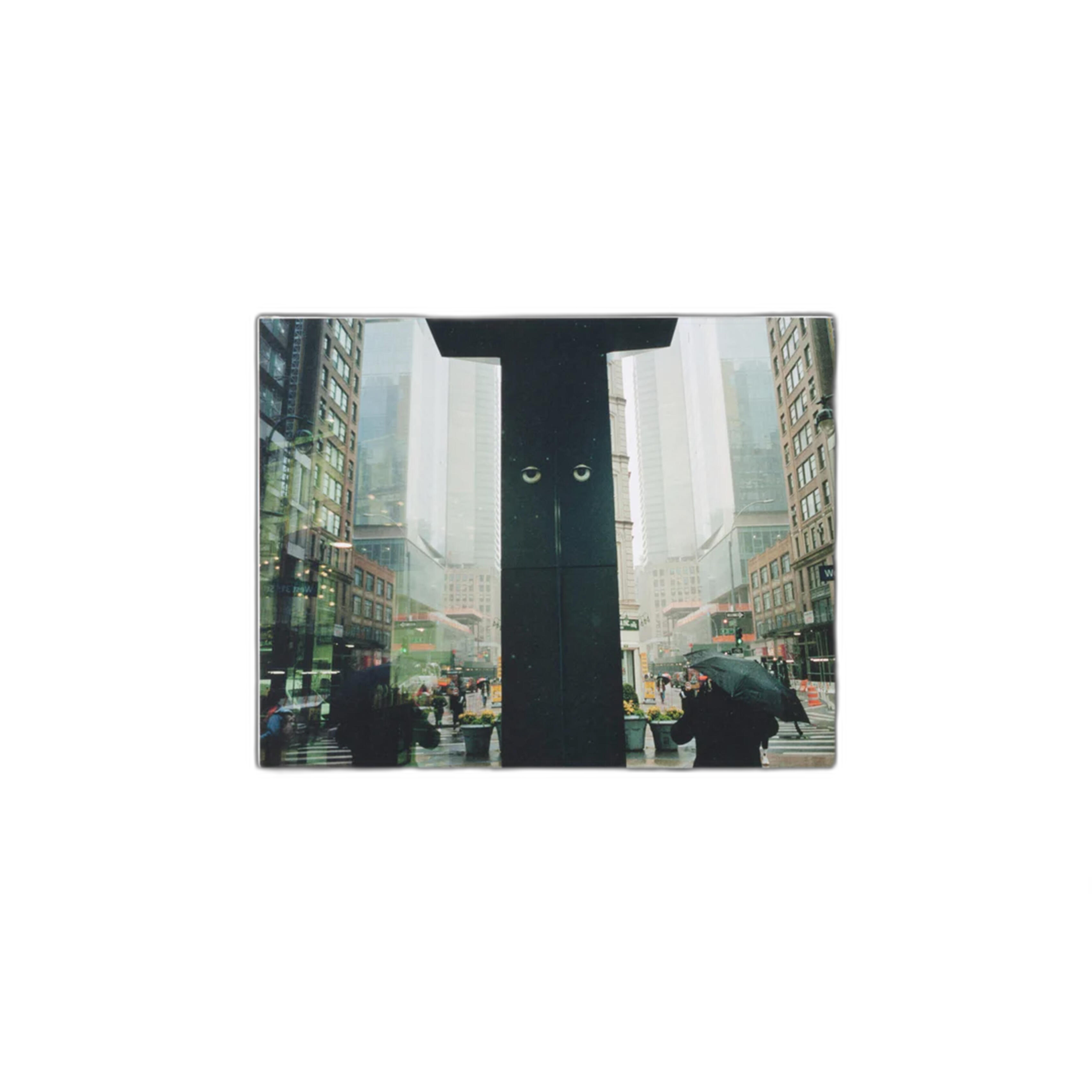
This book is a strong inspiration pick for contest photographers because it emphasizes voice, observation, and personal style—three qualities that often matter as much as technical execution. If your images feel polished but generic, studying thoughtful photography books can help you move toward work that feels more authored and less accidental.
- Great for developing visual taste and originality
- Helpful when building a more cohesive contest portfolio
- Ideal for photographers who want stronger storytelling instincts
Why it helps: Judges respond to images with personality. A book like this can help you think beyond trends and focus on making photographs that feel like yours.
2. Control Light So Your Subject Reads Instantly
Strong lighting helps your image communicate quickly. In contests, that matters. Judges often make first impressions in seconds, so your subject, shape, and mood should be immediately clear. Thoughtful fill, contrast control, and highlight management can elevate a scene without making it look overproduced.
RPS Studio 1x1 Meter 4 In 1 Self Standing Reflector Panel Kit
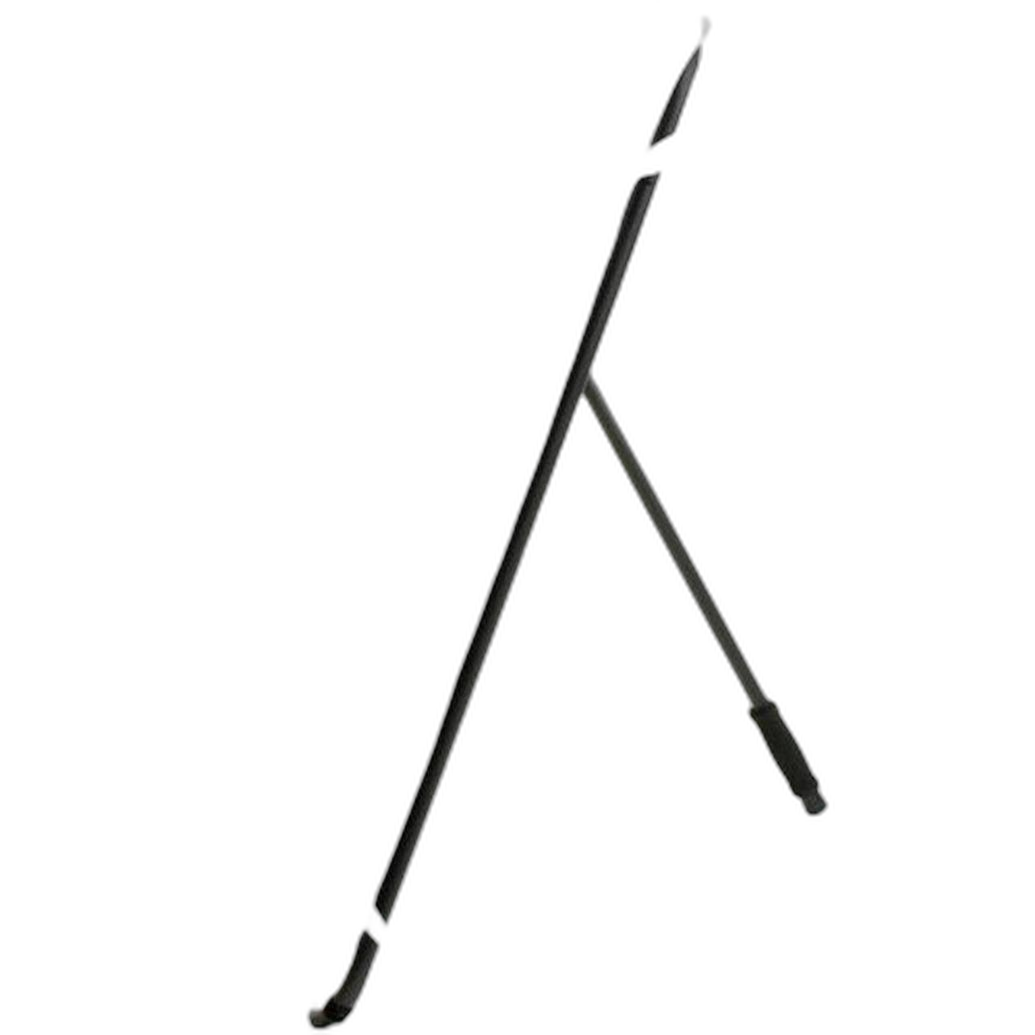
A reflector kit is one of the smartest tools for contest shooters because it improves image quality without adding complexity. Whether you shoot portraits, still life, editorial work, or environmental scenes, shaping light can add depth and polish that helps your image stand apart.
- Useful for bouncing, diffusing, subtracting, or warming light
- Self-standing design adds flexibility on location or in studio
- Excellent for creating cleaner, more deliberate lighting setups
Why it helps: Better light means better separation, richer texture, and more intentional mood—details judges notice.
3. Look for Perspective That Feels Fresh
Another key to standing out is showing a familiar subject in an unfamiliar way. That could mean changing your angle, using selective focus differently, or controlling perspective for more precise composition. For architecture, still life, product, and fine-art work, perspective control can be a major advantage.
Fujifilm FUJINON GF 110mm f/5.6 T/S Macro Lens
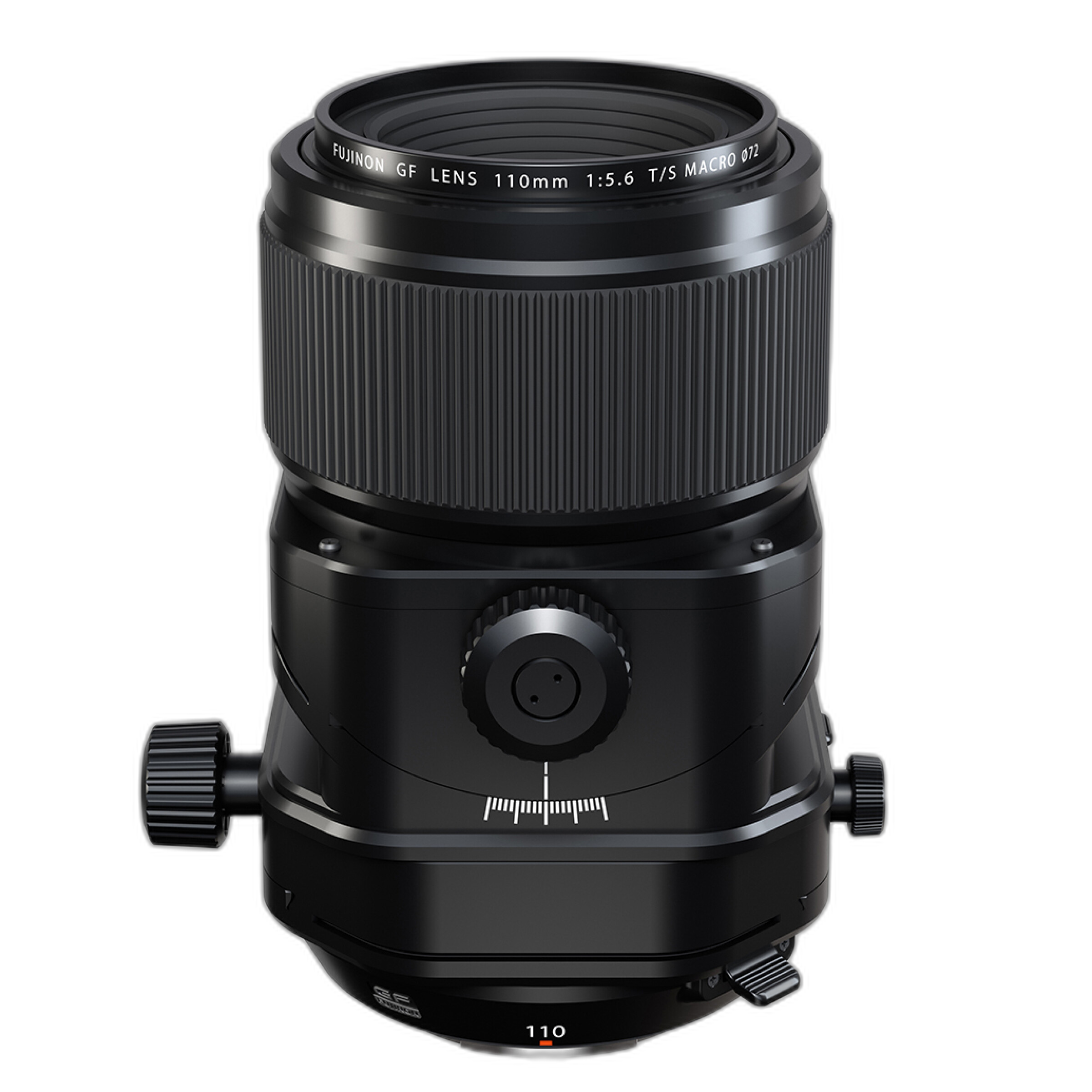
This specialized lens is a compelling choice for photographers entering contests where precision and visual distinctiveness matter. Tilt-shift capability gives you refined control over plane of focus and perspective, while macro functionality opens creative options for detail-driven work.
- Excellent for architecture, product, still life, and fine-art subjects
- Perspective control can create cleaner, more sophisticated compositions
- Macro capability helps produce highly detailed, standout close-up images
Why it helps: Contest judges often notice images that show technical mastery in service of a concept. This lens can help create photographs that look intentional from edge to edge.
4. Presentation Matters More Than Many Photographers Expect
Even an exceptional photo can lose impact if the final print is weak. If a contest accepts physical submissions or exhibition prints, output quality matters enormously. Fine detail, smooth tonal transitions, accurate color, and premium paper handling can all influence how your work is perceived.
Epson SureColor P5370 17-Inch Professional Photographic Printer
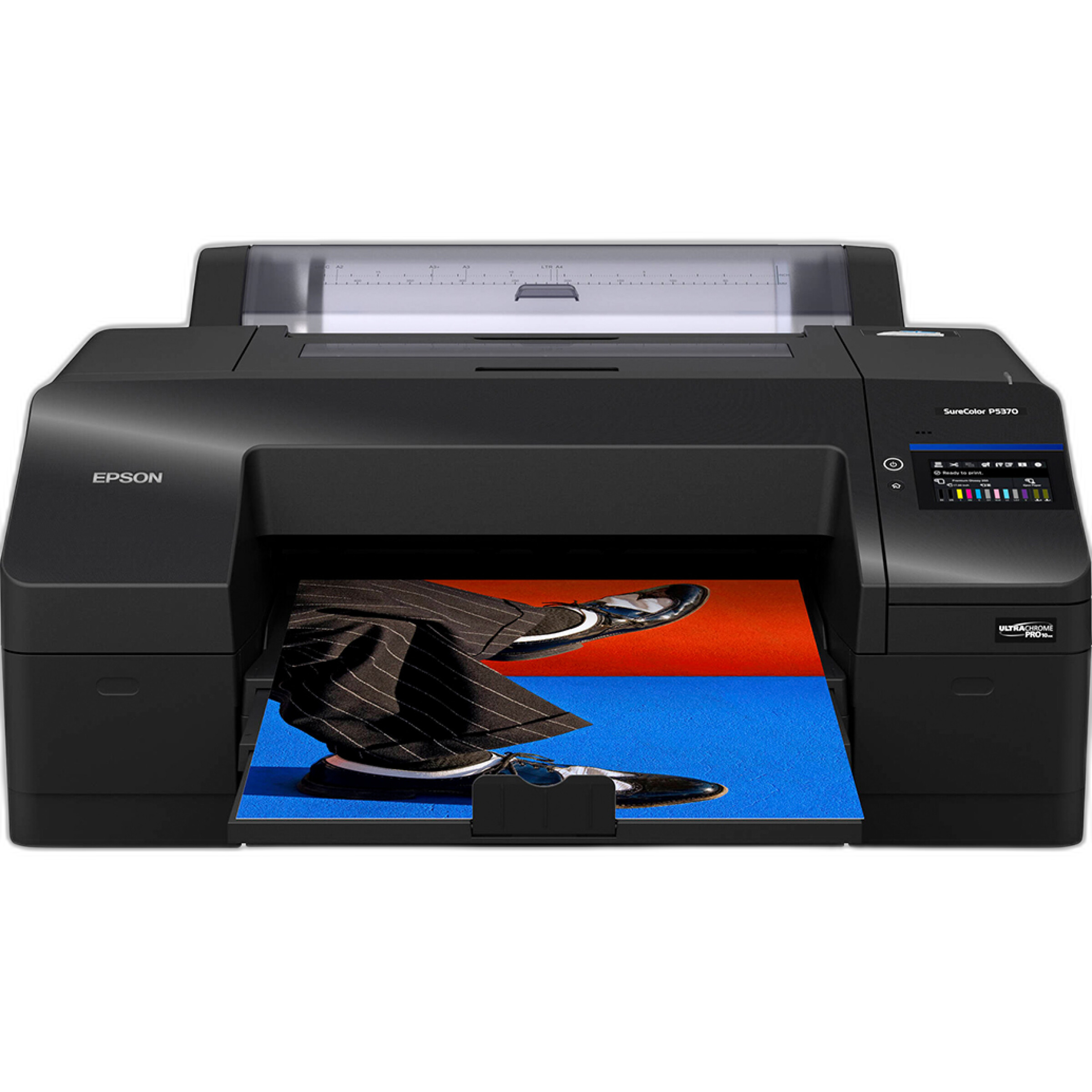
For photographers serious about contests, a professional printer can be a game changer. Being able to test and refine your own prints gives you more control over the final result, helping ensure your submission looks exactly the way you intended.
- Professional-grade output for competition and exhibition prints
- Strong choice for photographers who want consistent print control
- Useful for soft-proofing, iteration, and paper experimentation
Why it helps: A compelling print can elevate the emotional and visual impact of your image in ways a screen preview cannot.
5. Match Your Tools to the Kind of Contest You Enter
Not every contest rewards the same qualities. Portrait competitions often favor expression and lighting. Fine-art contests may prioritize concept and presentation. Commercial or product-focused competitions may reward precision, perspective control, and print fidelity. Choosing gear based on your genre can help you compete more effectively.
| Product | Best For | How It Helps You Stand Out |
|---|---|---|
| You Are What You Do - Daniel Arnold | Street, documentary, personal projects | Builds stronger visual voice and storytelling instincts |
| RPS Studio 1x1 Meter 4 In 1 Self Standing Reflector Panel Kit | Portraits, editorial, still life, location work | Improves lighting control and image polish |
| Fujifilm FUJINON GF 110mm f/5.6 T/S Macro Lens | Architecture, product, macro, fine-art | Adds precision, perspective control, and a more distinctive look |
| Epson SureColor P5370 17-Inch Professional Photographic Printer | Print competitions, gallery submissions, portfolio review | Enhances final presentation and print quality |
6. Edit Ruthlessly and Submit Less, Better Work
One of the best contest tips has nothing to do with gear: edit harder. Many photographers submit images that are good, when they should only submit images that are unforgettable. Compare similar frames, remove anything repetitive, and choose the image with the strongest emotional clarity.
A good rule: if you feel the need to explain why the image is good, it may not be your strongest entry. Great contest images tend to communicate on their own.
7. Follow the Rules Exactly
This sounds obvious, but it is one of the easiest ways to lose. Pay attention to aspect ratio, file size, color space, print dimensions, deadlines, captions, and category definitions. A technically ineligible image cannot win. Professionalism matters, and judges or organizers notice photographers who submit cleanly and correctly.
8. Build a Cohesive Body of Work When Multiple Images Are Allowed
If the contest allows a series, think like an editor. Your images should feel connected in mood, palette, subject, or theme. A cohesive set often makes a stronger impression than a collection of individually strong but unrelated photos.
This is where study and inspiration are useful again: the more you understand sequencing and visual consistency, the better your submission will feel as a whole.
Final Recommendation
If your goal is to stand out in photography contests, focus first on originality, lighting, and presentation. For the broadest improvement to your images, the RPS Studio 1x1 Meter 4 In 1 Self Standing Reflector Panel Kit is our most practical pick because better light improves nearly every genre. If print quality is critical, the Epson SureColor P5370 is an excellent investment. And if you want to strengthen your visual voice, You Are What You Do - Daniel Arnold is a smart creative resource.
For photographers ready to refine both their craft and their submissions, Unique Photo offers inspiring books, lighting tools, advanced lenses, and professional printing solutions to help you create contest entries that truly stand out.