Low-light street photography blends fast decision-making, storytelling, and technical control. Whether you are photographing neon reflections, late-night commuters, storefront glow, or moody city corners, success comes from balancing exposure, stability, autofocus, and timing. In this guide, Unique Photo shares practical low-light street photography tips, along with gear and learning resources that can help you improve your results in real-world night shooting situations.
From choosing a fast lens to understanding shutter speed limits, the goal is simple: capture atmosphere without losing sharpness or spontaneity. If you have been searching for ways to improve night street photography, reduce noise, or shoot better handheld images after dark, these techniques will help.
Best Camera Settings for Low-Light Street Photography
One of the most common questions photographers ask is how to set up a camera for low-light street photography. In most cases, you need to prioritize enough shutter speed to freeze motion while keeping ISO as low as possible for cleaner files.
- Use a wide aperture: Fast lenses such as an f/1.2 or f/1.4 prime let in more light and help isolate subjects.
- Start with shutter speed around 1/125 sec: This is often a practical minimum for walking subjects. Increase to 1/250 sec or faster for cyclists or busier scenes.
- Raise ISO when needed: Modern cameras handle high ISO better than many photographers expect. A sharp, slightly noisy image is usually better than a blurry clean one.
- Try aperture priority with ISO limits: This setup can be very effective for changing city lighting conditions.
- Use exposure compensation: Night scenes often fool meters into over-brightening shadows. Dialing in negative compensation can preserve the mood.
Street photographers working at night should also consider shooting RAW. RAW files preserve more highlight and shadow data, which gives you extra flexibility when editing mixed lighting and high-contrast scenes.
How to Choose the Best Lens for Night Street Photography
If there is one piece of gear that most directly improves low-light street photography, it is the lens. A fast prime lens gives you more light, more separation, and often better autofocus performance in dim scenes.
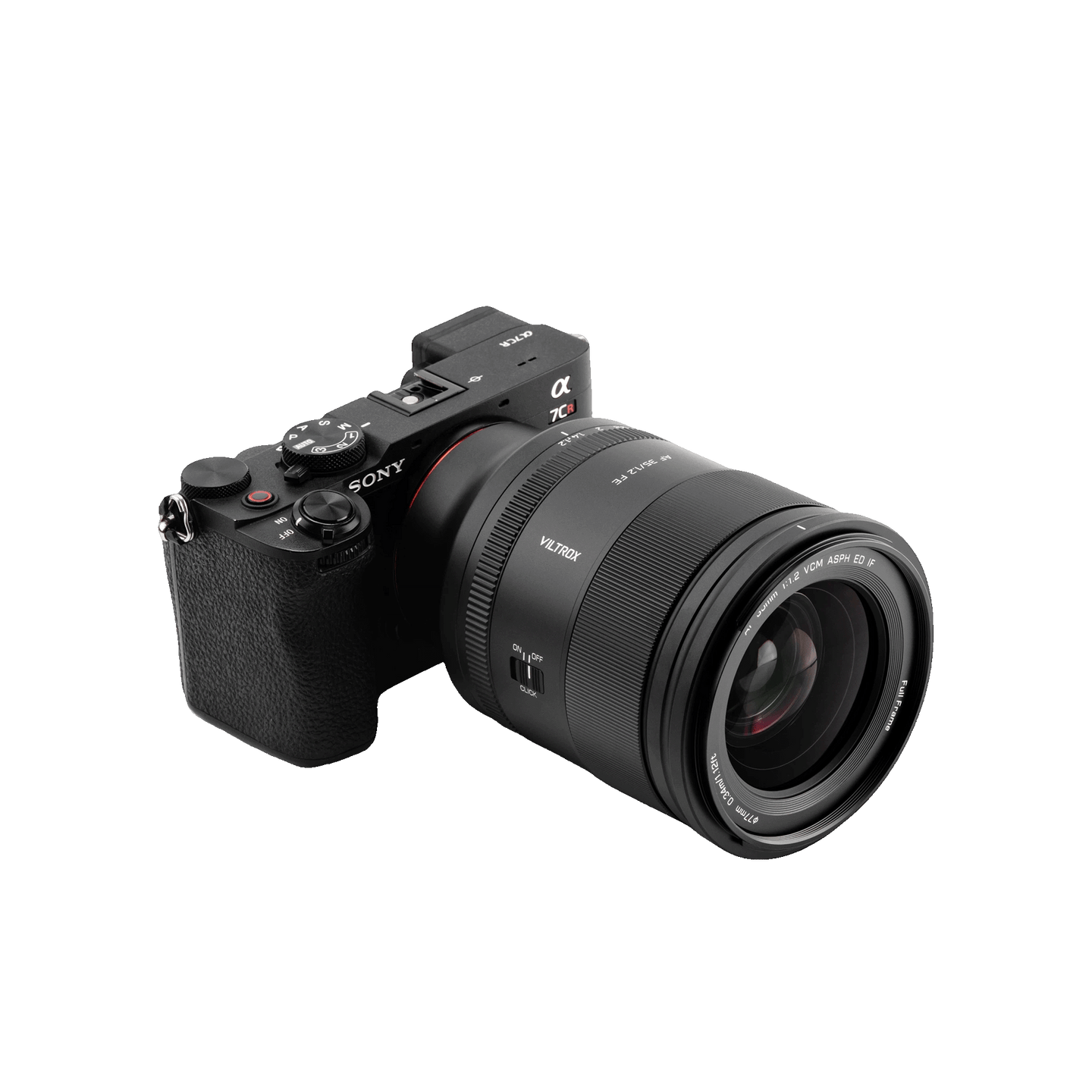
A strong example is the Viltrox AF 35mm f/1.2 LAB FE Lens for Sony. A 35mm focal length is a classic choice for street photography because it feels natural, versatile, and immersive without excessive distortion. The bright f/1.2 aperture is especially useful after dark, helping photographers keep shutter speeds higher while maintaining manageable ISO values.
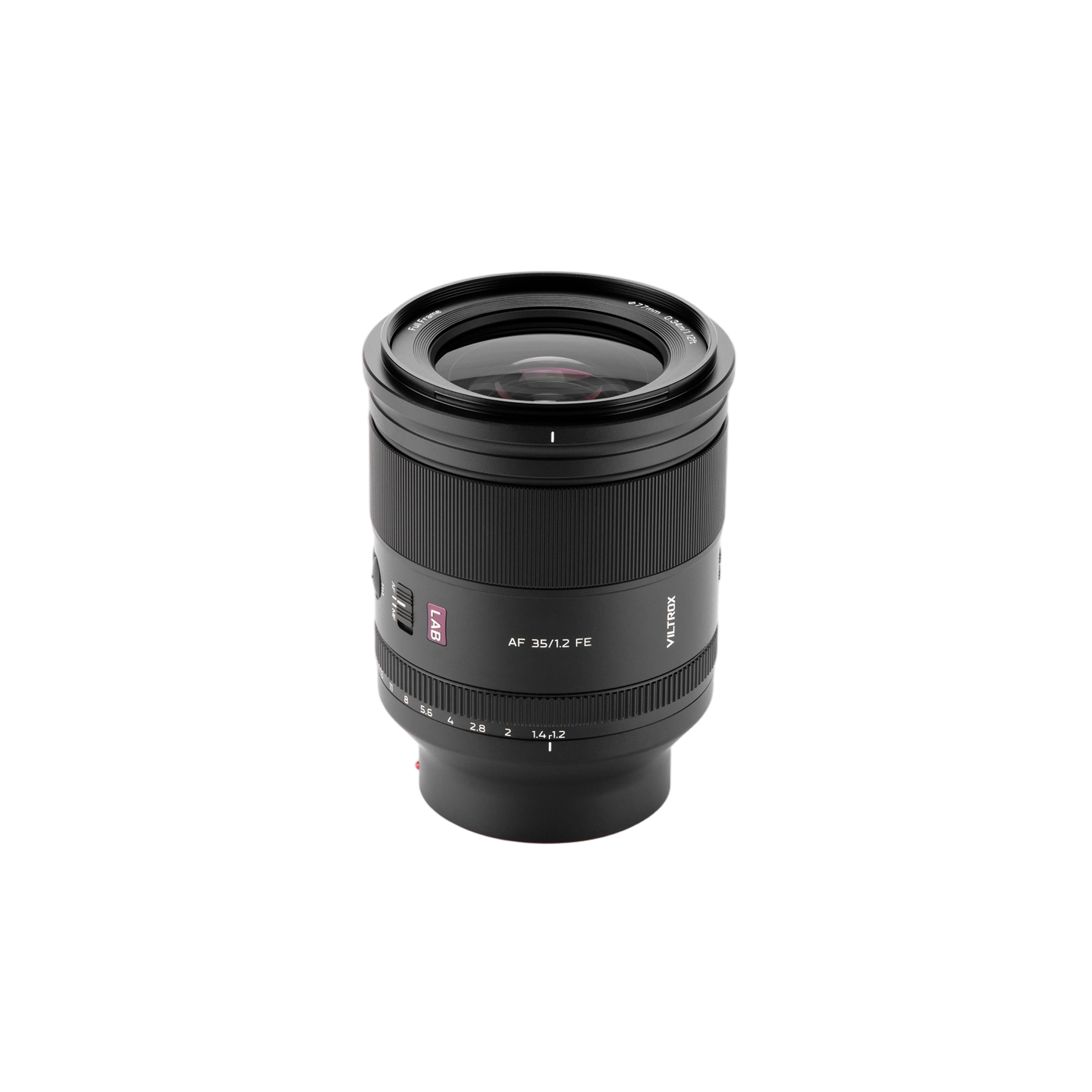
For city scenes at night, a lens like this can work well for environmental portraits, storefront scenes, sidewalk storytelling, and layered compositions. When browsing fast lenses and street photography gear, Unique Photo is a great place to compare options based on mount, focal length, and shooting style.
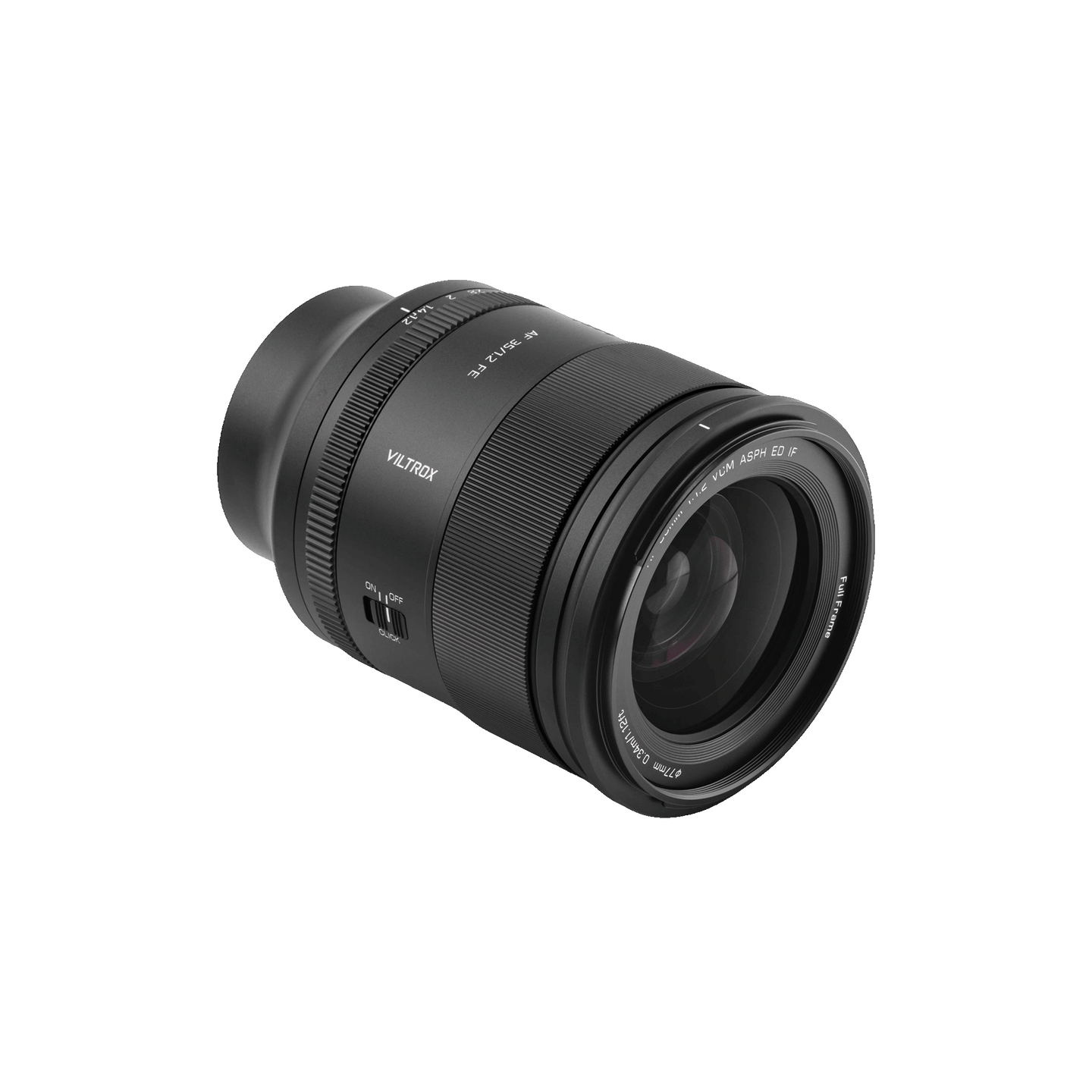
Wider lenses can also be helpful if you like dynamic perspectives or shoot in tighter urban environments. The key is choosing a focal length that supports your composition style while still offering strong low-light performance.
Low-Light Street Photography Techniques That Improve Sharpness
Even with excellent gear, technique matters. Low-light street photography often fails because of camera shake, missed focus, or motion blur from the subject. These practical habits can noticeably improve your keeper rate:
- Brace yourself: Lean against walls, lamp posts, or doorways when possible.
- Shoot in bursts: A short burst can increase the odds of one sharp frame.
- Time your shot: Photograph people as they pause under a light source or stop at a crosswalk.
- Use continuous autofocus carefully: For moving subjects, tracking modes can help, but test performance in your camera’s dim-light AF modes.
- Prefocus in a lit zone: Wait for a subject to enter a pool of light rather than chasing focus in deep shadow.
Another useful strategy is to expose for the highlights and let shadows fall naturally. Bright signage, headlights, and illuminated windows can clip quickly. Preserving those bright elements usually results in a more cinematic low-light street image.
Using Filters for Better Low-Light Mood and Contrast Control
Most street photographers think first about lenses and camera bodies, but certain filters can also shape the look of a night scene. Low-light contrast management is especially relevant when dealing with hard city lighting, reflective surfaces, and bright points of illumination.
The Tiffen 72mm Low Light Ultra Contrast filter line is worth considering for photographers who want to subtly manage contrast in difficult night conditions. These filters are designed to help open shadow detail while maintaining an atmospheric look, which can be useful in scenes with bright highlights and dark street backgrounds. Depending on your lens setup and creative intent, they may offer a distinctive rendering for nighttime urban work.
At Unique Photo, products like the Tiffen 72mm LOW LIGHT ULTRACONTRAST 1, Tiffen 72mm LOW LIGHT ULTRACONTRAST 4, and Tiffen 72mm LOW LIGHT ULTRACONTRAST 5 may appeal to photographers experimenting with a more stylized or controlled low-light aesthetic. As always, filter choice should match both your lens diameter and your preferred visual style.
How to Capture Better Street Photos at Night Without Flash
Many photographers prefer shooting low-light street photography without flash to preserve authentic atmosphere. The trick is learning how to work with available light instead of fighting it.
Look for these natural and urban light sources:
- Storefront windows
- Neon signs
- Street lamps
- Bus shelters
- Car headlights and taillights
- Crosswalk signals and LED displays
Position yourself so the subject moves into the light rather than photographing randomly in dark areas. This creates cleaner exposure, stronger subject separation, and more dramatic storytelling. Reflections from rain, glass, and pavement can also add visual interest, especially when composing at lower angles.
One advanced tip is to treat the light source as part of the composition, not just illumination. A glowing sign, window frame, or lamp can anchor the image and shape the mood. This approach often leads to more layered and memorable street photographs.
Noise, Motion Blur, and Autofocus: Common Night Street Photography Problems
Low-light street photography comes with predictable technical challenges. Here is how to handle the three most common ones:
1. High ISO noise:
Do not be afraid of ISO. Use noise reduction in post-processing, but prioritize proper exposure first. Underexposed files pushed heavily in editing often look worse than correctly exposed high-ISO files.
2. Motion blur:
Some blur is expressive and can add energy, but unintended blur usually weakens the image. If your subjects are moving quickly, increase shutter speed and wait for brighter areas.
3. Missed autofocus:
Autofocus can struggle in dim conditions or low-contrast scenes. Use a focus point on edges with strong contrast, rely on eye detection where it works reliably, and consider manual zone focus if your style supports it.
Street photographers who regularly shoot after dark often develop a system: fixed focal length, expected shutter speed minimum, preferred AF mode, and a mental checklist for lighting opportunities. That consistency helps speed up reactions when moments happen fast.
Street Photography Books and Guides for Low-Light Inspiration
Improving your night street photography is not only about gear. Study, assignments, and visual inspiration can sharpen your eye and help you develop a more intentional approach. Unique Photo carries several useful titles for photographers who want to build technique and creative confidence.
The Rocky Nook Enthusiast's Guide to Night and Low-Light Photo by Alan Hess is especially relevant for photographers exploring night scenes, city lights, and technical low-light challenges.
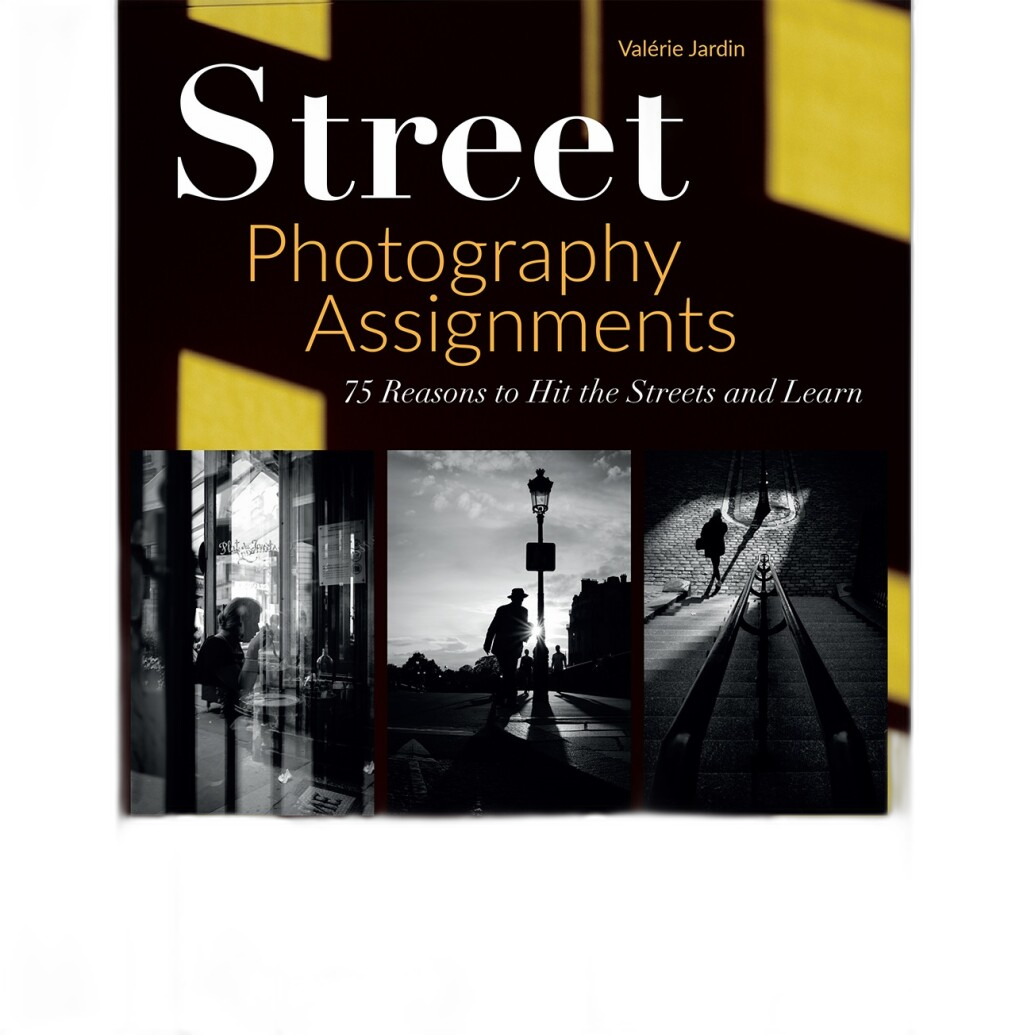
For photographers looking to strengthen their observational skills and storytelling, Rocky Nook Street Photography Assignments by Valerie Jardin offers practical exercises that can translate well into evening and nighttime shooting.
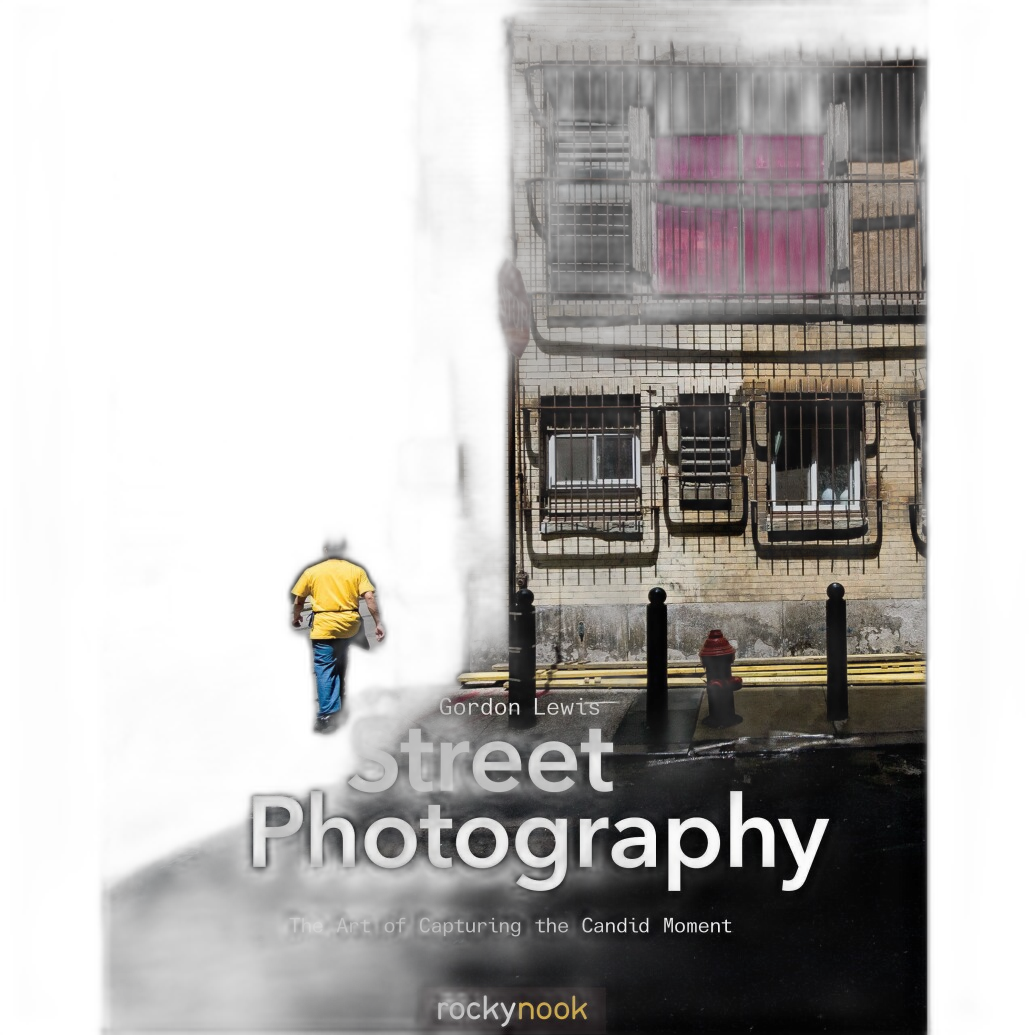
Another strong resource is Rocky Nook Street Photography by Gordon Lewis, which can help photographers think more critically about composition, timing, and subject relationships in public spaces.
Books like these are valuable because they build both technical understanding and visual literacy. If you want to shoot better street photos in low light, that combination matters.
What Gear Matters Most for Better Low-Light Street Photography?
If you are building a kit specifically for low-light street photography, prioritize your purchases in this order:
- A fast lens: This has the biggest immediate impact on night shooting.
- A camera with solid high-ISO performance: Helpful, but often secondary to lens choice.
- Comfortable carrying setup: Mobility is critical for street work.
- Optional creative filters: Useful for photographers refining a specific look.
- Books and education: Often overlooked, but highly effective for long-term improvement.
The best low-light street photography gear is the gear that helps you react quickly, work discreetly, and maintain image quality in difficult lighting. Unique Photo offers a strong mix of lenses, accessories, and educational resources for photographers at every experience level.
Final Thoughts on Night Street Photography Gear and Technique
Better low-light street photography comes from a mix of preparation and patience. Use the fastest lens you can reasonably carry, keep shutter speed high enough for the scene, embrace available light, and learn to anticipate where people will move through the frame. Over time, your timing becomes just as important as your settings.
If you are ready to improve your night shooting, Unique Photo is a smart resource for fast lenses, specialty filters, and photography books that support both technical learning and creative growth. For helpful internal linking opportunities, consider directing readers to related Unique Photo pages for lenses, filters, photography books and DVDs, and additional mirrorless lens options. These categories can help photographers build a more capable low-light street photography kit.