If you are shopping for your first portrait camera, you have probably searched for the best beginner DSLR for portraits. In today’s market, many first-time buyers discover that the best value often comes from mirrorless cameras that offer excellent autofocus, strong image quality, and easy-to-use features for portrait photography. At Unique Photo, beginners frequently compare DSLR-style handling with newer mirrorless options when deciding what camera and lens to start with for portraits.
The most important thing to know is this: for portraits, the lens often matters as much as the camera body. A beginner-friendly camera with reliable eye detection and a flattering portrait focal length can help you create soft background blur, sharp eyes, and natural skin tones without needing an overly expensive setup.
What Is the Best Beginner Camera for Portrait Photography?
When choosing your first portrait camera, look for a few key features:
- Fast and accurate autofocus, especially eye-detection AF
- Good low-light performance for indoor portraits
- Interchangeable lenses so you can upgrade later
- Comfortable handling for learning exposure and composition
- A strong kit lens or upgrade path for portrait focal lengths
Although many shoppers still use the term “DSLR,” beginner portrait shooters should consider mirrorless cameras because they are widely supported, easy to use, and excellent for both photos and video. Unique Photo carries several beginner-friendly camera options that make sense for portraits, depending on your budget and style.
Best Starter Camera and Lens Combo for Portrait Beginners
For many new photographers, an all-in-one kit is the easiest place to begin. A camera like the Canon EOS R10 Mirrorless Camera with 18-150mm Lens is a practical portrait starter because it gives beginners flexibility right away. The included zoom lens covers a wide range, letting you test portrait-friendly focal lengths without buying extra glass on day one.
The longer end of the zoom is especially helpful for portraits because it can create more flattering facial proportions and better subject separation than a wide-angle focal length. The EOS R10 also offers modern autofocus performance that helps beginners keep eyes sharp, which is one of the biggest challenges in portrait photography.
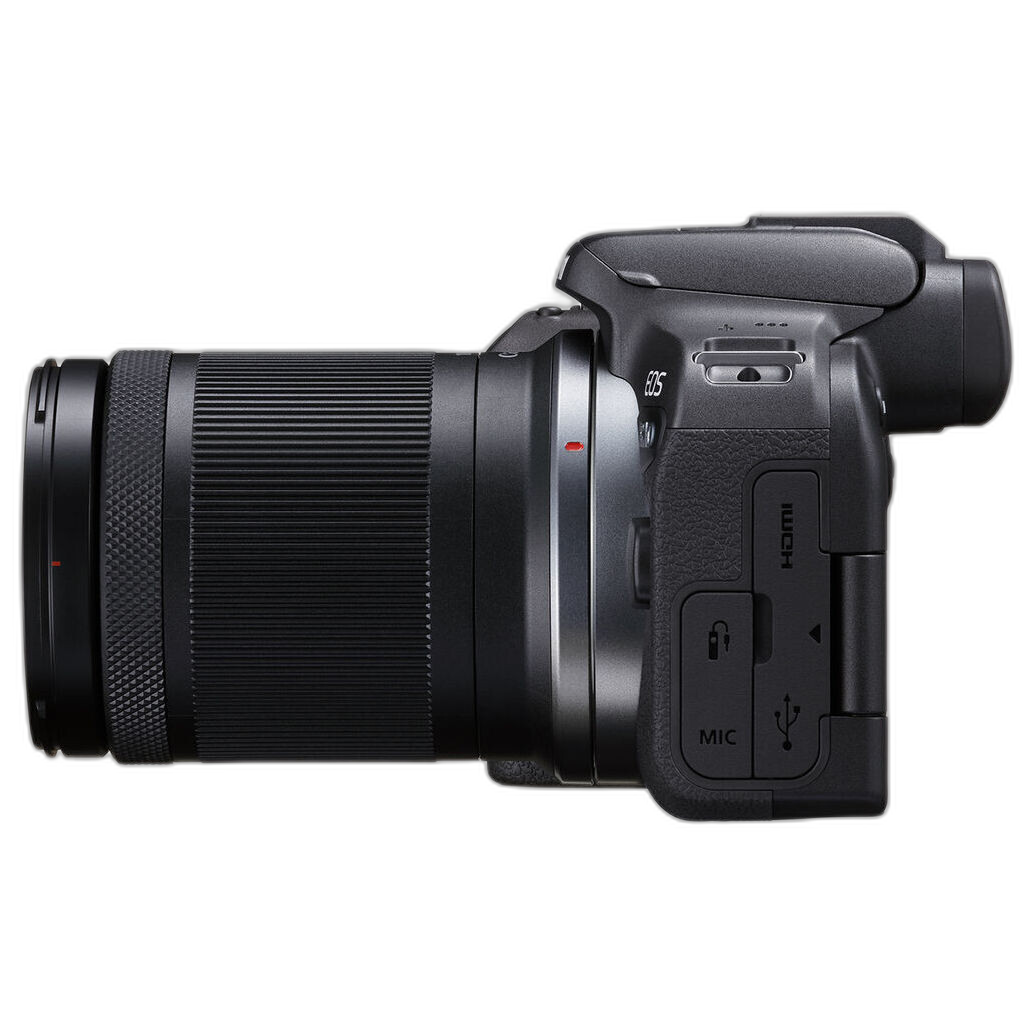
If you want one recommendation that balances ease of use, growth potential, and versatility, this Canon kit is a strong place to start from Unique Photo.
Is a Kit Lens Good Enough for Portraits?
One of the most common beginner questions is whether a kit lens is enough for portraits. The answer is: yes, you can absolutely start with a kit lens. A kit zoom helps you learn framing, working distance, and lighting before investing in a dedicated portrait prime lens.
That said, portrait photographers often prefer lenses that offer:
- Focal lengths around 50mm, 85mm, or similar equivalents
- Wider apertures like f/1.8 or f/2 for stronger background blur
- Sharp rendering of eyes and pleasing skin detail
If your first camera kit includes a zoom, use it to discover which focal length feels best for your portraits. Once you know your style, adding a prime lens can be your next upgrade.
Best Mirrorless Alternatives for Beginners Who Want DSLR-Like Control
If you love a classic camera feel, there are several mirrorless models that appeal to beginners who originally thought they wanted a DSLR.
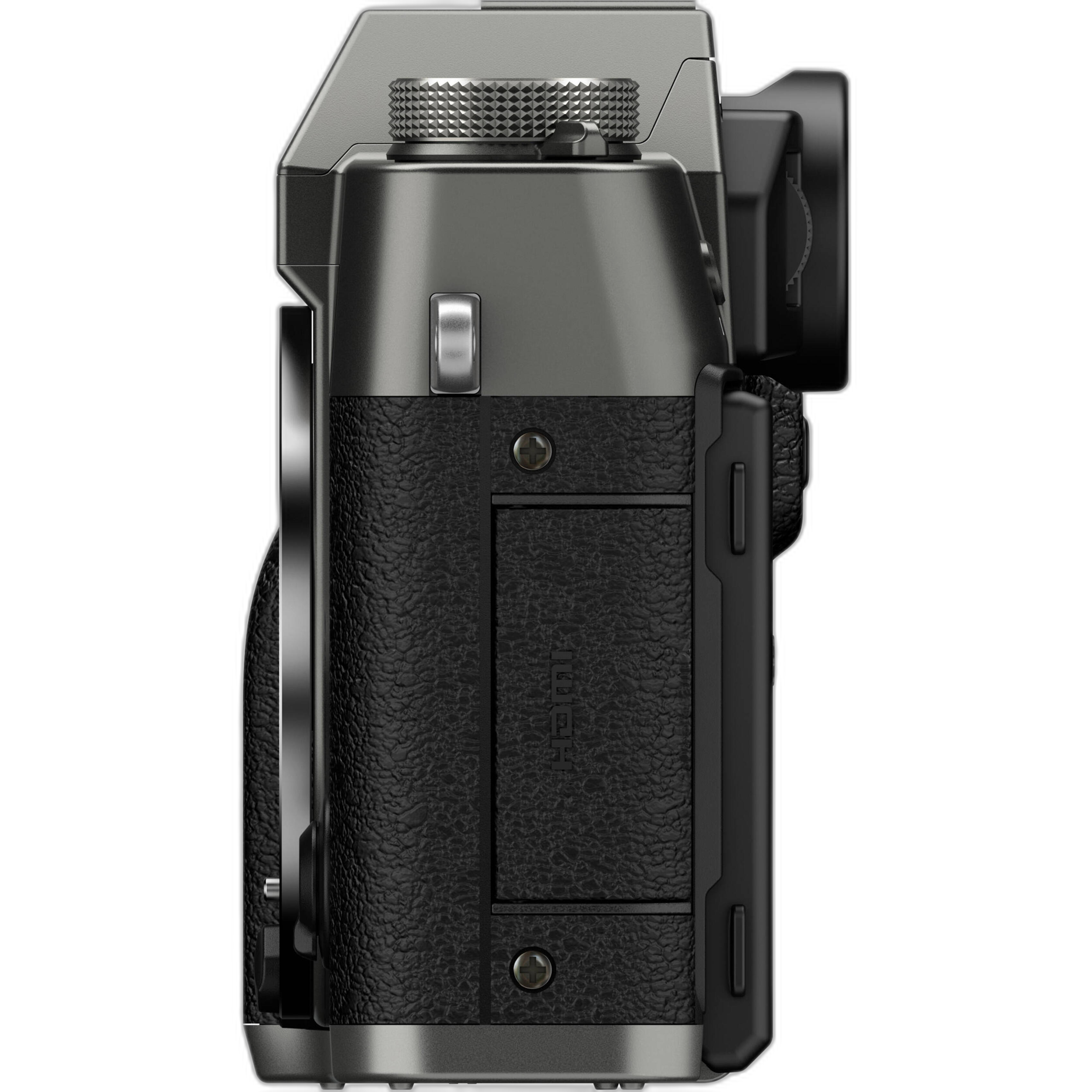
The FUJIFILM X-T30 III Mirrorless Camera Body - Charcoal Silver is a compelling option for portrait photographers who want beautiful color, compact size, and tactile controls. Fujifilm cameras are known for their attractive rendering and enjoyable shooting experience, which can be a big advantage when you are learning portraits and trying to build confidence.
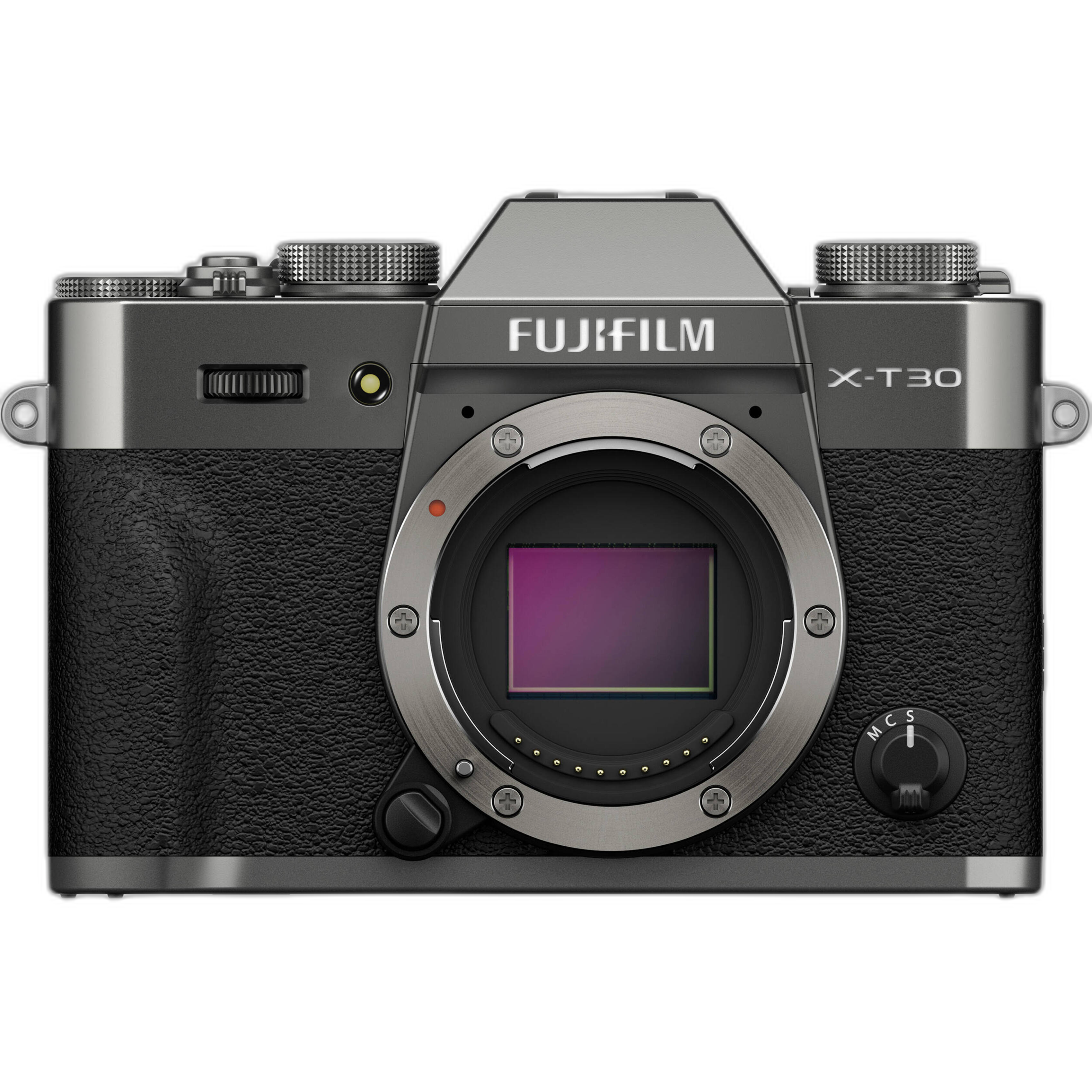
For beginners who want to start shooting immediately, the FUJIFILM X-T30 III Mirrorless Camera Body with XC13-33mm Lens Kit - Charcoal provides a ready-to-go solution. While that included lens is not a dedicated portrait lens, it is useful for learning composition, environmental portraiture, and day-to-day photography while you decide on a future portrait lens purchase.
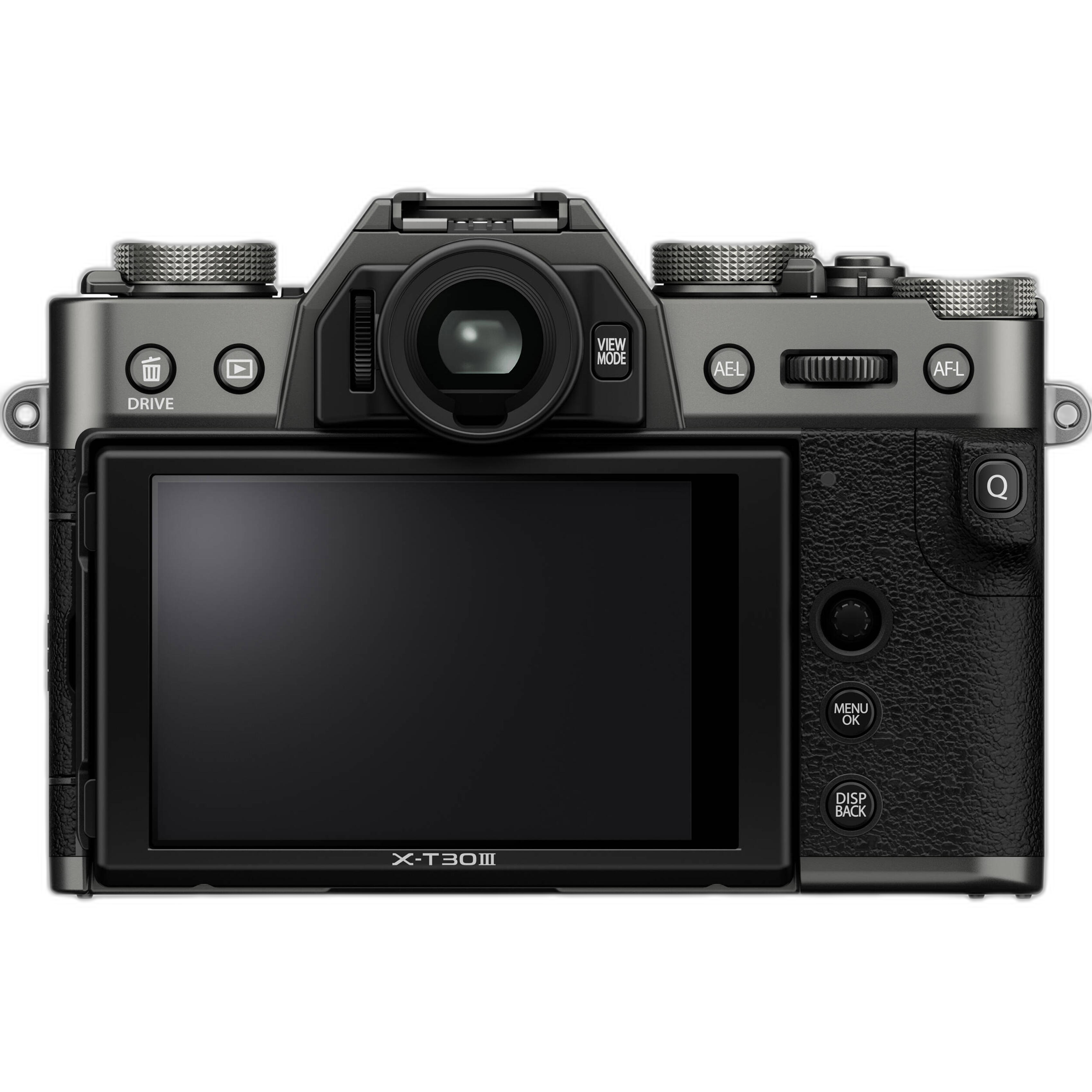
Unique Photo is a smart place to compare these systems if you are deciding between Canon and Fujifilm for your first portrait setup.
What Focal Length Is Best for Beginner Portraits?
The best portrait focal length depends on the type of portraits you want to shoot:
- 35mm equivalent: good for environmental portraits with more background context
- 50mm equivalent: versatile for half-body and natural-looking portraits
- 85mm equivalent: classic headshots with flattering compression
- 70-150mm range: excellent for outdoor portraits and background separation
If you are just starting, a zoom lens is useful because it lets you experiment. You may discover that you prefer tighter portraits at the longer end of a zoom, or you may enjoy a slightly wider look for lifestyle imagery.
How Important Is Autofocus for Portrait Photography?
Autofocus is extremely important for portraits, especially for beginners. Modern eye-detection autofocus can make a huge difference in your keeper rate. Instead of manually trying to place focus on the nearest eye every time, newer cameras can help track faces and eyes automatically.
This is one reason a modern beginner mirrorless camera can be a better recommendation than an older entry-level DSLR. Systems like the Canon EOS R10 make portrait photography easier to learn because the camera helps with precision focusing while you work on posing, lighting, and expression.
Can You Shoot Professional-Looking Portraits Without Buying Expensive Gear?
Yes. You do not need the most expensive camera in the store to create beautiful portraits. Lighting, lens choice, background, and subject connection matter more than owning premium flagship gear.
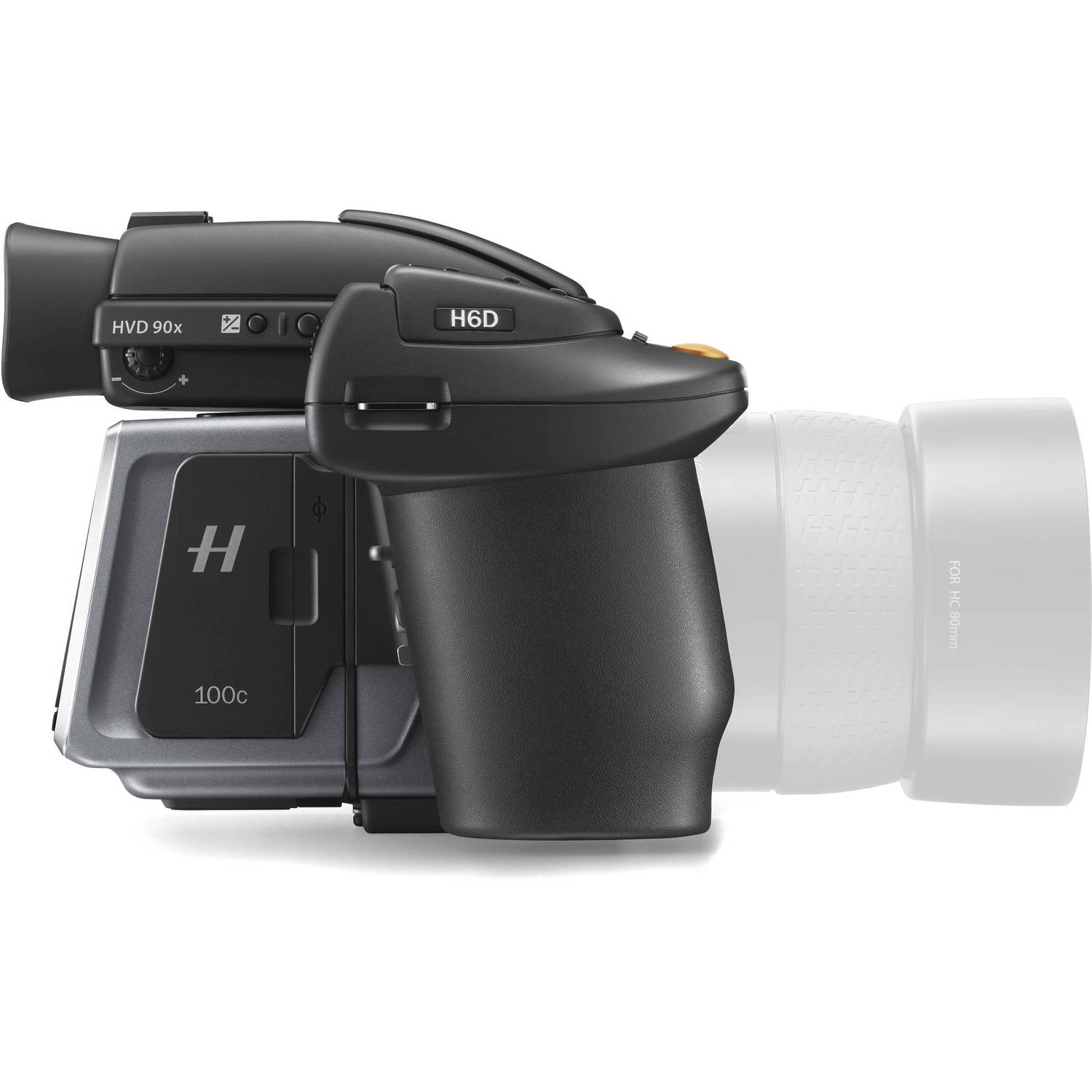
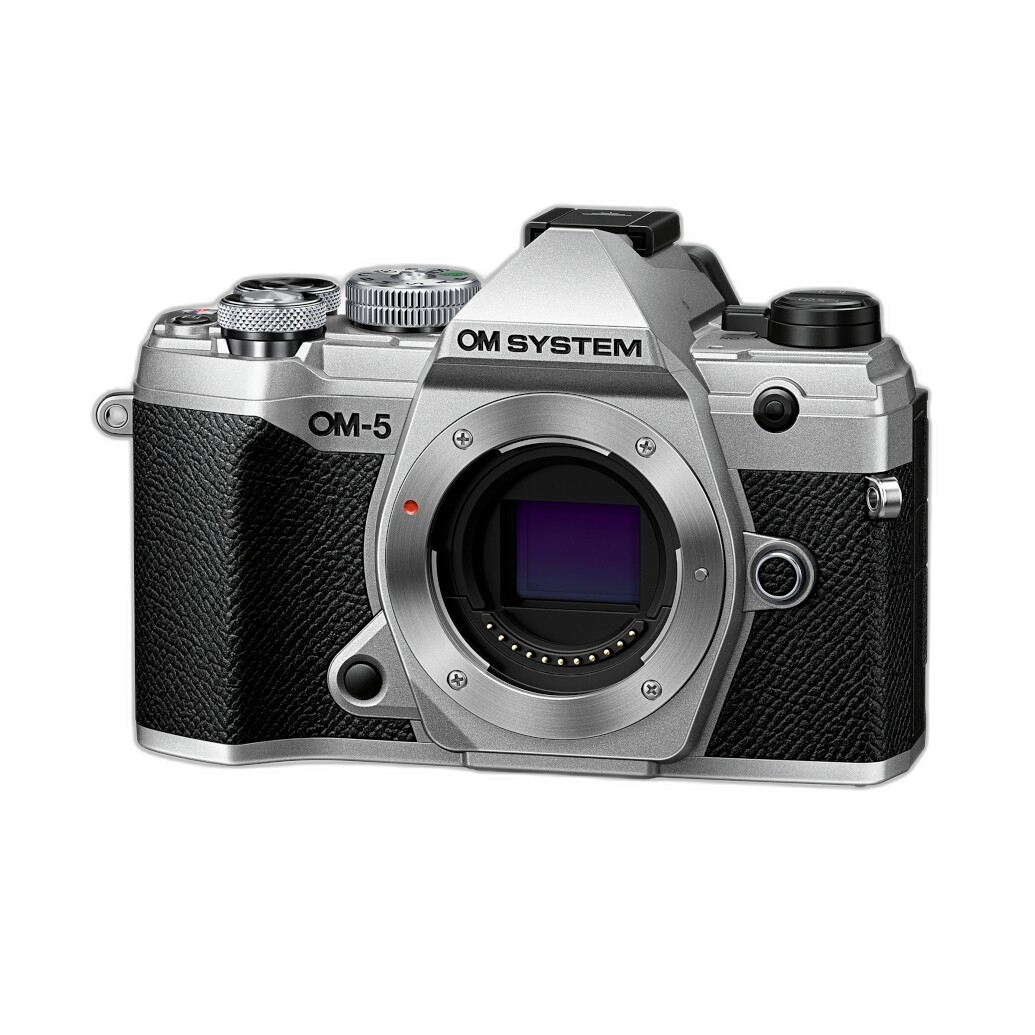
For example, cameras like the Canon EOS R10 or Fujifilm X-T30 III are far more realistic and beginner-friendly for new portrait photographers than advanced specialty options. While Unique Photo also carries premium models such as the Sony RX1R III Premium Compact Camera, the OM SYSTEM OM-5 Mirrorless Camera, and even high-end niche cameras like the Hasselblad H6D Medium Format Camera, these are not the typical starting point for someone asking for beginner portrait camera recommendations.
Instead, your money is usually better spent on:
- A reliable beginner camera body
- A versatile starter lens or portrait prime
- Simple lighting tools
- Extra batteries and memory cards
Should Beginners Buy a Camera Body Only or a Lens Kit?
If this is your first portrait camera, a lens kit is usually the better choice. Buying a body-only camera makes more sense if you already know exactly which portrait lens you want. Most beginners benefit from having an included zoom first so they can learn:
- How focal length changes perspective
- How to compose headshots versus full-body portraits
- How much background blur different focal lengths create
- What lens they should upgrade to later
That is why a kit like the Canon EOS R10 with 18-150mm lens or the Fujifilm X-T30 III lens kit can be an excellent first step.
What About Full-Frame Cameras for Beginner Portraits?
Many new photographers assume they need full-frame for portraits. Full-frame can be great, but it is not required to make strong portrait images. APS-C cameras are often the better value for beginners because they cost less, are lighter to carry, and still deliver excellent image quality.
If your budget is limited, it is often smarter to buy a good APS-C camera and save room for a better portrait lens later. At Unique Photo, many first-time portrait shooters start with an APS-C mirrorless system and upgrade lenses as their style develops.
Beginner Portrait Camera Buying Tips
Before you buy your first portrait setup, keep these tips in mind:
- Prioritize lens options. Make sure the system has strong portrait lens choices.
- Choose a camera with eye AF. It will make portraits easier right away.
- Do not overspend on the body. Save budget for lenses and lighting.
- Start simple. One camera and one versatile lens can teach you a lot.
- Think about your future. Pick a system you can grow into.
Our Beginner Portrait Recommendation
If you want the simplest answer, the Canon EOS R10 Mirrorless Camera with 18-150mm Lens is one of the best beginner portrait camera options to start with. It is approachable, flexible, and well suited for learning portrait photography without locking you into an overly specialized setup.
If you prefer a more tactile shooting experience and love Fujifilm color and design, the FUJIFILM X-T30 III is another excellent beginner-friendly option worth considering from Unique Photo.
Conclusion: Start Simple and Grow Your Portrait Kit Over Time
The best beginner DSLR recommendation for portraits is often not a traditional DSLR at all. For most new photographers, a modern mirrorless camera with reliable autofocus and a flexible starter lens is the smartest way to begin. A model like the Canon EOS R10 gives you room to learn and improve, while cameras like the Fujifilm X-T30 III offer a fun and capable path into portrait photography.
Unique Photo is a great place to compare entry-level portrait cameras, explore lens kits, and build a system you can grow with. If you are ready to keep researching, consider browsing internal category pages such as Cameras, Mirrorless Cameras, Canon Cameras, and Fujifilm Cameras. You may also want to explore portrait-friendly lenses and beginner photography accessories to round out your first setup.