Beginner Camera FAQ 2024: Mirrorless vs DSLR for New Photographers
Choosing your first serious camera can feel overwhelming, especially when you are comparing mirrorless models, older DSLR options, kit lenses, and used gear. At Unique Photo, we usually guide beginners toward systems that are easy to learn, flexible enough to grow with, and supported by a strong lens ecosystem.
For most new photographers in 2024, mirrorless is the strongest starting point. Still, the right answer depends on your budget, shooting style, and whether you value portability, lens variety, or maximum simplicity.
What are the best entry-level mirrorless cameras this year?
For many beginners, the best entry-level mirrorless camera is the one that balances ease of use, autofocus performance, size, and lens options. A standout all-around option is the Canon EOS R10 with 18-150mm lens. It is especially appealing for first-time buyers because the included zoom lens covers wide-angle, portrait, and telephoto needs in one package, which means you can start shooting immediately without needing extra lenses on day one.
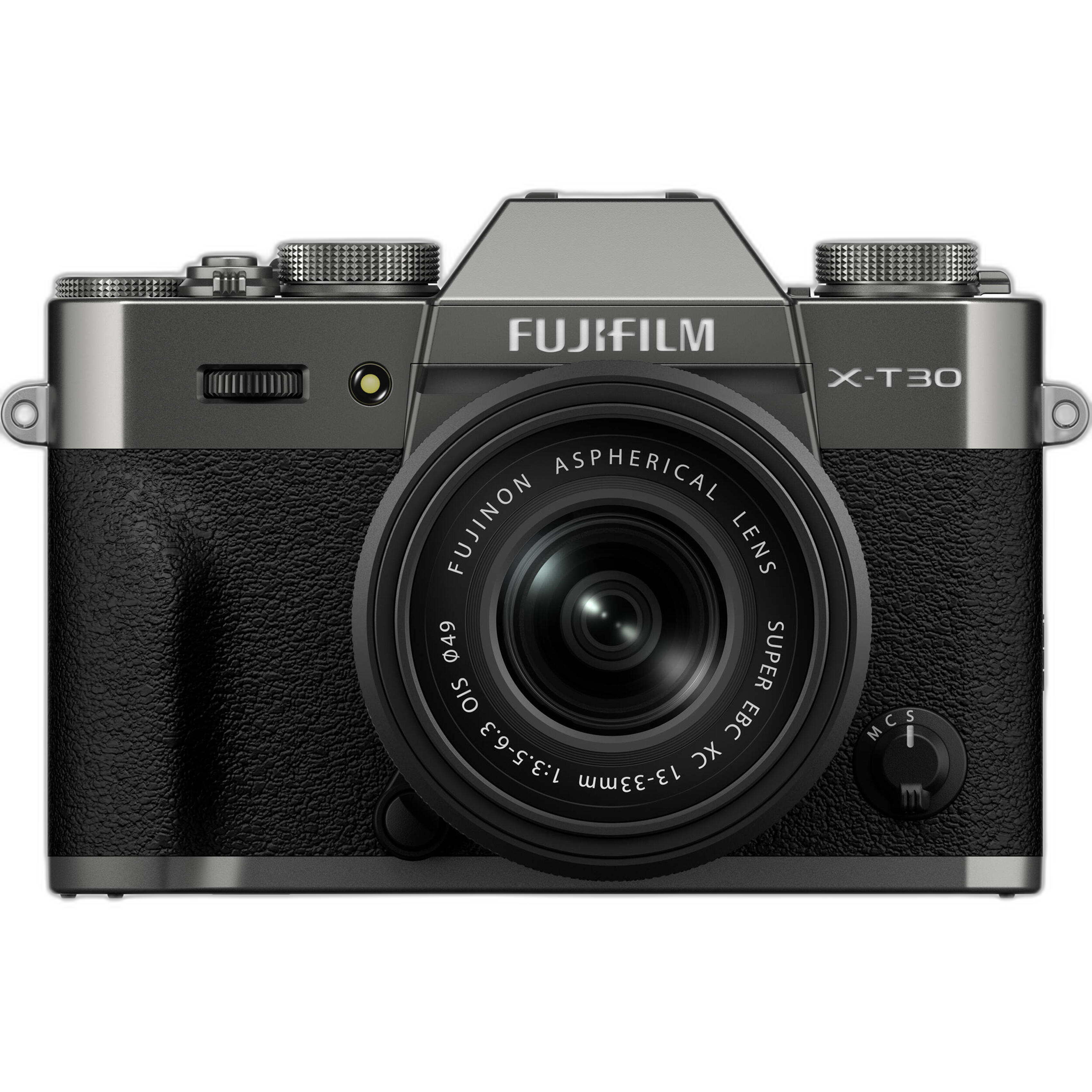
If you want a more classic camera design and strong image quality in a compact body, the FUJIFILM X-T30 III is another excellent beginner-friendly mirrorless option. It appeals to photographers who enjoy direct controls and a more tactile shooting experience. The lens kit version is especially practical for someone building a first setup.
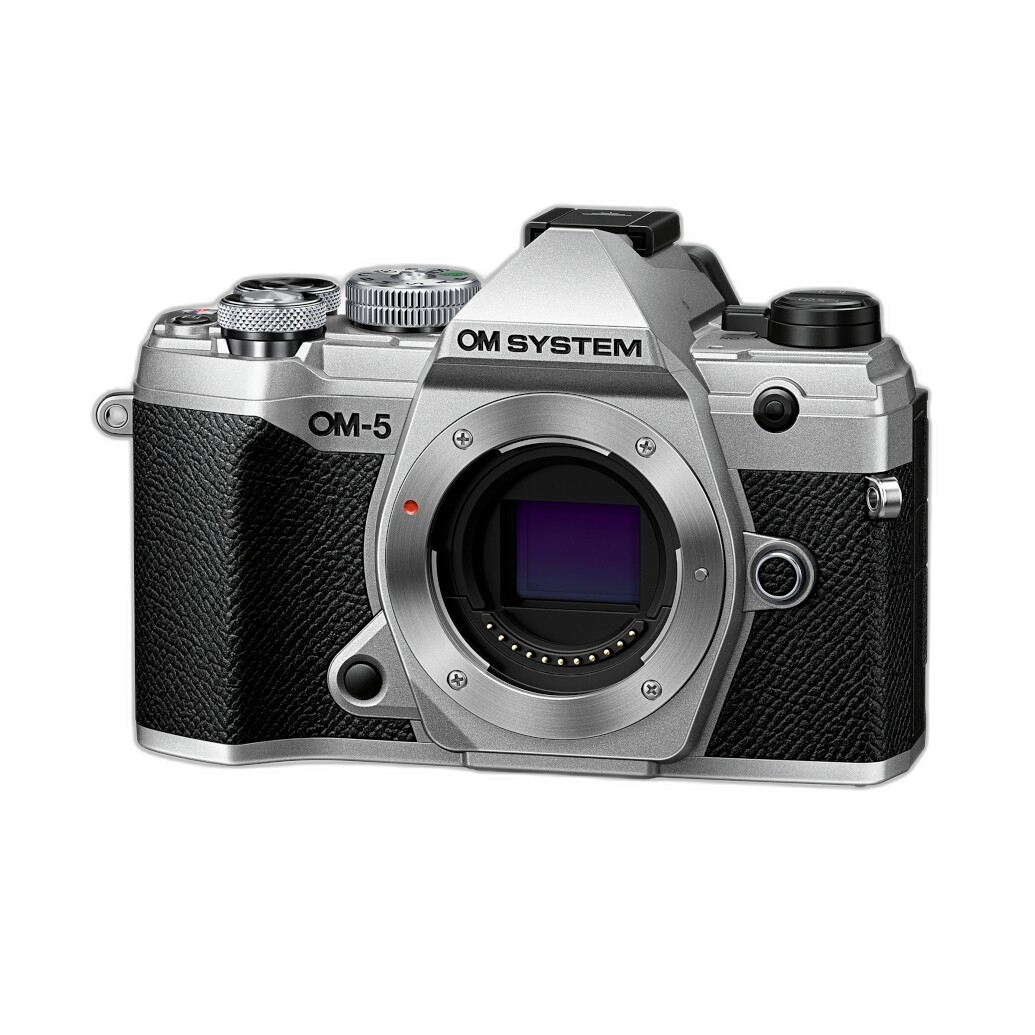
For travelers, hikers, and users who prioritize portability and stabilization, the OM SYSTEM OM-5 is worth serious consideration. Its compact design makes it easy to carry every day, which is one of the biggest advantages a beginner can have: a camera you will actually bring with you.
Is there still a reason to buy a beginner DSLR in 2024?
There can be, but for most first-time buyers, mirrorless makes more sense today. DSLRs still offer comfortable ergonomics, solid battery life, and access to many affordable older lenses. If you already have family members or friends with compatible DSLR lenses, that can also make a DSLR system more attractive.
That said, mirrorless cameras now offer major advantages for beginners: better live-view shooting, more advanced autofocus, easier eye-detection, and a clearer path for future upgrades. Since many brands are focusing their newest development on mirrorless systems, a beginner investing today will usually get better long-term value by starting there instead of buying into an aging DSLR platform.
How important is lens selection when choosing an entry-level system?
Lens selection is extremely important because lenses shape what you can photograph and how your images will look long after you outgrow your first camera body. A beginner often focuses on the camera itself, but the system matters more. Before buying, think about whether you may eventually want a portrait lens, a wider lens for travel, or a telephoto for sports and wildlife.
This is one reason the Canon EOS R10 with 18-150mm lens is such a smart first purchase: the included lens gives you a broad focal range and delays the need for immediate upgrades. Likewise, the FUJIFILM X-T30 III kit is a practical way to enter a respected mirrorless system without needing to assemble a full kit from scratch.
If your plan is to grow gradually, pick a system with room to expand rather than only choosing the cheapest body available. At Unique Photo, we often recommend beginners start with one versatile zoom and then add a prime lens later once they know what they enjoy shooting most.
Should I buy a camera body only or a kit with a lens?
Most beginners should choose a kit with a lens. A body-only purchase usually makes sense when you already own compatible lenses or you have a very specific lens strategy in mind. For a first camera, a kit lens keeps things simple, lowers the barrier to getting started, and is typically more cost-effective than buying body and lens separately.
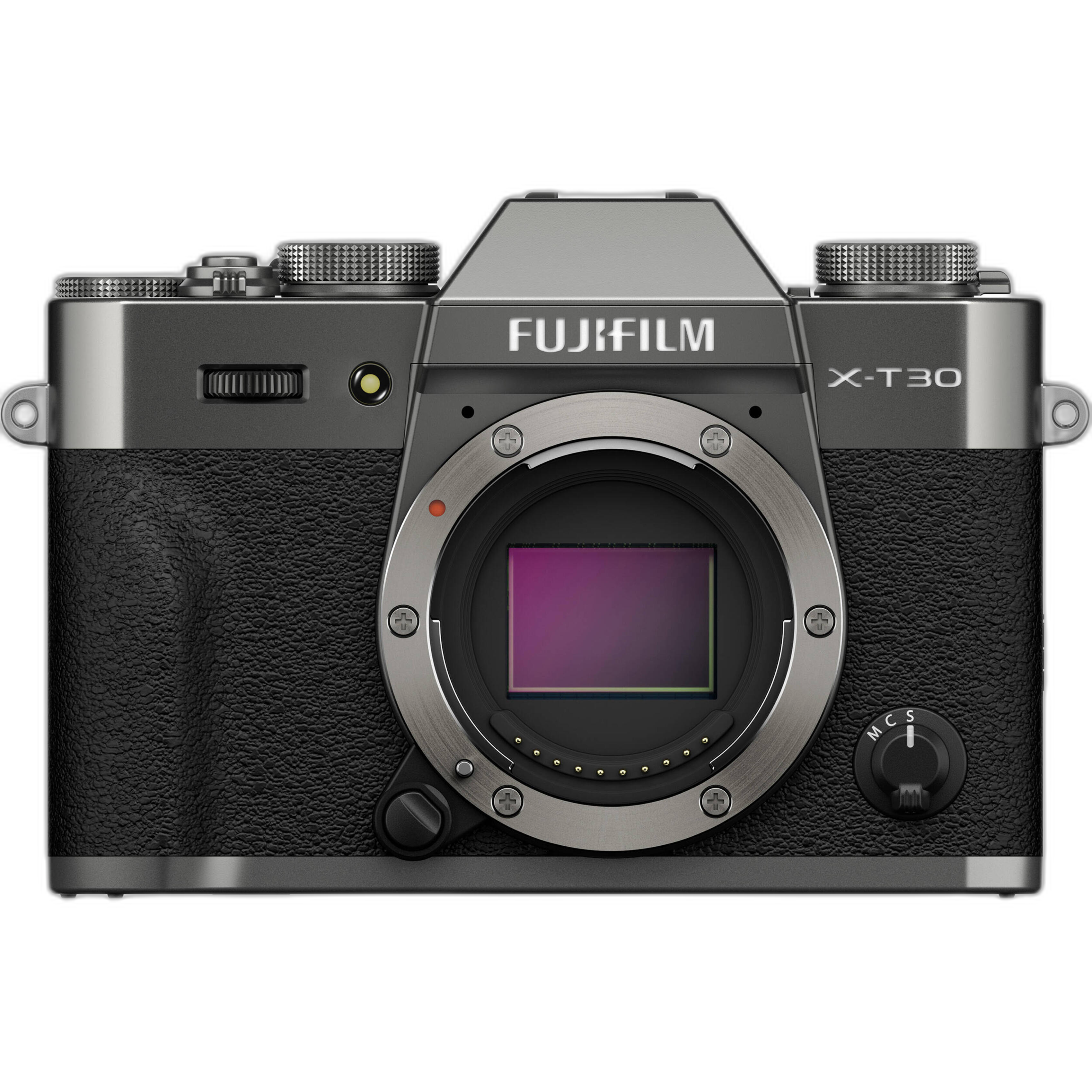
The Canon EOS R10 with 18-150mm is a good example of a kit that gives you immediate versatility. The FUJIFILM X-T30 III with XC13-33mm lens kit is another strong choice if you want a compact system centered on everyday photography, travel, and general creative use. A body-only option like the OM SYSTEM OM-5 or FUJIFILM X-T30 III body can still be excellent, but only if you are prepared to choose lenses separately.
Are used cameras worth considering for a new photographer?
Yes, used cameras can be a very smart option for beginners, especially when budget is a major factor. A used camera can let you step into a better tier of image quality or lens quality than you could afford new. That said, condition, shutter count, battery health, and overall reliability matter a lot.
What we usually tell first-time buyers is this: if you are shopping used, focus on trusted sellers and evaluate the total system cost, not just the body price. It is often better to buy a well-supported mirrorless camera with a practical starter lens than to stretch for a more advanced body and leave no room in the budget for glass, memory cards, or an extra battery.
If you want the most straightforward ownership experience, buying new from Unique Photo can simplify your decision. You get a clear starting point, current features, and access to a team that can help you build the right kit from the beginning.
What type of beginner should choose Canon, Fujifilm, or OM System?
Canon is a great fit for beginners who want fast autofocus, easy menus, and a very approachable all-around experience. The EOS R10 is particularly strong for family photography, travel, pets, sports, and everyday use.
Fujifilm often appeals to photographers who care about design, manual-style controls, and a creative shooting experience. The X-T30 III is a strong choice for street photography, portraits, travel, and general lifestyle shooting.
OM System is ideal for photographers who value portability, stabilization, and an easy-to-carry setup. The OM-5 is especially appealing for travel and outdoor photography where size and weight make a big difference.
Do I need a camera with room to grow, or should I keep it simple?
You should do both. The best beginner camera is simple enough to use today but flexible enough to support your skills six months from now. That usually means choosing a modern mirrorless system with reliable autofocus, a comfortable grip, and access to lenses you can upgrade into later.
You do not need to start with an advanced or expensive specialty camera. For example, premium and niche models like a fixed-lens compact or medium format body serve very different audiences and are not usually the best first step for most new photographers. Beginners generally benefit more from versatile interchangeable-lens systems that encourage experimentation.
What is the best overall recommendation for most first-time buyers?
If you want one of the easiest recommendations for a new photographer in 2024, the Canon EOS R10 with 18-150mm lens is one of the strongest values because it combines ease of use, modern autofocus, and a lens that covers a wide range of shooting situations. If you prefer a more compact, style-driven experience, the FUJIFILM X-T30 III kit is a compelling alternative. If portability is your top priority, the OM SYSTEM OM-5 deserves a close look.
The right first camera should help you shoot more, learn faster, and stay excited about photography. If you are ready to compare beginner-friendly mirrorless cameras, lenses, and starter kits, shop with Unique Photo and let our team help you build a setup that fits your budget and your goals.