When photographers debate whether a Beta lens comparison tool offers enough information to choose between premium Sony GM lenses, the conversation usually lands in the same place: charts and scores are helpful, but real-world shooting experience still matters. For shoppers researching expensive glass, especially at a retailer like Unique Photo, the smartest approach is to combine technical test data with practical user feedback, handling impressions, autofocus behavior, and workflow needs.
In discussions about selecting between top-tier GM lenses, many photographers appreciate what a Beta tool can do well: summarize sharpness trends, compare focal length options, and highlight optical tradeoffs quickly. But they also point out its limits. A lens that looks nearly identical on a chart may feel very different in the field, especially for portrait, wedding, sports, travel, or video work.
If you are comparing premium lenses and want confidence before you buy, Unique Photo is a strong place to continue your research because product experts, accessories, and workflow tools can help you evaluate not only image quality, but also how a lens fits your shooting style.
Can a Beta lens comparison tool really help you choose between Sony GM lenses?
The short answer is yes, but only up to a point. A Beta tool is often useful for narrowing a shortlist. If you are deciding between two or three GM lenses, it can provide a fast overview of:
- Center and edge sharpness
- Distortion patterns
- Vignetting levels
- Chromatic aberration tendencies
- Aperture and focal length differences
- Basic handling or specification comparisons
For many photographers, that is enough to eliminate lenses that clearly do not match their needs. For example, if one option performs better wide open in the corners and another is lighter or faster focusing, the tool may quickly point you toward the more practical choice.
However, photographers debating whether Beta data is sufficient for selecting high-end GM lenses often mention that premium lenses are usually close enough in lab-style metrics that the final decision comes down to actual use. This is especially true when comparing lenses within overlapping categories, such as fast standard zooms, portrait primes, or telephoto options.
What lens test data does well when comparing high-end GM lenses
Technical comparison data is most valuable when it reveals meaningful differences that would be hard to spot from marketing copy alone. In the GM category, that often includes subtle but important distinctions in rendering and consistency.
Useful lens comparison data can help identify:
- Wide-open performance: Important for portrait, wedding, and low-light photographers who regularly shoot at f/1.2, f/1.4, or f/2.8.
- Edge-to-edge sharpness: Especially relevant for landscape, architecture, and environmental portrait work.
- Focus breathing and field curvature: Often important for hybrid shooters and video creators.
- Contrast and microcontrast: These affect how images feel, even when sharpness scores look similar.
- Sample variation clues: While not always directly measured, user feedback around consistency can be revealing.
Photographers researching at Unique Photo frequently benefit from starting with this kind of data because it saves time. Instead of guessing, they can focus on the lenses that best match their genres and camera bodies.
Why photographers say Beta tools are not enough on their own
The biggest criticism of a Beta comparison tool is that it may reduce a nuanced decision into a simplified score. Experienced users often argue that GM lens selection is about more than test charts. Two lenses can produce different-looking images even if their measurable performance appears close.
Common concerns photographers raise include:
- Rendering is subjective: Bokeh smoothness, transition from focus to blur, and color character do not always show up cleanly in numerical summaries.
- Autofocus feel matters: Speed, confidence, and subject tracking can vary depending on body, firmware, and shooting conditions.
- Weight changes real-world usability: A lens that tests brilliantly may stay home if it is too heavy for everyday shooting.
- Genre-specific priorities differ: A sports photographer values different things than a portrait or video shooter.
- Lab conditions do not equal field conditions: Backlit scenes, event lighting, weather, and movement reveal strengths and weaknesses charts may miss.
This is why many buyers use Beta data as a first step, then turn to hands-on impressions, sample galleries, and expert retailer guidance. That blend tends to produce better long-term satisfaction than relying on a single score.
User insights: what photographers actually compare when choosing a GM lens
In real discussions, photographers comparing premium Sony GM lenses usually focus on a wider set of questions than a Beta tool can answer alone. They often ask:
- How does the lens balance on my camera body?
- Does autofocus stay reliable for action or eye AF?
- How pleasing is the background blur in busy environments?
- Does the lens flare in a usable or distracting way?
- Is it sharp enough where I need it most, or just on paper?
- Will I enjoy carrying it on long jobs or trips?
These are practical buying questions. A studio portrait shooter may prefer a lens with especially smooth rendering, while a commercial shooter may prioritize consistency and edge detail. A wedding photographer might want fast AF, manageable weight, and strong wide-open performance in dim venues. For that reason, user experiences remain highly relevant even when technical data is strong.
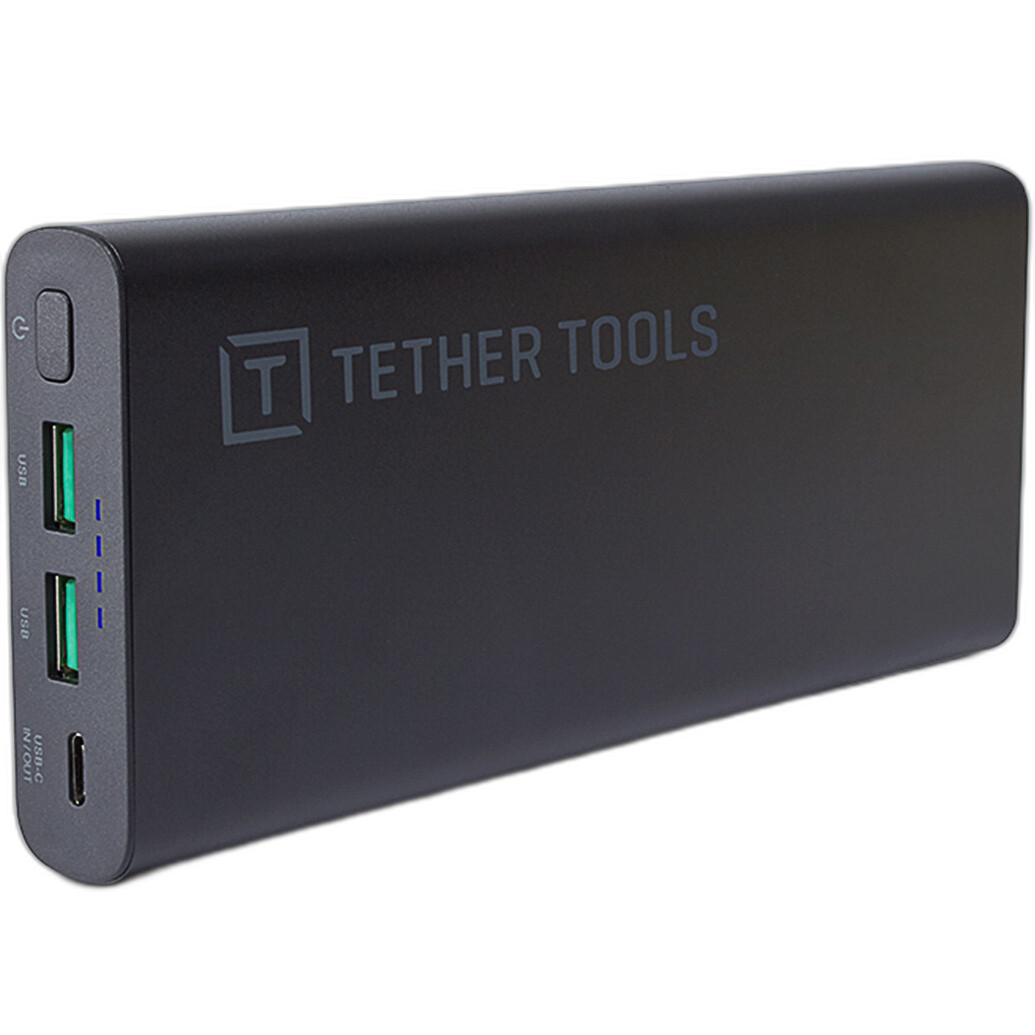
For photographers testing gear in the field, workflow accessories can make comparison easier. Something like the Tether Tools ONsite USB-C 100W PD Battery Pack 26800 mAh is useful for on-location review sessions, especially when powering tablets, laptops, or support devices while evaluating files away from the studio. Unique Photo shoppers often look at support gear like this when building a reliable lens-testing setup.
Technical comparison vs real-world experience: which matters more?
Neither should stand alone. The best lens decisions usually come from combining both. Technical data is objective and repeatable. Real-world experience is contextual and practical. Together, they answer different parts of the same question.
Technical comparison helps answer:
- Which lens is sharper at a certain aperture?
- How much distortion or vignetting should I expect?
- Are there measurable optical compromises?
Real-world experience helps answer:
- Do I like the way this lens draws?
- Can I trust it on a paid job?
- Is the size, weight, and handling worth the performance?
When photographers at Unique Photo or elsewhere debate premium lens choices, this blended method is usually the most convincing. Beta tools are useful for structure and speed, while human experience adds judgment.
How to compare Sony GM lenses more effectively than using scores alone
If you are trying to decide between high-end GM options, use a practical framework rather than chasing a single winner. A better process looks like this:
- Define the job first. Portrait, wildlife, events, commercial, and video shooters all need different things.
- Use Beta data to narrow the field. Remove lenses that clearly miss your performance priorities.
- Review full-resolution samples. Look for rendering, flare control, transitions, and subject separation.
- Read user reports from your shooting category. Wedding feedback is more useful for wedding buyers than general opinions.
- Consider body pairing. Autofocus and balance can change depending on the camera.
- Evaluate workflow. If you test or shoot tethered, make sure your cable and power setup support efficient comparisons.
That last point is often overlooked. Fast, clear image review helps photographers make better lens decisions because subtle differences become easier to spot on a larger screen.
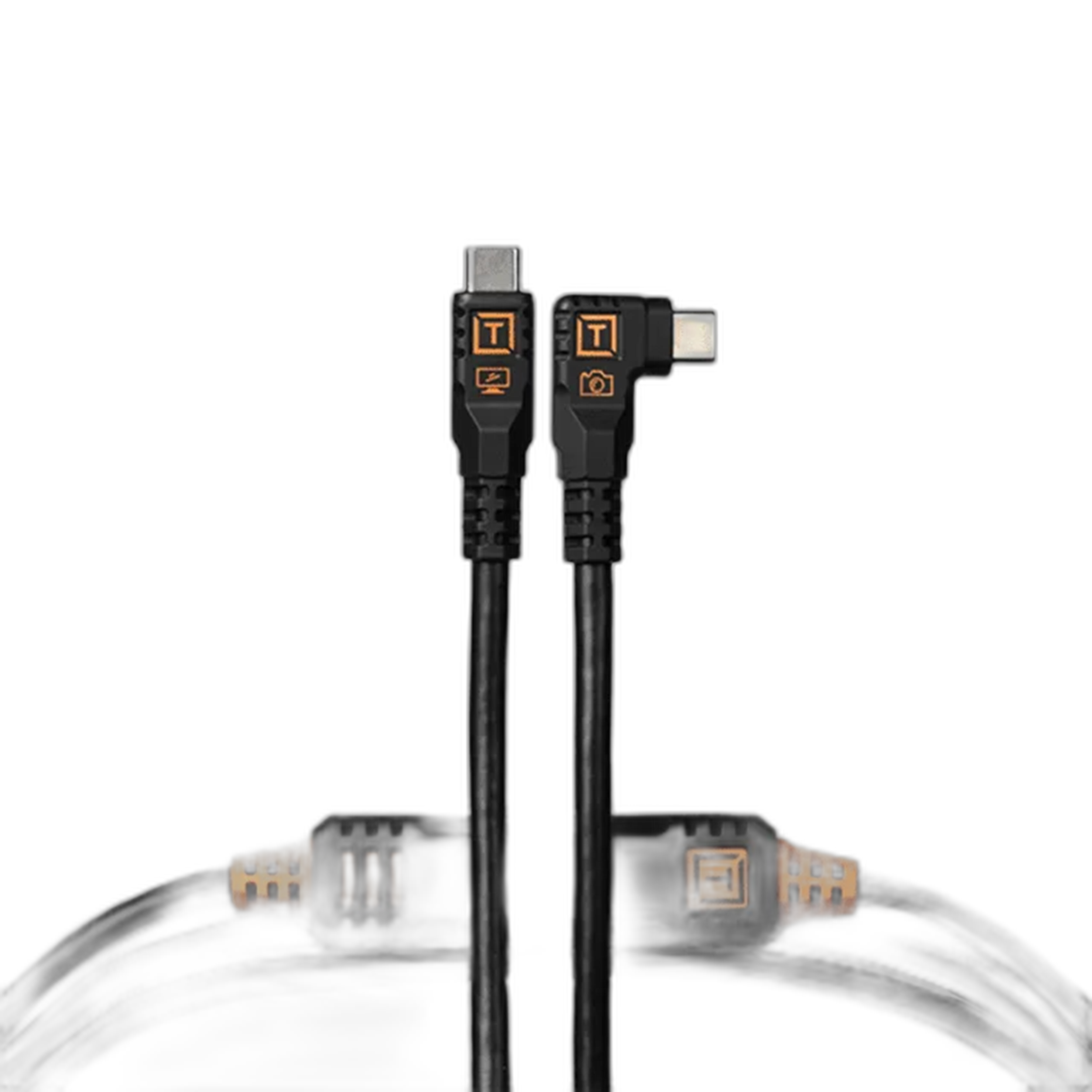
For example, the Tether Tools Optima 10G USB-C 15ft Straight to Right - Black can be a natural fit for tethered comparison sessions where you want stable file transfer while evaluating sharpness, focus consistency, and rendering. Unique Photo offers accessories like this that support a more informed buying process without distracting from the lens evaluation itself.
How portrait, event, sports, and video photographers may interpret the same GM lens data differently
One reason Beta comparison debates continue is that the same lens data can lead to different conclusions depending on what you shoot.
Portrait photographers may prioritize:
- Bokeh smoothness
- Subject separation
- Skin tone rendering and contrast character
- Wide-open reliability
Event and wedding photographers often care most about:
- Autofocus confidence in poor light
- Weight over long shooting days
- Versatility across fast-changing scenes
- Consistent results at working apertures
Sports and wildlife photographers may emphasize:
- Tracking speed
- Balance with monopods or handheld rigs
- Teleconverter compatibility where applicable
- Sharpness under high shutter speed use
Video creators frequently look for:
- Minimal focus breathing
- Smooth focus transitions
- Controlled flare behavior
- Manageable size on gimbals or rigs
This explains why a Beta tool may be “sufficient” for one buyer and incomplete for another. The closer your needs are to measurable optical criteria, the more useful the tool may be. The more your work depends on feel, rendering, or handling, the more you need supplementary insight.
Best practices for testing high-end lenses before you buy
If you want to go beyond online debate, a structured test can reveal much more than a comparison score. Try to test for the situations you actually encounter.
Useful lens testing steps include:
- Shoot at your most-used apertures, not just maximum aperture
- Test in the lighting conditions you work in most
- Compare autofocus on moving and static subjects
- Review corner detail and subject rendering separately
- Check flare and contrast in backlight
- Assess how fatigue and size affect your shooting rhythm
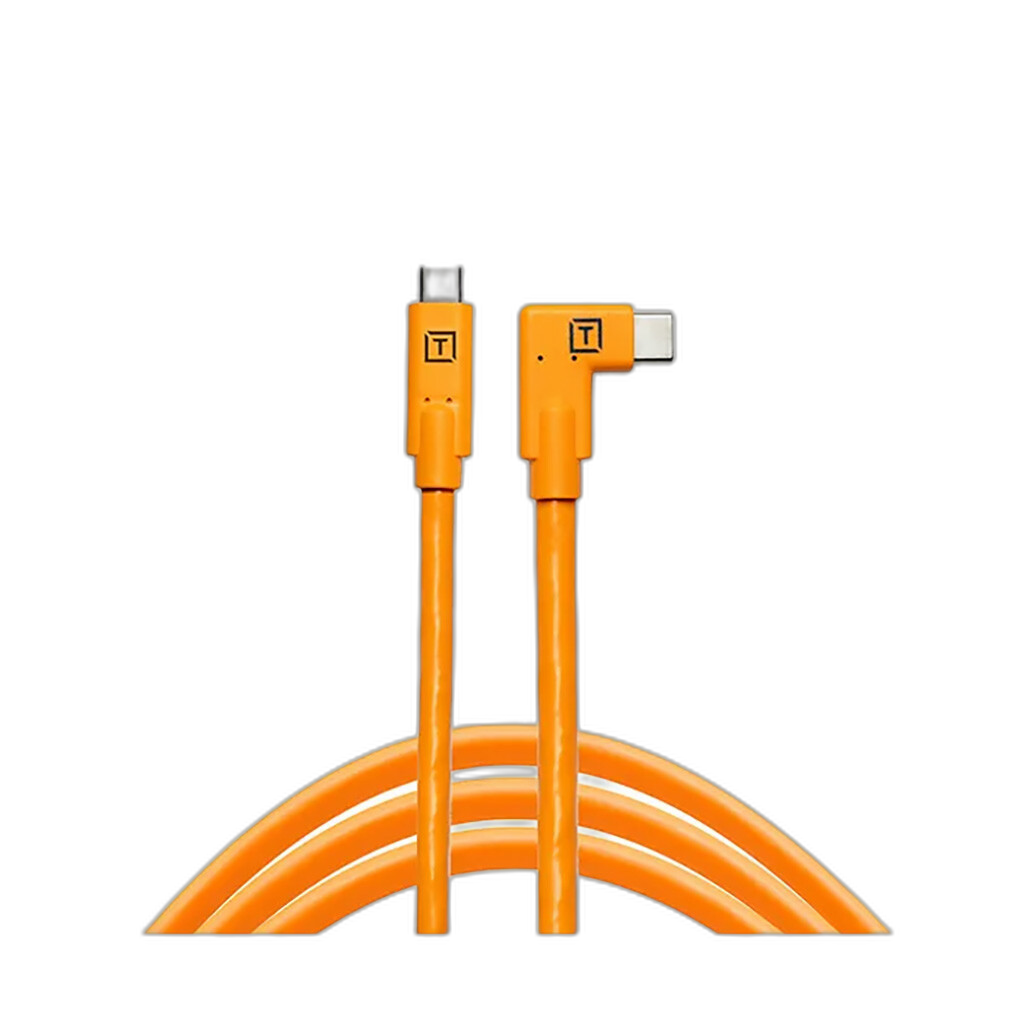
If you tether during tests, a bright, high-visibility cable like the Tether Tools TetherPro USB-C to USB-C Right Angle Orange 15ft can help keep a temporary studio or review area organized. Accessories such as this are practical add-ons for photographers shopping through Unique Photo who want a cleaner, more dependable testing workflow.
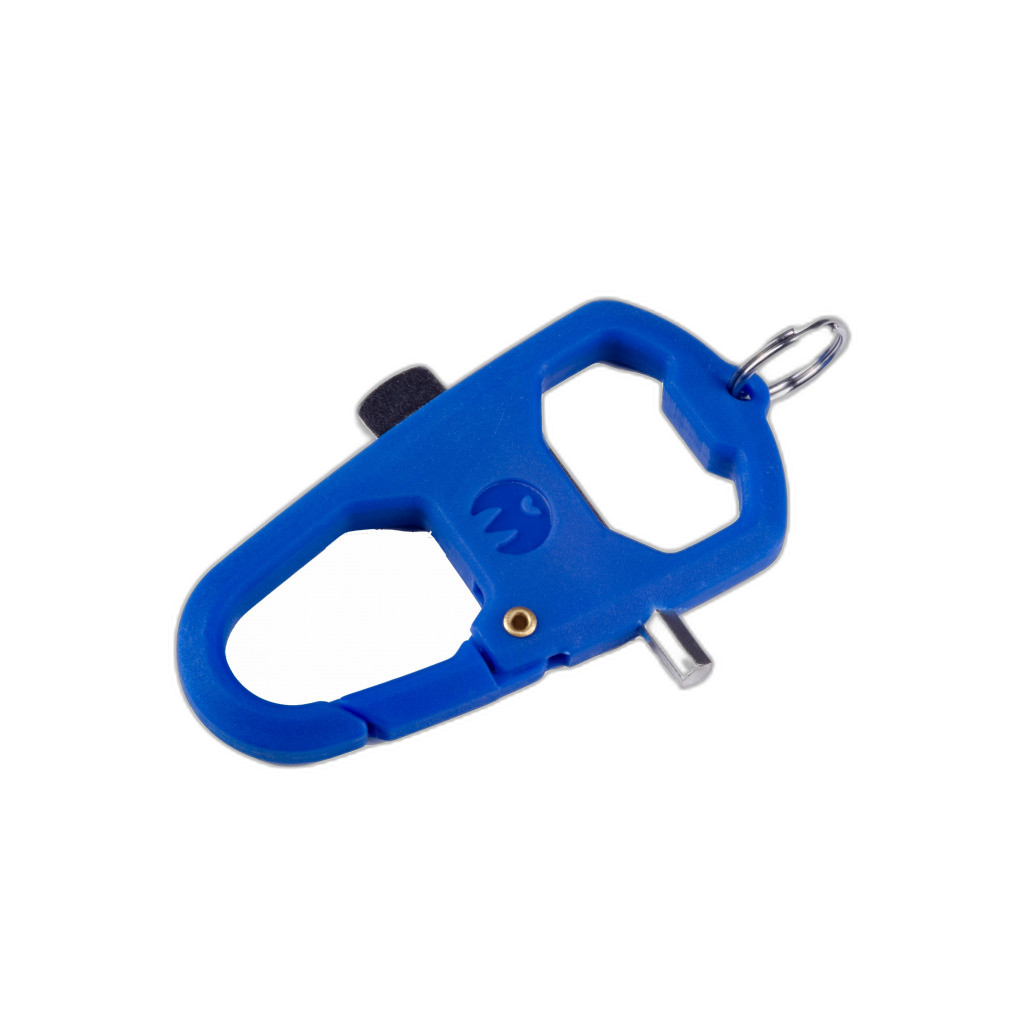
Even small support items matter during comparison sessions. The 3 Legged Thing Toolz multi-function tool can be handy when adjusting plates, supports, or quick setup changes between lens tests.
So, is Beta enough for choosing between high-end GM lenses?
For most photographers, Beta data is enough to shortlist, but not enough to finalize. It provides useful structure, reveals measurable differences, and can save you from poor-fit choices. But when you are investing in a premium GM lens, especially for paid work or specialized creative goals, you should also consider user experiences, real sample images, and handling feedback.
The strongest purchase decisions usually come from layering:
- Technical lens comparison data
- Genre-specific photographer feedback
- Hands-on or real-world usage impressions
- Workflow considerations such as tethering, power, and review setup
That is where a retailer like Unique Photo becomes especially helpful. Beyond product listings, Unique Photo supports photographers with the accessories and buying context needed to make a confident decision, whether you are comparing optical performance, planning a tethered test, or building a complete shooting kit around a new lens.
Final thoughts and next steps at Unique Photo
If you are still deciding between Sony GM lenses, use Beta results as a smart starting point rather than the final word. Narrow your options, then compare real-world use cases and support your evaluation with a reliable workflow. Unique Photo is a great next step for photographers who want to pair lens research with practical accessories for tethering, power, and on-location testing.
For internal linking, consider guiding readers to related pages such as Tether Tools accessories, camera cables and connectors, batteries and power solutions, and Sony lens category pages or educational buying guides available on Unique Photo. Those resources can help turn comparison data into a better real-world purchase.