Street Photography FAQ: Prime vs. Zoom Lens Choices for City Shooting
Street photography is all about timing, awareness, and using gear that helps you react quickly without drawing too much attention. One of the biggest decisions photographers face is whether a prime lens or a zoom lens makes more sense for candid work in busy cities. At Unique Photo, we usually recommend thinking less about absolutes and more about how size, flexibility, and confidence in your shooting style affect your results.
If you are building a street photography kit, a compact mirrorless camera with a practical everyday lens can be a smart place to start. For example, the FUJIFILM X-T30 III with XC13-33mm lens kit offers a portable setup with a useful wide-to-normal range that fits a lot of street scenarios.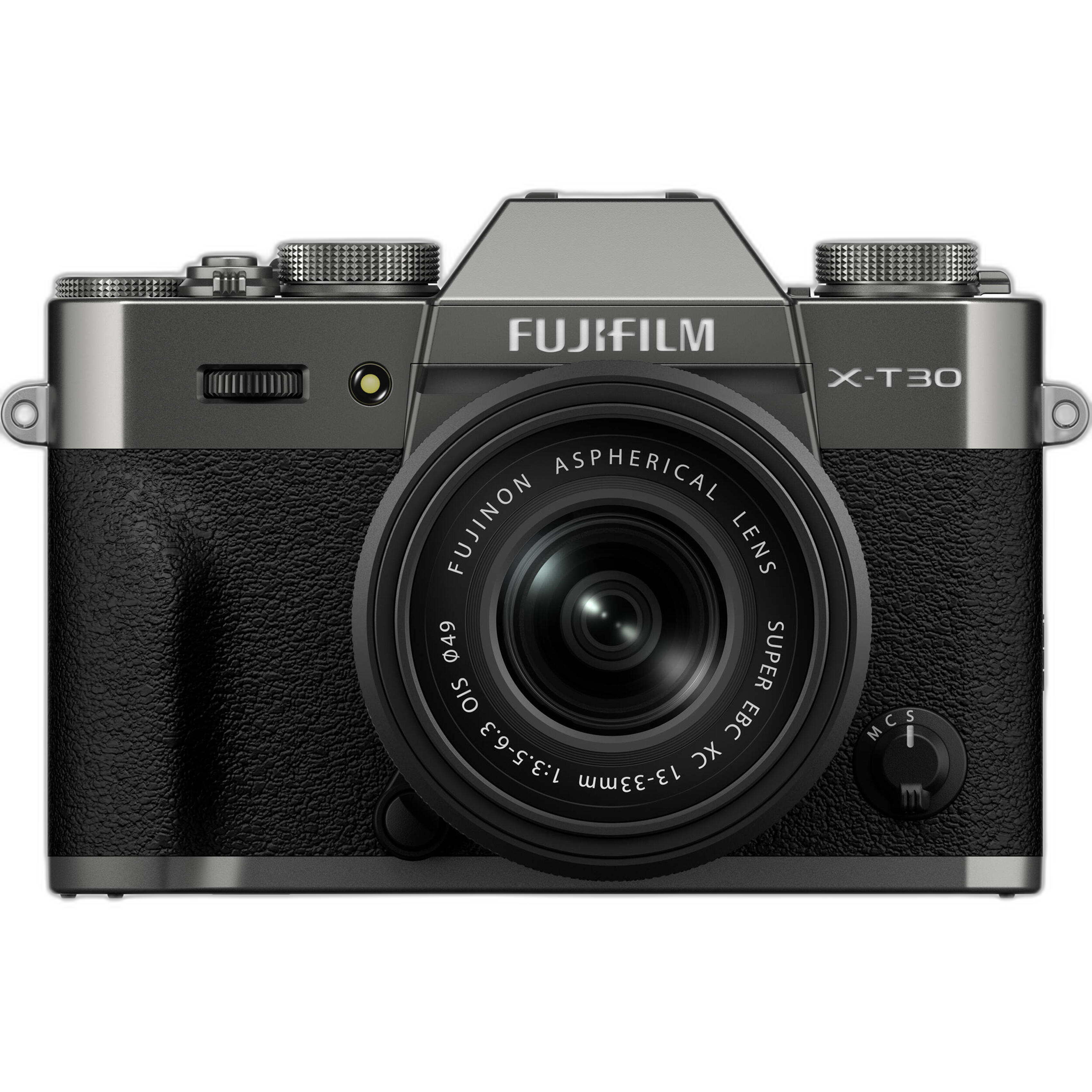
Should I choose a prime lens or a zoom lens for street photography?
Both can work extremely well, but they encourage different ways of shooting. A prime lens is often favored for its simplicity, speed, and compact profile. With one focal length, you learn to anticipate framing quickly, move your feet, and develop a more consistent visual style. Many photographers also like that prime-based shooting can feel less distracting because there are fewer decisions to make in the moment.
A zoom lens, on the other hand, gives you flexibility when the scene changes fast. In crowded streets, public markets, festivals, or travel-heavy environments, being able to go from a wider environmental view to a tighter candid composition without swapping lenses can be a major advantage. If you prefer versatility over minimalism, a zoom can be the more practical everyday choice.
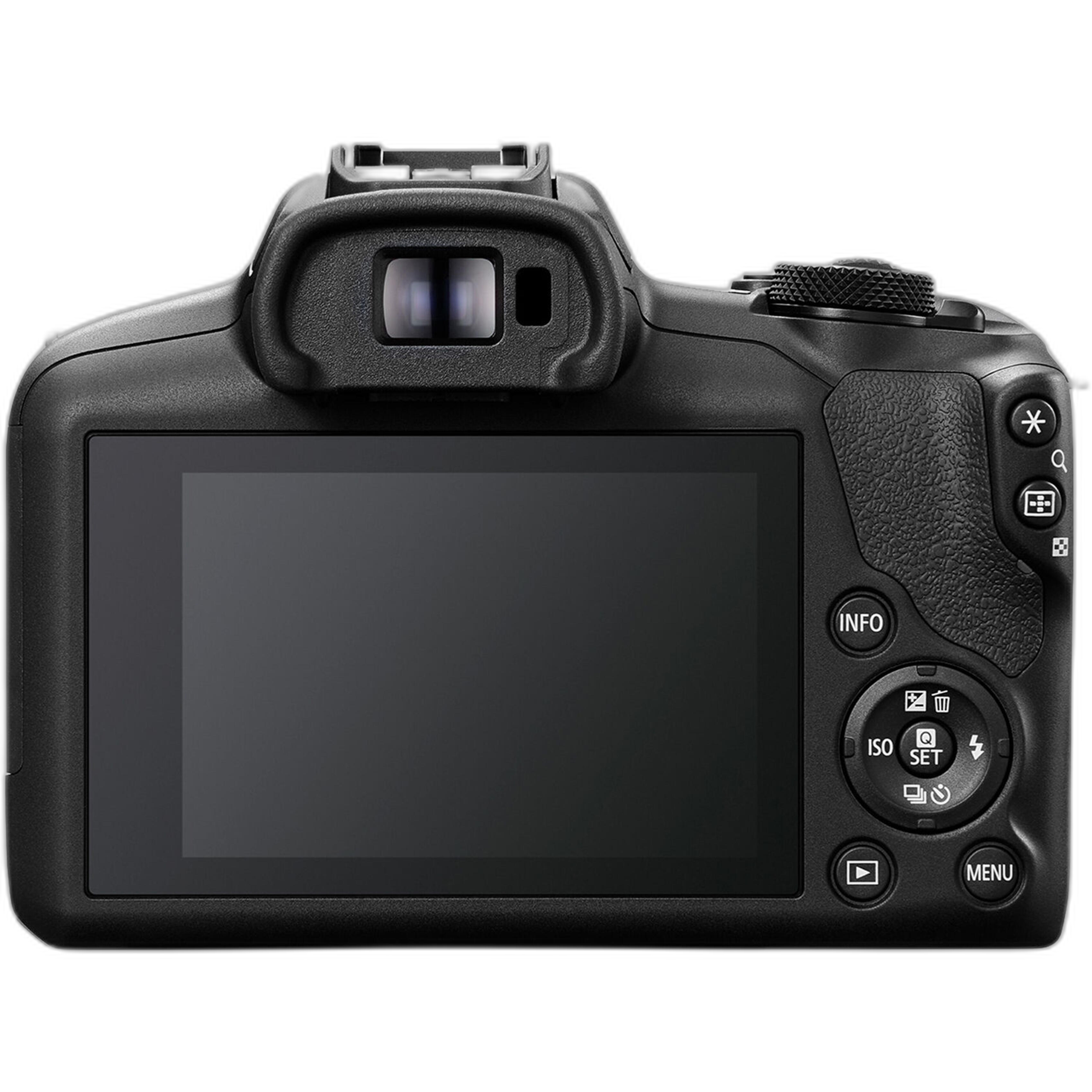
For photographers who want one compact system that covers a lot of situations, the Canon EOS R10 with 18-150mm lens is a strong option. It gives you a broad focal range for everything from wide street scenes to more distant subjects while keeping the kit relatively travel-friendly.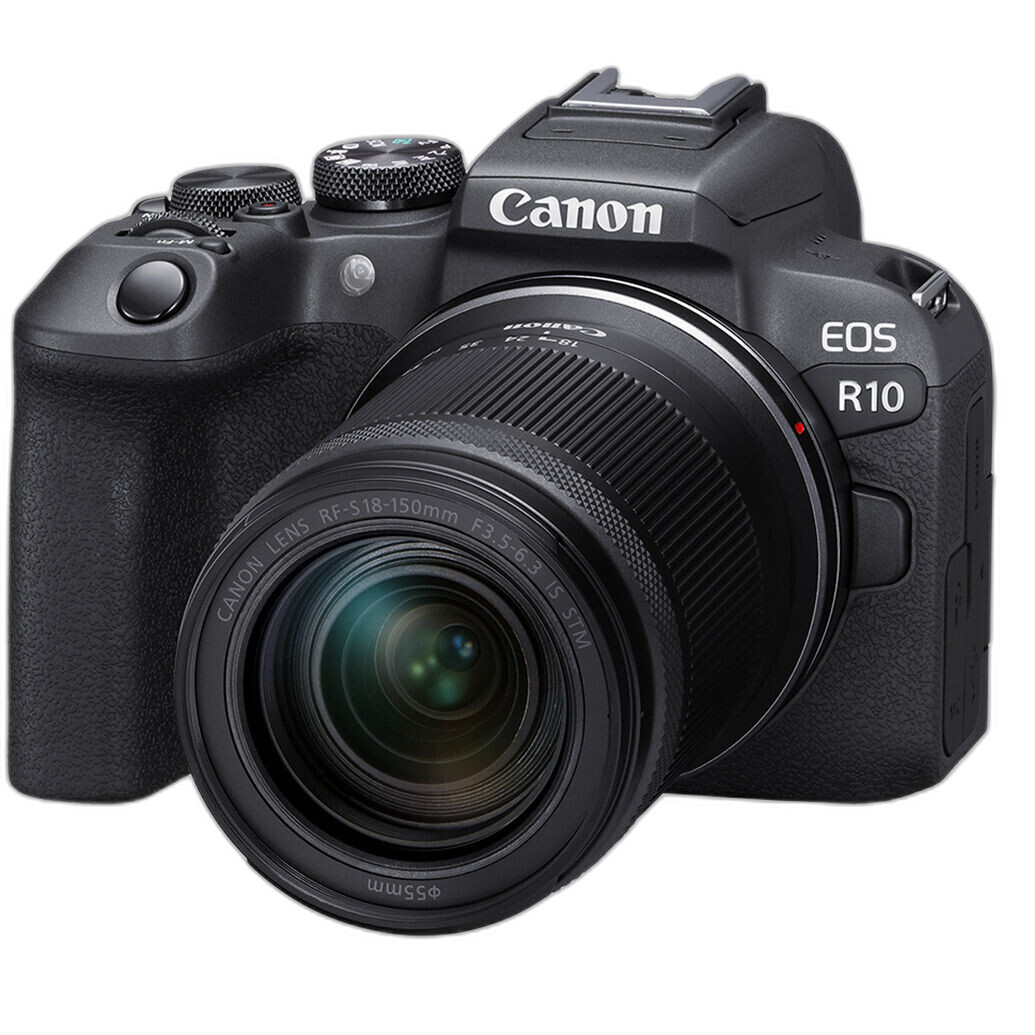
What focal length works best for candid street photography?
The best focal length depends on how close you like to work and how much environment you want in the frame. Wider focal lengths are excellent when you want the energy of the city to be part of the image. They work well in dense urban settings, alleyways, transit stations, and sidewalks where context matters as much as the subject. A normal field of view is a great middle ground for natural-looking images that do not feel exaggerated.
If you prefer more discreet candid shooting from a little farther back, a short telephoto perspective can help isolate gestures and expressions without forcing you into someone's personal space. That said, longer focal lengths can make you feel more detached from the scene, so they are often best used as part of a flexible zoom setup rather than as your only approach.
The included XC13-33mm lens on the FUJIFILM X-T30 III kit covers a highly practical range for street work, from broader city scenes to tighter everyday framing. It is an approachable setup for photographers who are still discovering which focal length feels most natural to them.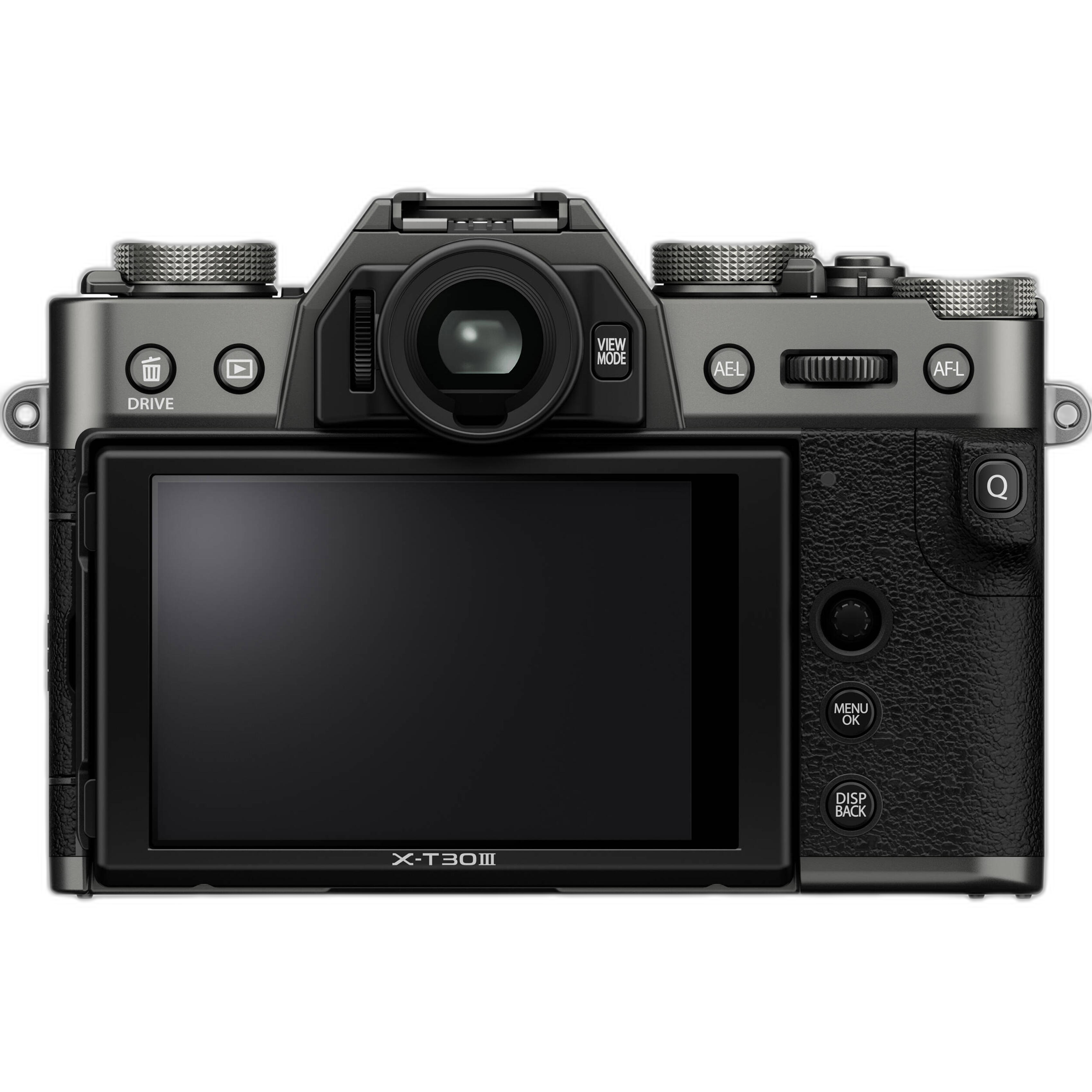
How do I stay inconspicuous when shooting on the street?
Being inconspicuous is often more about behavior than gear alone, but camera size does matter. Smaller mirrorless bodies and compact lenses are usually less intimidating than large professional-looking setups. A lightweight camera also helps you keep it at the ready for longer periods, which means you are more likely to catch fleeting moments naturally.
Try using a modestly sized camera, avoid oversized bags, and keep your movements deliberate rather than rushed. Pre-visualizing your settings before you raise the camera can also make you less noticeable. Cameras with versatile kit lenses can be especially helpful because they reduce lens changes in public and keep your setup simple.
The Canon EOS R100 Double Lens Zoom Kit is a good example of an affordable, approachable mirrorless package for photographers who want flexibility without carrying a larger system. It can be a useful starting point for beginners who want to experiment with different working distances while keeping their kit streamlined.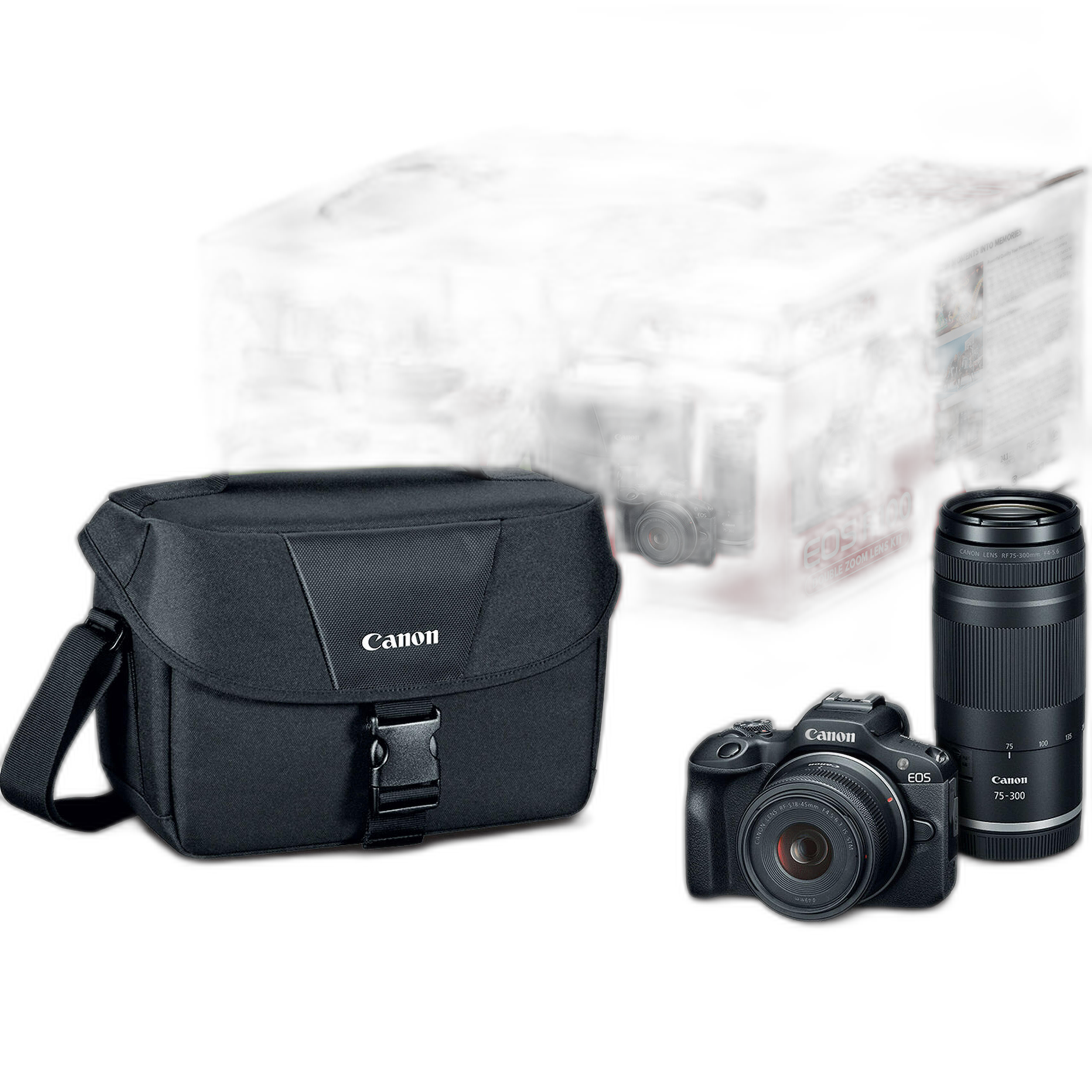
Is a fast lens necessary for street photography?
Not always. A fast lens can certainly help in low light, at night, or indoors where you need more shutter speed without raising ISO too much. It can also give you shallower depth of field when you want to separate a subject from a busy background. However, many street photographs are made in daylight or mixed light where a slower compact lens is perfectly capable.
For many photographers, responsiveness, portability, and familiarity with the camera matter more than maximum aperture. If your style leans toward layered scenes and environmental storytelling, you may even be stopping down frequently to keep more of the frame in focus. In that case, a compact zoom kit can be more useful than chasing the fastest possible glass.
A balanced setup like the FUJIFILM X-T30 III kit can be especially appealing here because it stays portable and versatile, making it easier to concentrate on composition and timing rather than constantly second-guessing lens speed.
Are zoom lenses too bulky for street photography?
Not necessarily. Some zooms are large and obvious, but many kit zooms for mirrorless systems are compact enough for comfortable daily carry. The real question is whether the lens supports your pace and shooting habits. If you walk all day, ride transit, or travel frequently, a lighter zoom may be a better fit than carrying multiple lenses.
A zoom also reduces the need to swap lenses outdoors, which is useful when weather, dust, or fast-moving scenes make lens changes inconvenient. For many street photographers, a single zoom covering wide to short telephoto is the most efficient way to stay ready.
The Canon EOS R10 with 18-150mm lens is a strong example of a one-lens solution for photographers who want to cover an unusually wide range of street situations. It is especially useful for travel, daytime roaming, and city exploration when you do not want to bring extra gear.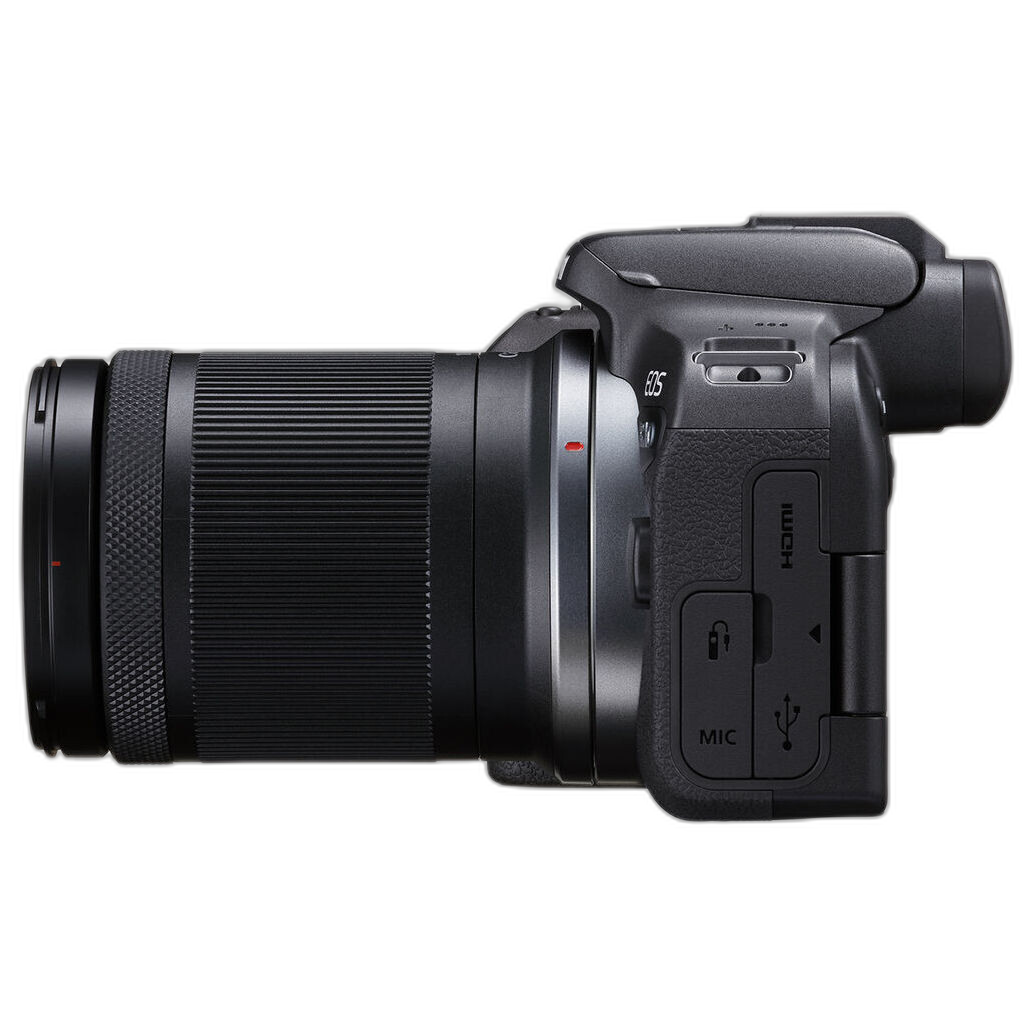
What is a good affordable street photography option for beginners?
Beginners usually benefit most from a camera that is light, easy to carry, and flexible enough to help them learn what focal lengths and shooting styles they actually prefer. A budget-friendly kit zoom is often the best starting point because it lets you experiment with wide, normal, and tighter compositions before investing in additional lenses.
The Canon EOS R100 Double Lens Zoom Kit is worth considering if value is a top priority and you want room to grow. It gives new photographers multiple lens options right away, which can accelerate the learning process. If you want a slightly more enthusiast-oriented compact package with a strong street-friendly feel, the FUJIFILM X-T30 III with XC13-33mm lens kit is another smart choice.
Do I need a wide lens or a telephoto approach in busy cities?
Busy cities often reward wider perspectives because they let you include architecture, signage, crowds, and layers of movement that define the location. A wide or normal focal length encourages you to work closer and create images that feel immersive. That is one reason these focal lengths remain so closely associated with classic street photography.
At the same time, there are moments when stepping back is the right move. A tighter framing can help isolate gestures, interactions, and details without physically interrupting the scene. This can be especially useful in high-traffic areas where moving closer is not practical. A moderate zoom gives you both options, which is why many newer street photographers gravitate toward it.
The XC13-33mm kit on the FUJIFILM X-T30 III is particularly appealing in dense urban environments because it starts wide enough for context-rich scenes while still reaching a natural, everyday framing range.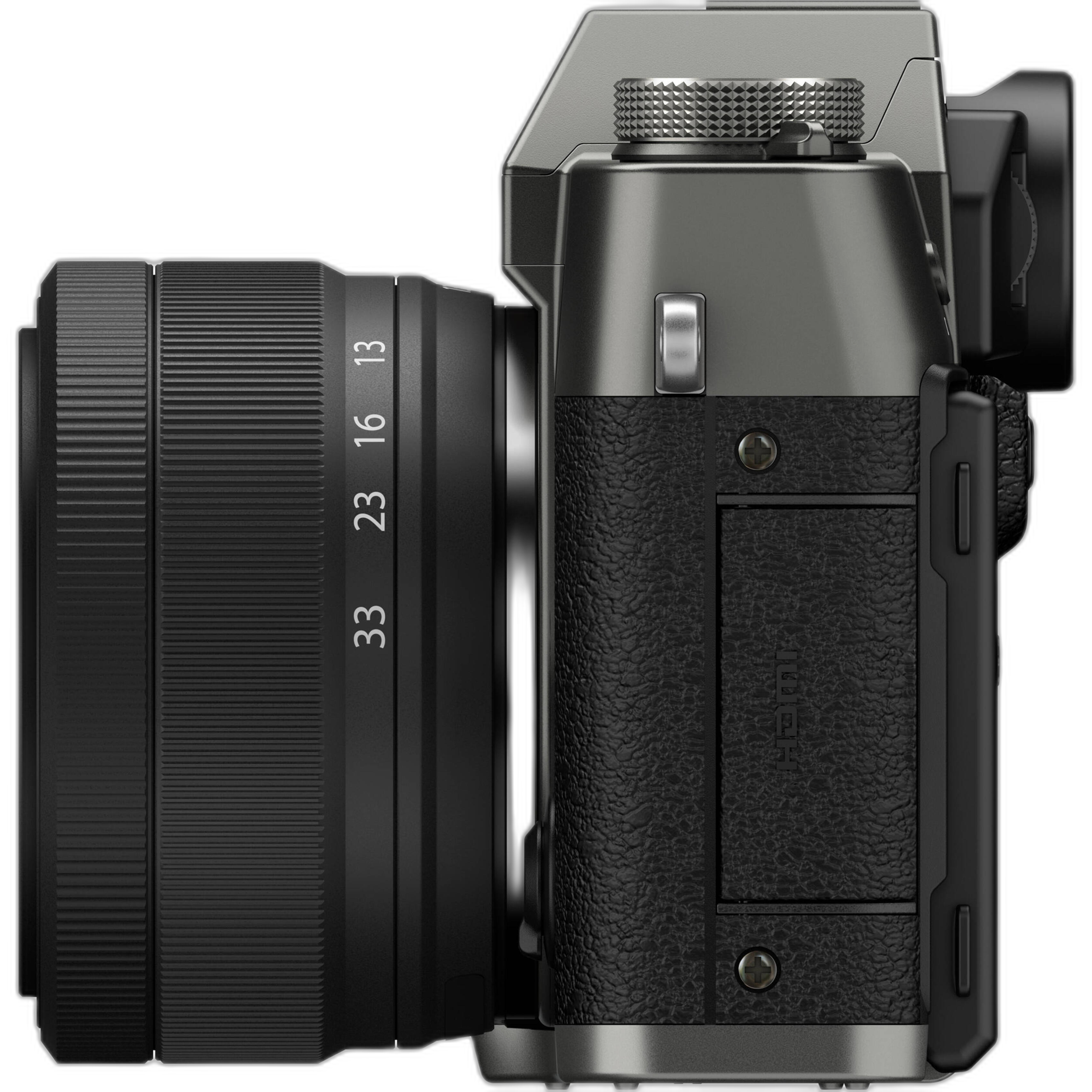
What matters more than prime vs. zoom for better street photos?
Experience, timing, and consistency matter more than the lens debate by itself. The best street photography gear is the gear you will carry regularly, understand instinctively, and trust in changing conditions. If a prime helps you simplify your process, that is a real advantage. If a zoom helps you respond faster and miss fewer moments, that is just as valid.
Pay attention to autofocus performance, startup speed, handling, and how naturally the camera fits into your daily routine. A setup that feels comfortable in your hand and easy on your shoulder is more likely to be with you when something memorable happens. For many photographers shopping at Unique Photo, that means starting with a compact mirrorless kit and refining from there as their style becomes clearer.
Whether you lean toward the flexibility of the Canon EOS R10 with 18-150mm, the value of the Canon EOS R100 Double Lens Zoom Kit, or the compact versatility of the FUJIFILM X-T30 III with XC13-33mm lens kit, the right choice is the one that matches how you actually like to shoot.
Still deciding between a prime-like disciplined approach and the convenience of a zoom? Visit Unique Photo to compare street-friendly mirrorless camera kits, explore current deals, and get advice on building a setup that fits your budget and shooting style.