Choosing a wide-angle lens for astrophotography is not just about going as wide as possible. Night-sky shooters quickly learn that stars expose every optical flaw: soft corners, sagittal coma, field curvature, and uneven edge sharpness all show up fast when you point a camera toward the Milky Way. If you are comparing Sony full-frame options, Lens Compare Beta can be a helpful starting point, but charts only tell part of the story. The real skill is learning how to read that data in a way that matches what happens under a dark sky.
Below are practical tips for evaluating the strengths and weaknesses of Sony-compatible wide-angle lenses for photographing stars, with a focus on how astrophotographers can interpret chart results without overestimating what lab data can predict in the field.
1. Start With Corner Performance, Not Just Center Sharpness
Why the corners matter most for stars
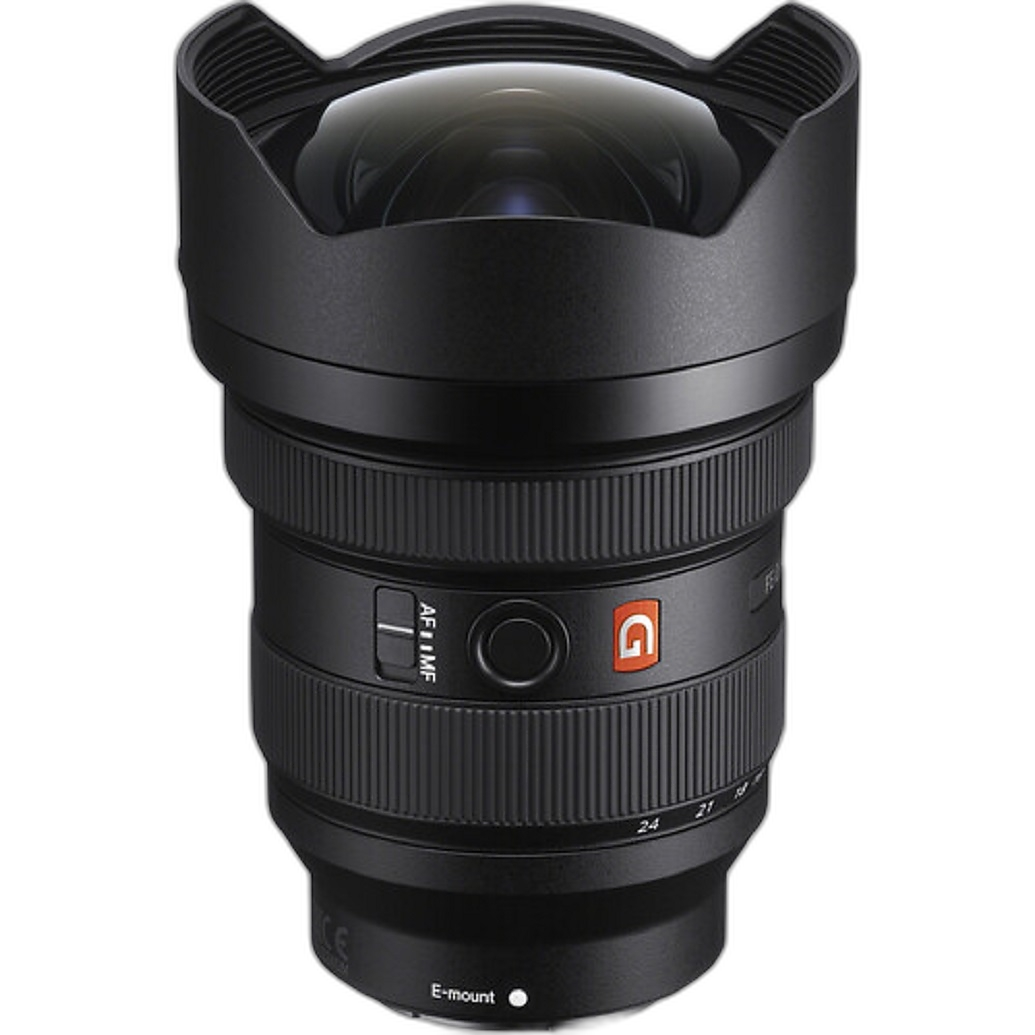
For landscapes, many lenses look excellent in the center. For astrophotography, the corners often decide whether a lens is a keeper. In Lens Compare Beta, pay close attention to edge and corner behavior at the apertures you would realistically use at night. A lens like the Sony FE 12-24mm f/2.8 GM Lens stands out because its appeal is not only the dramatic 12mm field of view, but also its ability to maintain strong performance toward the frame edges compared to many ultra-wide designs.
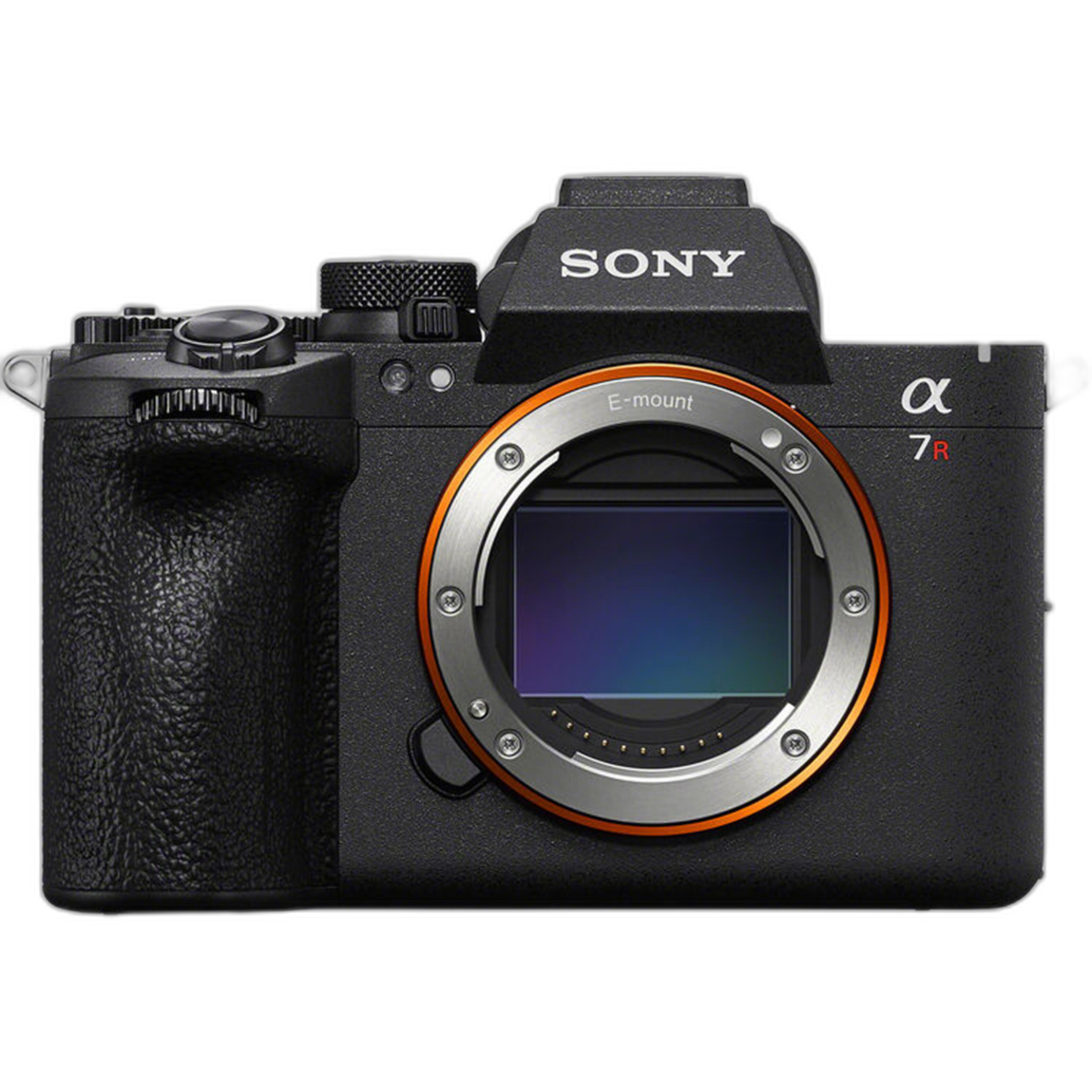
When reading charts, remember that stars are effectively pinpoint highlights. A lens can test well on general sharpness charts yet still produce stretched or wing-shaped stars near the corners. If the corner values lag well behind the center wide open, expect compromises in night-sky images, especially on high-resolution bodies such as the Sony a7R VI Mirrorless Camera.
2. Treat f/2.8 as a Real Astrophotography Advantage
Brightness matters, but so does usable wide-open quality
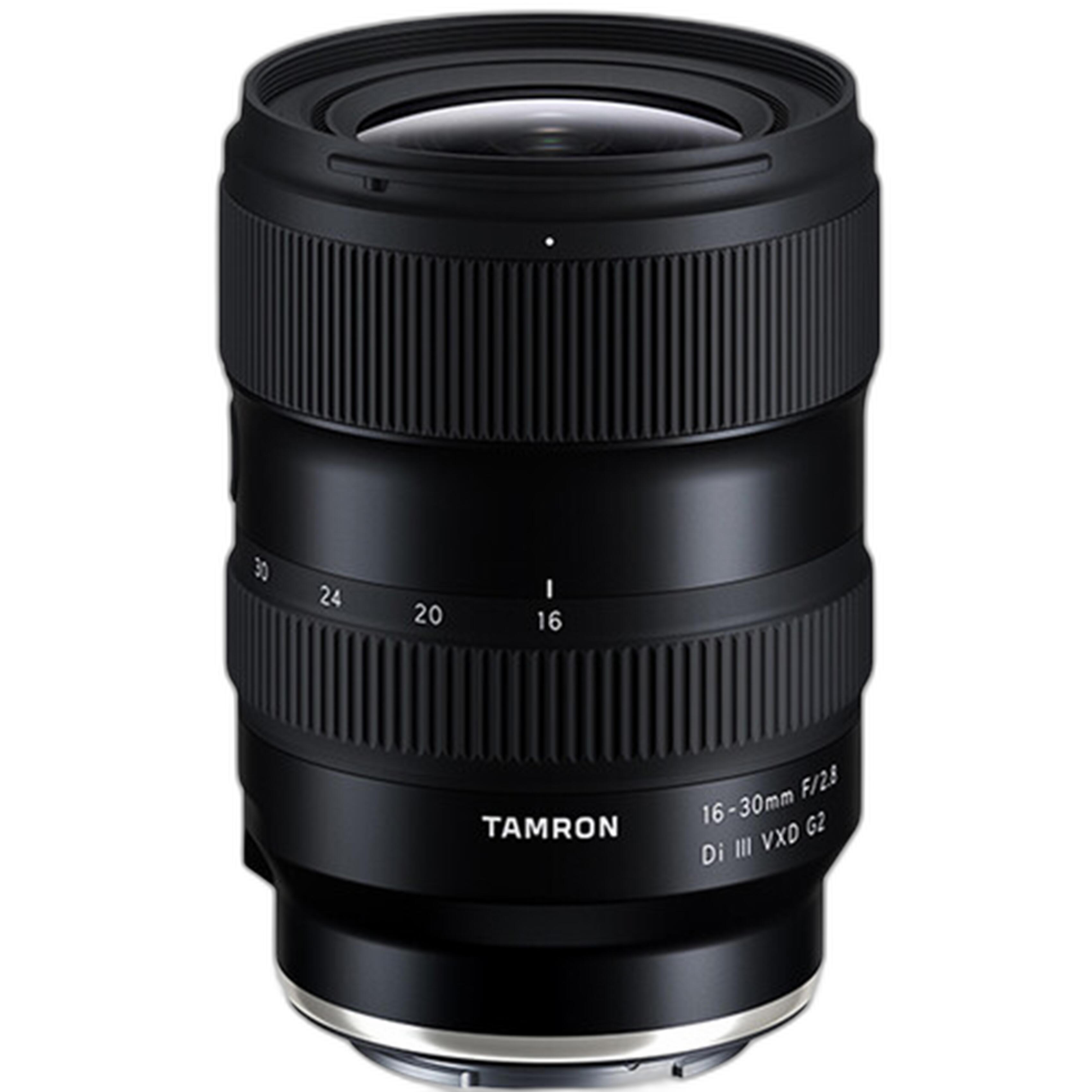
Astrophotographers often prefer lenses that are fast enough to gather more light without pushing ISO too far. That is why lenses such as the Tamron 16-30mm F/2.8 Di III VXD G2 Lens for Sony E and the Sony FE 12-24mm f/2.8 GM Lens are so relevant in this conversation. In Lens Compare Beta, compare performance at maximum aperture first, not only after stopping down.
A common mistake is to praise a lens because it becomes excellent at f/5.6. For stars, that can be less useful if you are trying to keep shutter speeds short enough to avoid trailing. If a chart shows a meaningful jump from f/2.8 to f/4 at the edges, that tells you something important: the lens may be workable wide open, but much cleaner once stopped down slightly. Whether that trade-off is acceptable depends on your sky conditions, tracking setup, and tolerance for raising ISO.
3. Understand That Ultra-Wide Is Not Automatically Better
12mm looks dramatic, but composition and optical control still matter
The Sony FE 12-24mm f/2.8 GM Lens is a dream option for photographers who want sweeping foregrounds, towering sky coverage, and dramatic Milky Way arches. Its biggest strength is obvious: at 12mm, you can include far more environment and also use longer shutter speeds before stars begin to trail visibly.
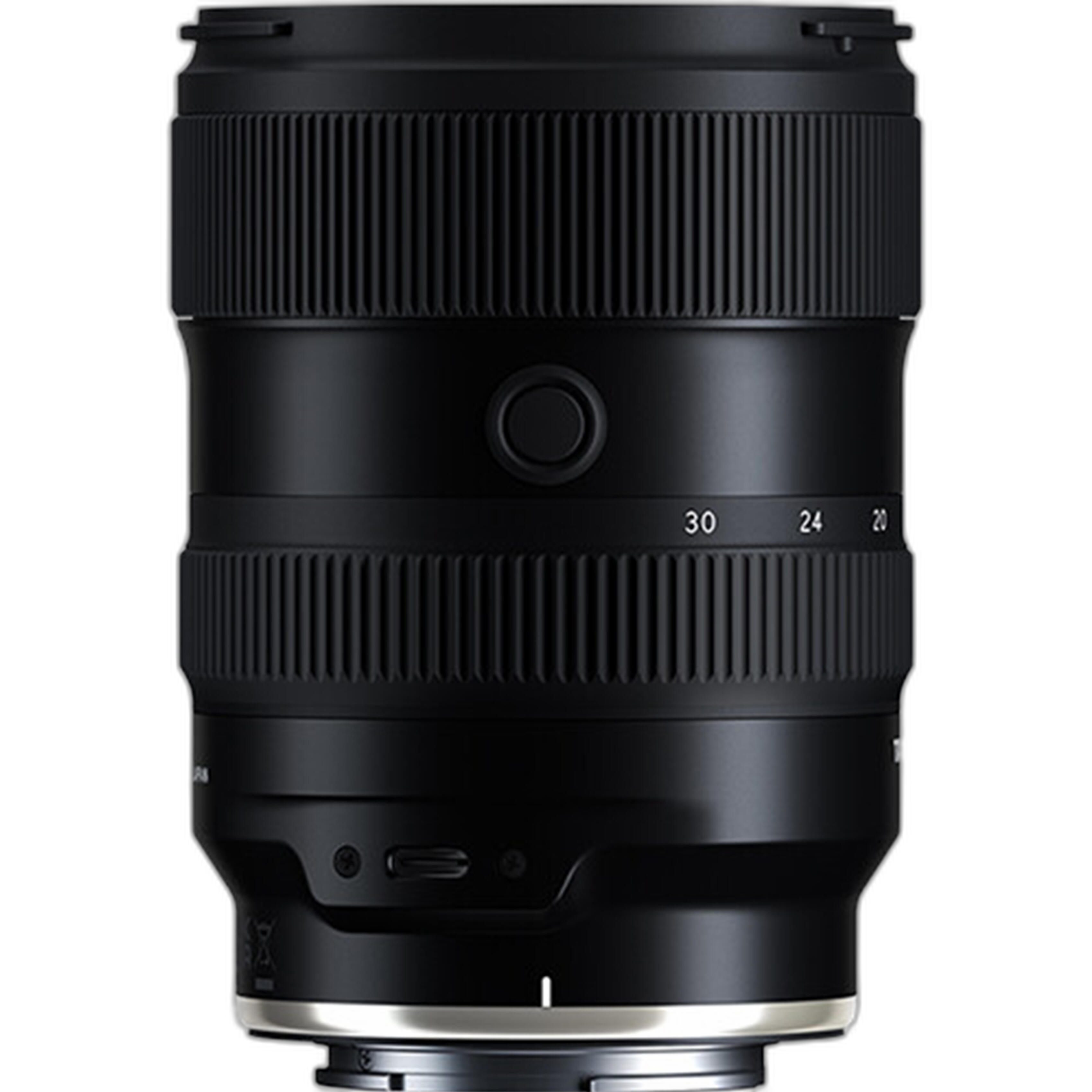
Still, wider is not always better. Extremely wide perspectives can make the galactic core appear smaller in the frame, and some photographers prefer the tighter look of 16mm to 20mm for stronger subject emphasis. That is where something like the Tamron 16-30mm F/2.8 Di III VXD G2 Lens for Sony E can be compelling. It gives up the extreme 12mm end, but may suit shooters who want a more practical range for both astro landscapes and daytime travel work.
When comparing charts, ask whether the lens supports the kind of astro images you actually make. A technically strong ultra-wide may not be your best choice if your style leans toward more compressed sky-and-land compositions.
4. Watch for Coma Clues Even If the Chart Is Not a Direct Coma Test
Sharpness data helps, but stars reveal different flaws
Lens Compare Beta can guide you toward likely strong performers, but astrophotographers should be careful not to confuse standard sharpness charts with direct coma testing. Coma turns stars near the edges into smeared bird-like shapes, and it is one of the biggest reasons a lens that looks great on paper can disappoint in the field.
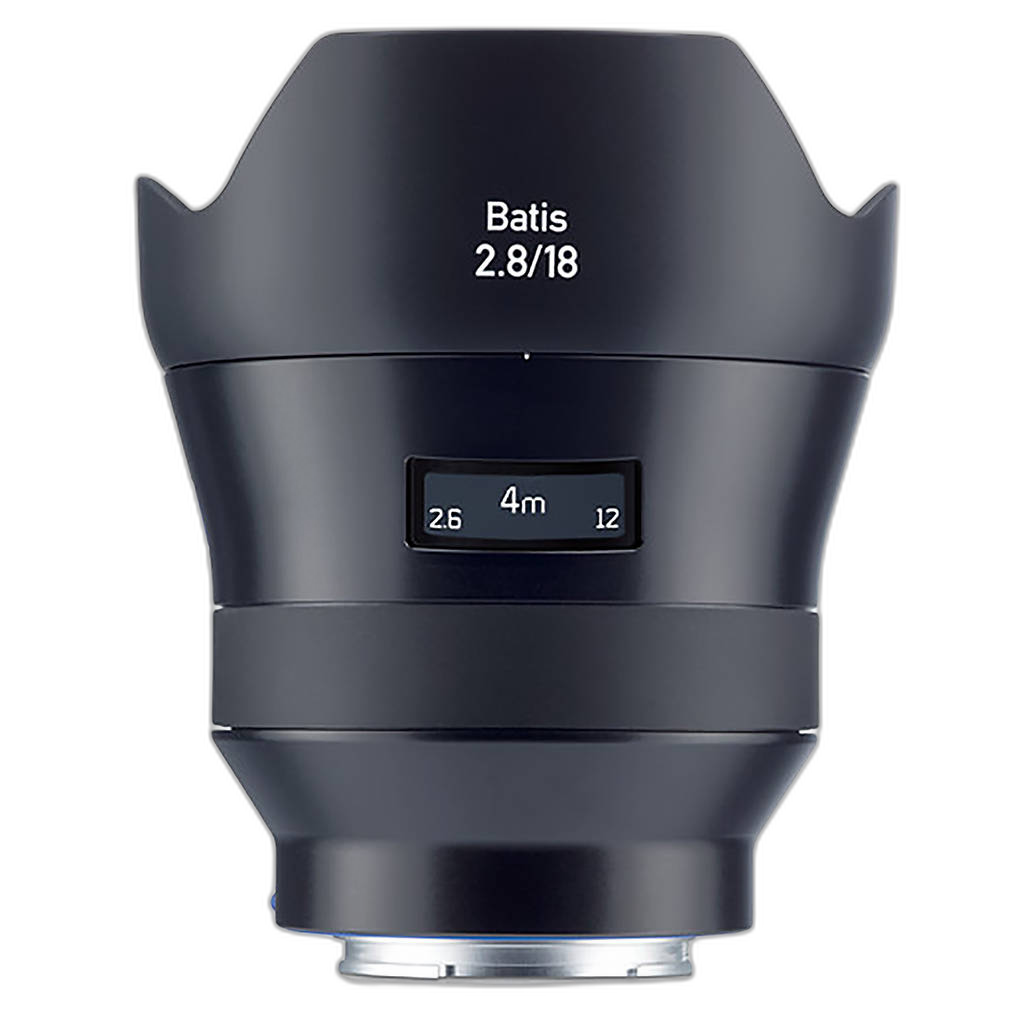
For example, the Zeiss Batis 18mm f/2.8 AF lens for Sony Full Frame E-Mount Cameras is especially interesting for astro shooters because 18mm is a classic night-sky focal length. When studying a lens like this, broad chart consistency from center to edge is encouraging, but the final answer still comes from real star-field testing. Use the chart to narrow the shortlist, then look for practical evidence of how clean the corners remain with pinpoint lights at night.
5. Don’t Ignore Field Curvature
A lens can look sharp, yet still fight you at infinity
Field curvature means a lens does not keep the entire frame in the same plane of focus. For astrophotography, this can lead to a frustrating result: you focus the center stars perfectly, but the edges still look soft, or vice versa. Lens Compare Beta may hint at this behavior if edge performance changes unusually across apertures or focal lengths, but it will not always tell the whole story directly.
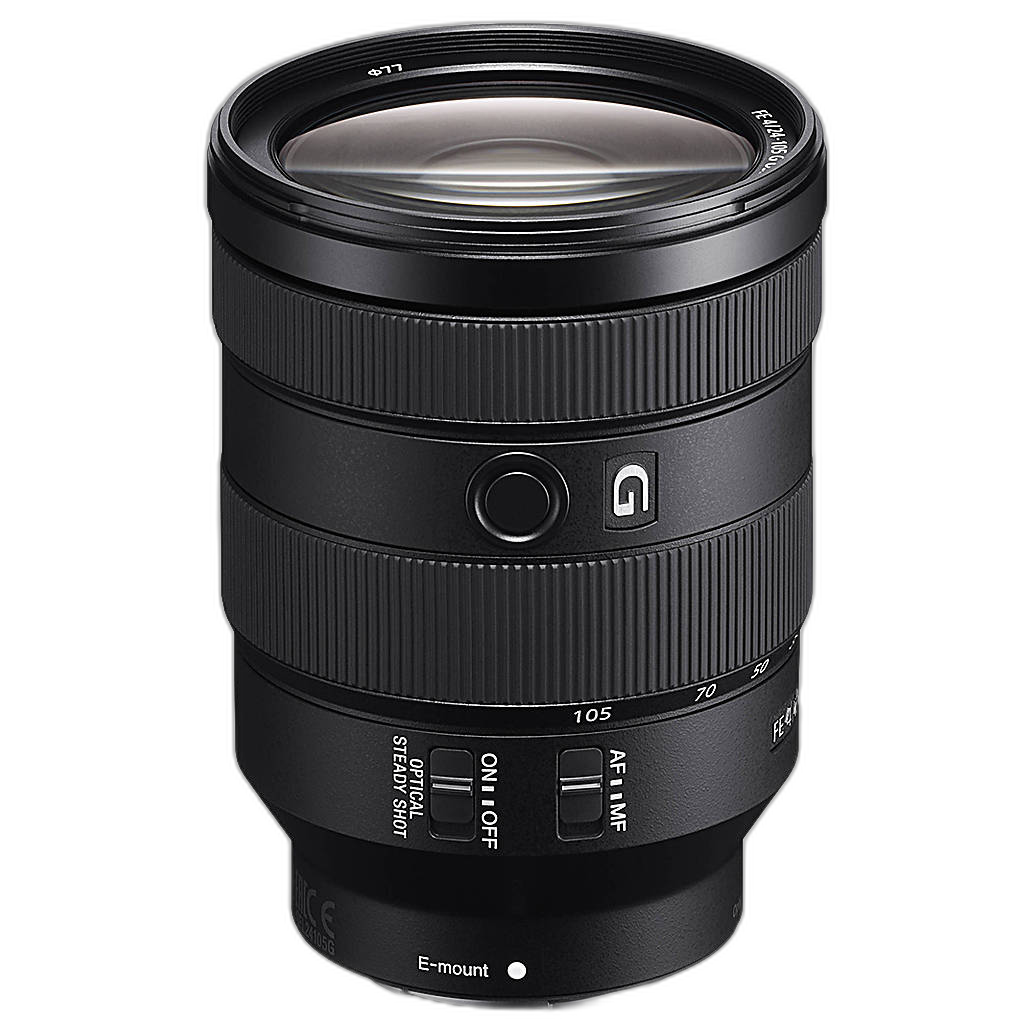
Zooms deserve special scrutiny here. The Sony FE 24-105mm f/4 G OSS Lens, for instance, is not the first lens most people pick for wide-field astro because f/4 is slower and 24mm is not especially wide compared to dedicated night-sky favorites. Still, some astrophotographers use 24mm for stitched panoramas or tracked images. In that case, it becomes important to test whether focus holds cleanly across the frame at infinity rather than assuming a good general chart result means perfect star rendering.
6. Consider Sensor Resolution When Reading Lens Data
High-resolution cameras expose lens weaknesses faster
A lens that seems perfectly acceptable on a lower-resolution body may show more obvious corner softness or coma on a demanding sensor. Pairing a lens with the Sony a7R VI Mirrorless Camera is a good example of this. High pixel density rewards truly excellent optics, but it also makes flaws easier to see when you zoom in.
That means Lens Compare Beta results should be interpreted with your camera body in mind. If you shoot on a high-resolution Sony body and often print large or crop heavily, differences between lenses become more meaningful. A premium lens such as the Sony FE 12-24mm f/2.8 GM Lens may justify itself more clearly in that scenario than it would for smaller web-only output.
7. Separate Astro Priorities From General Photography Priorities
The best all-around lens may not be the best star lens
One reason chart interpretation gets tricky is that a lens can be outstanding overall while still being a compromise for the night sky. The Sony FE 24-105mm f/4 G OSS Lens is a great example of a versatile everyday zoom with a useful focal range, stabilization, and broad appeal. For travel, events, and general outdoor work, it makes a lot of sense. For untracked astrophotography, however, its slower maximum aperture puts it at a disadvantage compared with f/2.8 alternatives.
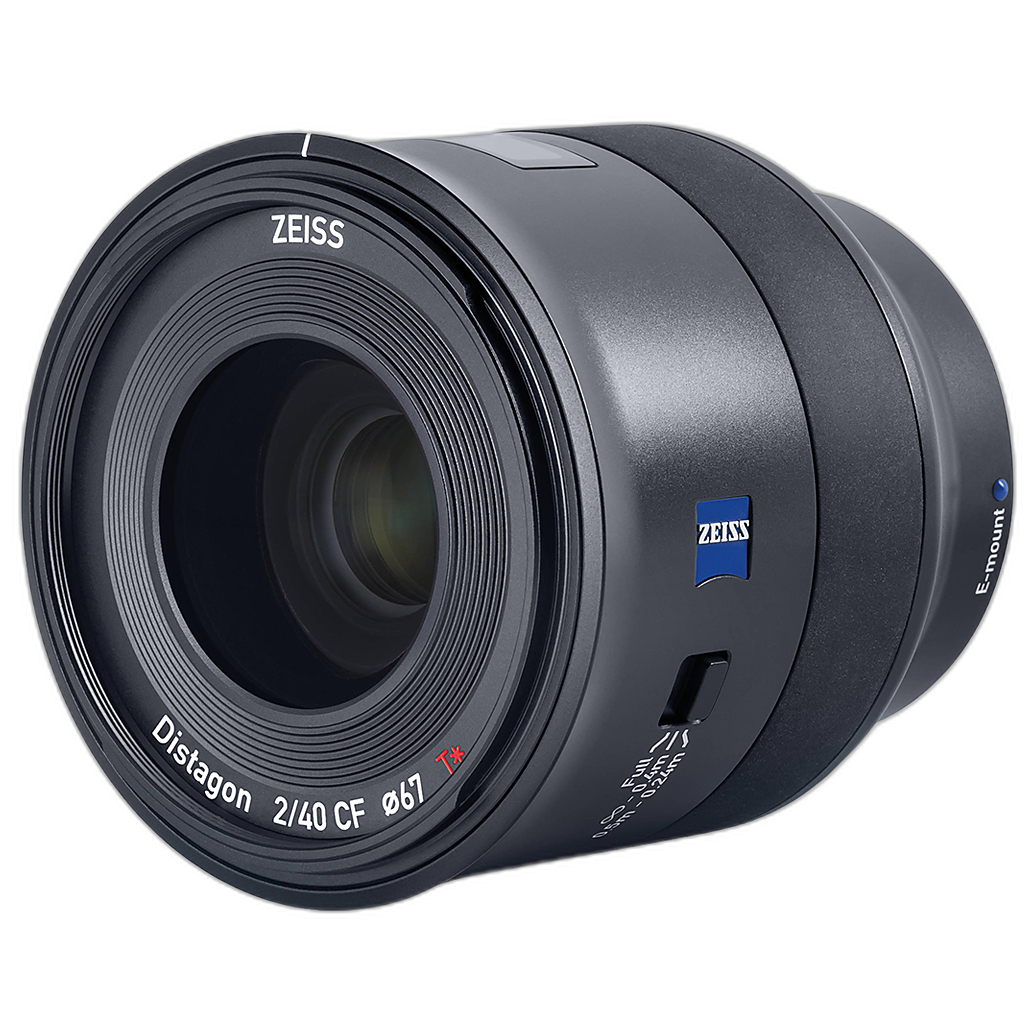
Likewise, a lens such as the Zeiss Batis 40mm f/2 CF Lens for Sony E is not a classic wide-angle astro lens, but it can still play a role in night photography. At 40mm, it is better suited to tracked sky images, tighter star-field compositions, or detail-focused night landscapes. The chart lesson here is simple: define your use case before deciding what “best” means.
8. Use Zoom Charts Thoughtfully Across the Focal Range
One zoom can behave like several different lenses
Wide-angle zooms are popular in astrophotography because they give you flexibility on location, but they rarely perform identically at every focal length. With the Tamron 16-30mm F/2.8 Di III VXD G2 Lens for Sony E or the Sony FE 12-24mm f/2.8 GM Lens, compare chart results at the exact focal lengths you expect to use most often. It is possible for a zoom to be excellent at 20mm yet a little weaker at its widest setting.
This matters because astrophotographers often default to the widest focal length automatically. If Lens Compare Beta suggests the lens is cleaner one notch in from the extreme end, you may get better stars by shooting at 14mm instead of 12mm, or 18mm instead of 16mm, depending on the lens and your composition.
9. Build a Shortlist Based on Trade-Offs, Not a Single Winner
Each lens has a different kind of strength
Sony FE 12-24mm f/2.8 GM Lens
Strengths: Extremely wide coverage, fast aperture, premium optical design, strong candidate for dramatic astro landscapes.
Weaknesses: Premium price, large front element design can limit filter options for other types of landscape work.Tamron 16-30mm F/2.8 Di III VXD G2 Lens for Sony E
Strengths: Useful astro-friendly zoom range, fast f/2.8 aperture, versatile balance for night and travel shooting.
Weaknesses: Not as expansive as 12mm, and final night-sky corner behavior should still be judged beyond charts.Zeiss Batis 18mm f/2.8 AF lens for Sony Full Frame E-Mount Cameras
Strengths: Prime-lens simplicity, classic wide astro focal length, strong appeal for photographers who prefer a fixed-lens approach.
Weaknesses: Less framing flexibility than a zoom, and f/2.8 is good but not unusually fast for its class.Sony FE 24-105mm f/4 G OSS Lens
Strengths: Excellent all-around zoom, useful for tracked night work, panoramas, and hybrid shooting.
Weaknesses: f/4 is a clear limitation for untracked Milky Way photography.
10. Confirm the Charts With a Simple Real-World Test
Use one practical field method before making your final decision
Once Lens Compare Beta helps you narrow your options, do a star test if possible. Set the lens to its intended astro focal length, focus carefully on a bright star at maximum magnification, and make images wide open plus one stop down. Then inspect center, mid-frame, and corners for coma, smearing, and focus consistency. This is where theoretical chart advantages either hold up or fade away.
If you are deciding between a premium lens like the Sony FE 12-24mm f/2.8 GM Lens and a more moderate alternative such as the Tamron 16-30mm F/2.8 Di III VXD G2 Lens for Sony E, that direct star comparison will tell you far more than lab data alone. The charts are a map; the sky is the destination.
Conclusion
For astrophotographers, Sony wide-angle lens choice comes down to balancing speed, corner quality, focal length, and budget. Lens Compare Beta is a useful tool for spotting patterns in sharpness and edge performance, but the smartest chart readers know its limits. Use it to identify likely contenders, then validate those impressions with real star-field shooting.
Whether you are leaning toward the expansive reach of the Sony FE 12-24mm f/2.8 GM Lens, the practical flexibility of the Tamron 16-30mm F/2.8 Di III VXD G2 Lens for Sony E, or the focused simplicity of the Zeiss Batis 18mm f/2.8, the best lens is the one that matches your style of night-sky photography. Explore your options, test thoughtfully, and if you are ready to build out your astro kit, Unique Photo is a great place to start.