If you want a travel camera that is easy to carry, delivers excellent image quality, and does not blow your budget, mirrorless is usually the sweet spot. This guide is for travelers, vacation photographers, city explorers, hikers, and content creators who want better results than a phone without carrying a bulky DSLR kit. The ideal setup is not just about the camera body—it is also about choosing the right lens, bag, and accessories so your gear stays compact and useful on the road.
While the products highlighted below focus on useful travel accessories and a standout travel-friendly lens, this guide will help you understand what to look for in a mirrorless travel camera system and how to build a kit that balances portability, quality, and price.
What Makes a Mirrorless Camera Ideal for Travel?
The best travel mirrorless cameras tend to share a few traits: compact size, reliable autofocus, strong battery efficiency, good low-light performance, and access to small, versatile lenses. In practical terms, travelers should prioritize:
- Compact body size: easier to carry all day in cities, airports, and on hikes.
- Good sensor performance: APS-C and full-frame both work well, depending on budget and lens size priorities.
- Affordable lens ecosystem: a great body matters, but travel often calls for multiple focal lengths.
- In-body stabilization or stabilized lenses: especially useful for handheld shooting in museums, streets, and evening scenes.
- USB charging and modern connectivity: ideal for travel convenience.
For many travelers, APS-C mirrorless cameras offer the strongest value. They are often smaller and less expensive, with lenses that stay compact. Full-frame mirrorless cameras can deliver better low-light performance and more dynamic range, but lenses are often larger and pricier. The right choice depends on how much you value image quality versus packability.
Quick Comparison: What Type of Travel Shooter Are You?
| Traveler Type | Best Camera Direction | Why It Works | Recommended Lens Style |
|---|---|---|---|
| Budget-conscious traveler | APS-C mirrorless | Great quality at lower cost, smaller lenses | Compact zoom or small prime |
| Casual vacation photographer | Entry-level to midrange mirrorless | Easy operation, lightweight kits | Standard zoom |
| Landscape and architecture traveler | APS-C or full-frame mirrorless | Benefits from high resolution and wide-angle lenses | Ultra-wide prime or zoom |
| Hybrid photo/video creator | Midrange mirrorless with strong AF and video | Better autofocus, stabilization, and codec options | Wide-to-standard zoom |
| Image-quality-first traveler | Full-frame mirrorless | Excellent low-light and dynamic range | High-quality compact prime |
How to Choose the Right Travel Lens
For travel, the lens often matters more than people expect. A heavy camera body with a compact lens can still be comfortable. A small body paired with oversized glass usually is not. The most useful travel lenses usually fit into one of three categories:
- Standard zooms: perfect for general travel coverage, from street scenes to portraits.
- Wide-angle lenses: ideal for landscapes, interiors, and architecture.
- Compact primes: excellent for low light, shallow depth of field, and the smallest possible kit.
If your travel style includes cities, landscapes, interiors, and scenic views, a quality wide-angle lens can make a huge difference.
Recommended Travel Gear
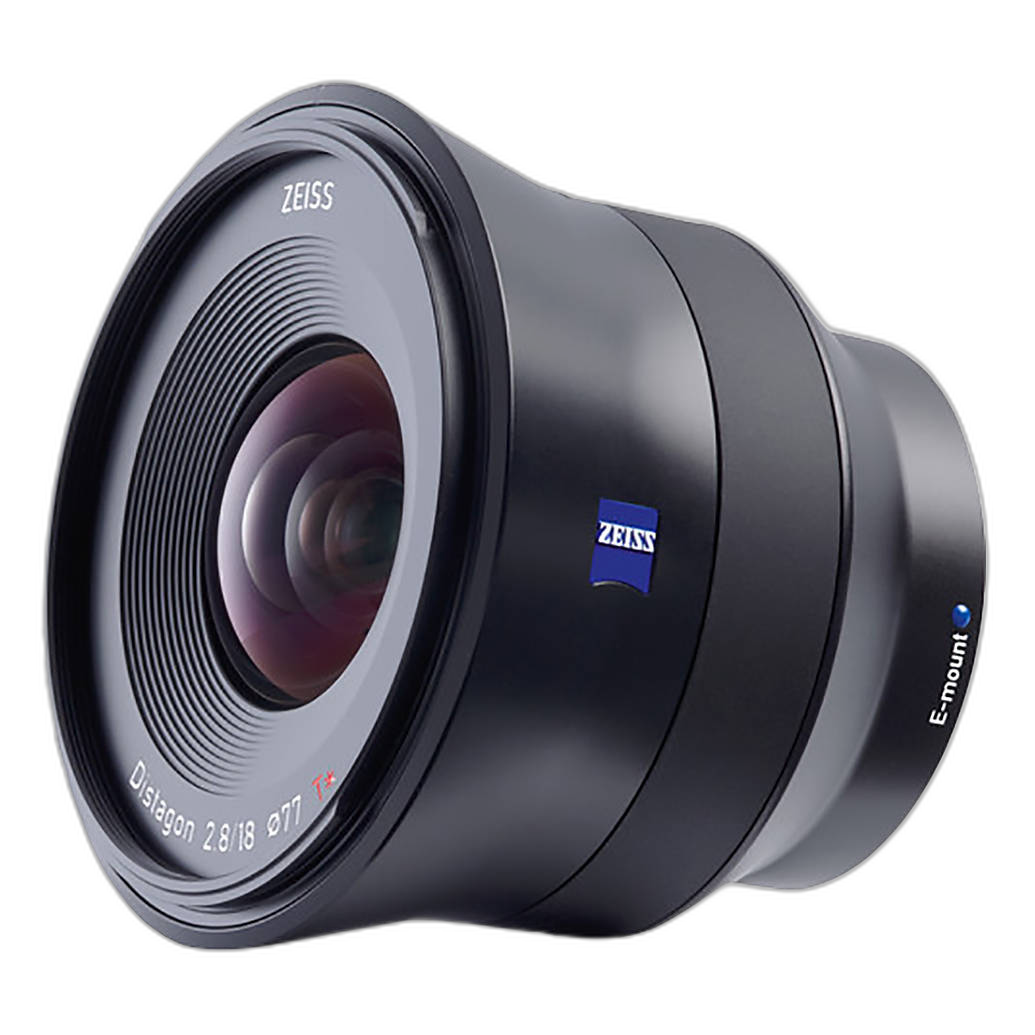
Zeiss Batis 18mm f/2.8 AF Lens for Sony Full Frame E-Mount Cameras
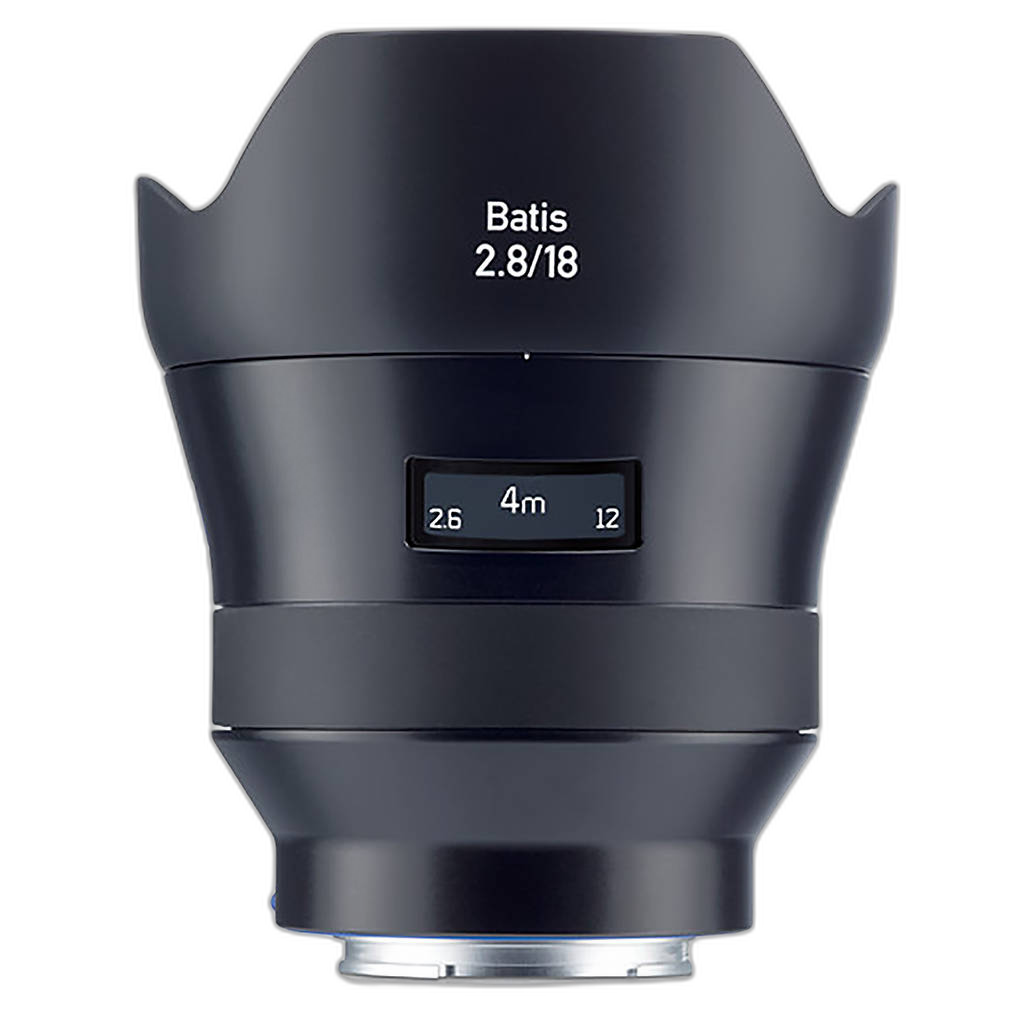
The Zeiss Batis 18mm f/2.8 is an excellent lens for travel photographers using Sony full-frame mirrorless cameras. An 18mm focal length is especially useful when traveling because it gives you room to capture architecture, landscapes, interiors, and dramatic environmental scenes without needing to constantly step back.
This lens is a strong fit for travelers who care about image quality but still want a relatively manageable setup. Compared with larger zooms, a dedicated ultra-wide prime can simplify your kit and encourage more intentional composition. The f/2.8 aperture also helps in lower light and for astrophotography or twilight city scenes.
Best for: landscapes, architecture, city travel, interiors, environmental storytelling.
Why travelers will like it: premium image quality, autofocus convenience, and a focal length that opens up creative travel compositions.
Nomatic Luma Camera Pack 18L - Stone
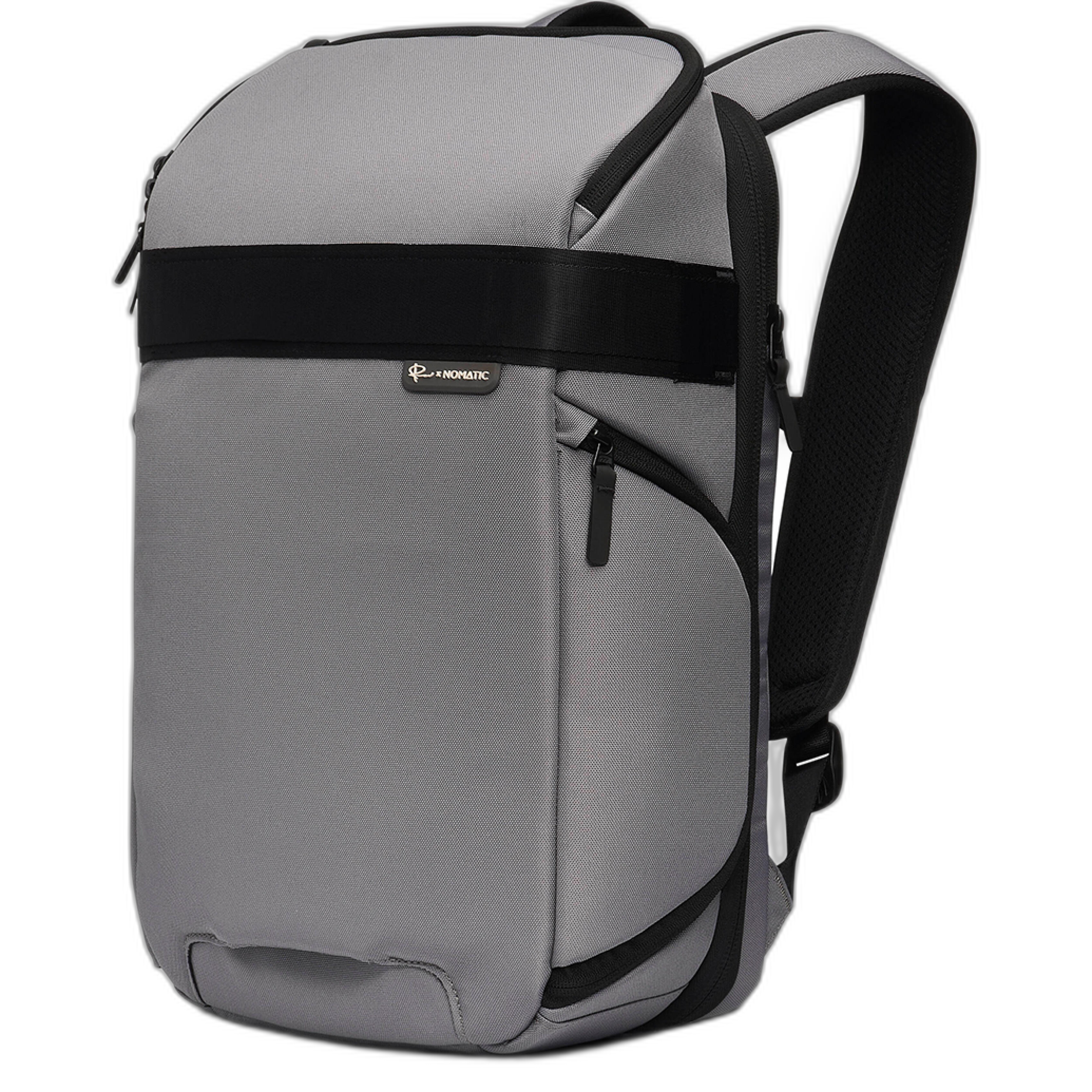
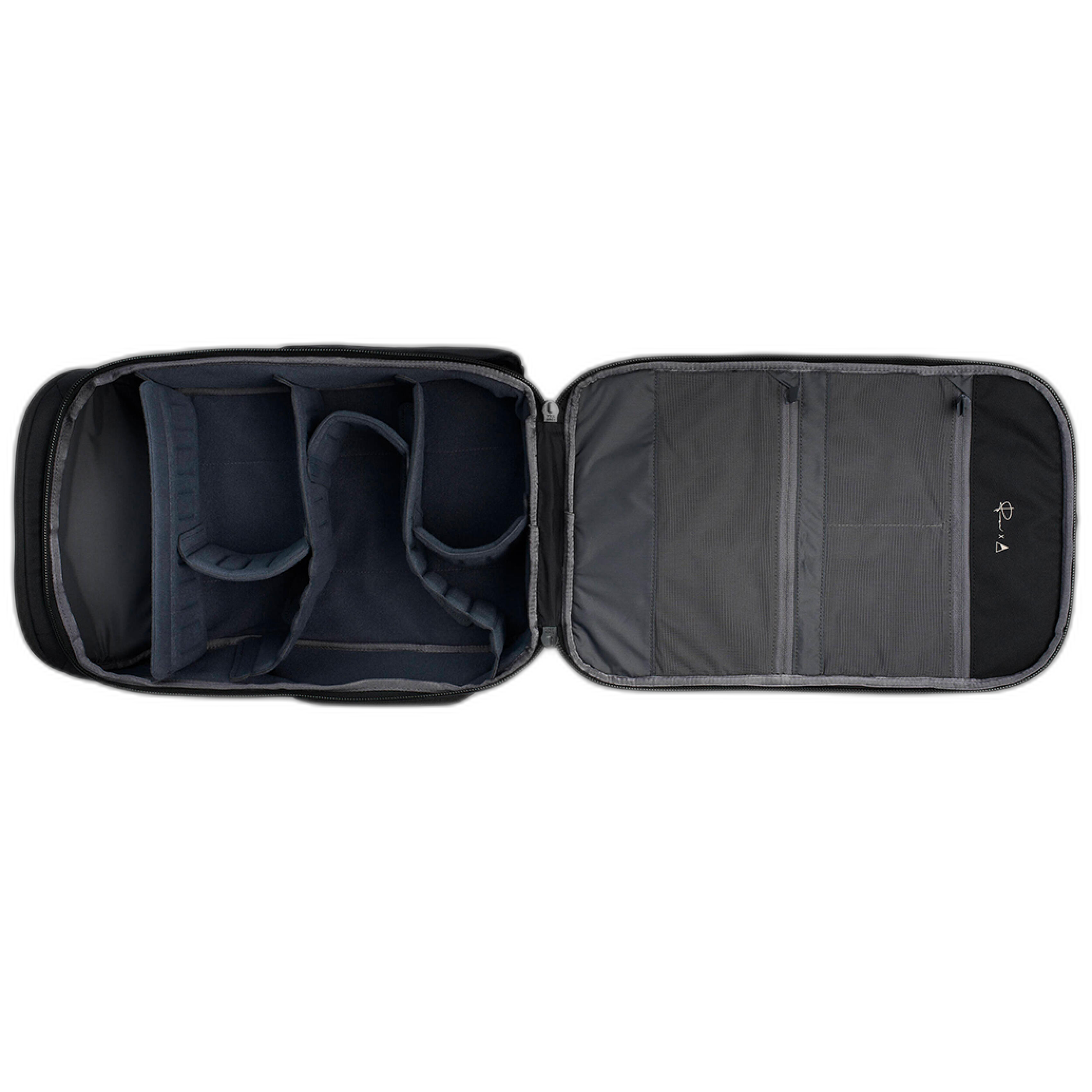
A good travel camera setup is only as practical as the bag carrying it. The Nomatic Luma Camera Pack 18L is a smart size for travelers who want to bring a mirrorless body, an extra lens or two, daily essentials, and still stay mobile. An 18-liter bag is often the sweet spot for day travel—large enough for real gear, small enough to avoid feeling overloaded.
For mirrorless users, this size works especially well because compact systems leave room for water, chargers, travel documents, or a light jacket. It is an ideal style of bag for city walking, transit days, and sightseeing.
Best for: day trips, urban travel, sightseeing, carry-on-friendly packing.
Why travelers will like it: balanced capacity, cleaner carry than a large backpack, and better organization for a compact mirrorless kit.
PGYTECH Camera Strap Slim - Vintage-Olive Green
Even though no image is provided here, a slim camera strap is one of the most useful upgrades for travel photographers. A lighter, more comfortable strap makes carrying a mirrorless camera all day much easier, especially when moving through airports, markets, museums, or neighborhoods on foot.
The PGYTECH Camera Strap Slim is the kind of accessory that helps smaller mirrorless cameras stay comfortable and ready without making the kit feel bulky. For travel, that comfort matters more than many photographers expect.
Best for: all-day walking, quick access shooting, lighter travel kits.
Why travelers will like it: comfort, portability, and a better carrying experience than many standard included straps.
Travel Mirrorless Camera Buying Advice by Budget
Even if you have not picked a body yet, here is a simple way to think about your options:
| Budget Level | Best Travel Choice | Pros | Trade-Offs |
|---|---|---|---|
| Entry level | APS-C mirrorless with kit lens | Affordable, compact, strong value | Less low-light performance than full-frame |
| Midrange | Higher-end APS-C or entry full-frame | Better autofocus, stabilization, stronger build | Can increase lens costs |
| Premium | Full-frame mirrorless with compact primes | Excellent image quality and dynamic range | Higher cost, larger lenses overall |
If keeping size and price under control is your top priority, APS-C remains the easiest recommendation. If you want the best image quality and often shoot in low light, full-frame may be worth the extra cost—especially when paired with thoughtfully chosen lenses rather than heavy zooms.
Ideal Travel Lens Kit Setups
Here are a few practical travel kit ideas:
- Minimalist kit: mirrorless body + compact standard zoom.
- City and landscape kit: mirrorless body + wide-angle lens like the Zeiss Batis 18mm + small everyday lens.
- One-bag creator kit: mirrorless body + versatile zoom + compact bag like the Nomatic Luma Camera Pack 18L.
- Walk-all-day kit: mirrorless body + slim strap + one prime lens.
The smartest travel kits are usually the ones that encourage you to actually bring the camera everywhere. That means keeping the system light, simple, and purpose-built.
Final Thoughts
The ideal mirrorless camera for travel balances three things: size, image quality, and price. For most travelers, an APS-C mirrorless system is the best value. For photographers who want more premium image quality and already use Sony full-frame, adding a lens like the Zeiss Batis 18mm f/2.8 can dramatically improve your travel photography, especially for landscapes, architecture, and interiors. Pairing your setup with a practical bag like the Nomatic Luma Camera Pack 18L and a comfortable strap makes the entire system much more travel-friendly.
If you are building a travel kit and want expert help choosing the right mirrorless camera, lens, and accessories, Unique Photo is a great place to start. Unique Photo offers quality gear and knowledgeable support to help you find the best setup for the way you actually travel.