Mirrorless vs DSLR for Low Light Portraits: Which Performs Better?
Low light portrait photography pushes every camera system hard. You need clean high-ISO files, dependable autofocus on eyes, strong dynamic range for skin tones, and ideally stabilization or fast lens support to keep shutter speeds workable. For many shoppers, the classic question is whether a DSLR still holds an advantage, or whether today’s mirrorless cameras have clearly taken the lead.
In practical terms, modern mirrorless cameras now offer major benefits for low light portraits: better eye-detection autofocus, real-time exposure preview, and increasingly strong sensor performance. Since the available products here are all current mirrorless models, this comparison focuses on how mirrorless stacks up for this use case and which type of mirrorless body makes the most sense if you want stronger low light portrait results than most older DSLR setups can offer.
Why Mirrorless Has Become the Better Choice for Low Light Portraits
DSLRs still offer good image quality, especially from larger sensors and established lens systems, but mirrorless cameras have changed the shooting experience in ways that matter specifically for portraits in dim environments. Eye AF is more reliable, live view is faster and more usable, and exposure simulation helps photographers judge highlights, shadows, and ambient mood before pressing the shutter. When working with window light, practical lamps, receptions, or evening outdoor portraits, those advantages add up quickly.
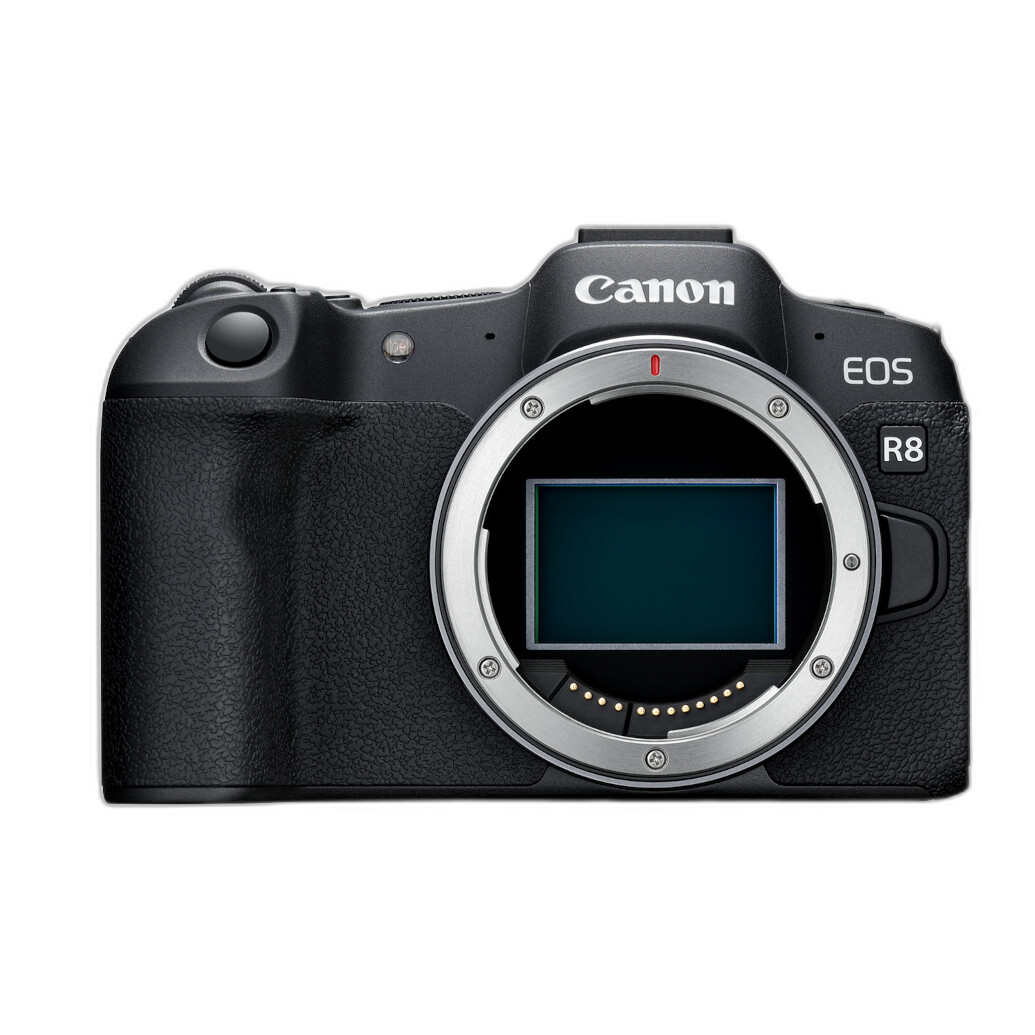
That does not mean every mirrorless camera performs equally. Sensor size, autofocus sophistication, stabilization, and lens pairing all make a real difference. To illustrate that, we are comparing four strong mirrorless options from the products provided: the Canon EOS R8, Canon EOS R50, FUJIFILM X-T30 III, and OM SYSTEM OM-5.
Side-by-Side Specs Comparison
| Camera | Sensor Format | Resolution | IBIS | Portrait AF Strength | Low Light Portrait Positioning |
|---|---|---|---|---|---|
| Canon EOS R8 | Full-Frame | 24.2MP | No | Excellent subject and eye detection | Best pure image quality and shallow depth of field potential here |
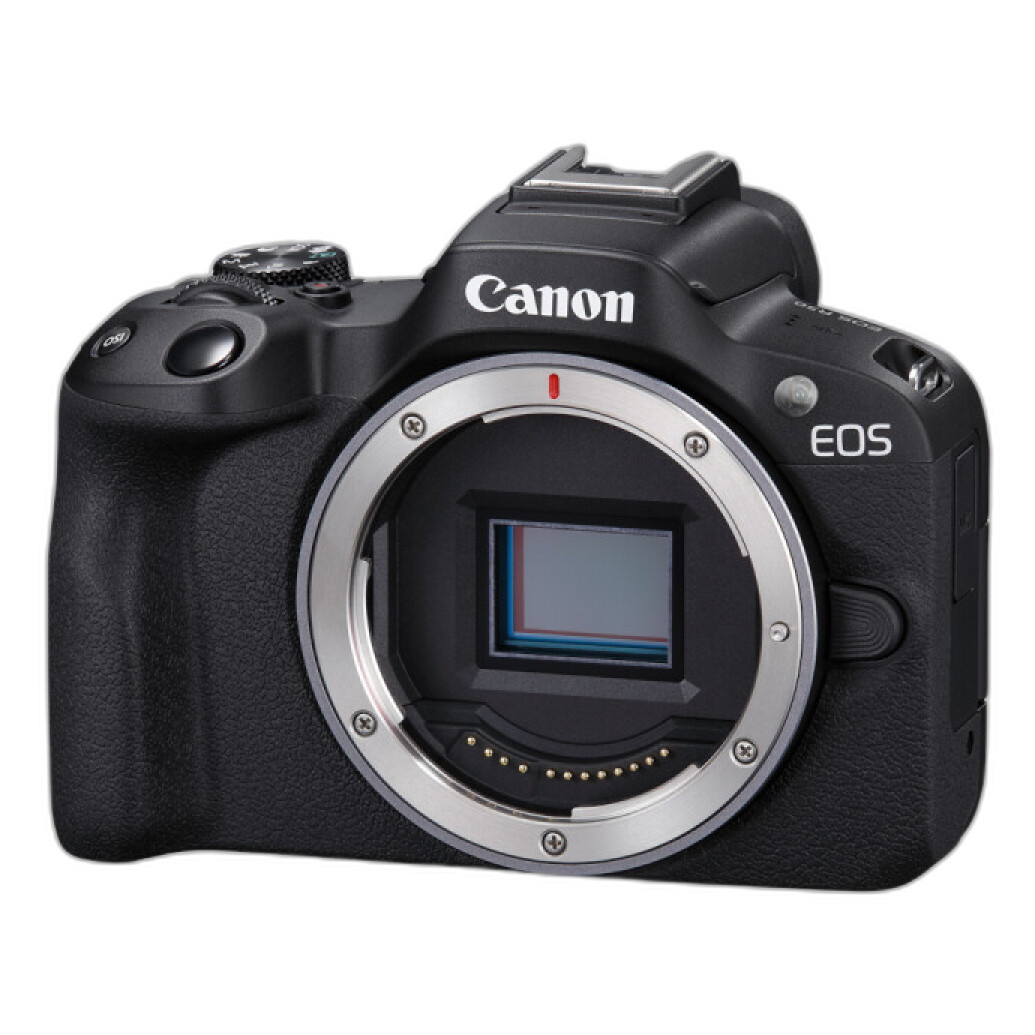
| Canon EOS R50 | APS-C | 24.2MP | No | Very strong eye detection for its class | Great value entry into low light portrait mirrorless shooting |
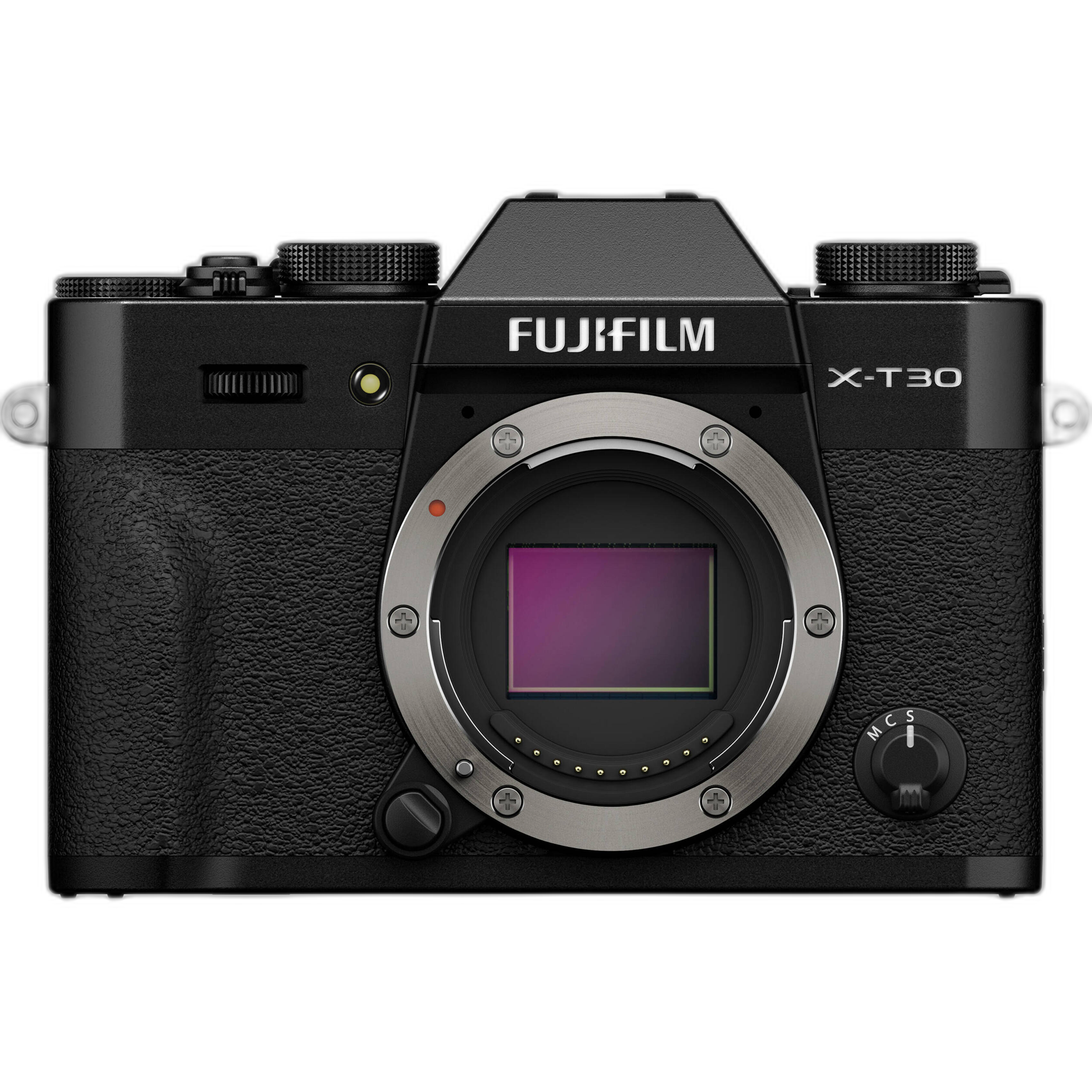
| FUJIFILM X-T30 III | APS-C | 26.1MP | No | Strong face/eye AF, especially with good lenses | Very capable with strong color rendering for portraits |
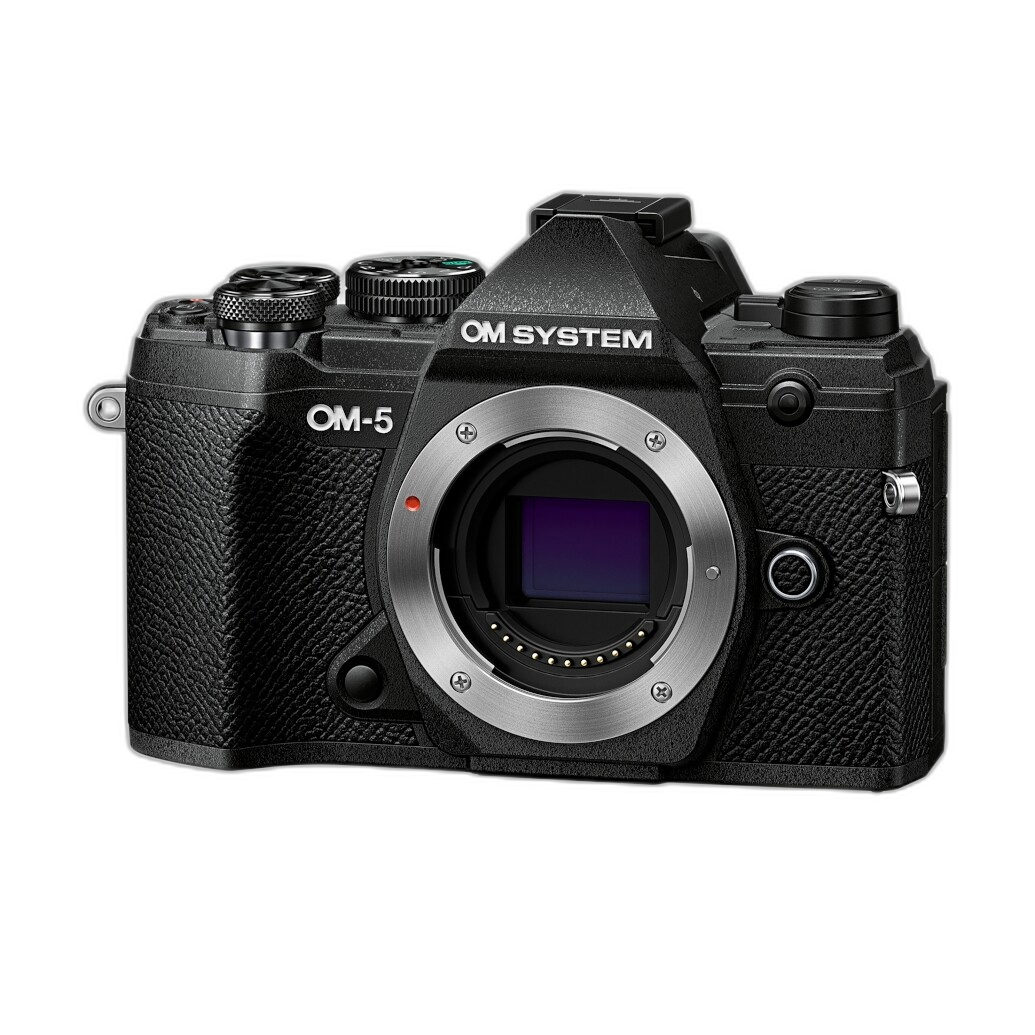
| OM SYSTEM OM-5 | Micro Four Thirds | 20.4MP | Yes | Good AF, stabilization helps static subjects | Best stabilization, but smaller sensor is less ideal for very dark portrait work |
Sensor Size and Image Quality
Full-Frame Advantage
For low light portraits, full-frame still gives the clearest image quality edge. The Canon EOS R8 stands out because its larger sensor generally delivers cleaner high-ISO files, smoother tonal transitions, and easier background separation with fast lenses. If your portraits often happen indoors without much added light, or at events where flash is limited, the R8 is the strongest option in this group.
APS-C as the Sweet Spot for Value
The Canon EOS R50 and Fujifilm X-T30 III both use APS-C sensors, which remain excellent for portrait photography. They do not match a full-frame body like the R8 in outright low light flexibility, but they can still produce beautiful portraits with very good noise control when paired with a bright prime lens. For many enthusiasts, APS-C mirrorless is the best balance of cost, portability, and image quality.
Micro Four Thirds Tradeoff
The OM SYSTEM OM-5 offers strong overall performance, but for low light portraits specifically, its smaller Micro Four Thirds sensor gives up some ground in high-ISO cleanliness and background blur potential. It is still capable, especially when you use fast glass and keep your lighting controlled, but if low light portrait work is your main priority, larger sensors are generally preferable.
Autofocus for Eyes and Faces
Mirrorless Clearly Beats Traditional DSLR Handling Here
This is one of the biggest reasons mirrorless has become the better choice. In low light portraiture, accurate eye focus matters more than almost anything else, especially at wide apertures. Mirrorless systems can track eyes directly off the imaging sensor, which often improves hit rate compared with older DSLR focus systems.
Best Performer: Canon EOS R8
The Canon EOS R8 offers the most advanced autofocus experience in this lineup. Its subject detection and eye tracking make it especially attractive for portraits of moving subjects, candid work, and wedding or event shooting in dim venues.
Best Budget AF Option: Canon EOS R50
The EOS R50 brings much of Canon’s modern autofocus intelligence into a more affordable package. For photographers stepping up from a DSLR or smartphone, it is one of the easiest cameras here to recommend for low light portraits.
Fujifilm and OM SYSTEM
The X-T30 III and OM-5 are both capable, but they appeal differently. Fujifilm is attractive for photographers who care about color, handling, and system style, while OM SYSTEM adds stabilization benefits that can help in some slower-paced portrait scenarios.
Stabilization vs Subject Motion
Why IBIS Helps, But Only to a Point
The OM SYSTEM OM-5 is the only model here with in-body image stabilization, and that is a genuine advantage when shooting static portraits in ambient light. It lets you handhold at slower shutter speeds, which can preserve ISO and improve image quality.
However, portrait subjects still move. A stabilized camera cannot stop subject motion, so if your model shifts, blinks, or turns slightly, you still need a fast enough shutter speed. That is why sensor size and autofocus often matter more than IBIS alone for low light portraits.
Lens Ecosystem and Portrait Potential
Fast Lenses Matter More Than Body Marketing
No matter which system you choose, low light portraits improve dramatically with a bright lens. A fast 50mm, 56mm, 85mm, or equivalent portrait prime will usually do more for your results than a small body upgrade by itself. Canon RF and Fujifilm X both offer strong portrait pathways, while OM SYSTEM has compact fast primes that match its travel-friendly approach.
That said, the full-frame Canon EOS R8 has the highest ceiling when paired with a fast RF portrait lens. If your goal is creamy backgrounds and strong subject isolation in dim environments, it is the standout.
Portability and Real-World Use
Best Travel-Friendly Option
The OM-5 is a great choice if you want a compact system that can handle portraits, travel, and outdoor shooting equally well. It is not the strongest specialist for very dark portrait work, but it is arguably the most versatile carry-everywhere tool here.
Best Balance of Size and Performance
The Fujifilm X-T30 III and Canon EOS R50 both keep things compact while still delivering serious image quality. They make sense for hobbyists, content creators, and portrait shooters who want a lighter kit without fully sacrificing low light capability.
Our Pick
Our Pick: Canon EOS R8 Mirrorless Camera (Body Only)
If your priority is low light portraits above everything else, the Canon EOS R8 is the best choice in this comparison. Its full-frame sensor gives it the strongest image quality advantage in dim conditions, its autofocus is excellent for eye detection, and it offers the best foundation for shallow-depth-of-field portrait work. While it lacks in-body stabilization, its sensor performance and autofocus more than make up for that in most portrait situations.
Best value alternative: Canon EOS R50. It gives you modern mirrorless autofocus and strong portrait capability at a more accessible price point.
Conclusion
For low light portraits, mirrorless now generally performs better than DSLR systems thanks to smarter autofocus, live exposure preview, and strong sensor technology. Within the mirrorless category, full-frame remains the top choice for the best image quality in difficult lighting, while APS-C models offer excellent value and portability. Among the cameras compared here, the Canon EOS R8 is the strongest overall performer, with the EOS R50 close behind for budget-conscious buyers.
If you are ready to upgrade your portrait kit, Unique Photo offers a strong selection of mirrorless cameras and lenses to help you build the right setup for your style and budget.