Pana-Vue 120 Archival Negative Page (4 Strip, 3 Frames, 100 Pages)
Key Features
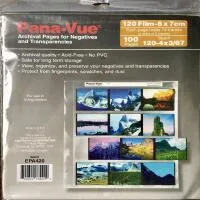
- Archival-quality negative storage pages designed for 120 medium format film organization and protection
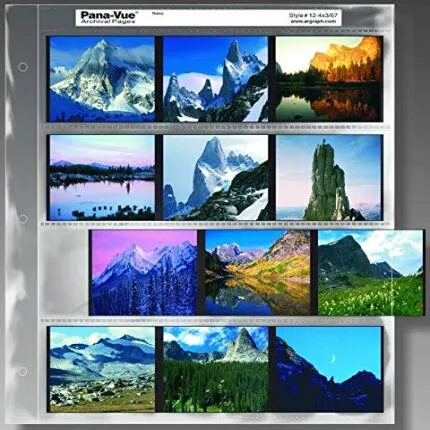
- 4-strip layout with 3 frames per strip for efficient viewing, filing, and long-term storage
- Includes 100 pages for handling large film archives, studio catalogs, or personal collections
- Helps protect negatives from dust, fingerprints, scratches, and everyday handling damage
- Ideal for photographers, labs, educators, and film enthusiasts digitizing or preserving medium format work
- Pana-Vue construction is well suited for systematic negative storage in binders and archival workflows
OVERVIEW
The Pana-Vue 120 Archival Negative Page (4 Strip, 3 Frames, 100 Pages) is a practical storage solution for photographers and archivists who need a dependable way to organize, protect, and access 120 medium format film negatives. Designed around a 4-strip configuration with 3 frames per strip, these pages make it easier to catalog film by roll, project, date, or subject while reducing direct handling of delicate originals.
For anyone building a long-term analog archive, storage matters just as much as exposure and development. Negative pages like these help preserve valuable film against dust, fingerprints, surface abrasion, and the wear that comes from repeated sorting. Whether you are maintaining a personal film library, managing a school darkroom archive, or preparing negatives for scanning and contact review, this 100-page pack offers the capacity and consistency needed for a cleaner workflow.
Designed for 120 Medium Format Film
120 film remains a favorite among portrait, fine art, landscape, and studio photographers because of its larger image area and distinctive rendering. Proper storage is essential once negatives are processed, especially when dealing with valuable originals that may only exist in a single physical form. These Pana-Vue archival pages are intended specifically for 120 film strips, giving medium format users a more organized and protective way to store frames than envelopes or loose sleeves.
The 4-strip, 3-frame layout is particularly useful for common medium format frame groupings, allowing rolls to be broken down into manageable sections for filing and review. This structure helps photographers quickly identify exposures without removing negatives from storage.
Archival Protection for Long-Term Preservation
One of the biggest benefits of archival negative pages is preservation. Film negatives are vulnerable to scratches, fingerprints, dust contamination, and bending during handling. By placing each strip in a dedicated archival page, you create a barrier between the film and the environment while also keeping your work neatly separated and easier to browse.
This makes the Pana-Vue EPA420 especially useful for photographers who intend to revisit, print, or scan their film in the future. Long-term storage solutions are essential for maintaining image quality over time, and organized sleeves can dramatically improve the condition and accessibility of an analog archive.
100-Page Capacity for Serious Film Archives
With 100 pages included, this package is well suited to photographers with growing medium format collections. It offers enough storage for large personal archives, commercial work, educational collections, or darkroom filing systems. Using a standardized page format across an entire archive also improves consistency, making it easier to store negatives in albums, binders, boxes, or file cabinets depending on your preferred workflow.
For film shooters who process regularly, buying in a 100-page quantity reduces the need to mix sleeve types and helps keep the archive orderly from the start. Consistent page layout also simplifies indexing and retrieval later.
Workflow Benefits for Scanning and Cataloging
These negative pages are not just for storage. They also support a more efficient post-processing and digitization workflow. When negatives are filed in clearly structured strips, it becomes easier to prepare them for scanning, loupe inspection, proofing, and database entry. Many film photographers maintain handwritten or digital logs by roll number, developer, exposure notes, and subject matter; using organized negative pages makes it easier to match physical strips to those records.
For home scanners, lab workflows, and hybrid analog-digital shooters, well-organized negative pages can save substantial time when locating a specific frame months or years later.
Why Choose Negative Pages Over Envelopes?
Glassine envelopes and paper sleeves have long been used for film storage, but dedicated negative pages offer clear practical advantages. They typically allow faster visual reference, easier page-by-page filing, and better compatibility with binder-based archive systems. Instead of handling a full roll loosely, you can turn through pages as if reviewing a contact archive.
For photographers who value retrieval speed and clean organization, a page-based storage system is often the most convenient choice. It is especially effective when storing negatives by shoot date, assignment, client, or film stock.
Ideal Use Cases
The Pana-Vue 120 Archival Negative Page pack is a strong fit for a wide variety of users, including medium format film photographers, educational darkrooms, photography departments, archivists, museums, collectors, and labs handling customer negatives. It is equally useful for active shooters and for anyone preserving older family or estate film collections.
If you are digitizing an analog backlog, these pages can help establish a clean archive before scanning begins. If you are already printing in the darkroom, they help maintain a stable, easy-to-reference film filing system between sessions.
Recommended Accessories
To get the most from archival negative pages, consider pairing them with archival binders or storage boxes, film-safe labeling tools, cotton or nitrile gloves for handling processed negatives, a light table for inspection, and a quality loupe for frame review. Photographers planning a hybrid workflow may also benefit from a dedicated film scanner or camera scanning setup, anti-static brushes, and microfiber cleaning tools for preparation before digitization.
Usage Tips
- Insert negatives only after they are fully dry and free from chemical residue
- Handle film by the edges to avoid fingerprints and surface marks
- Label pages or binder dividers by date, roll number, subject, or film stock for faster retrieval
- Store archives in a cool, dry, stable environment away from direct sunlight
- Use archival binders or boxes to keep pages flat and protected over time
- Keep a matching digital or written index for large film collections
Brand and Product Context
Pana-Vue has long been associated with traditional photographic storage and presentation products, including pages and organizers intended for prints, slides, and negatives. Products like the EPA420 reflect the continuing need for dependable analog archiving tools even in a digital era. As interest in film photography continues to grow, organized preservation products remain essential for photographers who want to protect original image assets and maintain a professional archive.
Summary
The Pana-Vue 120 Archival Negative Page (4 Strip, 3 Frames, 100 Pages) is a simple but essential accessory for any medium format film workflow. It helps protect processed negatives, improves organization, supports scanning and cataloging, and provides the kind of long-term archival structure serious film photographers rely on. For preserving 120 film in an orderly, accessible format, this 100-page pack is a smart and practical addition to any analog archive.
Brand
frame specific
| Album Capacity | |
| Frame and Album Size | N/A |
physical specifications
| Dimensions | N/A |
| Color | Clear |
book specifications
| Number of Pages | 100 |
- 100 x Pana-Vue 120 Archival Negative Pages
No creators have tagged this product yet.
Articles featuring this product
Film Scanner Types Compared: Real-World Results, Workflow Tradeoffs, and the Best Options for Digiti
Aug 17, 2026
·
Unique Photo
Lomography DigitaLIZA 120 Film Scanning Mask Review: A Smart Community-Driven Choice for Better Medi
May 30, 2026
·
Unique Photo
Community questions about this gear
Ask a question
0
votes
2
answers
394
Why did my Kodak Portra 400 negatives come back looking black and white?
Photography Stack Exchange contributor
15y ago
0
votes
2
answers
300
0
votes
2
answers
173
Can selenium toner increase black-and-white negative contrast?
Photography Stack Exchange contributor
16y ago
0
votes
2
answers
258
0
votes
2
answers
285
What was 70mm still photography, and how was it used in cameras?
Photography Stack Exchange contributor
7y ago