Introduction: A Practical Tool for Film Scanners Navigating Real-World Workflow Debates
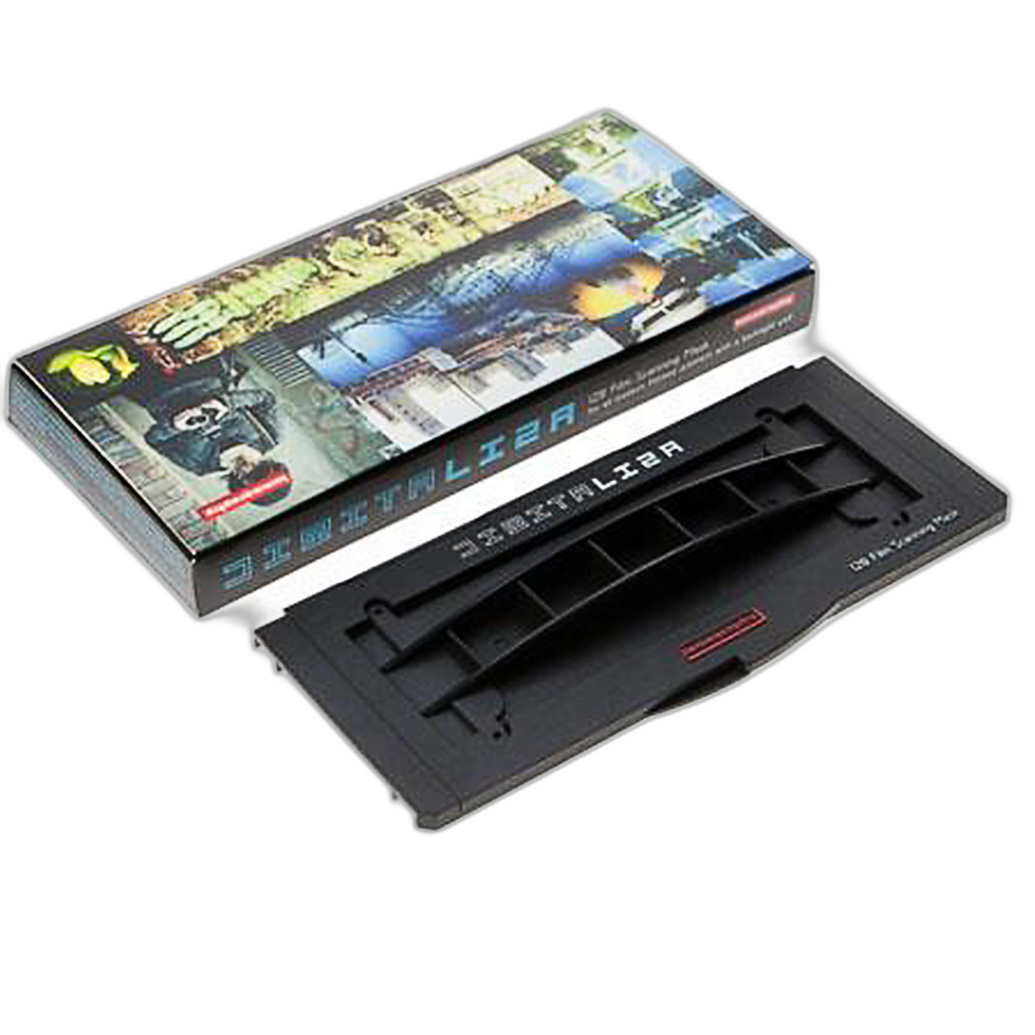
When photographers start comparing scanners, scanning software, and home digitizing workflows, the conversation usually shifts quickly from theory to handling. Flatness, speed, border visibility, consistency, Newton rings, frame spacing, and software compatibility all matter once you sit down to convert a stack of medium format negatives. In that context, the Lomography DigitaLIZA 120 Film Scanning Mask stands out as a highly approachable accessory for photographers who want a cleaner, more repeatable 120 film scanning workflow without stepping immediately into far more specialized archival hardware.
This is not a scanner itself, nor is it a magic solution for every hardware or software issue discussed in scanning communities. Instead, it is a workflow product: a film holder designed to help photographers digitize 120 negatives with better alignment and control, especially when using flatbeds or camera-scanning setups. For users debating between improvised holders, bundled scanner carriers, or more premium scanning accessories, the DigitaLIZA 120 earns attention because it targets one of the most common bottlenecks in digital conversion: getting film to sit properly and scan consistently.
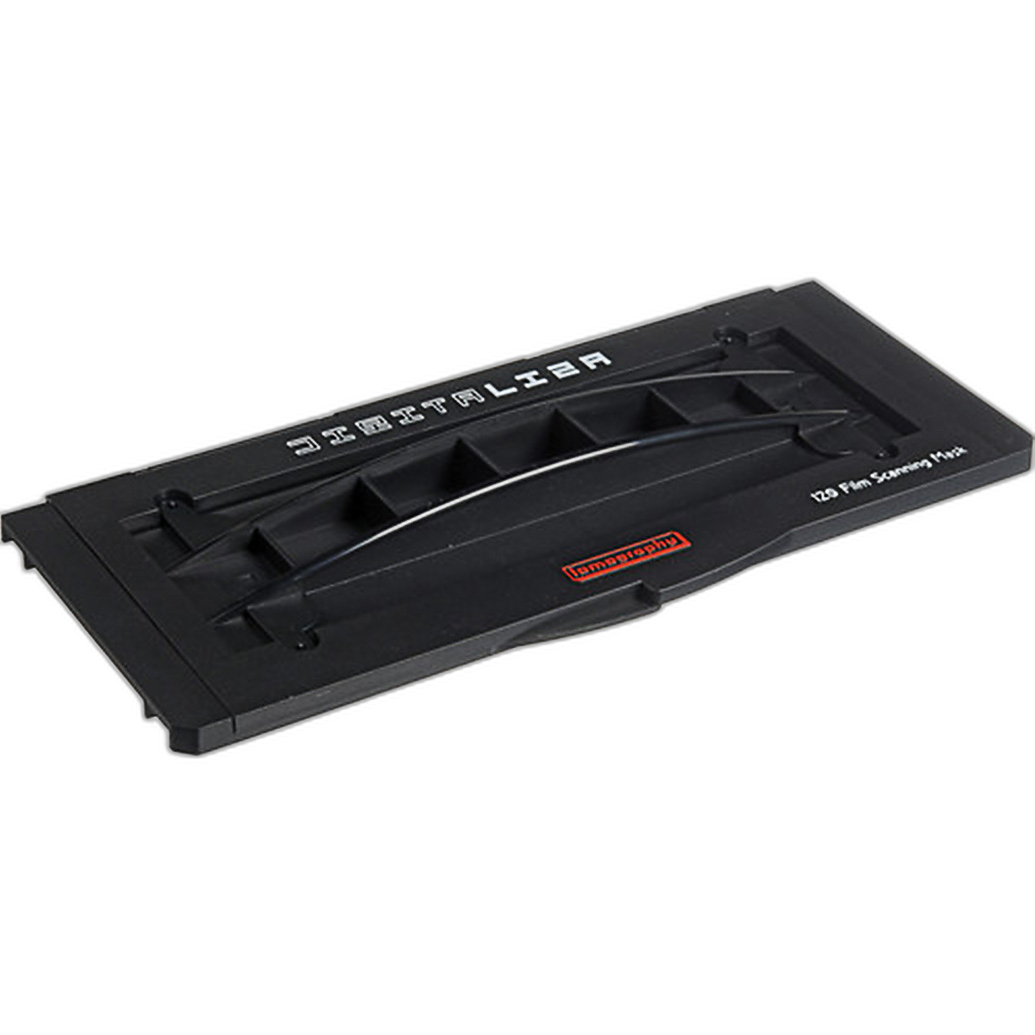
In community discussions, advice often lands on the same practical truth: workflow stability matters as much as scanner specs. A decent scanning setup paired with a good holder can outperform a theoretically better scanner used with poor film support. That is where the DigitaLIZA 120 makes its case. It is positioned for photographers who want to improve home scanning results, reduce troubleshooting time, and gain more control over the conversion process. If you are shopping at Unique Photo for tools that help bridge the gap between casual scans and more polished digital files, this is one of the more relevant accessories in the category.
Key Features
Designed Specifically for 120 Film Workflow Control
The DigitaLIZA 120 is built around medium format film handling, which immediately makes it more relevant than generic scanning accessories for users working with 6x4.5, 6x6, 6x7, and related 120 formats. In practice, this matters because medium format scanning often exposes every weakness in a workflow. Curled negatives, uneven support, and poor frame placement can quickly undermine sharpness and consistency.
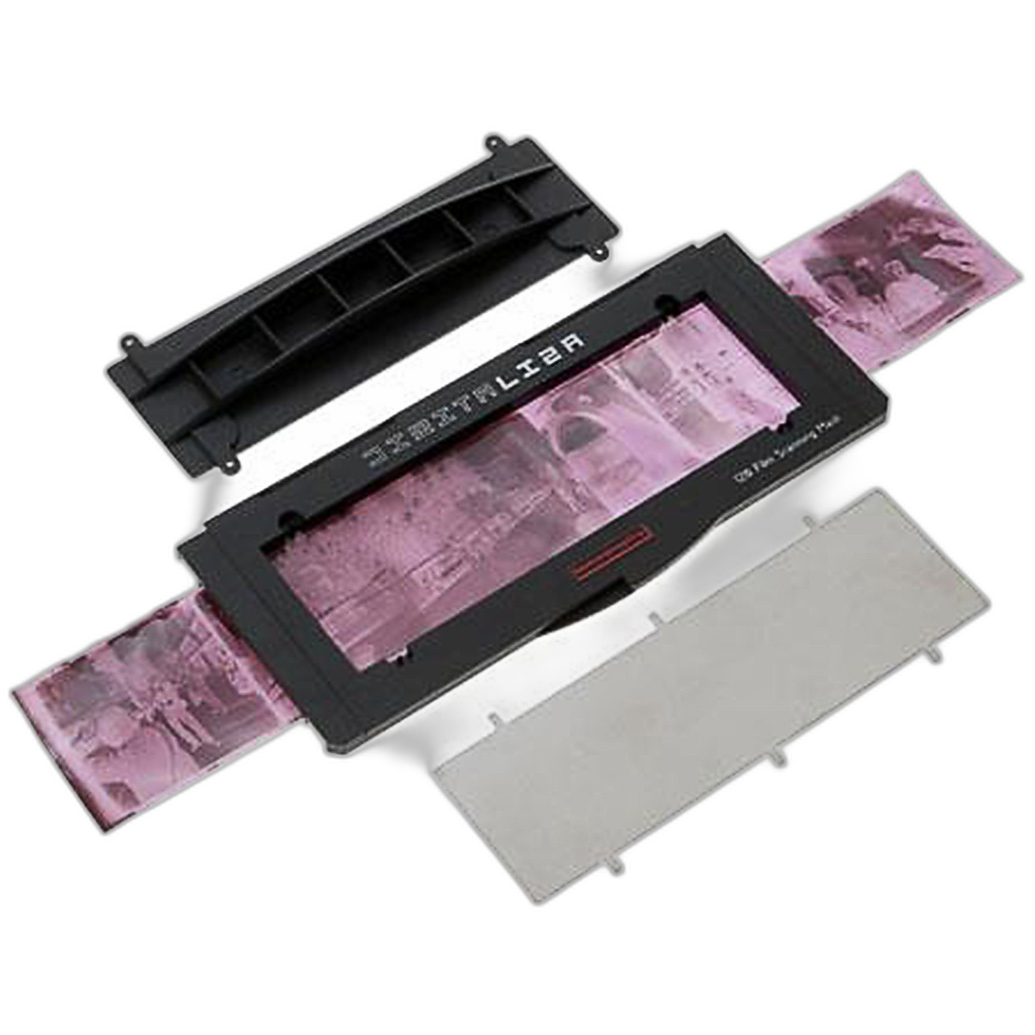
By giving the film a dedicated platform, the DigitaLIZA helps photographers maintain more predictable placement during scanning or camera capture. That translates to fewer rescans, less manual repositioning, and an easier editing process afterward.
Helpful for Users Troubleshooting Scan Quality Issues
One of the most useful aspects of a product like this is how directly it addresses problems that often get blamed on software. In many community threads, users assume poor edge sharpness, uneven crop alignment, or inconsistent frame reproduction must be caused by scanning software settings. Often, the real issue is physical film handling.
The DigitaLIZA 120 can reduce that frustration by improving negative presentation before software ever enters the picture. Whether you scan into Epson Scan, SilverFast, VueScan, or use a camera-scanning workflow with inversion in Lightroom or Negative Lab Pro, better film positioning tends to produce better raw source files. This makes downstream software choices easier to evaluate honestly.
Accessible Alternative to High-End Dedicated Holder Systems
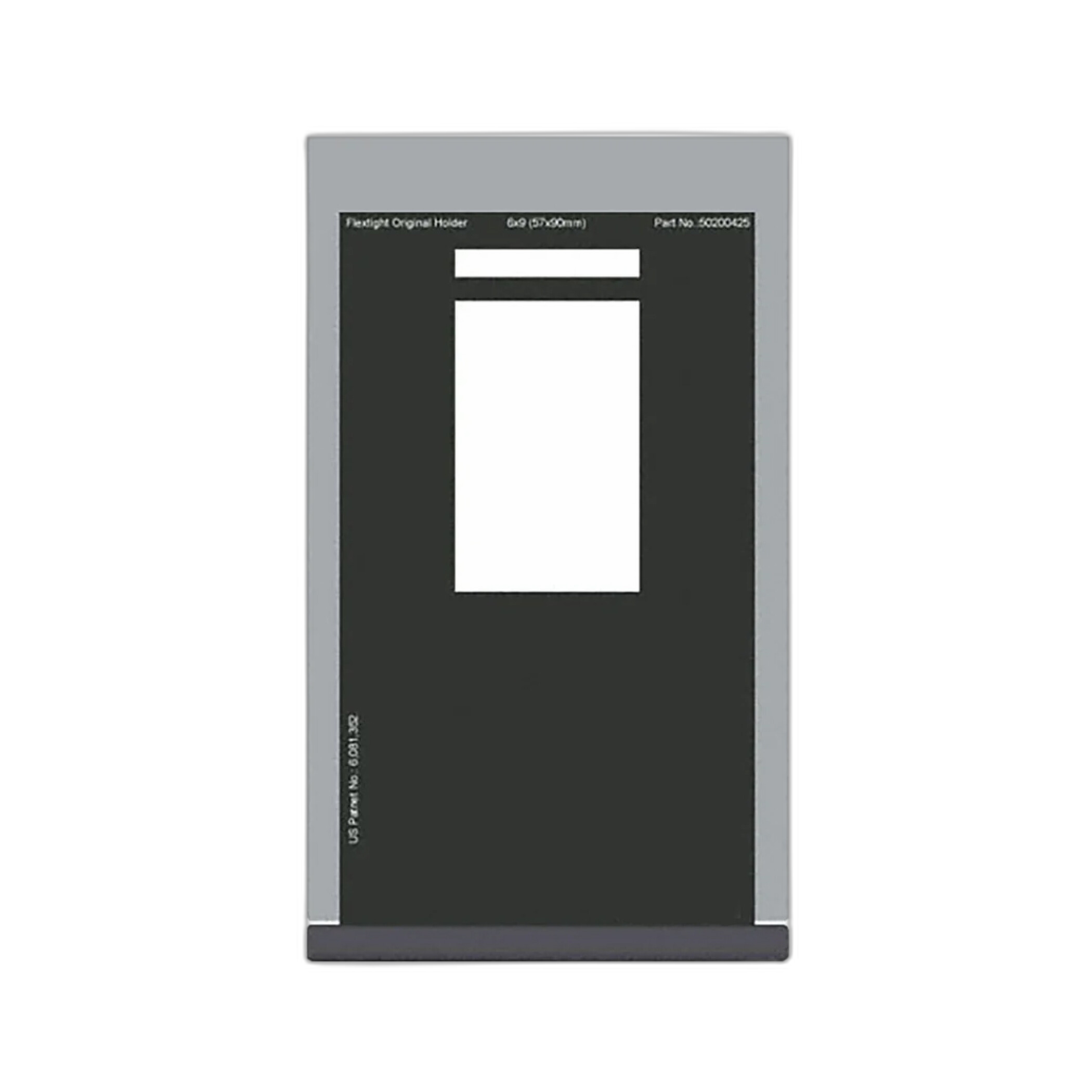
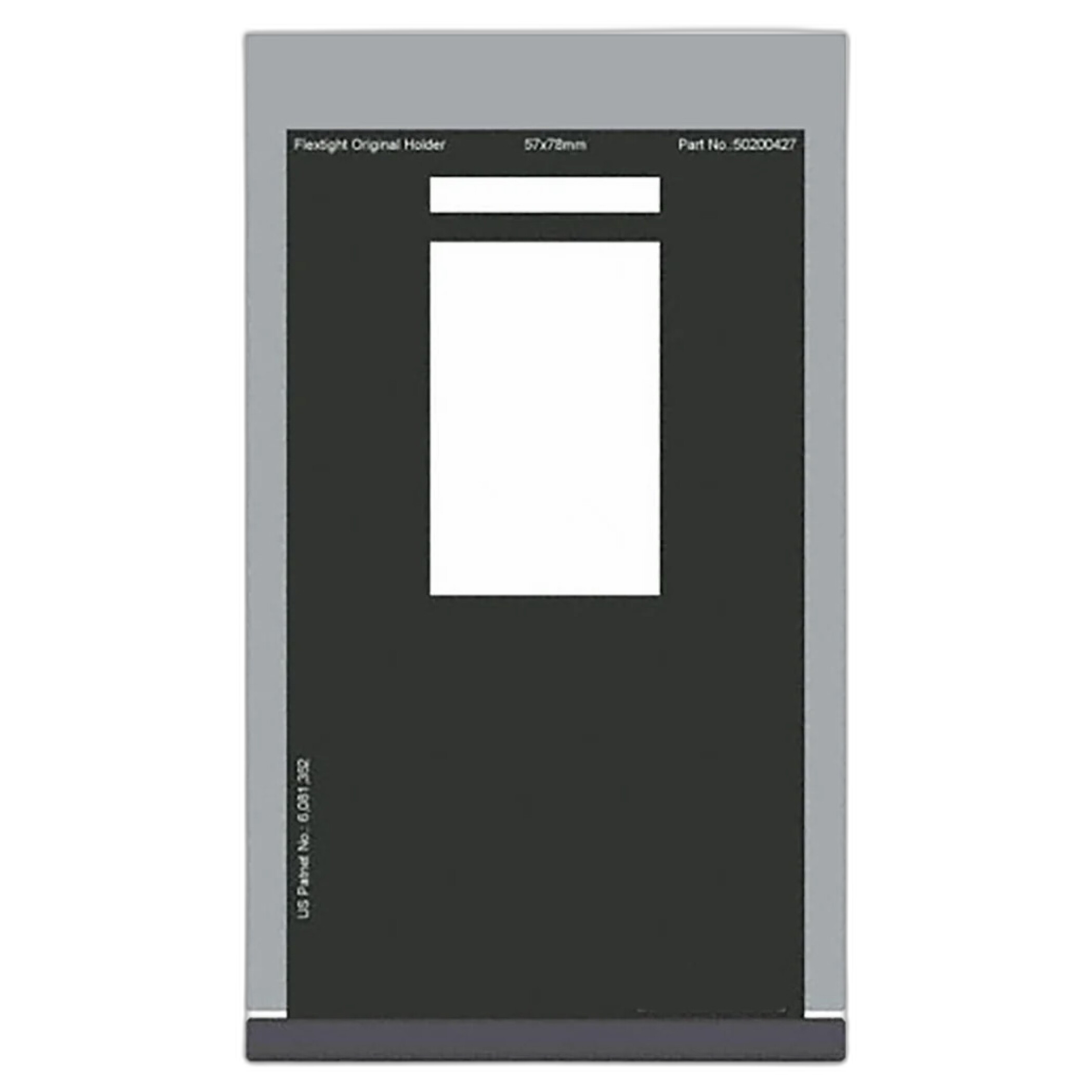
At the premium end of the market, film conversion enthusiasts often discuss specialized holders and Flextight-compatible accessories like the Hasselblad 57x88mm Flextight Original Holder for Photo and 343 Scanners or the Hasselblad 6x8 Flextight Original Holder. Those are excellent tools in the right environment, but they serve much more specific scanner ecosystems and much higher-end workflows.
For most photographers building a practical home setup, the DigitaLIZA 120 is far more attainable and flexible. It offers meaningful workflow improvements without requiring investment in a Flextight platform or a lab-grade scanning ecosystem.
Good Fit for Hybrid Camera-Scanning and Flatbed Users
Another reason this product fits the current scanning conversation so well is that photographers increasingly use hybrid workflows. Some users scan with a flatbed for convenience, then switch to camera scanning for speed or resolution. Others start with DSLR or mirrorless digitizing rigs and look for better holders to improve consistency.
The DigitaLIZA 120 makes sense in either scenario. It is especially appealing to photographers who want to refine an existing setup rather than replace everything. That is an important distinction. In many real-world cases, workflow optimization yields a larger quality gain than upgrading software alone.
Relevant Comparison: Border-Conscious Scanning Workflows
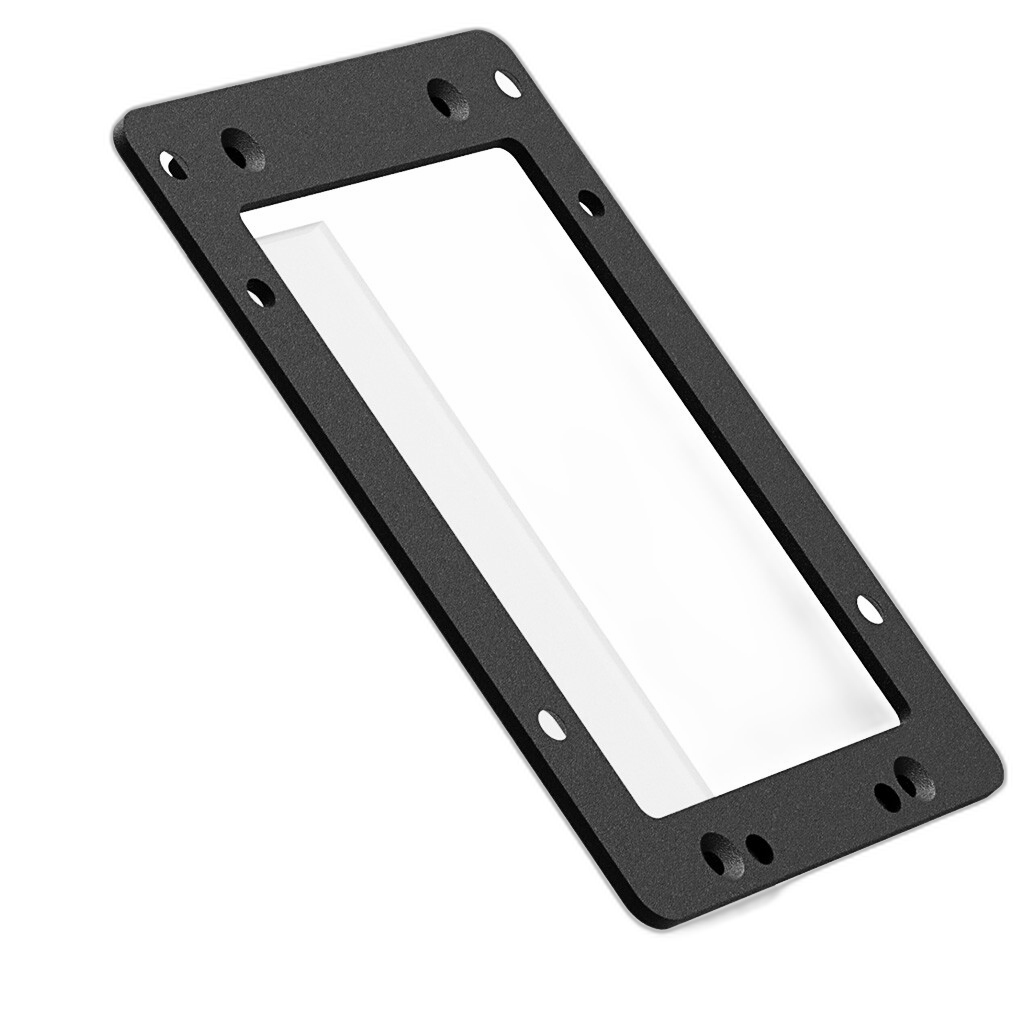
A common topic among film digitizers is whether to scan the full image area, including rebate or borders, or to crop tightly for efficiency. Photographers who care about showing the full frame edge often look to products such as the Negative Supply Full Border Scanning Guide 120, which is purpose-built for border-visible workflows.
The DigitaLIZA 120 belongs in that same broader conversation, though with a slightly different emphasis. It is a general scanning mask solution rather than a niche border-first accessory. If your priority is dependable medium format handling with broad workflow compatibility, Lomography’s holder is the more universal option. If your scanning style is specifically centered on full-border presentation, Negative Supply’s guide may be the more specialized complement or alternative.
Performance in Real Scanning Workflows
In practical use, the Lomography DigitaLIZA 120 Film Scanning Mask is most valuable when your current setup feels inconsistent. It will not transform a low-quality scanner into a professional drum scan replacement, but it can absolutely improve the repeatability of home conversion work. That matters more than many photographers expect.
When community members advise each other on scanner purchases, the best guidance often includes a reminder to stabilize the capture process first. Good holders reduce variables. Fewer variables mean easier troubleshooting. If a scan still looks off, you can then evaluate focus plane, scanner height, exposure, inversion method, color correction, or software behavior with more confidence.
This is where the DigitaLIZA 120 earns strong marks. It supports a disciplined workflow. It helps remove guesswork. And it fits the needs of photographers who are scanning regularly enough to care about efficiency, but not necessarily running a commercial lab.
Pros and Cons
Pros
- Designed specifically for 120 film, making it highly relevant for medium format shooters
- Improves film positioning and workflow consistency
- Useful for both flatbed and camera-scanning approaches
- Helps isolate hardware versus software issues during troubleshooting
- More accessible than high-end dedicated scanner holder systems
- Strong fit for photographers upgrading their scanning process without replacing major equipment
Cons
- Not a scanner, so image quality still depends heavily on the rest of your setup
- May not satisfy users seeking ultra-specialized full-border or lab-grade archival workflows
- Best results still require careful technique and post-processing knowledge
- Less tailored than premium holder systems built for specific professional scanners
Who Should Buy It?
The DigitaLIZA 120 is a smart buy for photographers who:
- Scan 120 negatives at home on a regular basis
- Want to improve consistency without overspending
- Are comparing scanner software options and need better source capture first
- Use hybrid analog-to-digital workflows
- Need a practical step up from improvised holders or basic bundled accessories
It is less ideal for users already fully invested in Hasselblad Flextight systems or those who need ultra-specialized archival tools for institutional-level digitization.
Verdict
The Lomography DigitaLIZA 120 Film Scanning Mask is an easy product to recommend because it addresses one of the most common weak points in film digitization: physical handling. In discussions about scanners and scanning software, users often focus too heavily on applications and hardware specs, when the real improvement may come from better film support. This mask helps create a cleaner, more repeatable workflow, and that makes every other part of the digital conversion process easier to manage.
It is not the most exotic option in the scanning world, but it is one of the more practical. For medium format photographers trying to improve home scans, reduce troubleshooting, and bring more order to their digital conversion process, this accessory hits an excellent balance of usefulness and accessibility.
If you are building or refining your film scanning setup, Unique Photo is a great place to buy the Lomography DigitaLIZA 120 Film Scanning Mask alongside other scanning accessories and workflow tools.