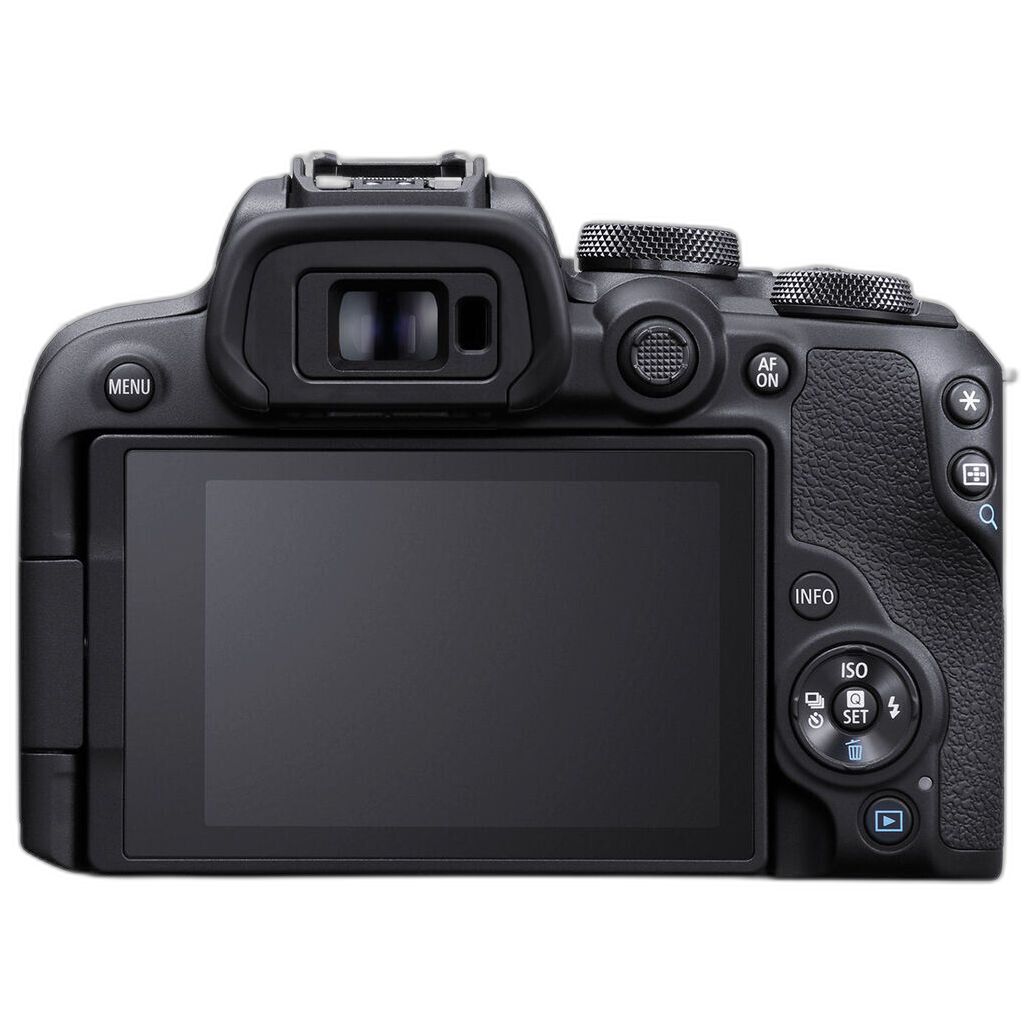
Choosing a go-to portrait lens is really about choosing how you want people to look and feel in your images. Some photographers love the classic compression of a short telephoto focal length, while others prefer the flexibility of a zoom that can move from environmental portraits to tighter headshots in seconds. If you are building a portrait kit, the good news is that you do not always need to start with a dedicated prime lens. Many modern camera kits include focal lengths that are excellent for learning portrait technique and producing beautiful results right away.
Below are practical tips to help you choose the right portrait setup, along with a few standout camera kits that make strong starting points for portrait shooters.
Start by Understanding Your Best Portrait Focal Length
1. Use short telephoto focal lengths for flattering facial features
For many photographers, the sweet spot for portraits lands somewhere between roughly 50mm and 135mm full-frame equivalent. That range tends to give flattering proportions without the distortion you often see from wider angles. If you are just getting started, a kit with telephoto reach can be a smart way to test what look you like most.
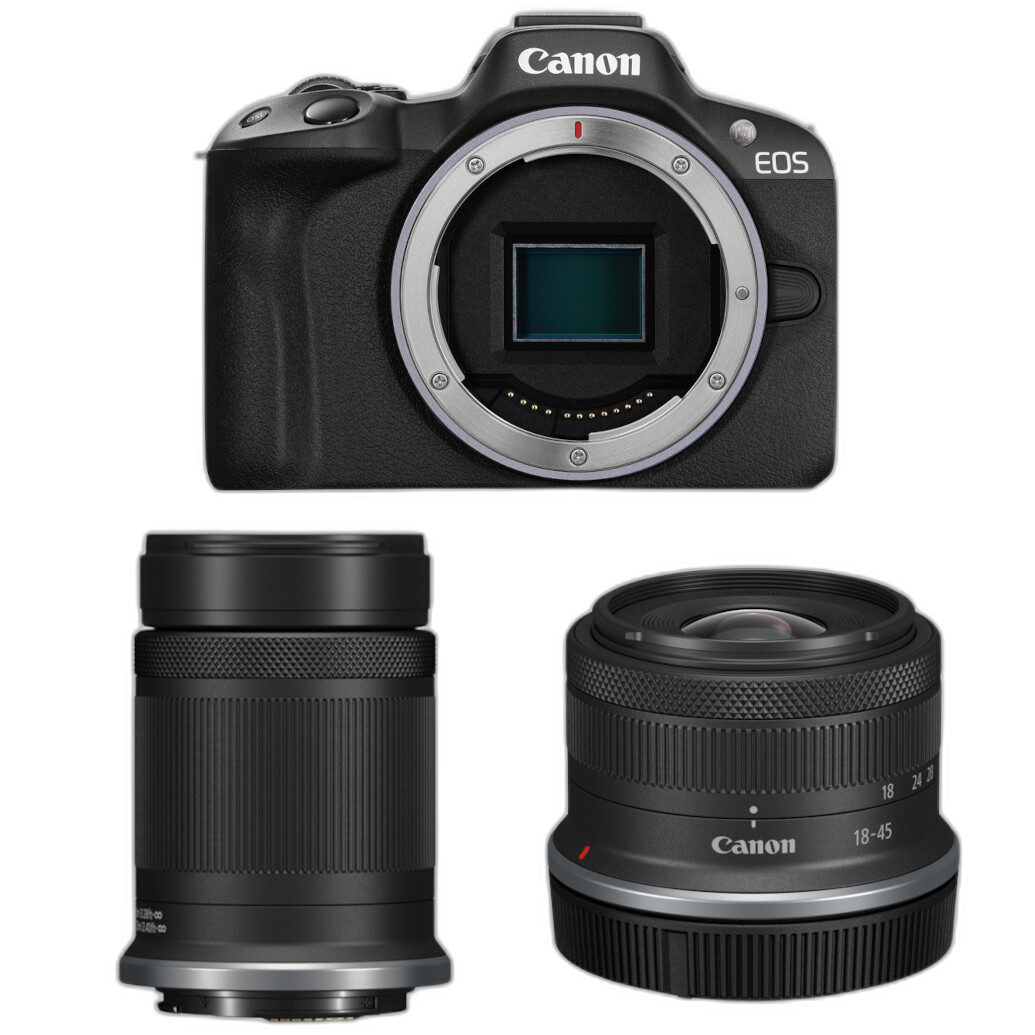
A great example is the Canon EOS R50 Mirrorless Camera (Black) with RF-S 18-45mm and 55-210mm Lenses. The included 55-210mm lens gives you plenty of room to work with tighter compositions, flattering compression, and softer-looking backgrounds. It is an easy recommendation for photographers who want flexibility for both casual family portraits and more polished outdoor sessions.
2. Do not overlook mid-range zooms for environmental portraits
Not every portrait needs to be a tight headshot. Sometimes the setting is part of the story, and that is where a versatile mid-range zoom shines. A lens that covers wider to normal focal lengths lets you create environmental portraits that show context, mood, and location.
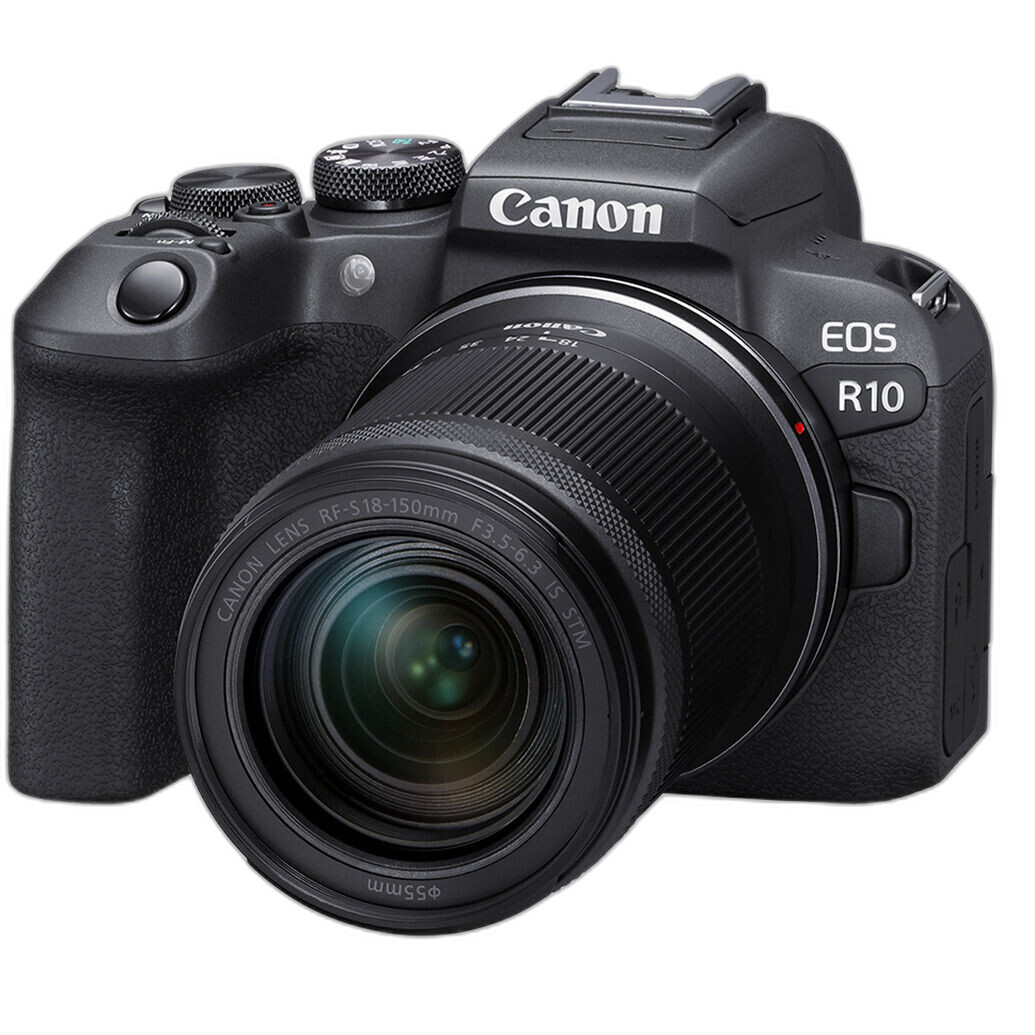
The Canon EOS R10 Mirrorless Camera with 18-150mm Lens is especially useful here because its zoom range covers everything from wider scene-setting portraits to tighter crops. For someone who wants one lens to do a bit of everything, this kit is hard to ignore. It is especially handy for travel portraits, events, and lifestyle sessions where you cannot constantly switch lenses.
Match the Lens Choice to Your Portrait Style
3. Choose longer focal lengths for classic headshots
If your goal is clean, professional-looking headshots, longer focal lengths usually make the job easier. They help you stand back a little, which can make subjects feel more comfortable, and they produce a more flattering rendering of facial features.
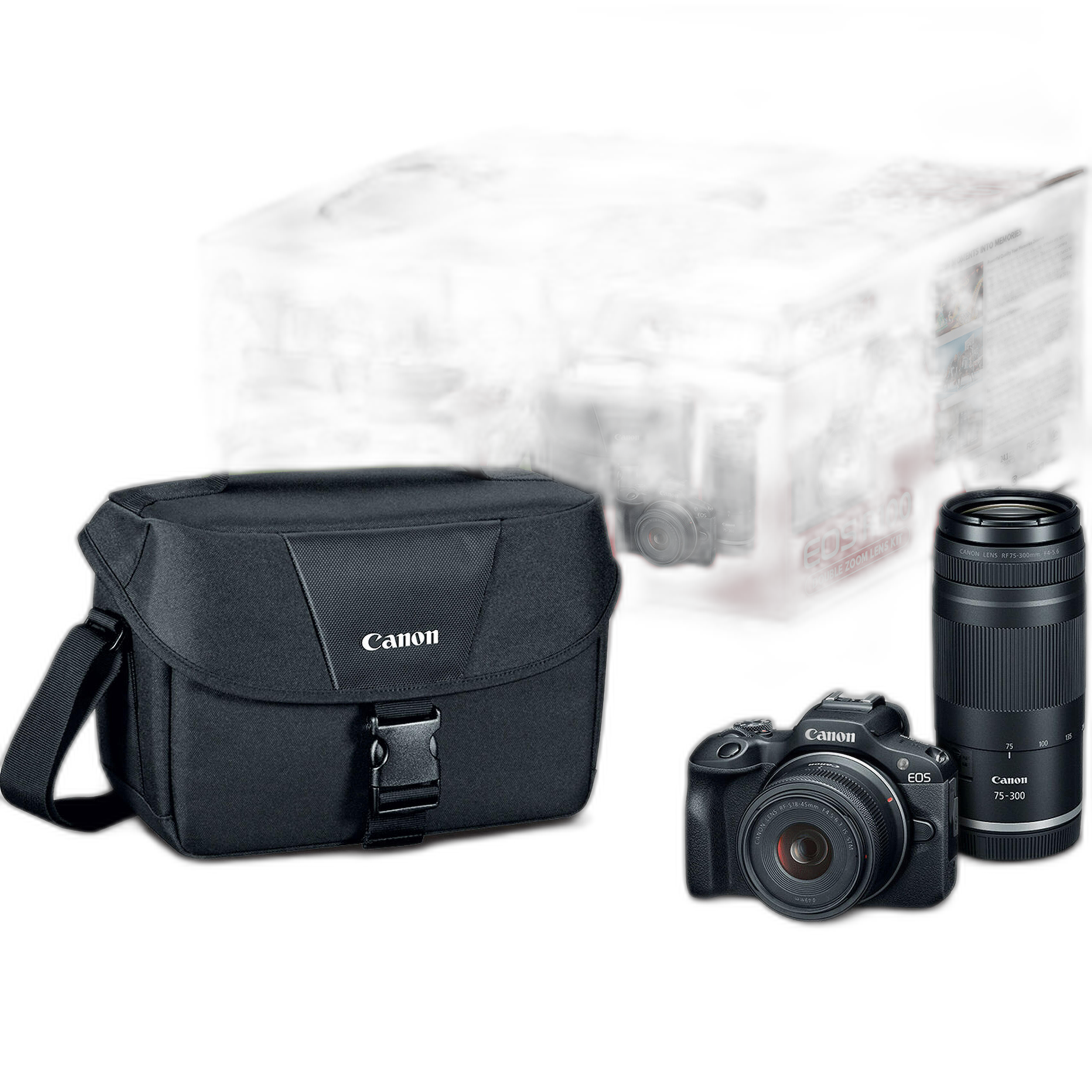
The second lens in the Canon EOS R100 Double Lens Zoom Kit can be especially useful for this kind of work. For photographers building an affordable portrait setup, a two-lens kit like this offers room to experiment. You can start wide for casual portraits, then switch to the longer zoom when you want that more traditional portrait look.
4. Pick shorter focal lengths when you want personality and place
Wider and normal focal lengths can create portraits that feel more intimate, energetic, and connected to the environment. They are a strong fit for editorial work, street portraits, and travel storytelling.
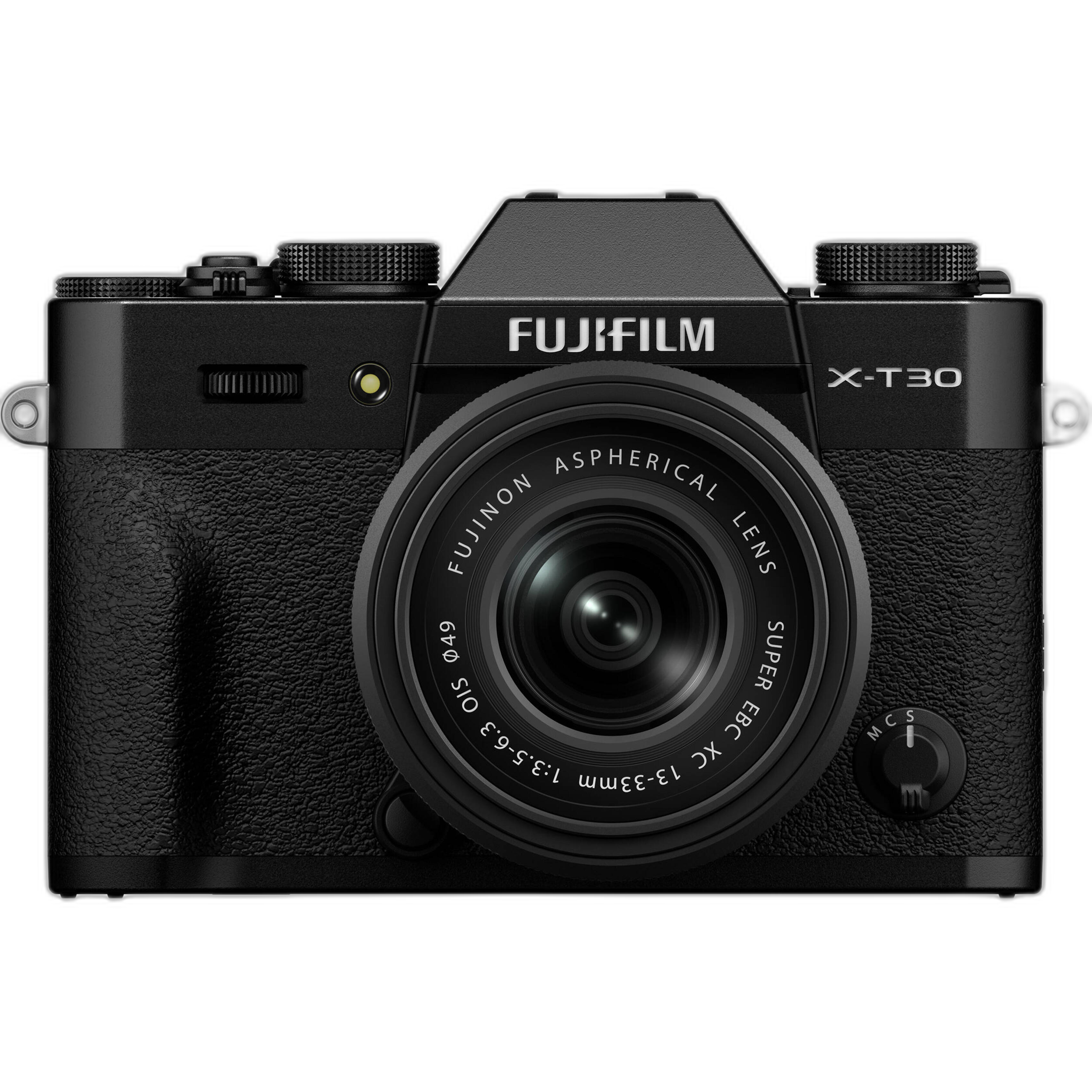
The FUJIFILM X-T30 III Mirrorless Camera Body with XC13-33mm Lens Kit, available in both Black and Charcoal, is a compelling choice for photographers who prefer that documentary-style portrait approach. Fujifilm cameras are also popular for their color rendering and film-inspired looks, which many portrait shooters enjoy straight out of camera.
Think Beyond the Lens: Handling Matters Too
5. A lightweight camera helps you shoot longer and connect better
Portrait photography is not only about sharpness and background blur. Comfort matters. A compact, lightweight camera can make it easier to shoot for long sessions, move quickly, and keep the experience relaxed for your subject.
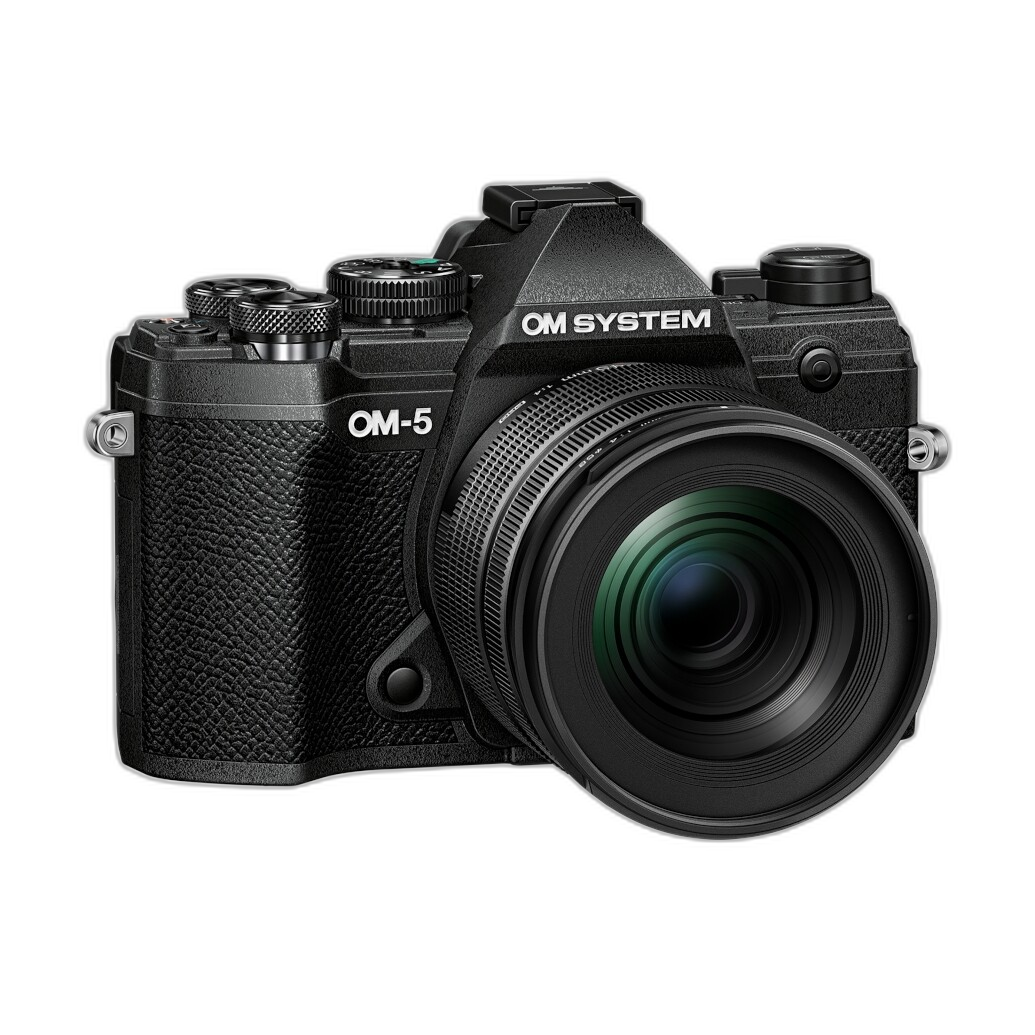
The OM SYSTEM OM-5 Mirrorless Camera (Black) with 12-45mm f/4.0 PRO Lens is a strong option for photographers who value portability and premium build quality. While its included zoom leans more toward environmental portraiture than ultra-shallow depth of field, it is excellent for outdoor portraits, travel sessions, and creators who need a rugged everyday camera that still performs beautifully for people photography.
6. Fast autofocus can be just as important as focal length
When photographing children, couples, or candid moments, your ideal portrait lens is only helpful if your camera keeps up. Reliable subject detection and autofocus can make the difference between a good expression and a missed shot.
That is another reason kits like the Canon EOS R50 and Canon EOS R10 stand out for portrait beginners and enthusiasts. They offer approachable controls and modern autofocus performance, making them excellent companions for natural-light portraits, family photos, and social content creation.
Use These Practical Portrait Lens Tips in the Field
7. Back up and zoom in for more flattering portraits
- Instead of standing close with a wide focal length, take a few steps back and use the longer end of your zoom.
- This usually creates a more flattering perspective for faces.
- It is especially effective with kits like the Canon EOS R50 dual-lens setup or the Canon EOS R10 18-150mm.
8. Let the background shape your lens choice
- If the background is distracting, use a longer focal length to simplify the frame.
- If the location adds to the story, go a bit wider and include more of the scene.
- The Fujifilm X-T30 III kit and OM-5 kit both work nicely when you want portraits with a sense of place.
9. Test your favorite look before buying a dedicated portrait prime
- A zoom lens is a great training tool for discovering your favorite portrait focal length.
- Spend time reviewing your best images and note whether you naturally gravitate toward wider environmental portraits or tighter telephoto compositions.
- Kits like the Canon EOS R100 Double Lens Zoom Kit are especially useful for this because they let you compare multiple portrait looks without a large upfront investment.
Which Setup Is Best for You?
10. Quick recommendations by portrait type
- For flexible all-around portrait shooting: Canon EOS R10 Mirrorless Camera with 18-150mm Lens
- For beginners who want flattering reach: Canon EOS R50 Mirrorless Camera with 18-45mm and 55-210mm Lenses
- For budget-friendly experimentation: Canon EOS R100 Double Lens Zoom Kit
- For environmental and lifestyle portraits: FUJIFILM X-T30 III with XC13-33mm Lens Kit
- For lightweight outdoor portrait work: OM SYSTEM OM-5 with 12-45mm f/4.0 PRO Lens
Final Thoughts
Your go-to portrait lens is the one that matches your style, your subjects, and the way you like to shoot. For some photographers, that means a telephoto zoom for flattering headshots. For others, it means a more versatile lens that can capture both the person and the story around them. The best way to find your favorite is to start shooting, review what you love, and build from there.
If you are ready to explore portrait-friendly camera kits, Unique Photo offers excellent options for beginners, enthusiasts, and creators looking to level up their portrait work with confidence.