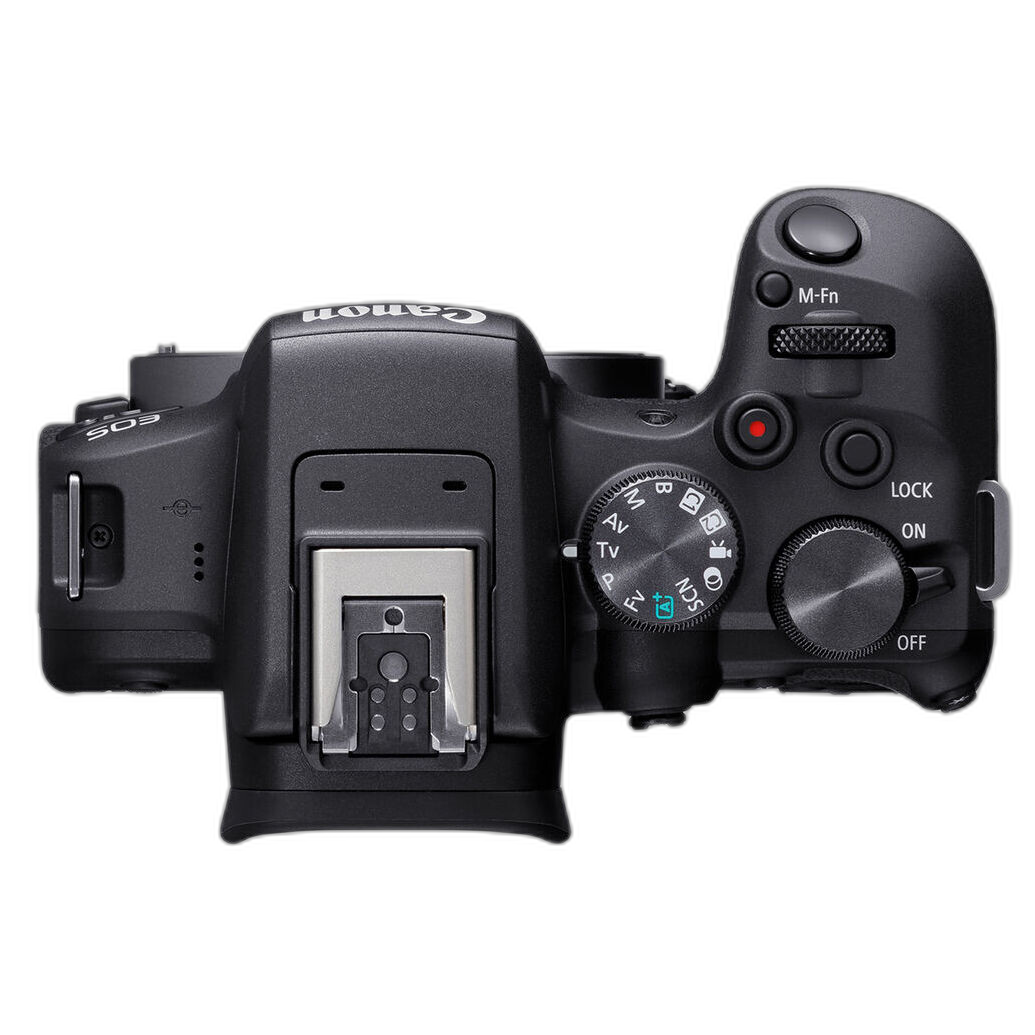
Wildlife photographers often face a pivotal choice: which sensor format and lens combo delivers the best balance of reach, speed, and portability? At Unique Photo, our staff and customers have spent countless hours comparing APS‑C and Micro Four Thirds bodies in the field, testing autofocus performance on birds, mammals, and fast‑moving subjects. Below, we share practical takeaways, hands‑on notes, and setup tips to help you get sharper, more consistent wildlife results—whatever system you prefer.
APS‑C vs Micro Four Thirds vs Full‑Frame for Wildlife: Real‑World Pros and Cons
Wildlife shooters care about reach, responsiveness, and performance in variable light. Here’s how the common formats compare in practice:
- APS‑C: A smart middle ground for reach and image quality. The crop factor helps your telephoto lenses “feel longer,” while bodies remain agile and affordable. Great for birds, distant mammals, and travel.
- Micro Four Thirds (MFT): Even lighter kits with excellent in‑body stabilization. The 2x crop factor makes modest telephotos surprisingly capable for long‑reach work, ideal for hikes and all‑day carry.
- Full‑Frame: Superior dynamic range and high‑ISO latitude with shallower depth of field. Outstanding for low‑light and dramatic subject isolation, though lenses are larger and costlier for similar reach.
Our field takeaway: If your priority is maximum portable reach and consistent keeper rates with lighter glass, APS‑C and MFT deliver tremendous value. Full‑frame remains compelling for low light and premium image quality—just be ready for bigger, heavier telephotos.
Canon APS‑C for Wildlife: EOS R10, R50, and R100 Field Notes
Canon’s APS‑C EOS R family offers compelling autofocus, burst performance, and smart lens options that punch above their weight for wildlife.
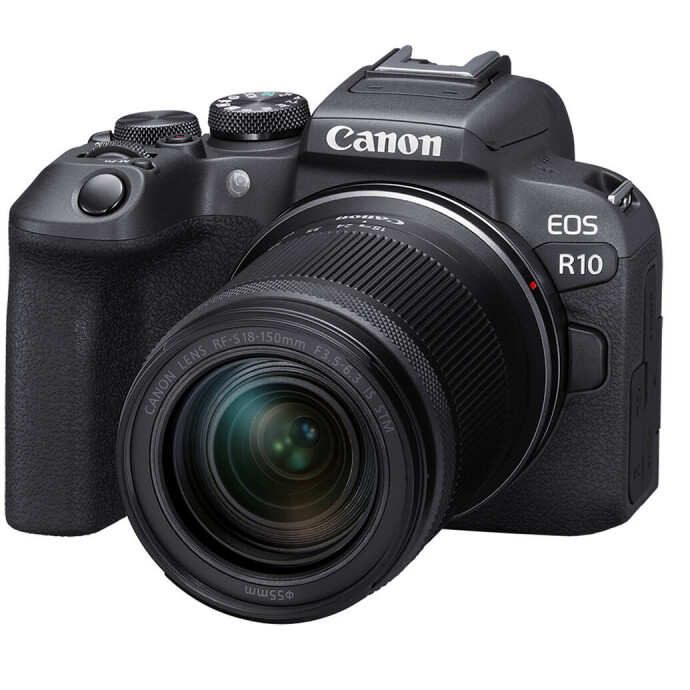
Canon EOS R10 with RF‑S 18‑150mm: In our tests, the R10’s responsiveness makes it a standout budget action body. The RF‑S 18‑150mm covers environmental wildlife to moderate tele reach in a single lens, handy when hiking or when subjects aren’t predictable.
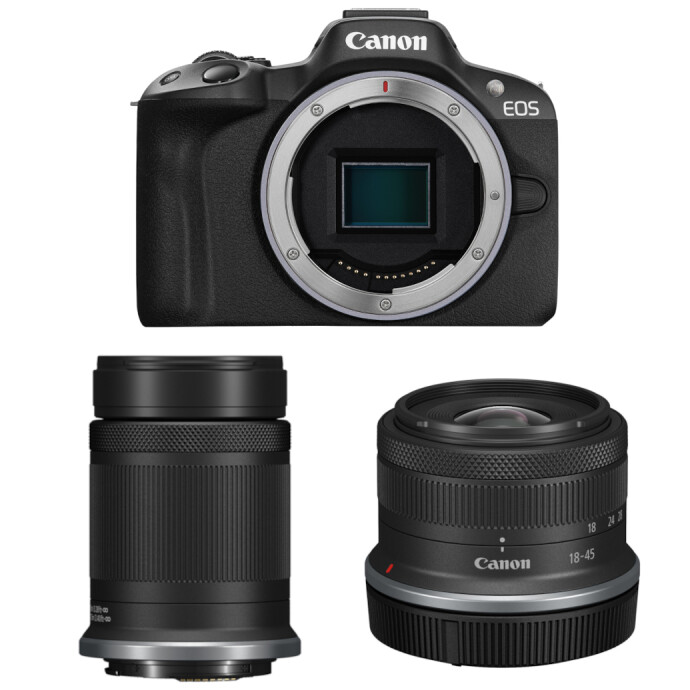
Canon EOS R50 two‑lens kit (RF‑S 18‑45mm and 55‑210mm): Great for travelers who want a small body plus useful tele reach. The RF‑S 55‑210mm provides a practical focal range for perched birds and larger wildlife in good light.
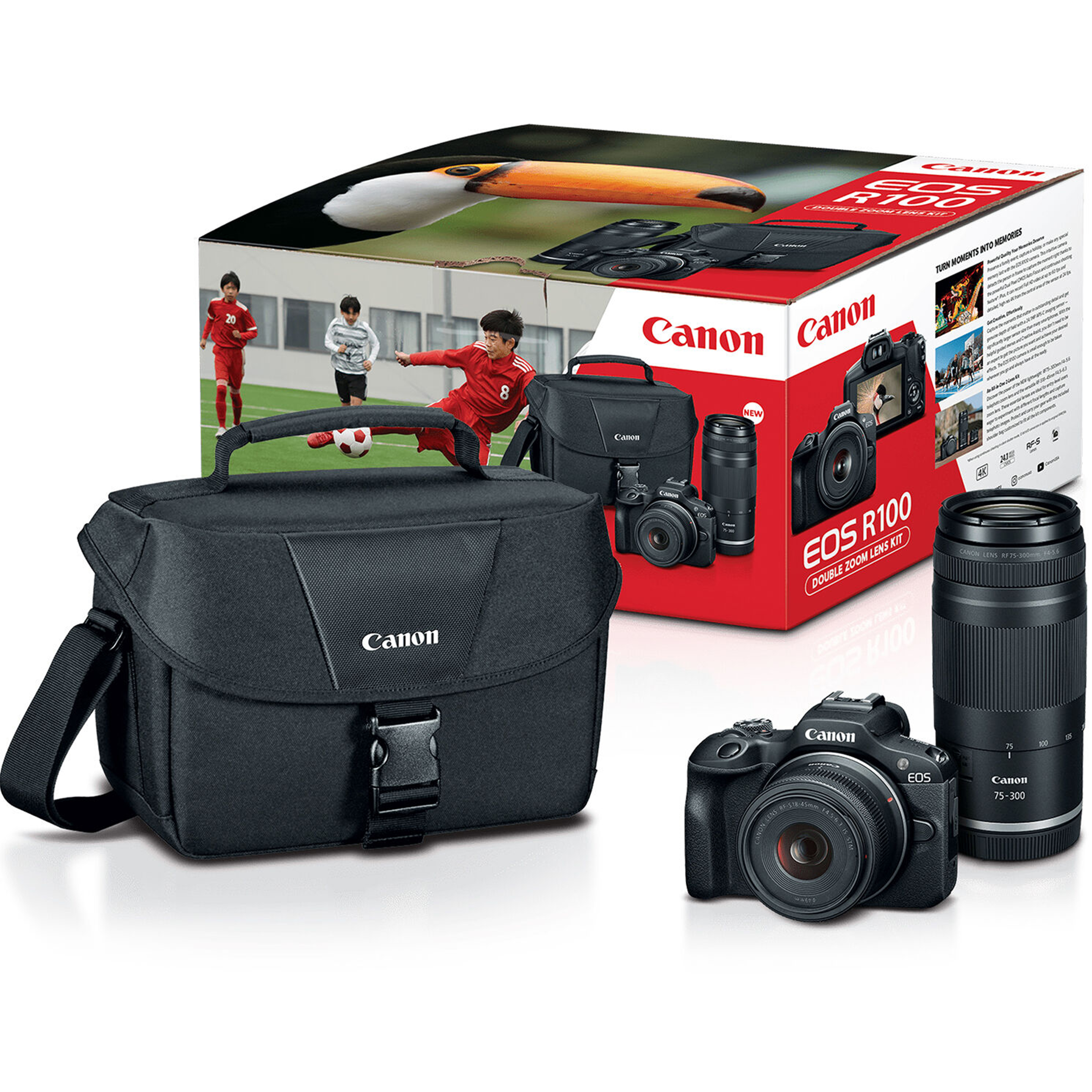
Canon EOS R100 Double Lens Zoom Kit: An approachable entry point. While it’s basic compared to higher‑end bodies, thoughtful settings and technique can yield excellent wildlife results, especially with the longer kit zoom.
Fujifilm X‑T30 III for Fast Action and Travel Wildlife
Fujifilm’s X‑T line is beloved for its tactile controls and pleasing color. The X‑T30 III combines portability with confident autofocus and burst shooting in a compact package.
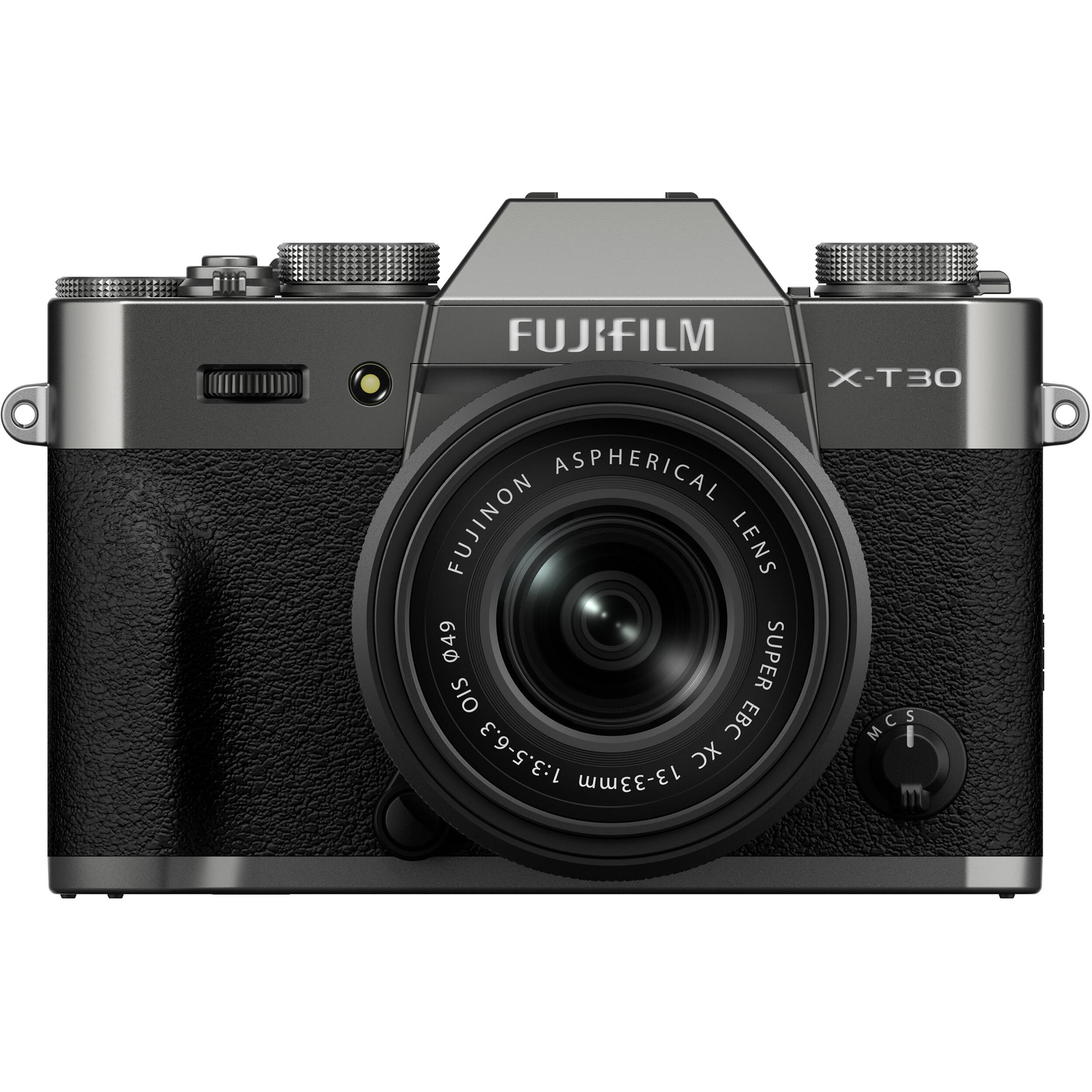
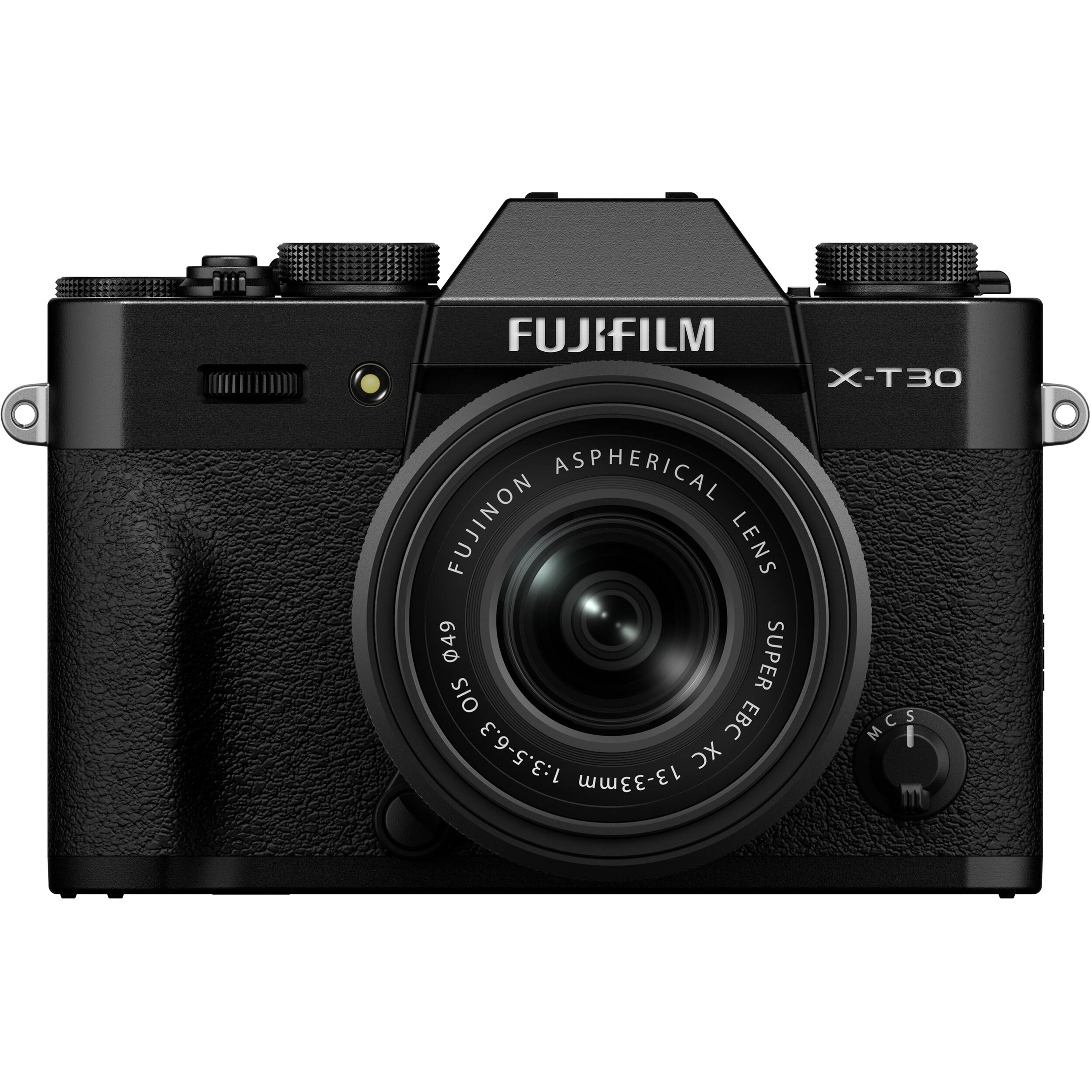
Note: The XC 13‑33mm kit lens is a wide‑angle zoom—excellent for environmental wildlife and landscapes. For tighter framing of animals, pair the X‑T30 III with a longer telephoto. The APS‑C sensor’s crop factor helps you stretch tele reach without hefty full‑frame glass.
OM System OM‑5 Micro Four Thirds: Lightweight Reach and Stabilization
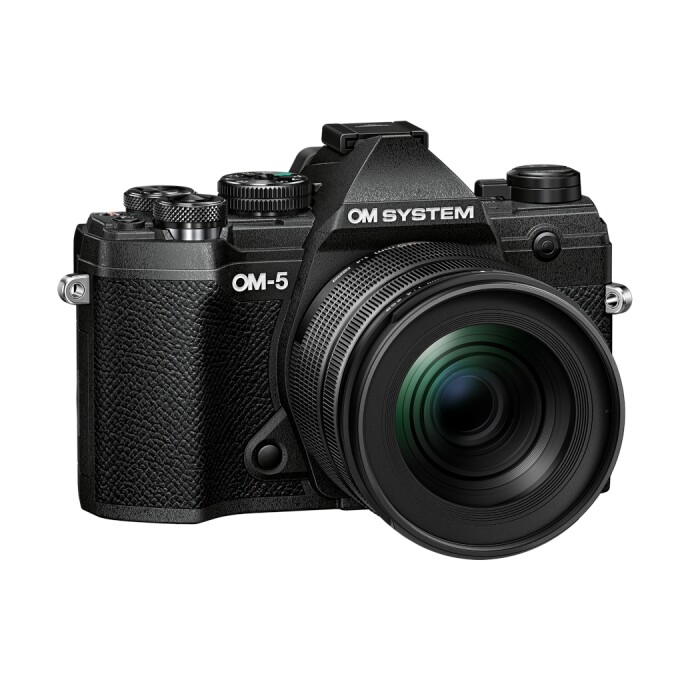
The OM‑5 is a favorite for long hikes and travel safaris. Its robust stabilization and weather‑resistant build enable handheld shooting in challenging conditions. While the 12‑45mm f/4 PRO lens is more of an all‑around zoom, the 2x MFT crop makes telephoto lenses exceptionally effective for wildlife without the weight penalty.
Wildlife Video Rigs: JVC GY‑HM250SP and GY‑HM180U
For those who prioritize video of birds in flight or animal behavior over long stretches, compact professional camcorders offer servo zoom, long recording times, and dependable controls.
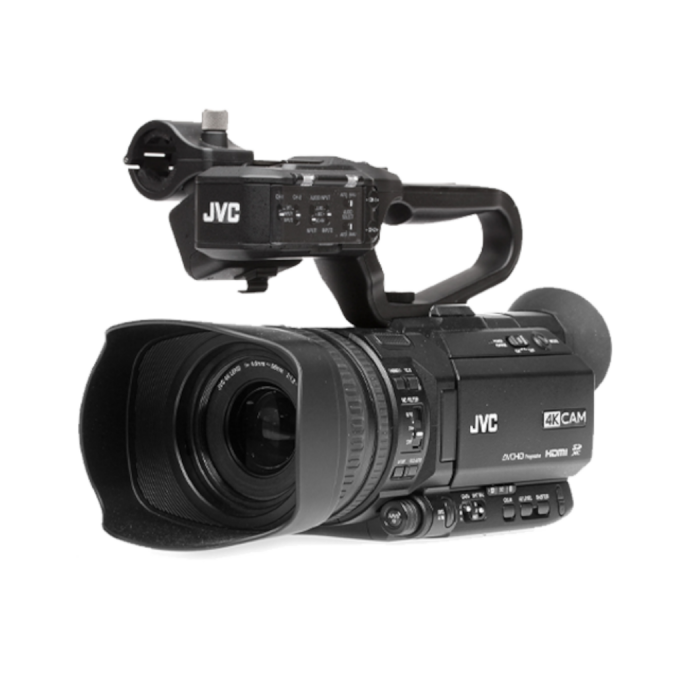
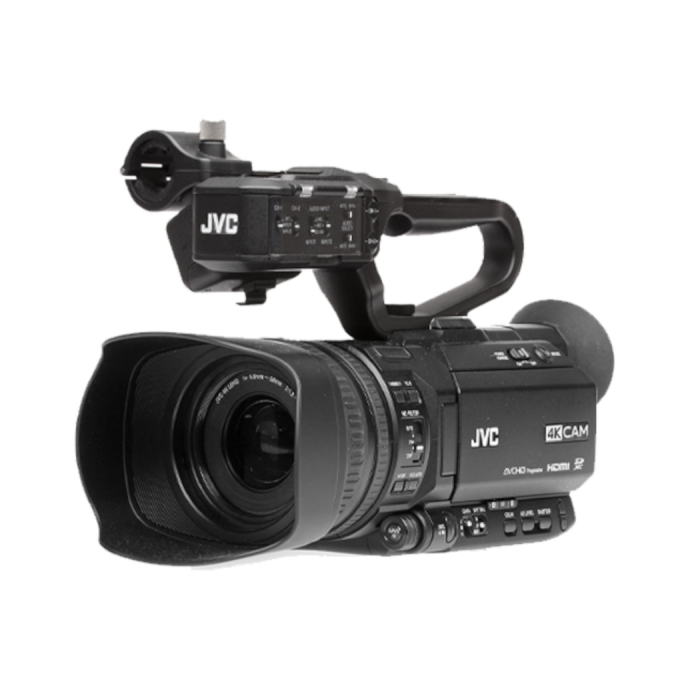
These camcorders shine when you need smooth servo zoom, straightforward operation, and extended takes, whether filming from a hide or covering animals at distance with consistent framing.
Lens Choices Explained: 18‑150 vs 55‑210 vs Wide Zooms
Wildlife often demands focal length—yet versatility matters. Here’s how the included kit lenses fit:
- RF‑S 18‑150mm (Canon EOS R10 kit): One‑lens convenience for broad coverage with a useful tele end. Ideal when hiking light and subjects vary.
- RF‑S 55‑210mm (R50 two‑lens kit): Compact telephoto for tighter framing of perched birds and medium‑distance mammals. Pair with 18‑45mm for landscapes and habitat context.
- XC 13‑33mm (X‑T30 III kits): Wide‑angle for storytelling and environmental wildlife. Add a telephoto to complete the kit.
- M.Zuiko 12‑45mm f/4 PRO (OM‑5 kit): All‑around coverage with excellent portability. For wildlife reach, add a longer MFT telephoto; the native 2x crop maximizes practical focal length.
Tip: If you regularly shoot small birds or distant subjects, prioritize a tele zoom as your main lens and keep a wide or standard zoom handy for habitat and scene‑setting shots.
Settings, Techniques, and Fieldcraft to Maximize Keeper Rates
- Autofocus modes: Use continuous AF with subject tracking for moving wildlife; reduce reliance on full‑area AF when cluttered foregrounds cause focus jumps.
- Shutter speed: Start around 1/1000s for birds and fast mammals; increase for rapid wingbeats or unpredictable movement.
- ISO and exposure: Don’t fear modest ISO bumps to hold shutter speed—clean files are easier than rescuing motion blur.
- Burst and buffer: Shoot short controlled bursts to capture peak action while preserving buffer headroom.
- Stabilization and support: Use IBIS/IS plus a monopod or tripod for static subjects; turn off stabilization when panning at fast speeds if your results look jittery.
- Technique: Anticipate behavior—learn perches, travel routes, and feeding windows; pre‑focus where action is likely.
- Fieldcraft: Respect wildlife distance, avoid stress, and follow local regulations and ethical guidelines.
Recommended Wildlife Kits by Scenario
- Hike‑light generalist: Canon EOS R10 with RF‑S 18‑150mm—versatile coverage and quick handling.
- Compact tele reach: Canon EOS R50 two‑lens kit—swap to RF‑S 55‑210mm when animals are at medium distance.
- Budget starter: Canon EOS R100 Double Lens Zoom Kit—learn technique, then expand with longer tele glass.
- Travel and color‑rich rendering: Fujifilm X‑T30 III—add a tele zoom for birds; enjoy film‑like color for nature scenes.
- Longest practical reach in a small package: OM SYSTEM OM‑5—pair with an MFT telephoto; rely on strong stabilization for handheld shots.
- Behavior video and long takes: JVC GY‑HM250SP or GY‑HM180U—servo zoom and robust recording workflow.
Conclusion: Find Your Wildlife Setup at Unique Photo
The “best” wildlife kit depends on your subjects, travel style, and budget. APS‑C and Micro Four Thirds deliver outstanding reach and portability, while full‑frame excels in low light and image quality—each can produce gallery‑worthy results with the right lens and technique. Visit Unique Photo online or in‑store to compare systems side‑by‑side, explore telephoto lens options, and get hands‑on advice from our team.
Internal linking suggestions for your next step at Unique Photo:
- Mirrorless Cameras category for system comparisons
- Canon EOS R cameras and RF‑S lenses
- Fujifilm X Series cameras and compatible telephoto lenses
- OM System cameras and Micro Four Thirds lenses
- Professional Camcorders for wildlife video rigs
- Photography classes and wildlife workshops
- Rentals for trying long telephotos before you buy