Full-Frame vs APS-C for Wildlife Photography: The Practical Guide
Choosing between a full-frame and an APS-C camera for wildlife photography comes down to how you shoot, the environments you frequent, and the lenses you’ll pair with your system. As a trusted camera retailer, Unique Photo helps wildlife shooters—from backyard birders to safari travelers—dial in the right combination of sensor size, autofocus performance, and lens selection for sharp, compelling images.
Full-frame vs APS-C for wildlife: which is better?
There is no one-size-fits-all answer. Each format excels in different wildlife scenarios:
- Full-frame: Best for low light, cleaner high-ISO files, wider real field of view (useful for environmental wildlife scenes), and generally broader lens ecosystems for premium telephoto options.
- APS-C: Favored for “reach” due to crop factor, packing more pixel density on target with the same lens, lighter bodies, and often lower overall system cost—great for birding and distant subjects.
At Unique Photo, we recommend choosing based on the wildlife you shoot most often and whether you prioritize reach, low-light performance, or overall portability.
Crop factor explained for wildlife photographers
Crop factor is the multiplier that changes your angle of view when using the same lens across sensor sizes. Typical APS-C bodies (1.5x or 1.6x) make a 400mm lens frame like a 600–640mm on full-frame, tightening the composition without changing the lens itself. In practice, this “free reach” helps fill the frame with small, distant subjects—especially birds and shy mammals.
However, the tradeoff is that APS-C sensors are smaller and can show more noise at very high ISO. Full-frame gives you more real estate per pixel, which usually translates to cleaner files and more flexibility in post.
Image quality and low-light performance
Wildlife emerges at dawn and dusk, so ISO performance matters. Full-frame sensors typically offer:
- Cleaner high-ISO files (less noise)
- Broader dynamic range for shadow detail
- Greater tonal smoothness when lifting exposure in post
APS-C sensors have improved substantially, but if you often shoot in dim forests, cloudy wetlands, or after sunset, full-frame retains the edge for image quality.
Autofocus, buffer, and burst: the real wildlife differentiators
Regardless of sensor size, modern mirrorless systems rise or fall on autofocus reliability and continuous shooting. Look for:
- Animal and bird subject-detection AF with solid tracking
- High burst rates with deep buffers (RAW preferred)
- Robust viewfinder and blackout control for continuous tracking
Pair fast AF with a steady support (tripod or gimbal) and you’ll hold more keepers whether you’re using APS-C or full-frame. Unique Photo carries a wide range of mirrorless bodies and telephoto lenses—visit us in-store for hands-on testing and AF tuning tips.
Telephoto lens pairing: reach vs field of view
Telephoto glass is where wildlife systems are made or broken. Consider:
- APS-C advantage: The tighter field of view helps you frame small subjects without ultra-long (and ultra-expensive) primes.
- Full-frame advantage: Access to a broad selection of high-end super-telephotos and cleaner files for cropping.
- Aperture matters: Faster lenses (lower f-numbers) help freeze action and keep ISO manageable at dawn/dusk.
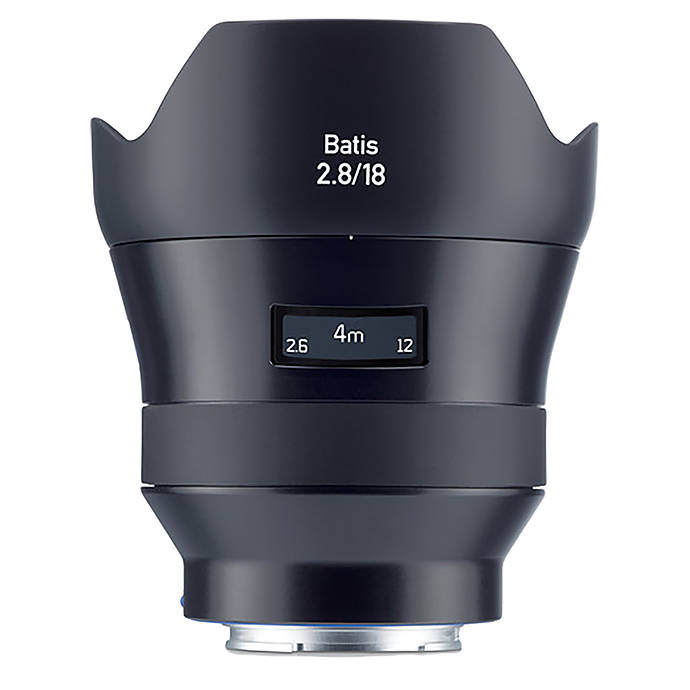
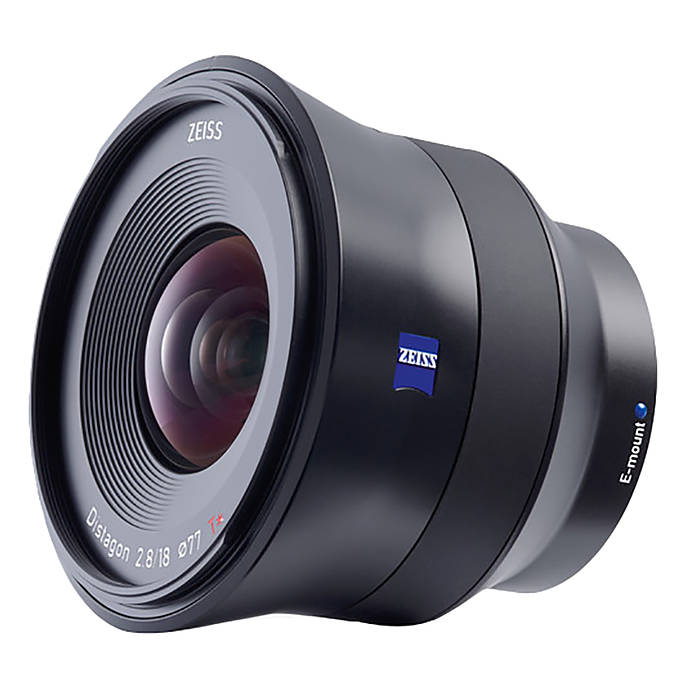
For environmental wildlife storytelling on full-frame E-mount, a compact wide like the Zeiss Batis 18mm f/2.8 can set the scene around your subject and habitat, complementing your long lens on a second body.
Wildlife video: APS-C or full-frame?
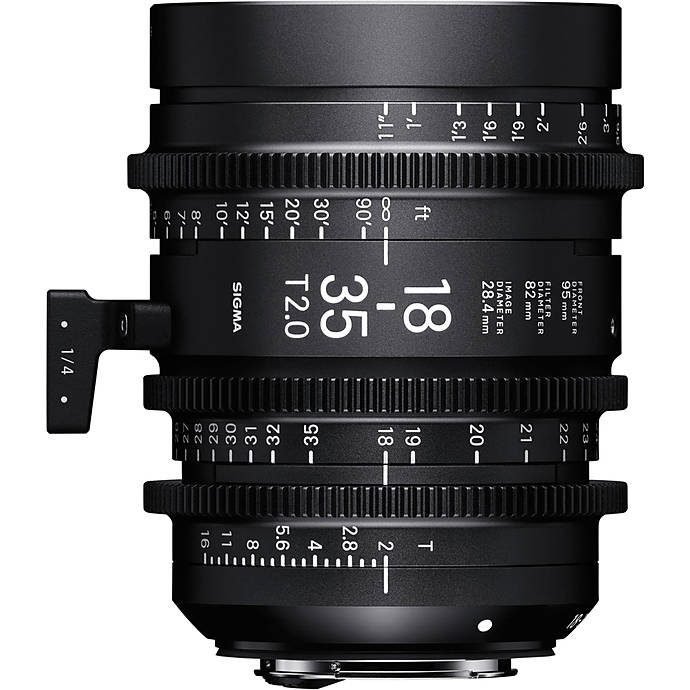
For video shooters, both formats work well. APS-C can be a smart choice when you want extra framing tightness and lighter rigs. A high-speed cine zoom like the Sigma 18-35mm T2 (Canon EF) gives you consistent T-stop, luminous markings, and crisp optics for low-light scenes and run-and-gun setups.
If you prefer shallower depth of field and cleaner high-ISO, full-frame excels for cinematic wildlife portraits and dramatic habitat footage. Unique Photo’s staff can help you match bodies, cages, and support systems for your specific shooting style.
Weight, cost, and travel considerations
Fieldwork rewards lighter kits and reliable batteries. APS-C bodies and lenses are generally lighter and more affordable, making them ideal for long hikes and budget-conscious birders. Full-frame systems trend heavier and pricier, but if you need robust image quality and plan to print large, the investment pays off.
Budget tip: Explore the Unique Photo Used & Trades department to stretch value on bodies, telephotos, and accessories. You can often step up a sensor class or lens grade without breaking the bank.
Workflow, printing, and display: finish strong
Sharp files deserve a good finish. After editing, consider how you’ll share your work:
- Large prints: Full-frame files often handle aggressive cropping and big print sizes better, but modern APS-C can still produce stunning wall art.
- Albums: Archiving your wildlife adventures in a handsome album is timeless.
- Framed prints: Present favorites in gallery-ready frames for your home or office.
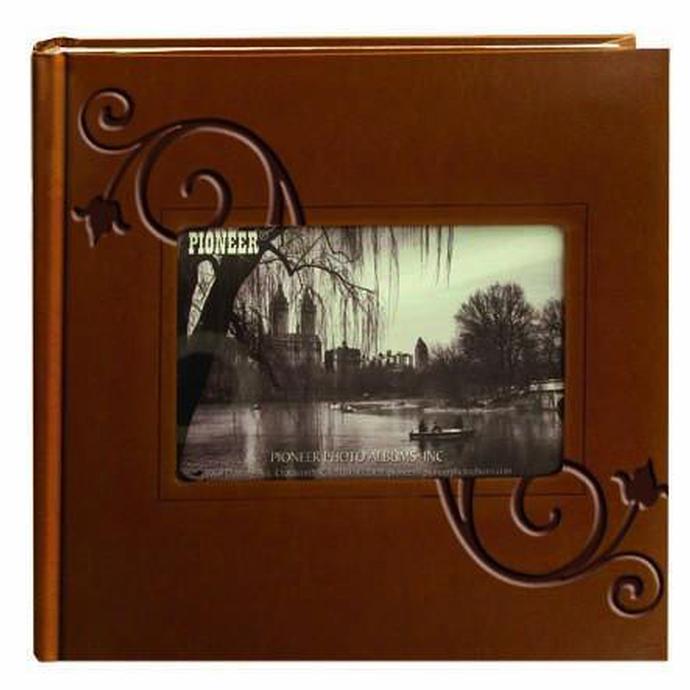
For curated keepsakes, the Pioneer 4 x 6 In. Embossed Leather Frame Photo Album stores up to 200 photos—perfect for trip highlights and seasonal sightings.
Best use cases at a glance
- Choose full-frame if you shoot low light often, print large, and want maximum dynamic range and clean ISO.
- Choose APS-C if you need more framing tightness with your existing lenses, prefer lighter kits, and want budget-friendly reach for birds/small mammals.
- Hybrid shooters: Consider APS-C for compact video rigs and full-frame for cinematic looks and shallow DOF; a two-body setup can be ideal.
Frequently asked questions
Do I lose resolution when using APS-C? Not inherently—many APS-C cameras have high pixel densities that place more pixels on distant subjects. Differences emerge in noise performance and dynamic range at higher ISOs.
Is crop factor the same as optical zoom? No. Crop factor changes angle of view; optical zoom changes focal length. The lens’s physical focal length and aperture still dictate light transmission and subject isolation.
Can I mix formats in one kit? Absolutely. Many wildlife shooters carry an APS-C body for reach and a full-frame body for low light and wider context.
Conclusion: build your wildlife kit with Unique Photo
Both full-frame and APS-C can deliver outstanding wildlife images. Align sensor size with your subjects, light levels, travel needs, and printing goals, then invest in reliable autofocus and the right lenses. Visit Unique Photo online or in our store to compare bodies side-by-side, test telephotos, and explore tripod/gimbal support.
Internal linking suggestions at Unique Photo:
- Full-Frame Mirrorless Cameras (link to category)
- APS-C Mirrorless Cameras (link to category)
- Telephoto Lenses for Wildlife (link to category)
- Mirrorless Lenses for Sony E-Mount (link to category)
- Used & Trades—Wildlife-Friendly Bodies and Lenses (link to category)
- Photo Printing Services (link to service)
- Customized Framed Prints (link to category)
- Photo Albums (link to category)
Need help tailoring a wildlife kit? Unique Photo’s experts are here to guide you—from sensor and lens choices to finishing your best shots in albums and frames.