Used Camera Gear FAQ: How to Buy Second-Hand Equipment with Confidence
Buying used camera gear can be one of the smartest ways to expand your kit, step up to higher-end equipment, or explore a new format without paying full retail price. The key is knowing what to inspect, which categories tend to hold their value, and how to shop from a trusted source so you can spend more time shooting and less time troubleshooting.
At Unique Photo, we help photographers and filmmakers evaluate used equipment every day. Below are some of the most common questions we hear about second-hand gear, along with practical advice for making a confident purchase.
Is buying used camera gear worth it?
Yes—when you buy carefully, used gear can offer excellent value. Many cameras, adapters, light meters, and accessories remain highly usable for years, especially when they were well maintained by the previous owner. Shopping used may let you move into a premium body, a specialized accessory, or a professional workflow tool that would otherwise be outside your budget.
Used gear is particularly attractive when you want to test a system, build out a backup kit, or add niche tools that are not always needed on every job. For example, a used lens adapter can be a very practical purchase because it extends the value of lenses you already own across multiple mounts.
What kinds of used equipment are usually the safest buys?
In general, simpler accessories and well-built mechanical products can be very strong used purchases. Adapters are a great example because they often have fewer wear points than a camera body, while still offering real utility in a hybrid kit. A product like the used Metabones EF to E Adapter can be especially appealing for Sony shooters who want to continue using Canon EF-mount lenses they already trust.
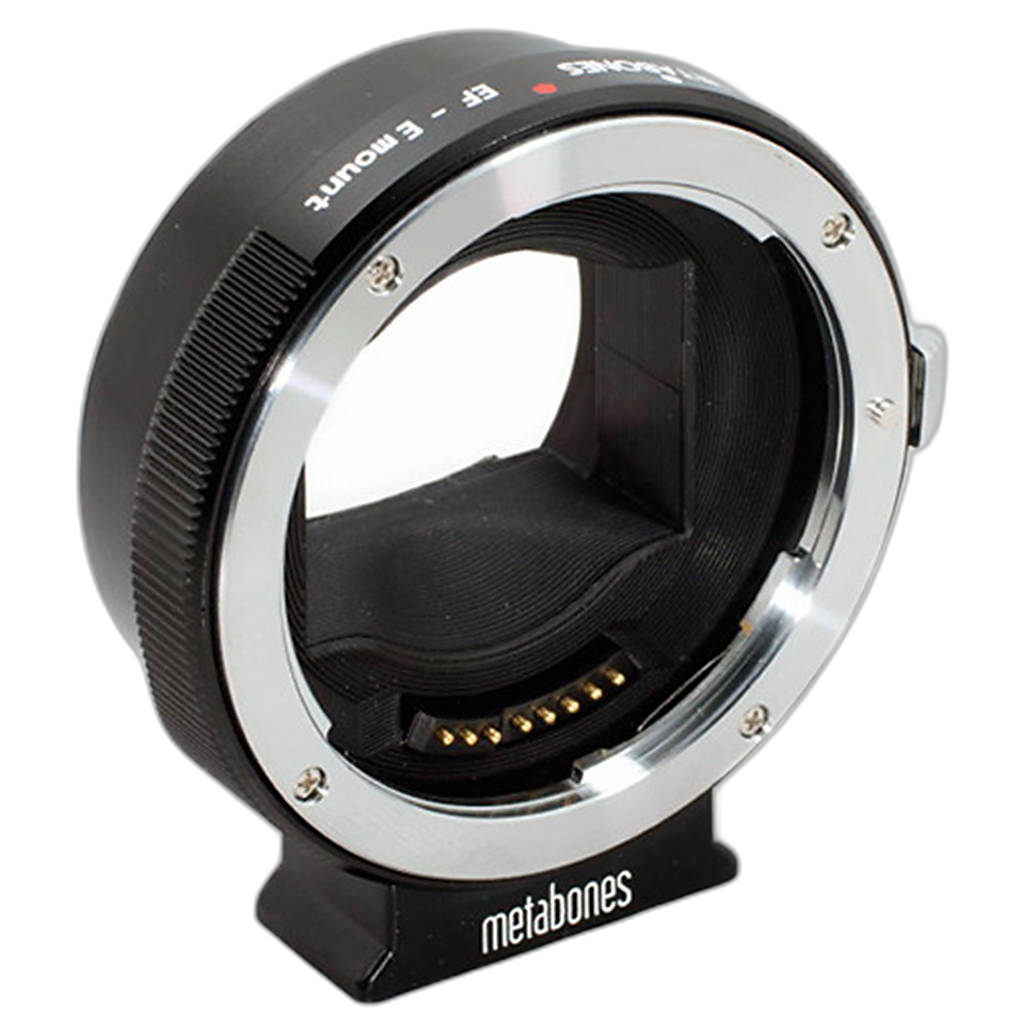
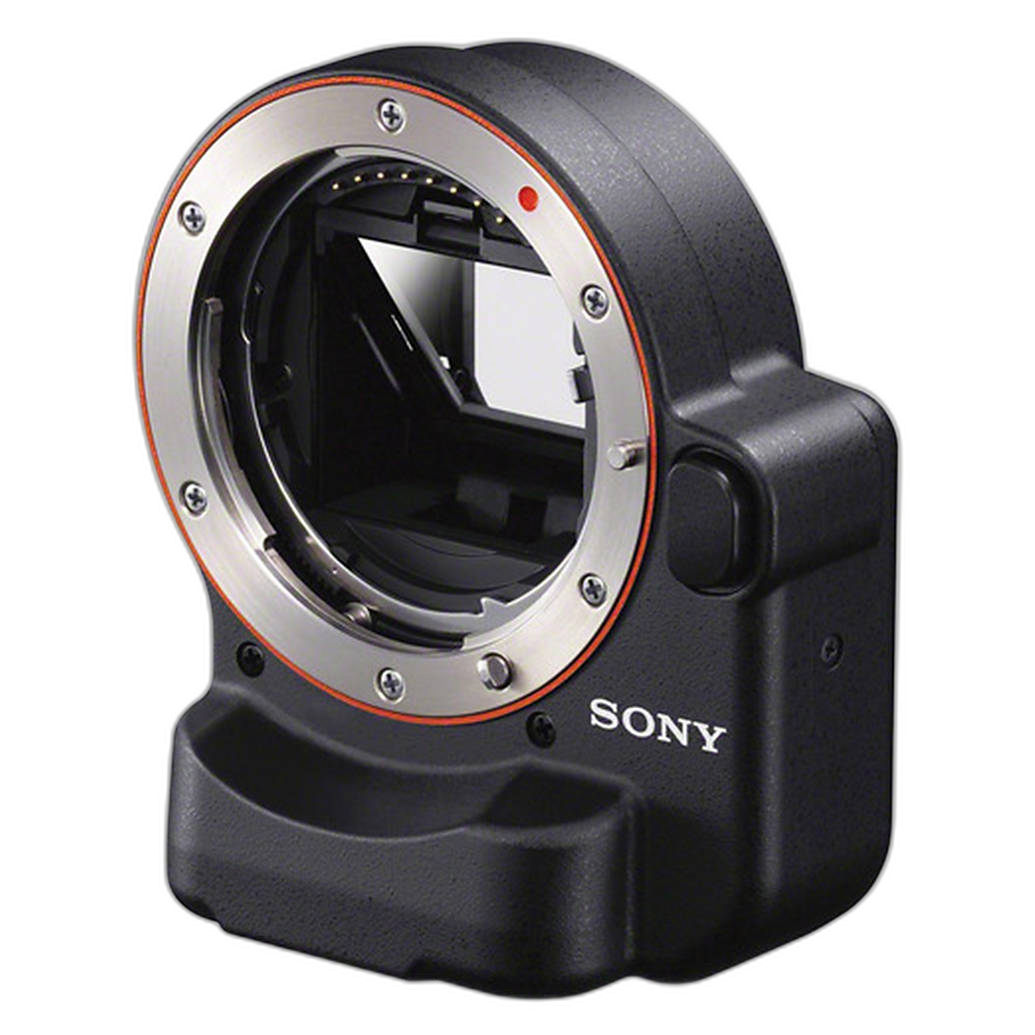
Likewise, mount conversion accessories such as the used Sony LA-EA2 A Mount to E Mount Adapter can help photographers unlock older A-mount glass on modern E-mount cameras, making used adapters a strong value category when condition is verified.
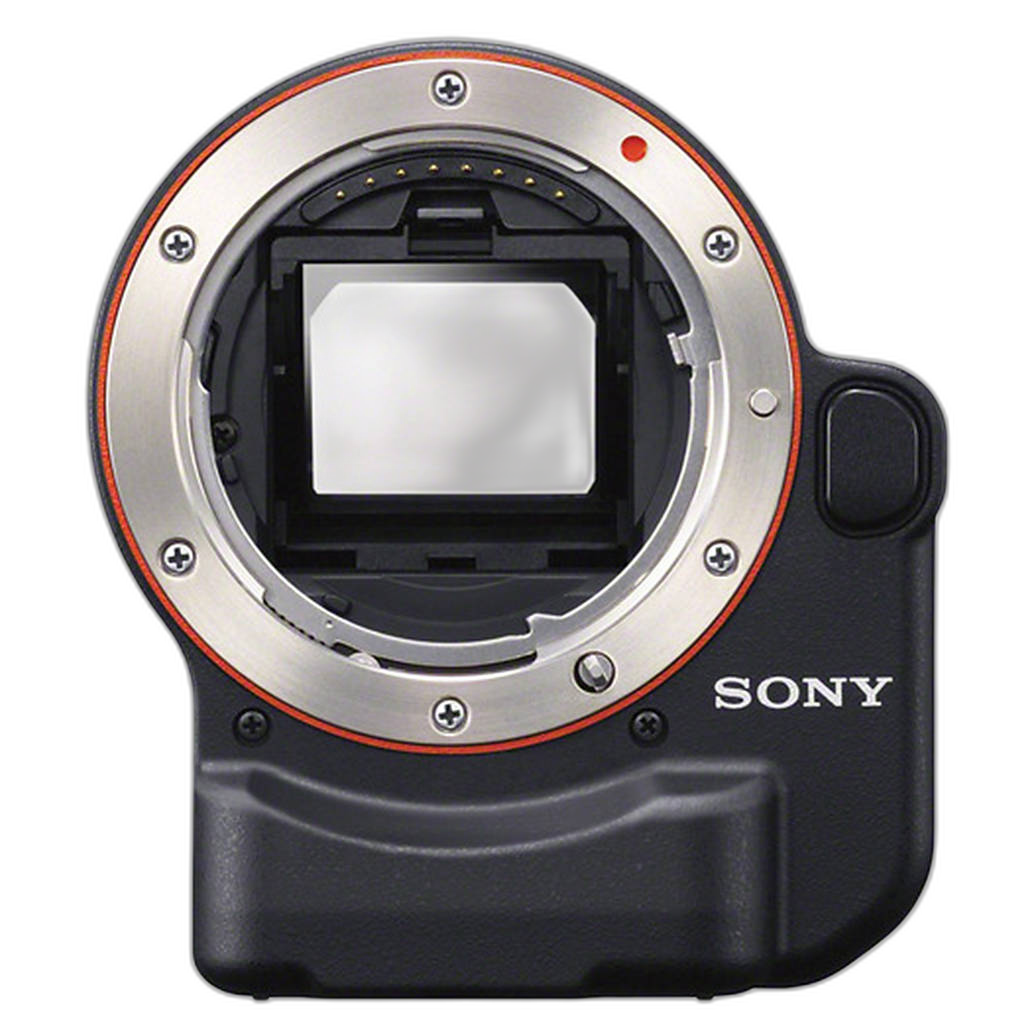
Light meters can also be worthwhile if they have been evaluated properly and the buyer understands the stated condition. If you shoot film or work in a more controlled lighting environment, a dedicated meter can still be a useful addition to your bag.
Which used items require the most careful inspection?
Camera bodies, film cameras, and cinema kits deserve the closest inspection because they combine electronics, moving parts, and cosmetic wear. Ask about shutter count when applicable, check button and dial responsiveness, inspect sensor or film transport condition, and look for signs of impact or moisture exposure.
Film cameras deserve extra care because age-related issues may not be obvious at a glance. For instance, a used Leica body can still be highly desirable, but buyers should pay close attention to rangefinder accuracy, shutter consistency, meter function, and service history. A listing such as a used Leica M6 Classic marked "as is" signals that you should understand exactly what is and is not functioning before purchase.
On the video side, a package like a used RED Komodo 6K kit may offer major savings, but it is wise to confirm included accessories, battery health, port condition, media compatibility, and any firmware or operational notes before committing.
How do I judge condition grades like excellent, fair, or as-is?
Condition grades matter because they help set realistic expectations. "Excellent" usually suggests lighter cosmetic wear and strong functional condition. "Fair" often means the item shows more visible wear but may still be fully usable. "As-is" is the category that requires the most caution, since it commonly indicates a known issue, incomplete testing, or a product being sold without standard functional assurances.
A fair-grade tool can still make sense if it is an accessory where cosmetic appearance is less important than function. For example, a used Sekonic L-488 Spot Meter in fair condition may still be appealing to photographers who prioritize measurement capability over appearance, provided the performance has been clearly represented.
If you want the reassurance of a current-generation meter and modern feature set, a new option like the Sekonic Speedmaster L-858D-U is worth considering instead of going used. For some buyers, paying more upfront for newer technology, expanded functionality, and factory-fresh condition is the better long-term value.
What products tend to hold their value best on the used market?
Gear that retains value well usually falls into a few categories: premium camera bodies with lasting demand, respected manual-focus or specialty systems, pro video tools, and branded accessories that solve a specific compatibility problem. Leica film cameras, for example, often remain desirable because of brand prestige, mechanical appeal, and collector interest. Professional cinema cameras can also stay strong when they remain relevant in production workflows.
Adapters from established brands frequently hold value because they remain useful even as a photographer changes bodies. That is one reason many buyers look to products like Metabones or Sony mount adapters on the used market. High-quality light meters and niche accessories can also maintain demand among film photographers and studio shooters.
In contrast, entry-level digital bodies often depreciate faster as newer models introduce better autofocus, sensors, and video features. If resale value matters to you, think about long-term demand before you buy.
How can I avoid common pitfalls when buying second-hand gear?
Start by buying from a trusted retailer that clearly identifies condition and notes known issues. Read the full listing carefully, especially for items marked "fair" or "as-is." Look at included accessories, battery chargers, caps, cages, plates, and adapters, because replacing missing pieces can quickly reduce the savings of buying used.
It is also smart to match the product to your real workflow. For example, if you are purchasing a flash accessory or older trigger-related hardware, make sure voltage compatibility and connections are correct. A simple safety accessory such as the Wein Safe-Sync hot shoe adapter can help protect modern cameras when integrating certain legacy flash components into your setup.
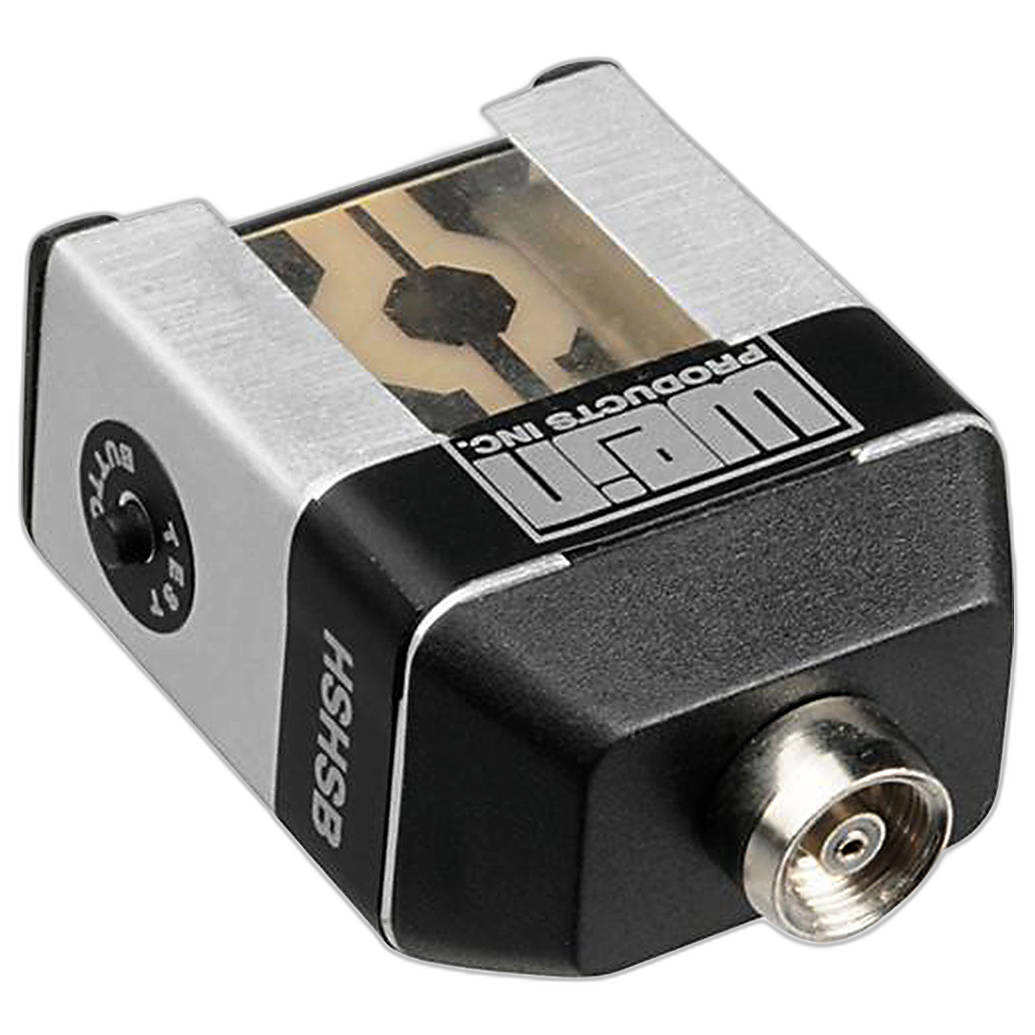
Finally, avoid assuming that every bargain is a good deal. An inexpensive item with hidden service needs, missing accessories, or compatibility limitations may cost more in the long run than a properly vetted example from a reliable source.
Are used adapters and accessories a good way to extend the life of my existing gear?
Absolutely. One of the smartest reasons to shop used is to make your current system more versatile without replacing everything you own. If you already have a collection of EF or A-mount lenses, a used adapter can dramatically increase your options on a modern mirrorless body. This is often far more cost-effective than immediately replacing a whole lens lineup.
That is where products like the used Metabones EF to E Adapter and the used Sony LA-EA2 adapter shine. They help bridge generations of equipment and can be especially useful for photographers transitioning systems gradually.
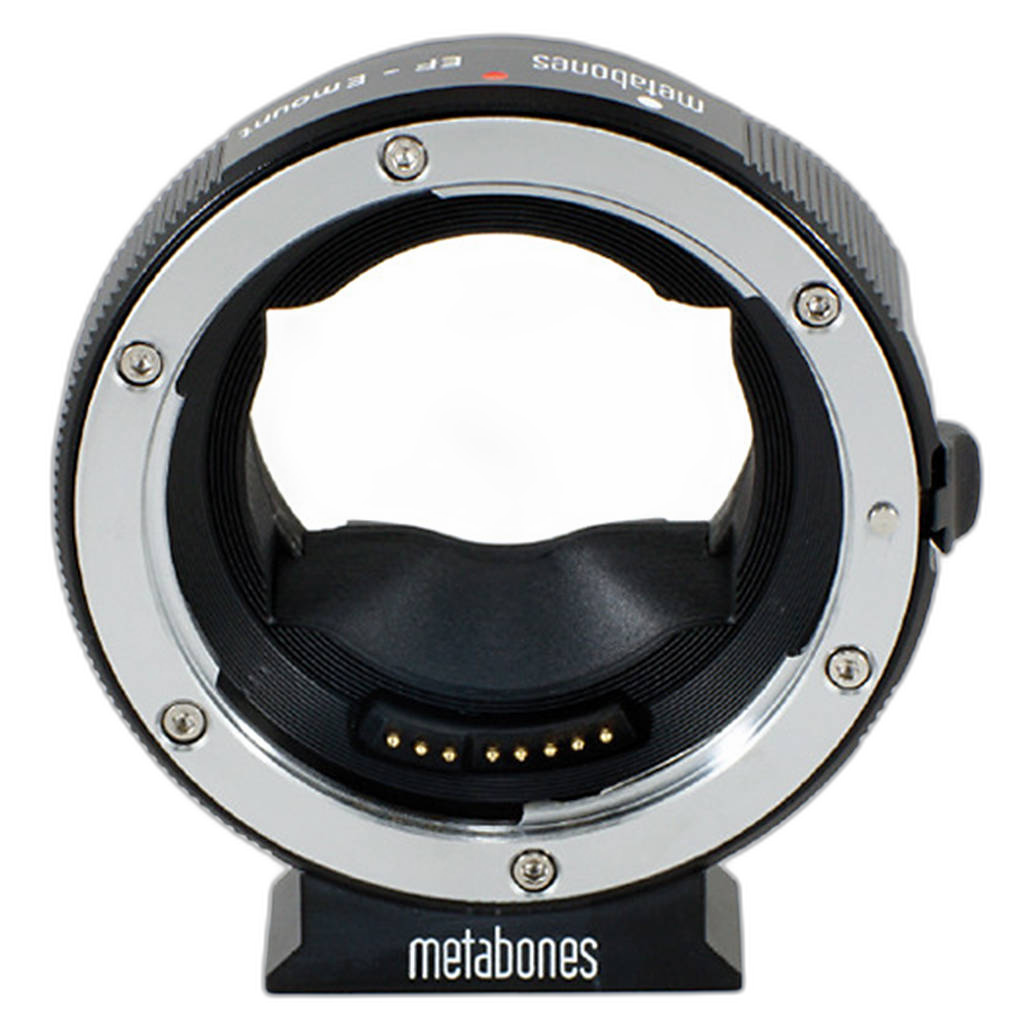
Accessories are often among the most practical used purchases because they can improve usability immediately while keeping your budget under control.
Should I buy used or new if I need dependable metering or mission-critical equipment?
If the gear is mission-critical for paid work, reliability should lead the decision. A used meter, adapter, or camera can still be a great choice if it has been accurately graded and tested, but for some professionals the peace of mind of buying new is worth the premium. That is especially true when the tool is central to your workflow and downtime would be costly.
For metering, a current model such as the Sekonic Speedmaster L-858D-U offers modern capability and is a strong option for photographers who need consistent results in studio, flash, or mixed-light environments. If your budget is tighter and the condition disclosure is acceptable, a used Sekonic meter can still be a practical alternative for learning or occasional use.
Where is the safest place to shop for used camera gear?
The safest place to shop is a reputable camera retailer that understands how to evaluate photographic equipment and provides clear condition descriptions. That gives you a better starting point than anonymous listings, especially for technical products where issues may not be obvious from a few photos alone.
At Unique Photo, used gear shoppers can compare specialized tools, legacy accessories, film equipment, and modern digital workflow products in one place. Whether you are looking for an adapter to revive lenses you already own, a meter to support your film work, or a pre-owned camera for your next creative step, shopping through a trusted retailer helps reduce guesswork.
Ready to explore used gear with more confidence? Browse Unique Photo's selection of pre-owned cameras, adapters, meters, and accessories to find equipment that fits your budget and your shooting style.