If you’re getting serious about home film developing, consistency is everything. Whether you’re learning how to load reels without frustration, trying to troubleshoot streaks and uneven negatives, or building a repeatable workflow from development through final scans and edits, the right tools and reference materials can make the process much easier. This guide is for photography enthusiasts who want practical help with home developing techniques, common darkroom issues, and producing reliable, high-quality results.
Below, we highlight a smart mix of hands-on developing gear and educational books that support your process from capture to finishing. For photographers building a home lab or refining an existing one, these are some of the most useful options to consider.
What to Look for When Building a Home Developing Workflow
A strong home developing setup usually comes down to three things: dependable equipment, a consistent shooting approach, and a clear post-processing workflow. A quality developing kit gives you the physical tools to process film at home, while good reference books help you solve the bigger problems that affect your negatives before and after development, including exposure accuracy, composition discipline, and digital finishing.
If your goal is cleaner negatives and more predictable outcomes, focus on products that help you standardize every stage of the process.
Our Pick
Best overall for home developing beginners and enthusiasts: Photographic Darkroom Film and Paper Developing Kit. It’s the most directly relevant choice for anyone ready to process film at home, and it provides the foundation for building a repeatable darkroom workflow.
Top Recommendations
Photographic Darkroom Film and Paper Developing Kit
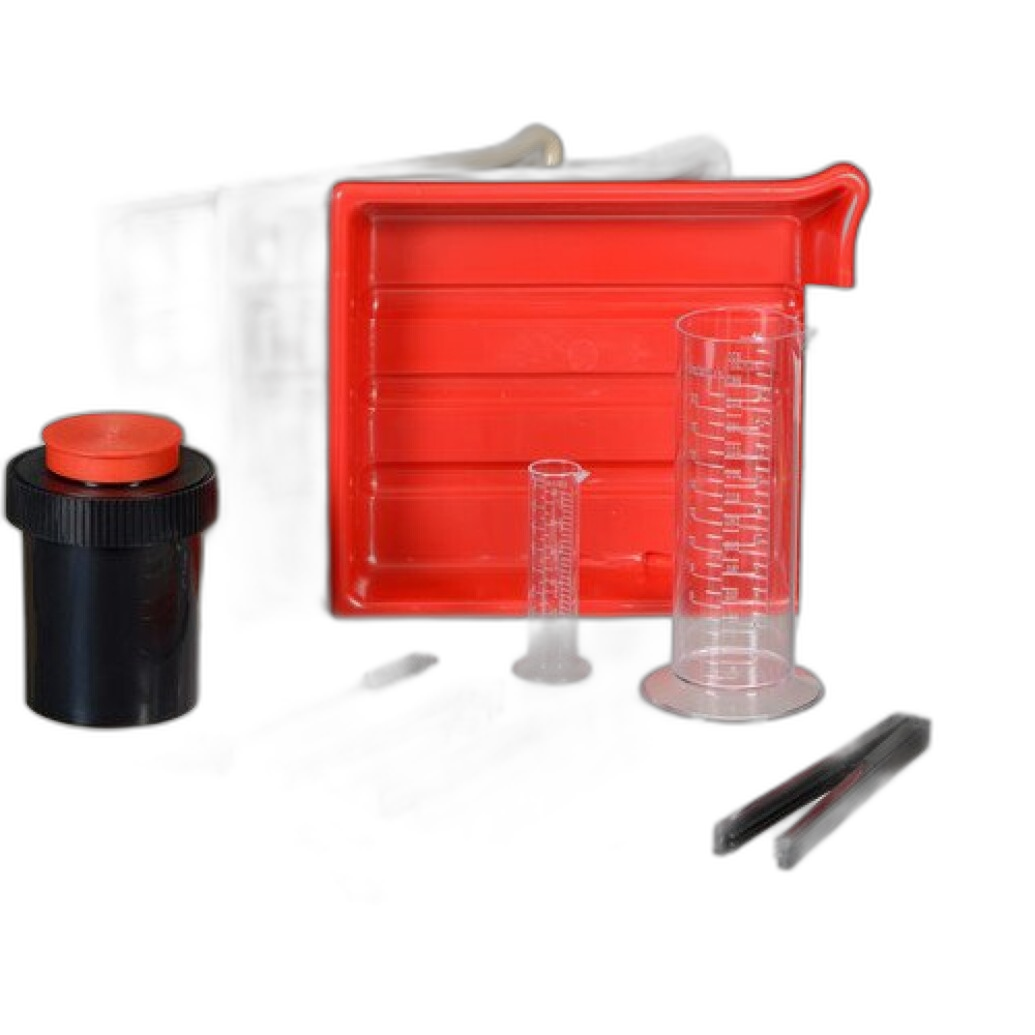
If you want to actively develop film at home, this is the essential starting point. A dedicated developing kit helps streamline the process and reduces the chances of inconsistent results caused by improvised tools or incomplete setups. For enthusiasts learning tank processing, timing routines, and chemical handling, a kit like this makes it easier to repeat your method from roll to roll.
It’s especially useful for photographers troubleshooting issues such as uneven development, accidental handling marks, or process inconsistency. By working with a purpose-built kit, you can focus on dialing in your chemistry, agitation, temperature control, and drying practices rather than patching together gear.
Best for: Home film developing, learning a repeatable process, and improving consistency.
The Enthusiasts Guide to DIY Photography by Mike Hagen
For photographers who enjoy the hands-on side of image-making, this book is an excellent companion. While not limited strictly to darkroom processing, it speaks directly to the DIY mindset that drives many home developers. If you like experimenting, building your own workflow, and understanding the “why” behind each step, this title fits naturally into a home lab library.
It’s a strong choice for enthusiasts who want to deepen their technical confidence and take a more active role in crafting their photographic process.
Best for: Creative experimenters, home workflow builders, and DIY-minded photographers.
The Enthusiasts Guide to Exposure by John Greengo
One of the most overlooked parts of successful home developing is what happens before the film ever reaches the tank. Exposure errors often show up later as thin negatives, blocked shadows, or highlights that are difficult to recover when scanning or printing. This book is a valuable resource for enthusiasts who want more consistent negatives from the start.
If you’re troubleshooting disappointing developed film, improving exposure technique can solve a surprising number of problems. Better exposure discipline means more printable, more scannable, and more forgiving negatives.
Best for: Achieving stronger negatives through better in-camera technique.
The Enthusiasts Guide to Lightroom by Rafael Concepcion
Once your negatives are developed and scanned, Lightroom becomes a key part of maintaining a clean, efficient finishing workflow. This book is a smart pick for film photographers who want to organize scans, batch-adjust tonal balance, and keep results consistent across multiple rolls or projects.
For anyone sharing home developing techniques online or archiving long-term work, a structured Lightroom workflow can save time and improve consistency.
Best for: Organizing and refining scanned negatives with an efficient digital workflow.
The Enthusiasts Guide to Photoshop by Rafael Concepcion
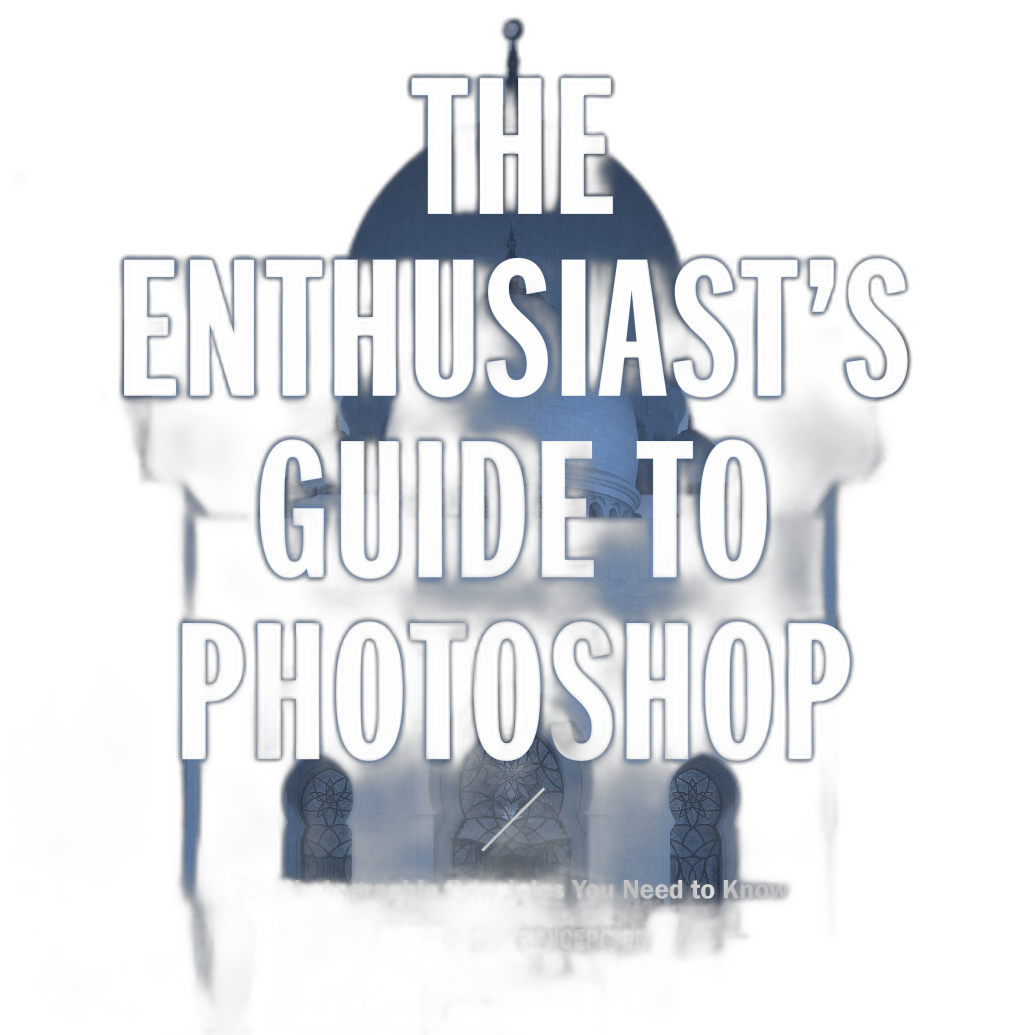
Photoshop is particularly helpful when your scanned film needs more precise correction. Dust cleanup, tonal refinement, spotting, and detailed retouching are all common finishing steps for home developers working toward polished final images. If you regularly run into scan cleanup issues or want more control over your final output, this book is a practical addition.
It’s especially useful for enthusiasts who want to overcome imperfections without sacrificing the analog character of their work.
Best for: Detailed scan cleanup, retouching, and fine image control.
The Enthusiasts Guide to Composition by Khara Plicanic
Developing film at home is rewarding, but strong results still depend on strong images. Composition helps ensure your effort in the darkroom pays off with frames worth refining and preserving. This book supports better visual decision-making in camera, which is especially important when every exposure on a roll counts.
For photographers trying to get more keeper frames from each roll, improving composition can be just as important as improving chemistry control.
Best for: Making each frame more intentional before development begins.
Rocky Nook Enthusiasts Guide Multi-Shot Techniques Alan Hess
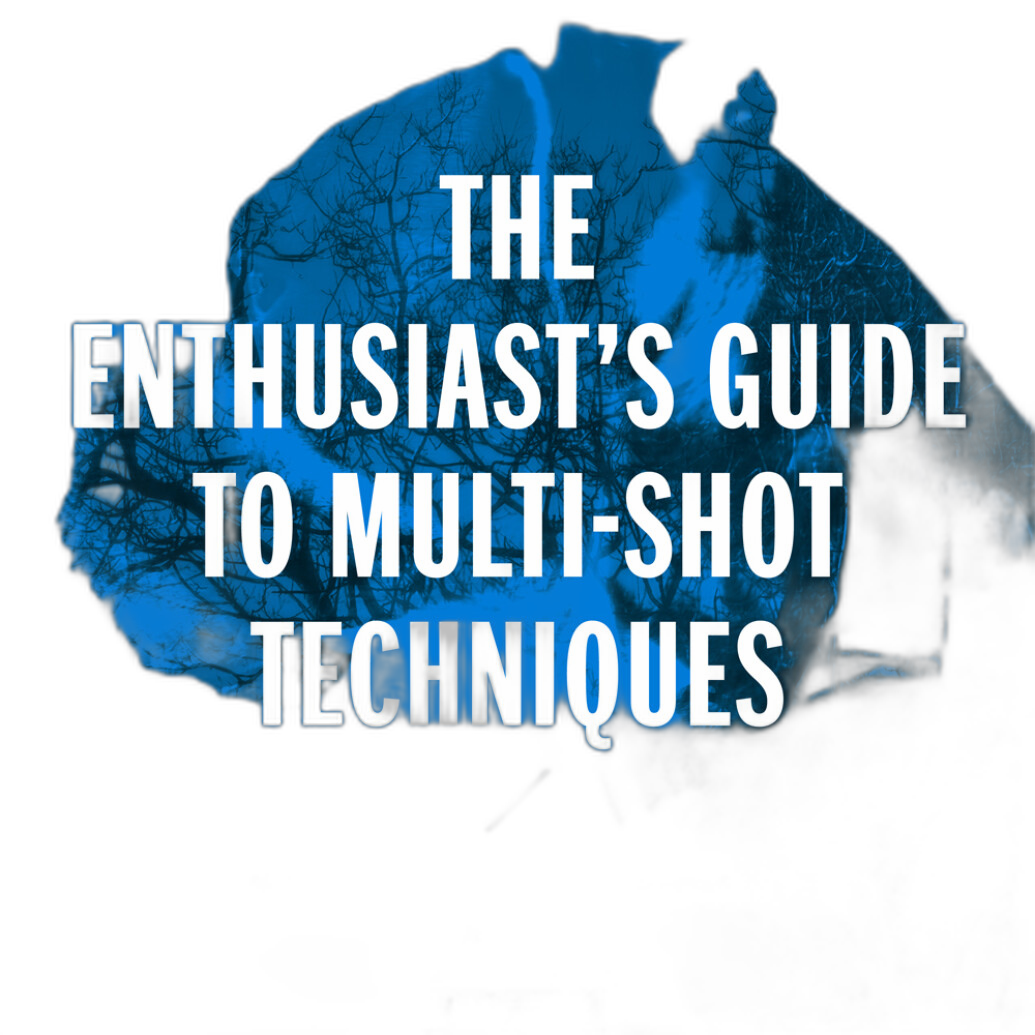
While this title is less directly tied to darkroom technique, it can appeal to enthusiasts exploring more advanced capture methods and creative workflows. If you like combining careful technique with experimentation, it adds another dimension to your photographic education. It’s best viewed as a creative supplement rather than a core home developing resource.
Best for: Enthusiasts expanding into advanced capture ideas alongside their darkroom practice.
The Enthusiasts Guide to Portraiture by Jerod Foster
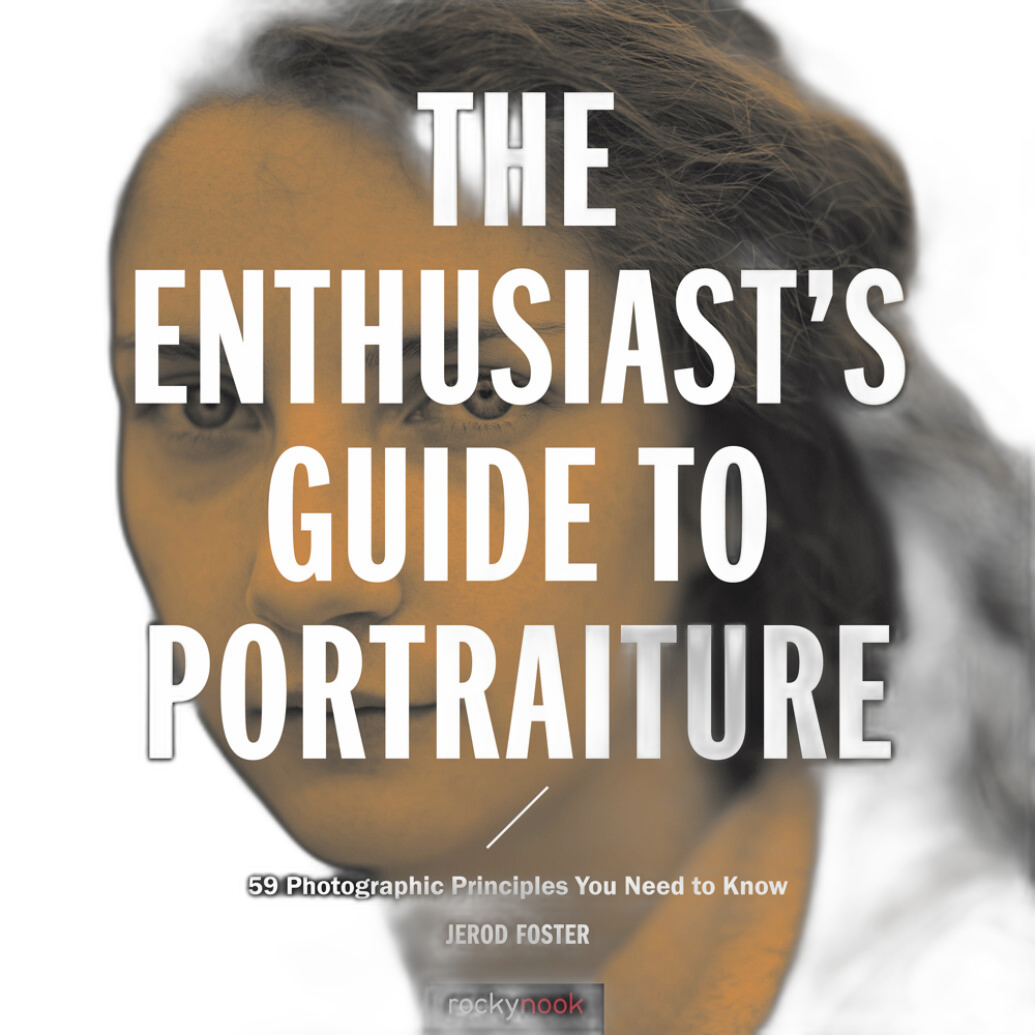
Portrait photographers developing film at home often need especially reliable exposure and processing habits, since skin tones and subtle gradations can reveal inconsistencies quickly. This book is a good pick if much of your film work centers on people and you want stronger portrait captures before heading into development and scanning.
Best for: Film portrait shooters who want stronger source images and better final consistency.
Comparison Table
| Product | Type | Best For | Why It Matters for Home Developing |
|---|---|---|---|
| Photographic Darkroom Film and Paper Developing Kit | Developing kit | Hands-on home processing | Provides the core tools needed for a repeatable film developing workflow |
| The Enthusiasts Guide to DIY Photography | Book | DIY-minded photographers | Supports experimentation and a hands-on approach to photographic processes |
| The Enthusiasts Guide to Exposure | Book | Consistent negatives | Helps reduce exposure-related issues before development begins |
| The Enthusiasts Guide to Lightroom | Book | Scan organization and batch editing | Improves consistency and efficiency after scanning |
| The Enthusiasts Guide to Photoshop | Book | Detailed retouching | Useful for dust cleanup, tonal correction, and finishing scans |
| The Enthusiasts Guide to Composition | Book | Stronger in-camera results | Helps maximize the quality of each frame you develop |
| Rocky Nook Enthusiasts Guide Multi-Shot Techniques | Book | Creative experimentation | Adds advanced capture ideas to a broader enthusiast workflow |
| The Enthusiasts Guide to Portraiture | Book | Portrait film shooters | Supports stronger portrait captures for better developed results |
How to Choose the Right Option
If you’re just starting home development, begin with the Photographic Darkroom Film and Paper Developing Kit. It’s the most practical investment and the one product here that directly enables the process. From there, add learning resources based on where your biggest challenges are.
- If your negatives are inconsistent: choose The Enthusiasts Guide to Exposure.
- If you want a more hands-on, experimental mindset: choose The Enthusiasts Guide to DIY Photography.
- If your scans need cleanup and polish: choose The Enthusiasts Guide to Photoshop.
- If you need a better scan management workflow: choose The Enthusiasts Guide to Lightroom.
- If you want more successful frames per roll: add The Enthusiasts Guide to Composition.
Conclusion
For most enthusiasts interested in sharing home developing techniques, solving common darkroom problems, and achieving more dependable results, the best place to start is the Photographic Darkroom Film and Paper Developing Kit. Pair it with The Enthusiasts Guide to Exposure for stronger negatives and either Lightroom or Photoshop guidance for a cleaner digital finishing workflow. Together, these choices create a practical path toward more consistent, high-quality results at home.
If you’re ready to build out your setup or expand your photo education library, Unique Photo is a great place to find the tools and resources to support your next stage in home film developing.