Portrait Photography FAQ: Lenses, Lighting, Posing, and Creative Growth
Portrait photography often raises the same big questions: which lens is most flattering, how should you light a face, and what actually helps a subject look natural on camera? At Unique Photo, we help photographers build both technical skill and creative confidence, whether they are refining headshots, family portraits, or more stylized editorial work.
This FAQ covers the essentials behind stronger portraits, from lens choice and light shaping to posing psychology and artistic technique. We have also included a few educational event options from Unique Photo that can help photographers deepen their portrait workflow in a practical, hands-on way.
What focal length is best for flattering portraits?
For many photographers, short telephoto focal lengths are the safest starting point for flattering portraits. Lenses in the 85mm to 135mm range on full-frame cameras are popular because they create a natural-looking perspective, reduce facial distortion, and allow comfortable working distance between photographer and subject. On APS-C cameras, a 50mm to 85mm lens often delivers a similar look.
That said, the best portrait lens depends on the type of image you want to make. Environmental portraits may benefit from a wider focal length so you can include more context, while tight headshots usually look best with longer lenses that compress features more gently. If you want to better understand how lens choice changes facial rendering and overall mood, educational programs focused on facial shaping can be extremely helpful.
Unique Photo often recommends learning-based experiences like NJCS: Shaping the Face with Lenses and Light with Erik Valind (Tamron) for photographers who want a stronger grasp of how optics and lighting work together in portraiture.

How do I light a face so it looks dimensional instead of flat?
Flat-looking portraits usually come from light placed too close to the camera axis or from lighting setups that do not create enough shadow transition across the face. To add dimension, move the light source off-center and slightly above eye level, then adjust the angle until you see gentle highlights and shadows that define cheekbones, jawlines, and facial contours.
Soft light is generally more forgiving for portraits, especially when working with larger modifiers. However, soft does not have to mean boring. The direction of the light matters just as much as its softness. A reflector or fill light can control contrast without eliminating shape, and careful positioning helps preserve a natural three-dimensional look.
Photographers wanting a more complete understanding of portrait lighting and output can benefit from education that connects capture to final presentation. NJCS: Light it, Shoot it, Print it... with Bob Davis (Canon) is a strong example of a workshop-style learning opportunity that reinforces the full creative process.

What is the best way to pose people who say they are awkward in front of the camera?
Most people are not truly unphotogenic; they are simply uncomfortable, under-directed, or overthinking the process. The key is to give simple, specific prompts instead of vague instructions. Rather than saying "look natural," guide them with small actions like shifting weight to the back foot, relaxing the shoulders, turning the chin slightly, or bringing the forehead subtly toward the camera.
Hands, posture, and connection between body angles matter more than many photographers realize. Even a small adjustment in elbow placement or body rotation can change the image from stiff to polished. It also helps to build poses gradually, starting with a strong basic stance and refining from there instead of trying to force a complicated pose all at once.
For photographers who want to become more confident directing subjects, EXPO: Flattering and Purposeful Posing with Jerry Ghionis (Nikon) is especially relevant. It focuses on intentional posing choices that improve both appearance and visual storytelling.

How important is psychology in portrait photography?
Psychology is central to portrait photography because a portrait is not only about lighting and composition; it is also about trust, comfort, and expression. The best portraits often come from creating an environment where the subject feels seen, guided, and relaxed enough to reveal something genuine.
Good portrait photographers learn to read energy, pace the session properly, and communicate with intention. Some subjects need reassurance, some need direction, and others respond best when conversation flows naturally. Understanding personality and emotional cues can help you capture expressions that feel authentic instead of forced.
Unique Photo offers educational opportunities that explore these softer but essential portrait skills, including EXPO: The Psychology of the Portrait - Part 1 with Chris Knight (Fujifilm) and EXPO: The Psychology of the Portrait - Part 2 with Chris Knight (Fujifilm). These kinds of sessions can help photographers move beyond technical competence into more meaningful portrait creation.


Can I create artistic portraits mostly in-camera?
Yes, and many photographers find that making more creative choices in-camera improves both efficiency and artistic discipline. Lens selection, aperture, subject placement, color, available light, and camera angle can all transform a portrait before editing begins. Working this way often leads to more intentional images and less dependence on heavy post-production.
In-camera artistry can include using foreground elements for depth, embracing motion creatively, framing through architecture or foliage, and timing expressions more carefully. It can also mean experimenting with white balance and ambient light to shape mood at the moment of capture rather than trying to rescue the image later.
If that approach appeals to you, PCS: In-Camera Artistry with Jerry Ghionis (Nikon) is a valuable example of education focused on seeing creatively while shooting.

How do I keep improving as a portrait photographer beyond gear upgrades?
Upgrading gear can be helpful, but growth in portrait photography usually comes faster from education, practice, and feedback. Repeating the same setup with different subjects teaches you how faces respond to light. Studying posing patterns helps you solve common issues quickly. Reviewing your own work critically helps you notice habits that may be limiting your results.
Workshops, classes, and live demonstrations are especially useful because they compress years of trial and error into practical lessons. Seeing how an experienced educator directs a subject, modifies light, or builds a frame can be more valuable than simply buying another accessory. Unique Photo regularly offers events and learning experiences that support this kind of growth.
For photographers interested in broader creative development, EXPO: Time Travel with Frederick Van Johnson (Panasonic) can inspire new ways of thinking about image-making and visual storytelling beyond routine portrait techniques.

Does learning film photography help with portrait skills?
Absolutely. Film photography can sharpen portrait skills by slowing down your process and encouraging stronger decisions before pressing the shutter. Because each frame carries more weight, photographers often become more deliberate about exposure, composition, timing, and subject direction. That discipline translates well to digital portrait work.
Film can also deepen your understanding of tonal range, grain, color response, and the visual character of different emulsions. Even if you primarily shoot digital, experimenting with film can make you more attentive to light quality and help you develop a more thoughtful visual style.
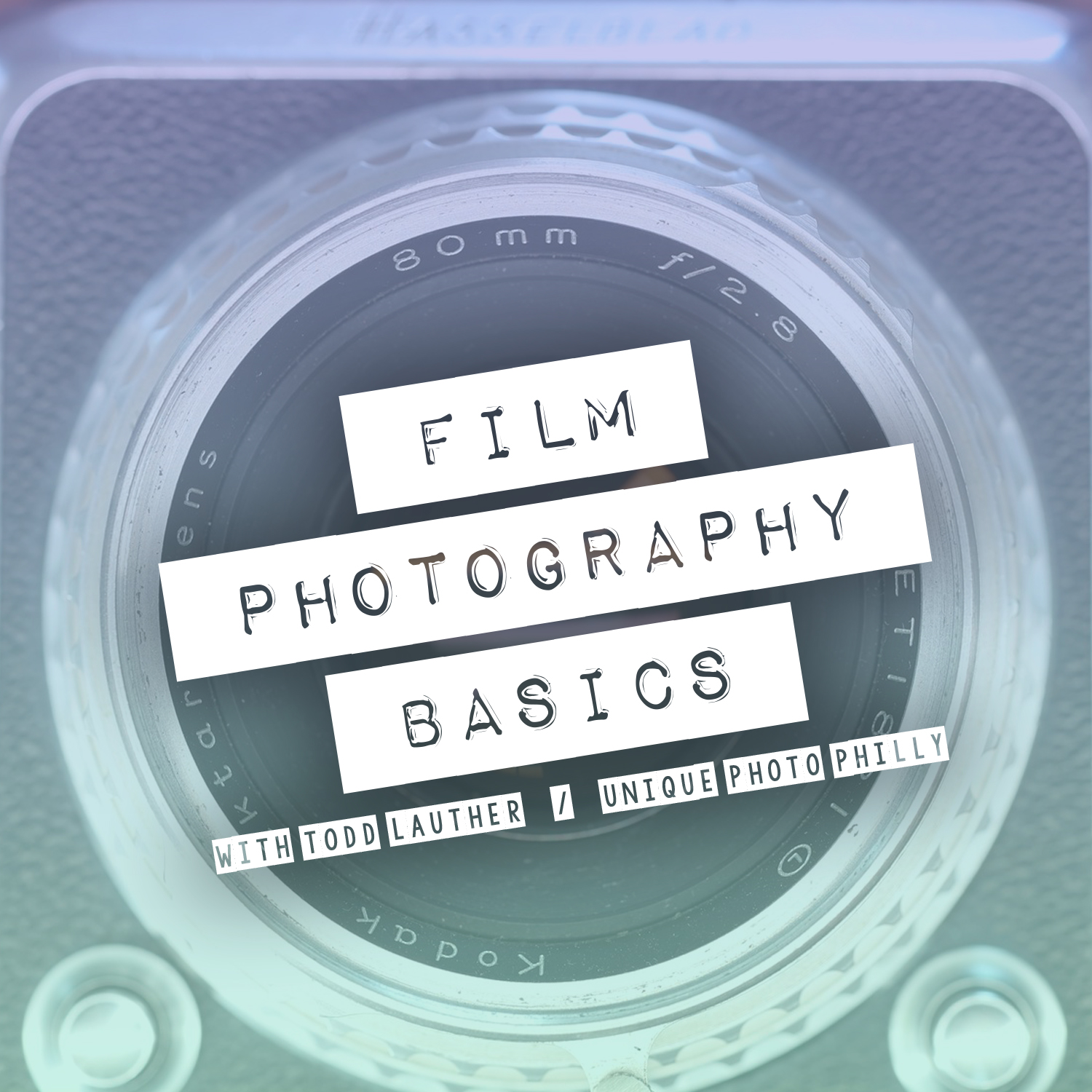
For photographers curious about that path, Film Photography Basics with Todd Lauther (Philly) is a smart starting point for building foundational knowledge.
What should I focus on first if I am new to portrait photography?
Start with three fundamentals: lens choice, light direction, and communication. Choose a focal length that flatters your subject without forcing you too close. Learn one dependable light setup, such as a soft key light placed slightly off-axis with simple fill. Then spend as much energy on directing and reassuring your subject as you do on camera settings.
Once those basics feel consistent, add posing refinements, creative composition, and more advanced lighting patterns. New portrait photographers often improve fastest by mastering one reliable workflow rather than trying every technique at once. Education can accelerate that process by helping you avoid common mistakes and build good habits early.
Whether you are interested in posing, facial shaping, psychology, or in-camera creativity, Unique Photo offers a range of classes and event experiences designed to help photographers at every level become more confident portrait makers.
Ready to take the next step in your portrait photography journey? Explore workshops, events, and creative learning opportunities at Unique Photo to sharpen your technique, expand your style, and make stronger portraits with confidence.