Sony Portrait Lenses FAQ: Prime vs Zoom Tips for Better Comparisons
Choosing between a prime and a zoom lens for portraits can feel simple until you start comparing focal length, background blur, framing flexibility, and working distance all at once. At Unique Photo, we recommend evaluating lenses based on how you actually shoot portraits—posed sessions, environmental portraits, video interviews, or fast-moving productions—so your lens choice supports your style instead of limiting it.
If you are using a comparison tool to evaluate Sony E-mount options, the goal is not just to find the sharpest lens on paper. It is to understand how a fixed focal length like a 50mm prime differs from a range such as 50-100mm in real portrait situations.
What is the biggest difference between a prime and a zoom lens for portraits?
A prime lens has a single focal length, which means you move your camera position to change composition. For portrait work, that often encourages more deliberate framing and consistency from shot to shot. A zoom lens covers a focal range, letting you adjust framing quickly without physically changing your position as much. For Sony portrait shooters, that difference matters when you are balancing creative control with speed on set.
A 50mm prime is a classic starting point because it offers a natural perspective that works for half-body portraits, full-body shots, and some environmental work. A zoom such as the Sigma 50-100mm T2 Fully Luminous High-Speed Zoom Lens for Sony E gives you much more flexibility, especially when you want to move from a wider portrait look to a tighter headshot without stopping to swap lenses.
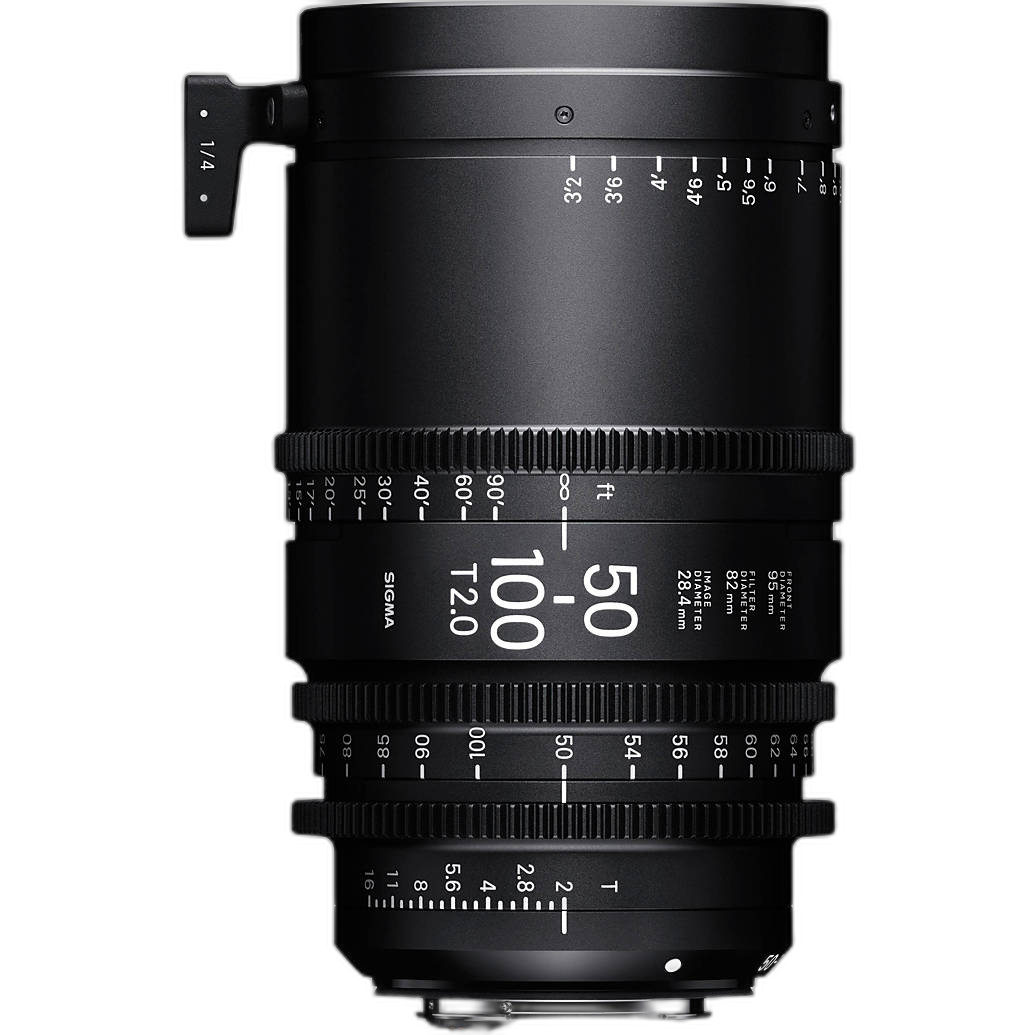
In short, primes often win on simplicity and discipline, while zooms win on versatility and efficiency.
How should I compare portrait lenses using a lens comparison tool?
Start by comparing the focal lengths you truly use most often. For portraits, that usually means looking closely at normal to short telephoto options. Instead of only comparing specs, think through three practical questions: how far you like to stand from your subject, how much of the environment you want in the frame, and whether you need to reframe quickly during a session.
For example, comparing a 50mm prime to a 50-100mm zoom gives you a useful real-world contrast. At 50mm, both can produce a flattering portrait perspective, but the zoom lets you extend toward 85mm or 100mm-style framing behavior without changing lenses. If you routinely switch between medium portraits and tighter beauty shots, a zoom may save time and keep your session moving.
Also compare maximum aperture or T-stop, size, weight, and consistency across a set. If your work includes portrait video on Sony cinema or hybrid bodies, matching lenses across a project can be just as important as pure optical performance.
Is a 50mm prime a good choice for Sony portrait photographers and filmmakers?
Yes. A 50mm lens remains one of the most dependable portrait focal lengths because it is flexible, flattering, and easy to use in both studio and location settings. On Sony E-mount systems, a 50mm can work especially well for natural-looking portraits, seated poses, and interview-style video where you want a classic perspective.
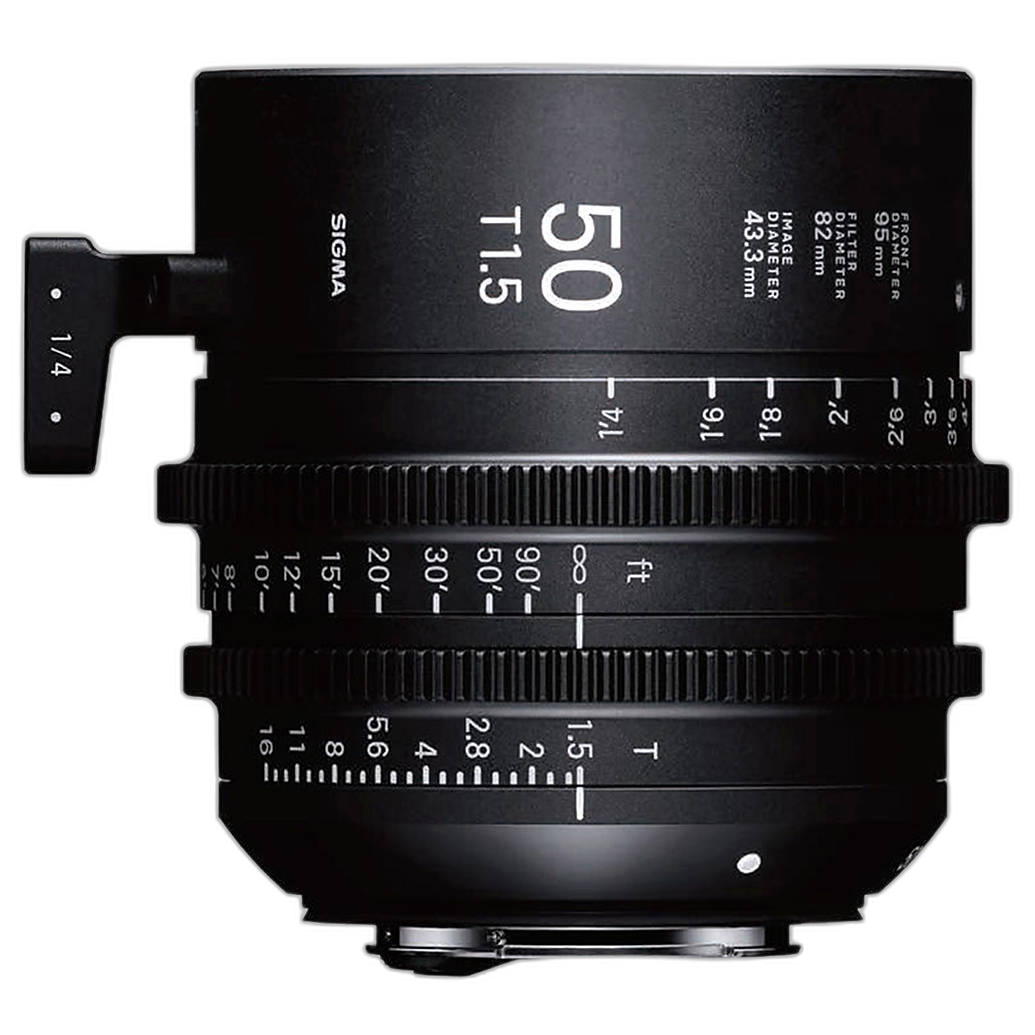
The Sigma 50mm T1.5 Fully Luminous FF High-Speed Prime Lens (Sony E) is a strong option when you want a dedicated portrait focal length with fast light-gathering performance and cine-oriented handling. It is a smart fit for creators who value consistency, controlled focus work, and a refined single-lens setup for portraiture or talking-head production.
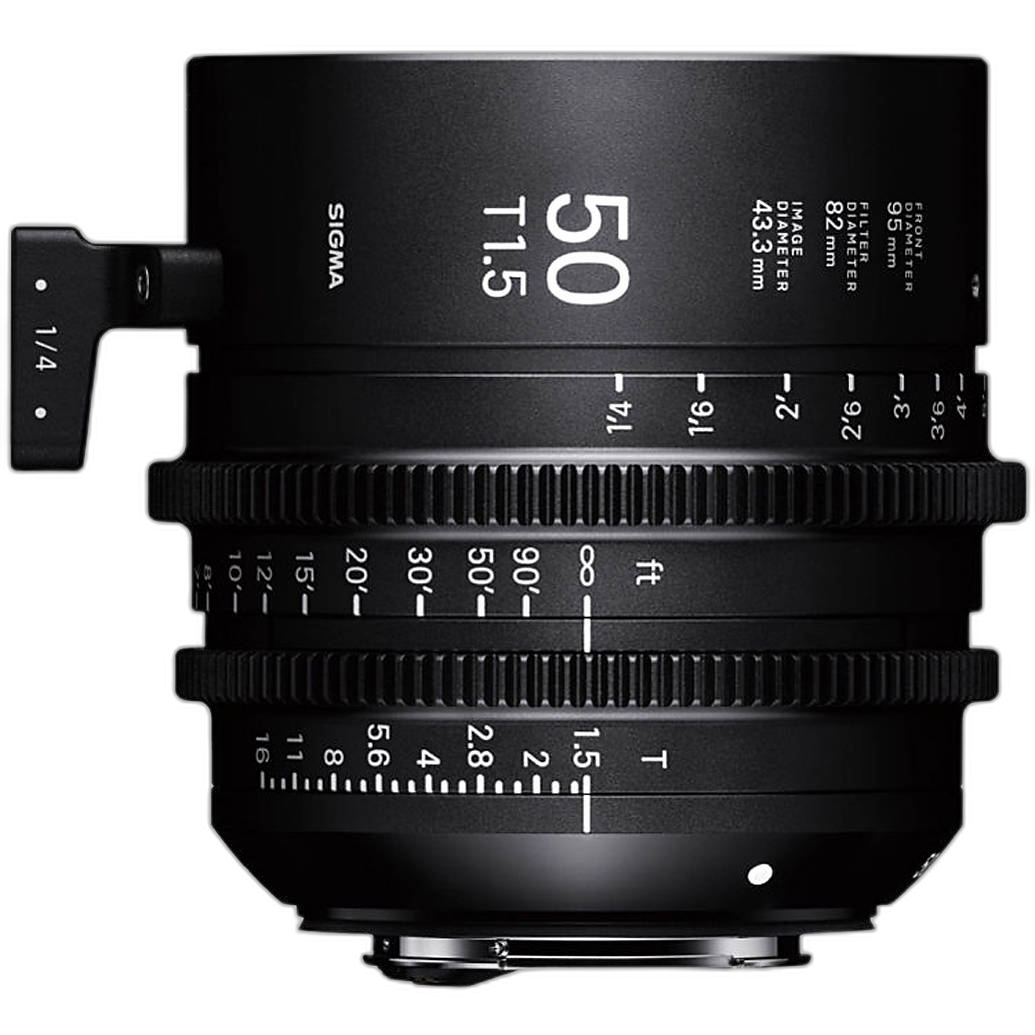
Another option is the Sigma 50mm T1.5 FF High-Speed Prime Lens (Sony E), which also gives Sony shooters a focused, dedicated portrait solution. If your style leans toward careful composition and you enjoy working a scene with your feet rather than a zoom ring, a 50mm prime is a very compelling choice.
When is a zoom lens better than a prime for portraits?
A zoom lens is often the better choice when your portrait sessions move quickly or your shooting environment changes constantly. This is common at events, on commercial sets, during client sessions with multiple looks, or in video production where changing lenses interrupts momentum. A zoom also helps when your working distance is restricted and you cannot simply step backward to recompose.
The Sigma 50-100mm T2 Fully Luminous High-Speed Zoom Lens for Sony E is particularly useful for portrait shooters who want a practical range that covers normal-to-telephoto framing. That makes it easier to shoot looser portraits at the wider end and more compressed, flattering close-ups at the longer end.
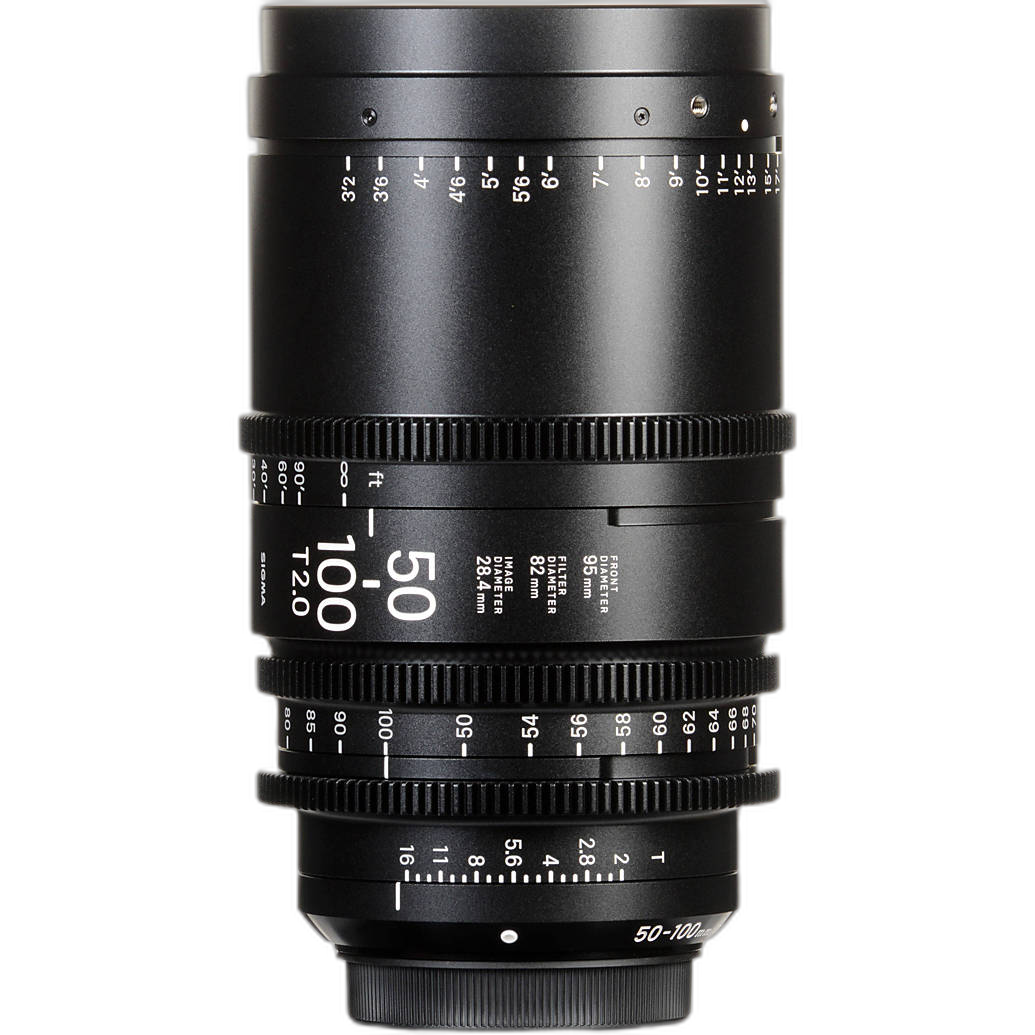
If your priority is efficiency, fewer lens swaps, and fast adaptation during a session, a quality zoom can be the more productive tool.
Do primes always create better background blur for portraits?
Not always. Background blur depends on more than lens type alone. Aperture, focal length, sensor size, subject distance, and background distance all influence the final look. A prime lens often offers a wider maximum aperture, which can help create a shallower depth of field. However, a zoom used at a longer focal length can also produce beautifully separated portraits.
For example, a 50mm prime at T1.5 can create a very soft background when your subject is close and the background is distant. At the same time, a 50-100mm zoom used toward the long end can produce strong compression and pleasing separation for headshots. Rather than assuming prime equals better blur, evaluate the exact look you want: natural perspective, dramatic subject isolation, or a tighter cinematic portrait.
In practical use, many Sony portrait creators choose a prime for its speed and signature rendering, then keep a zoom available when they need framing flexibility without sacrificing a polished look.
What focal lengths are best for different portrait styles on Sony E-mount?
Different portrait styles benefit from different focal lengths. Around 50mm is excellent for natural-looking portraits, editorial work, and interviews where you want a balanced perspective. Moving longer can be helpful for tighter compositions, facial compression, and cleaner backgrounds. A zoom spanning 50-100mm covers several portrait-friendly looks in one lens, which is useful when shooting multiple setups in a single session.
If you are building a more complete cinema-oriented portrait kit, a prime set can offer consistency across focal lengths. The Sigma T1.5 FF High-Speed 5 Fully Luminous Prime Lens Kit (Sony E, Metric) is worth considering for creators who want a coordinated lens family for portrait films, branded content, or studio production.
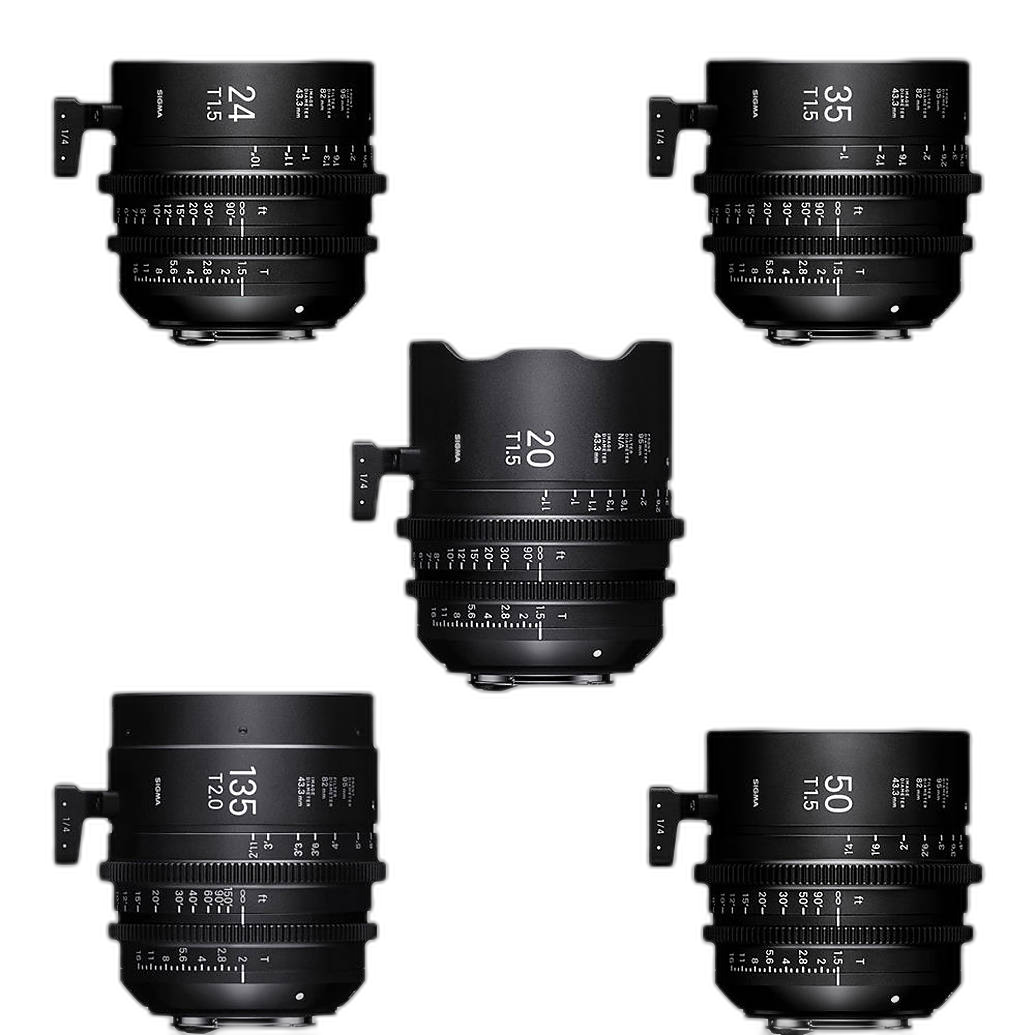
For shooters who want access to wide and telephoto creative options within a matched system, Sigma prime kits that include longer focal lengths can be useful for specialized portrait work as well. A longer lens in a set can deliver flattering compression for close-up portraits, while wider options support environmental storytelling when you want to show more of the scene.
Should I buy a single portrait lens or invest in a matched lens kit?
That depends on whether your portrait work is specialized or varied. If you mostly shoot one style—such as headshots, interviews, or lifestyle portraits—a single 50mm prime may be the most cost-effective and focused solution. It keeps your kit simple and helps you learn one focal length deeply.
If you shoot a mix of portraits, short films, branded video, or creative editorial work, a matched kit can make more sense. Lens kits provide consistency in color, contrast, mechanics, and operation, which matters when you are cutting footage together or maintaining a unified visual style. Products like the Sigma 14mm T2 and 135mm T2 FF High-Speed Prime Lens Kit with Case (Sony E) can appeal to advanced Sony users who want broad creative range in a premium cinema setup.
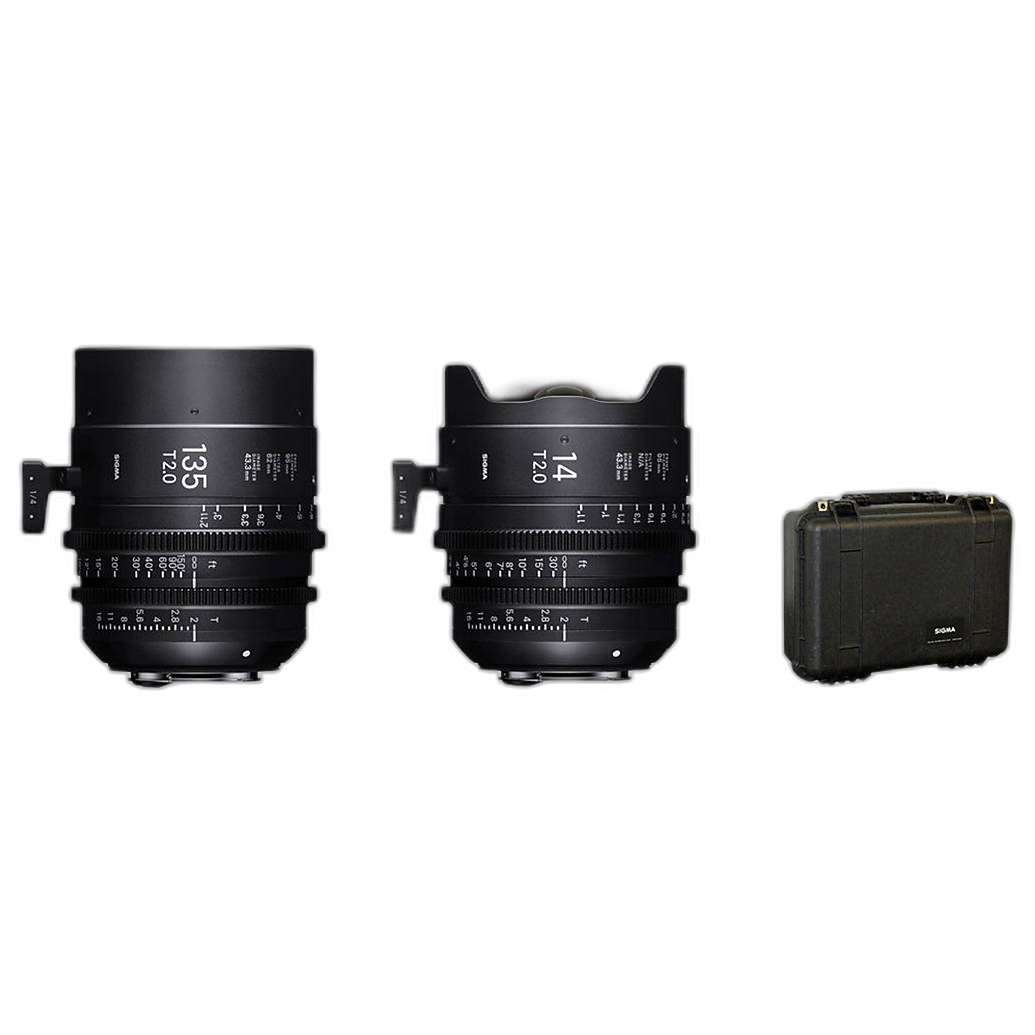
For many buyers, the best path is to start with the focal length they will use most, then expand into a kit once their style and production needs become clearer.
What should portrait video shooters consider when choosing between prime and zoom lenses?
Portrait video adds another layer to the decision because focus control, repeatability, and production speed matter as much as framing. Prime lenses are often preferred when you want a precise, cinematic approach with carefully planned shots. They can also be excellent when working in controlled interview setups where camera position stays fixed.
Zoom lenses are extremely practical for run-and-gun portrait video, documentary-style sessions, and productions where subjects move unpredictably. A zoom can save time and reduce interruptions, which helps both crew efficiency and on-camera comfort for your subject.
Sony E-mount users working in cinema production may also appreciate that Sigma's cine-oriented options are designed with professional handling in mind. If your portrait work involves follow focus systems, rigging, or repeated setups, those design details can make a meaningful difference on set.
How do I decide what to buy first for portrait work?
If you are still deciding, begin with your shooting habits instead of general internet advice. Choose a 50mm prime first if you want to refine your eye, work with a classic portrait perspective, and prioritize low-light performance or shallow depth of field. Choose a 50-100mm zoom first if you need one lens that can adapt to different subjects, distances, and compositions during fast-paced sessions.
At Unique Photo, we often suggest that Sony portrait creators think in terms of workflow. If changing lenses slows you down, start with the zoom. If you want a more intentional, stripped-down setup with a signature focal length, start with the prime. Either way, selecting a quality lens from a reputable cinema-focused lineup gives you room to grow as your portrait style evolves.
Whether you are comparing your first Sony portrait lens or building a more advanced production-ready kit, Unique Photo can help you find the right match for your shooting style. Explore our Sony E-mount lens selection, compare options side by side, and shop with confidence at Unique Photo.