Travel Wide Zoom FAQ: Choosing Sony and Tamron Lenses Beyond Compare Tools
Online lens comparison tools can be helpful, but travel photography rarely comes down to a single chart or score. When you are choosing a wide zoom for a trip, factors like focal range, size, weight, handling, flare control, and how the lens fits into the rest of your kit often matter just as much as lab-tested sharpness.
At Unique Photo, we recommend using comparison tools as a starting point, then narrowing your decision based on the way you actually shoot. If you are deciding between Sony and Tamron wide-angle options for travel, this FAQ will help you make a more practical choice.
How reliable are online lens comparison tools for picking a travel wide zoom?
They are useful, but they are not the whole story. A comparison tool can show trends in sharpness, distortion, vignetting, and sometimes autofocus behavior, but travel photography includes variables that charts cannot fully measure. You may be shooting architecture in bright midday sun one hour, handheld interiors the next, and then landscapes at blue hour later in the day. In those situations, ergonomics, portability, zoom range, weather resistance, and how comfortable the lens feels after a long day matter a lot.
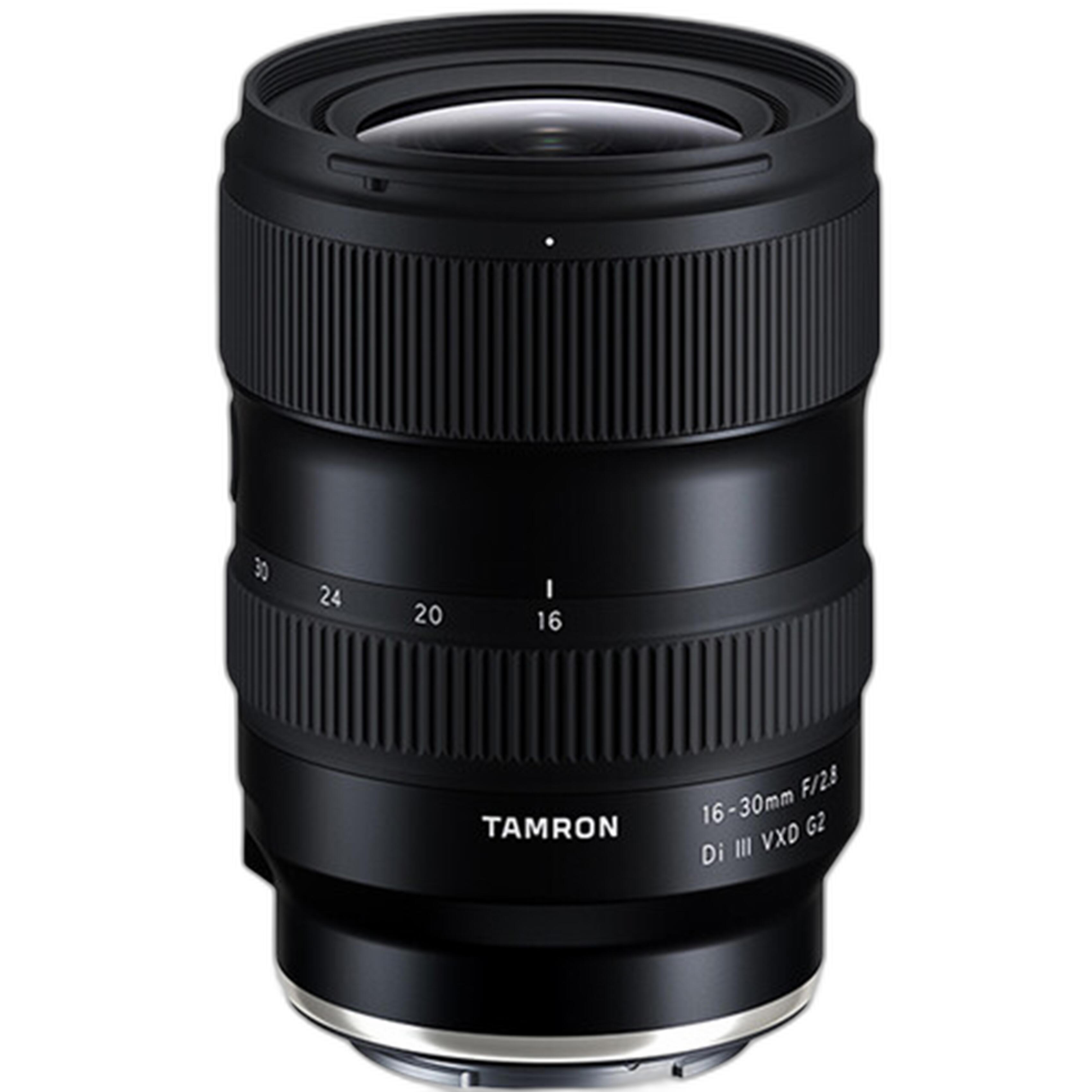
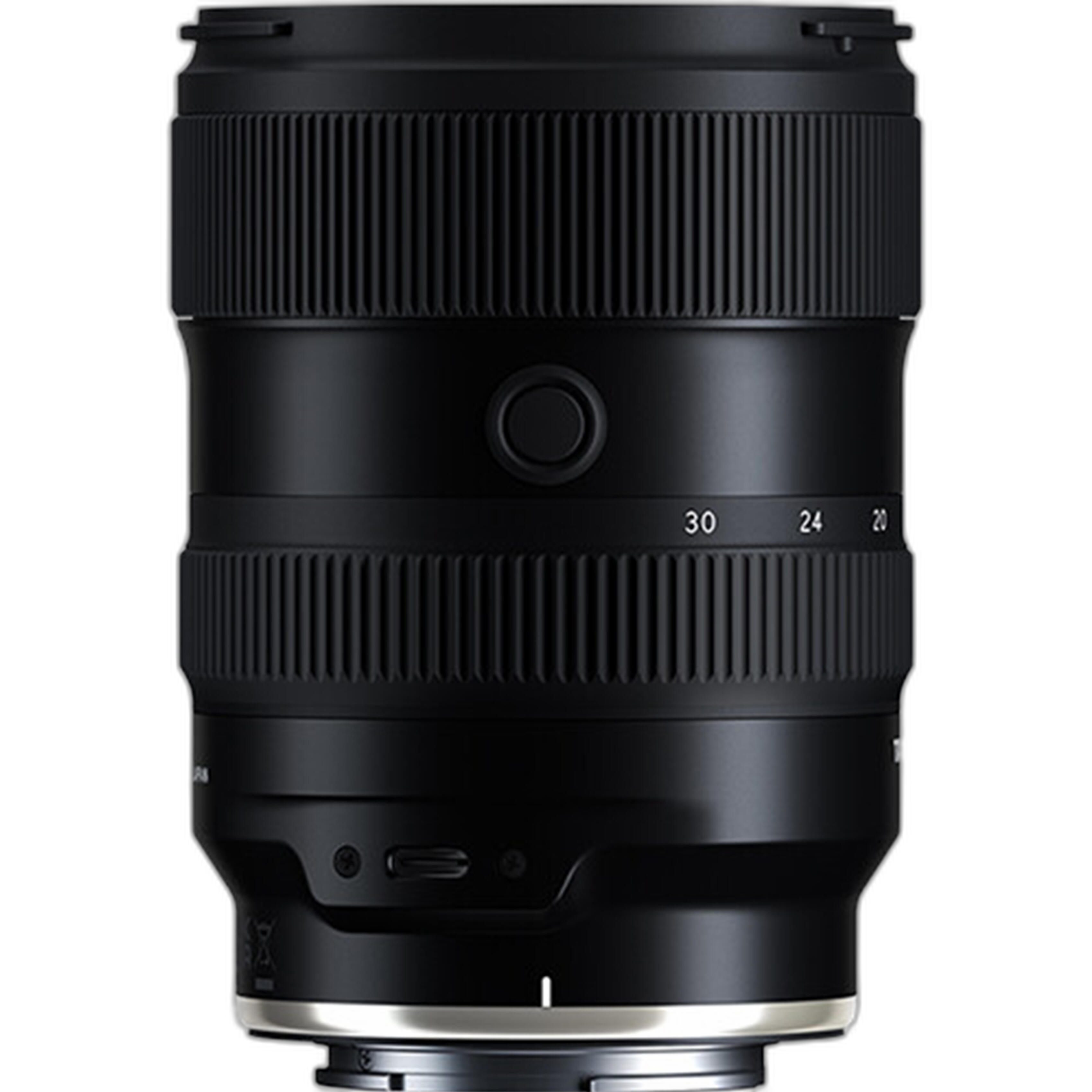
For example, a newer compact wide zoom like the Tamron 16-30mm F/2.8 Di III VXD G2 Lens for Sony E can be especially appealing for travelers who want fast aperture performance with practical coverage in a relatively efficient package. That kind of real-world convenience may be more important than tiny chart differences.
Do minor sharpness differences in a comparison tool actually show up in real travel photos?
Usually, not in a dramatic way. Small differences at the pixel level often disappear once you factor in handheld shooting, changing light, atmospheric haze, subject movement, and final output size. If your images are being shared online, printed at moderate sizes, or used in travel albums, the practical gap between two high-quality lenses may be much smaller than a comparison tool suggests.
What does tend to matter more is whether the lens lets you get the shot easily. A wider focal length can help in tight streets, hotel interiors, and dramatic landscapes. Better edge performance can matter for architecture, but only if you regularly photograph scenes where corner detail is critical. For many travelers, composition, timing, and stabilization technique will influence image quality more than a slight test-chart advantage.
What matters most when choosing a wide zoom specifically for travel?
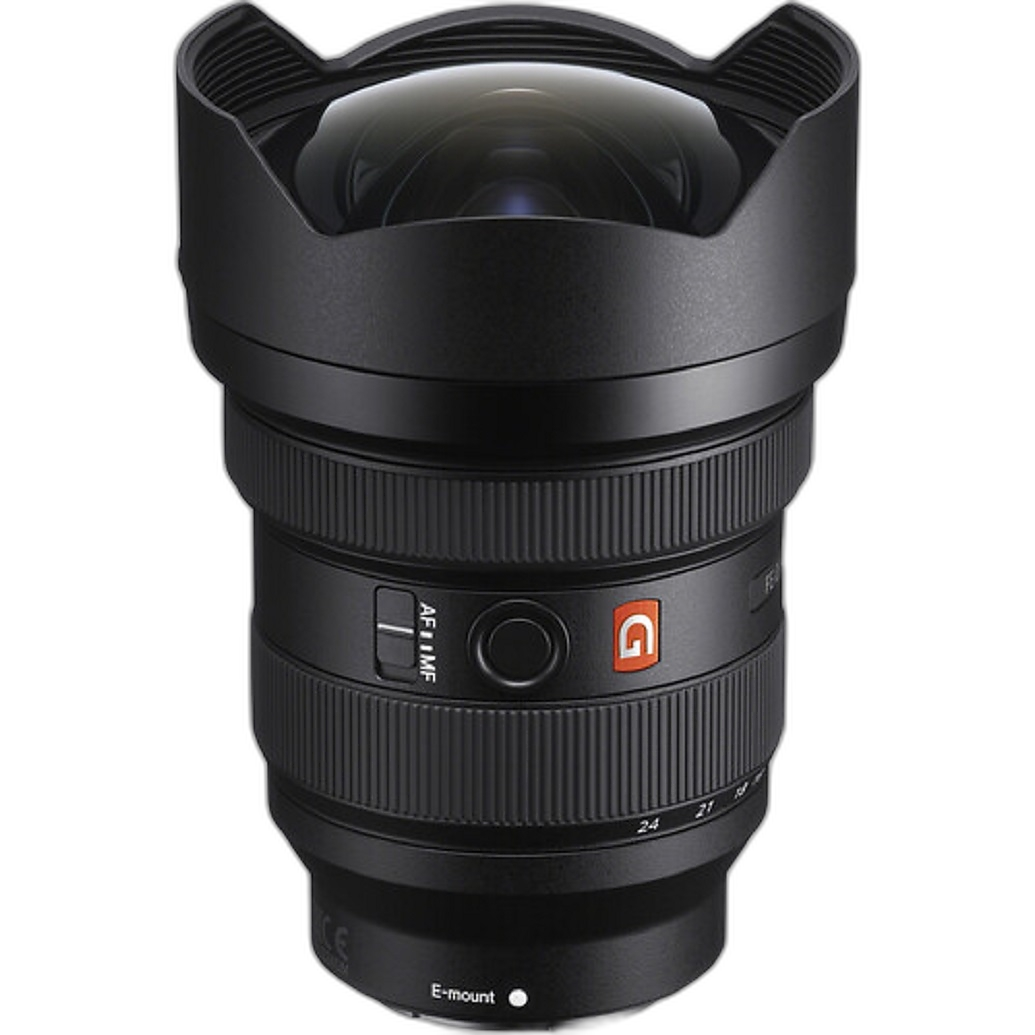
Start with four priorities: focal range, size, low-light ability, and system fit. A lens that begins at 16mm gives you more room for cramped interiors and sweeping views than one starting at 17mm or 18mm. That may sound minor, but at the ultra-wide end, 1mm can make a noticeable difference. On the other hand, if you value extreme width above all else, a premium option like the Sony FE 12-24mm f/2.8 GM Lens opens creative possibilities that standard wide zooms simply cannot match.
The tradeoff is that ultra-wide premium glass can be larger, more specialized, and more expensive. For travel, the best choice is often the one you will happily carry all day and use often, not just the one that wins on paper. If your trip includes cityscapes, interiors, environmental portraits, and landscapes, a flexible wide zoom may serve you better than a highly specialized optic.
How should I think about 16mm versus 17mm for travel photography?
At normal focal lengths, 1mm is easy to ignore. At the wide end, it can be meaningful. Moving from 17mm to 16mm gives you a bit more breathing room when backing up is impossible, such as in narrow alleys, museums, cafés, vehicles, or interior spaces. If you frequently shoot architecture or travel vlogs in tight locations, that extra width is genuinely useful.
That is one reason lenses in the 16mm range remain popular for travel. The Tamron 16-30mm F/2.8 Di III VXD G2 adds that useful 16mm starting point while still extending to 30mm, giving you a little more flexibility for detail shots and general-purpose walkaround use.
Which lens recommendations from comparison tools do experts often disagree with?
The most common issue is when a tool overemphasizes technical scores without considering use case. A lens may rank higher because of slightly better corner sharpness at a specific aperture, but that does not automatically make it the better travel lens. Travelers often value compactness, versatility, price-to-performance, and the ability to pair one lens with another without leaving major gaps in coverage.
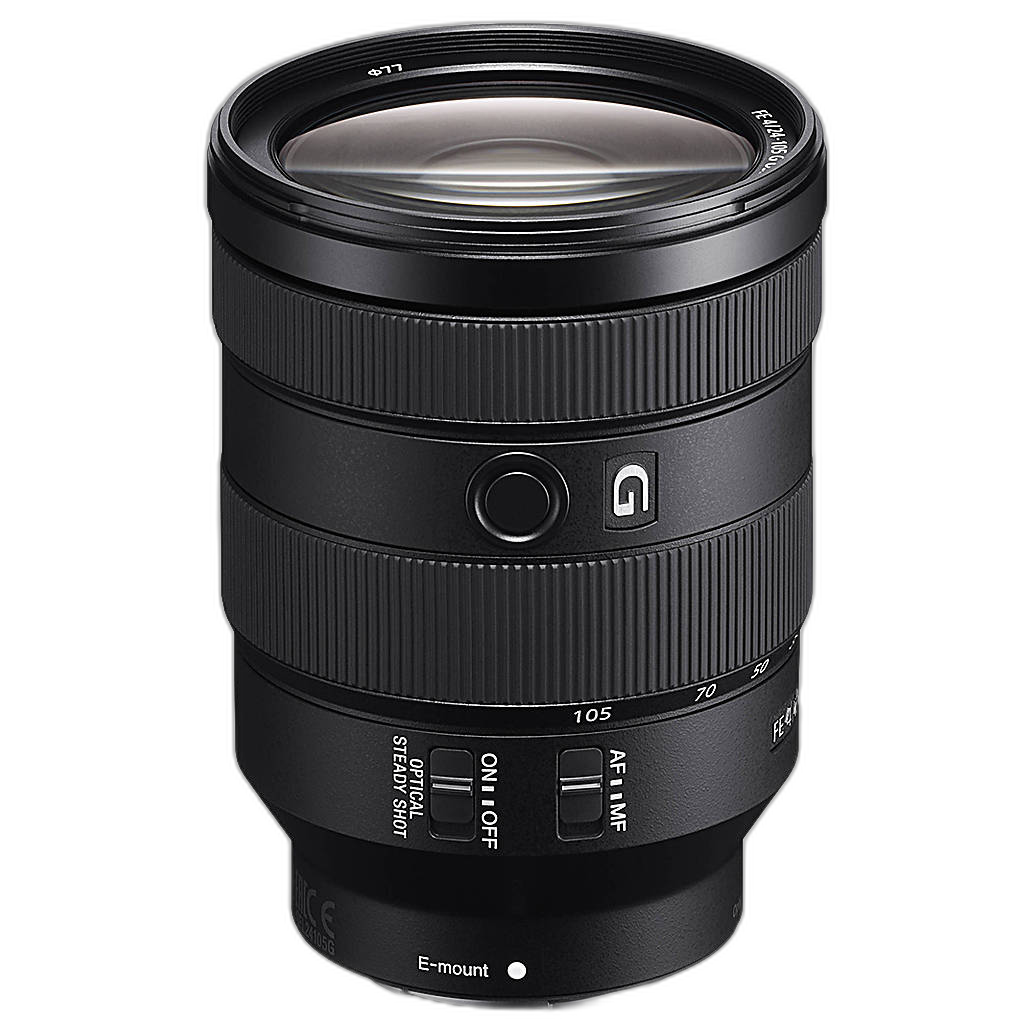
We also caution against assuming the "best" wide lens is always the widest or fastest one available. The Sony FE 12-24mm f/2.8 GM is an outstanding lens, but it is best for photographers who truly need 12mm coverage and top-tier optical performance. Many travelers will be better served by a more moderate wide zoom and then pairing it with a versatile midrange option like the Sony FE 24-105mm f/4 G OSS Lens, which can dramatically reduce lens changes on the road.
Is a dedicated wide zoom better for travel than an all-in-one style approach?
That depends on your shooting style. A dedicated wide zoom is the better choice if landscapes, interiors, architecture, and dramatic foreground-heavy compositions are central to your work. It gives you the perspective control and wide coverage that a standard zoom cannot match. However, if you prefer to travel lighter and want one lens to handle most daytime situations, a standard zoom like the Sony FE 24-105mm f/4 G OSS is often the more practical tool.
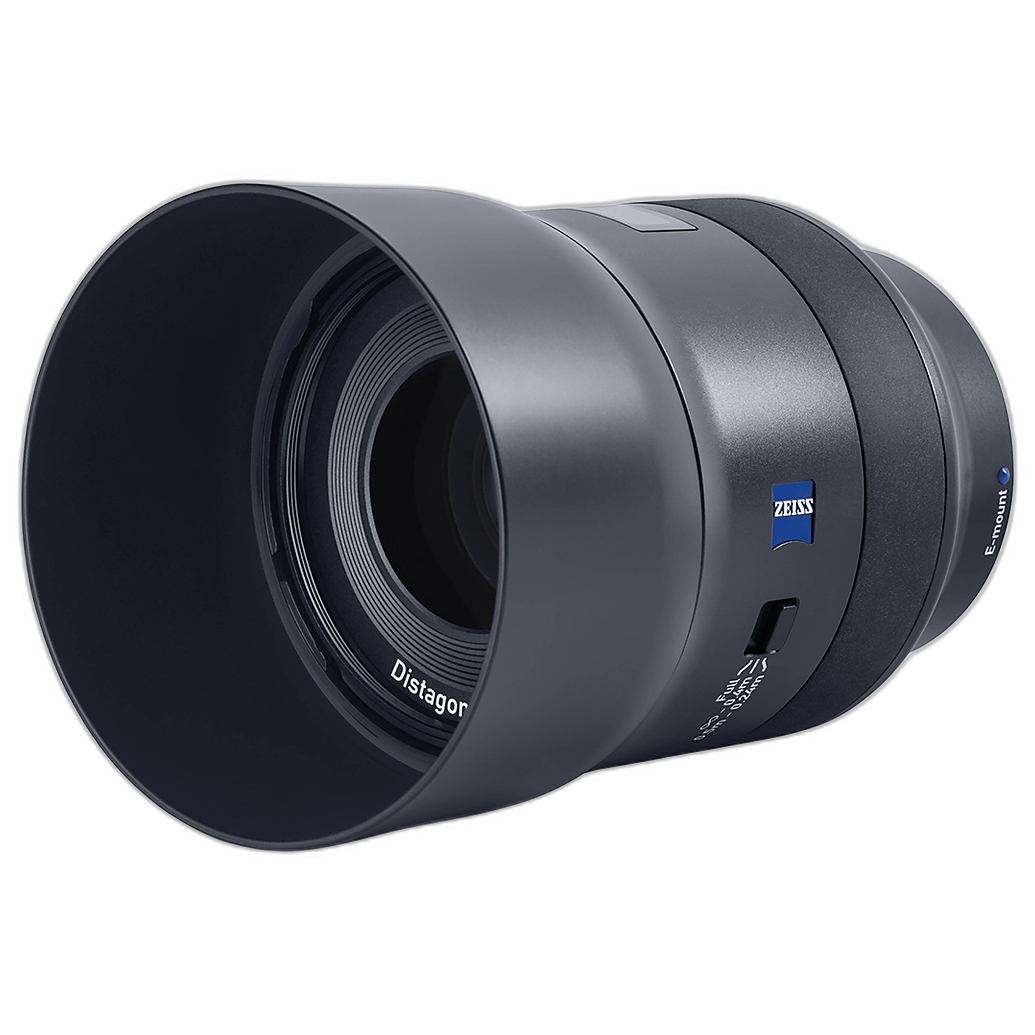
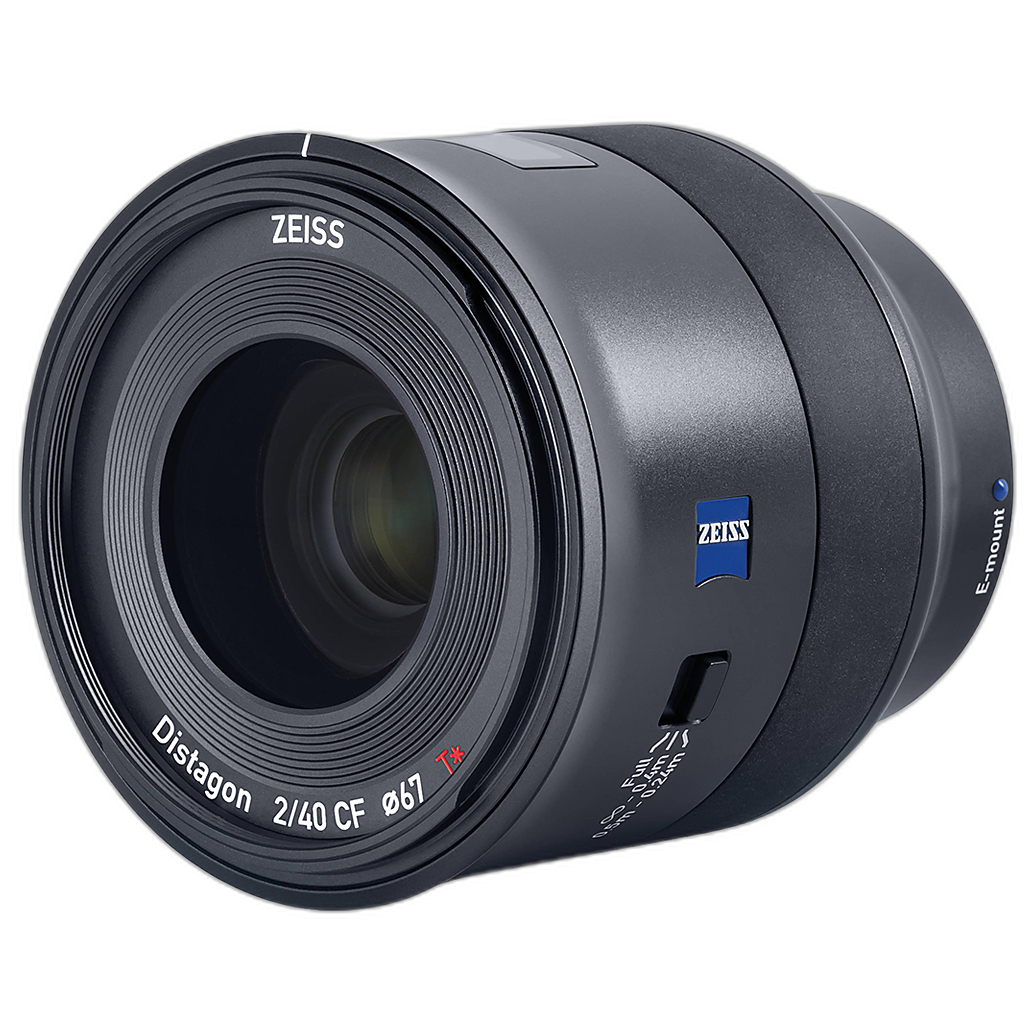
Many experienced travelers build a two-lens kit: a wide zoom for scenes where width matters, and a midrange zoom for everything else. That approach keeps your kit flexible without going overboard. If you like adding a lightweight prime for evenings or detail work, a lens like the Zeiss Batis 40mm f/2 CF Lens for Sony E can complement a travel zoom setup nicely.
When does an ultra-wide prime make more sense than a zoom for travel?
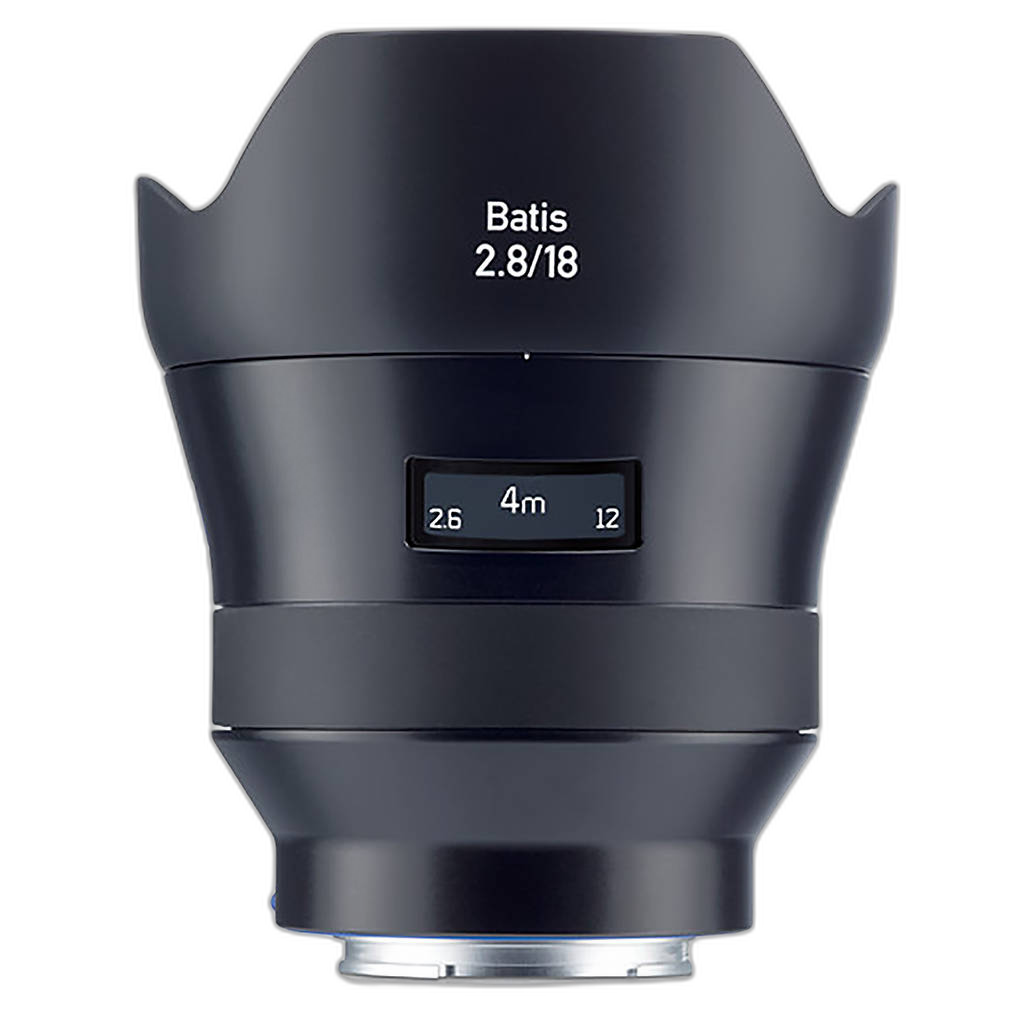
An ultra-wide prime can make sense if you know exactly how you shoot and want a simpler, lighter setup with excellent optical character. For photographers who love environmental storytelling, architecture, interiors, and dramatic landscapes, a prime such as the Zeiss Batis 18mm f/2.8 AF lens for Sony Full Frame E-Mount Cameras can be a great travel companion. It encourages deliberate framing and can be easier to pack than carrying multiple zooms.
The limitation, of course, is flexibility. If your travel schedule moves quickly and you do not always have time to reposition, a zoom is usually the safer option. But if you enjoy working with a single perspective and want strong image quality in a compact kit, an 18mm prime remains a compelling choice.
What are the best travel-specific tips for choosing between Sony and Tamron wide zooms?
First, think about your itinerary. If your trip is heavy on landscapes, interiors, and dramatic city scenes, prioritize width. If you also want a lens that transitions more comfortably into general walkaround framing, pay close attention to the long end of the zoom range. Second, be realistic about your tolerance for weight. A lens that feels manageable in the store can feel very different after a full day of airports, trains, and walking tours.
Third, build your decision around your second lens. If you are already carrying something like a Sony FE 24-105mm f/4 G OSS, your wide zoom only needs to cover the ultra-wide to wide-normal range efficiently. If your wide zoom will do most of the work, then both the starting and ending focal lengths become much more important. Finally, think about your editing style. If you routinely correct distortion and crop, slight optical differences may matter less than portability and convenience.
What practical accessories help when traveling with a Sony mirrorless kit?
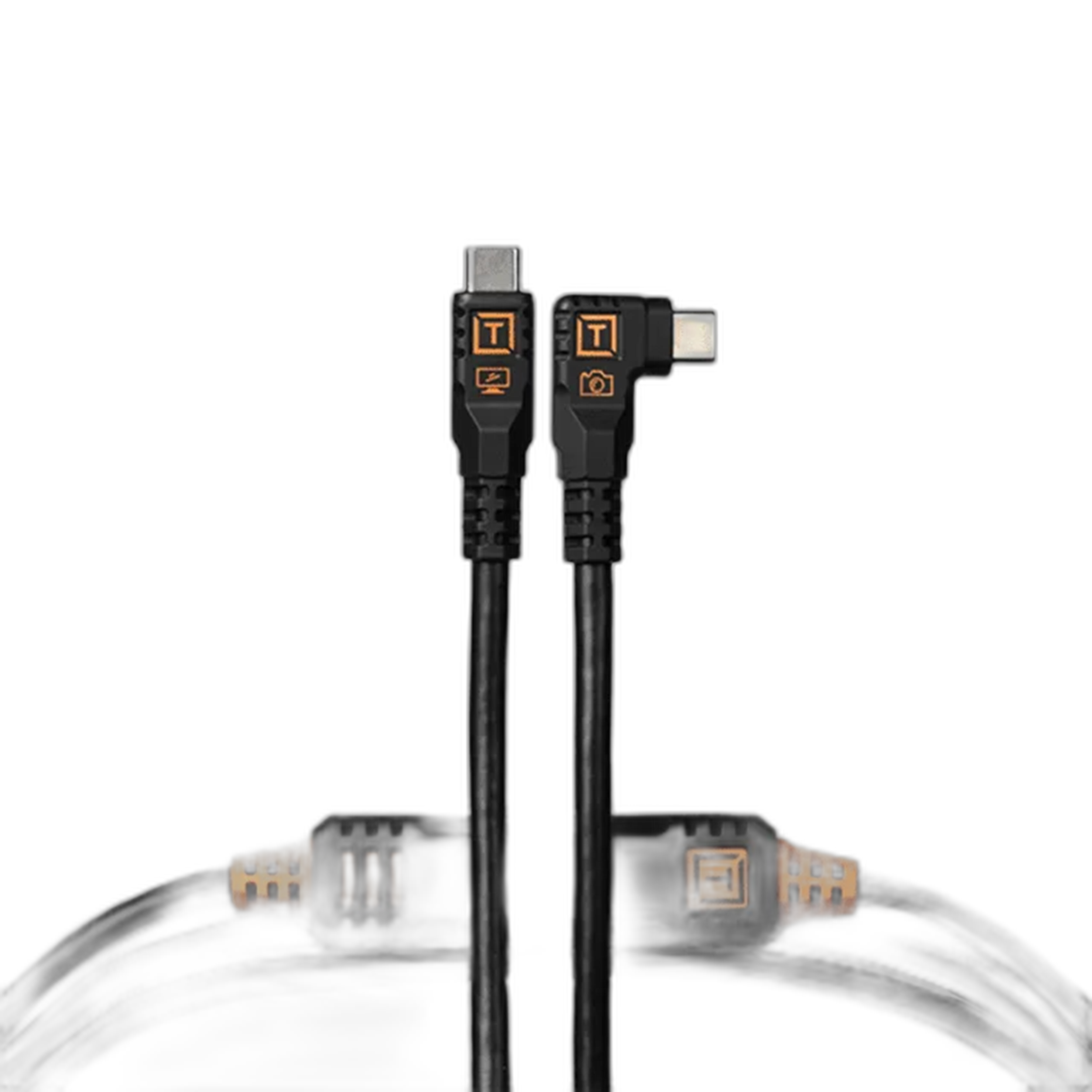
A travel lens decision should also include workflow and reliability. If you review images on a laptop or tablet while traveling, a dependable cable like the Tether Tools Optima 10G USB-C 15ft Straight to Right - Black can be useful for tethered review in hotel rooms, on-location work, or content creation setups. It is not a lens accessory in the traditional sense, but dependable data transfer can make a travel workflow much smoother.
So, should I trust the tool or trust my real-world needs?
Trust both, but give the final vote to real-world use. Comparison tools are valuable for narrowing the field and spotting obvious strengths or weaknesses. But for travel photography, the best lens is the one that matches your destinations, shooting habits, packing style, and budget. A lens that performs beautifully in controlled tests but stays in your bag is less useful than one that is easy to carry and inspires you to shoot.
If you are weighing options like the Tamron 16-30mm F/2.8 G2, the Sony FE 12-24mm f/2.8 GM, or a complementary lens such as the Sony FE 24-105mm f/4 G OSS, Unique Photo can help you compare your choices and build a travel kit that fits the way you actually work. Explore these lenses at Unique Photo and choose the setup that will keep you shooting confidently on your next trip.